
Singapore
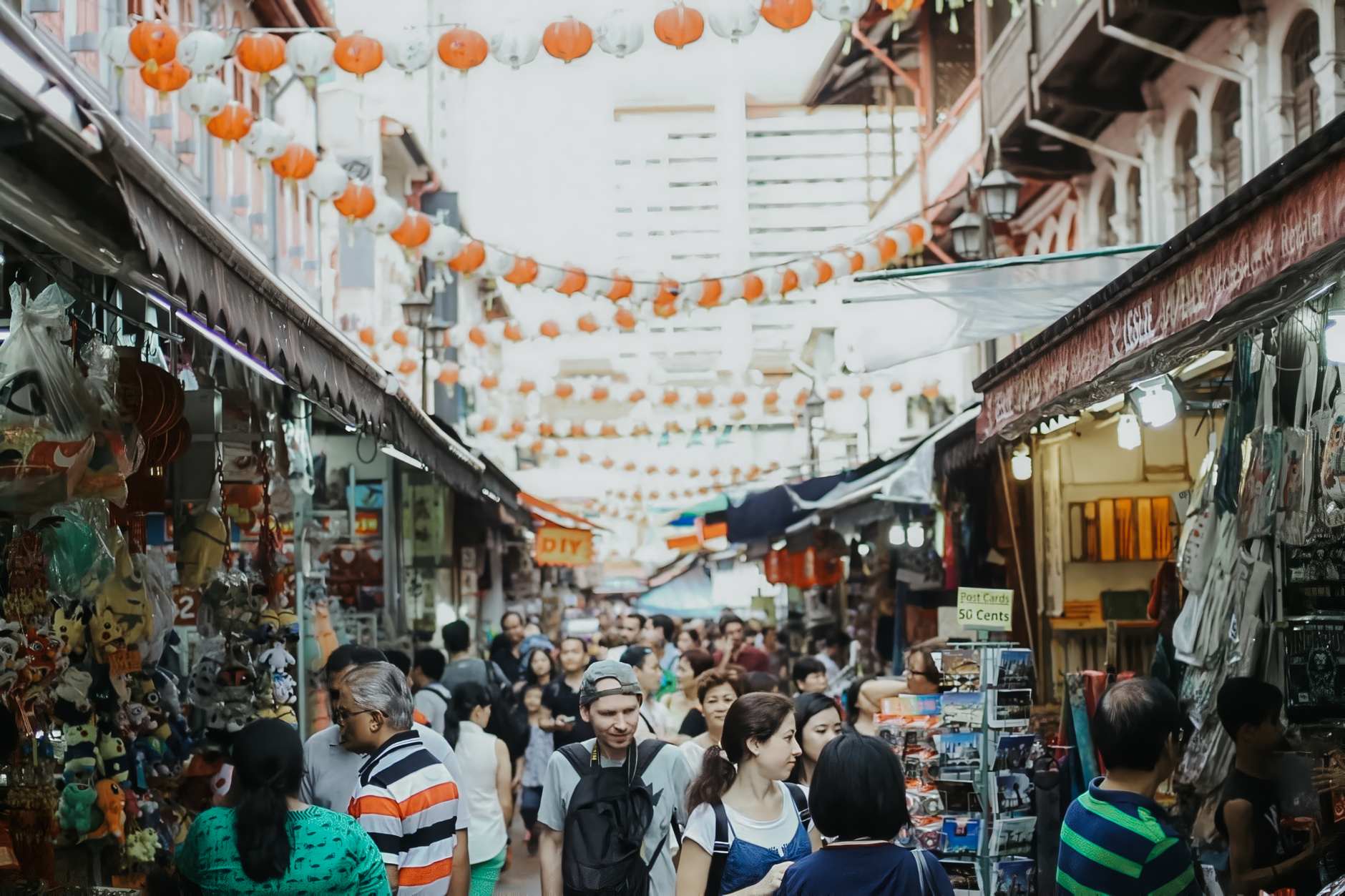
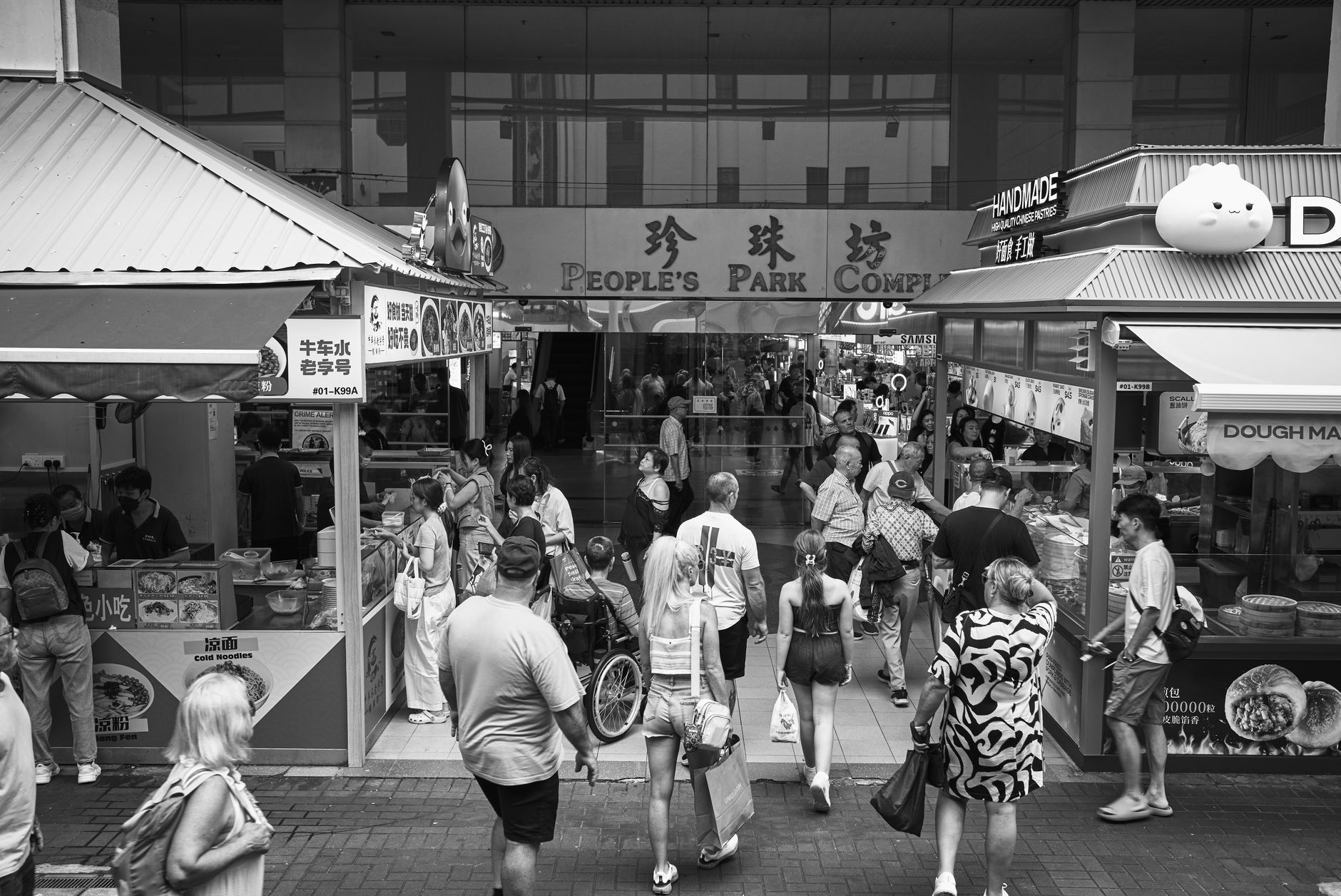
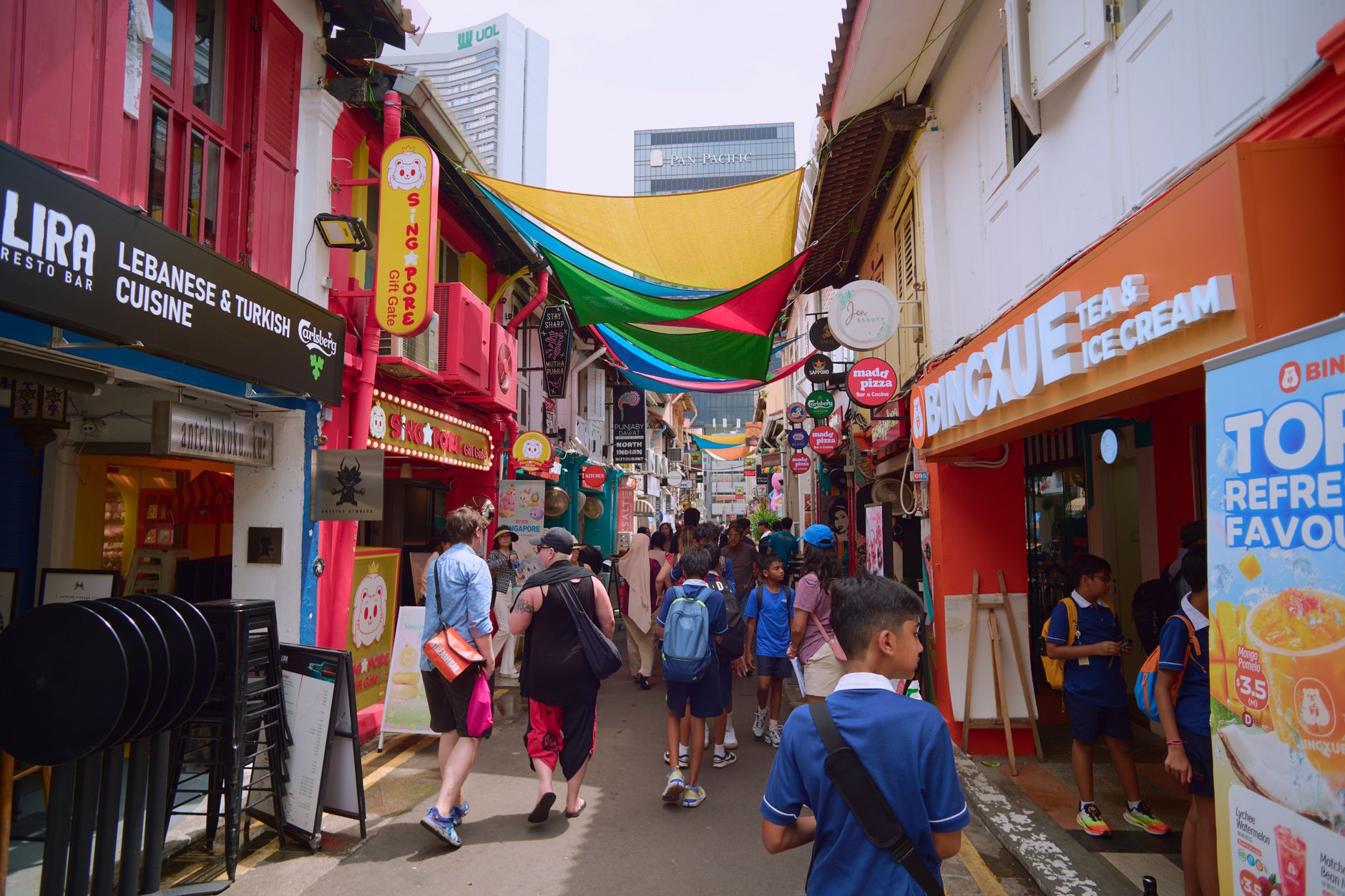
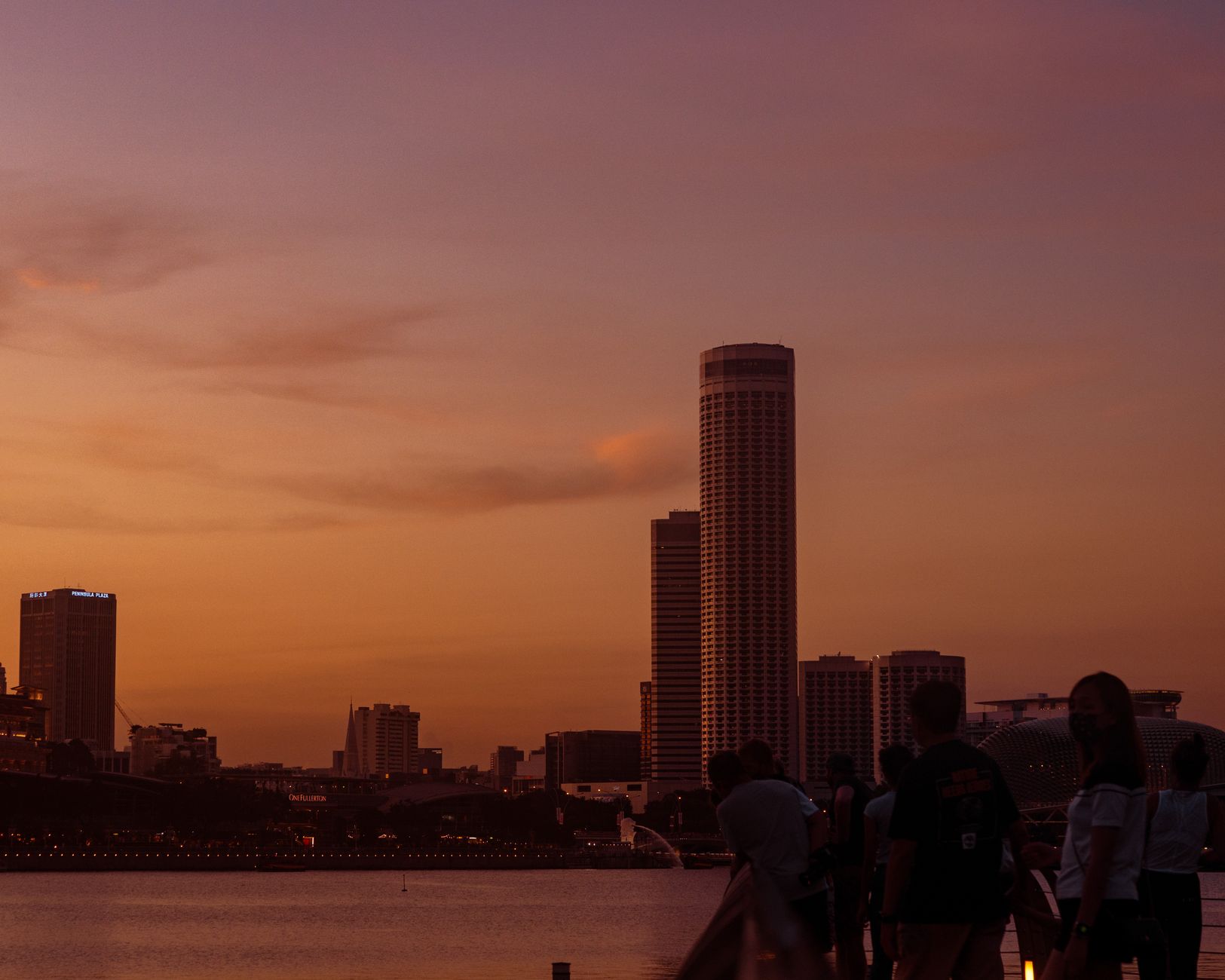
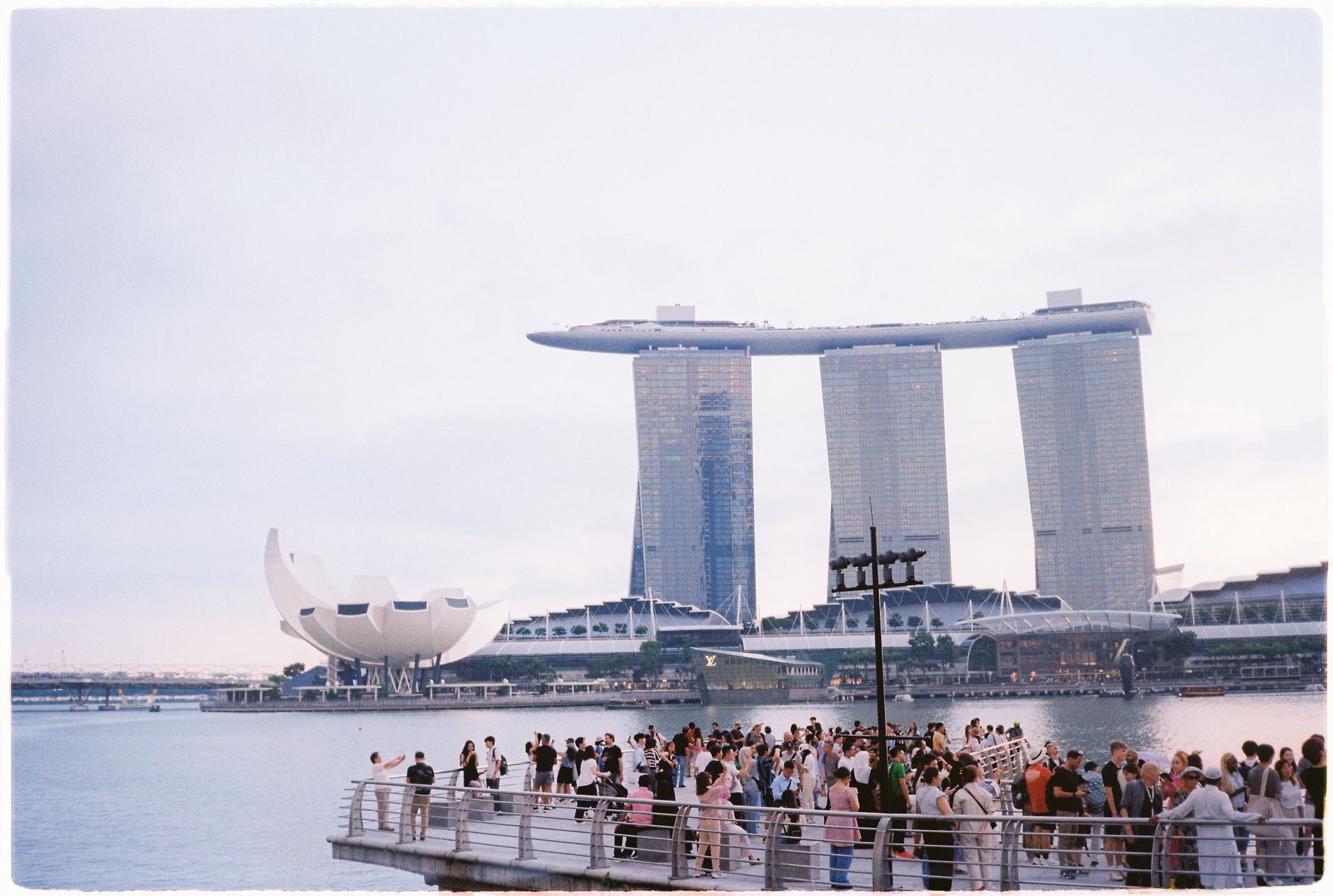
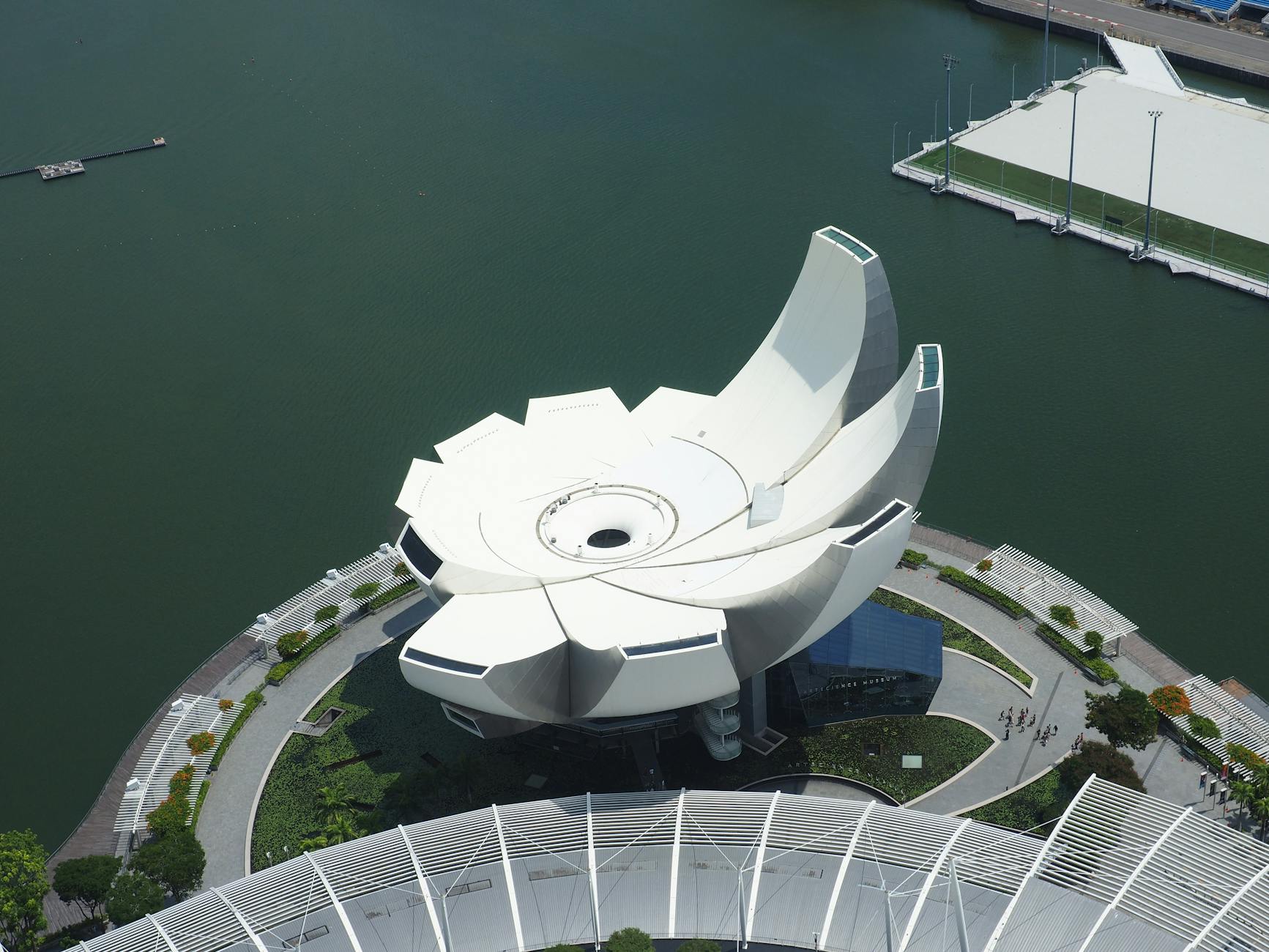
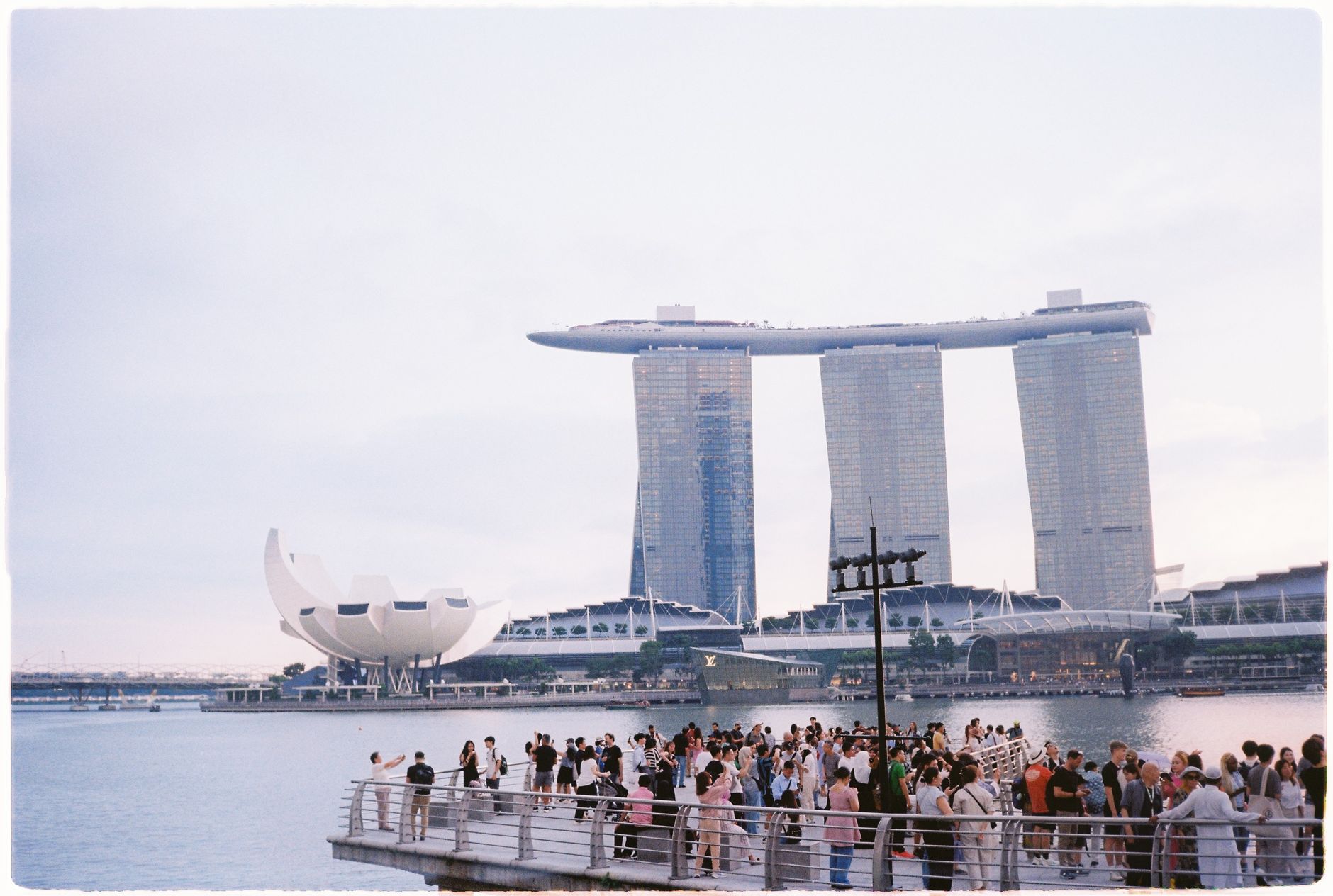
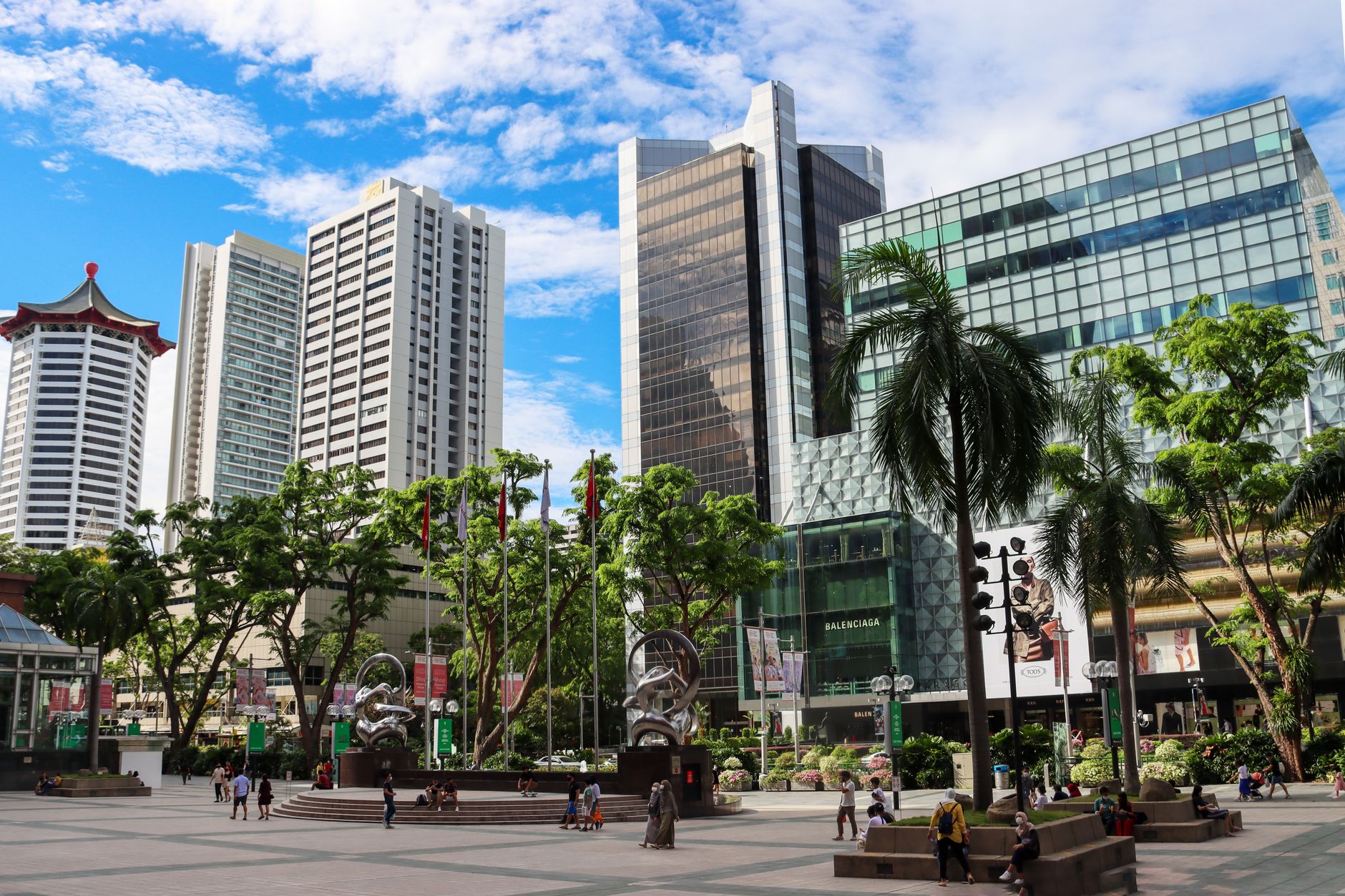
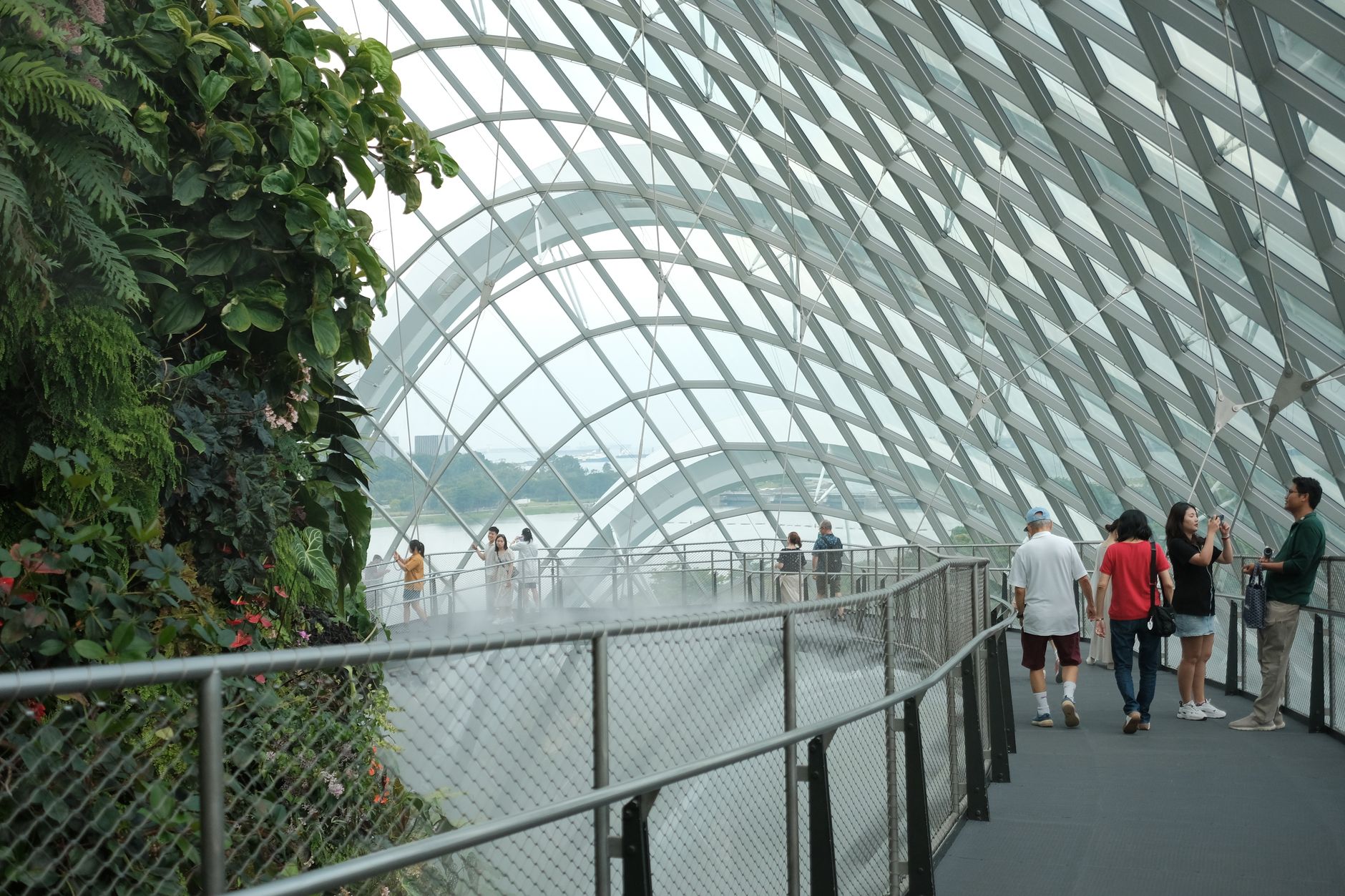
Singapore is roughly the size of a city but runs with the logic of a country — its own currency, passport, and a metro system of 160-plus stations that gets you almost anywhere without a taxi. What strikes most people first is the density of it: glass towers pressing up against a 19th-century hotel where the Singapore Sling was invented, a lotus-shaped museum beside a bridge engineered to look like a strand of DNA, and a botanic garden established in 1859 that became the country's first UNESCO World Heritage Site.
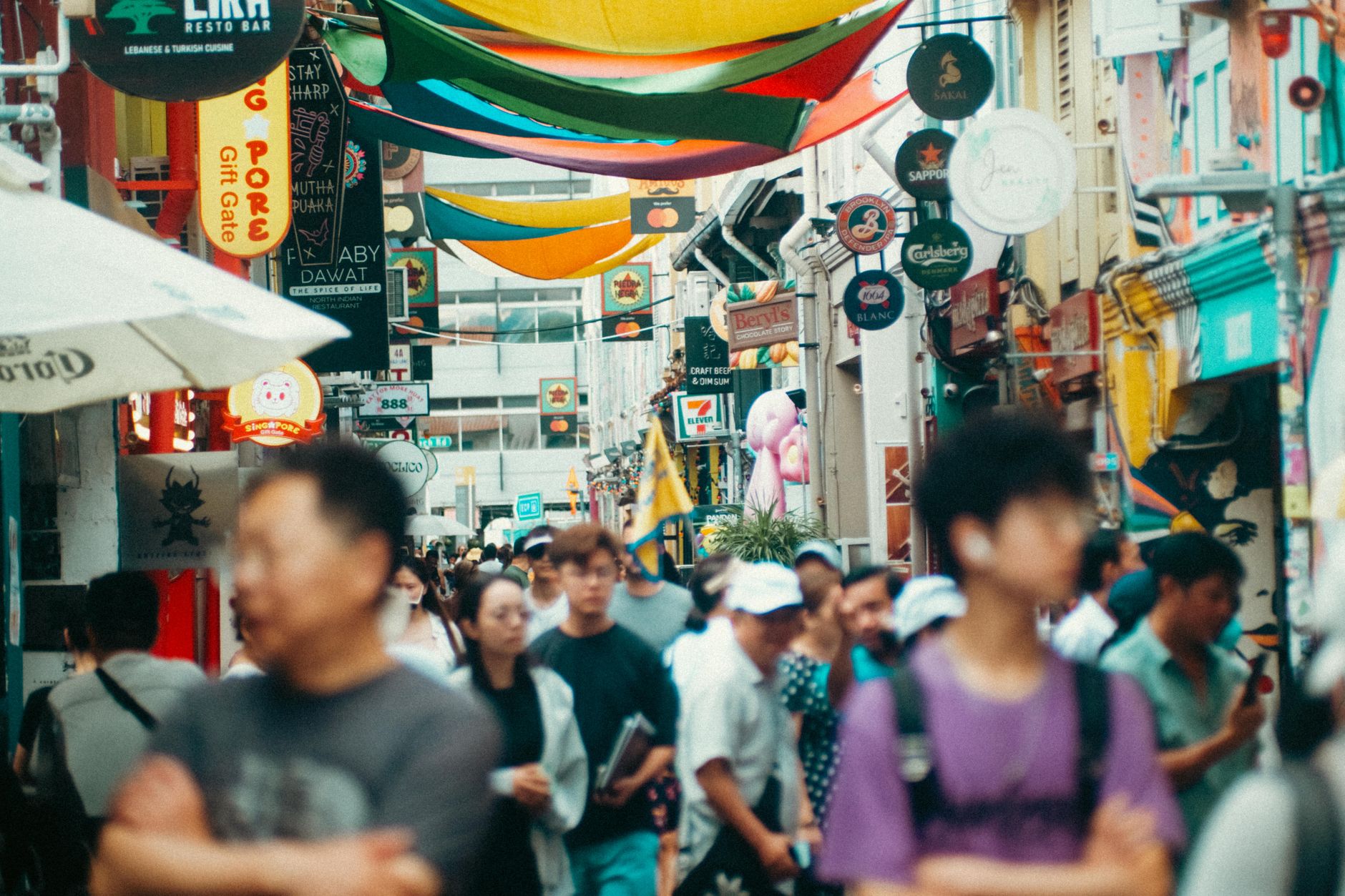
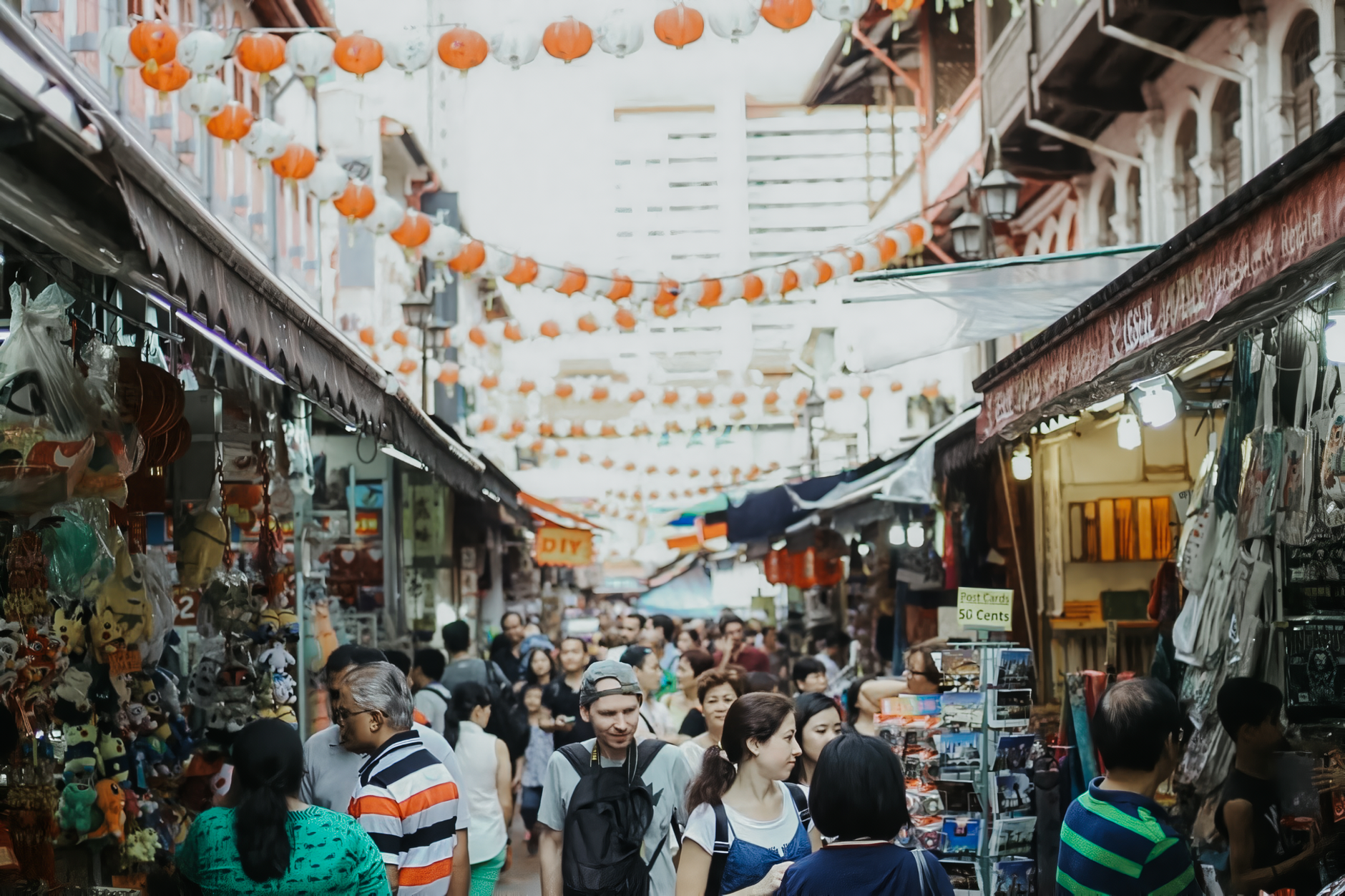
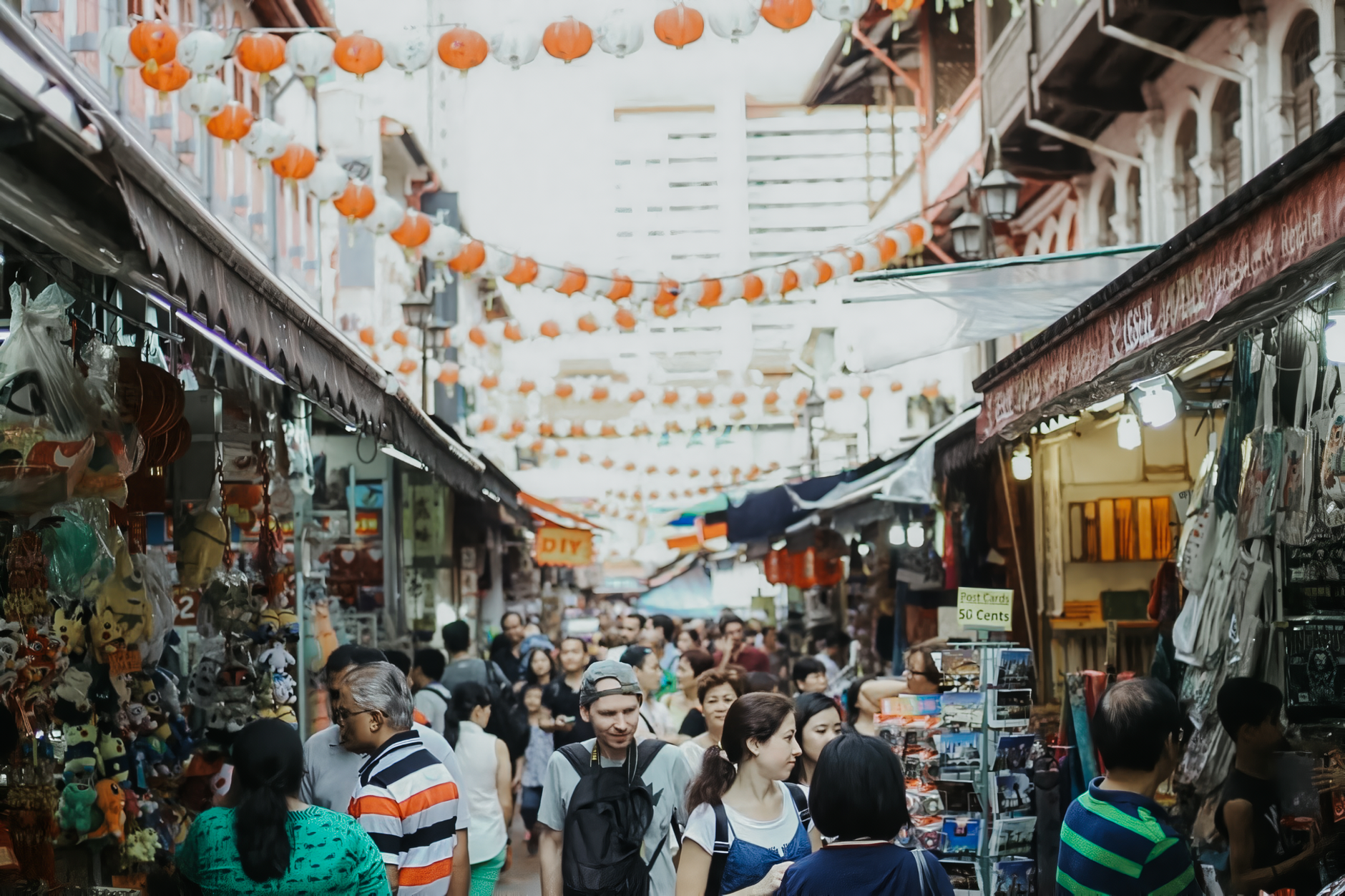
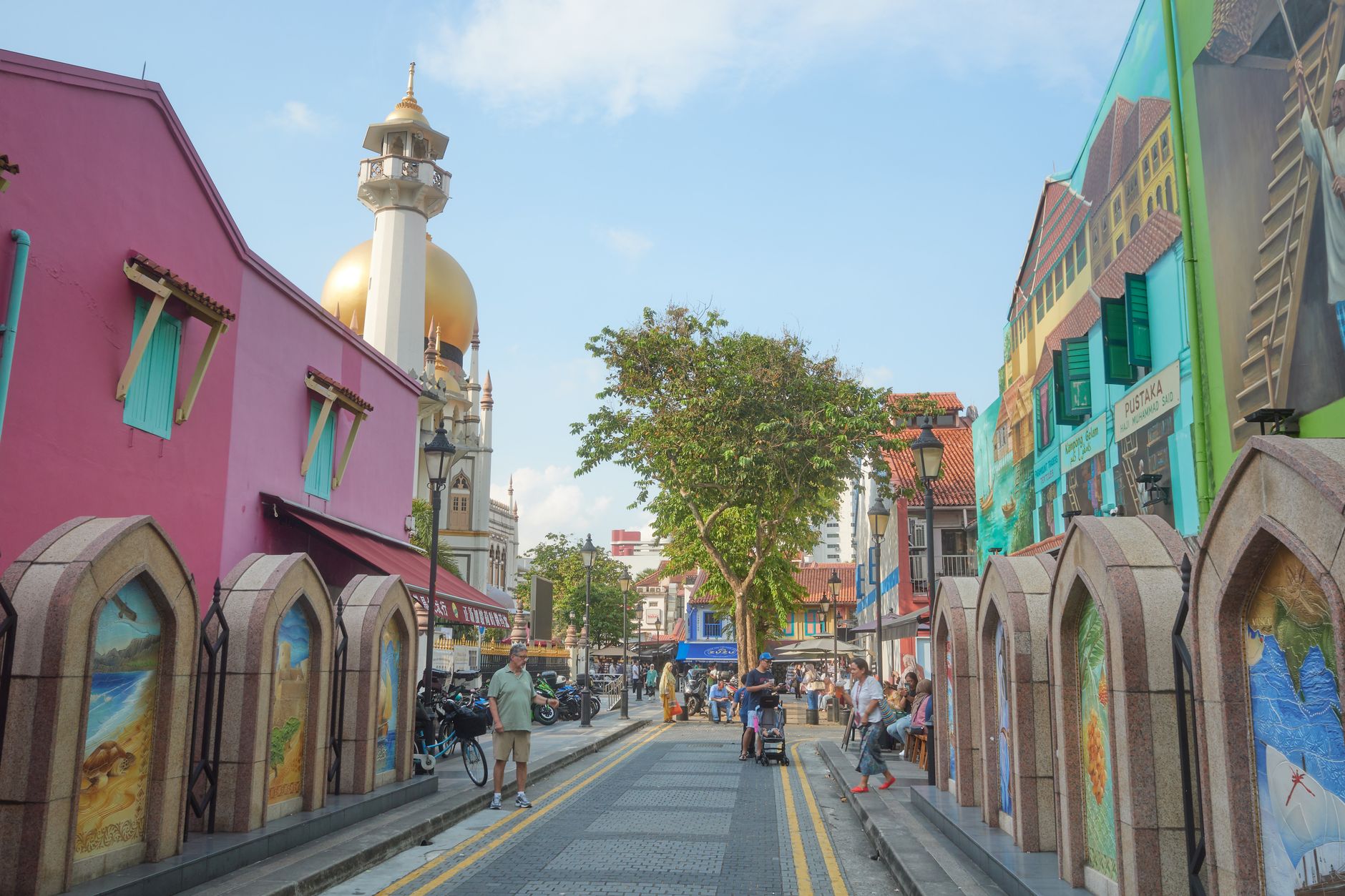
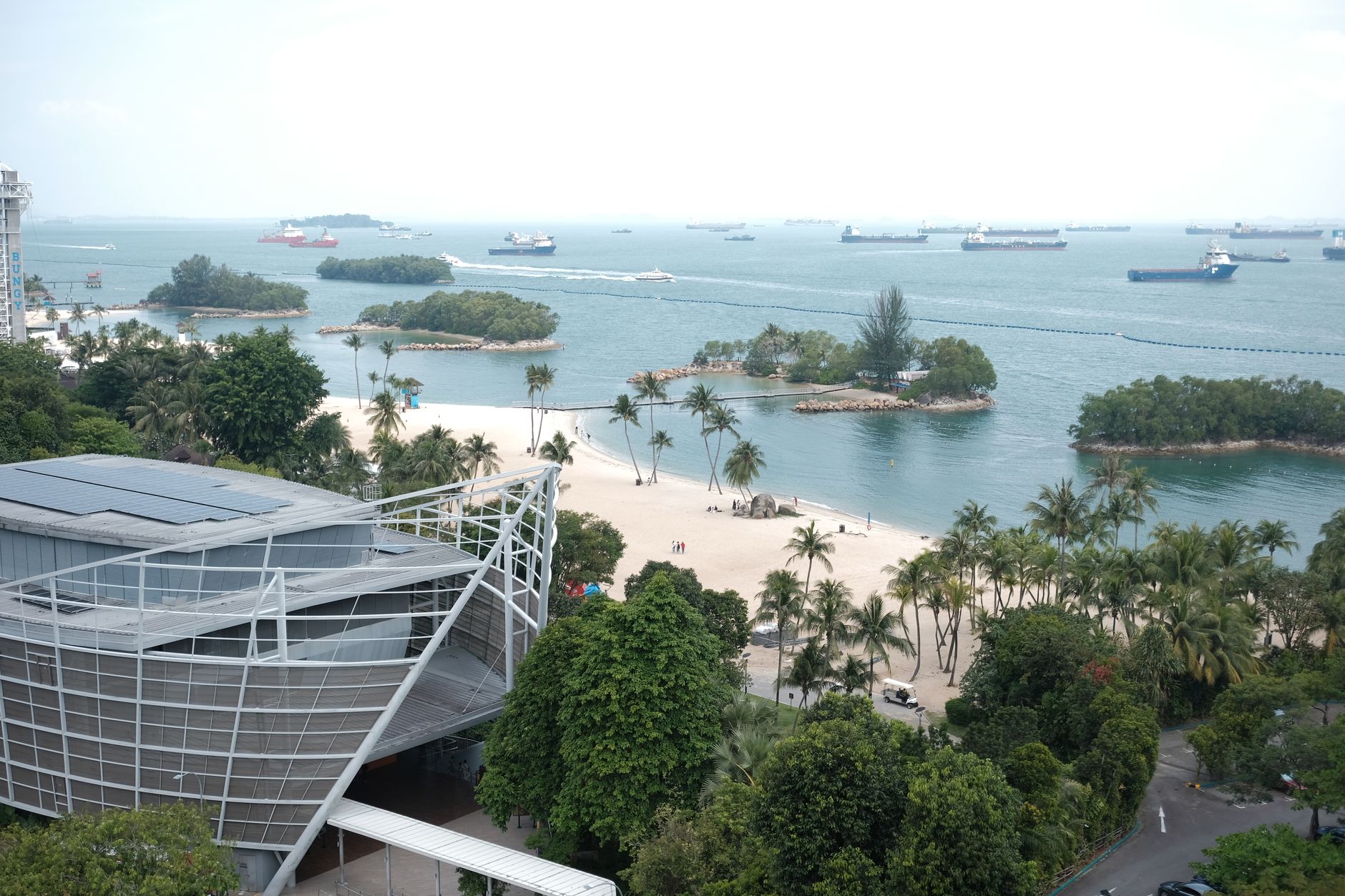
The city-state sits at the southern tip of the Malay Peninsula, and that position has always been the point. Trade made it, and trade still shapes it — in the container ships queued on the horizon and in the sheer variety of food, language, and architecture you encounter within a single afternoon.
Popular regions in Singapore
💛 What travellers fall for
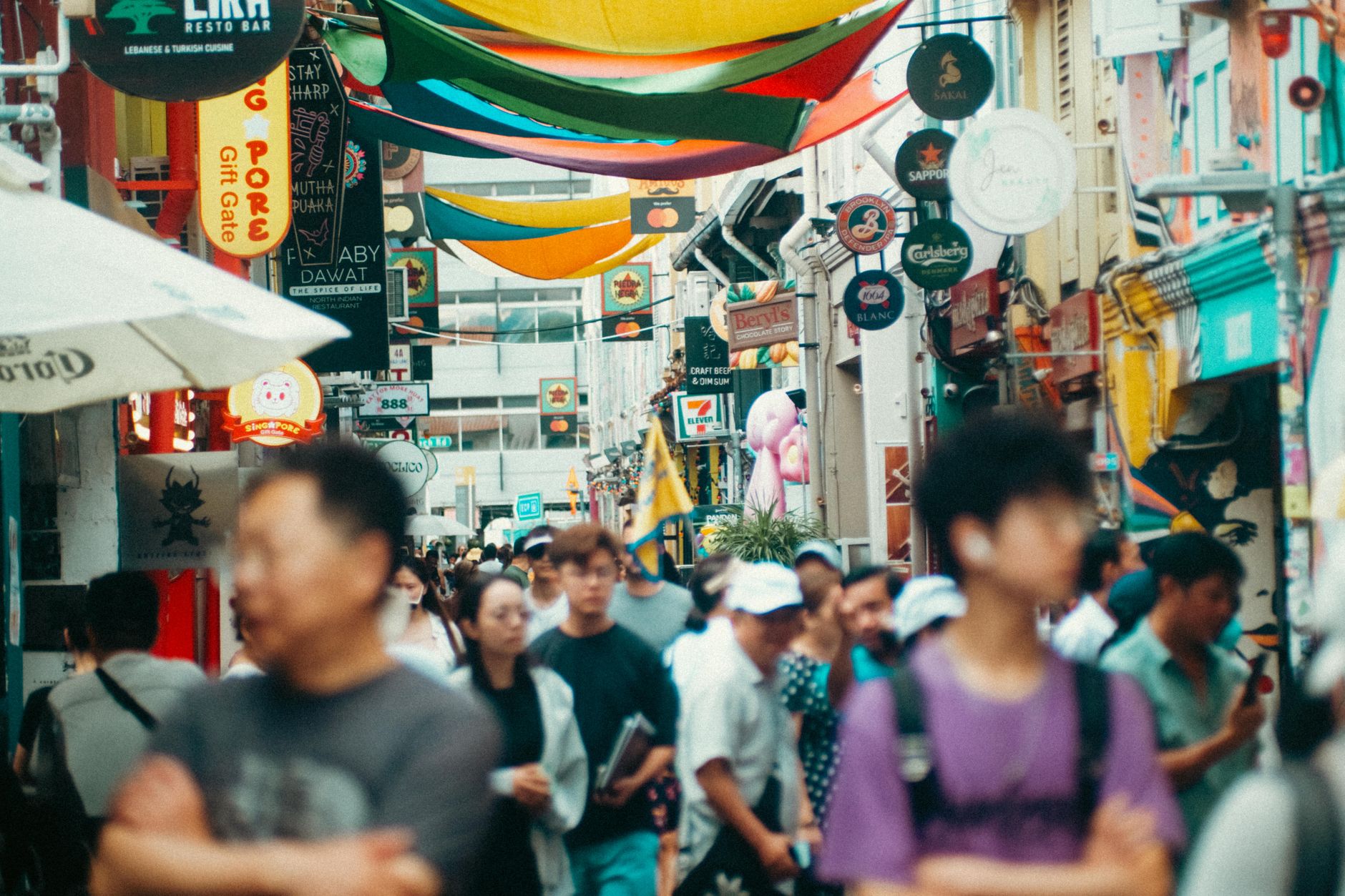
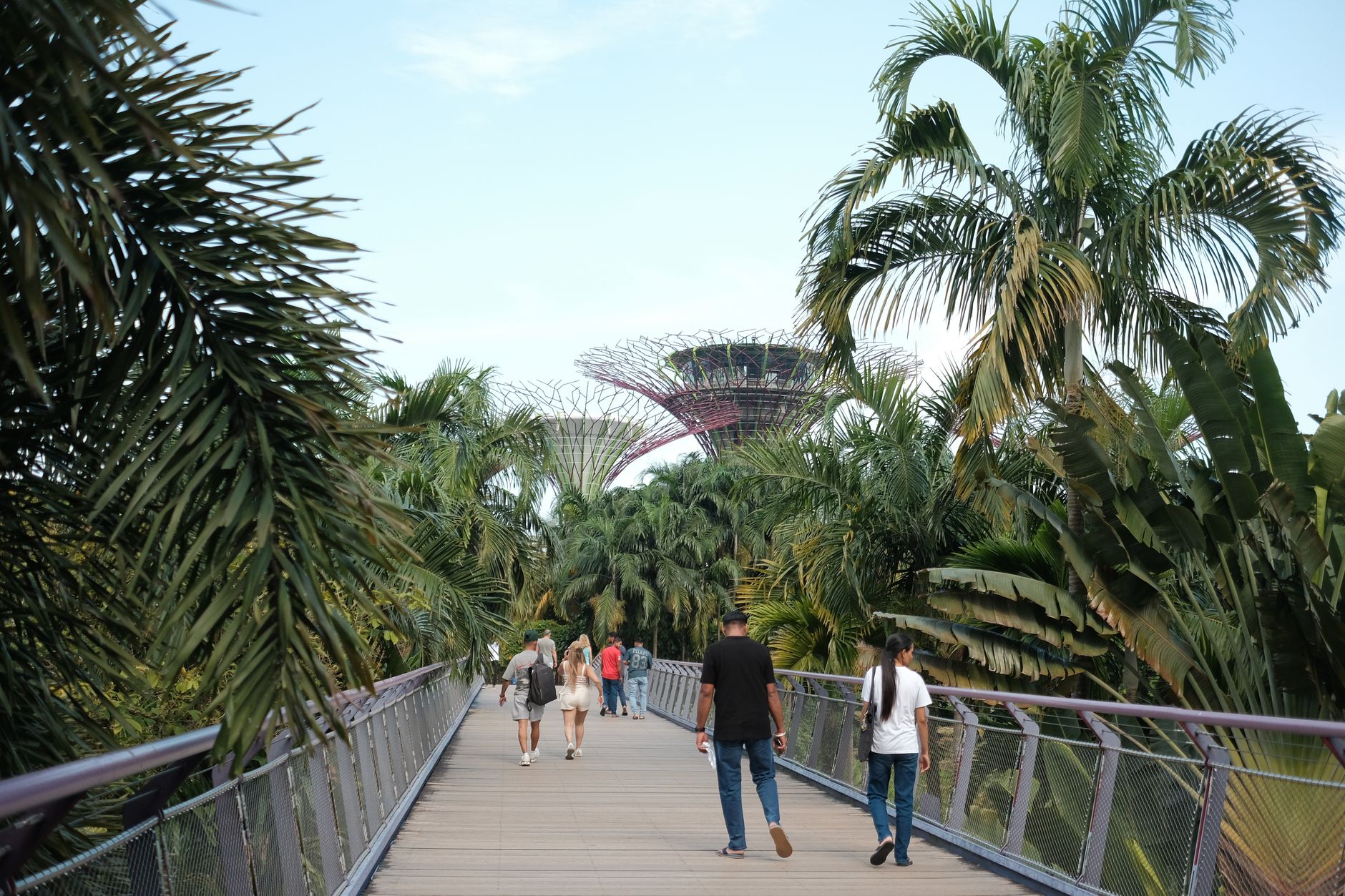
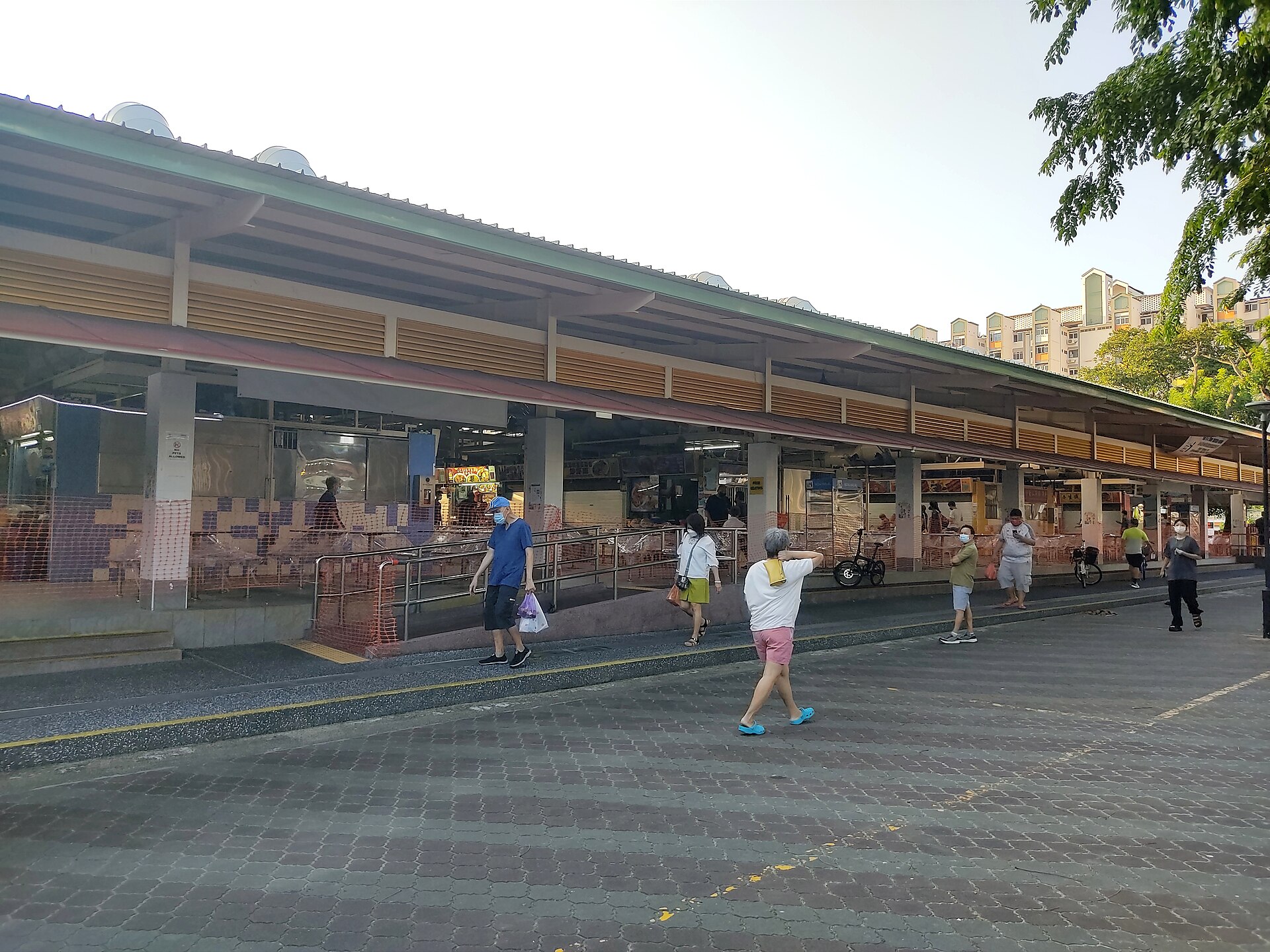
People who come back tend to stop fighting the heat and lean into it — eat outside at a hawker centre after dark, walk the Helix Bridge at dusk when the light is low, and catch the Supertree light show at Gardens by the Bay on a weeknight when the crowds thin. The MRT is genuinely fast; use it and skip the taxis.
Deals in Singapore
Book directly at the provider

How Singapore came to be
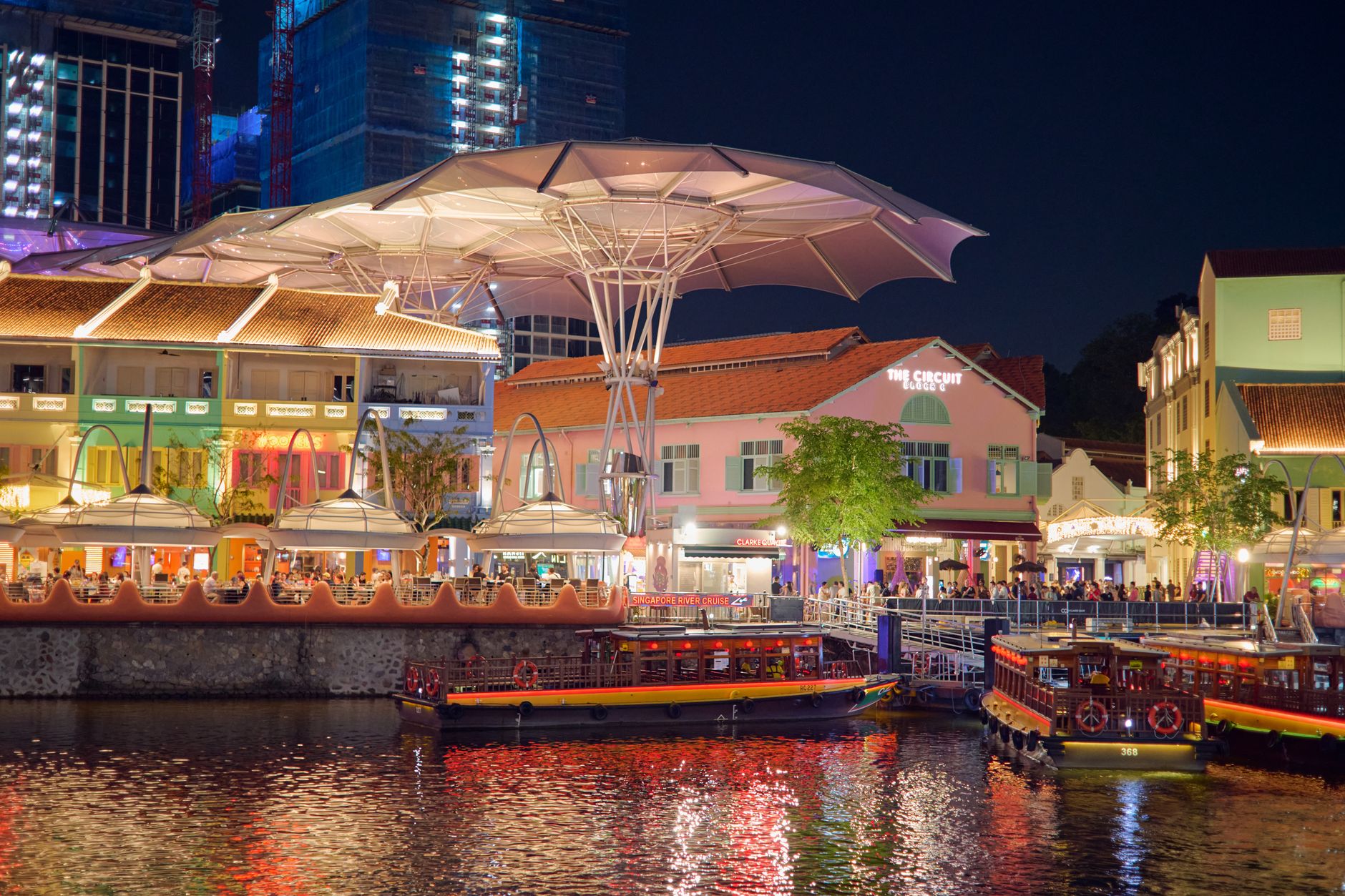
When Stamford Raffles arrived in 1819, he found a Malay settlement at the mouth of the Singapore River, led by Temenggong Abdul Rahman, and a population of roughly five thousand. He saw a deep natural harbour at a crossroads of maritime trade and negotiated a British trading post on the spot. By 1825 the population had doubled. William Farquhar, the first Resident, ran day-to-day operations from 1819 to 1823 while the port grew into one of the busiest in Asia.
British colonial rule gave way to Japanese occupation from 1942 to 1945, then to a new sovereignty in 1959 — with Lee Kuan Yew as prime minister — followed by a brief merger with Malaysia before full independence arrived on 9 August 1965. Yusof bin Ishak became the republic's first president. The decades that followed brought rapid industrialisation, mass public housing, and the skyline now visible from every direction.
Who and what shaped it
People who shaped it
Landmark buildings
See Singapore in motion
Plan your visit
On the map
When to go
Singapore is tropical year-round — warm and humid with temperatures rarely straying far from the low 30s Celsius. Two monsoon seasons bring heavier rainfall (November through January from the northeast, May through September from the southwest), but showers tend to be short and sharp rather than day-long, and the city carries on regardless.
Right now
↡ Cities
↡ Regions
No places match these filters.
Background & history adapted from Wikipedia (CC BY-SA) · specs from Wikidata (CC0) · weather from Open-Meteo · map data © OpenStreetMap contributors · photos from Wikimedia Commons / Unsplash with per-image credit. No third-party reviews or social posts reproduced.