
Pasir Ris
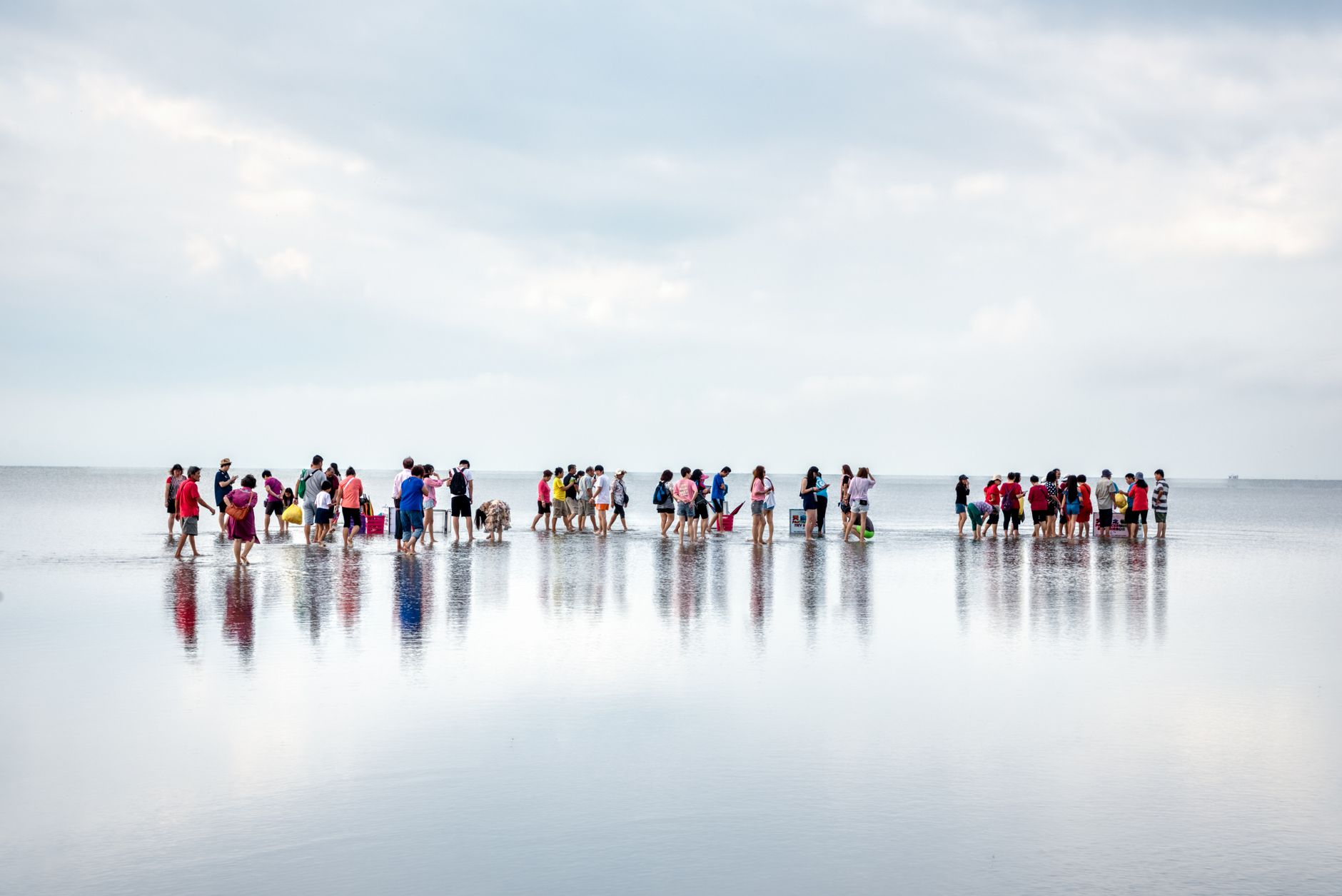
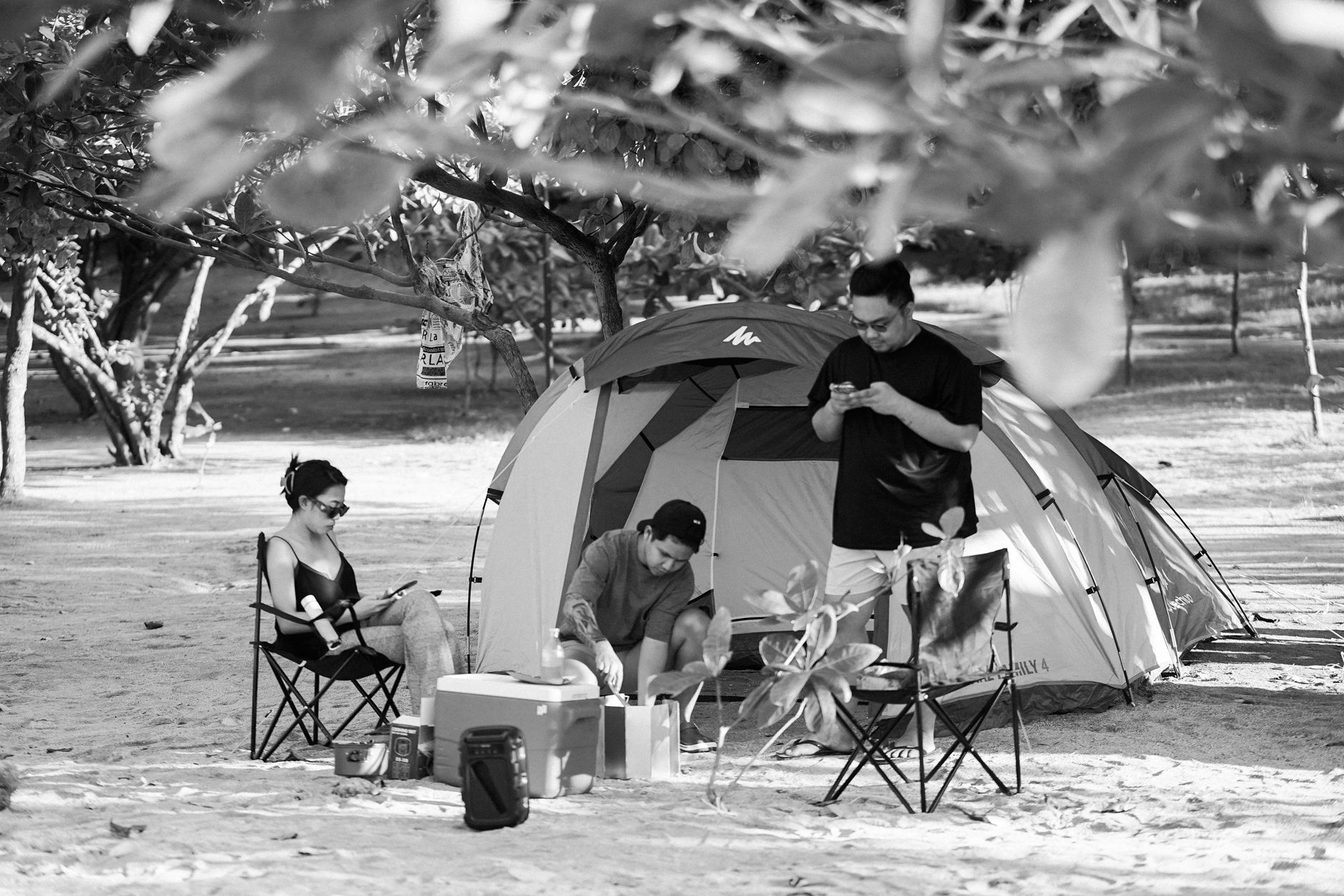
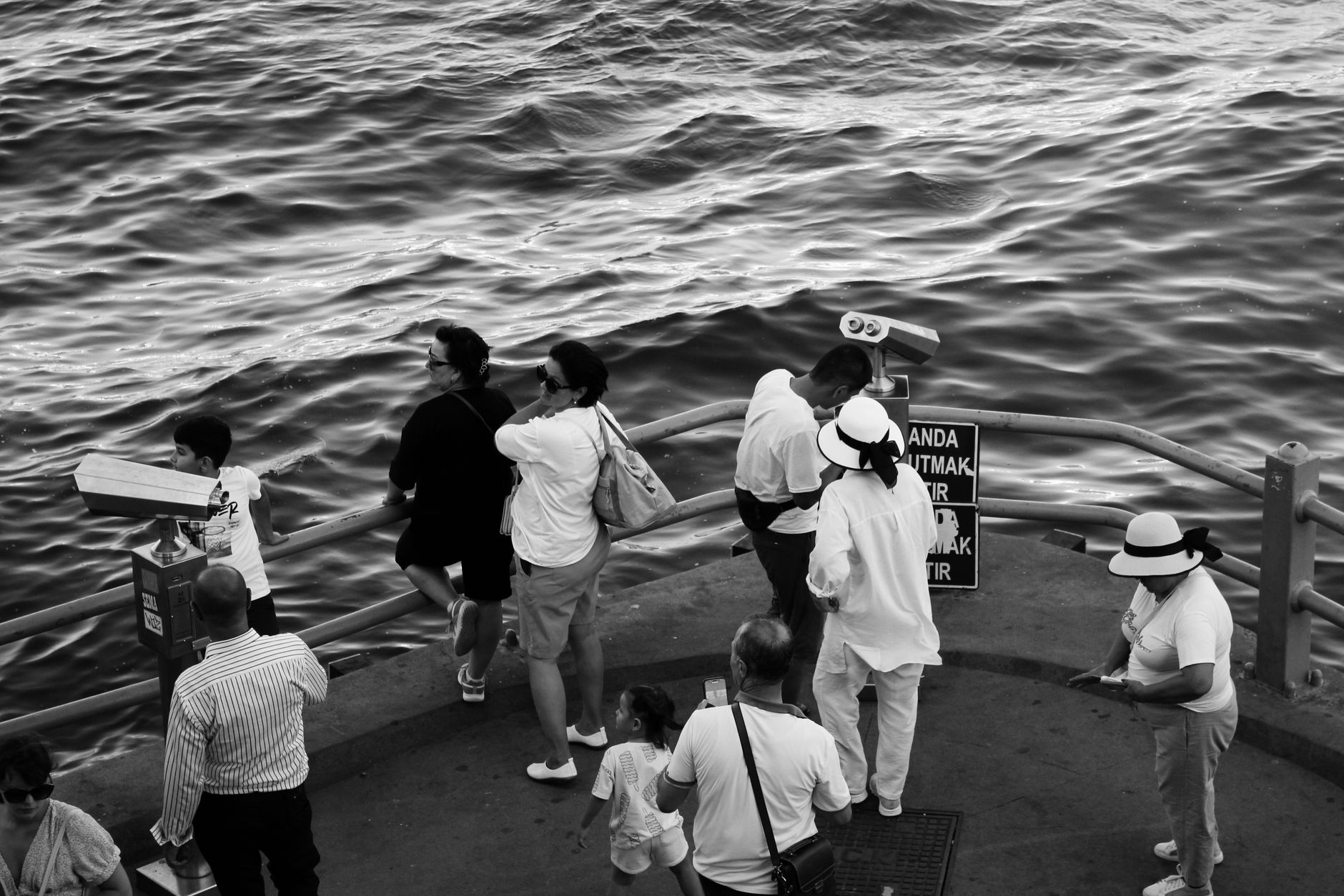
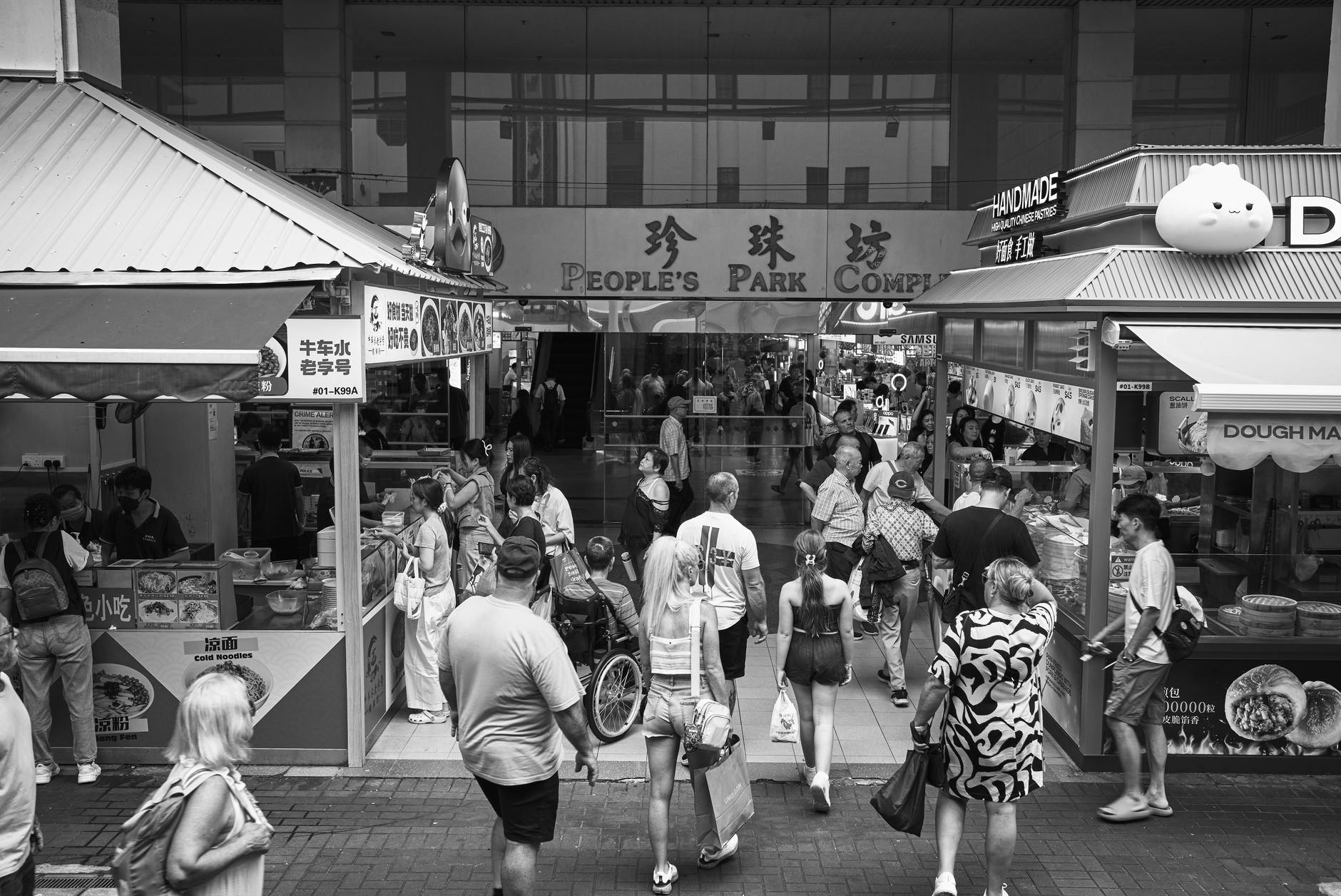
Pasir Ris sits at Singapore's eastern edge, where the city's tightly wound density loosens into something more unhurried. A 70-hectare park runs along a beach that families have been coming to since the 1950s, when water-skiers cut across the strait and a beachfront hotel served midnight dinners by the sea. Today the water park at Downtown East draws the weekend crowds, but the mangrove boardwalks in Pasir Ris Park and the quiet crossing of the red bridge over Serangoon River to Punggol Waterway occupy a different register entirely.
This is a residential town, built in phases from the mid-1980s on reclaimed swampland, and it carries that character honestly. You'll find a Tibetan Buddhist temple established in 1995 — one of the first in Southeast Asia — and a multi-faith temple at Loyang that holds Taoist, Buddhist, Hindu and Datuk Kong deities under one roof. It rewards the curious more than the rushed.
💛 What travellers fall for
Regulars tend to arrive at Pasir Ris Park early, before the heat settles, and walk the mangrove boardwalk while the mud skippers are still active. The Lorong Halus Red Bridge is worth timing for late afternoon light. White Sands and the newer Pasir Ris Mall handle any practical needs without fuss, and the MRT ride back into the centre is straightforward.
How Pasir Ris came to be
A map drawn in 1844 by government surveyor John Turnbull Thomson labels the area 'Passeir Rice' — the name likely derived from Malay. Through the 19th and early 20th centuries, Pasir Ris was a patchwork of Malay and Chinese kampongs and plantation estates, its beach a leisure ground for those who could reach it. Chief Minister Lim Yew Hock formally opened beach facilities in August 1958, and the Pasir Ris Hotel — originally a bungalow owned by Joseph Elias, renovated into a luxury property by hotelier Ho Meng Quee — gave the shoreline a social life that lasted into the early 1970s.
The town as it stands today is a deliberate creation. The Housing & Development Board began land reclamation in 1979 and broke ground on the first HDB blocks in 1986, developing the area in numbered phases through the 1990s. Downtown East opened in 1988 as Singapore's largest seaside resort; the MRT station followed in December 1989.
Who and what shaped it
People who shaped it
Landmark buildings
See Pasir Ris in motion
Plan your visit
On the map
When to go
Singapore's equatorial climate means Pasir Ris is warm and humid year-round, with temperatures rarely straying far from 30°C. The northeast monsoon (November to January) brings heavier rain; the park and beach are best visited in the morning before afternoon showers arrive in any season.
Right now
Background & history adapted from Wikipedia (CC BY-SA) · specs from Wikidata (CC0) · weather from Open-Meteo · map data © OpenStreetMap contributors · photos from Wikimedia Commons / Unsplash with per-image credit. No third-party reviews or social posts reproduced.