
Croatia
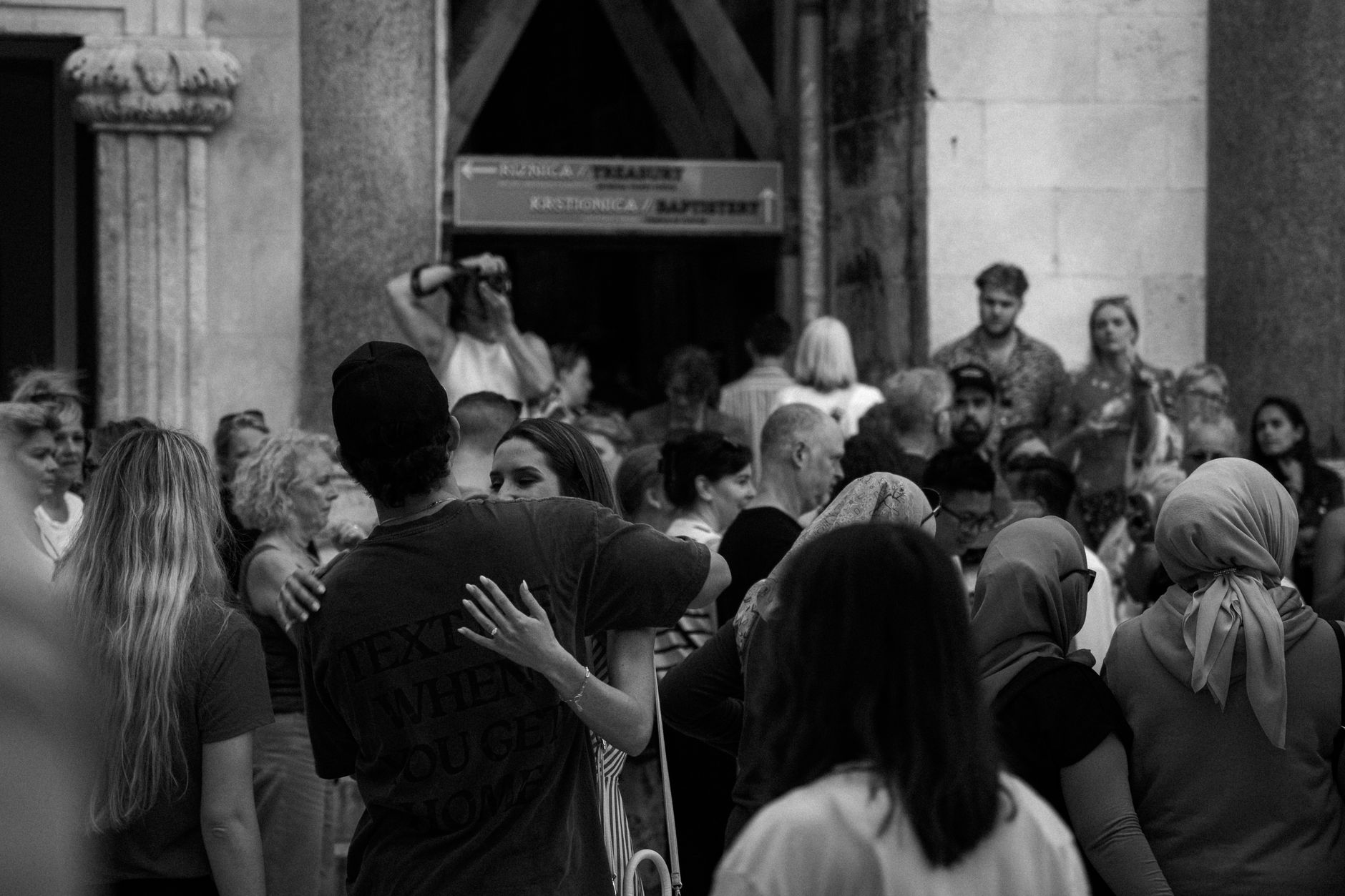
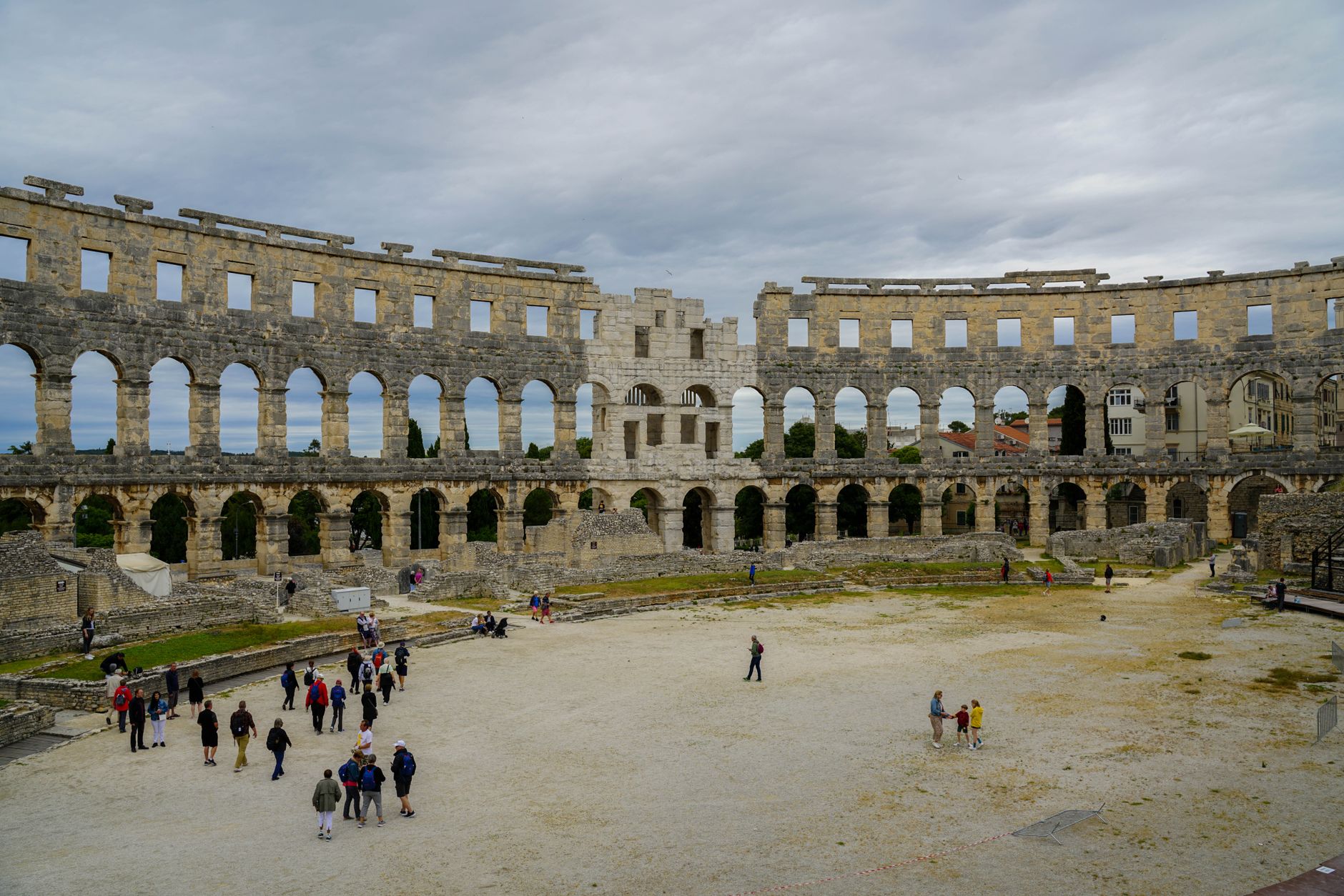
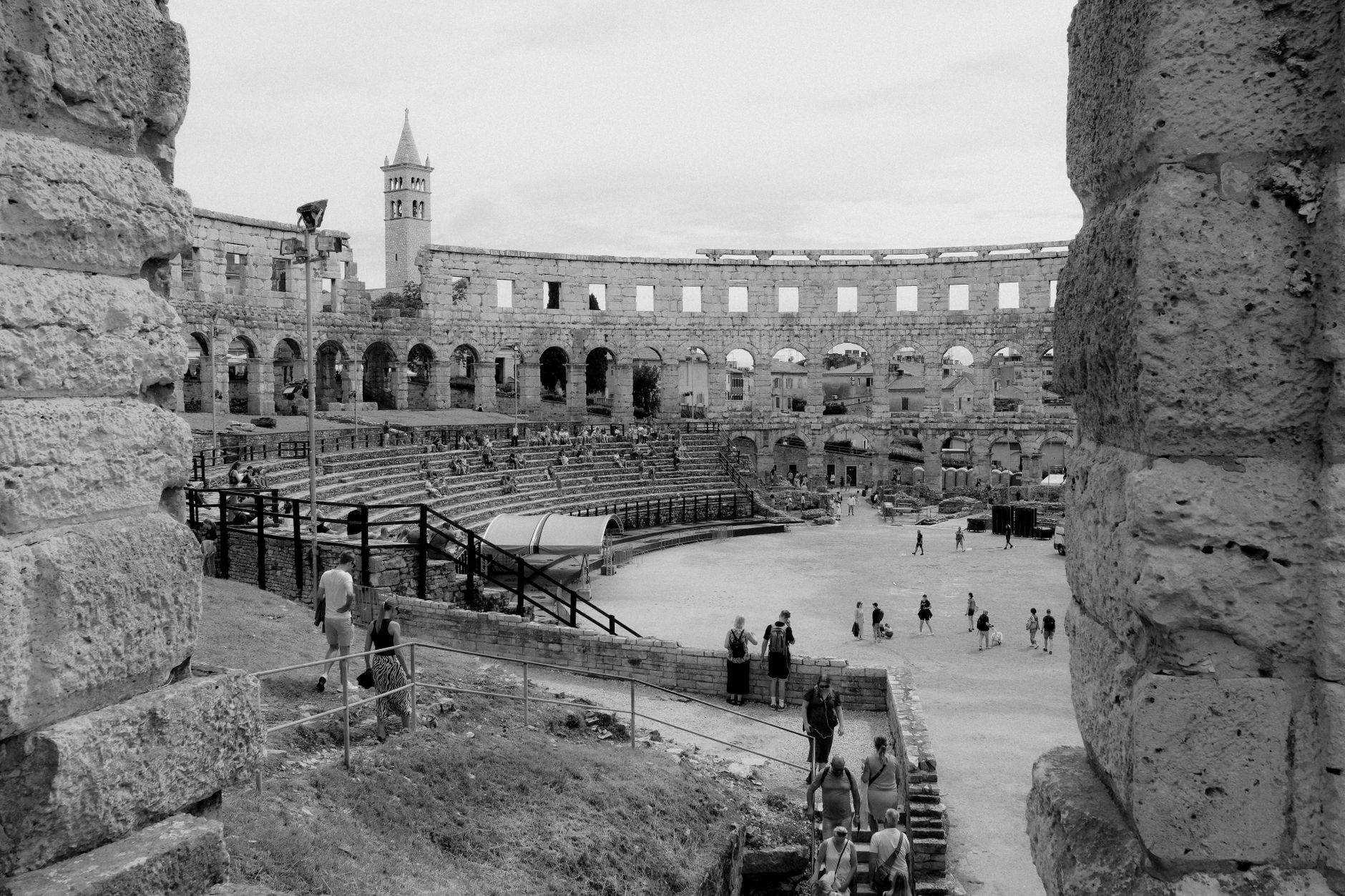
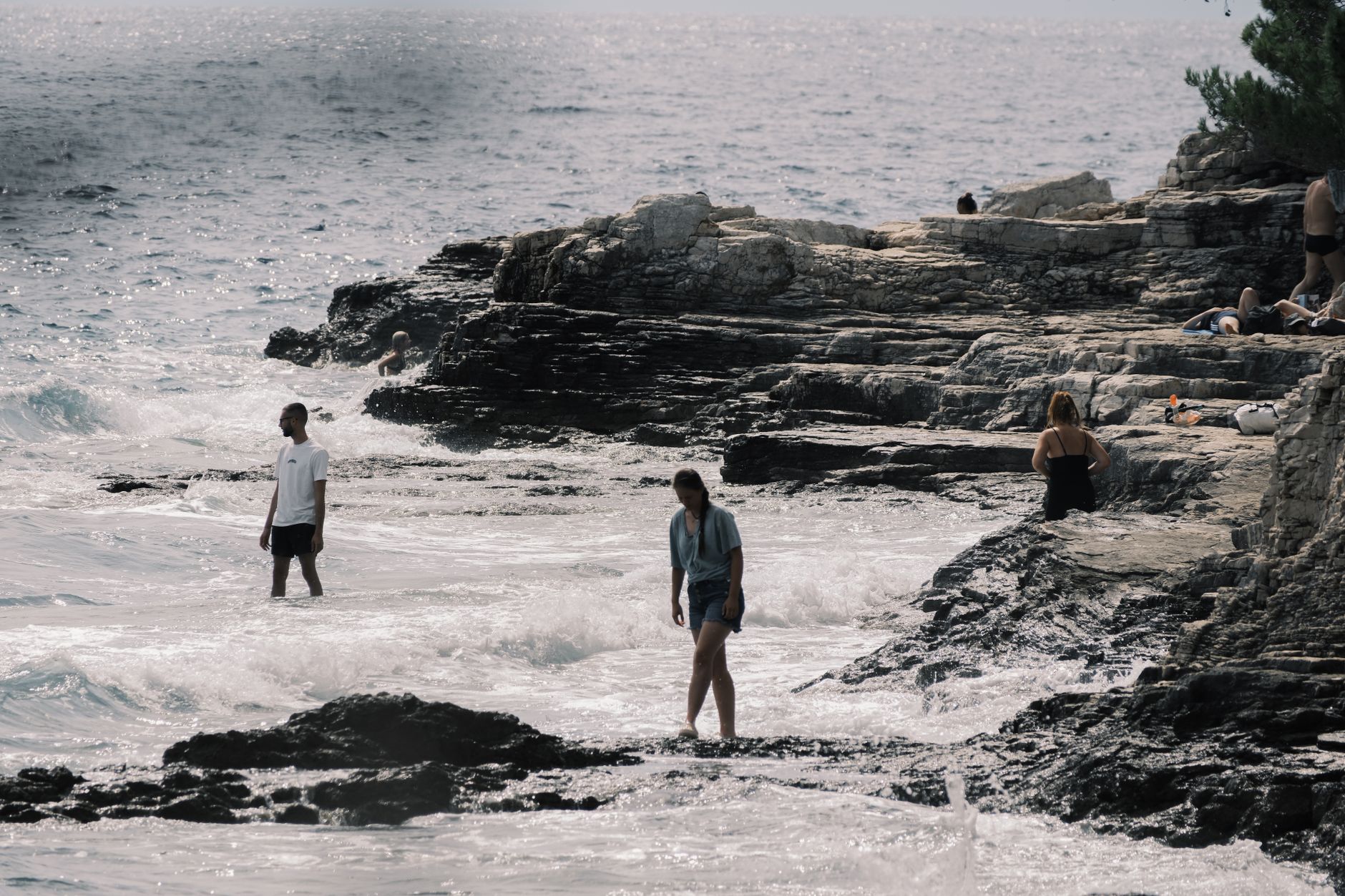
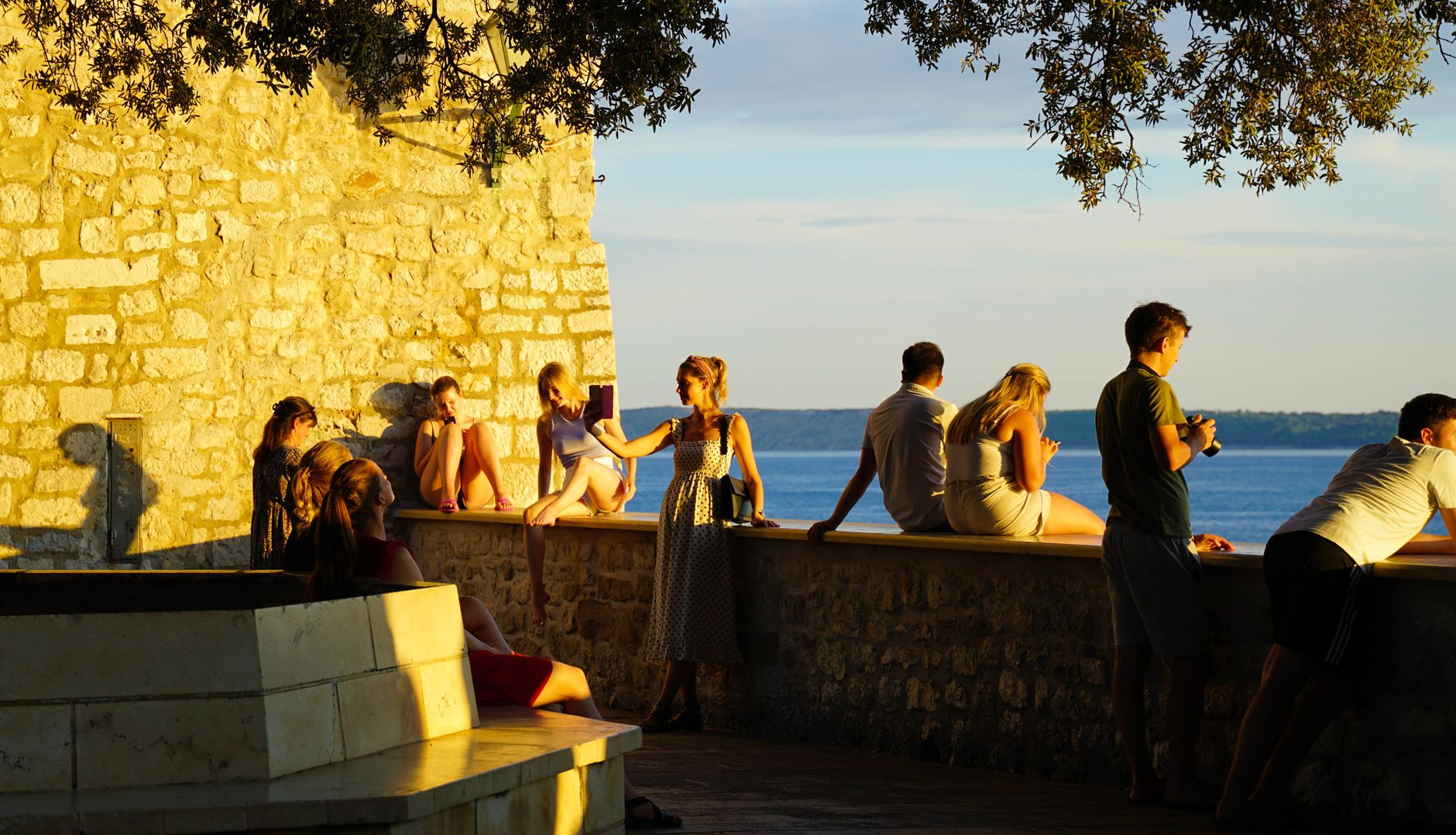
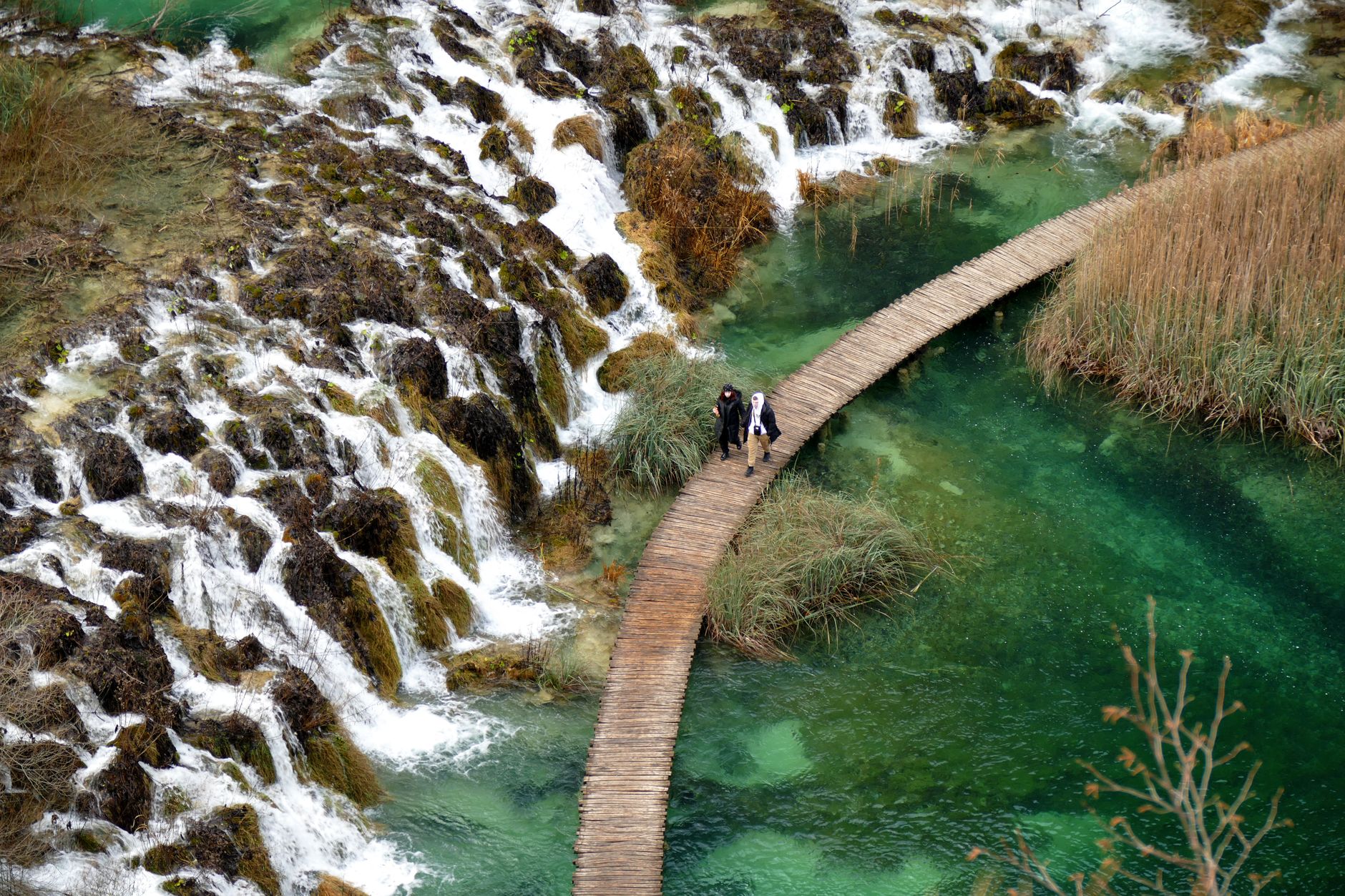
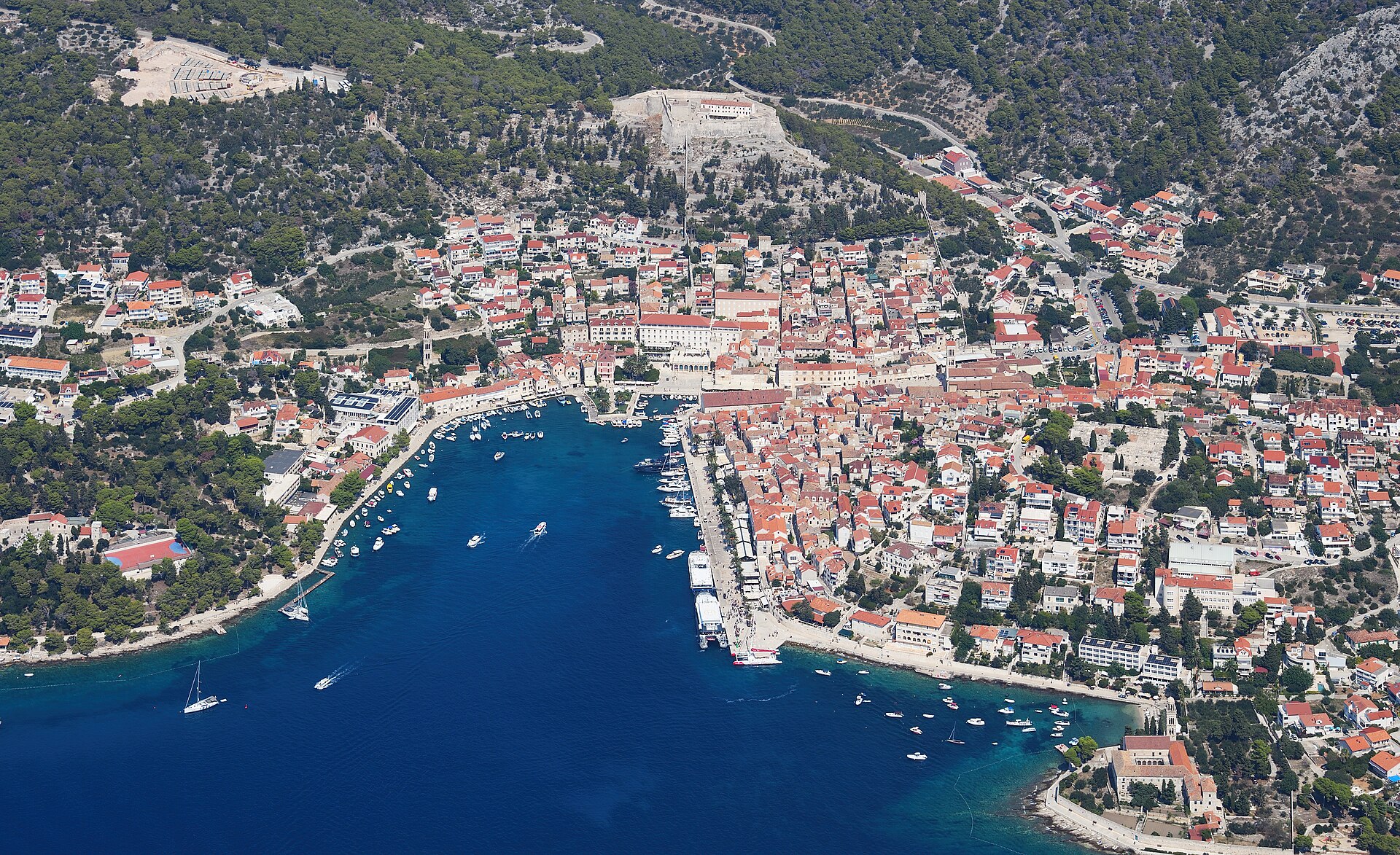
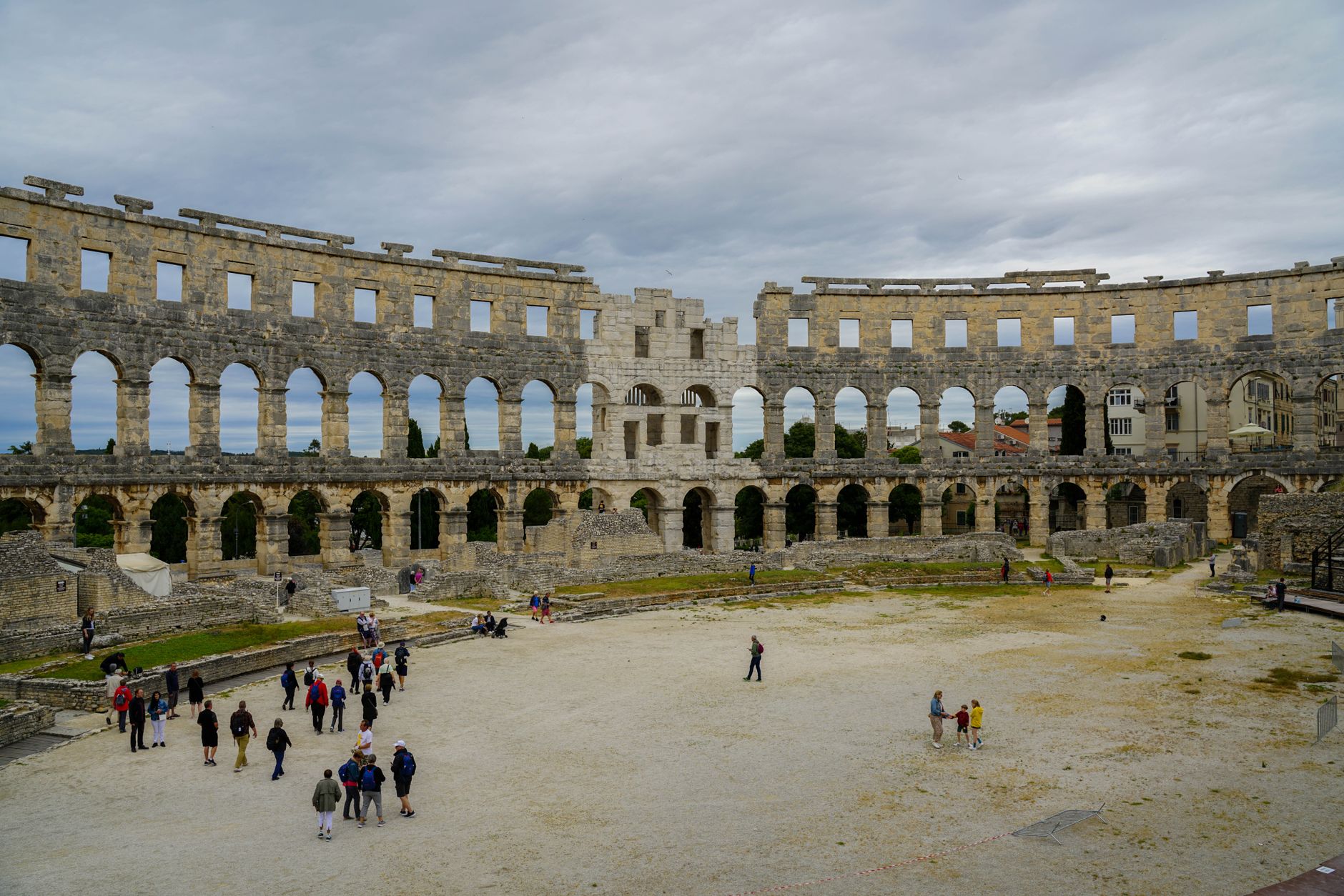
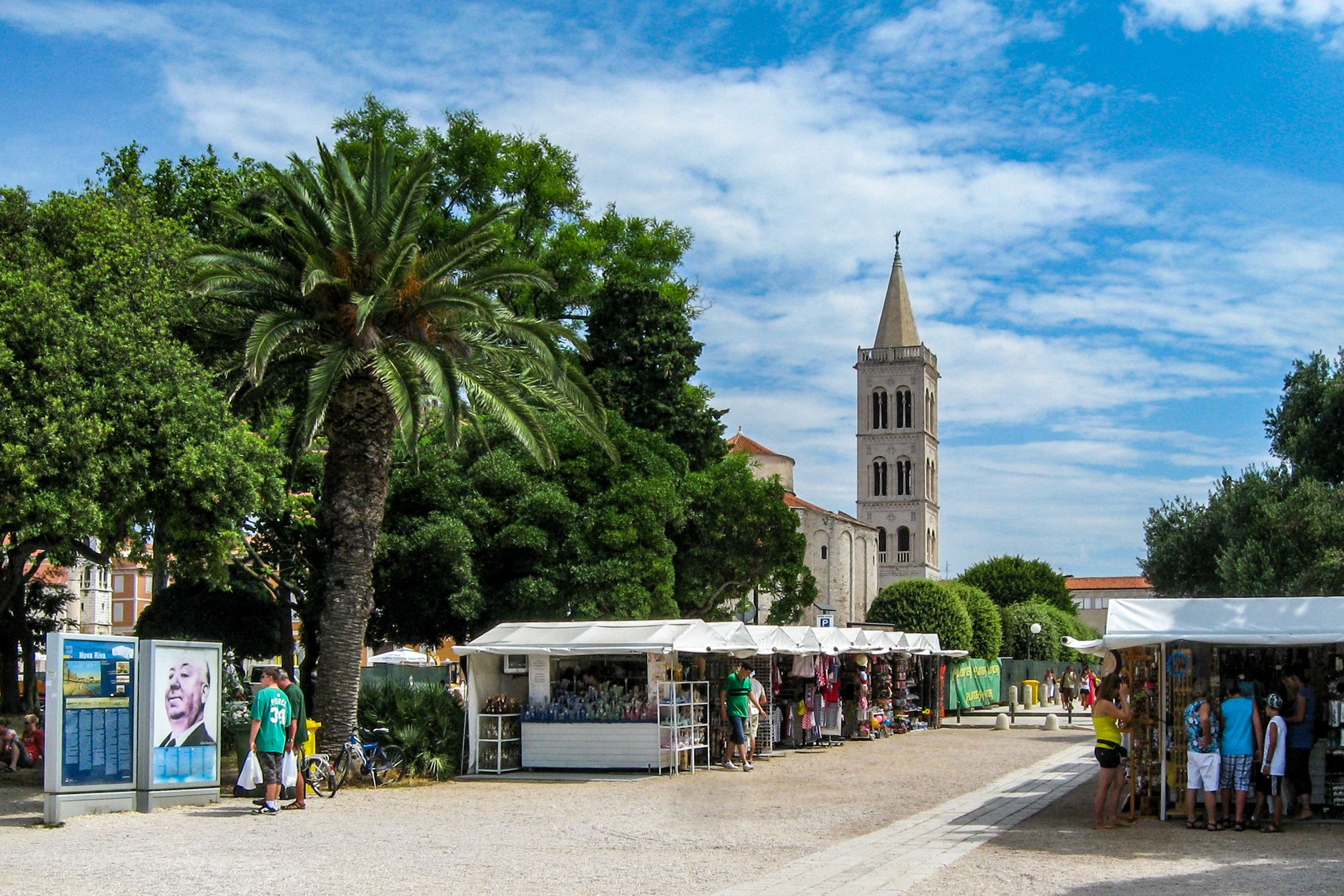
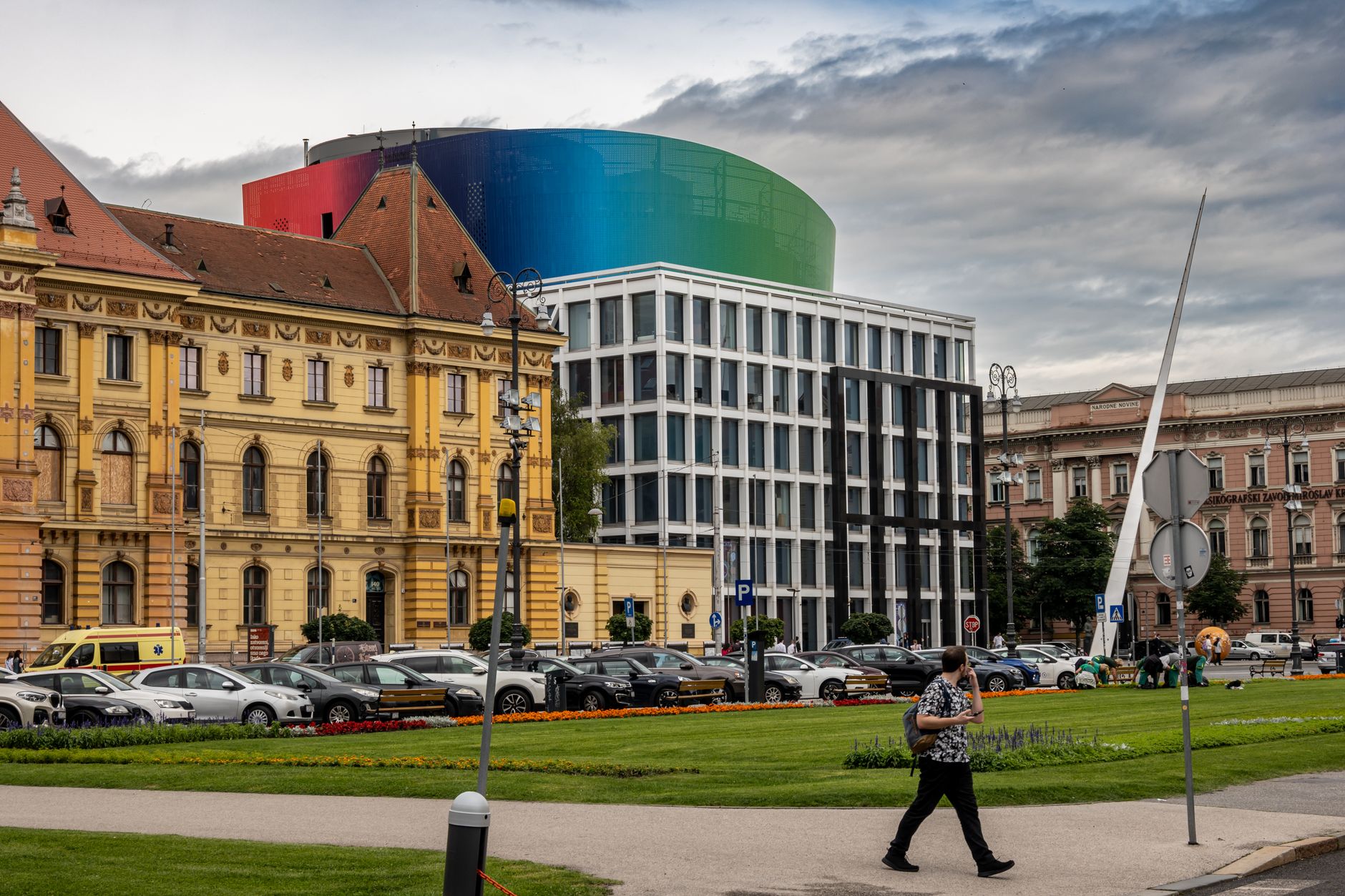
Croatia runs from the Pannonian plains of the north down to a coastline that splinters into more than a thousand islands before meeting the Adriatic. In a single country you get Roman amphitheatres still used for summer concerts, medieval walls longer than almost anything else on earth, and a capital city — Zagreb — that operates at a pace entirely its own, unhurried by the coastal crowds.
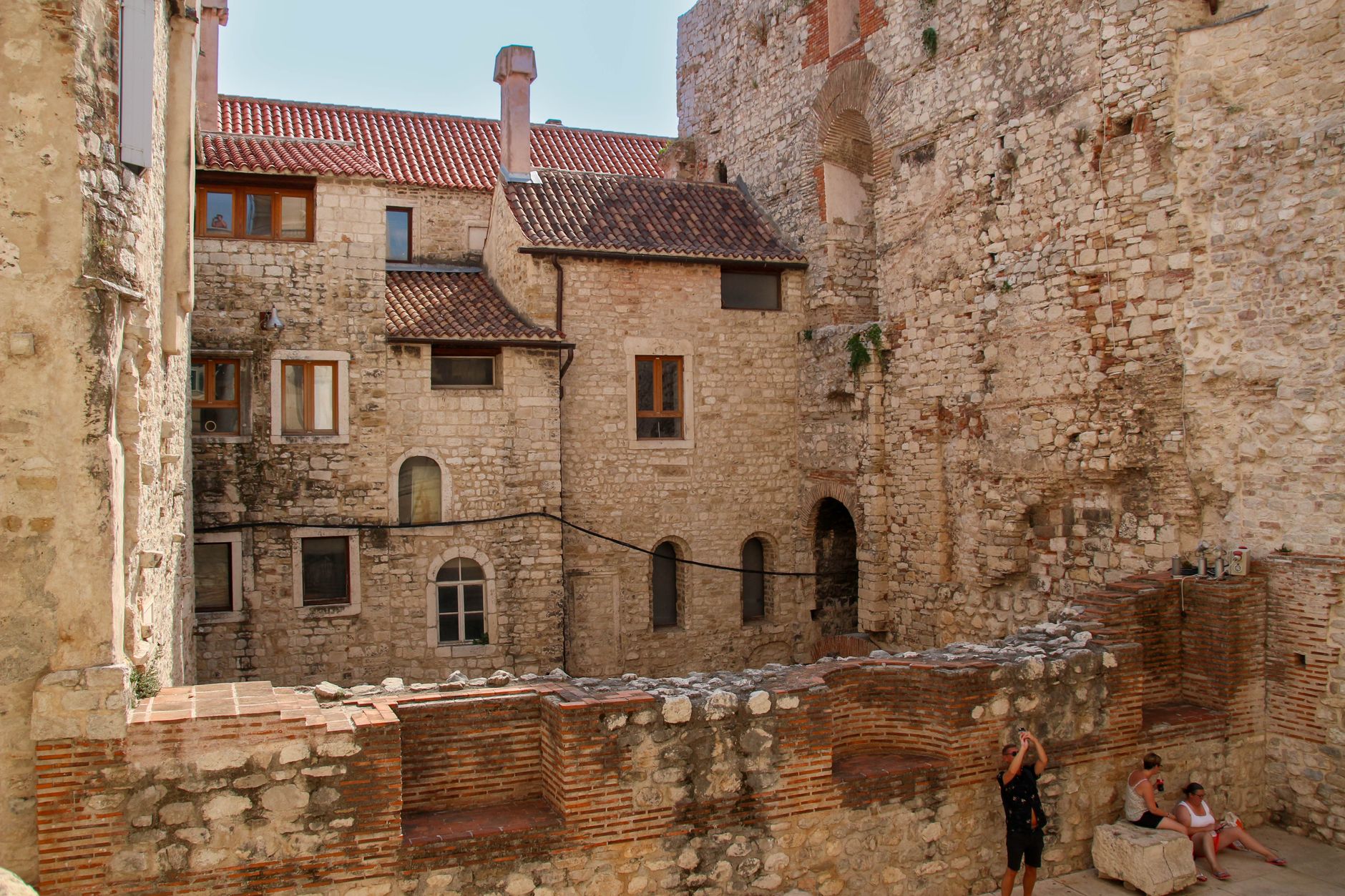
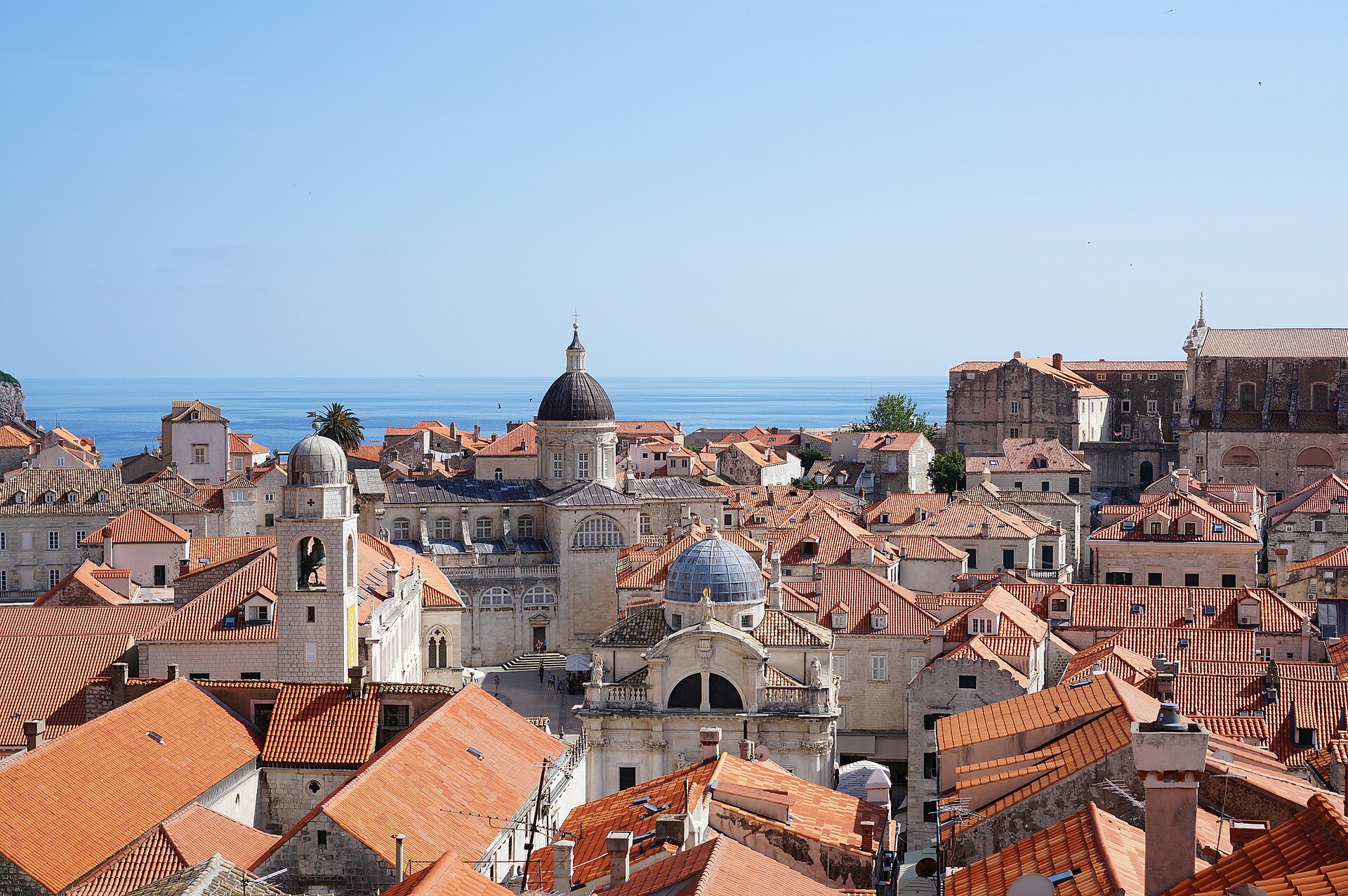
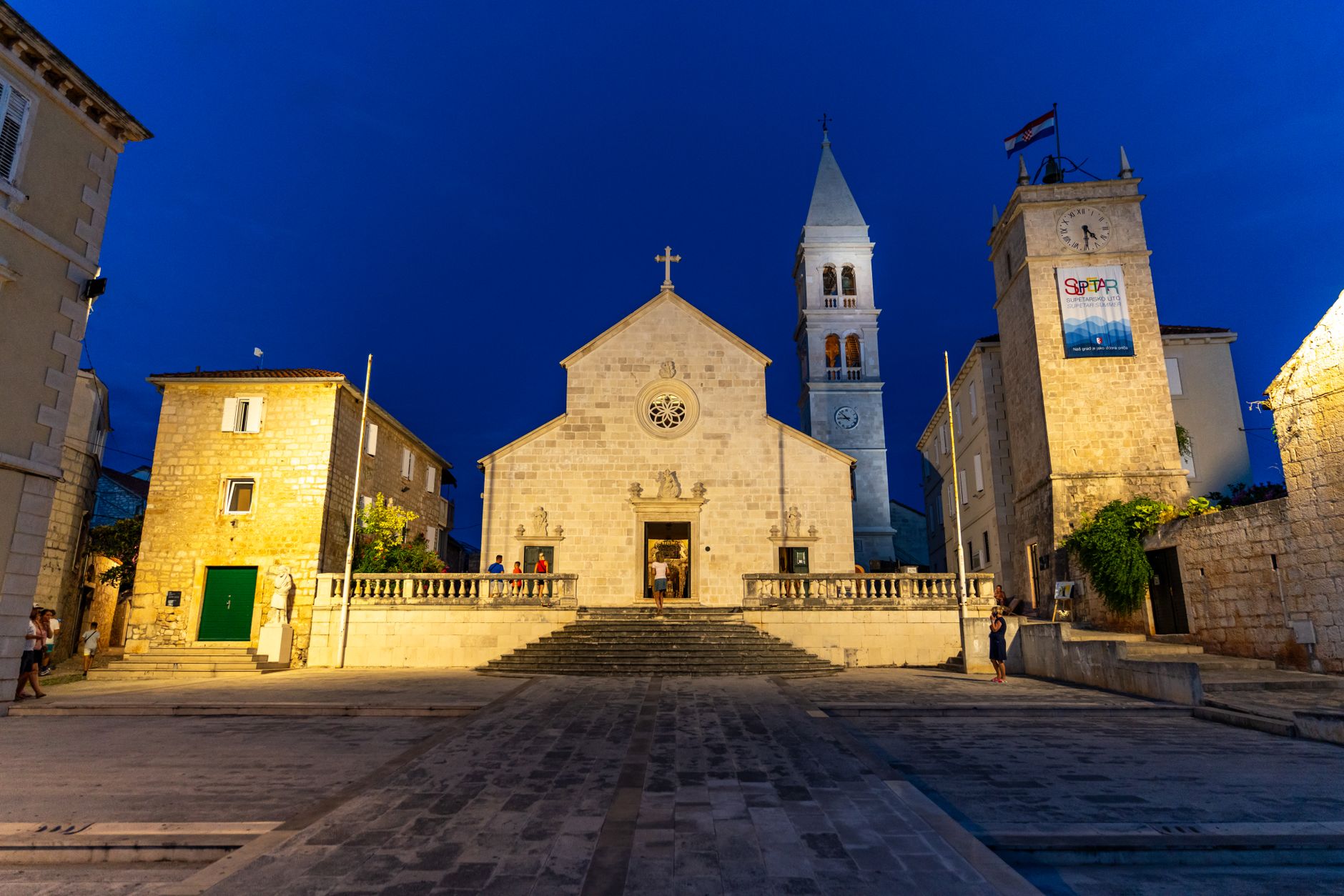
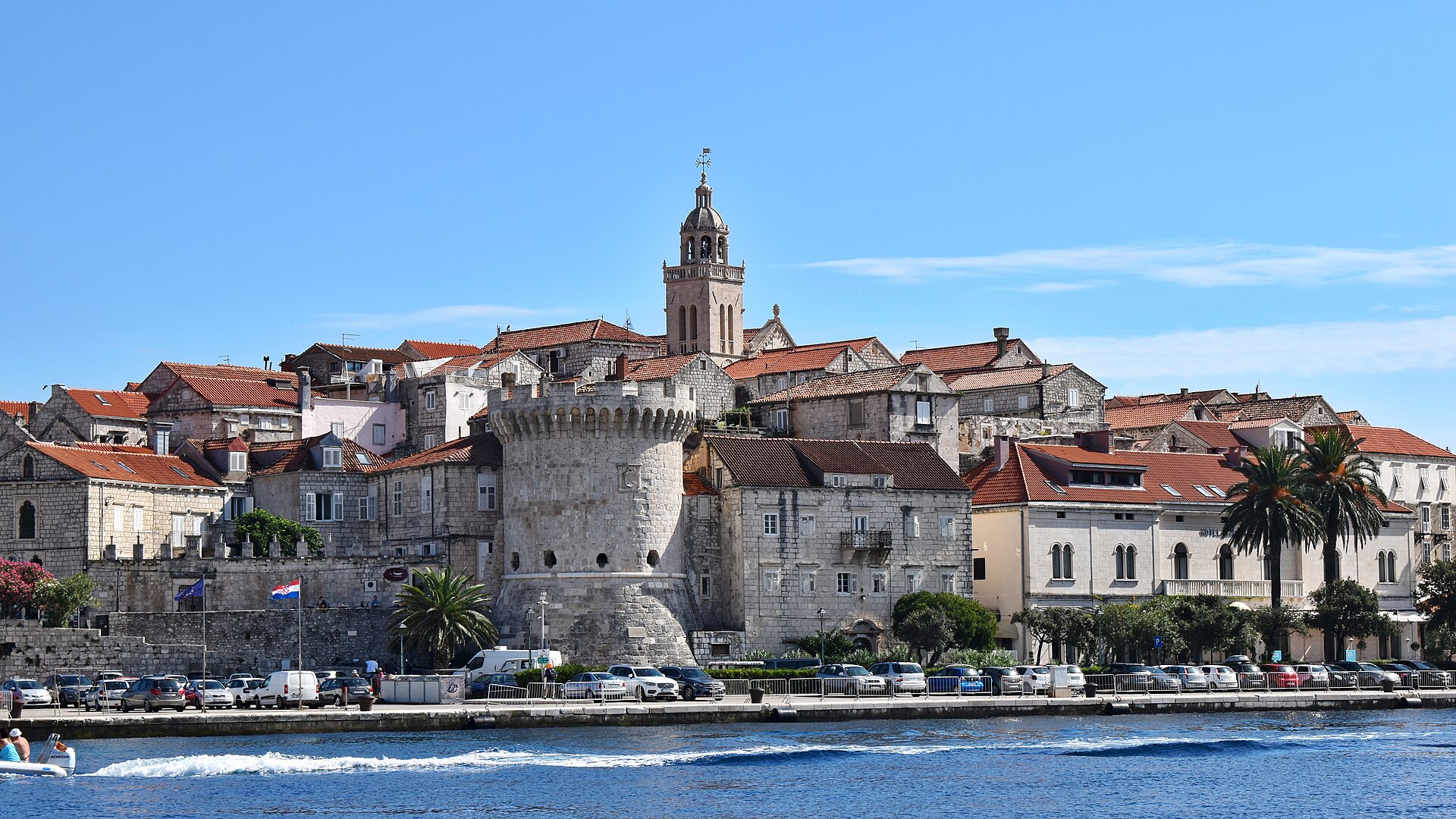
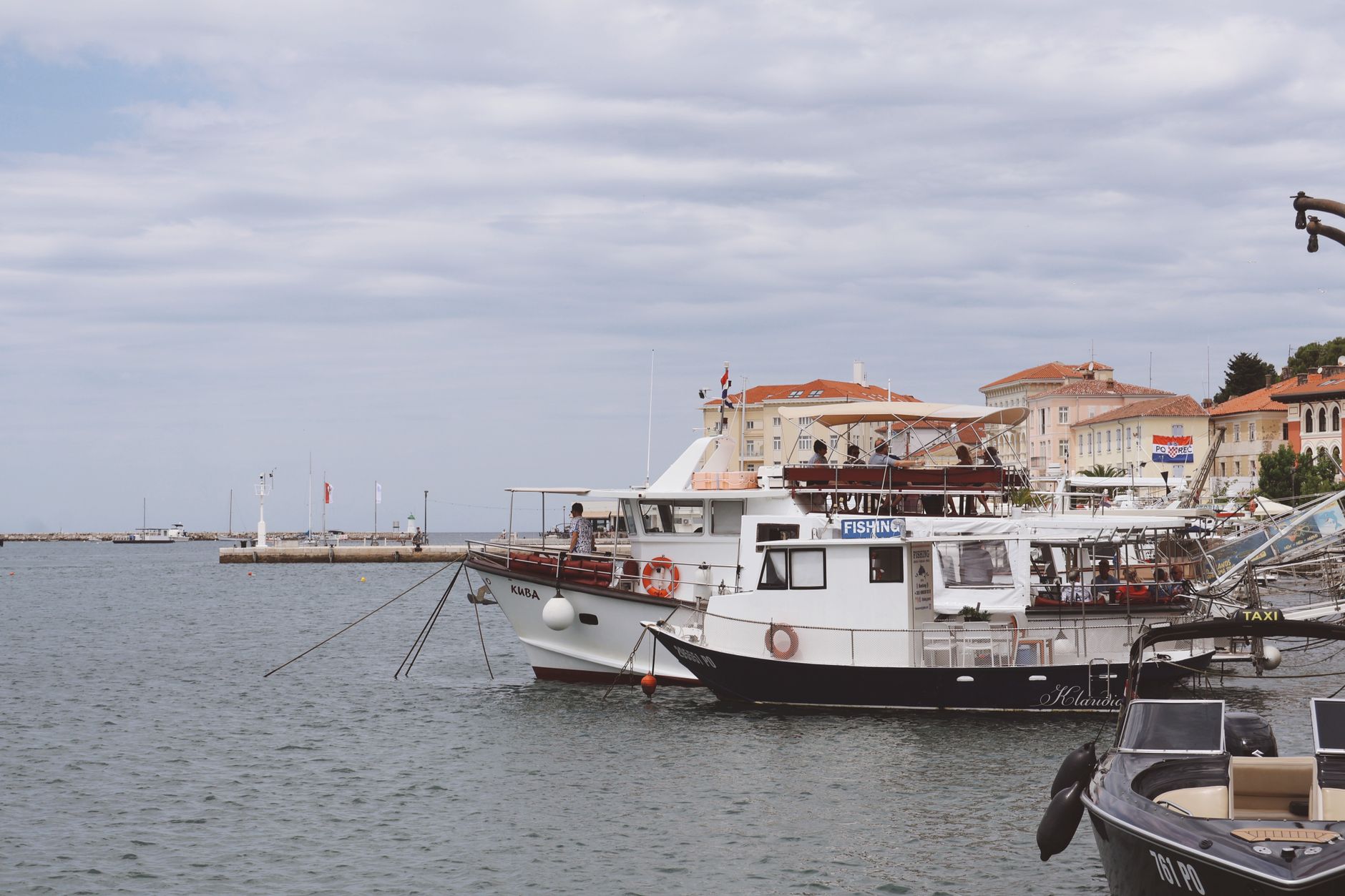
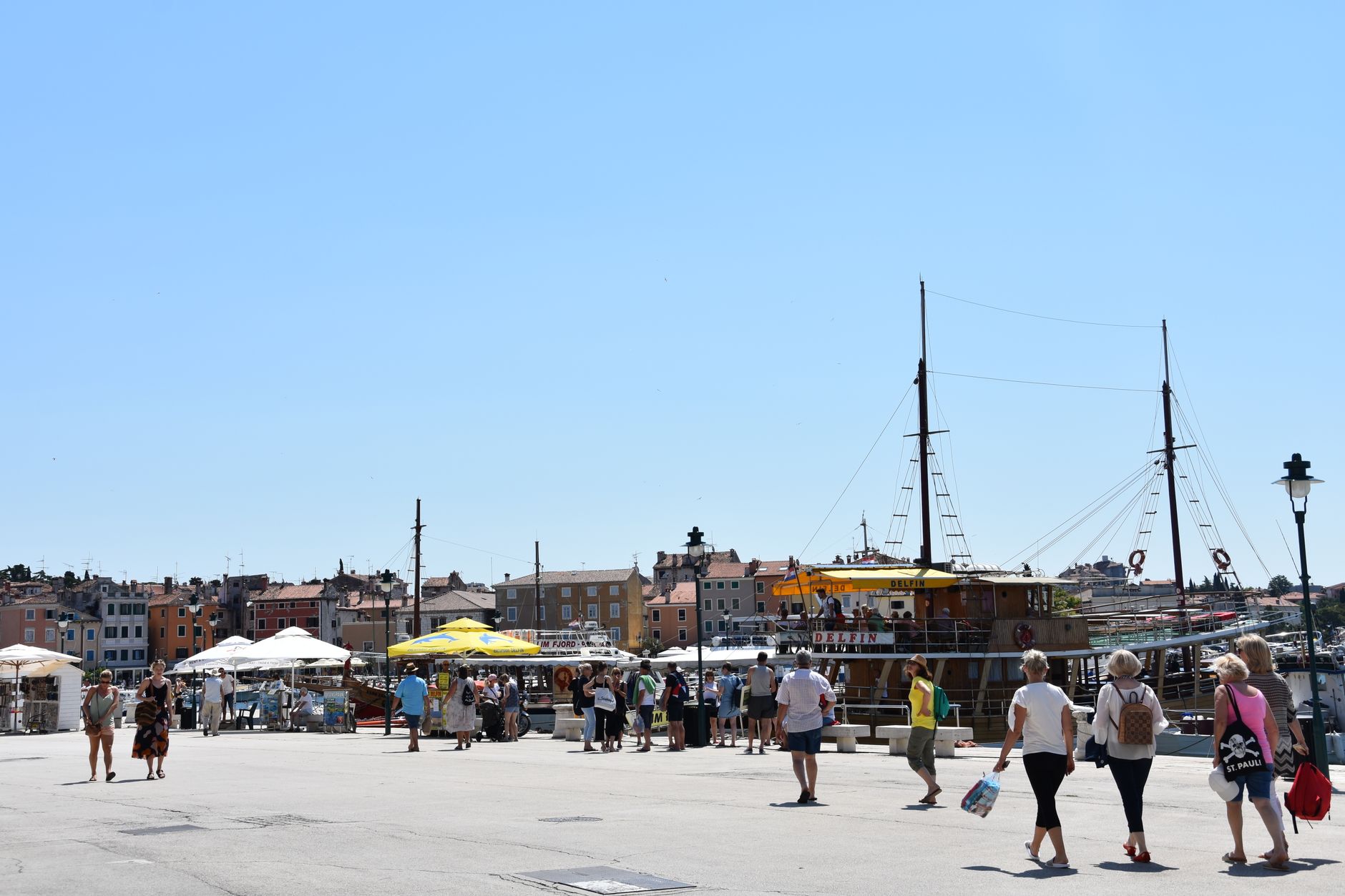
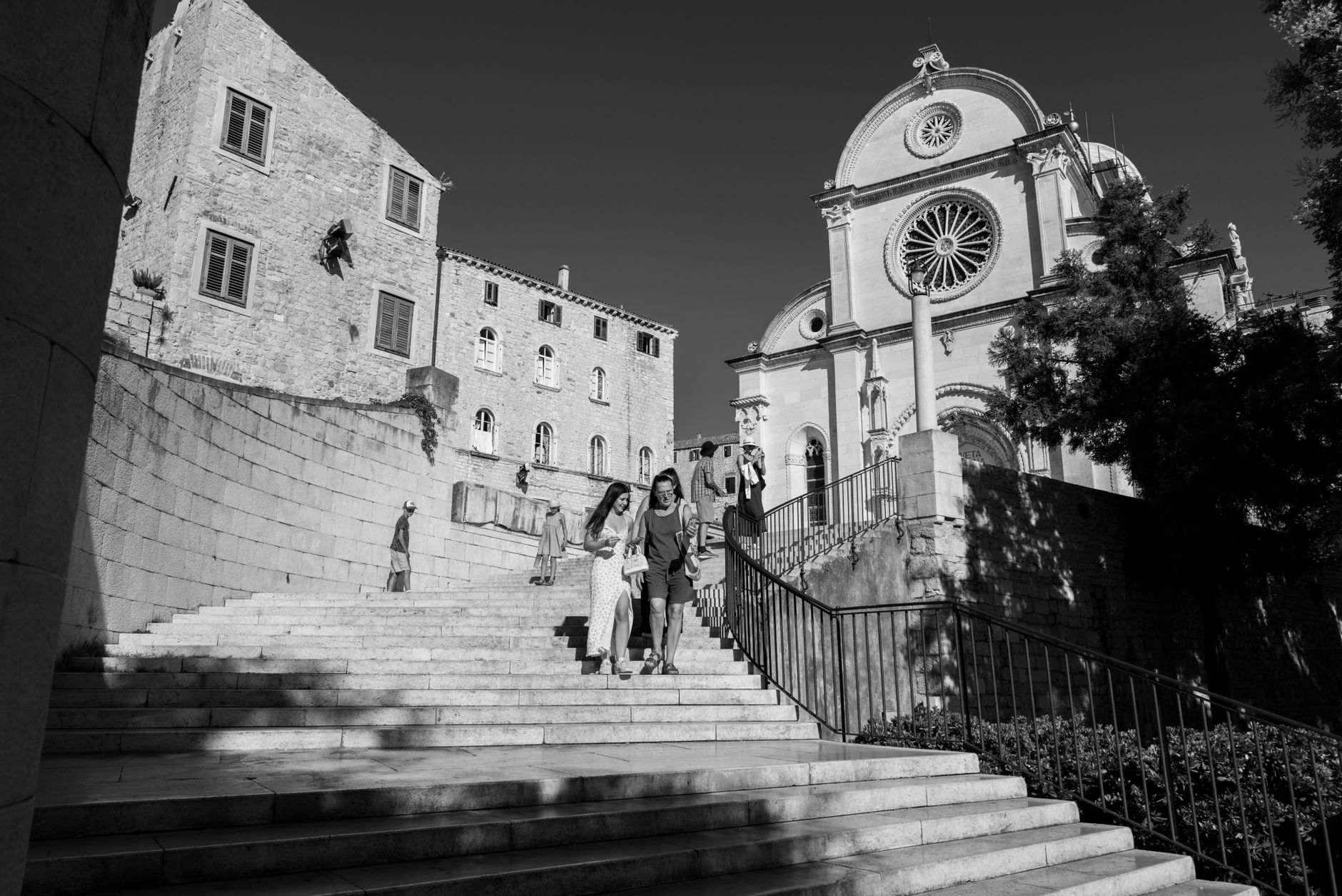
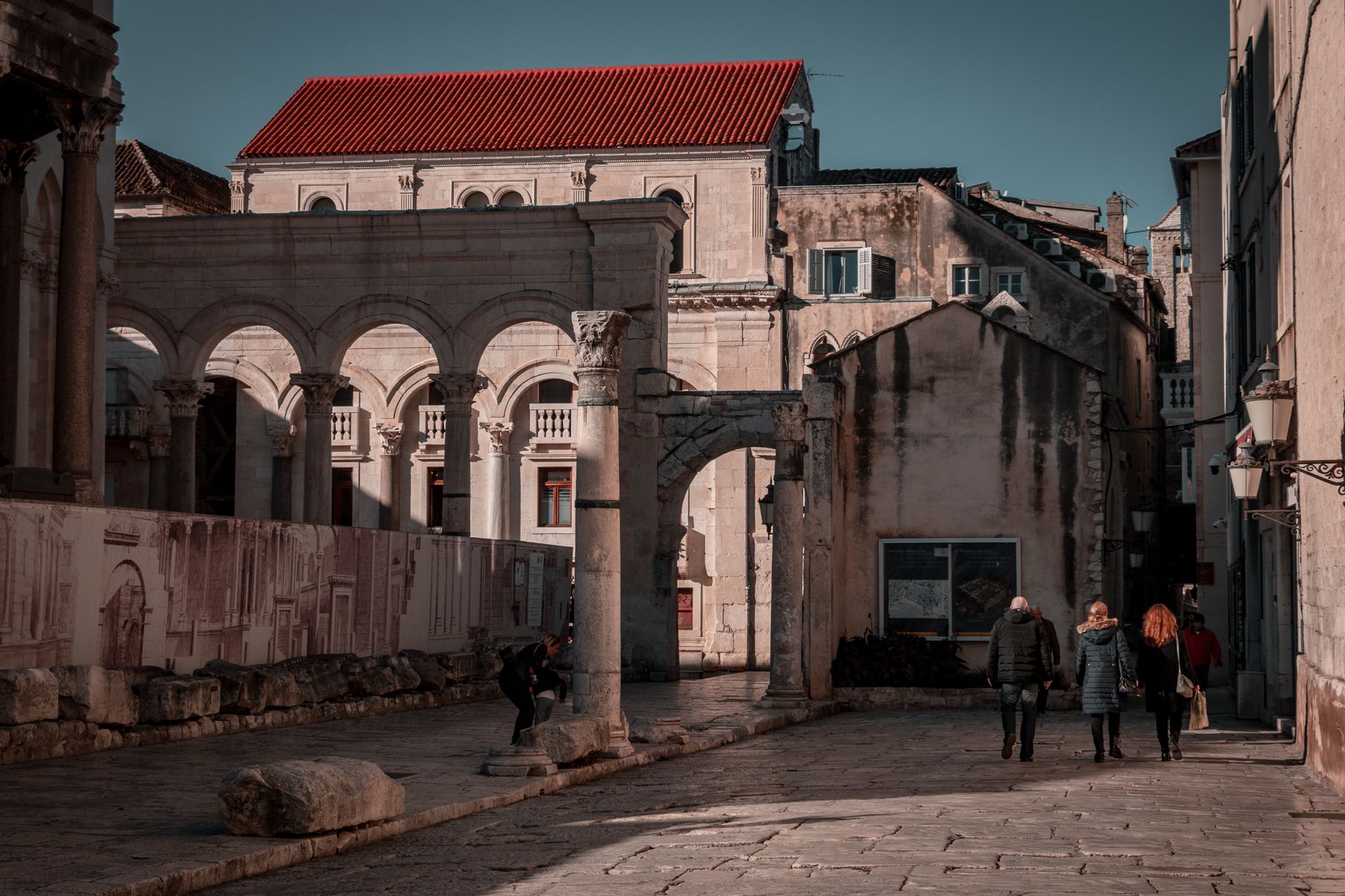
The Dalmatian coast takes most of the attention, and fairly so: Diocletian's Palace in Split is not a ruin you walk past but a living neighbourhood where people hang laundry between fourth-century columns. Dubrovnik's old city walls, built and rebuilt between the thirteenth and sixteenth centuries, still encircle a town that was once one of the Mediterranean's sharpest merchant powers.
Popular regions in Croatia
Experiences you don't want to miss



Deals in Croatia
Book directly at the provider


How Croatia came to be
Croatia emerged as a medieval kingdom in the ninth century, and by around 925 Duke Tomislav had unified the Pannonian and Dalmatian duchies into a single realm. Centuries of Venetian, Habsburg and Ottoman influence followed, leaving a coastline layered with competing architectural languages.
The twentieth century brought its own ruptures. Josip Broz Tito led the partisan resistance against fascist occupation in World War II and held Yugoslavia together under communist rule until his death. When that federation unravelled, Franjo Tuđman and the Croatian Democratic Union drove the push for independence: a June 1991 referendum returned 94% in favour, and on 15 January 1992 the European Community's twelve member states recognised Croatia as a sovereign state. NATO membership followed in April 2009.
Who and what shaped it
People who shaped it
Landmark buildings
See Croatia in motion
Plan your visit
On the map
When to go
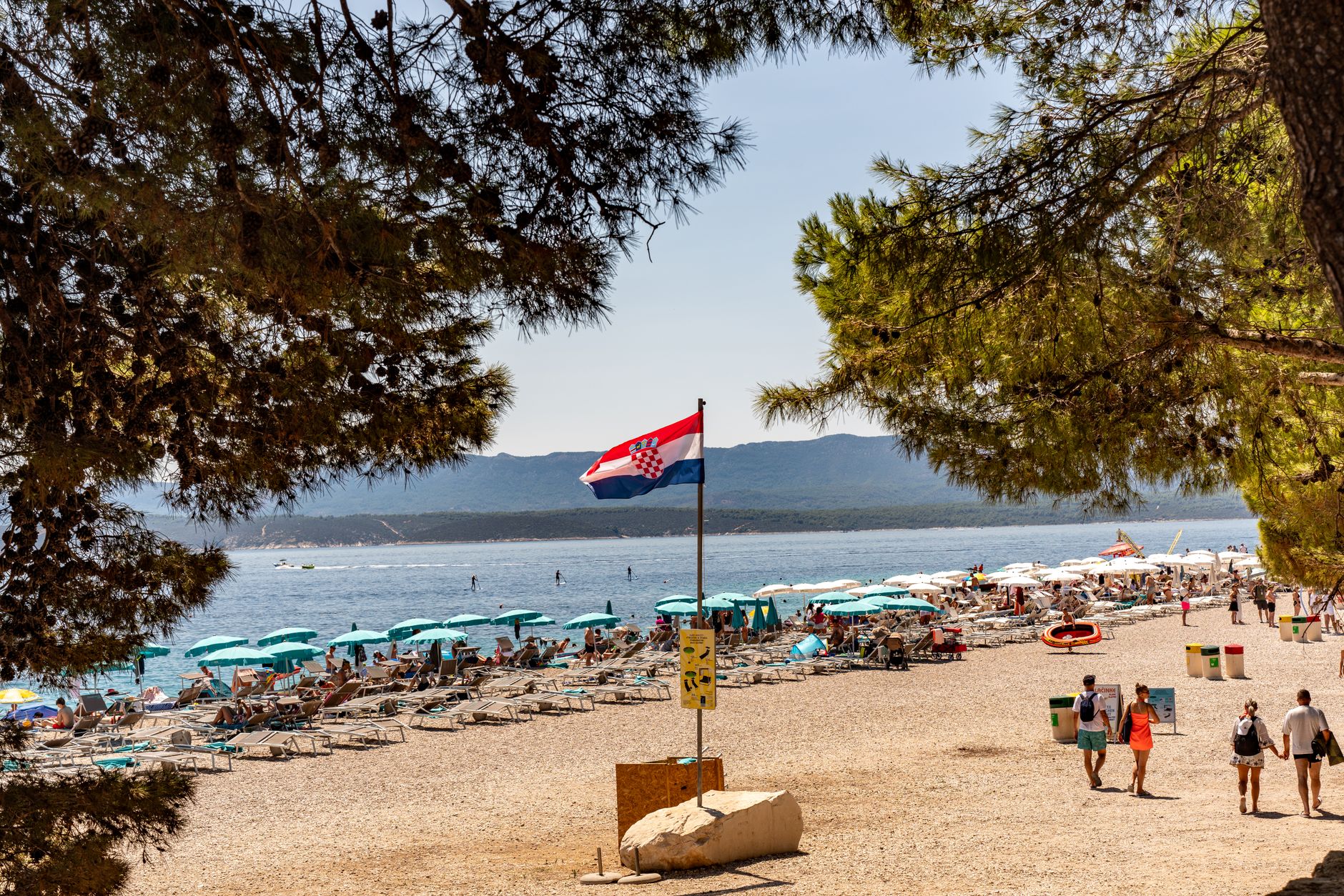
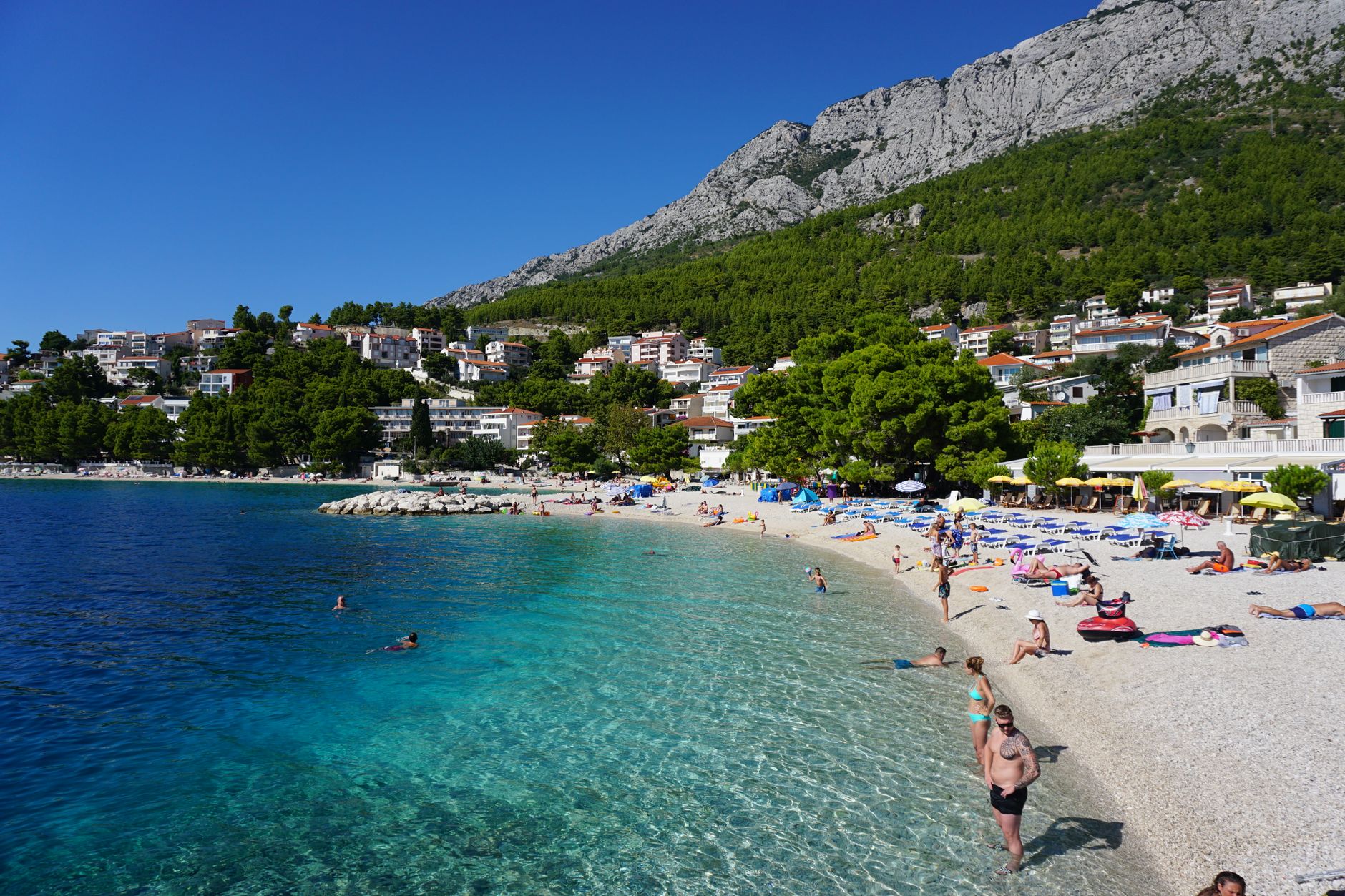
The coast runs Mediterranean — summers are hot and dry, touching 30°C in July, with sea temperatures peaking around 25°C in August; winters are mild but quiet, with some services reduced. Inland Zagreb and the continental north see proper cold winters and thundery summer afternoons, a noticeably different rhythm from the south.
Right now
↡ Regions

No places match these filters.
Background & history adapted from Wikipedia (CC BY-SA) · specs from Wikidata (CC0) · weather from Open-Meteo · map data © OpenStreetMap contributors · photos from Wikimedia Commons / Unsplash with per-image credit. No third-party reviews or social posts reproduced.