
Region

Dubrovnik

City break Culture & history Romantic getaway luxury

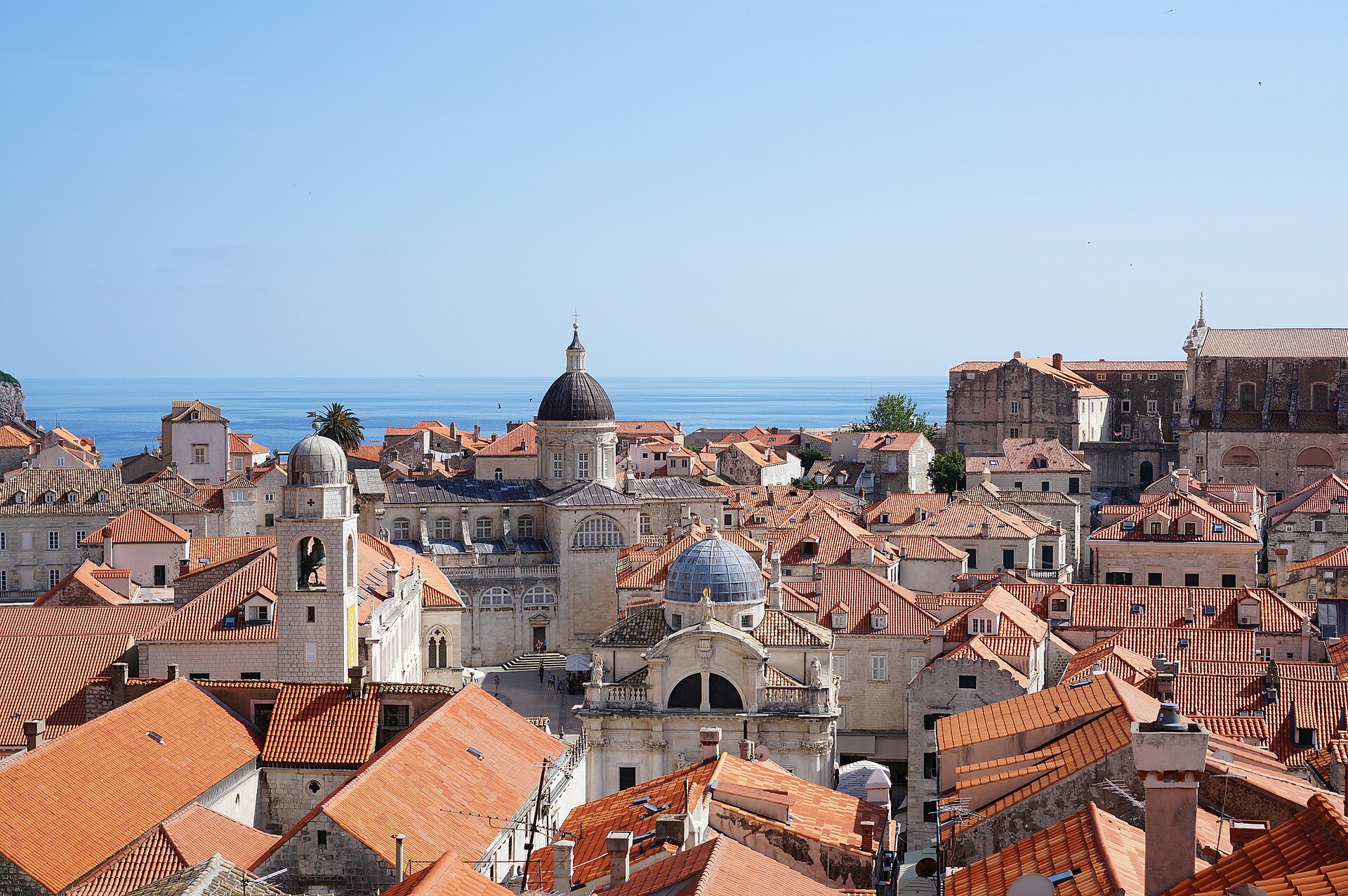
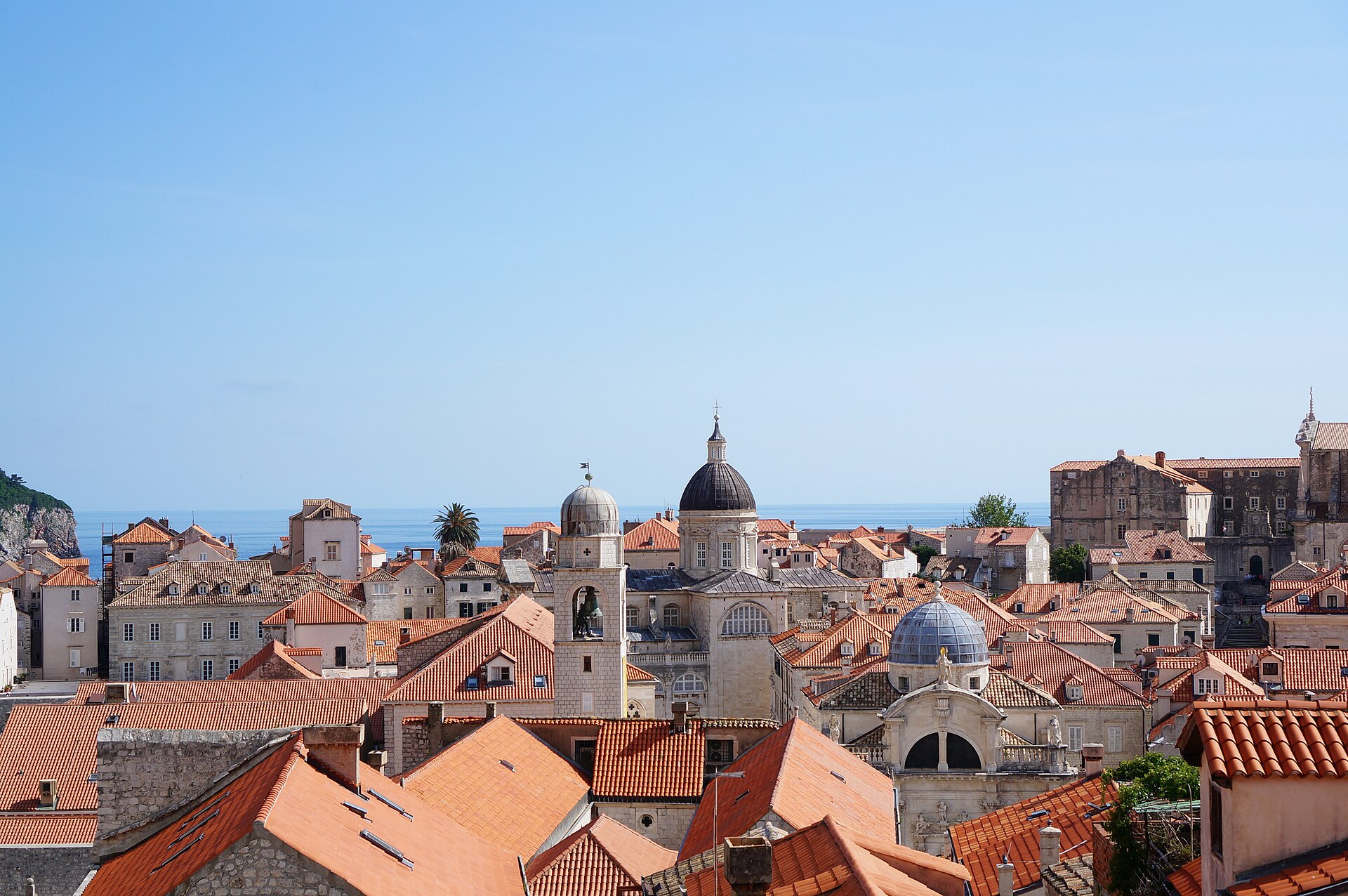
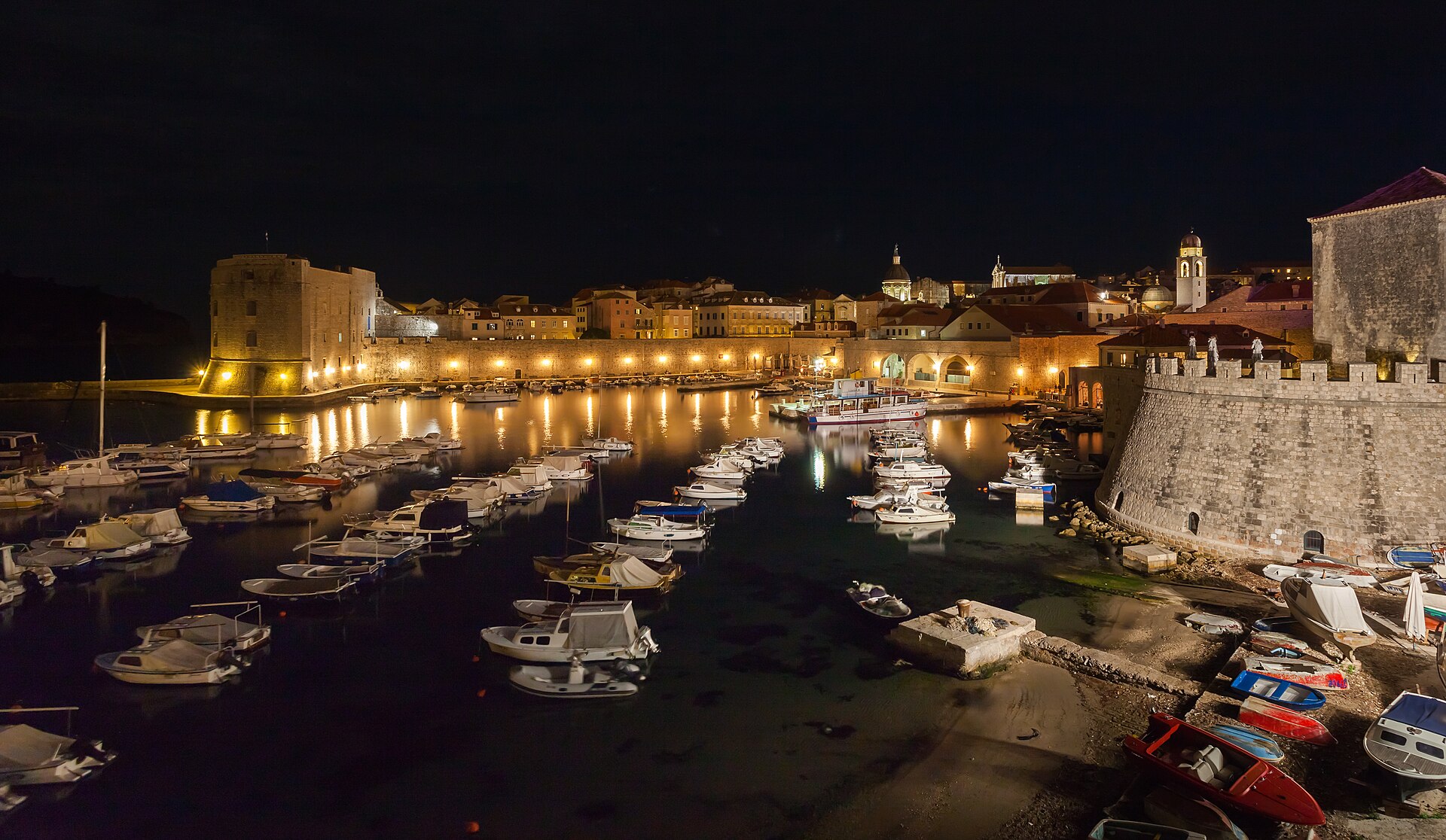
Stand on the Stradun at dusk, when the limestone pavement — laid in 1468 and polished mirror-smooth by centuries of feet — catches the last light, and the geometry of the place becomes clear: walls, sea, stone, sky. Dubrovnik is a city that has been fought over, shaken apart, and rebuilt more than once, and what stands today is the product of that long argument with catastrophe.

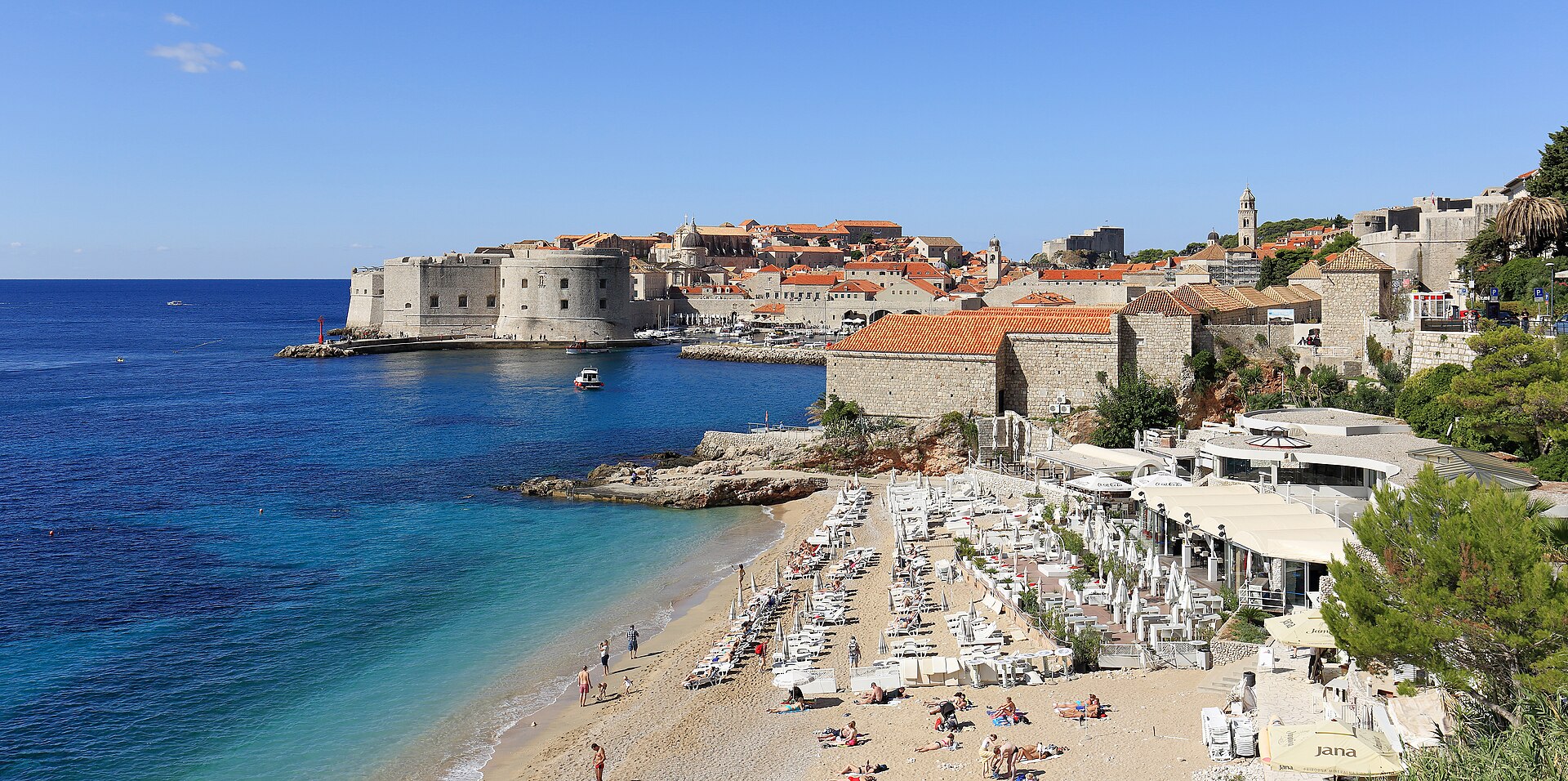
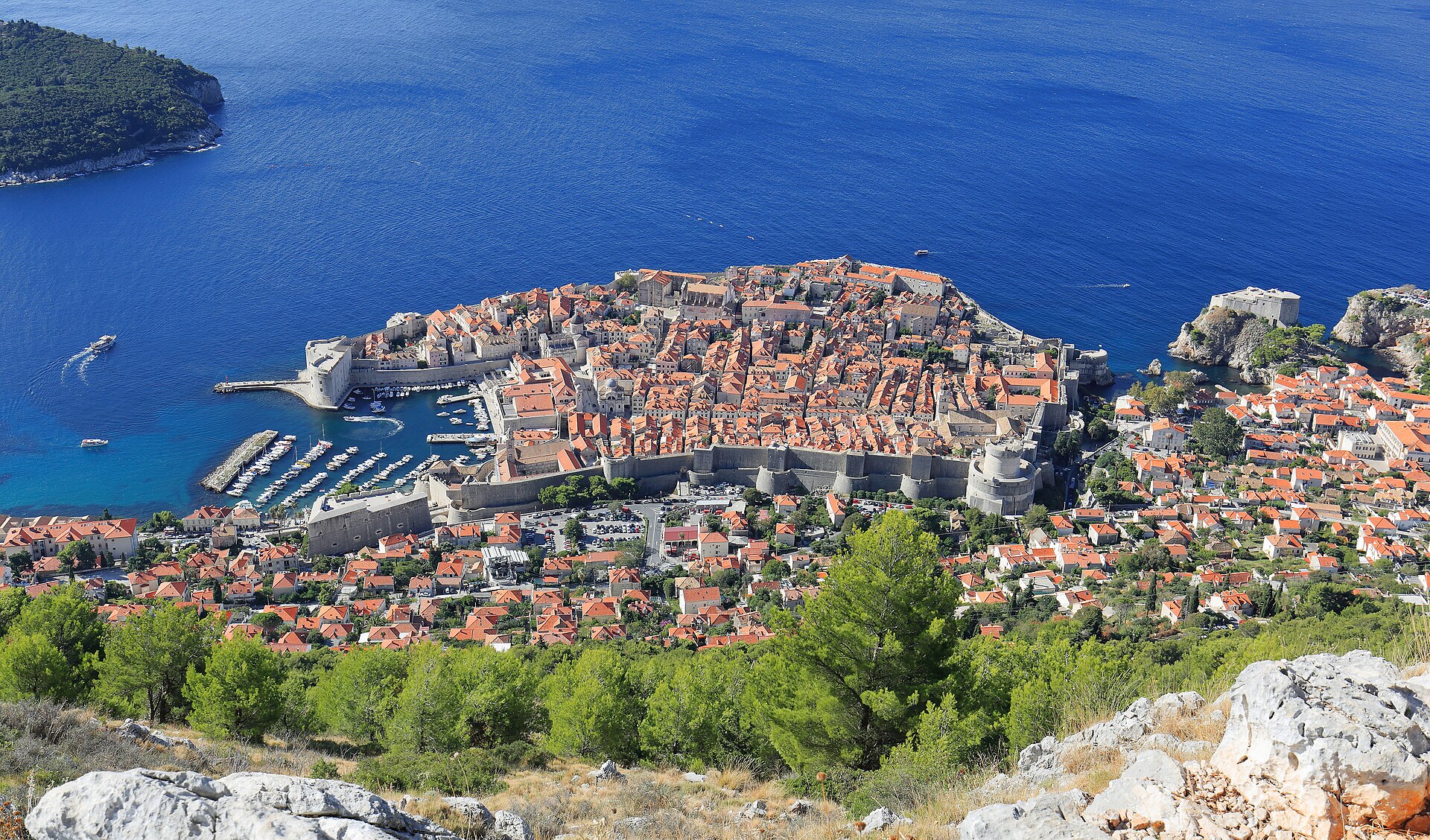
The Old Town is compact enough to walk in an afternoon but dense enough to reward days. Beyond its gates, the Adriatic coast stretches toward islands you can reach by ferry, and the hills behind hold the context the walls leave out.

💛 What travellers fall for

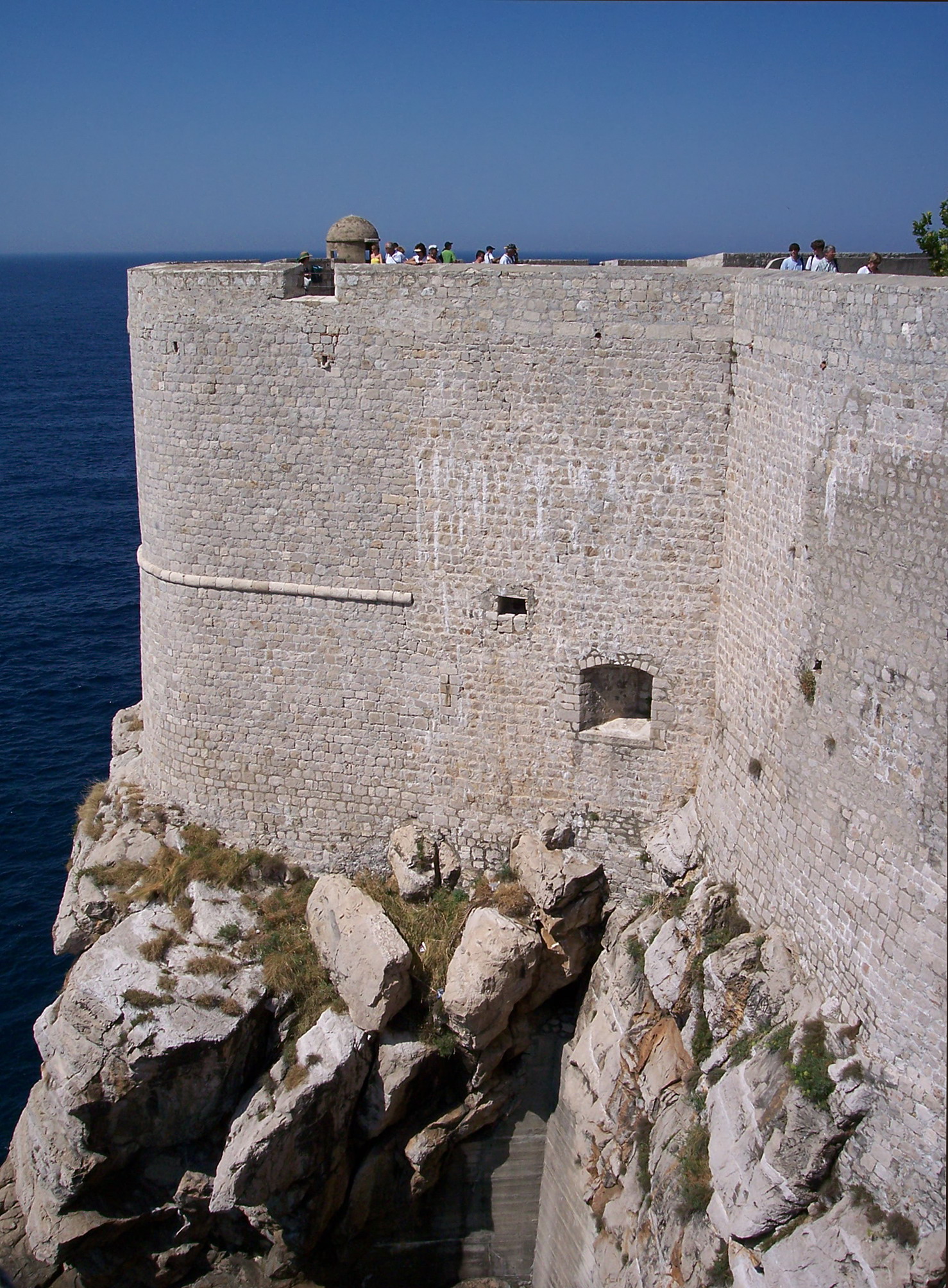
People who return tend to agree on one thing: get inside the walls before 9am or after 6pm, when the cruise crowds have thinned. The walk along the full circuit of the city walls — roughly two kilometres — reads differently in morning light than in afternoon heat. Fort Lovrijenac, across the water from Pile Gate, is quieter than it deserves to be.

Good to know
Dubrovnik Airport (DBV) sits about 20 km south; buses and taxis connect to the city. Summer — July and August — brings heavy crowds and high prices. May, June, and September offer the same sea and sun with noticeably more room to move. The Old Town is walkable; city buses serve Lapad and Gruž.
The story

How Dubrovnik came to be

The city began in 614 when Roman refugees fleeing the destruction of Epidaurus settled on a small rocky island nearby. A Slavic community grew on the mainland opposite, and eventually the channel between the two was filled in — that landfill became the Stradun. For a century and a half, the Republic of Ragusa acknowledged Venetian suzerainty while quietly running its own affairs; the 1358 Treaty of Zadar ended that arrangement.

The republic reached its commercial peak in the 15th and 16th centuries, trading across the Mediterranean with a merchant fleet and a diplomatic caution that kept it independent for longer than most. On 6 April 1667, an earthquake killed around 5,000 people and destroyed much of what had been built. The walls held. The Sponza Palace, alone among Old Town buildings, survived intact. Reconstruction shaped the city's current appearance; Napoleon's forces abolished the republic in 1808. In 1991–92, artillery hit more than two-thirds of Old Town buildings; the walls absorbed over a hundred direct strikes. UNESCO had listed the site in 1979.

People & landmarks

Who and what shaped it

People who shaped it

Marin Držić
15th–17th century resident; notable figure in Dubrovnik's cultural history.
Ivan Gundulić
15th–17th century resident; notable figure in Dubrovnik's cultural history.
Ruđer Bošković
15th–17th century resident; notable figure in Dubrovnik's cultural history.
Onofrio della Cava
Italian architect; brought water from spring 12 km away and built Onofrio's Fountain (1438); rebuilt Rector's Palace in Gothic style after 1435 fire.
Michelozzo Michelozzi
Renaissance architect from Florence; adapted Minceta Tower in 16th century.
Juraj Dalmatinac
Croatian architect; adapted Minceta Tower in 16th century.
Antonio Ferramolino
Fort builder; constructed Revelin fortress over 11 years, completed 1549.
Marino Gropelli
Venetian architect; designed and built Church of St. Blaise in 1715.
Nicifor Ranjina
Originally built Minceta Tower in 1319.

Landmark buildings

City Walls
Completely surrounding city by 13th century; ~1,940 meters long, max 25 meters high; absorbed 100+ direct hits in 1991–92 siege.
Stradun
Main street; 300-meter limestone promenade paved 1468, current appearance created after 1667 earthquake; runs from Pile Gate to Ploče Gate.
Minceta Tower
Massive round tower completed 1464; dominates city on landward side; one of few structures not destroyed by 1667 earthquake.
Rector's Palace
Housed Rector of Republic of Ragusa (14th century–1808); hub for Minor Council and state administration; rebuilt by Onofrio della Cava in Gothic style after 1435 fire.
Sponza Palace
Built mid-16th century; houses state archives dating back 1,000 years; only Old Town building to survive 1667 earthquake intact.
Church of St. Blaise
Venetian Baroque-style church built 1715 by Marino Gropelli; features Corinthian columns and 15th-century gilt silver statue of Saint Blaise.
Fort Lovrijenac
11th century origin; constructed in 3 months by city residents; triangular shape with three terraces; defended western approach to Dubrovnik.
Onofrio's Fountain
Built 1438; featured 16 spouts; brought water from spring 12 km away; served as primary water source until late 19th century.
Bokar Fortress
Designed and built mostly during 1460s; defended western entrance and key to defence of Pile Gate.
Franciscan Monastery
Founded 1317; houses third-oldest European pharmacy and oldest still in operation.
Lokrum Island
72-hectare wooded island with fortress, botanical garden, monastery, and naturist beach; former summer residence of Austrian Archduke Maximilian of Habsburg.
Watch

See Dubrovnik in motion

Practical

Plan your visit

On the map

When to go

Summers are hot and dry, with July and August regularly reaching the mid-30s Celsius and the sea warm enough for swimming from June through October. Spring and autumn are mild and often clear; winters are cool and occasionally rainy, but the crowds are gone and the city feels closer to itself.

Right now

28°C
Partly cloudy
Sat
32°
26°
Sun
☀️
32°
25°
Mon
33°
27°
Tue
30°
24°
Weather data: Open-Meteo

Background & history adapted from Wikipedia (CC BY-SA) · specs from Wikidata (CC0) · weather from Open-Meteo · map data © OpenStreetMap contributors · photos from Wikimedia Commons / Unsplash with per-image credit. No third-party reviews or social posts reproduced.

Top