
Cambodia
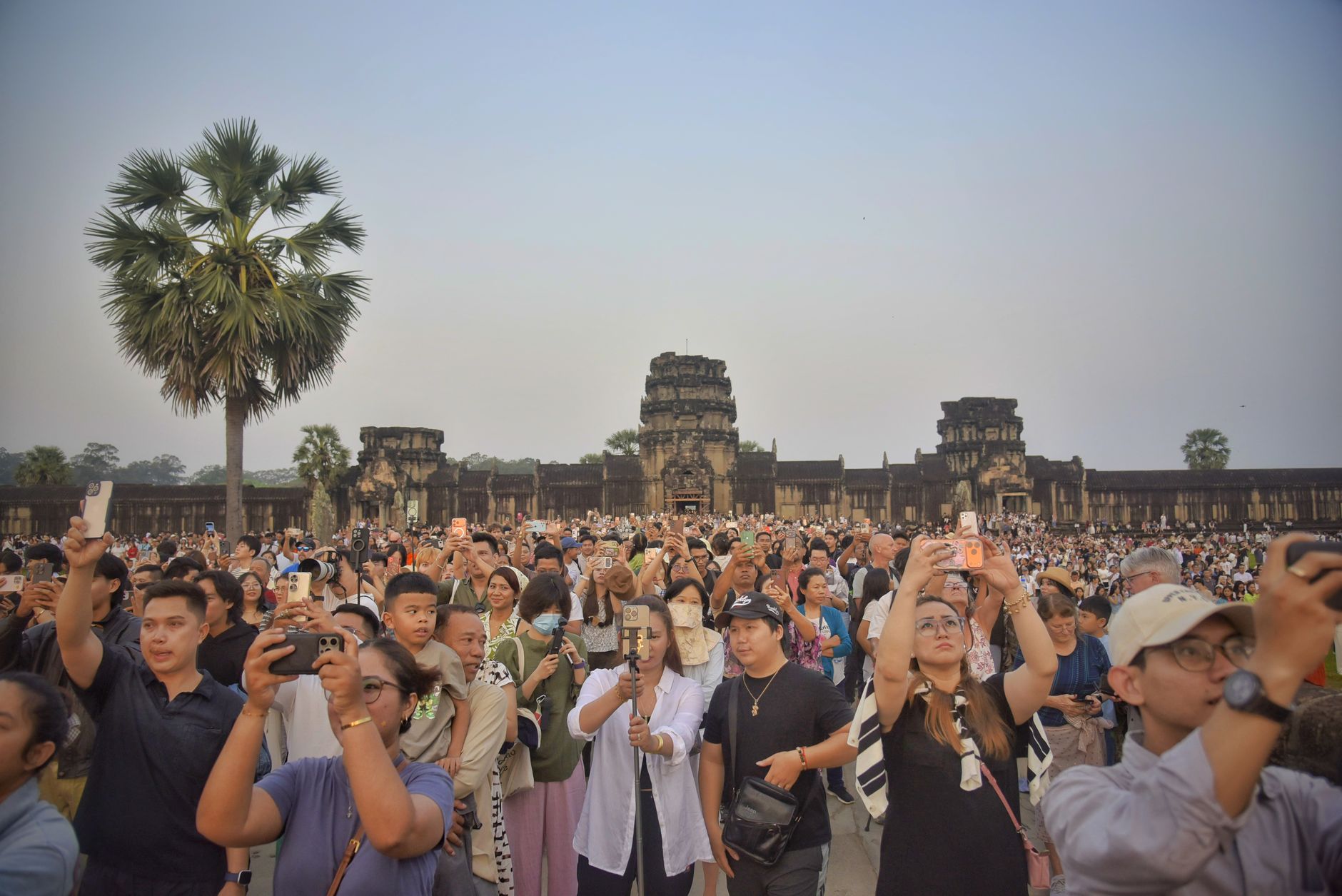
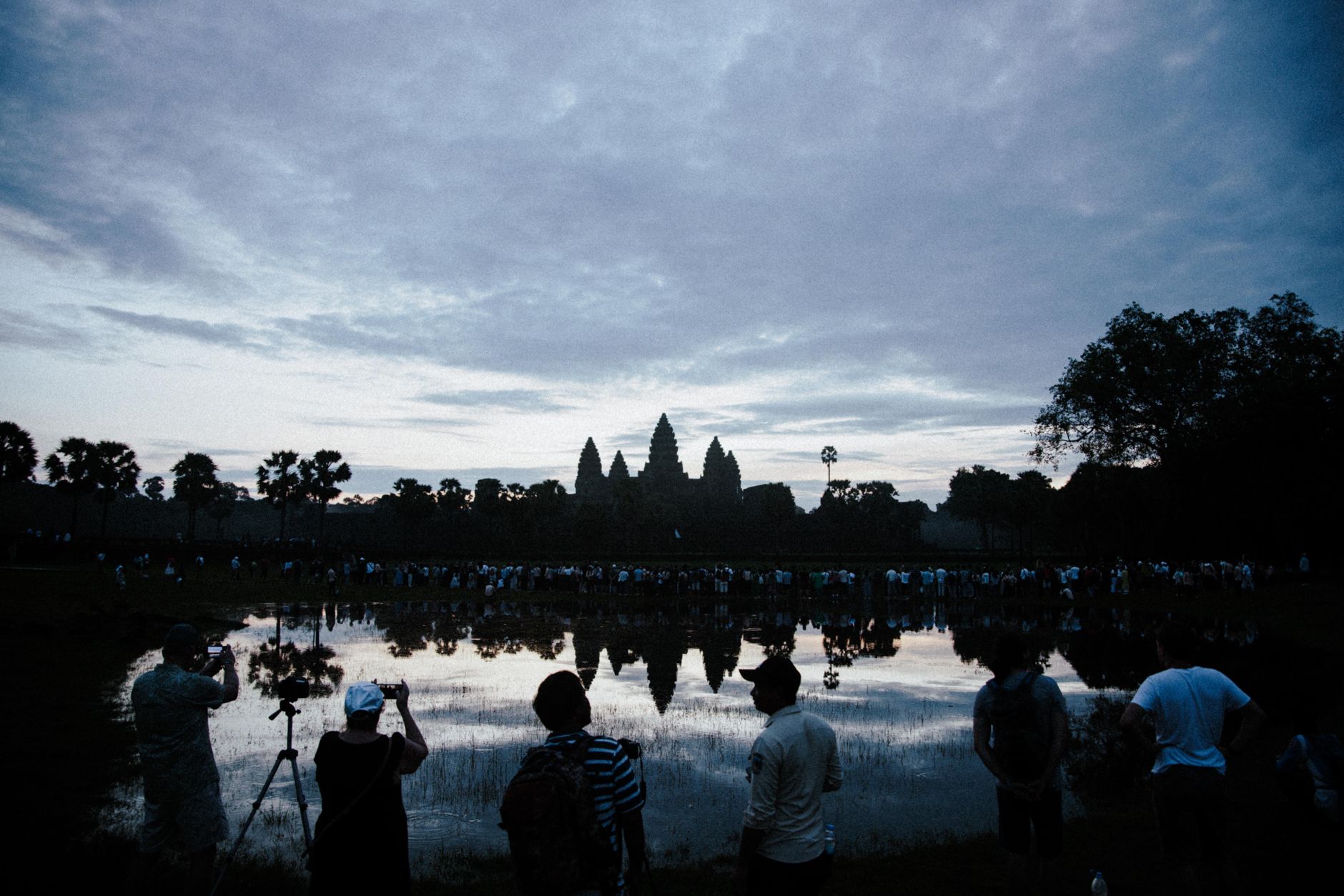
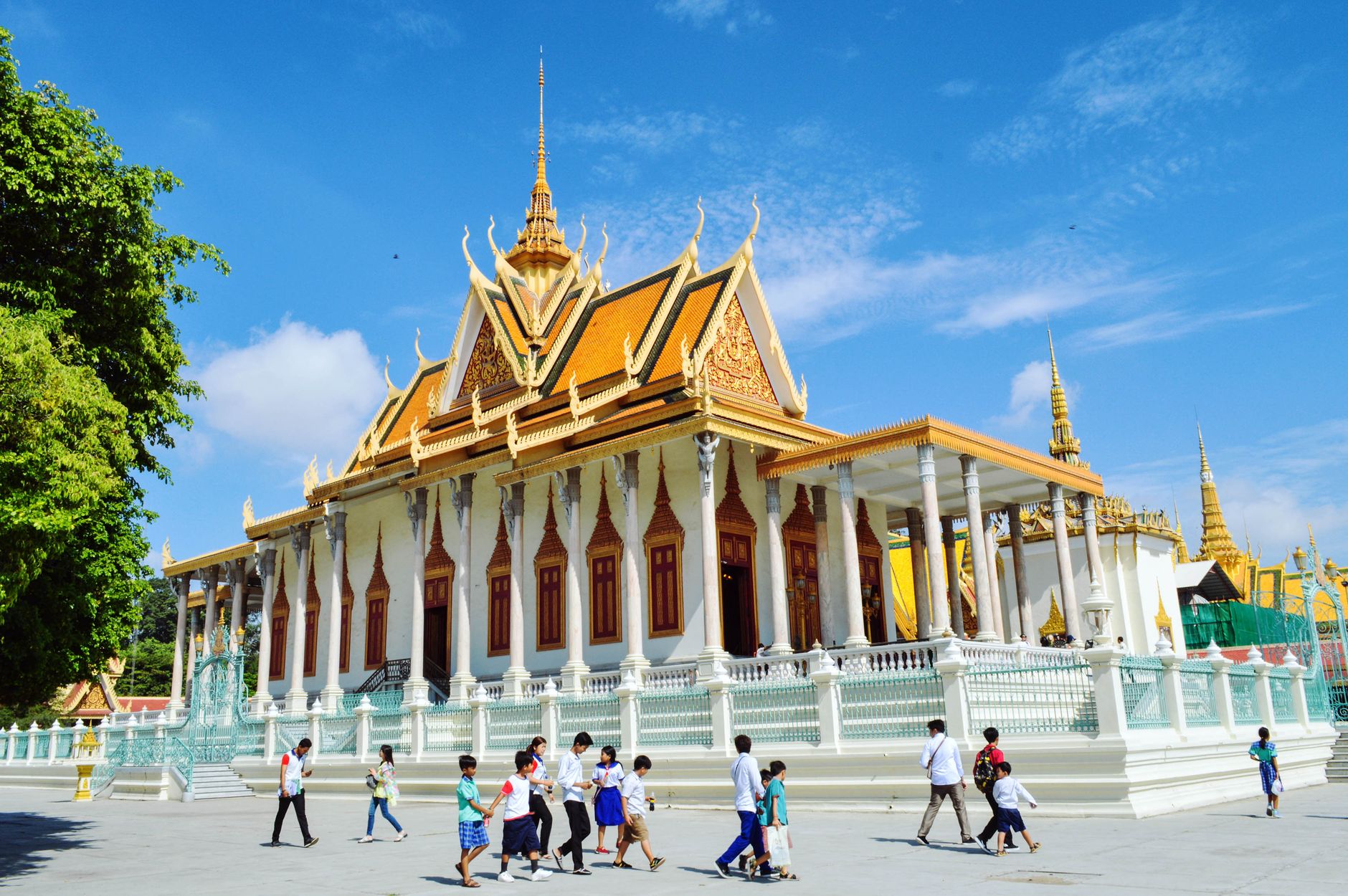
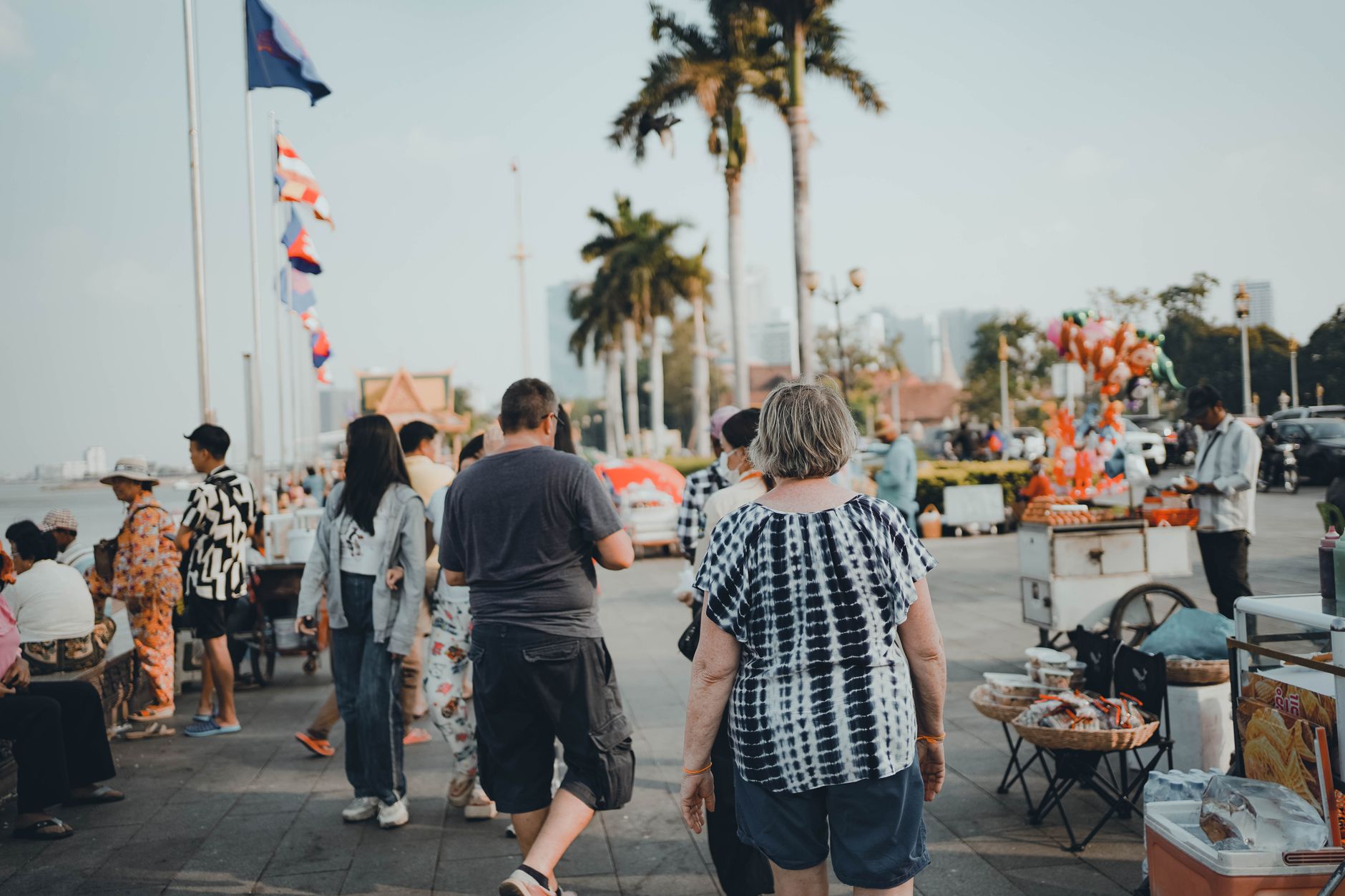
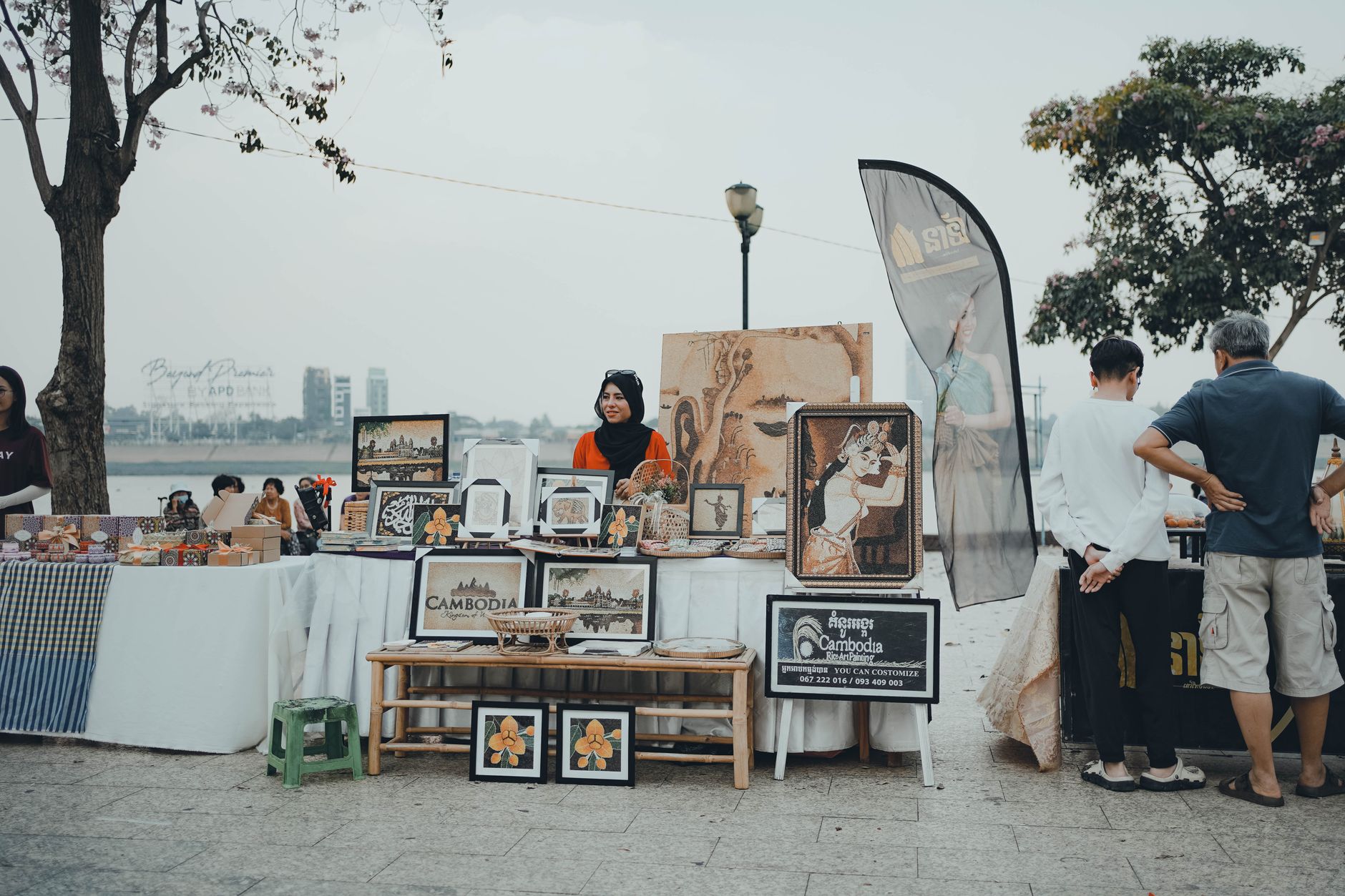
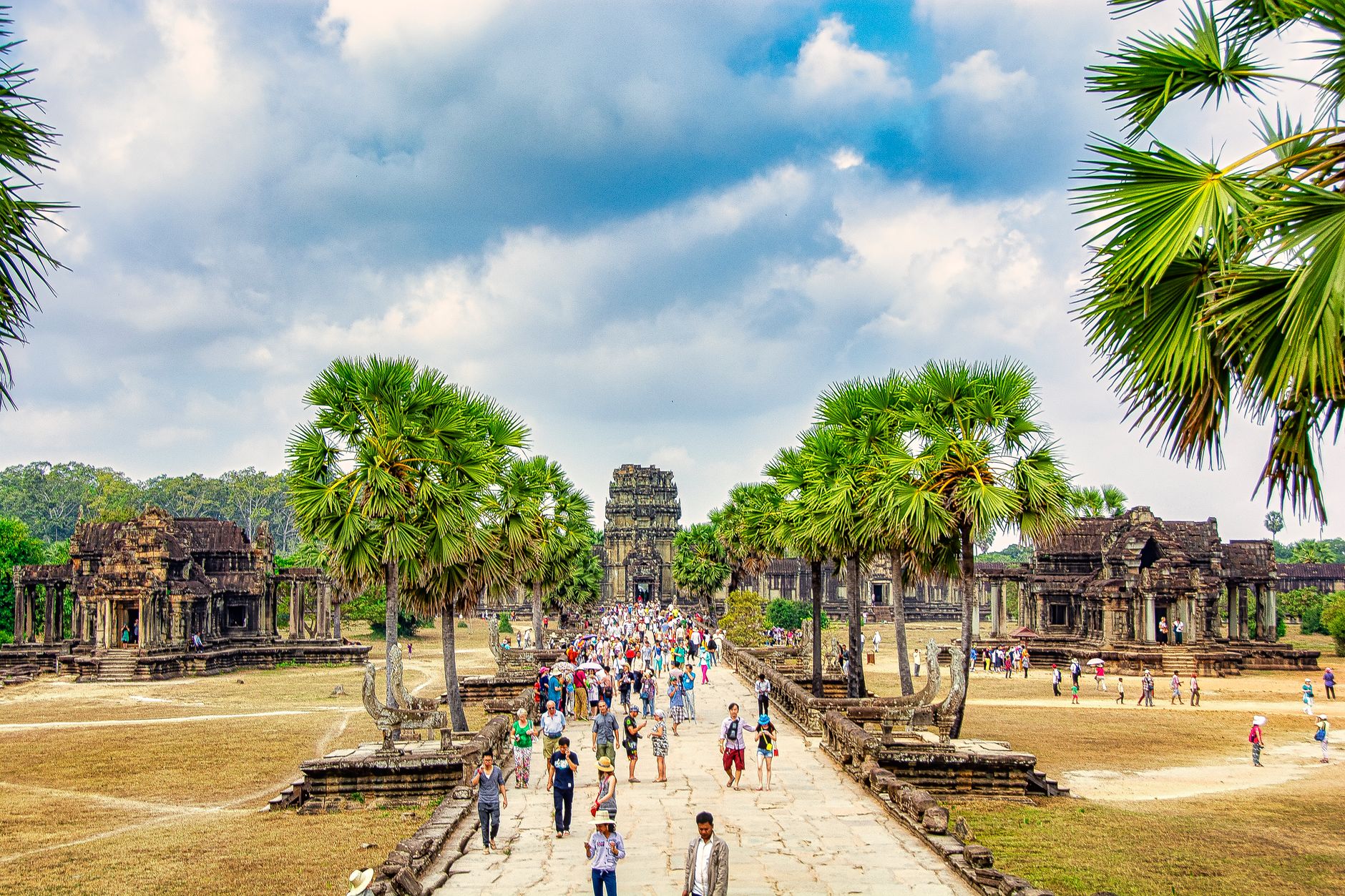
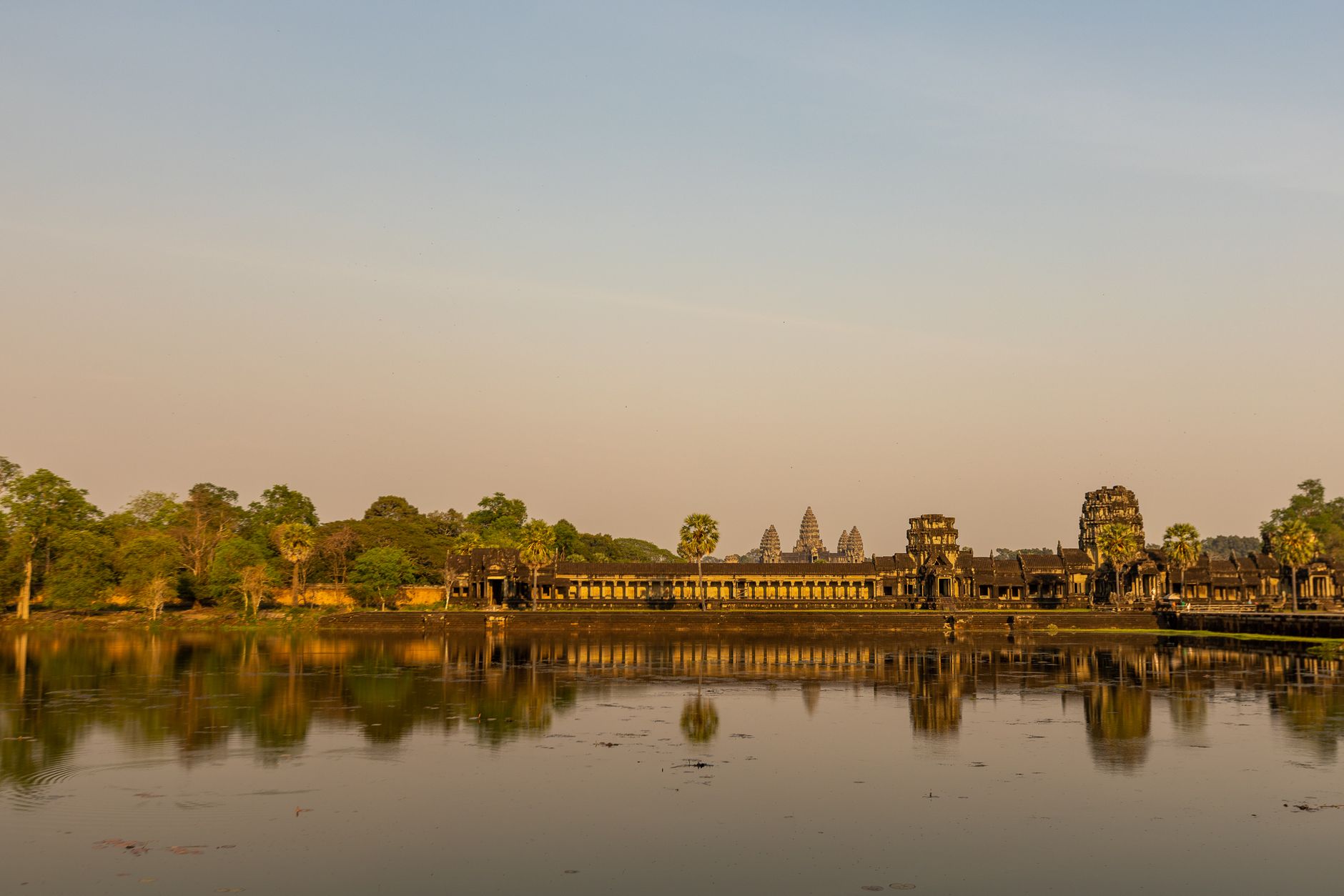
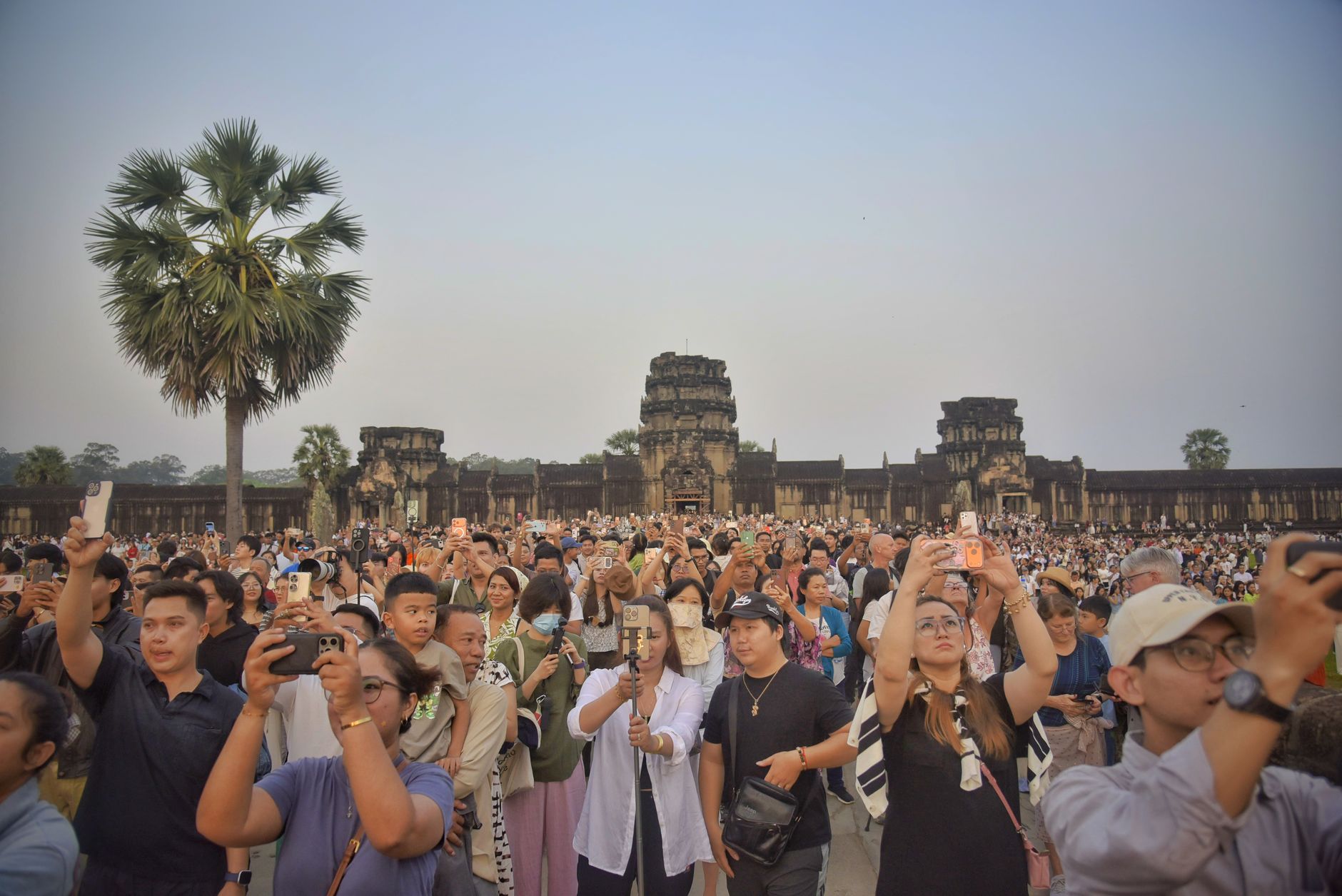
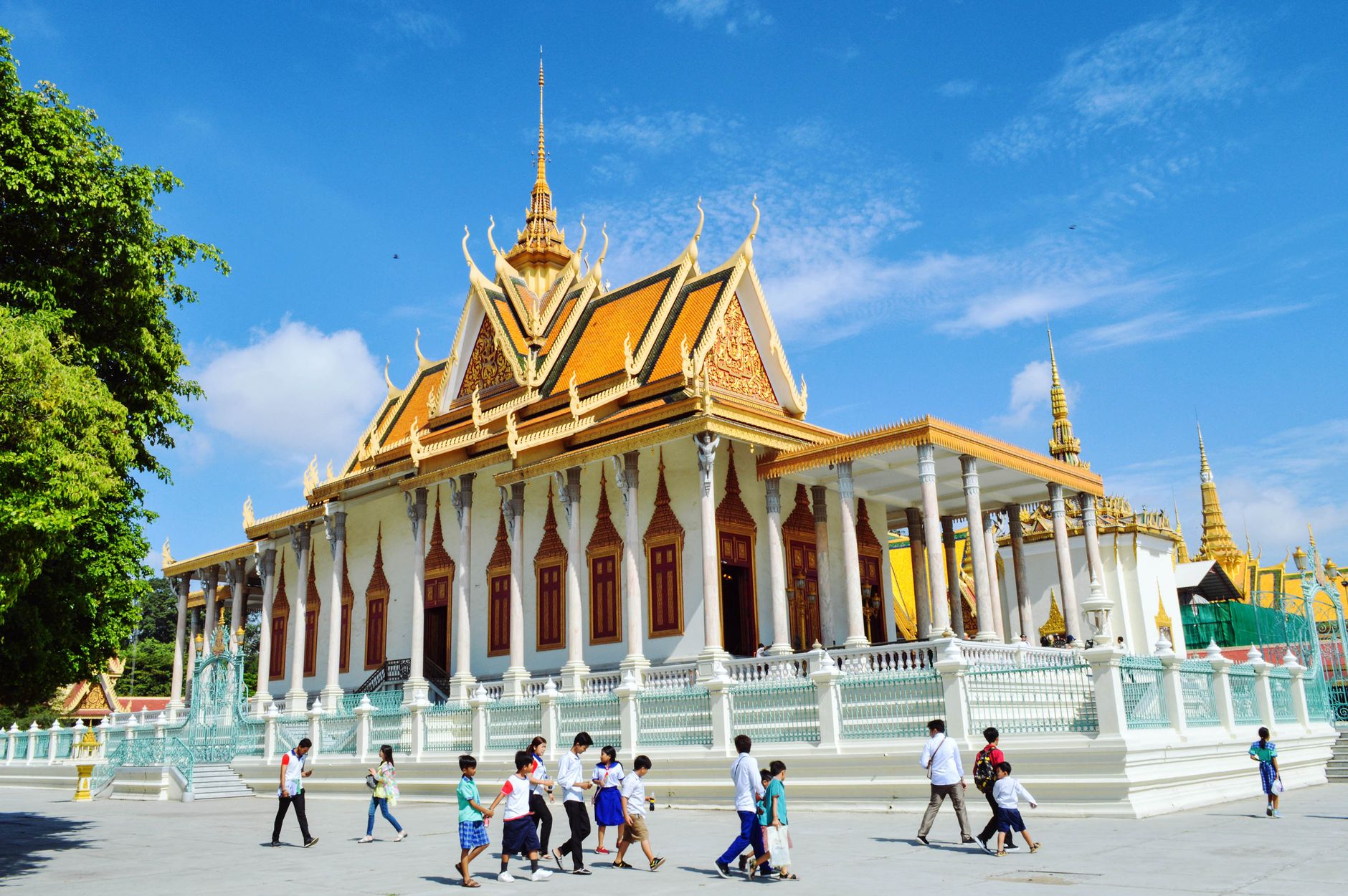
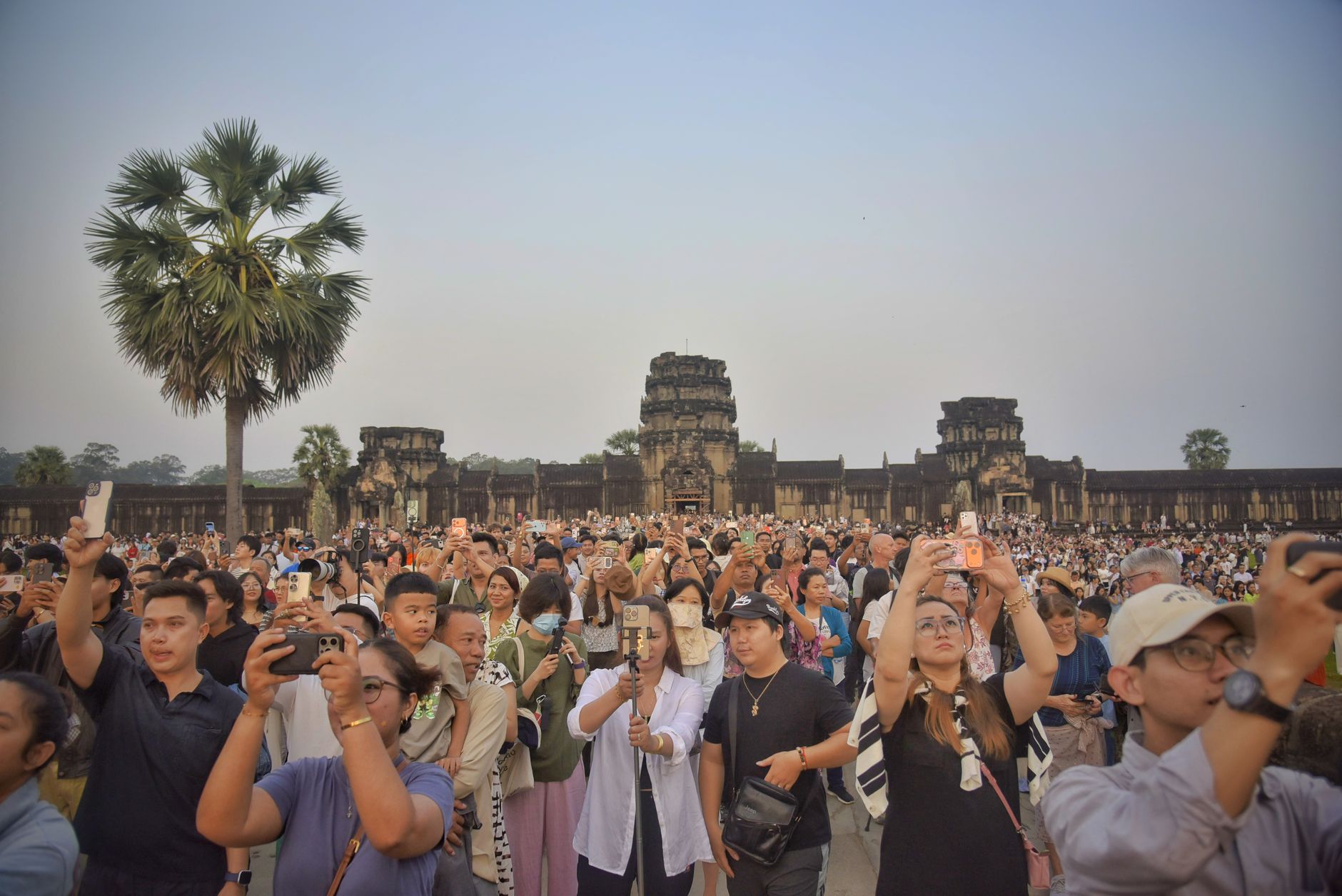
Cambodia stops you with stone. Angkor Wat — built in the early 12th century to honour Vishnu and still the world's largest religious structure — rises from a 650-foot-wide moat with a gravity that photographs never quite prepare you for. But the country is more than its temples. Phnom Penh sits at the confluence of the Mekong and Tonlé Sap rivers, carrying both the elegance of its French-colonial past and the weight of a more recent history that the country hasn't looked away from.
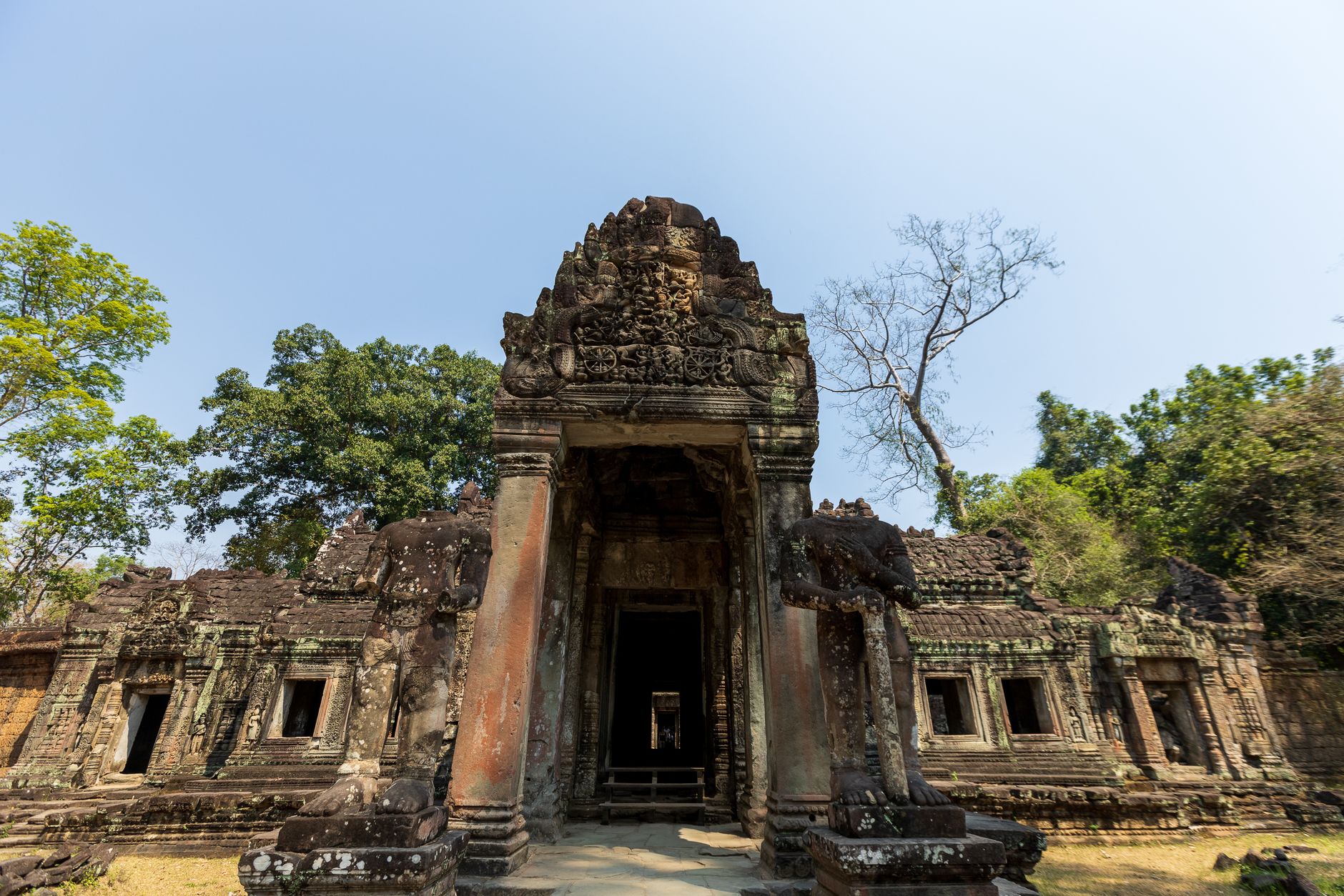
Cambodia rewards slow travel. The Khmer Empire left behind not one great monument but an entire landscape of them — jungle-swallowed courtyards, cliff-top shrines, seven-tiered pyramids — spread across the northwest and beyond. Between sites, the food is quietly excellent and the people are direct in a way that tends to disarm visitors quickly.
Popular regions in Cambodia
Experiences you don't want to miss


Deals in Cambodia
Book directly at the provider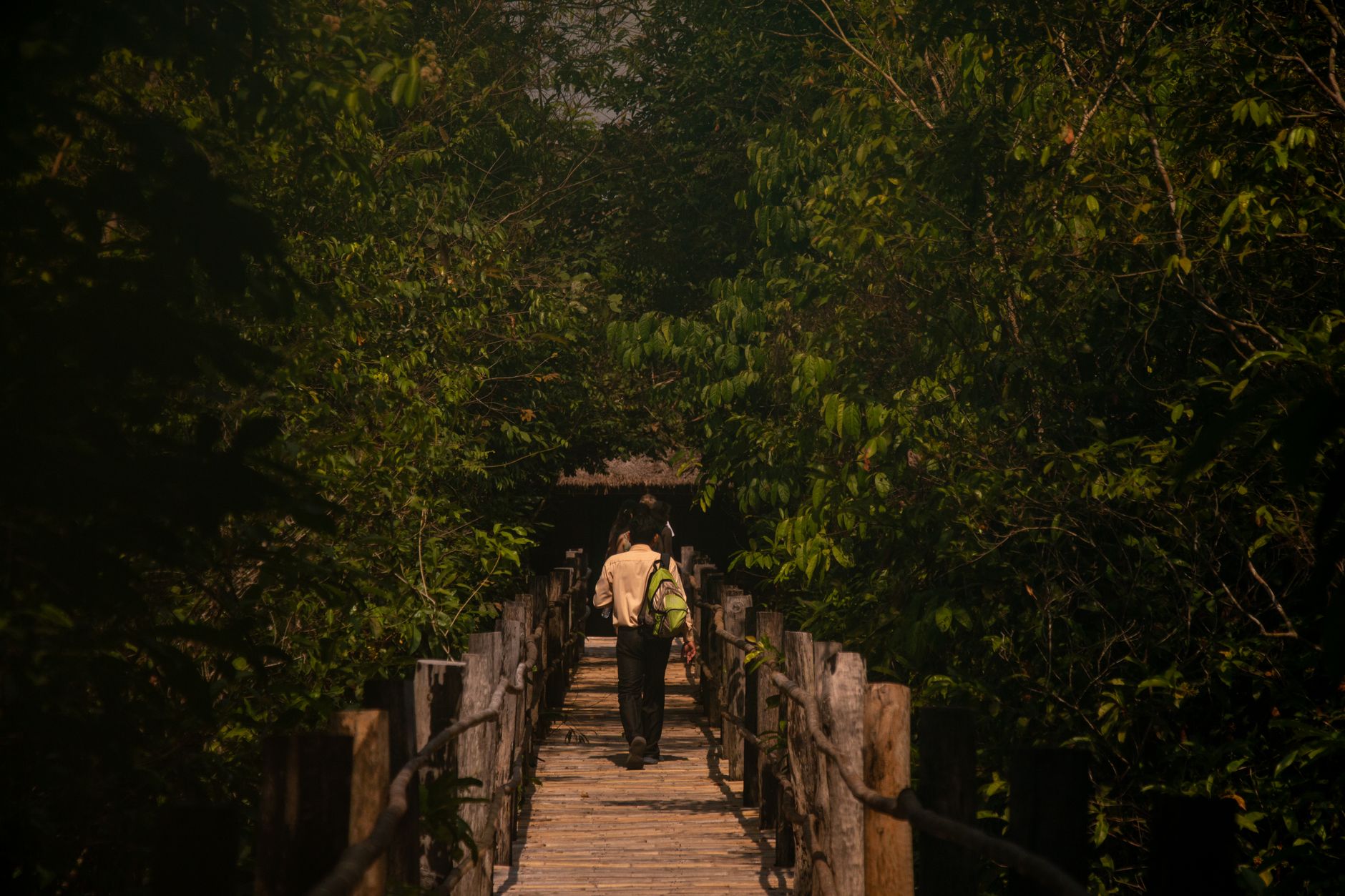


How Cambodia came to be
Human settlement here stretches back at least 40,000 years, but the political story sharpens in the early centuries CE with Funan, a polity Chinese annals describe as controlling the southernmost Indochinese peninsula. Funan gave way to Chenla, and then, in 802 CE, Jayavarman II performed a consecration ceremony at Mount Kulen that marked the founding of the first unified Cambodian state — and the beginning of the Angkorean period, which would last until 1431.
At its height the Khmer Empire was among the most powerful forces in Southeast Asia. Yaśovarman I established the capital at what became Angkor around 890 CE; Jayavarman VII commissioned the Bayon in the late 12th century. When the Thais captured Angkor in 1431, the capital shifted south to Phnom Penh. France formalised a protectorate in 1863; Cambodia gained independence in 1953. Then, in 1975, the Khmer Rouge took power — a period whose full reckoning you can begin at the Tuol Sleng Genocide Museum in Phnom Penh.
Who and what shaped it
People who shaped it
Landmark buildings
See Cambodia in motion
Plan your visit
On the map
When to go
Cambodia has two distinct seasons: a dry season roughly November through April, when skies are clear and temperatures are high but bearable, and a wet season May through October, when afternoon downpours are heavy but short-lived and the landscape turns green. November to February is the most comfortable window for temple visits.
Right now
↡ Regions

No places match these filters.
Background & history adapted from Wikipedia (CC BY-SA) · specs from Wikidata (CC0) · weather from Open-Meteo · map data © OpenStreetMap contributors · photos from Wikimedia Commons / Unsplash with per-image credit. No third-party reviews or social posts reproduced.