
Siem Reap
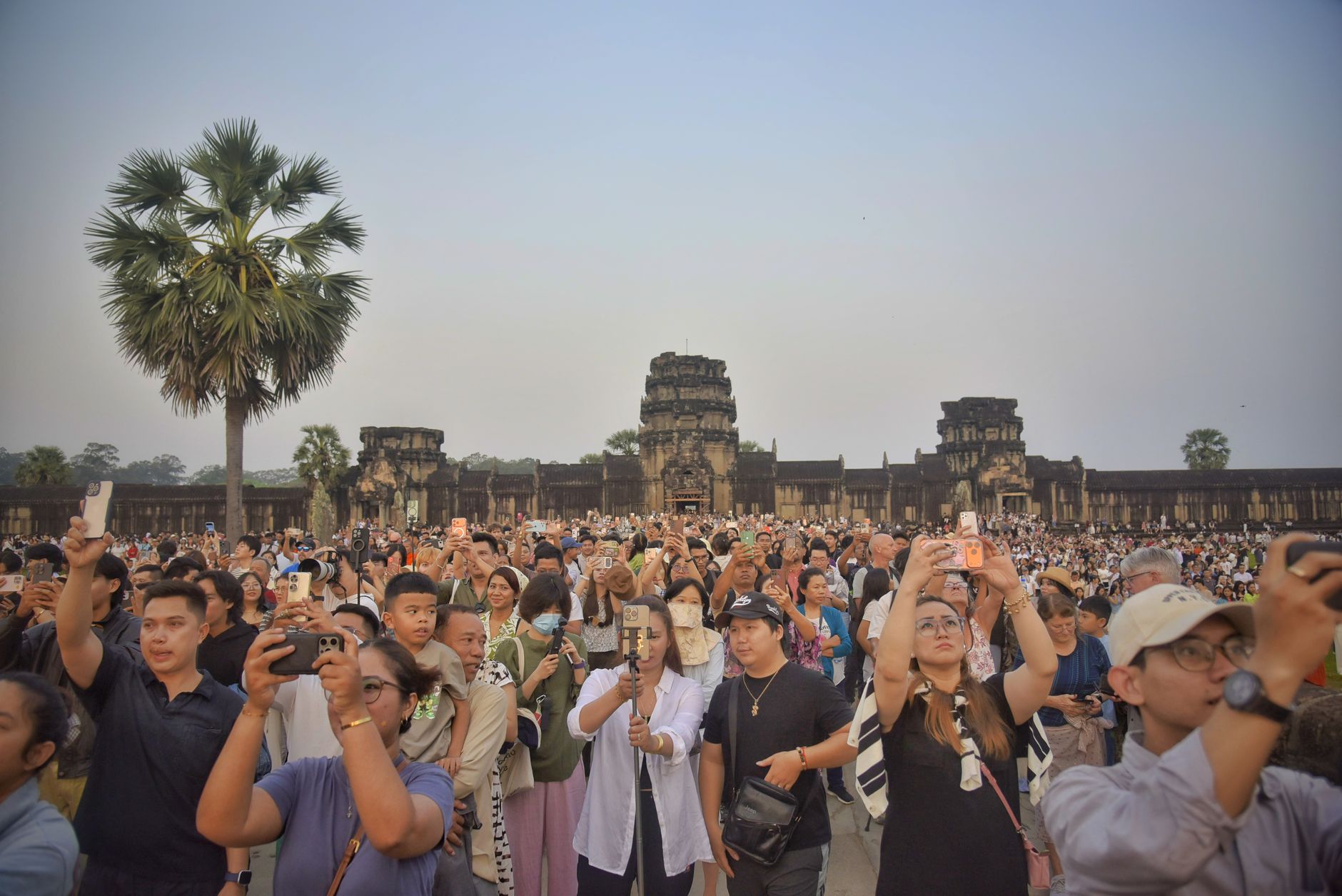
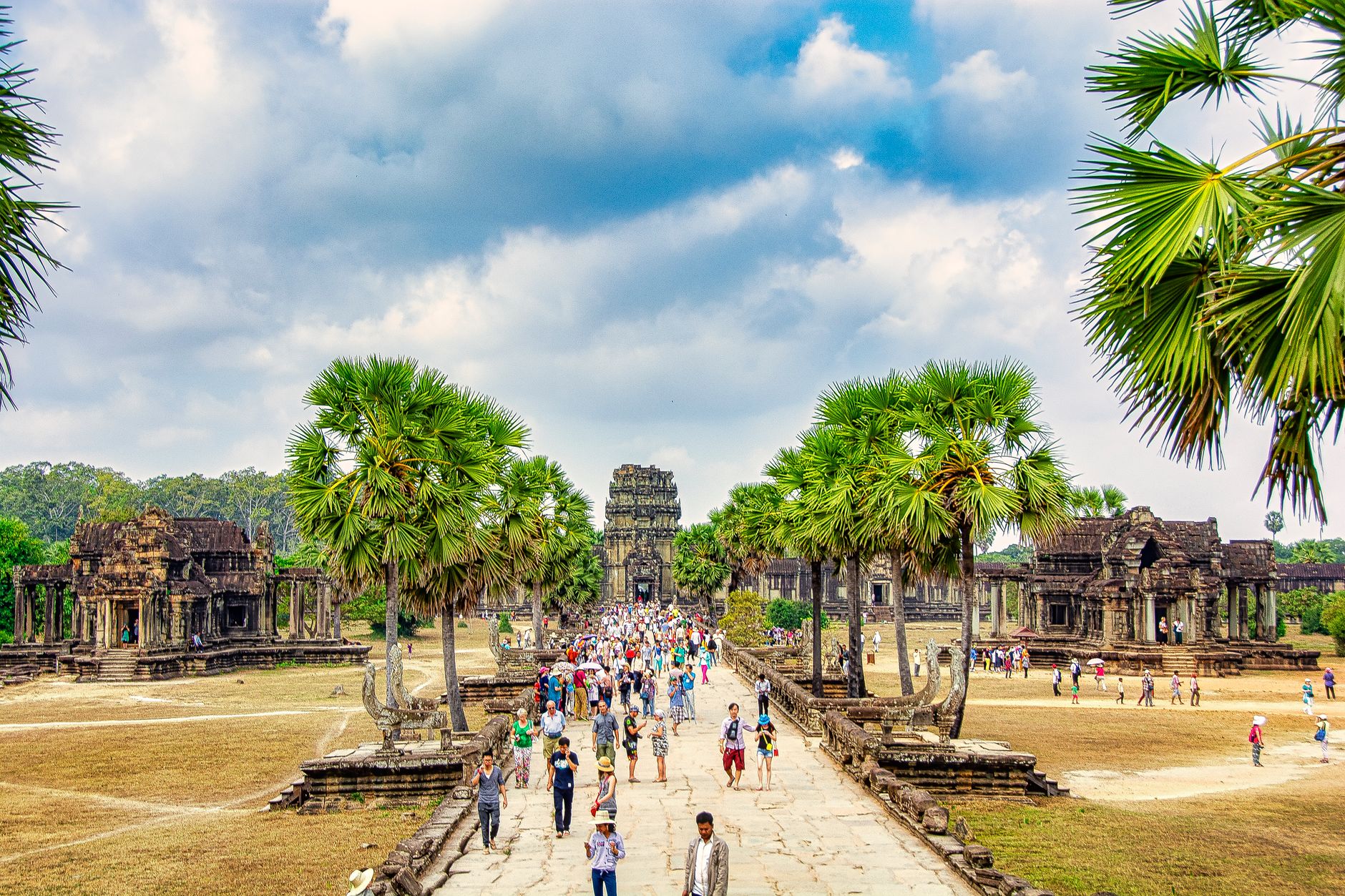
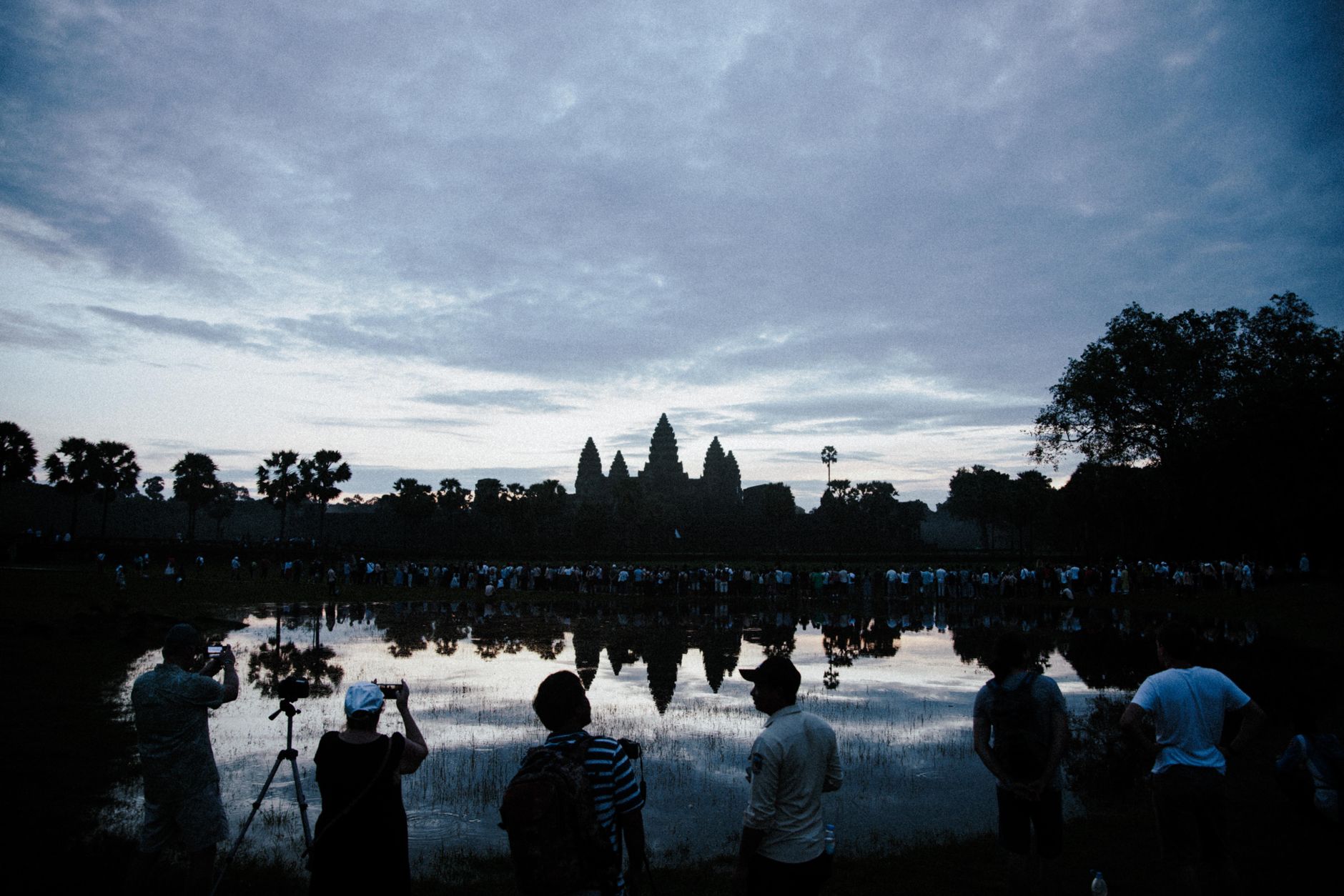
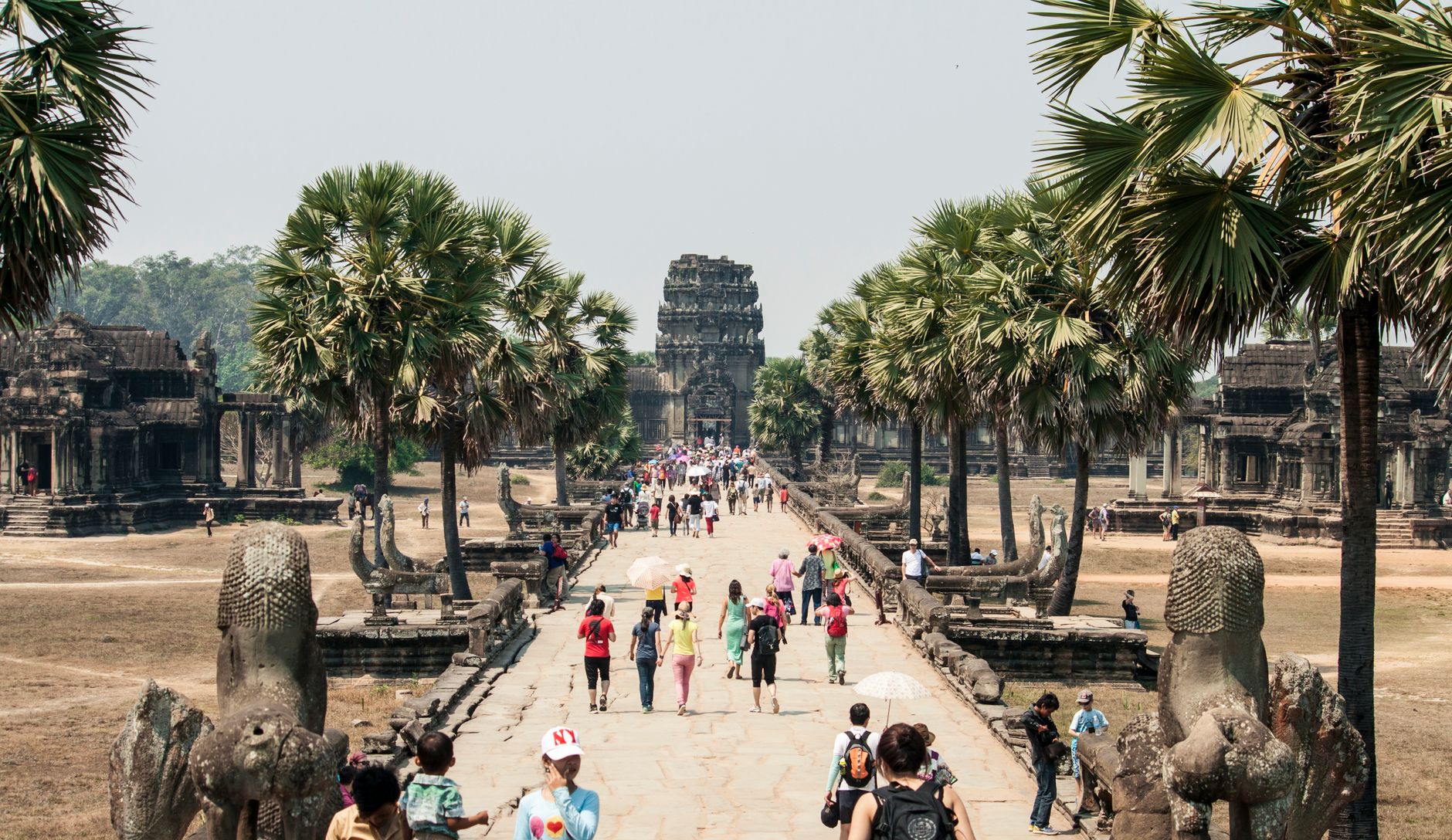
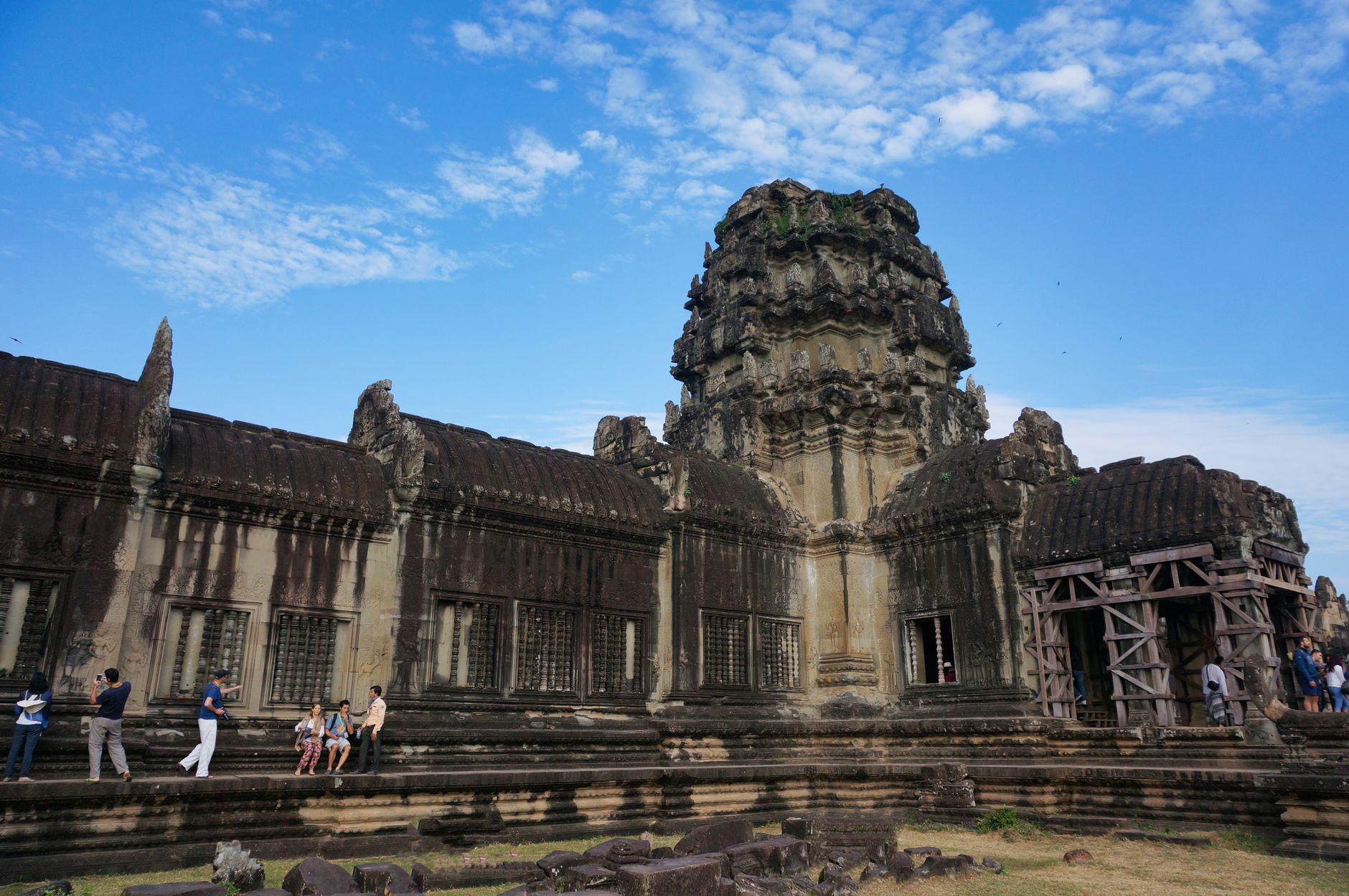
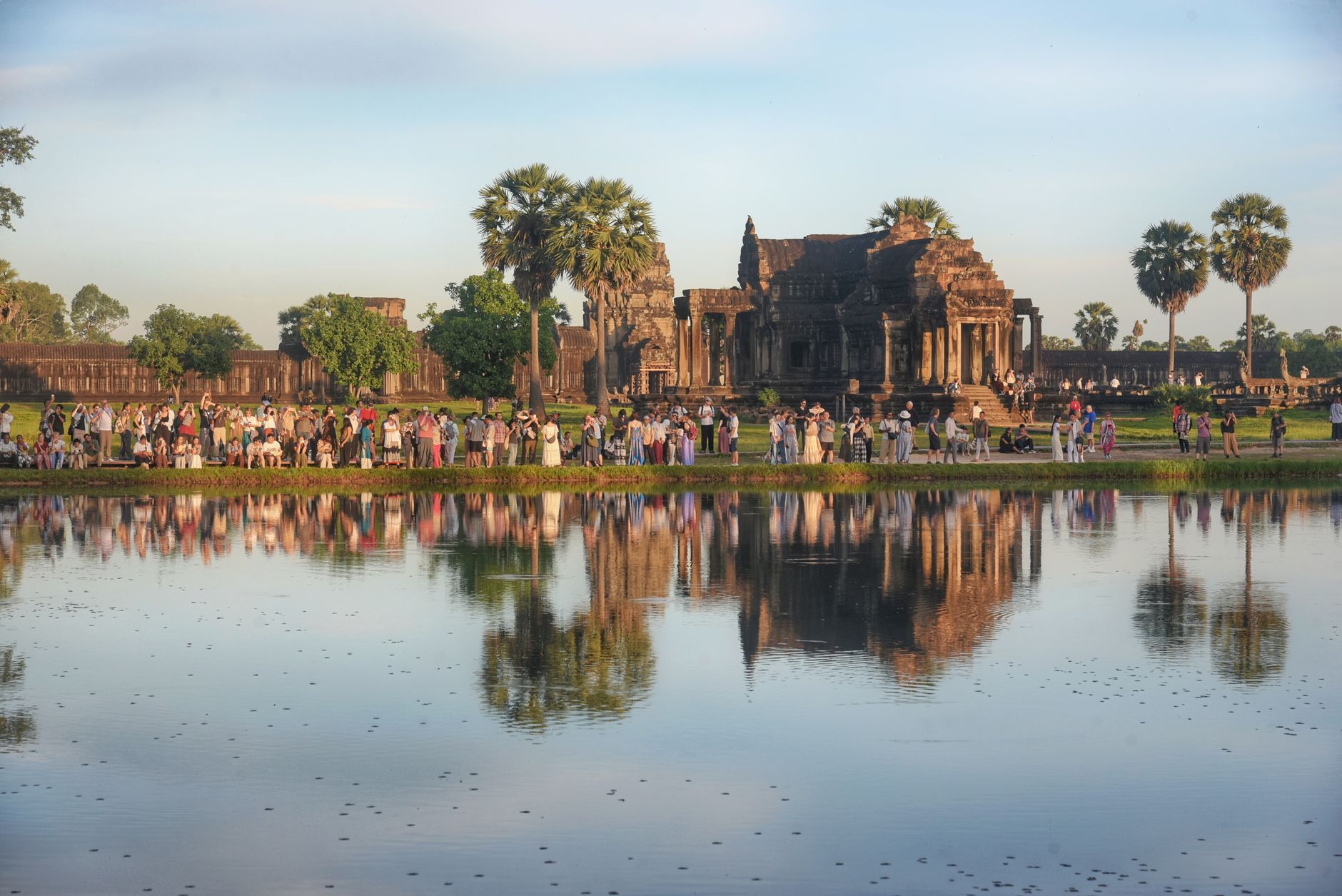
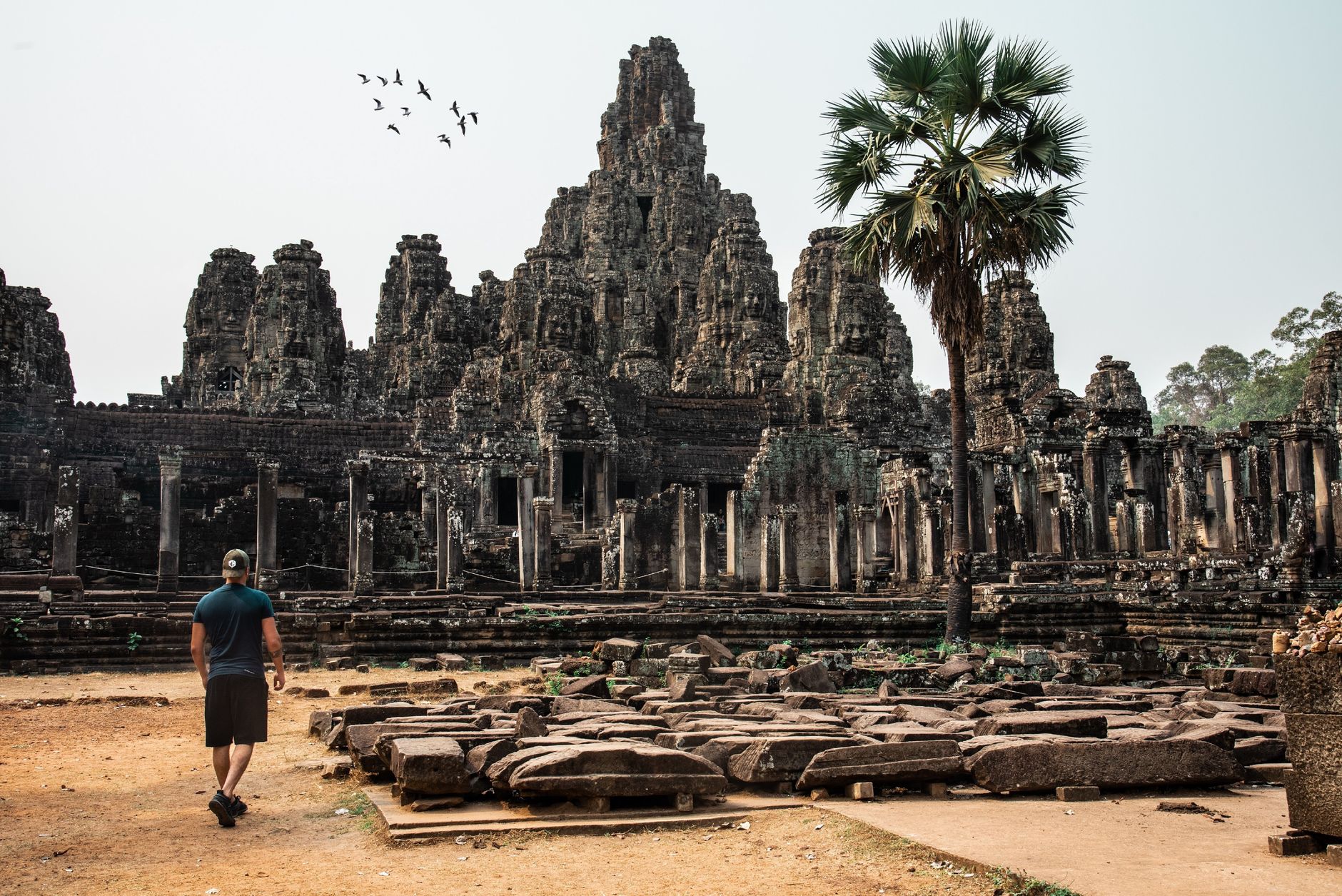
Siem Reap exists, in most travellers' minds, as the gateway to Angkor — and that's fair enough, given that the archaeological park sprawling across 400 square kilometres just north of town contains the largest religious structure on earth. But the town itself has grown into something worth arriving for: French colonial shophouses along the river, a night market that runs well past midnight, and a restaurant scene that has quietly become one of the better ones in Southeast Asia.
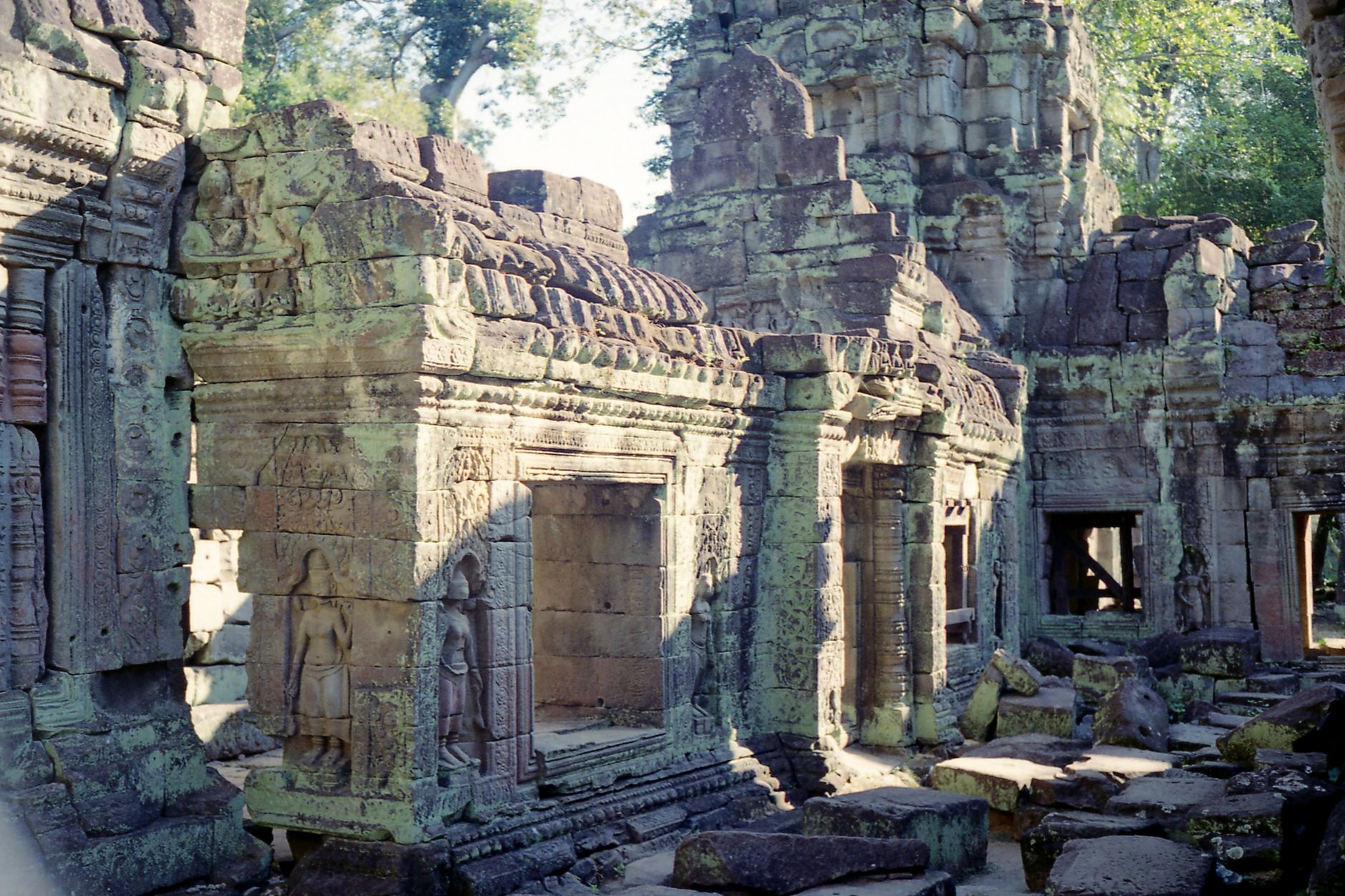
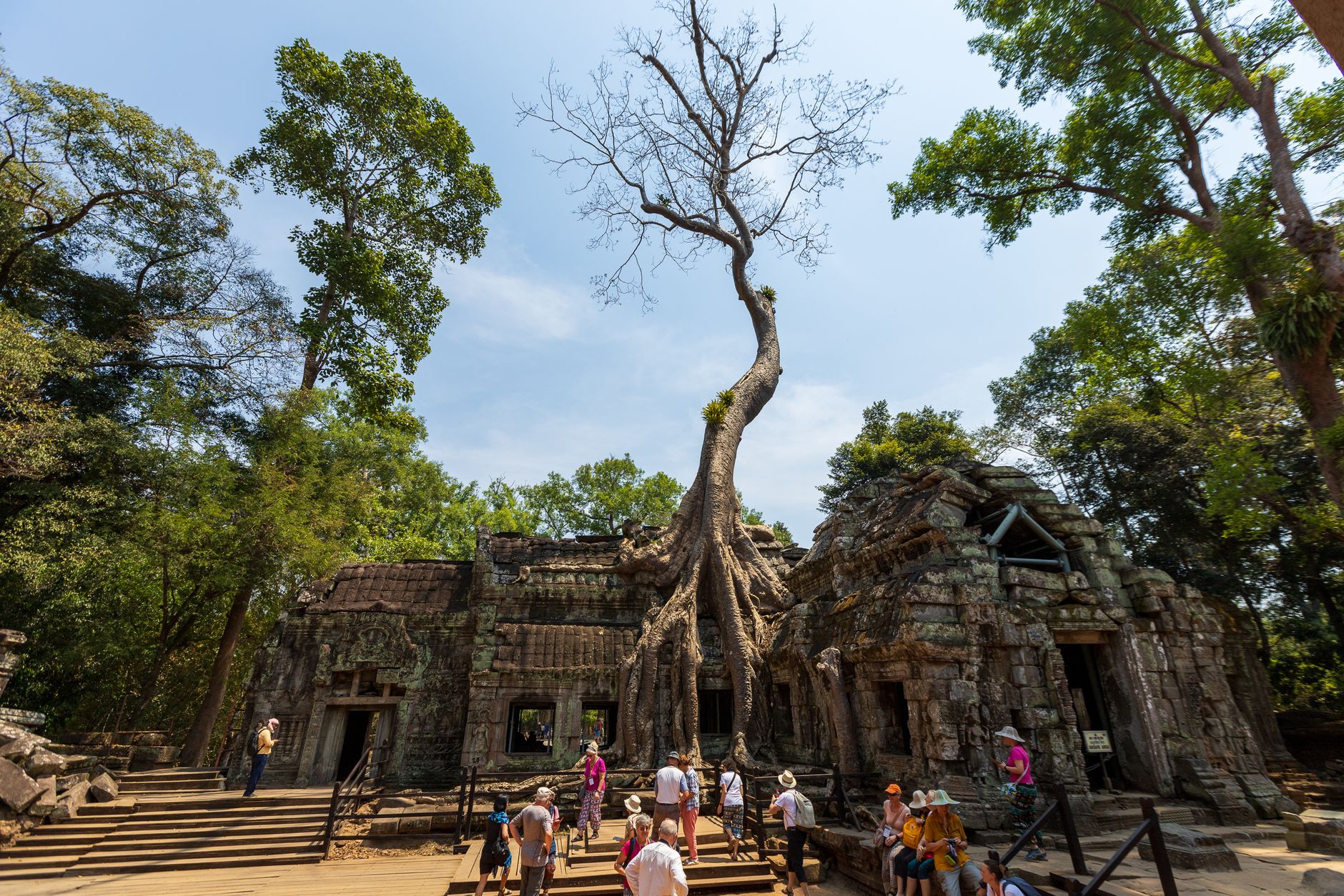
The temples are the reason you come, and they will take more time than you expect. Plan around the light — early morning before nine, or late afternoon after four — and the crowds thin and the stone does something different.
Popular cities in Siem Reap

💛 What travellers fall for
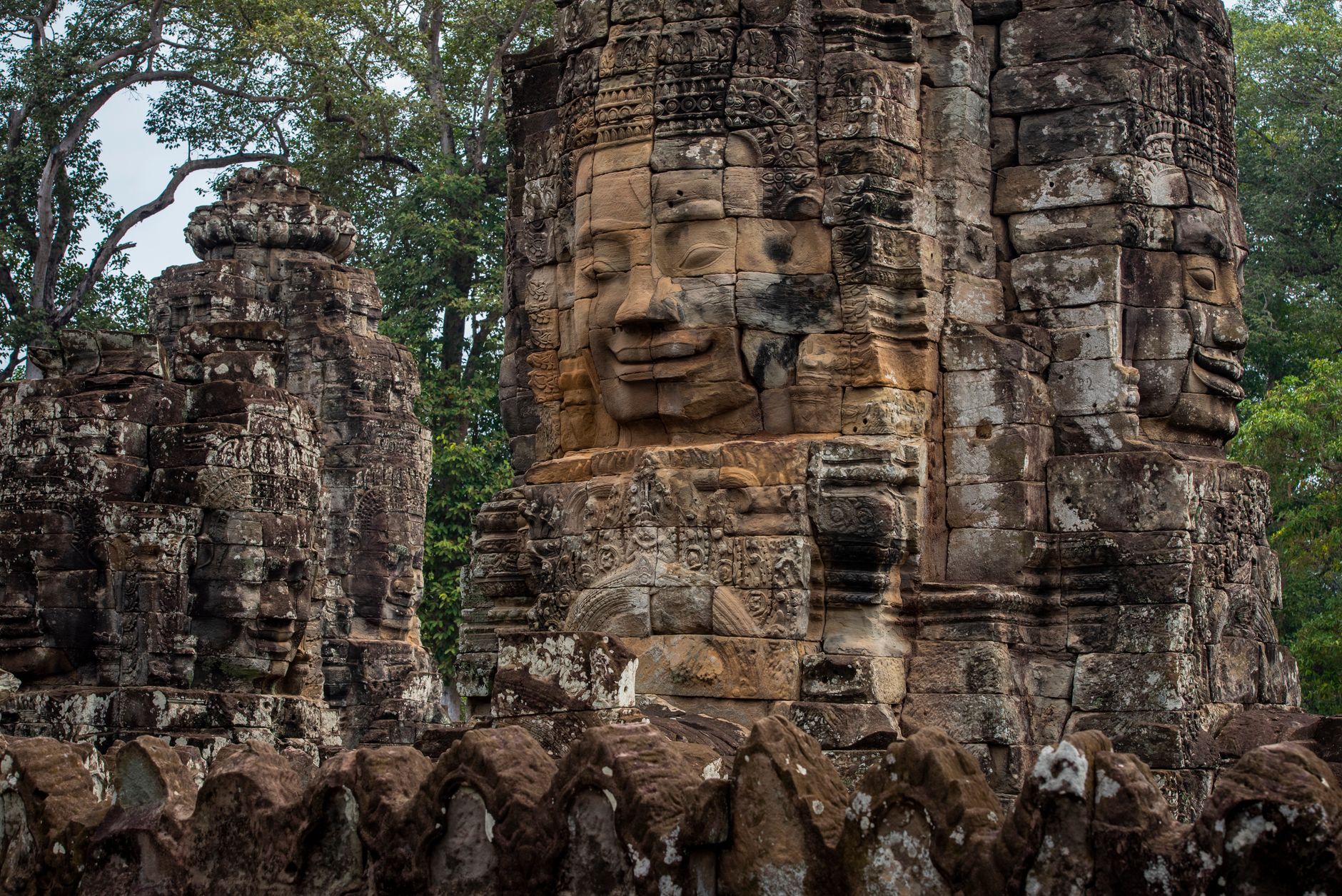
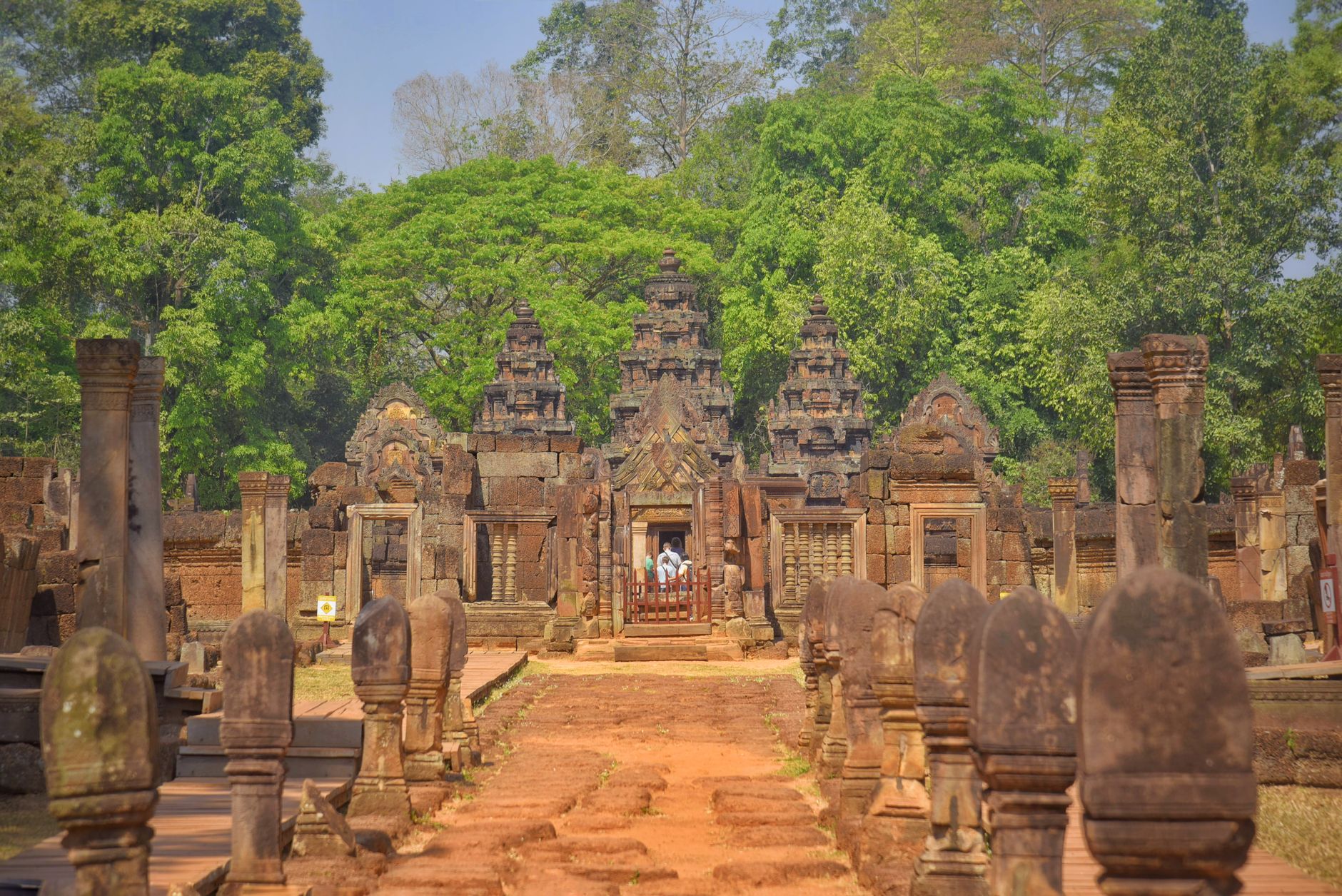
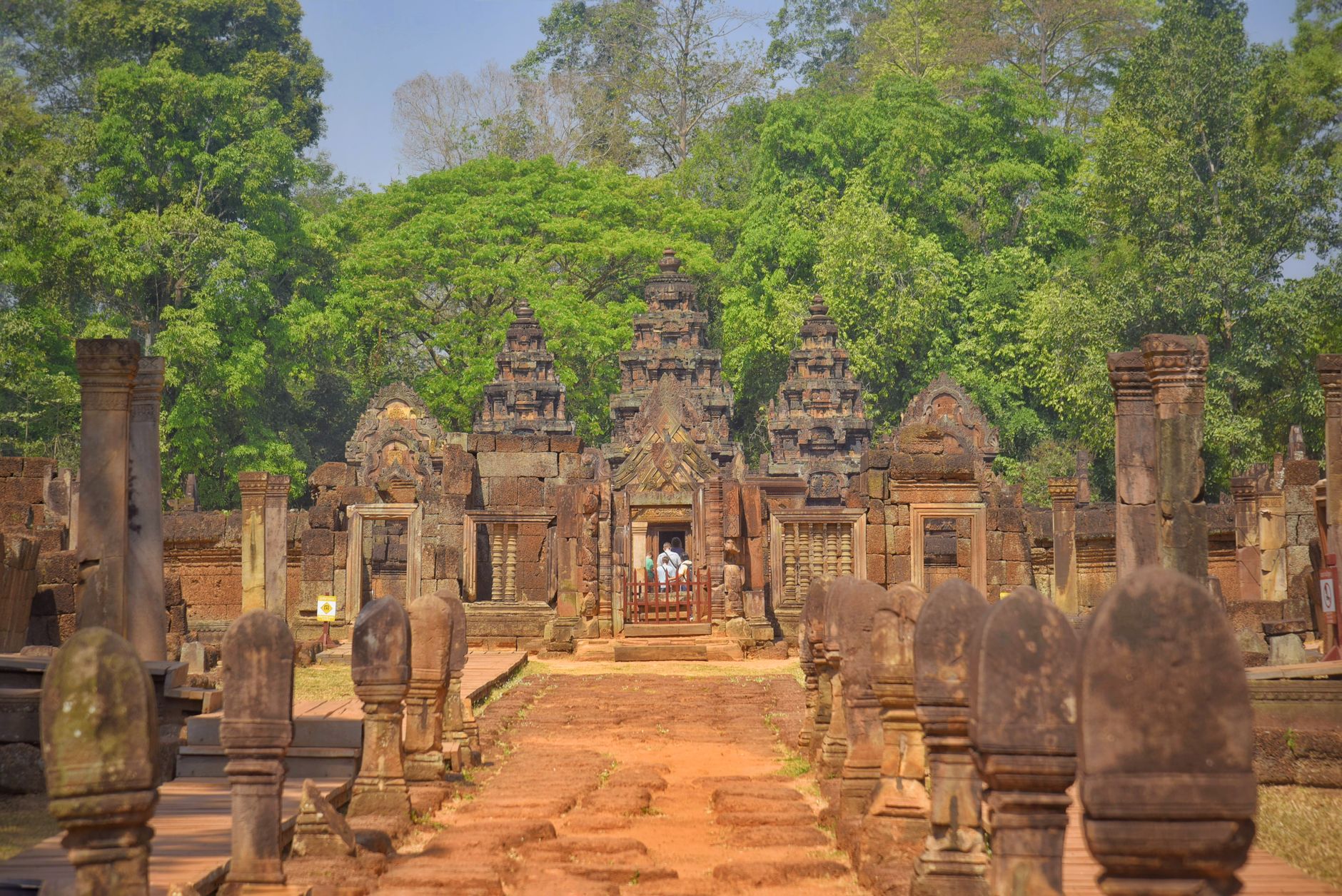
People who come back tend to rent a bicycle for at least one day rather than tuk-tuk the whole circuit. They also mention Banteay Srei — 38 kilometres out, built in red sandstone, with wall carvings that look almost too precise to be a thousand years old. Go early, before the tour buses arrive.
How Siem Reap came to be
The name Siem Reap translates roughly as 'defeat of Siam', though historians note the etymology is probably more legend than record. The region's deeper story begins in the early 9th century, when Jayavarman II established the Khmer empire's first capital at Hariharalaya, near present-day Roluos. The great temple complexes followed over the next four centuries — Angkor Wat between 1113 and 1150 under Suryavarman II, Ta Prohm in 1186 under Jayavarman VII.
By 1795 the province had passed to Siamese administration, and it wasn't until Henri Mouhot published his travels in 1860 — bringing Angkor to European attention — that outside interest returned. France secured the region by treaty in 1907, and the town began to grow around the temples. The Grand Hotel d'Angkor opened in 1929. In 1975 the Khmer Rouge emptied the city entirely. Recovery came slowly; in 1992 around 30,000 people visited Angkor. By 2018 that number had passed 2.5 million.
Who and what shaped it
People who shaped it
Landmark buildings
See Siem Reap in motion
Plan your visit
On the map
When to go
Siem Reap runs warm year-round, averaging around 27°C. The dry season from November to April brings the most comfortable days — 25 to 30°C with cool evenings — while the wet season brings heavy afternoon downpours and noticeably thicker air, though the surrounding landscape turns a deep, saturated green.
Right now
↡ Cities
Background & history adapted from Wikipedia (CC BY-SA) · specs from Wikidata (CC0) · weather from Open-Meteo · map data © OpenStreetMap contributors · photos from Wikimedia Commons / Unsplash with per-image credit. No third-party reviews or social posts reproduced.