
Greece
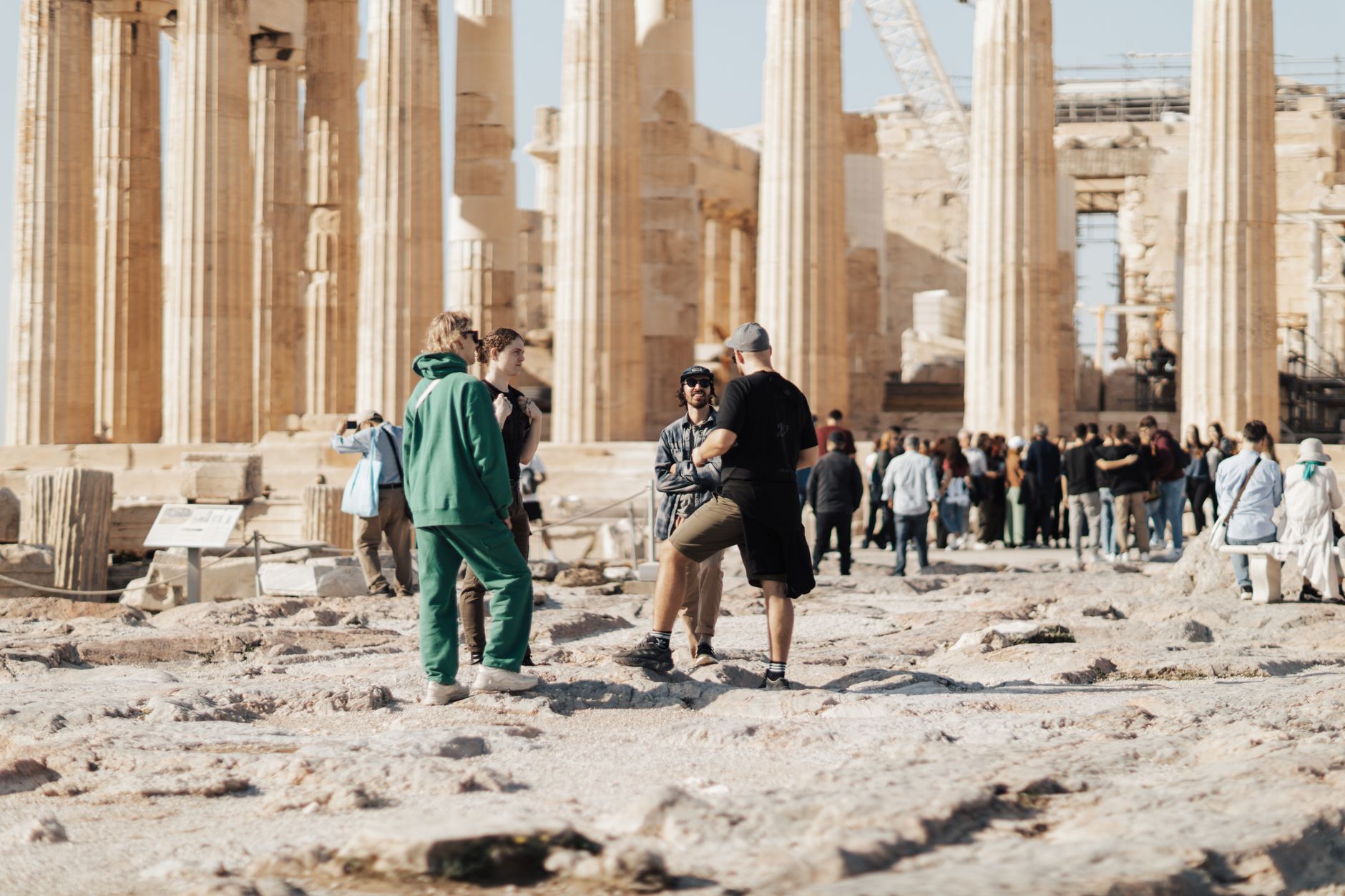
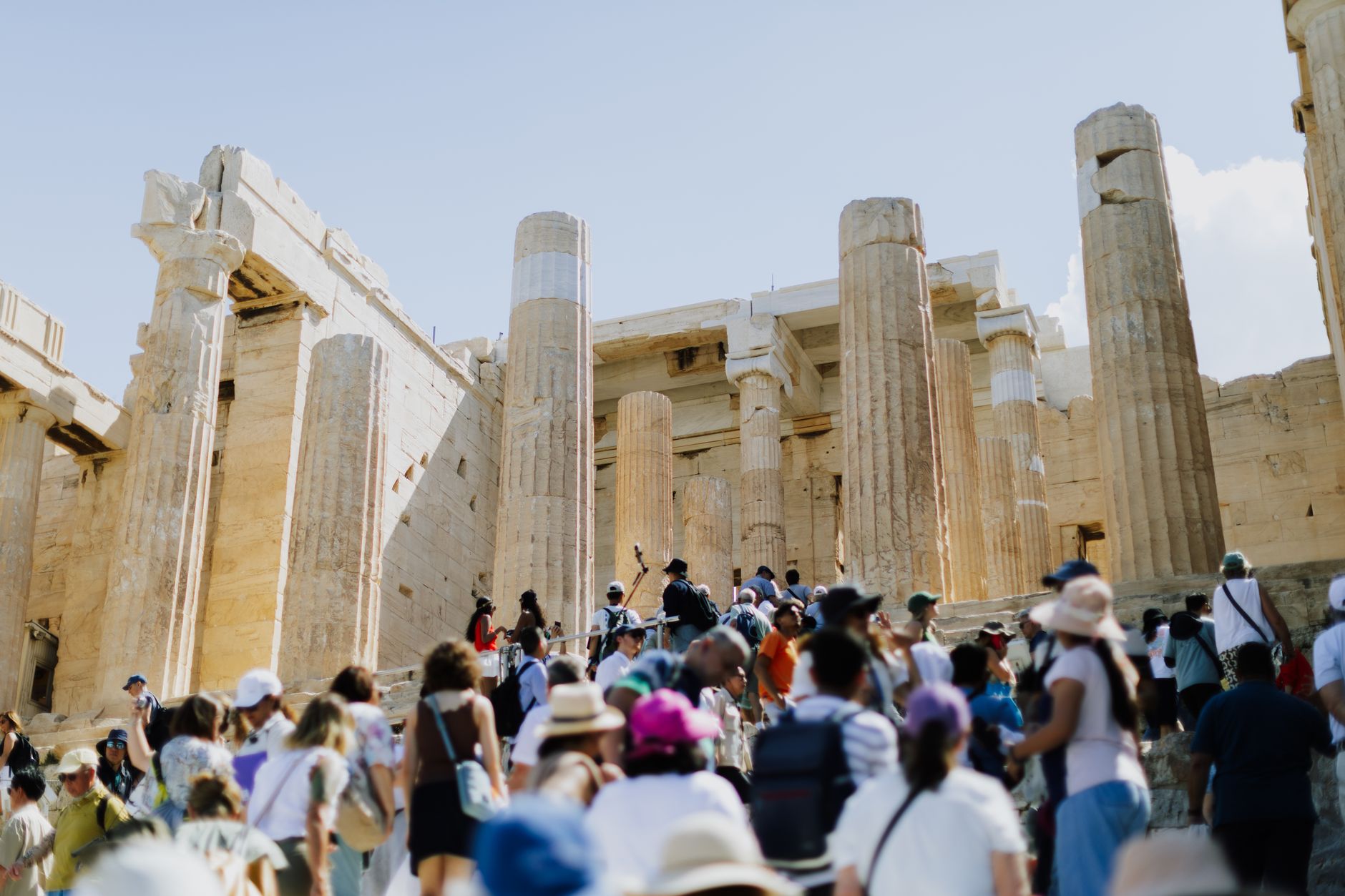
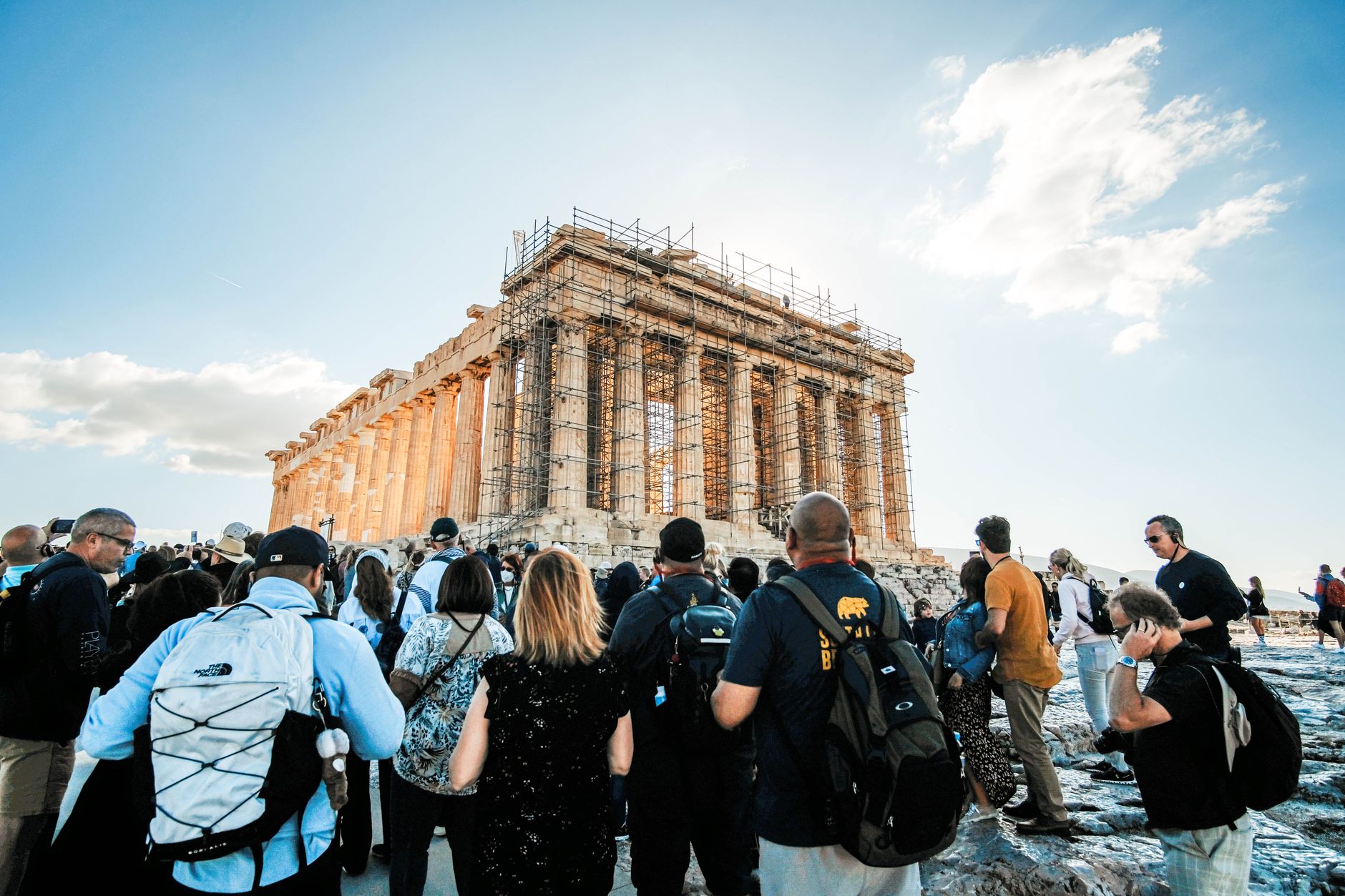
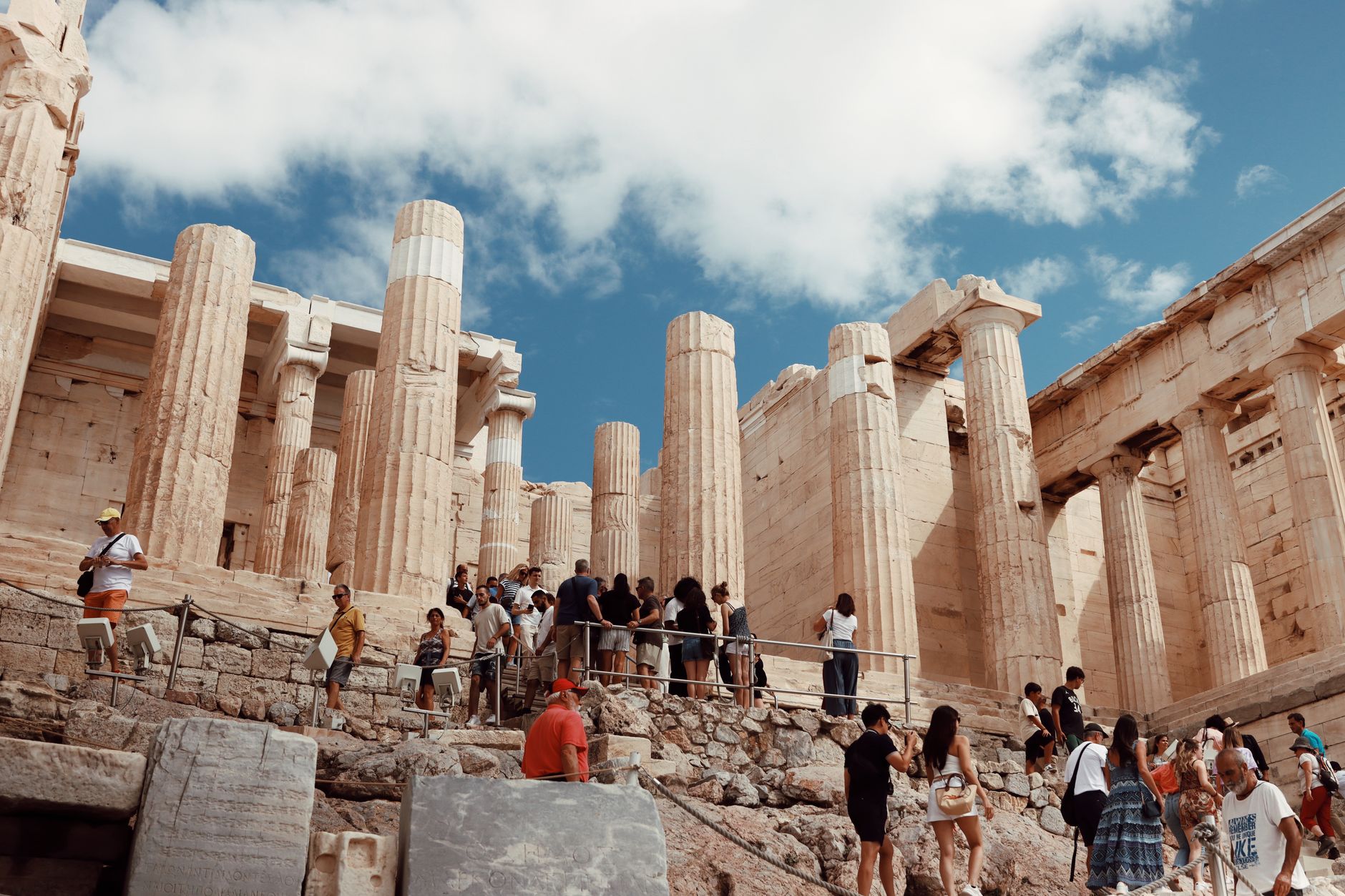
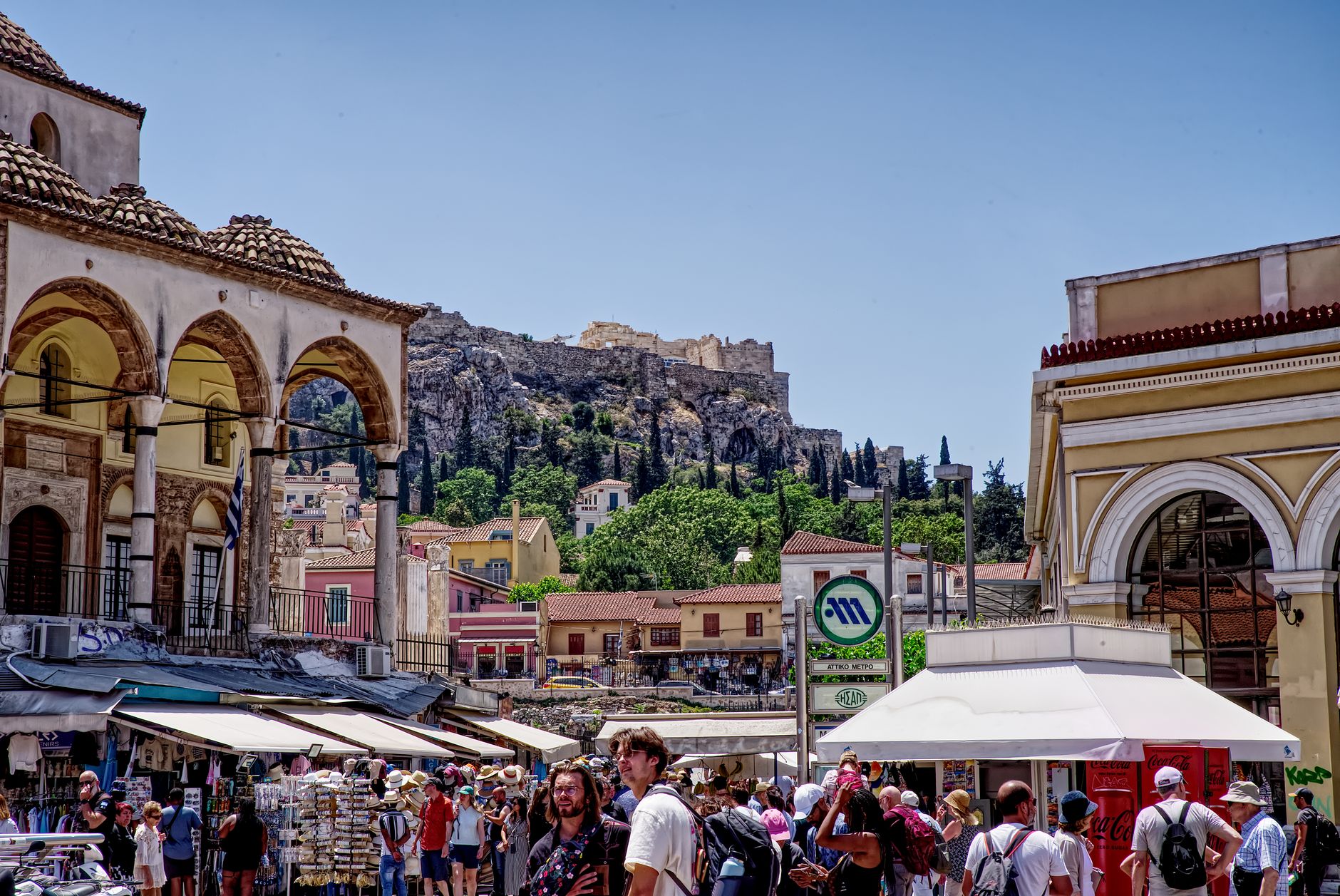
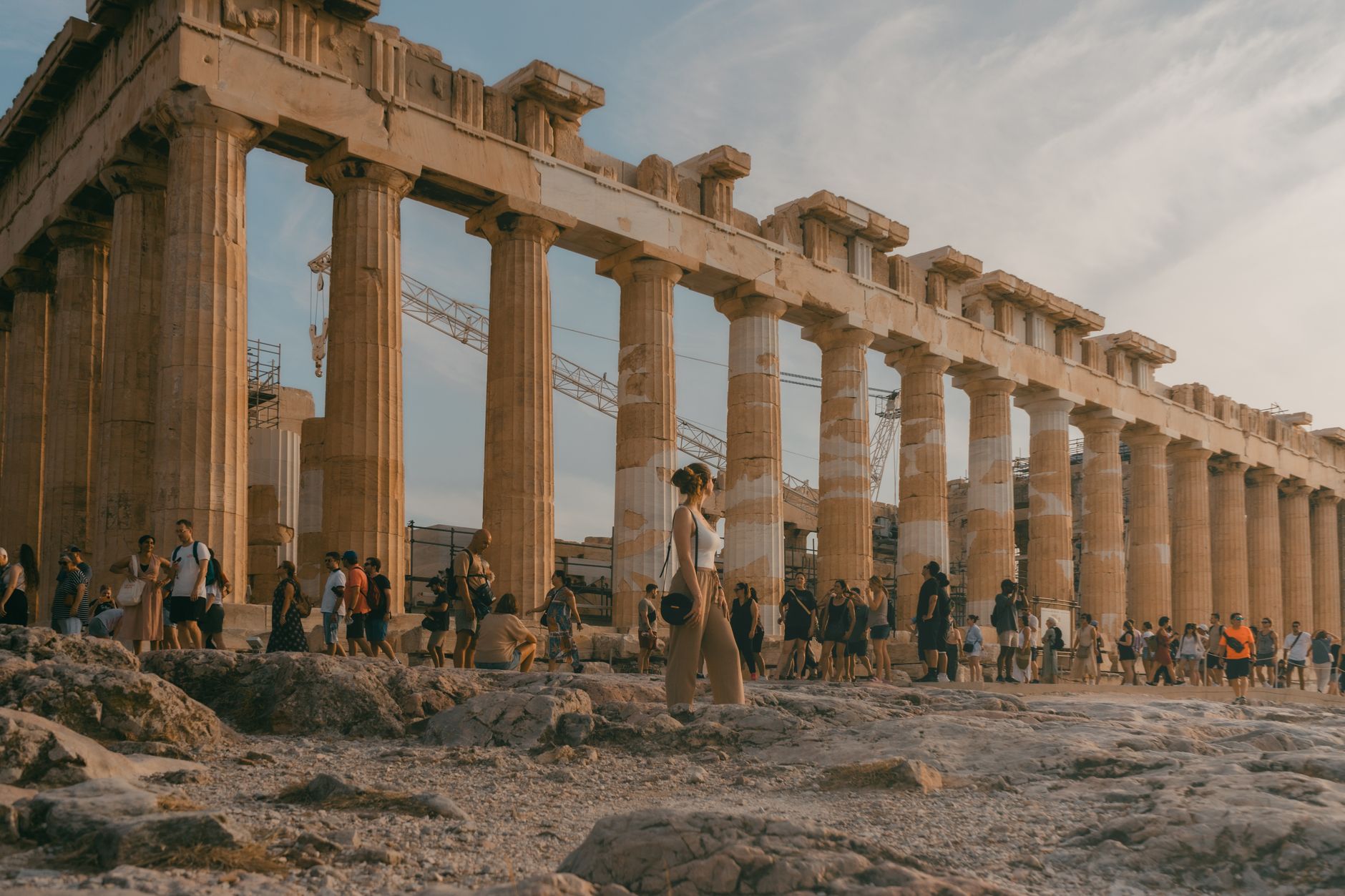
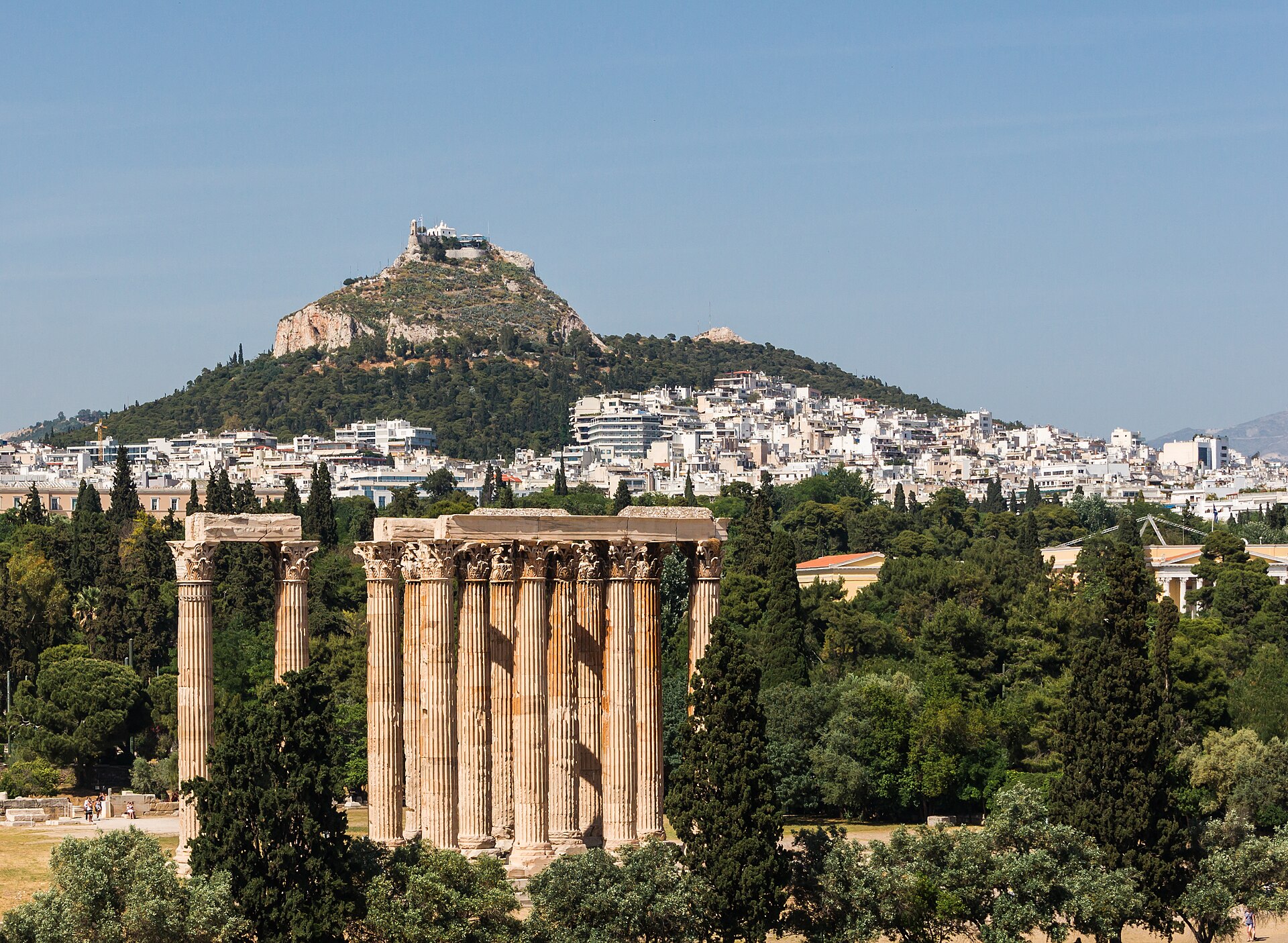
Greece is where Europe's story begins — in the ruins of city-states that debated democracy, in temples still standing on their limestone hills, in islands that feel like they were placed in the Aegean by someone with a good eye. Athens anchors it all: a capital where the 5th century BC and the 21st century coexist on the same hillside, where you can take a metro line to the foot of the Acropolis and look up at the Parthenon — 70 metres long, Doric columns of Pentelic marble — exactly where it has stood since 432 BC.
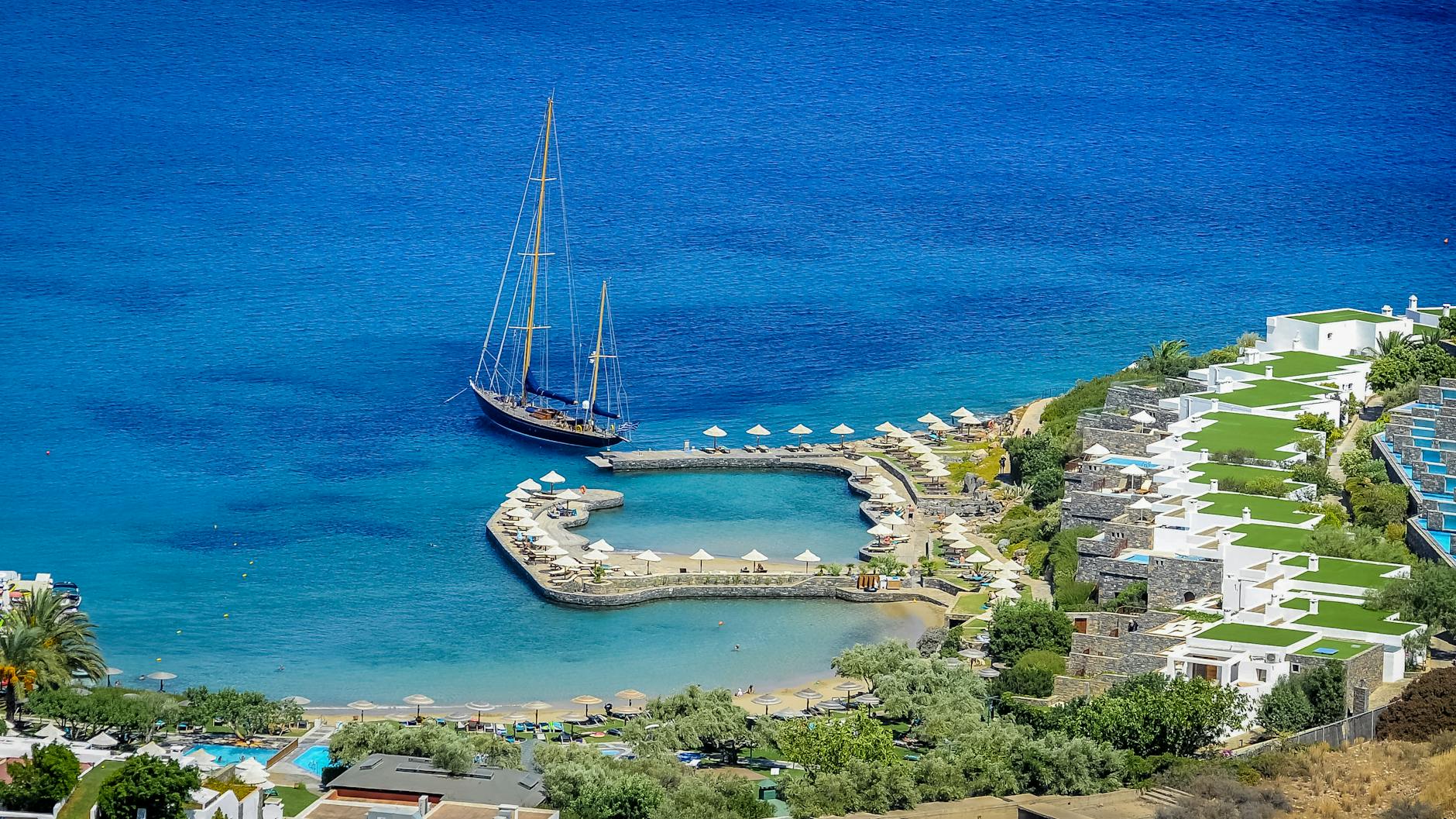
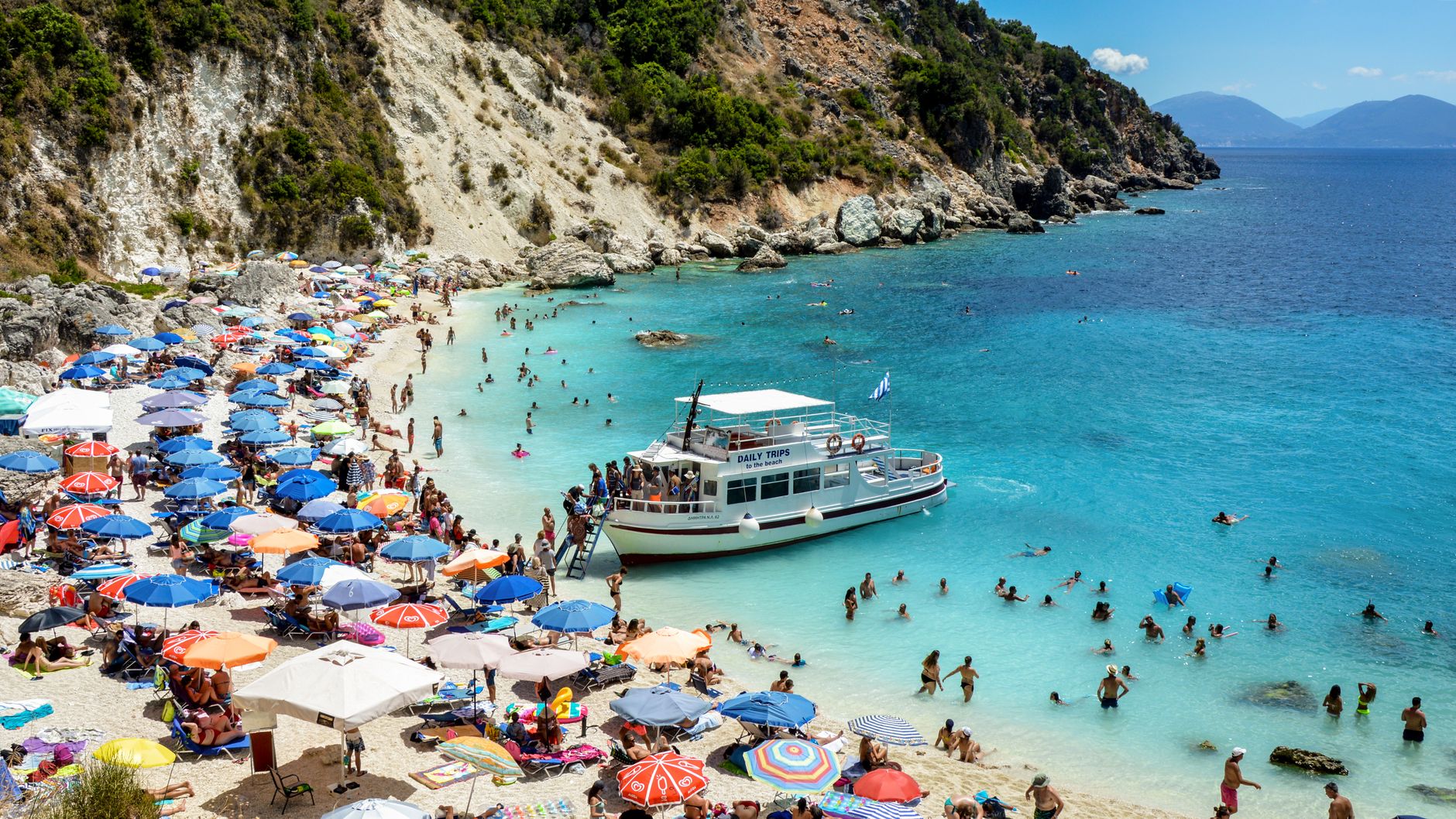
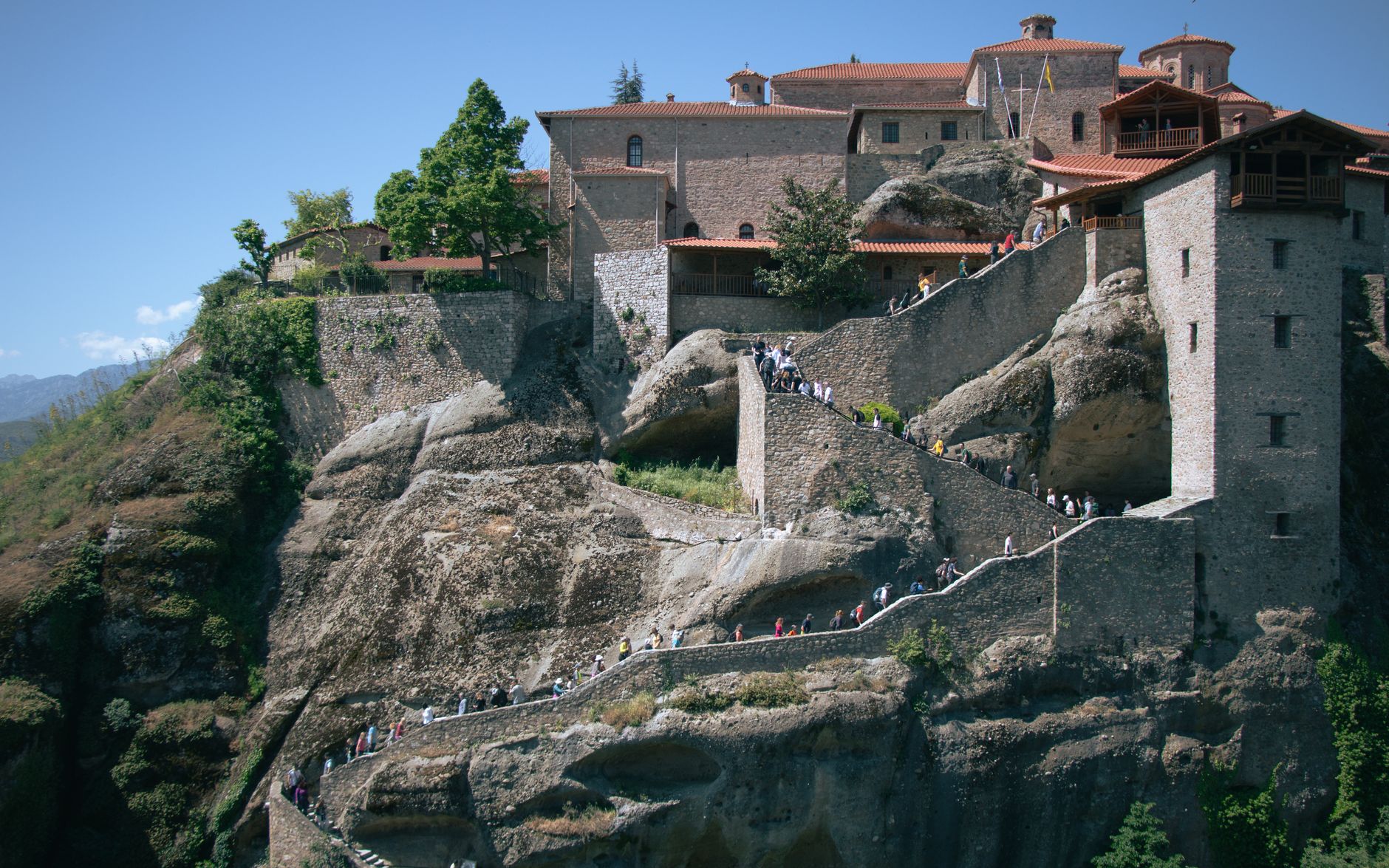
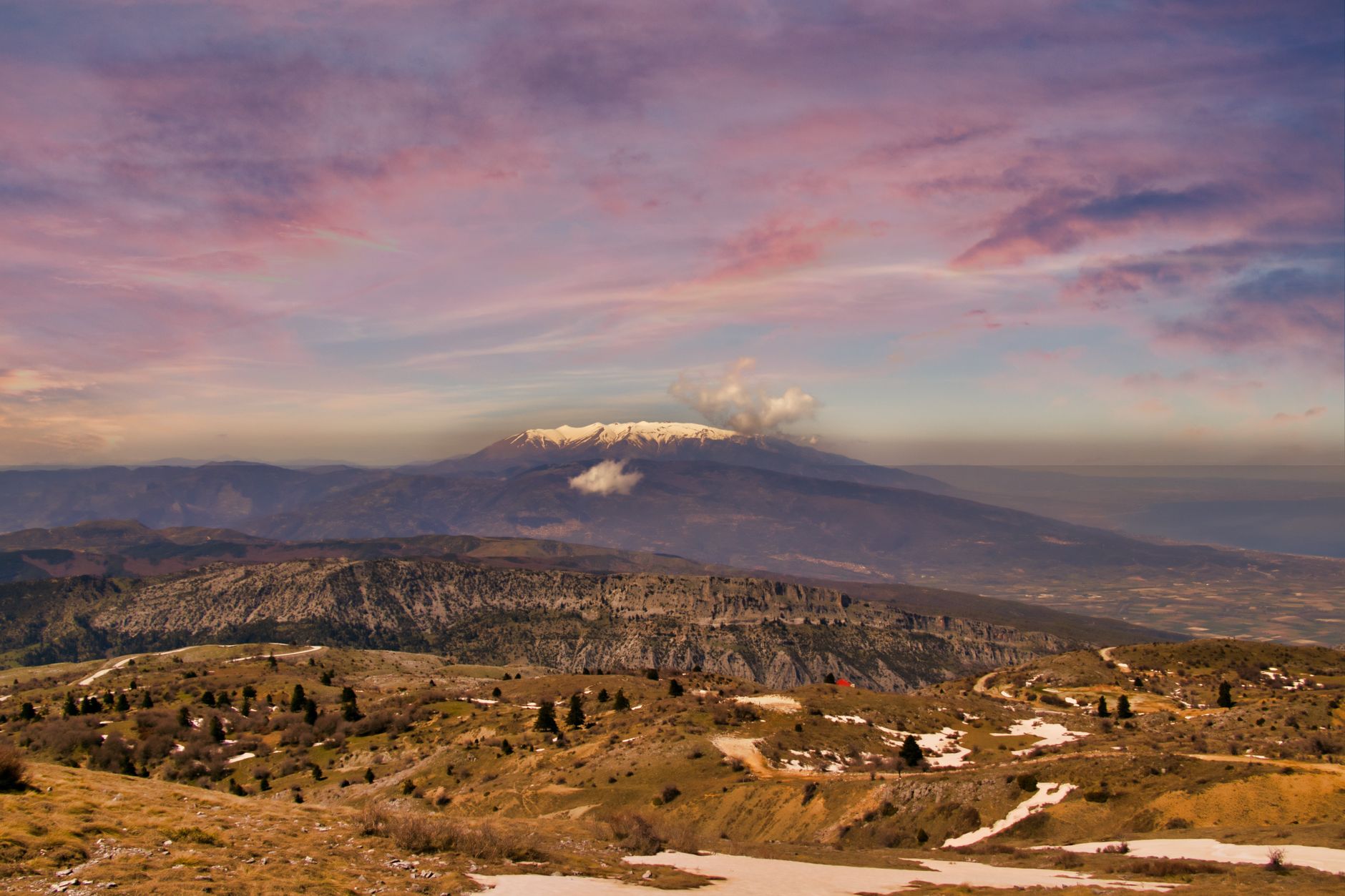
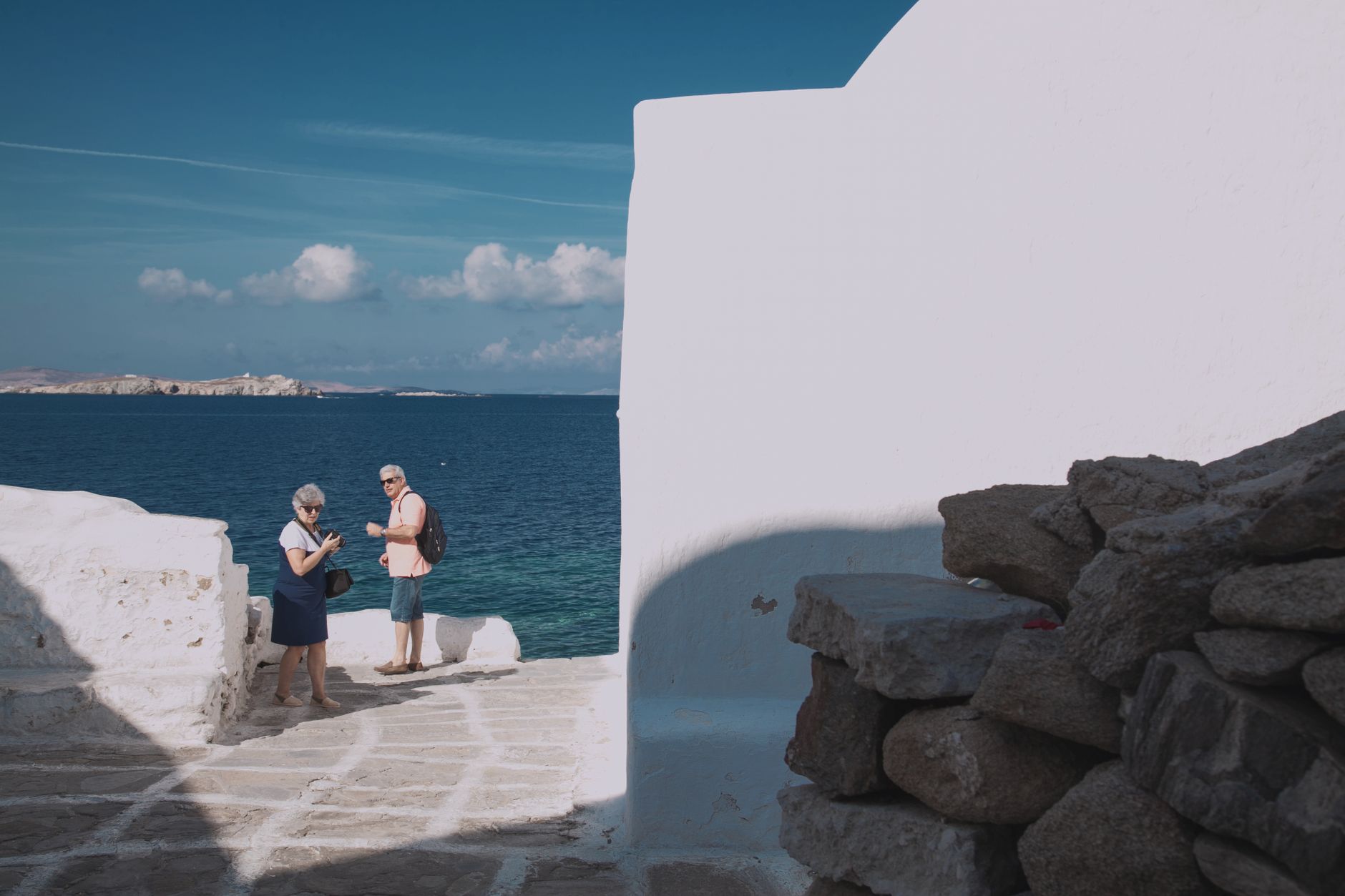
Beyond Athens, the country opens into something harder to summarise: the Peloponnese, the Cyclades, Crete, Macedonia, each with its own texture and pace.
Popular regions in Greece
💛 What travellers fall for
People who return keep mentioning the same thing: take the Athens tram from Syntagma all the way down the coast to Voula. It runs along the water, takes about an hour, and costs €1.20. It's not on most itineraries. It should be.
Deals in Greece
Book directly at the provider
How Greece came to be
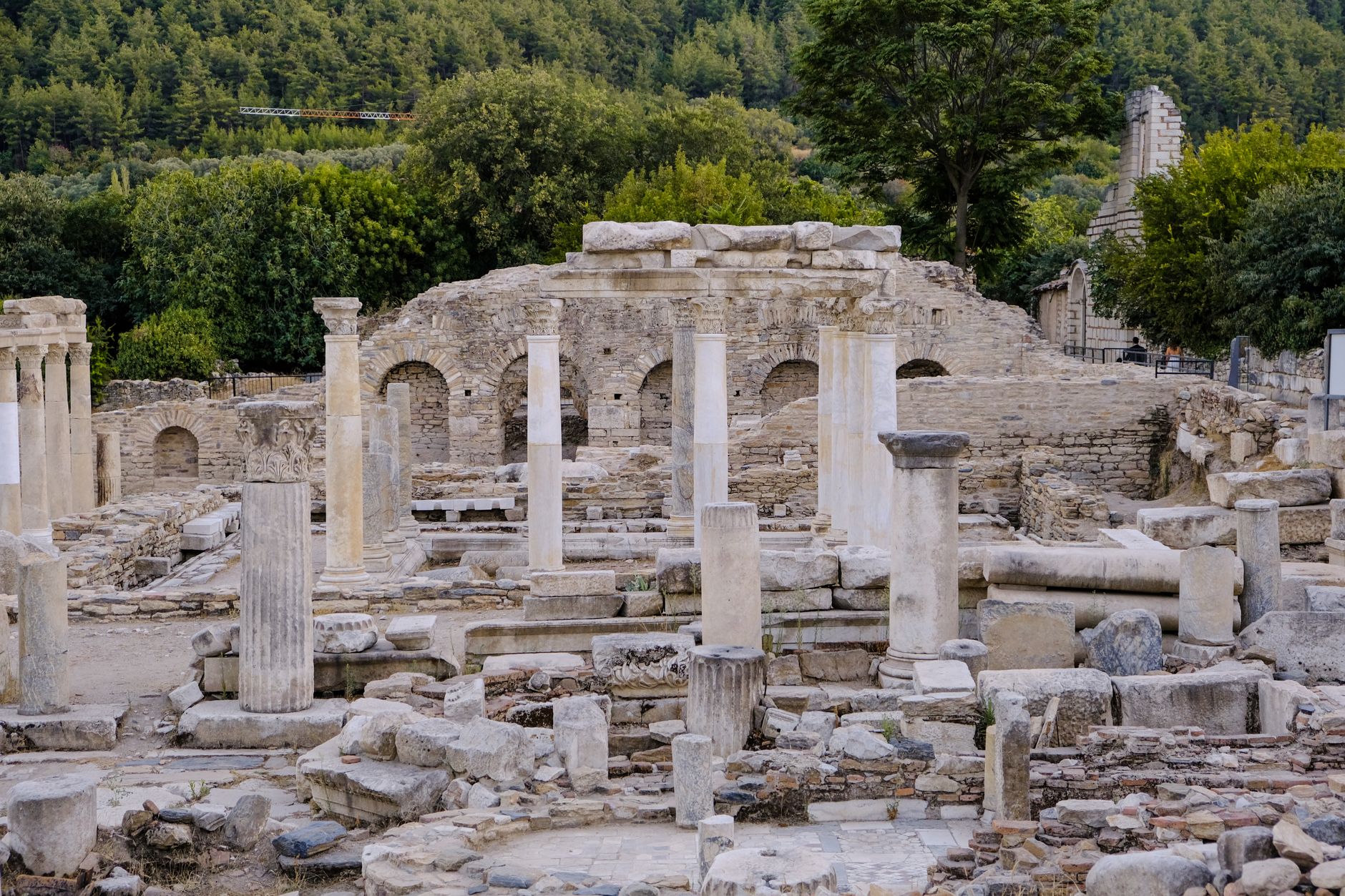
The civilisations that preceded classical Greece — the Cycladic culture from around 3000 BCE, the Minoans from 2700 BCE, the Mycenaeans from 1600 BCE — left behind art and architecture that still surfaces in museums across the country. The city-states that rose around 800 BCE, Athens and Sparta chief among them, produced the political and philosophical frameworks that European thought has been arguing with ever since. Athens reached its apex under the statesman Pericles during the Golden Age (460–430 BC), when the sculptor Phidias and the architects Ictinus and Callicrates rebuilt the Acropolis, and Mnesicles began work on the Propylaea in 437 BC.
After four centuries under Ottoman rule — from 1453 onward — the modern Greek state was born through revolution. On March 25, 1821, Bishop Germanos of Patras raised the flag of revolt at the Monastery of Agia Lavra. The war lasted until 1829, and the independent Greek state was formally recognised by the Treaty of Constantinople in 1832.
Who and what shaped it
People who shaped it
Landmark buildings
See Greece in motion
Plan your visit
On the map
When to go
Greece runs on a Mediterranean rhythm: summers are long, dry and hot, regularly reaching 32°C and sometimes climbing to 35–36°C in July and August; winters are mild and rainy, with spring and autumn sitting pleasantly in between — warm enough for most things, cool enough to actually walk around.
Right now
↡ Regions

No places match these filters.
Background & history adapted from Wikipedia (CC BY-SA) · specs from Wikidata (CC0) · weather from Open-Meteo · map data © OpenStreetMap contributors · photos from Wikimedia Commons / Unsplash with per-image credit. No third-party reviews or social posts reproduced.