
Delphi
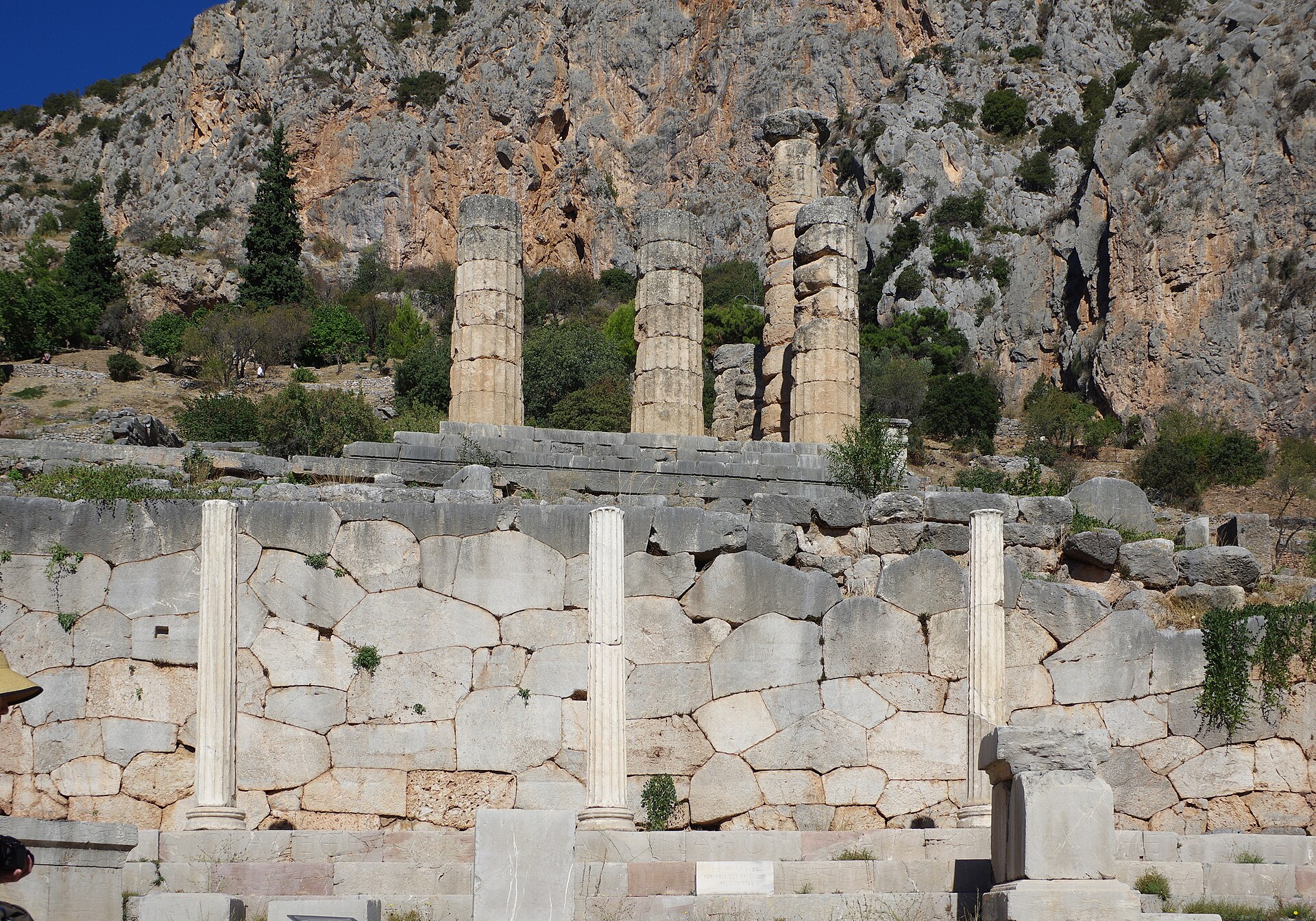
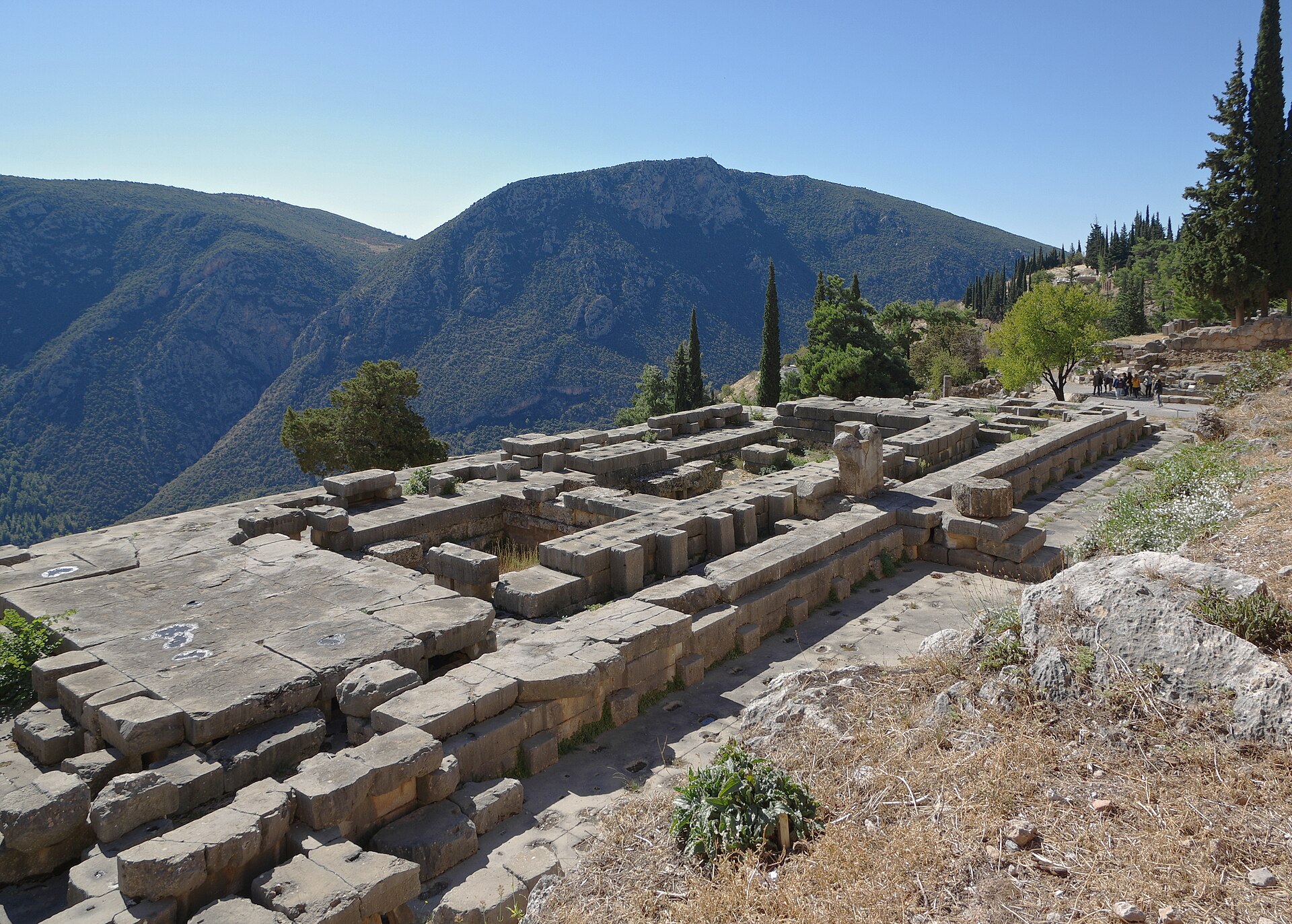
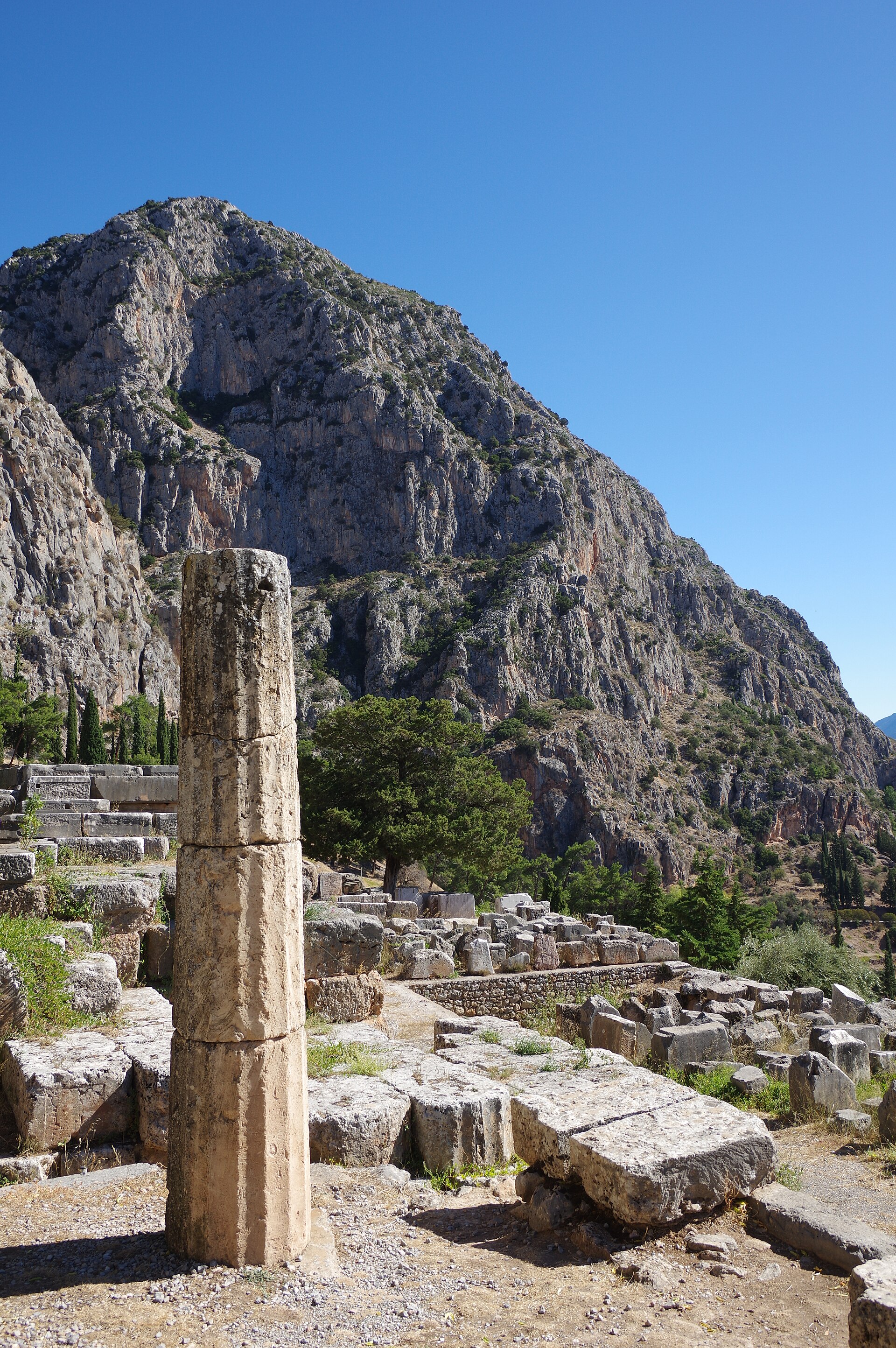
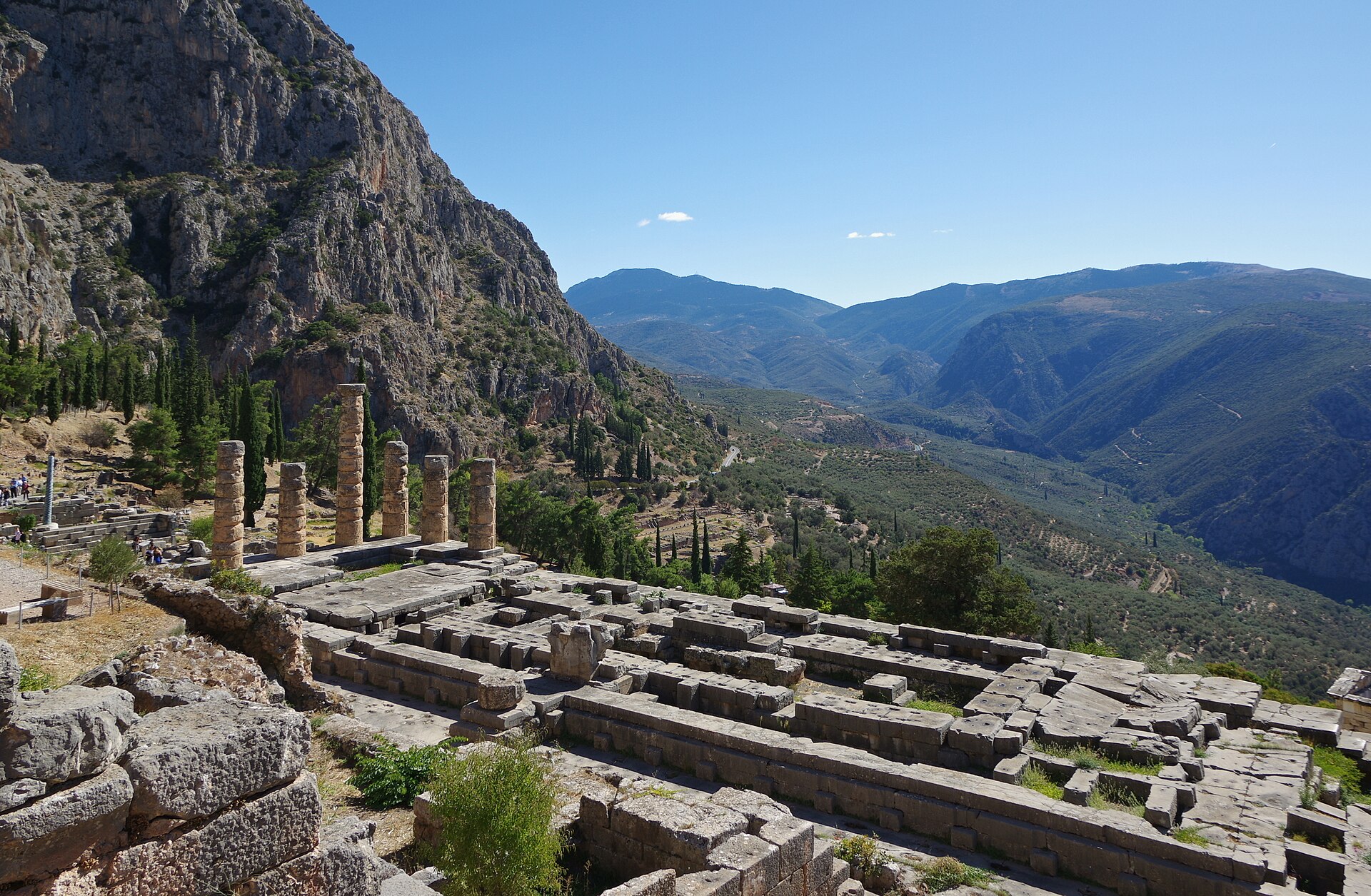
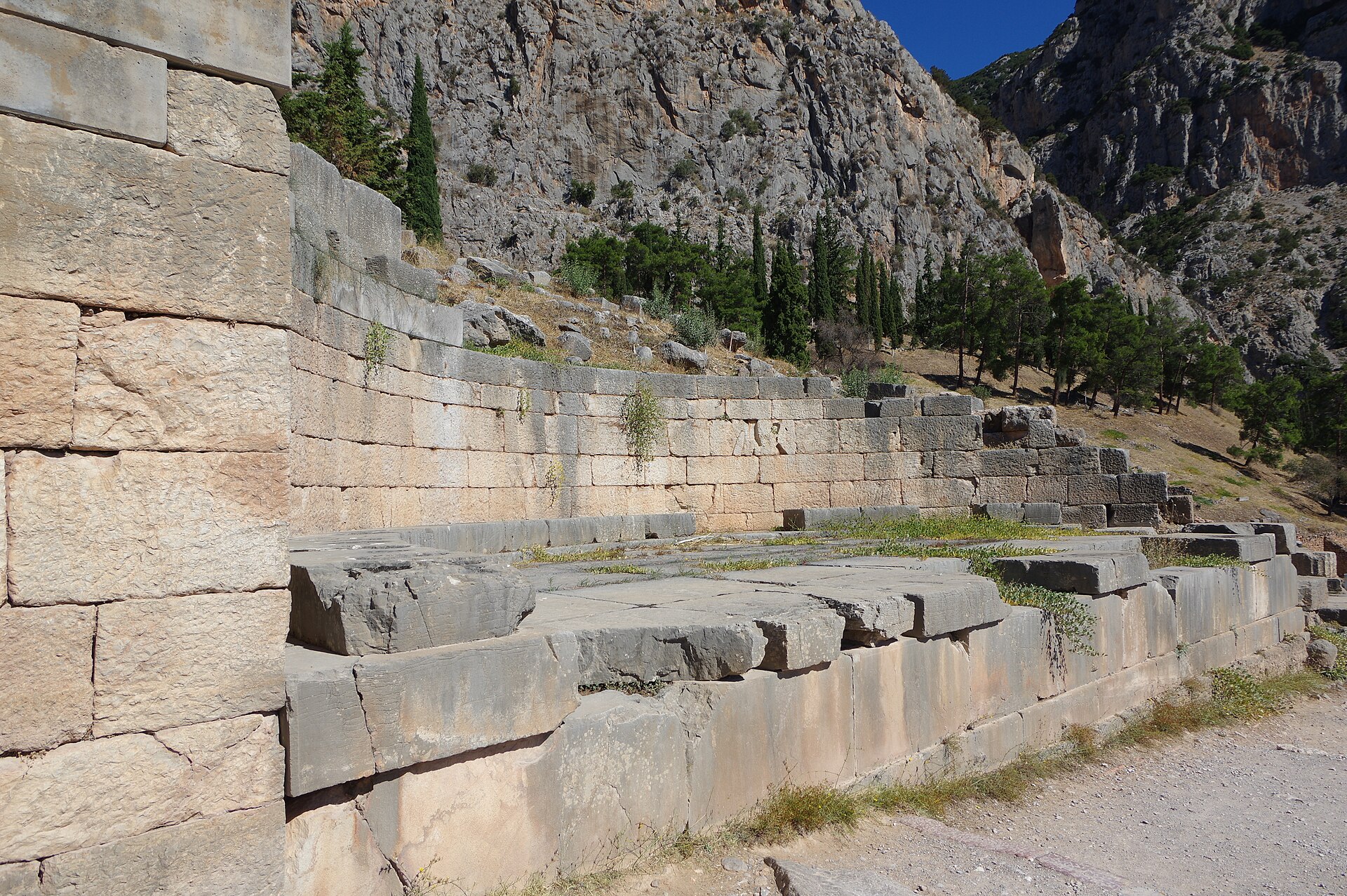

Delphi sits on the southern slope of Mount Parnassus, where the ancient Greeks placed the centre of the world — a conviction that still makes a kind of sense when you arrive and see the valley of olive trees dropping away toward the Gulf of Corinth. The scale of the landscape does something to your sense of time.
This is where city-states sent their most urgent questions and where the Pythia, seated in the Temple of Apollo, answered in verses that required careful interpretation. Today the sanctuary, the stadium above it, and the Archaeological Museum together make up one of the most coherent ancient sites in Greece.
How Delphi came to be
People have lived around this site since the Neolithic, but Delphi's significance sharpened in the 8th century BC, when priests from Knossos brought the cult of Apollo here and the oracle began drawing visitors from across the Greek world. By the 6th century BC its influence was political as much as religious — city-states built treasuries along the Sacred Way to advertise their piety and their wealth.
The archaic Temple of Apollo, financed partly through the Alcmaeonids of Athens, went up in 510 BC and was destroyed by earthquake in 373 BC. The replacement, a Doric structure whose columns still stand, was completed around 330 BC by the architects Spintharus, Xenodoros, and Agathon. The oracle fell silent in 393 CE when Emperor Theodosius banned pagan practices. The site was later buried under the village of Kastrí until 1890, when the village was relocated and the French School at Athens began the excavations that revealed the plan of the ancient sanctuary.
Who and what shaped it
People who shaped it
Landmark buildings
See Delphi in motion
Plan your visit
On the map
When to go
Spring (April–May) and early autumn (September–October) are the most comfortable months — warm enough to spend hours on the exposed hillside without the fierce midday heat of July and August. Winter visits are quiet and atmospheric but the site closes by mid-afternoon.
Right now
Background & history adapted from Wikipedia (CC BY-SA) · specs from Wikidata (CC0) · weather from Open-Meteo · map data © OpenStreetMap contributors · photos from Wikimedia Commons / Unsplash with per-image credit. No third-party reviews or social posts reproduced.