
Argentina
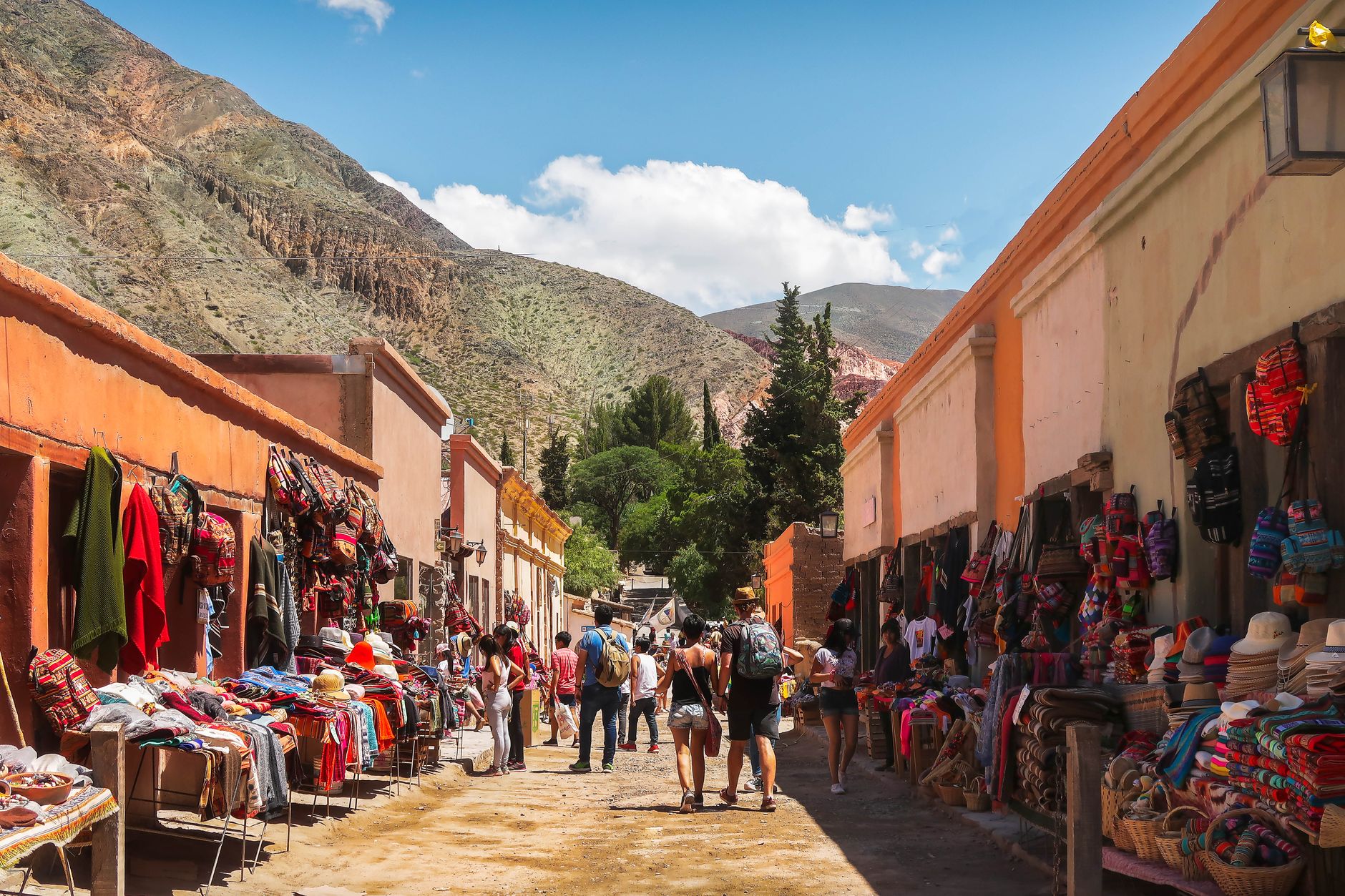
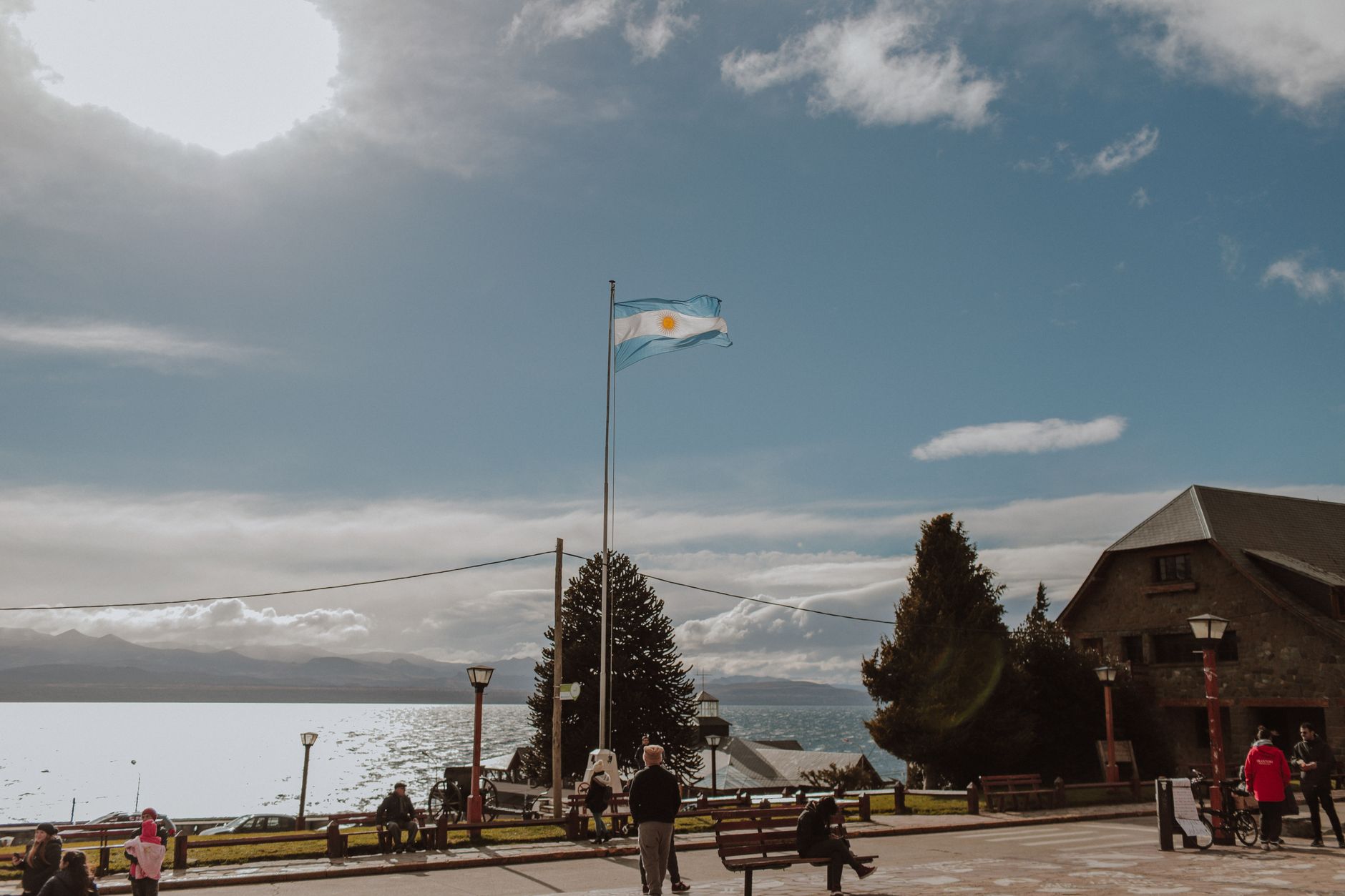
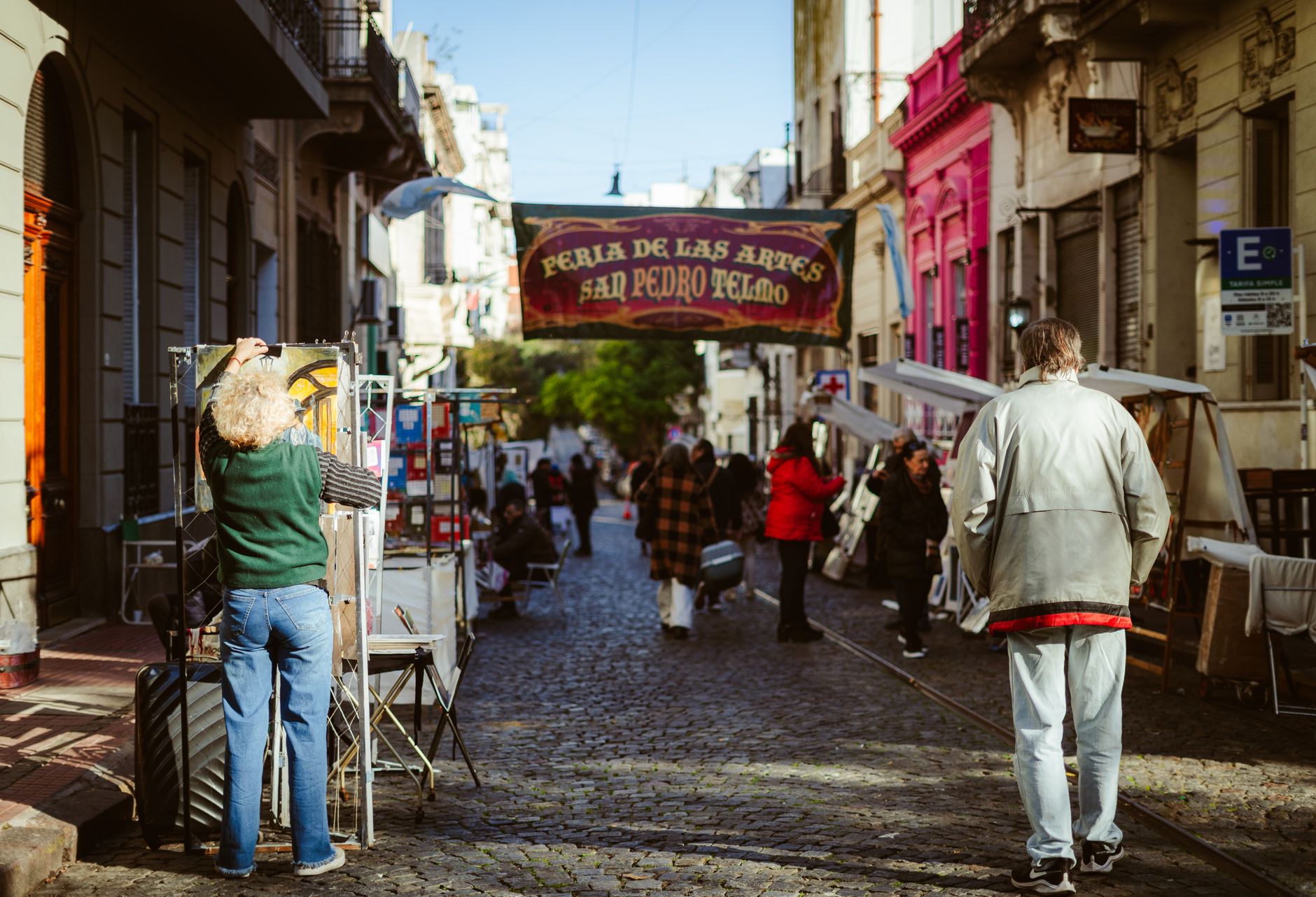

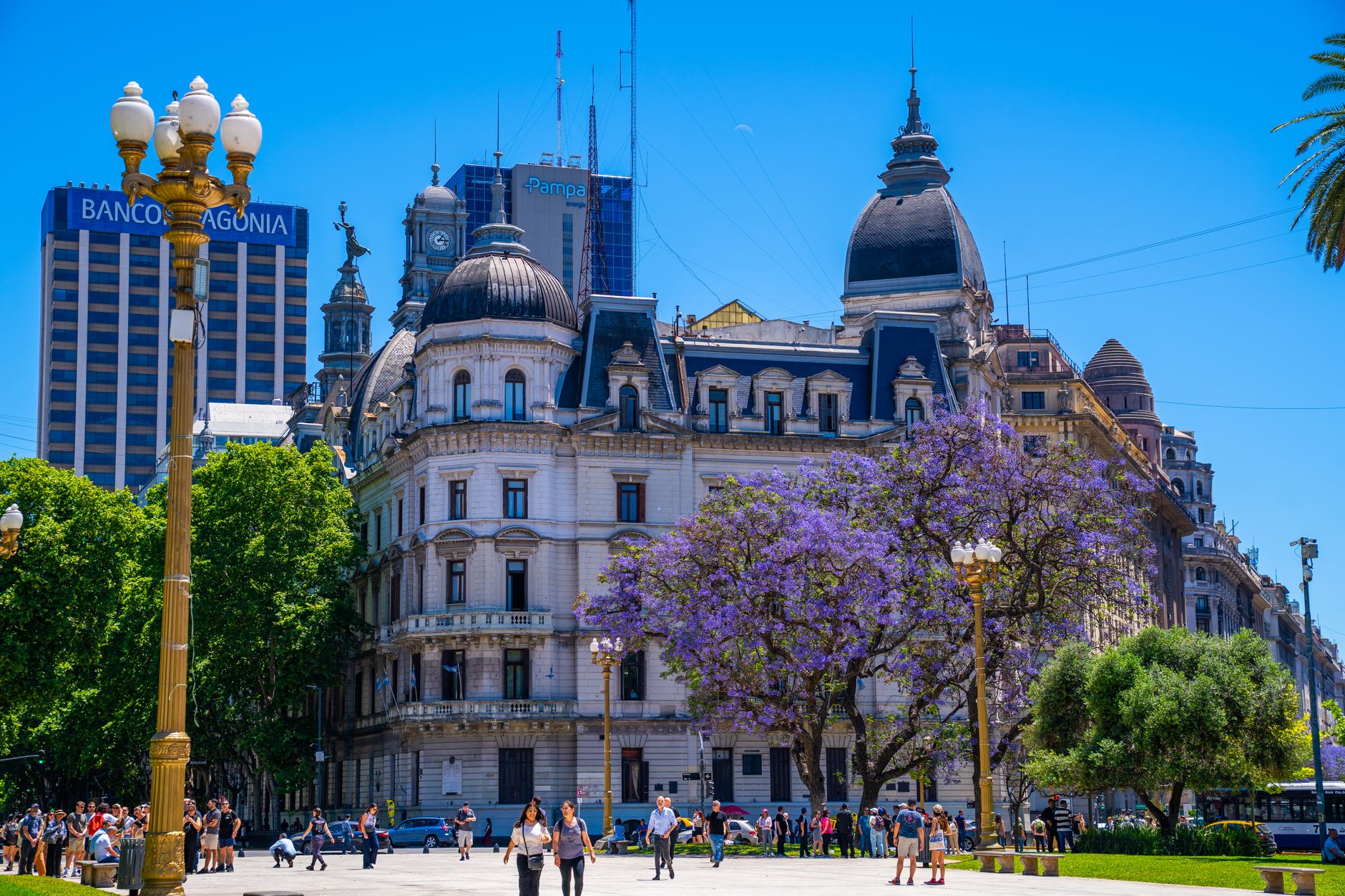
Argentina is a country where the scale of things keeps catching you off guard — the width of the Río de la Plata, the silence of Patagonia, the sheer length of the Andes running along its western spine. Buenos Aires alone contains multitudes: opera houses with acoustics that rival Vienna, pink presidential palaces, cemeteries where the mausoleums are grander than most people's homes.
But Argentina rewards attention paid to the specific. The cobblestones of La Boca's Caminito, the Dante-coded floors of Palacio Barolo, the 67-meter obelisk built in four weeks for a city anniversary. There is always a story underneath the surface, and usually someone at the table willing to tell it.
💛 What travellers fall for
People who come back tend to structure their returns around neighborhoods rather than landmarks — a week in Palermo, a few days in San Telmo, a slow loop through Mendoza's wine country. They also learn quickly to eat late and mean it. Dinner before nine marks you as a tourist; dinner at ten is when the conversation actually starts.
Deals in Argentina
Book directly at the provider

How Argentina came to be
Long before Spanish ships arrived, roughly 300,000 Indigenous people lived across the territory — Tehuelche hunters in the south, Diaguita farmers in the northwest, Querandí and Puelche across the pampas. European colonization brought the Viceroyalty of the Río de la Plata, and by the early 19th century, the tensions that would fracture Spanish rule across the continent were already building in Buenos Aires.
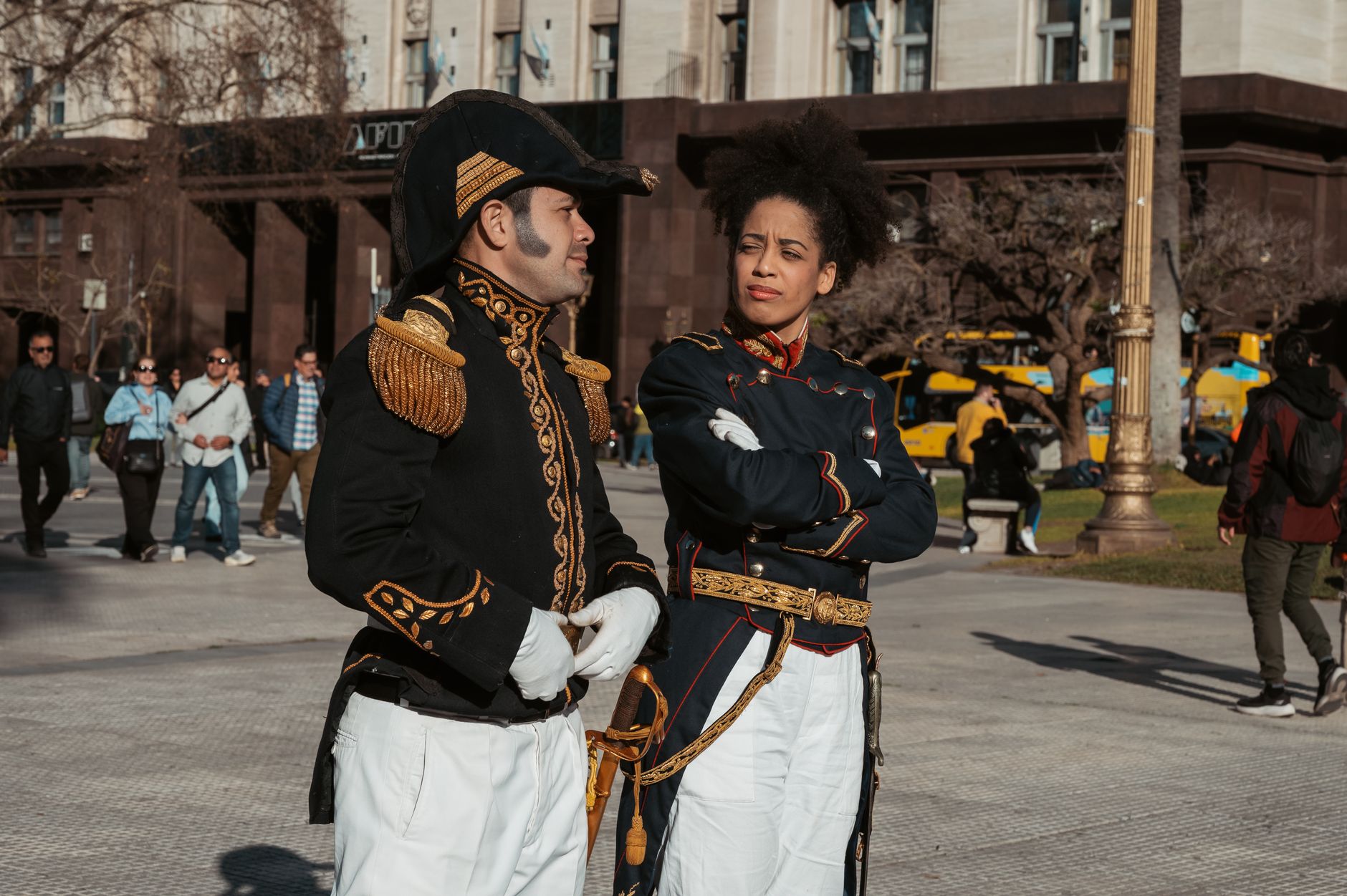
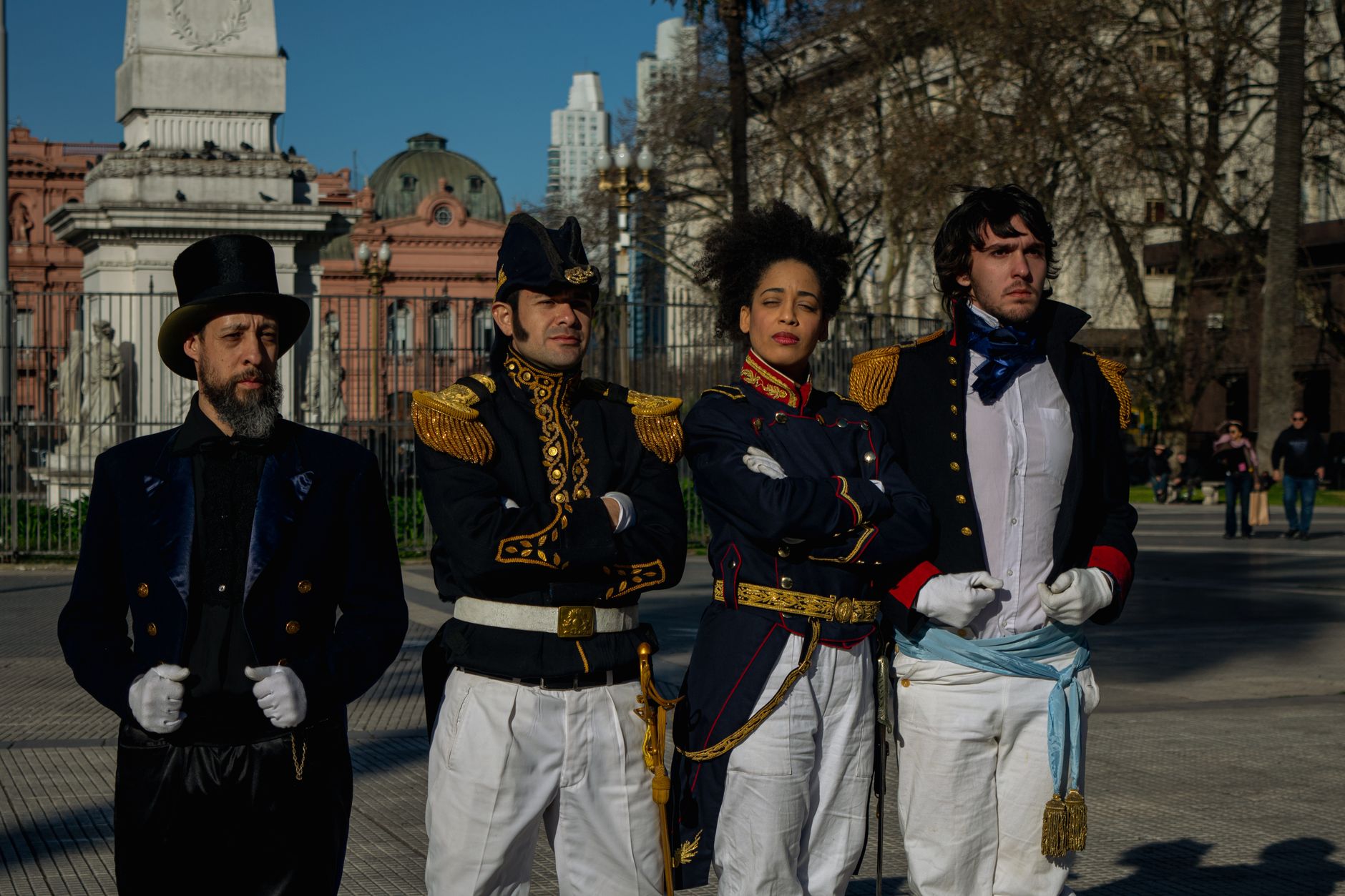
On May 25, 1810, the city established an autonomous governing junta — now marked as the May Revolution. Full independence came on July 9, 1816, declared at the Congress of Tucumán. The military campaigns that made it stick were led in large part by José de San Martín, who had resigned his Spanish commission in 1811 to join the revolutionary cause, and Manuel Belgrano, who had already repelled two British invasions and designed the Argentine flag by 1812.
Who and what shaped it
People who shaped it
Landmark buildings
See Argentina in motion
Plan your visit
On the map
When to go
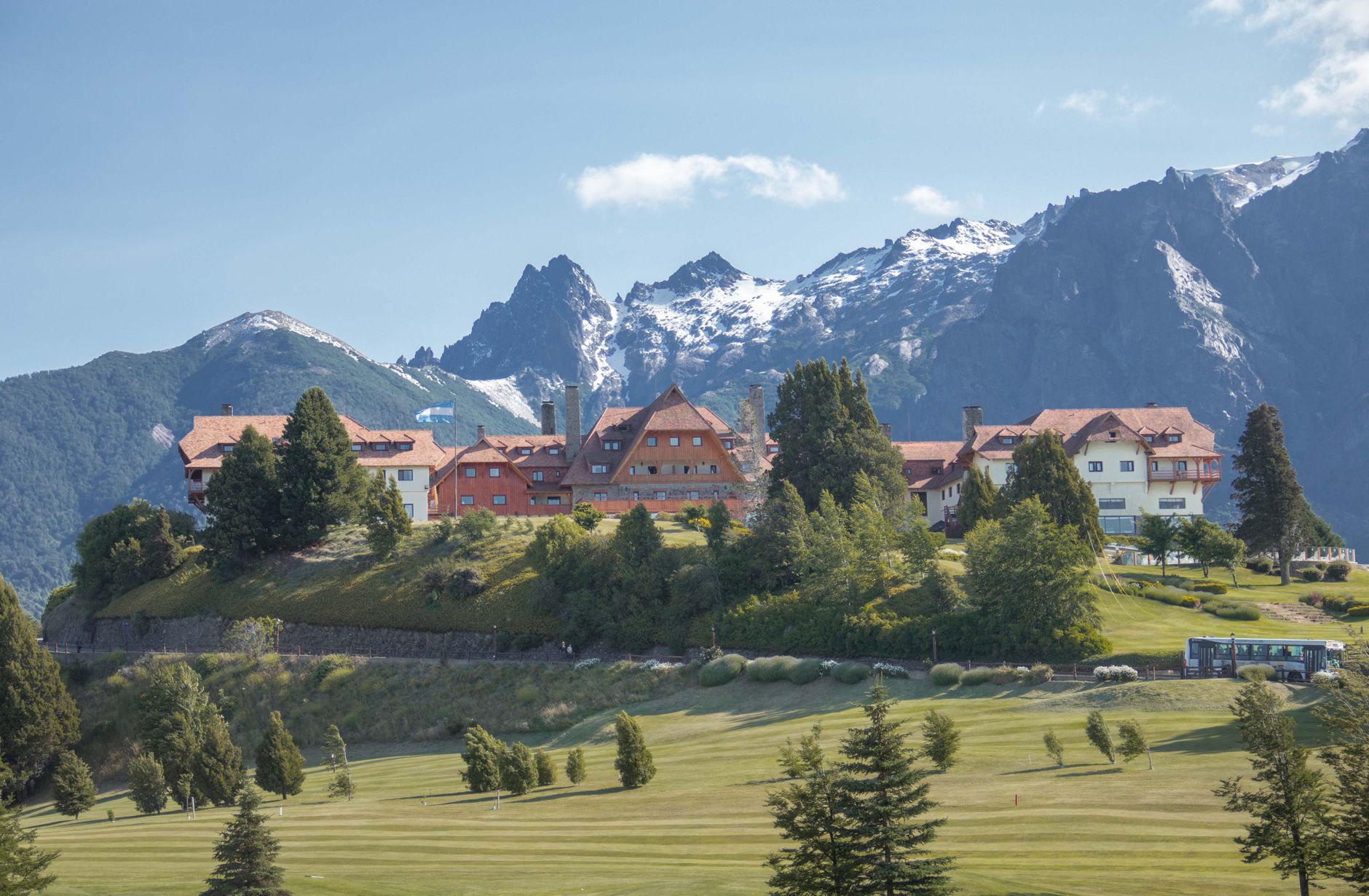
Argentina spans an extraordinary range of latitudes, so 'the weather' depends entirely on where you are. Buenos Aires has four distinct seasons — warm and humid summers (December–February), mild autumns, cool winters with occasional rain, and pleasant springs. Patagonia is cold and wind-swept year-round, while the northwest can be intensely dry and hot in summer.
Right now
↡ Cities
No places match these filters.
Background & history adapted from Wikipedia (CC BY-SA) · specs from Wikidata (CC0) · weather from Open-Meteo · map data © OpenStreetMap contributors · photos from Wikimedia Commons / Unsplash with per-image credit. No third-party reviews or social posts reproduced.