
Buenos Aires
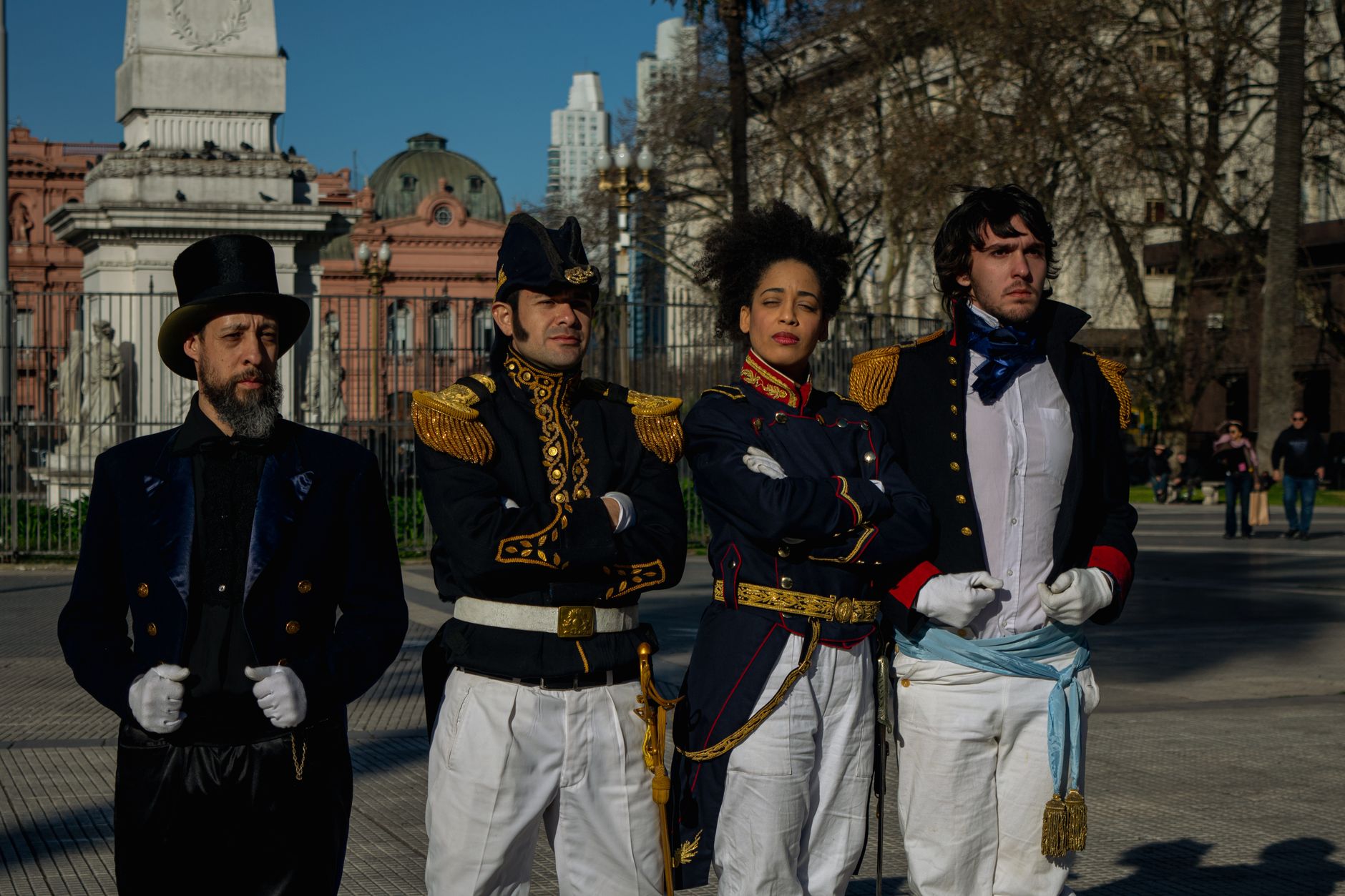
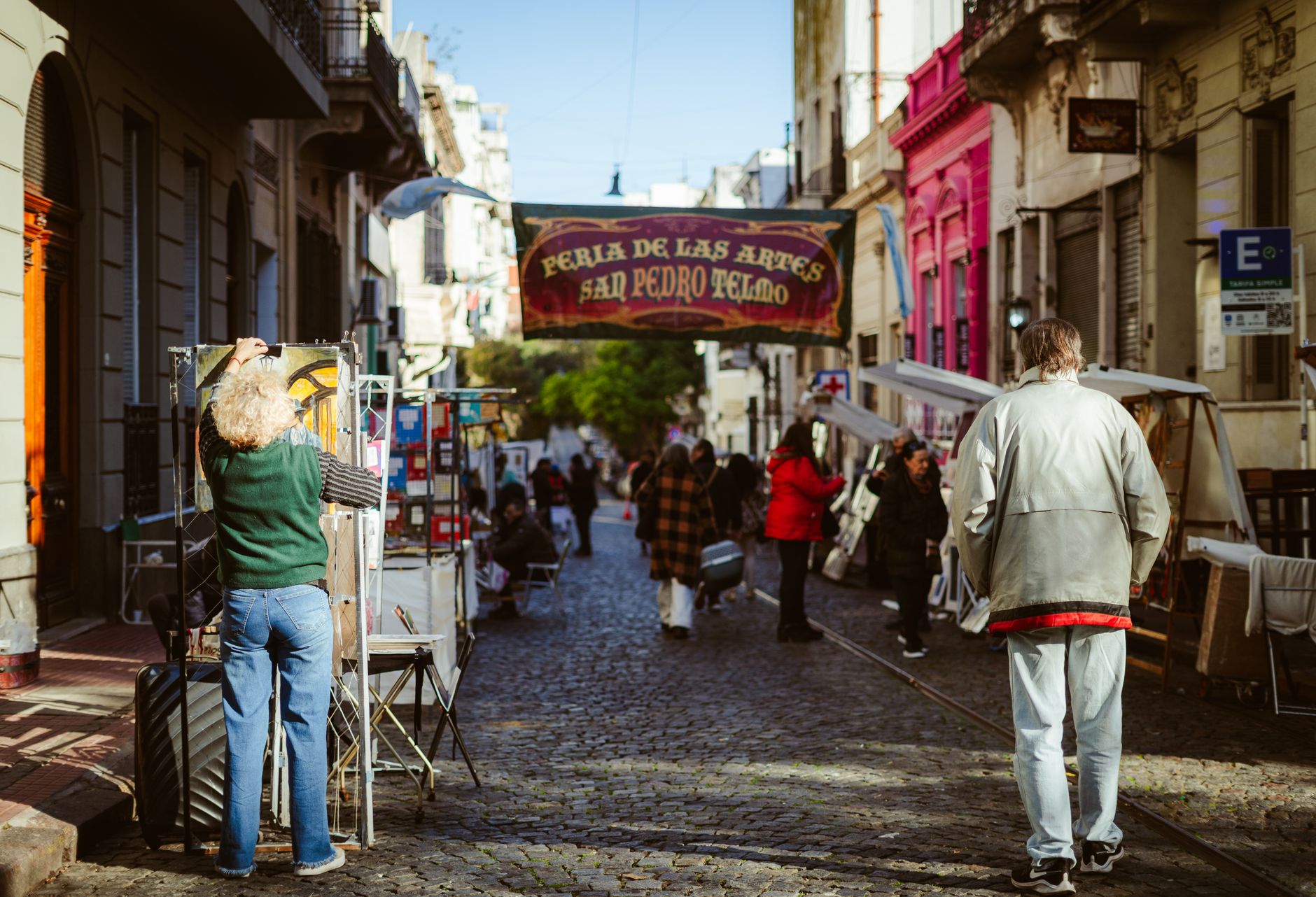
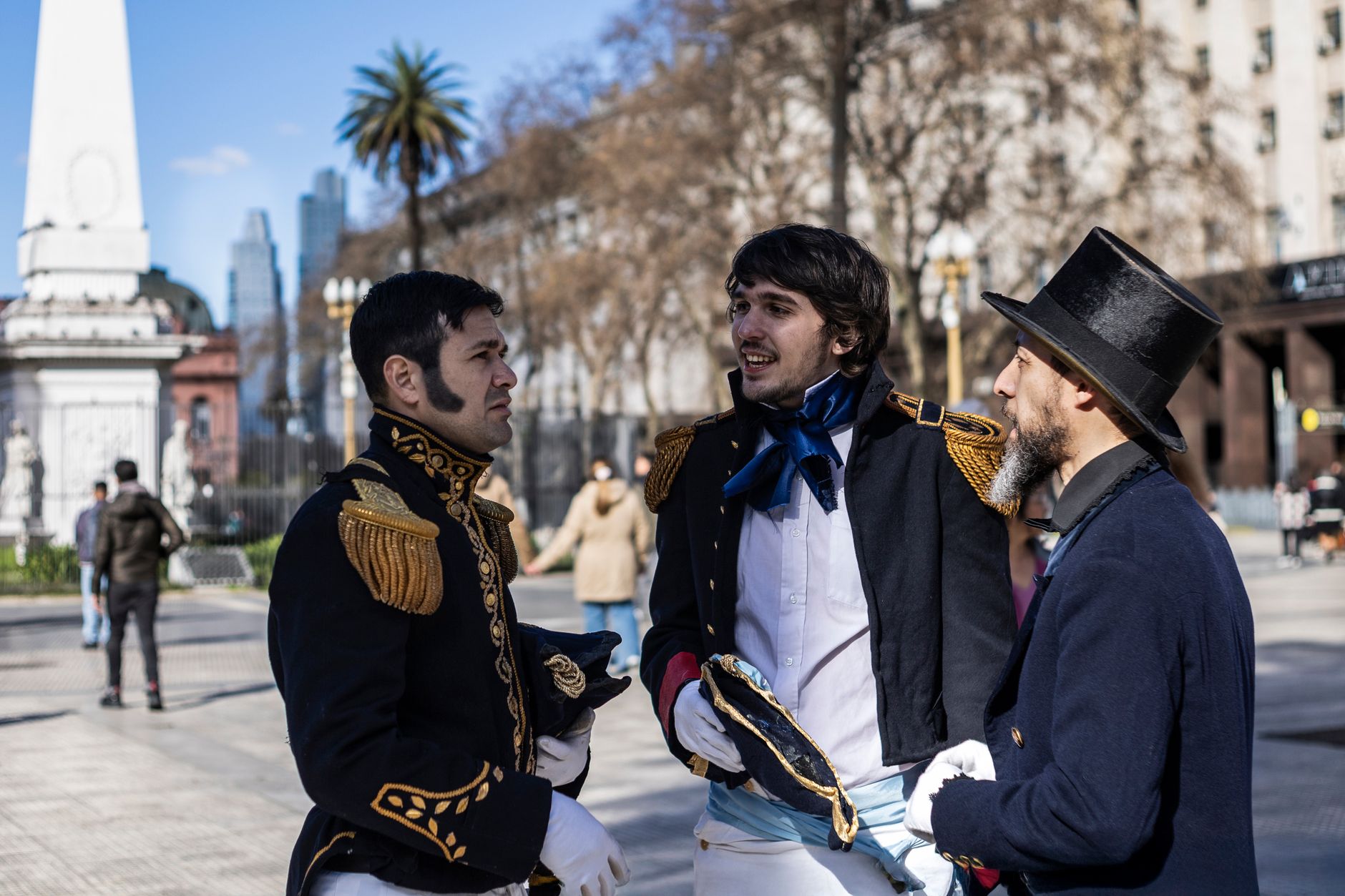
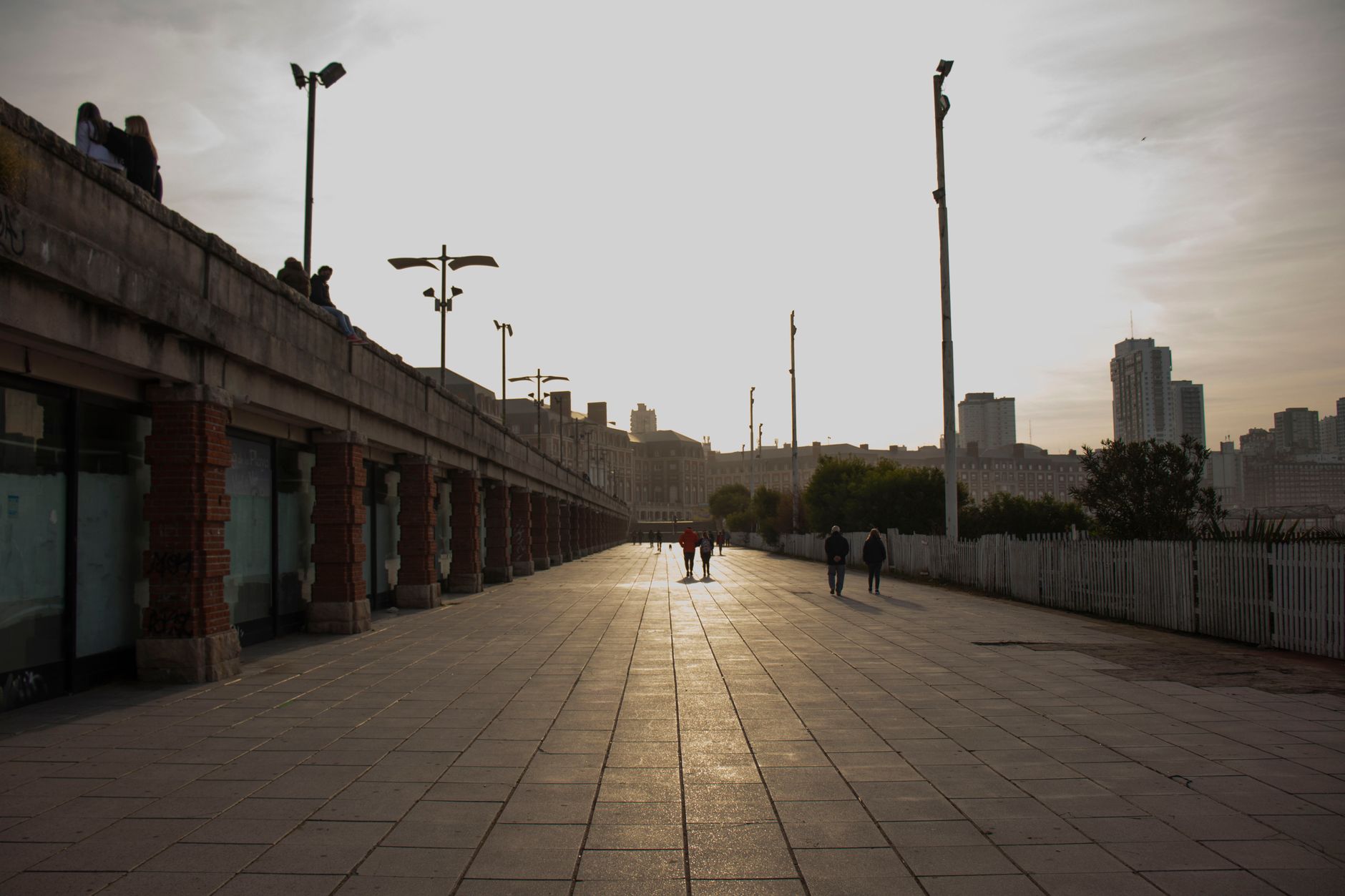
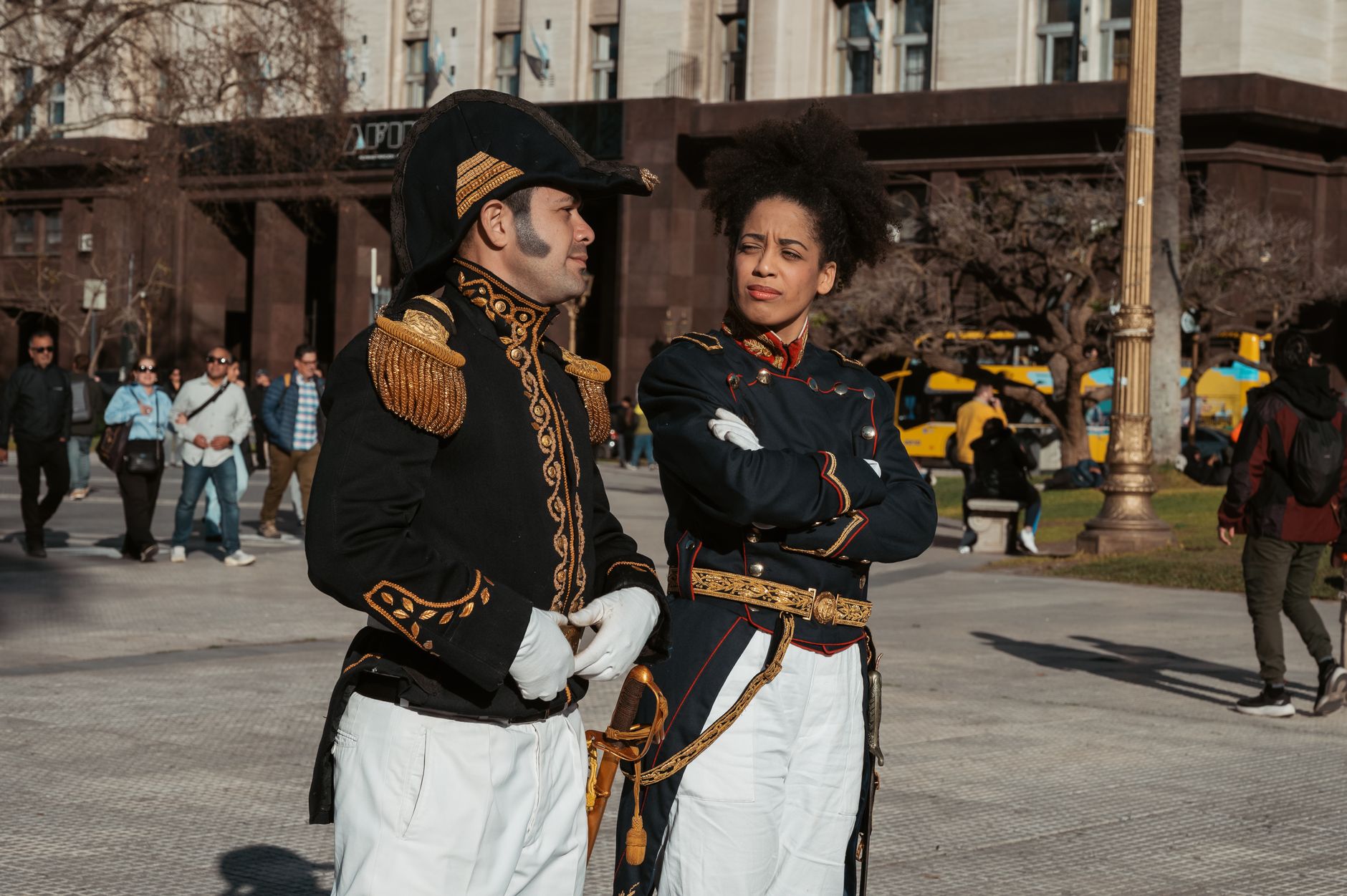
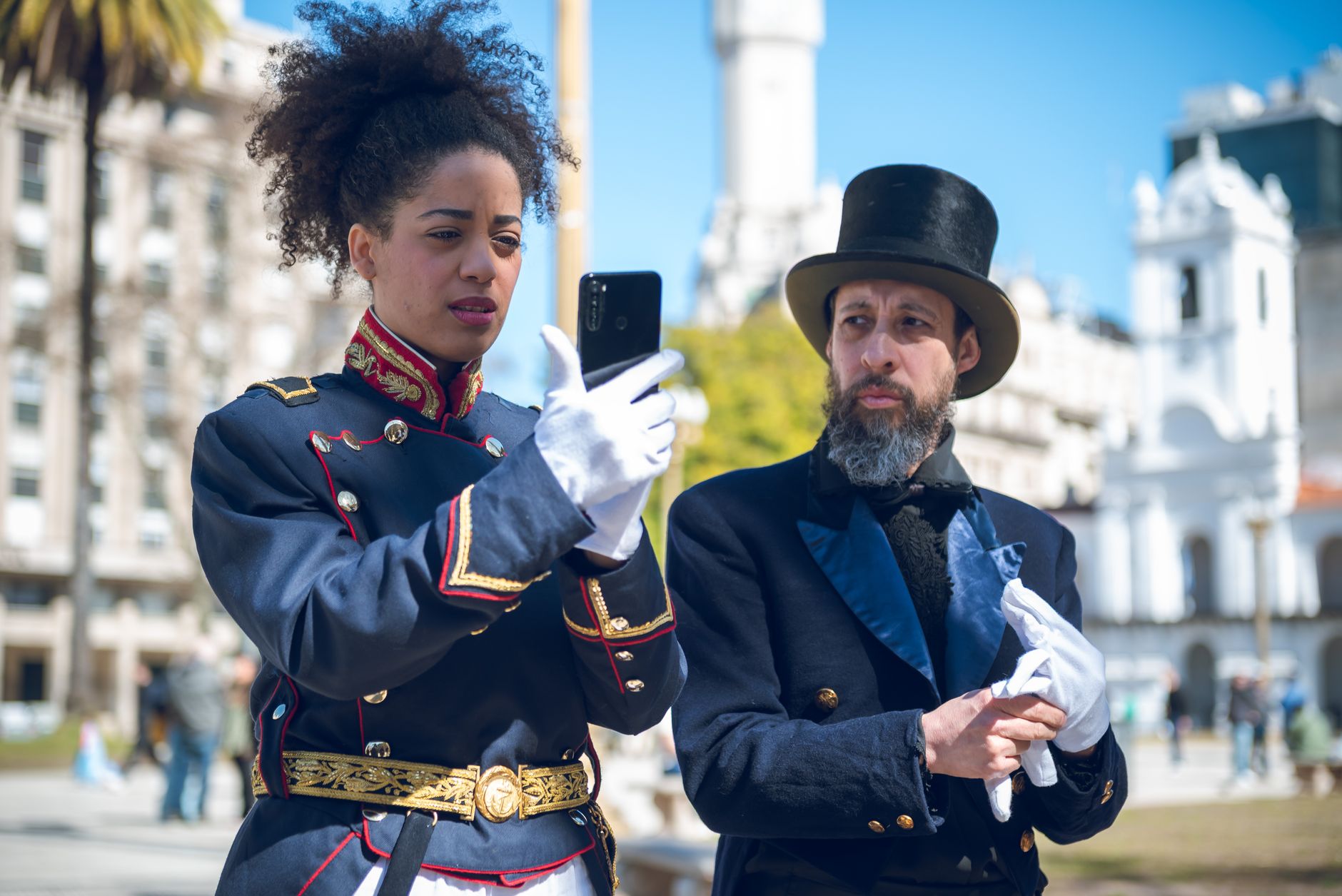
Buenos Aires runs on a different clock. Cafés fill at midnight, dinner starts at ten, and the city's oldest coffee house — Café Tortoni, opened in 1858 — still draws a crowd under its stained-glass ceiling on Avenida de Mayo. The streets layer centuries without apology: a Jesuit church from 1616 beside a brutalist library from the 1970s, a 1923 skyscraper modelled on Dante's Divine Comedy casting a shadow over a colonial town hall where Argentina's independence was argued into being.
This is a city of European bones and South American rhythms, built on a river so wide it reads as an inland sea. Its subway — opened in 1913, the first in Latin America — still runs under the same plazas where the founding grid was laid in 1580.
💛 What travellers fall for
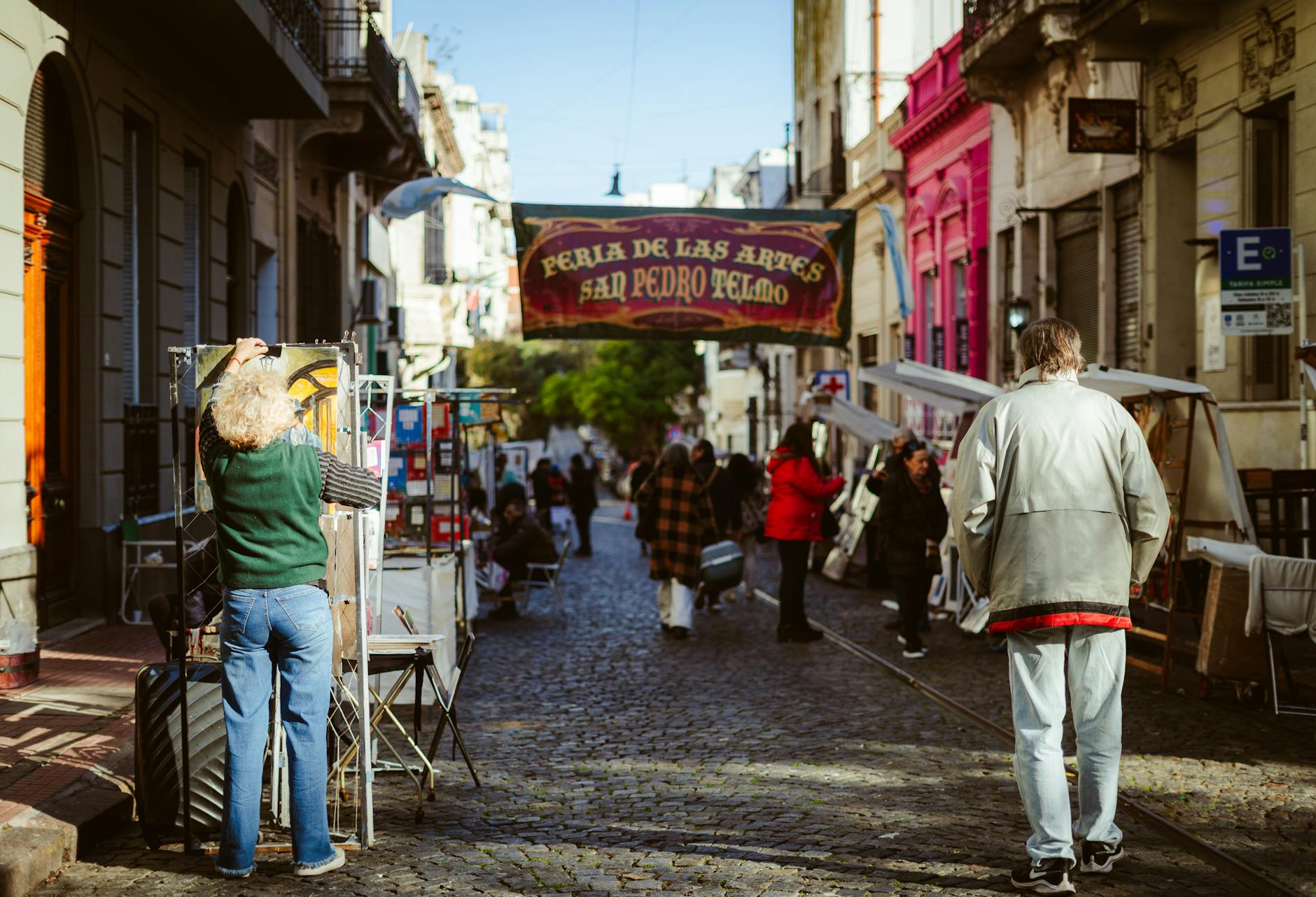
People who keep coming back tend to agree on a few things: get a registered SUBE card the moment you land, or you'll pay three times the fare on the colectivos. Take Line A of the Subte at least once — it's the original 1913 line. And don't write off lunch; it's quieter than dinner and the neighbourhood spots in San Telmo are easier to slip into.
Experiences you don't want to miss


Deals in Buenos Aires
Book directly at the provider


How Buenos Aires came to be
The city has two birthdays. Pedro de Mendoza founded a settlement here on February 2, 1536, naming it Nuestra Señora Santa María del Buen Aire, but Indigenous resistance and chronic supply shortages forced its abandonment. It took another generation — and Juan de Garay — to make it stick. Garay refounded the city on June 11, 1580, at the mouth of the Riachuelo, and gave Juan de Garay's new grid its first cathedral land.
For two centuries Buenos Aires remained a colonial backwater, overlooked in favour of Lima. That changed in 1776 when it became capital of the newly created Viceroyalty of the Río de la Plata, and again in 1880 when it was declared capital of Argentina. The wealth that followed — from beef, grain, and immigration — funded the Teatro Colón, the grand railway stations, and the Parisian-scaled boulevards that still define the centre.
Who and what shaped it
People who shaped it
Landmark buildings
See Buenos Aires in motion
Plan your visit
On the map
When to go
Summers (December–February) are hot and humid, regularly reaching 35°C; winters (June–August) are mild rather than cold, rarely dropping below 5°C, but the damp air from the Río de la Plata makes the chill feel sharper than the thermometer suggests. Spring and autumn bring clear skies and temperatures in the high teens to mid-twenties — the easiest time to be on foot.
Right now
↡ Cities
Background & history adapted from Wikipedia (CC BY-SA) · specs from Wikidata (CC0) · weather from Open-Meteo · map data © OpenStreetMap contributors · photos from Wikimedia Commons / Unsplash with per-image credit. No third-party reviews or social posts reproduced.