
Tigre
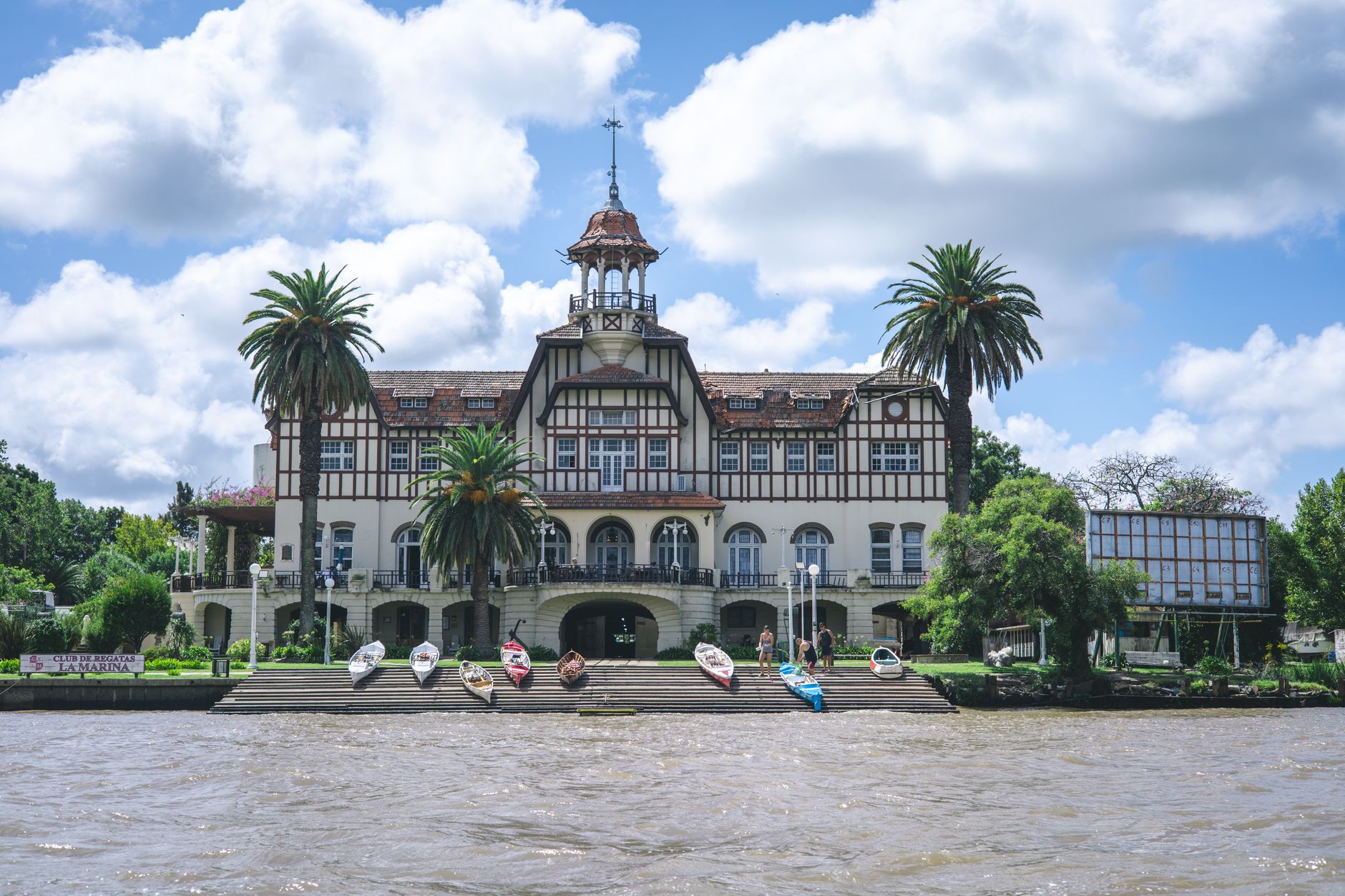
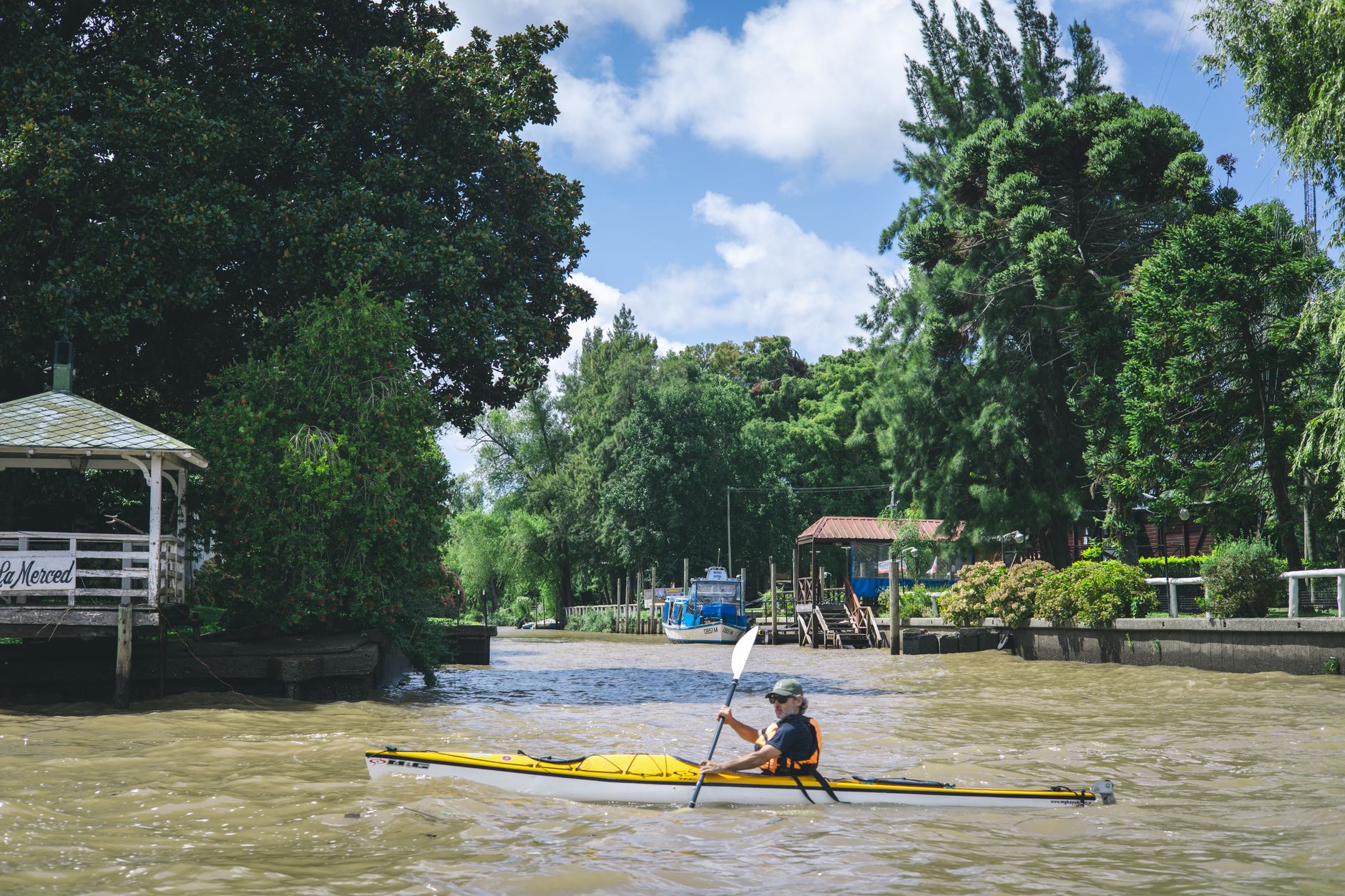
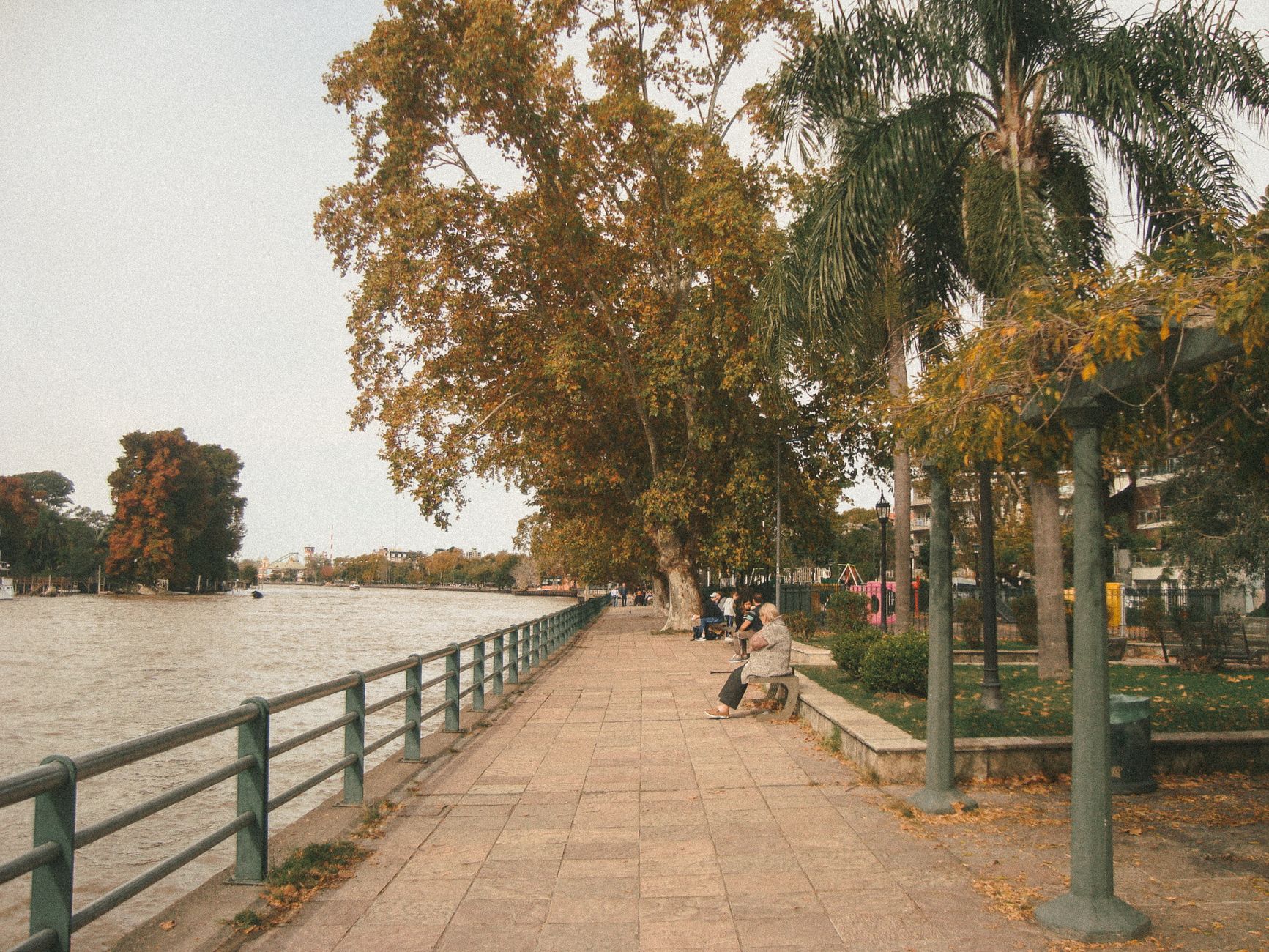
Forty minutes by train from Buenos Aires Retiro and you are standing on the Paseo Victorica, watching a mahogany launch ease away from the dock and disappear into the tangle of the Paraná Delta. Tigre sits at the point where the river breaks apart into hundreds of channels and islands, and that geography shapes everything here — the pace, the architecture, the way people get around.
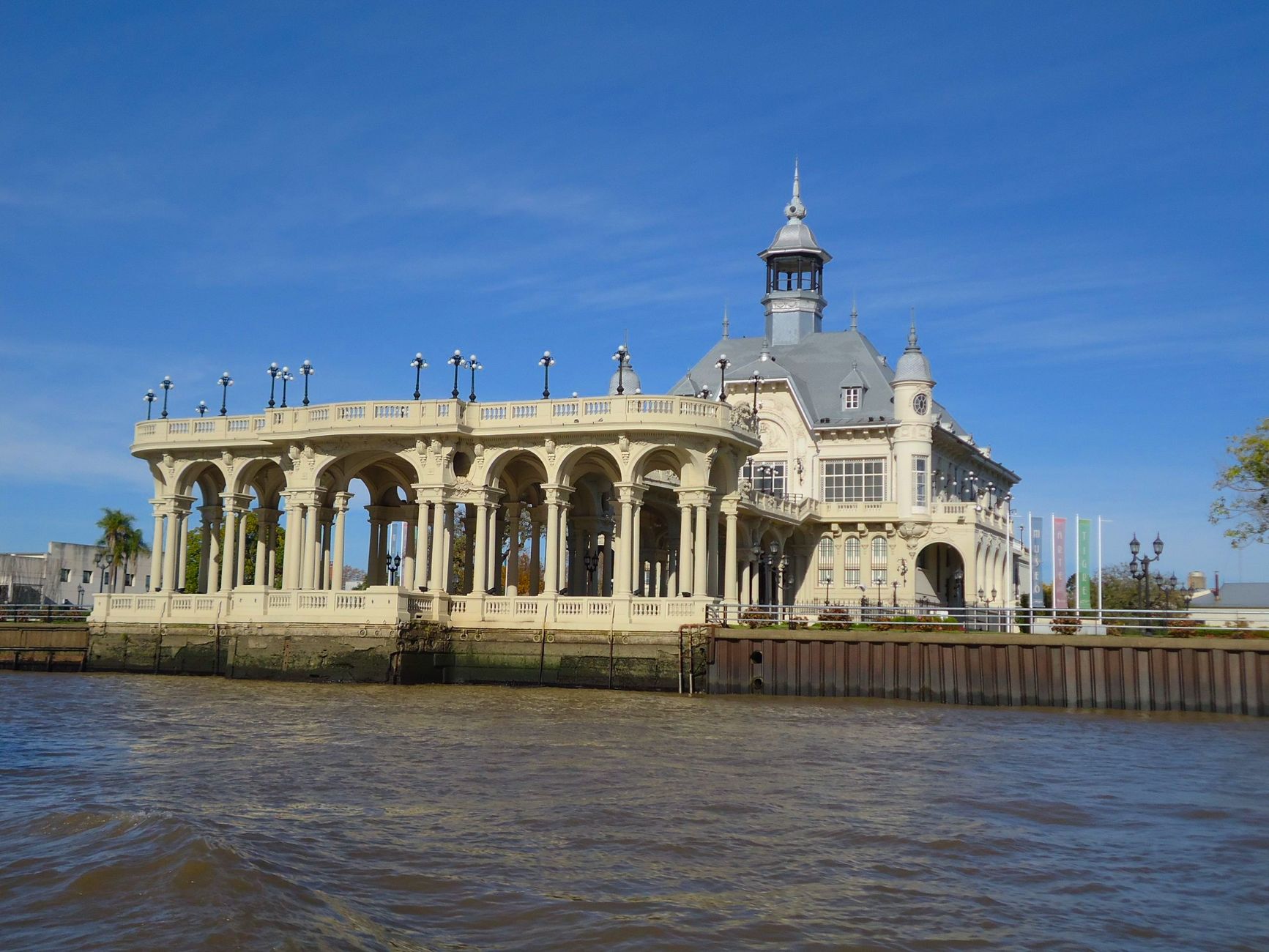
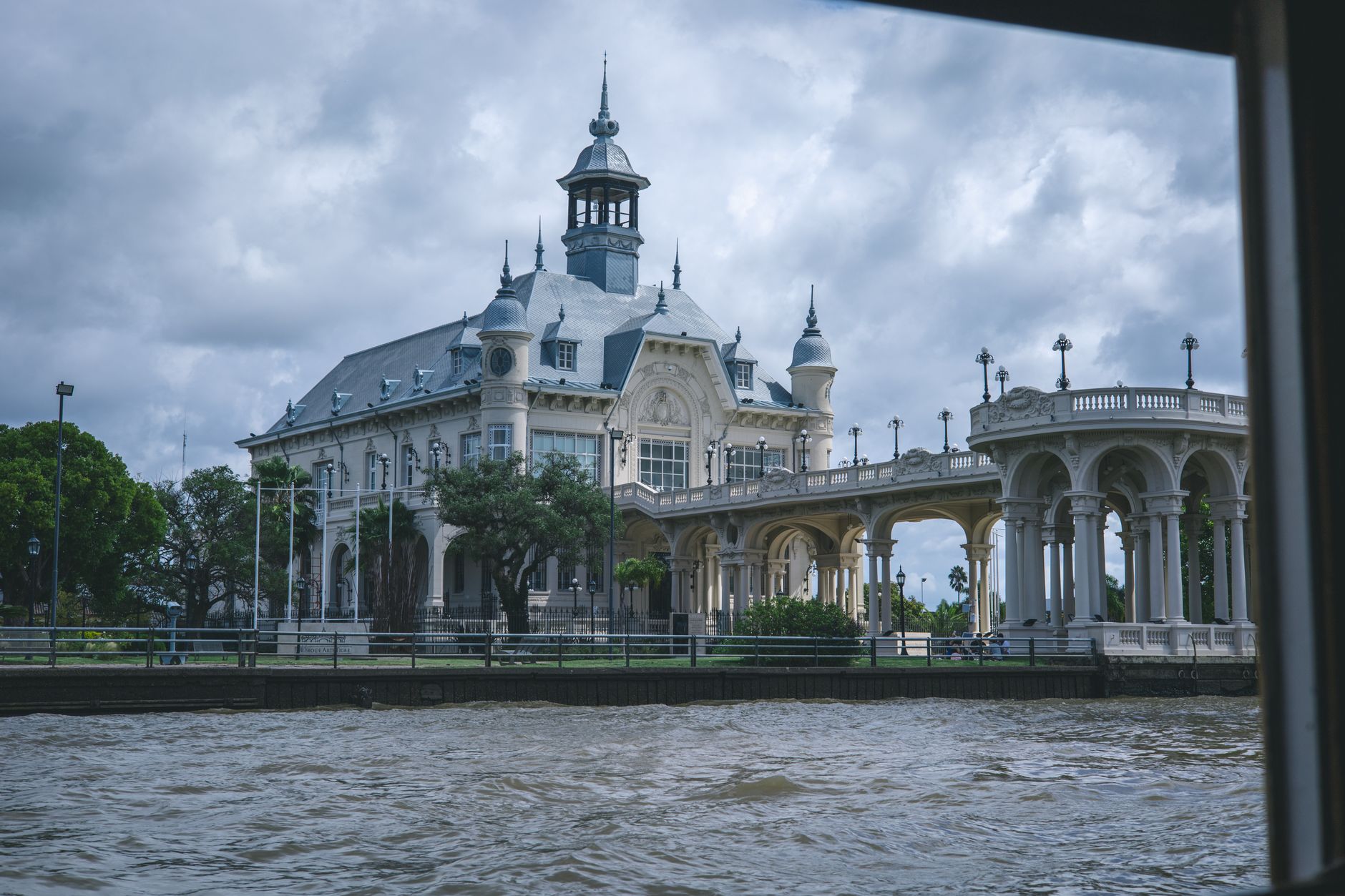
The town itself has a centre you can walk in an afternoon: the old Tigre Club building, now a museum of Argentine figurative art; the Naval Museum with its HMS Beagle log-book; the riverside fruit market turned crafts fair. Beyond the docks, the delta is a different world entirely, navigated by boat.
💛 What travellers fall for
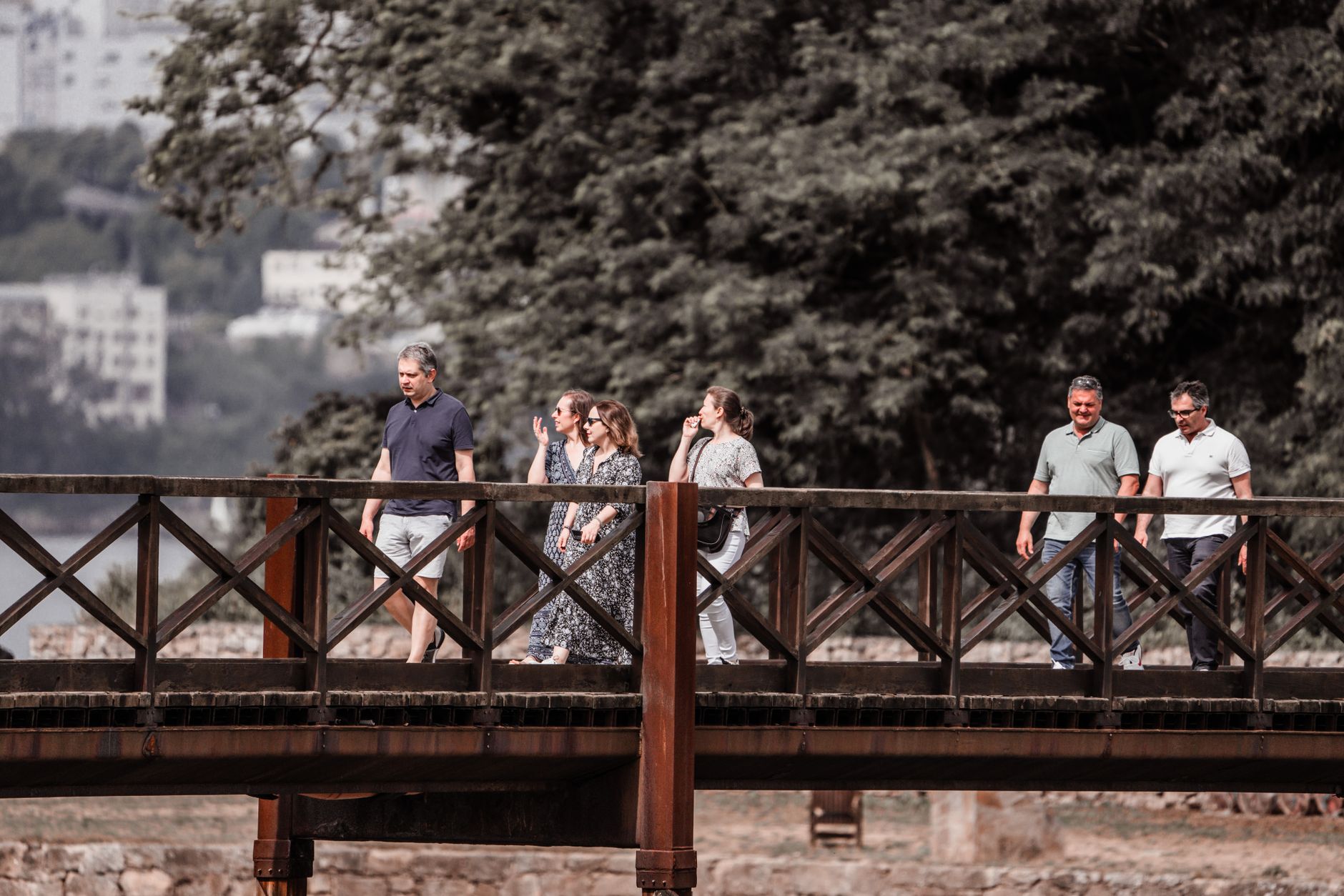
People who come back tend to do the same things: take the Mitre Line on a Tuesday when the crowds thin out, walk Victorica in the morning before the tour groups arrive, then catch a launch into the delta just to ride it. The Naval Museum always surprises — the Beagle log-book alone is worth the stop.
Deals in Tigre
Book directly at the provider

How Tigre came to be
The name comes from the jaguars that were hunted in the area in its earliest years — a fact that feels improbable now but anchors the place in a wilder past. The district was formally established in 1820, after floods had wrecked earlier settlements, and European farmers were its first steady inhabitants. The railway arrived in 1865, and then the 1877 yellow fever epidemic in Buenos Aires sent a new wave of visitors north, looking for clean air and open water.
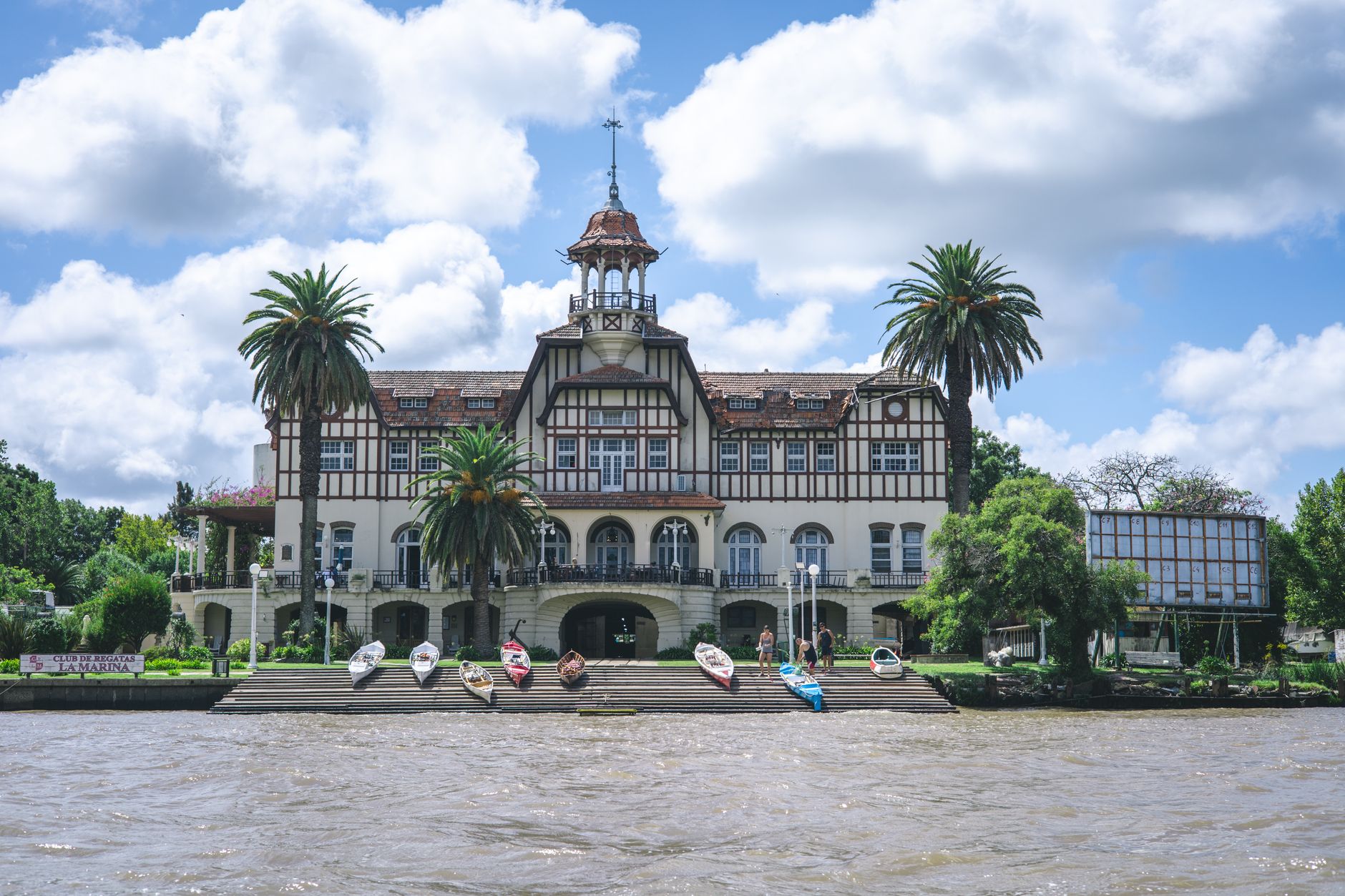
The Tigre Club opened in 1912 as a hotel and social centre; the hotel portion was demolished in 1940, but the remaining building was eventually restored and reopened in 2006 as the Museo de Arte Tigre. The district's independence-era connection runs deeper still: in 1806, Santiago de Liniers landed at Las Conchas and rallied local residents to march on Buenos Aires and drive out British forces — the spot is marked today by the Museo de la Reconquista.
Who and what shaped it
People who shaped it
Landmark buildings
See Tigre in motion
Plan your visit
On the map
When to go
Summers (December to March) are warm and humid, reaching around 29°C, with the delta air adding an extra layer of moisture. Winters are mild but noticeably cool and windy, dropping to around 15°C in July; April, October and November are the most reliably pleasant months to visit.
Right now
Background & history adapted from Wikipedia (CC BY-SA) · specs from Wikidata (CC0) · weather from Open-Meteo · map data © OpenStreetMap contributors · photos from Wikimedia Commons / Unsplash with per-image credit. No third-party reviews or social posts reproduced.