
Vietnam
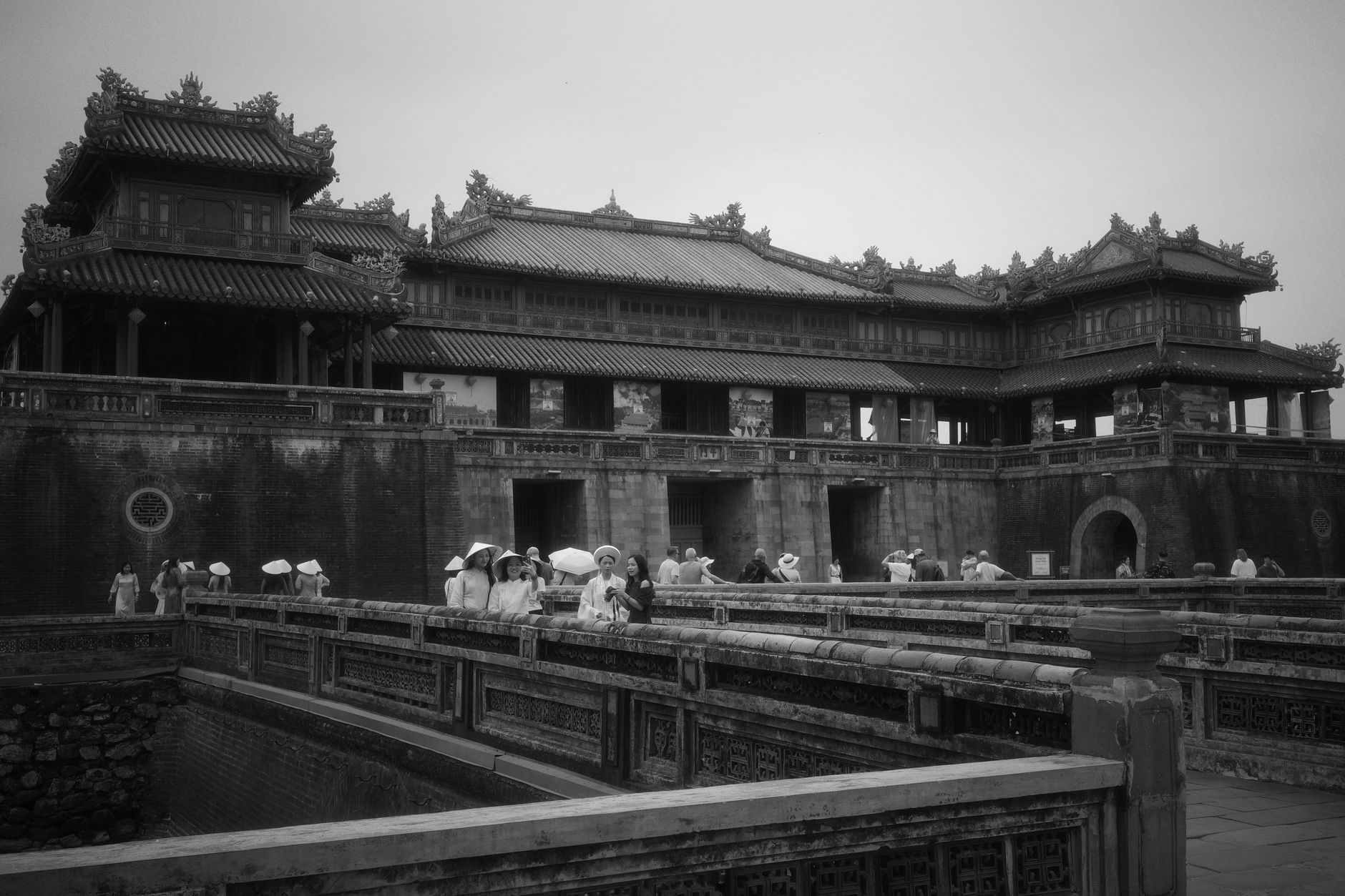
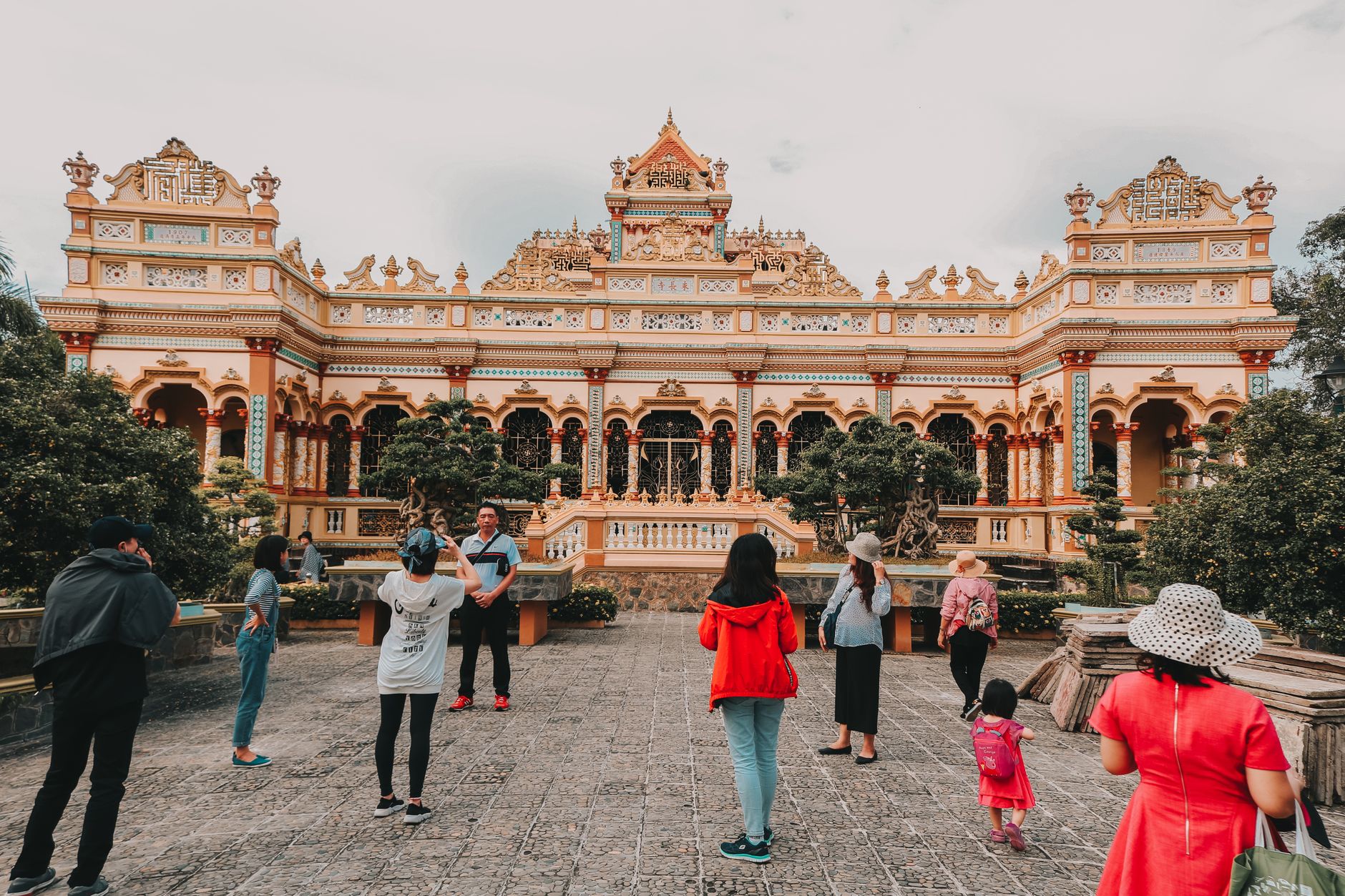
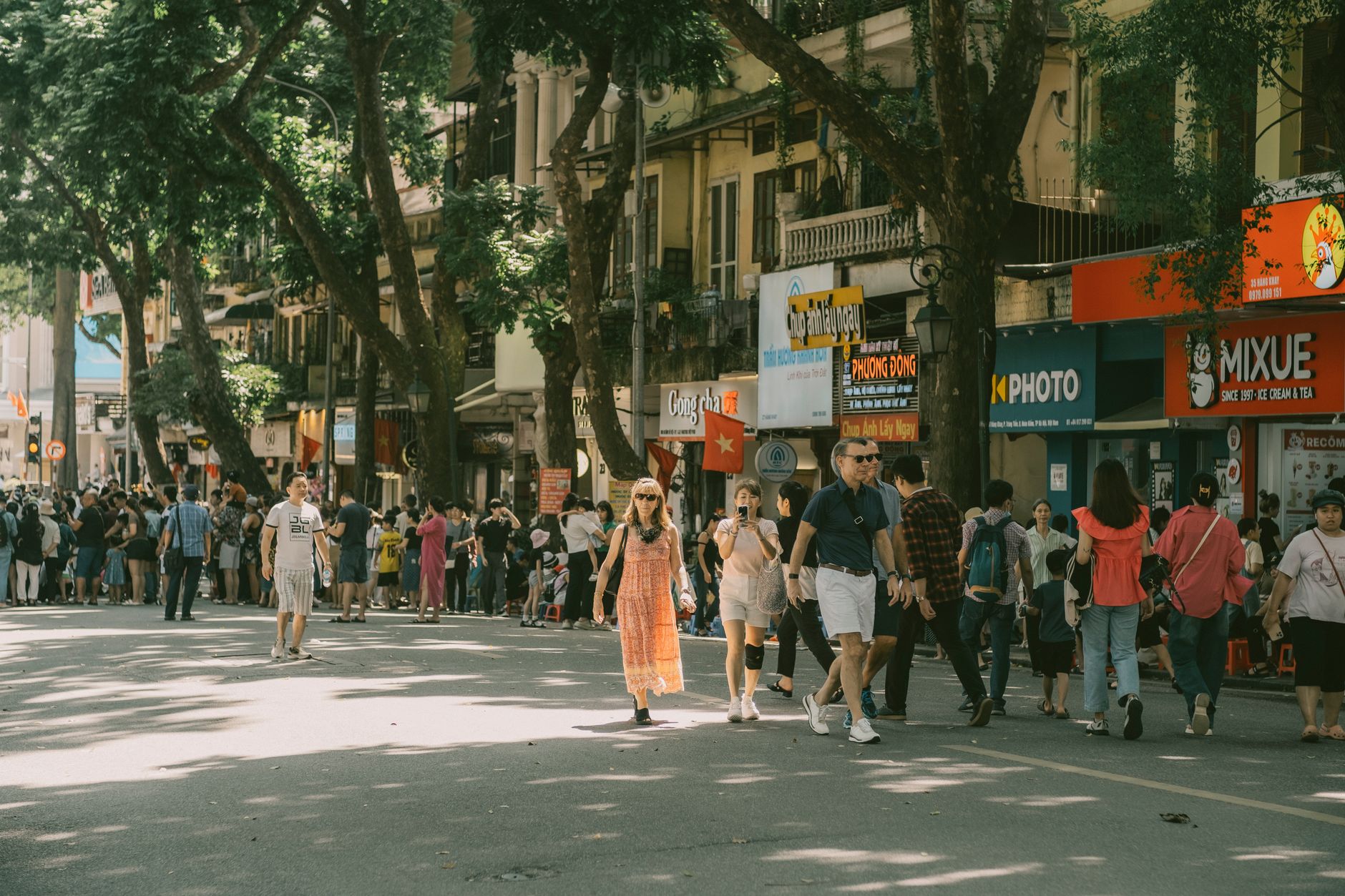
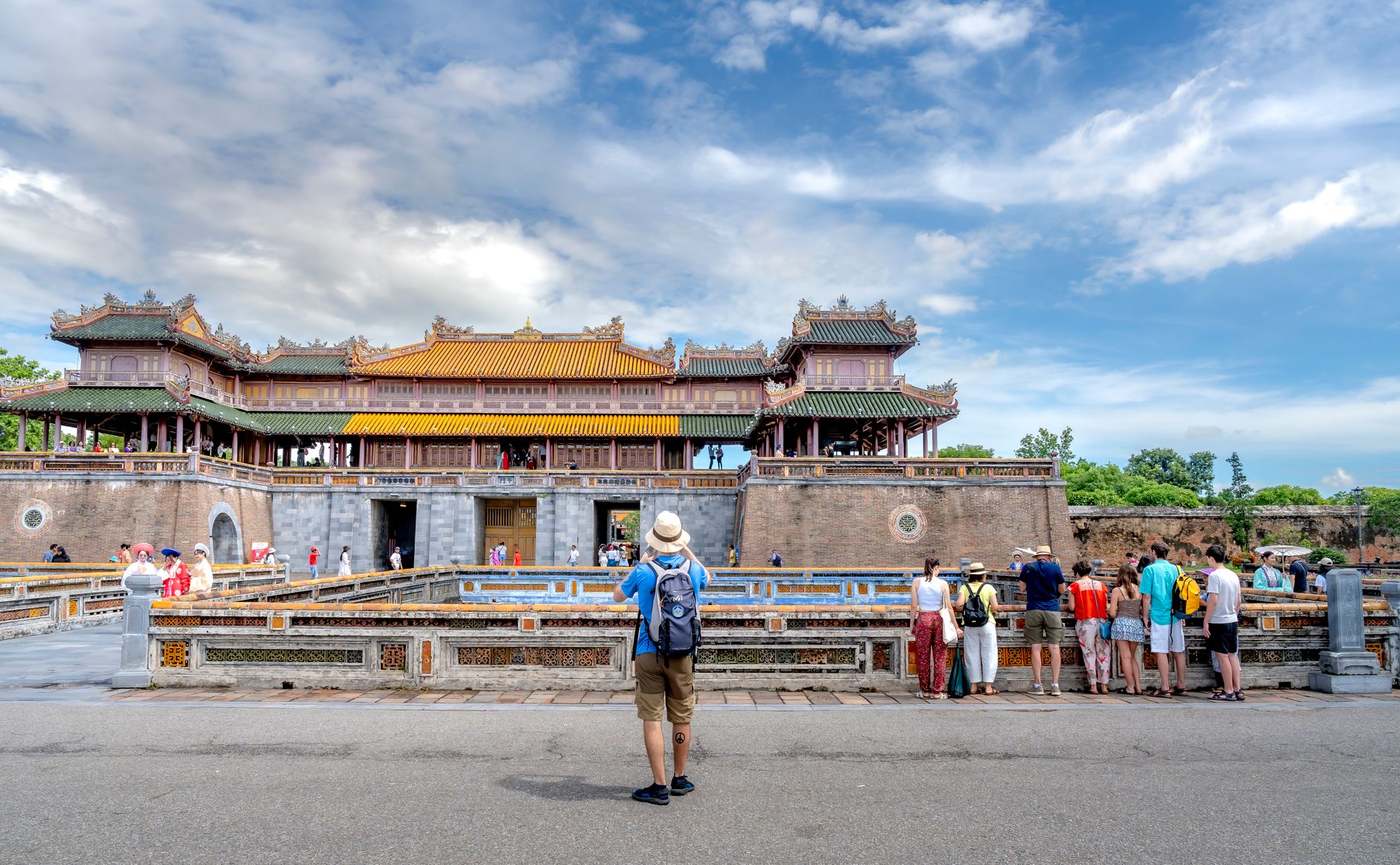


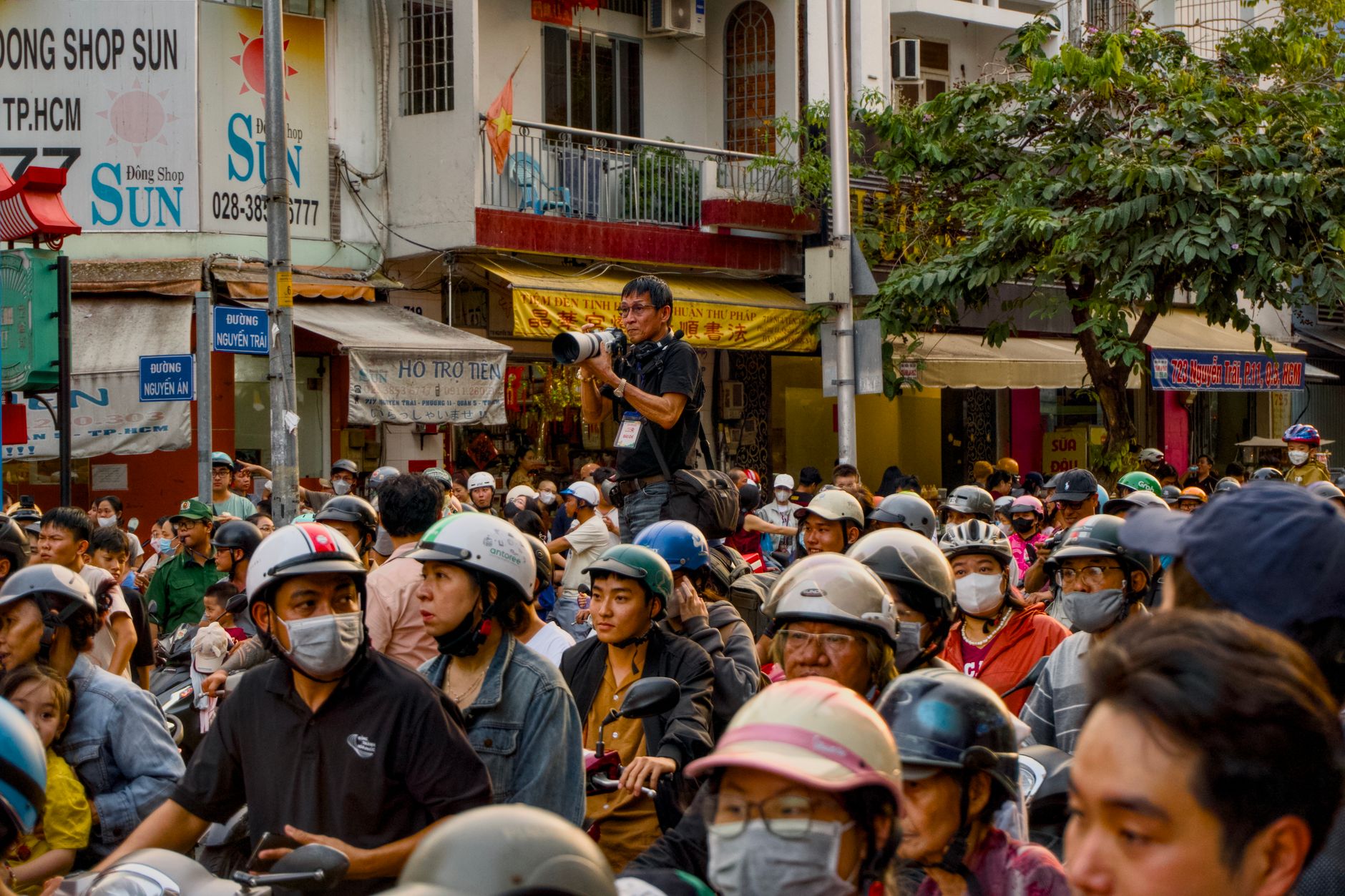
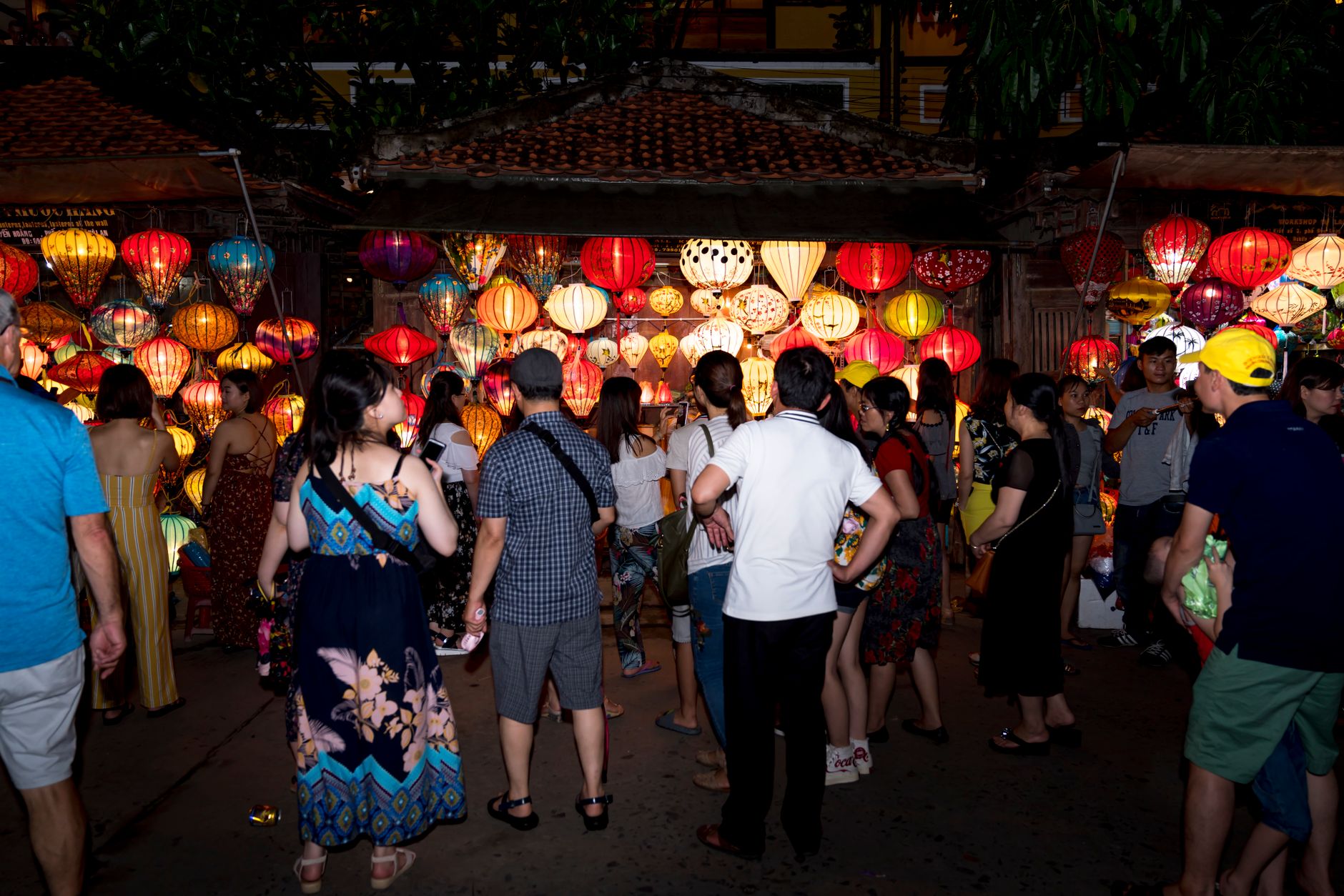
Vietnam runs over 1,600 kilometres from the Chinese border to the Mekong Delta, and the country changes character so completely along that length that the north and south can feel like separate nations sharing a name. Hanoi moves at a different tempo than Ho Chi Minh City; the lantern-lit merchant streets of Hội An belong to a different century than either. What holds it together is a density of history — dynasties, colonial occupation, partition, war, reunification — all of it still visible in the buildings, the tunnels, the mausoleums.
Travelling the country tends to mean choosing a direction: fly into Hanoi, take the train south, finish in Ho Chi Minh City, or reverse it. The Reunification Express linking those two cities is one of the great overland journeys in Southeast Asia.
Popular regions in Vietnam


💛 What travellers fall for
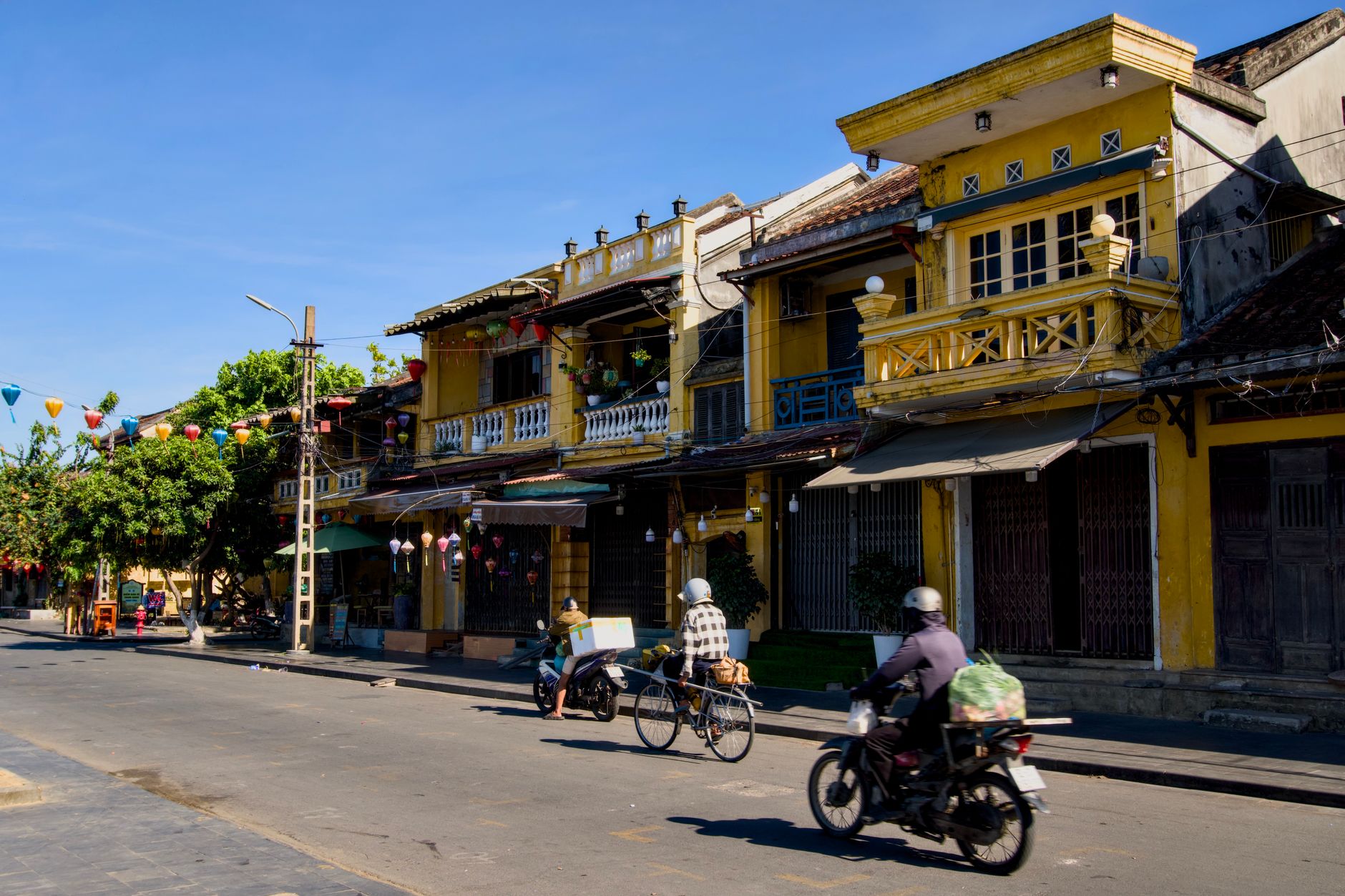
People who come back tend to slow down the second time — fewer cities, more time in one place. Hội An rewards that approach: stay long enough and the day-trippers thin out by early morning and late evening. The train between Đà Nẵng and Huế, crossing the Hải Vân Pass, is worth doing in daylight even if it adds hours to your journey.
Roundtrips through Vietnam

Deals in Vietnam
Book directly at the provider


How Vietnam came to be
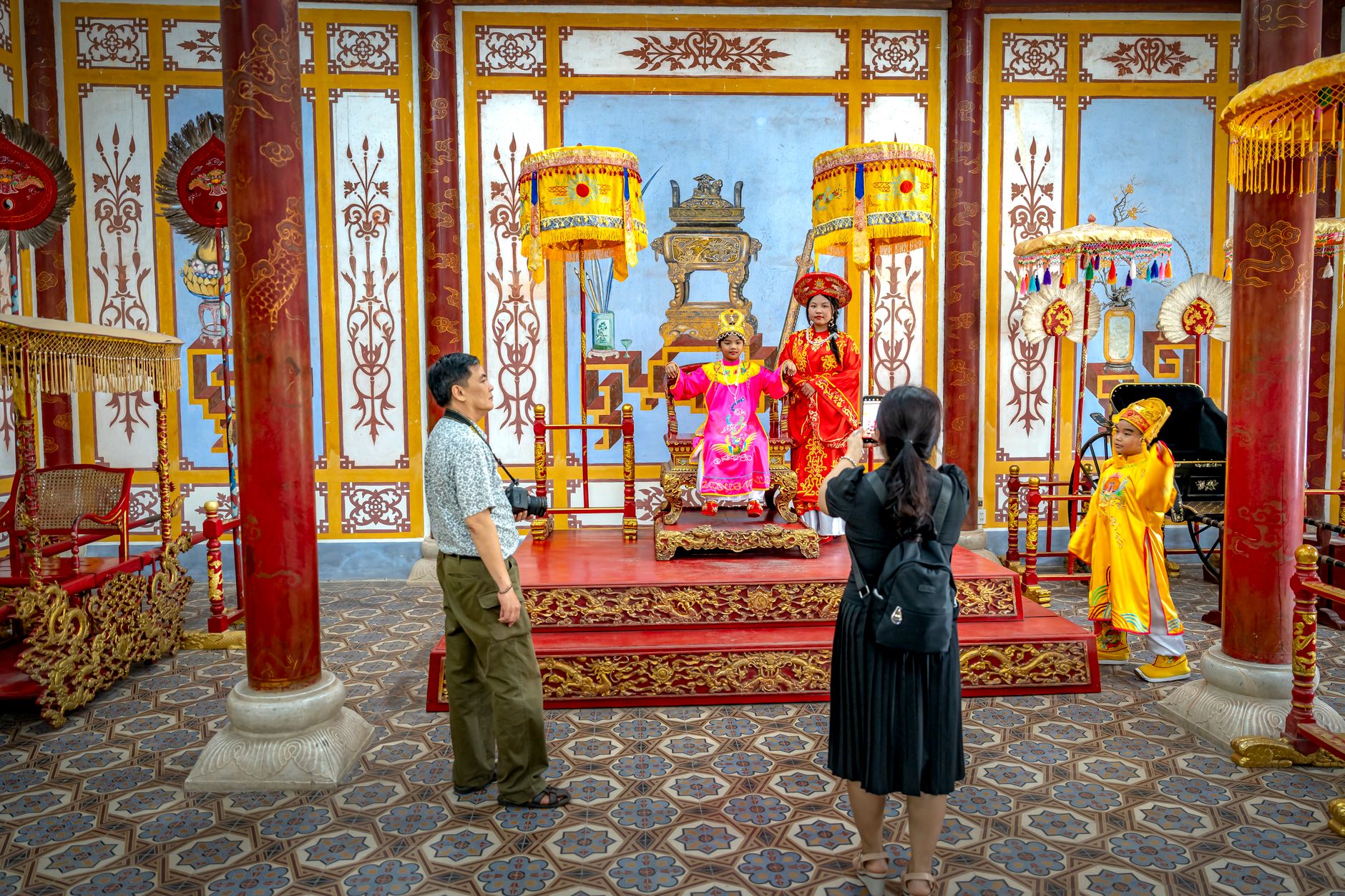
Vietnam's modern borders contain the remnants of at least a dozen dynasties and two colonial eras. The Temple of Literature in Hanoi, founded in 1070, and the Hội An Japanese Covered Bridge, built in 1593, mark how long this territory has been a crossroads. French colonial rule left its architecture — most visibly in the Hanoi Opera House and Saigon's Notre Dame Cathedral — before ending at Điện Biên Phủ in 1954, after which the Geneva Conference partitioned the country at the 17th parallel.
Hồ Chí Minh declared independence at Ba Đình Square on 2 September 1945, though the decades that followed brought the First Indochina War, then the American War, and finally reunification in 1976 under the Socialist Republic of Vietnam — a single country again after thirty years of division.
Who and what shaped it
People who shaped it
Landmark buildings
See Vietnam in motion
Plan your visit
On the map
When to go
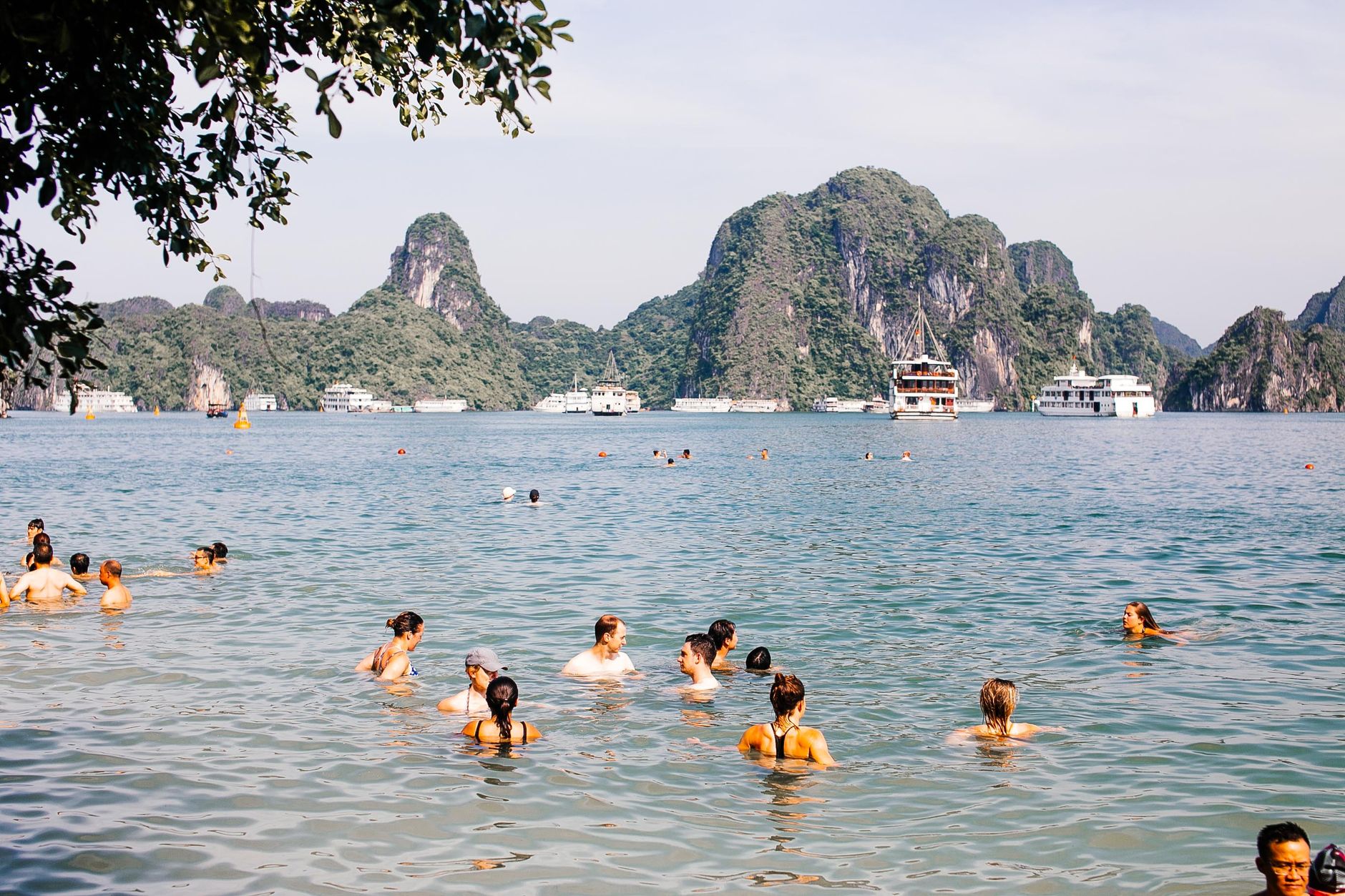
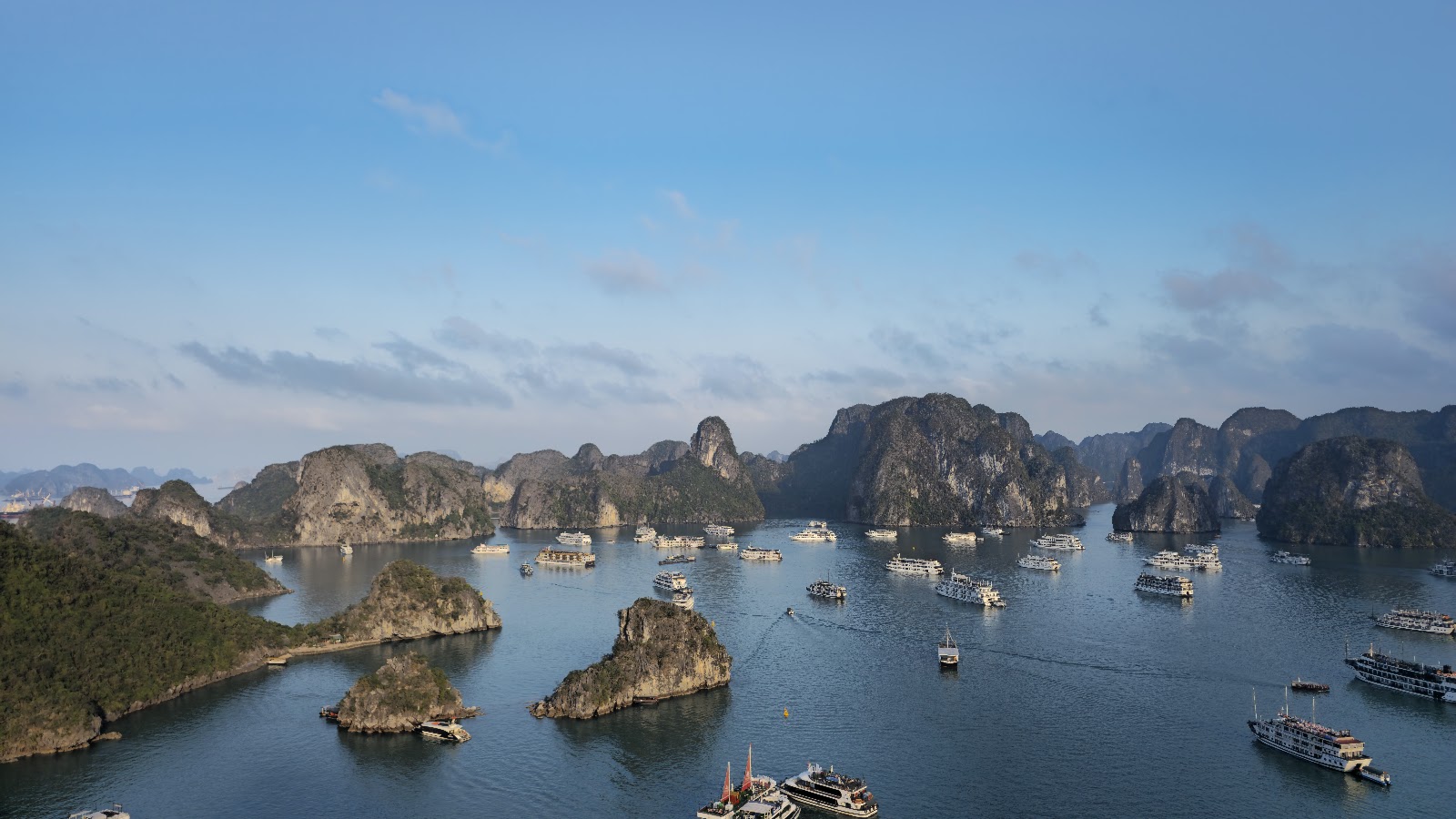
The north (Hanoi, Hạ Long Bay) has four seasons, with cool dry winters from November to April and a hot, wet summer peaking July to September. The south stays close to 30°C year-round, split between a dry season (November to May) and afternoon downpours the rest of the year; central Vietnam runs hot and dry from mid-January through August, then turns wet — occasionally typhoon-prone — in October and November.
Right now
↡ Regions




↡ Attractions





No places match these filters.
Background & history adapted from Wikipedia (CC BY-SA) · specs from Wikidata (CC0) · weather from Open-Meteo · map data © OpenStreetMap contributors · photos from Wikimedia Commons / Unsplash with per-image credit. No third-party reviews or social posts reproduced.