
Ho Chi Minh City
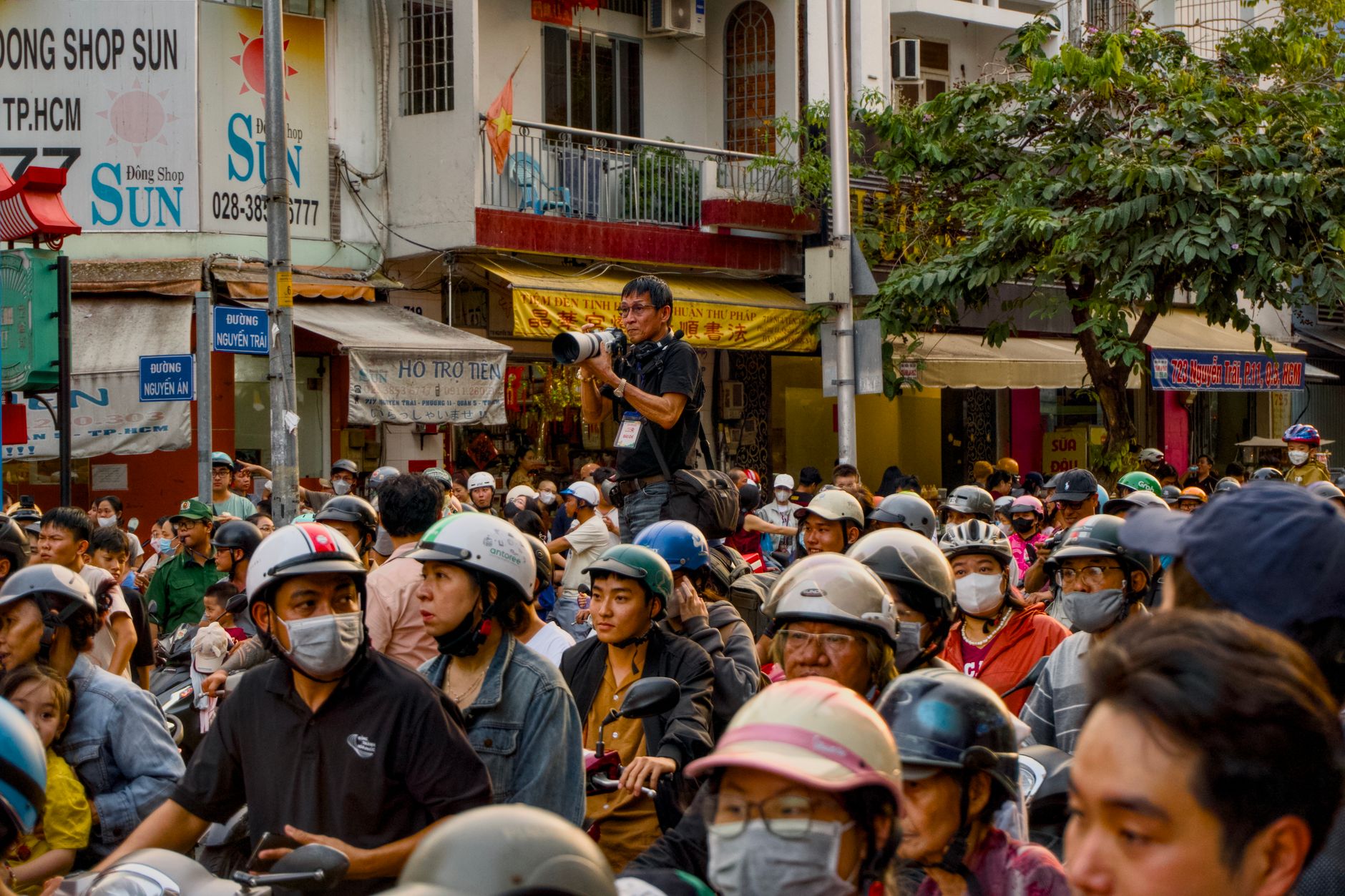
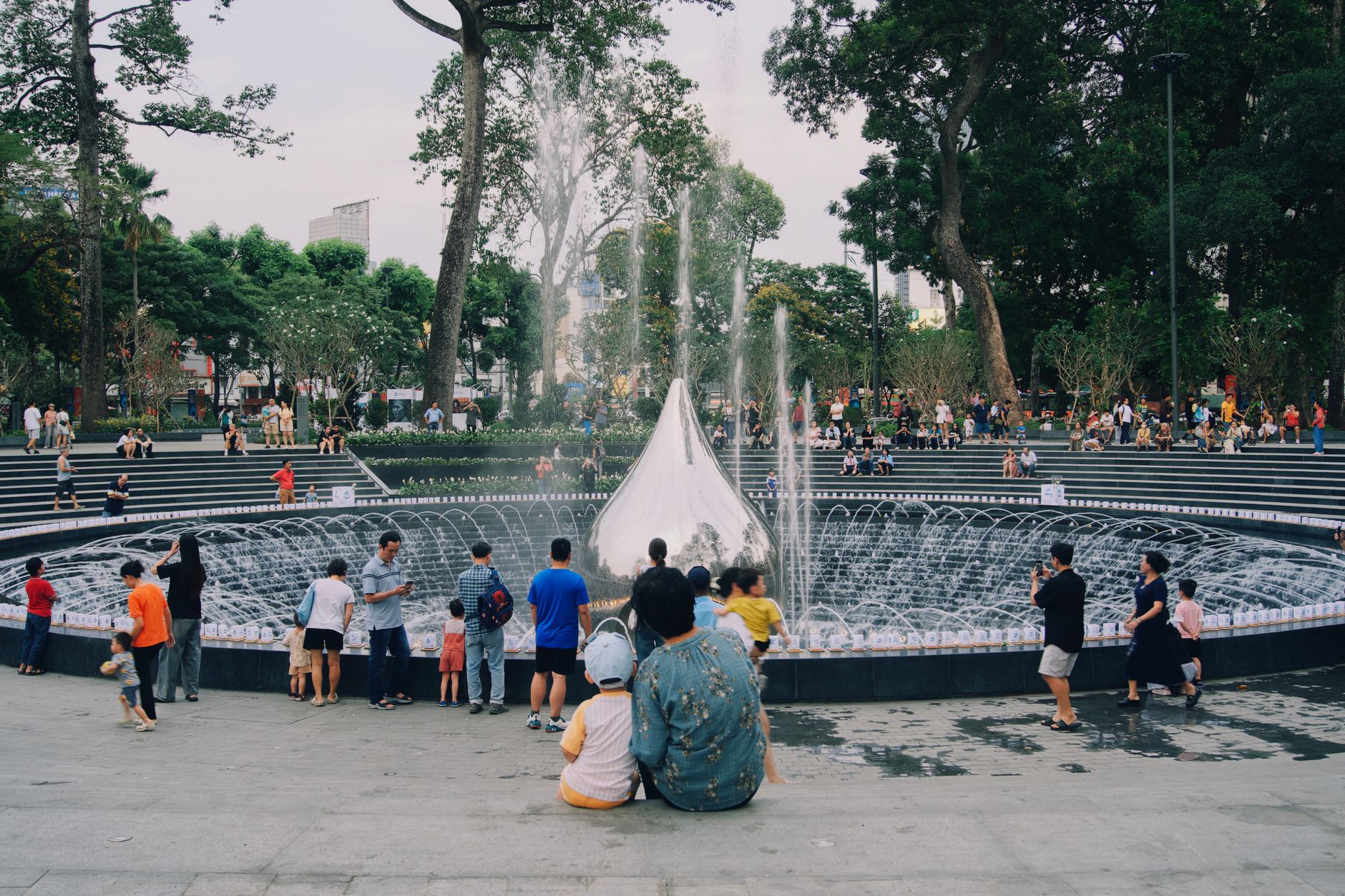
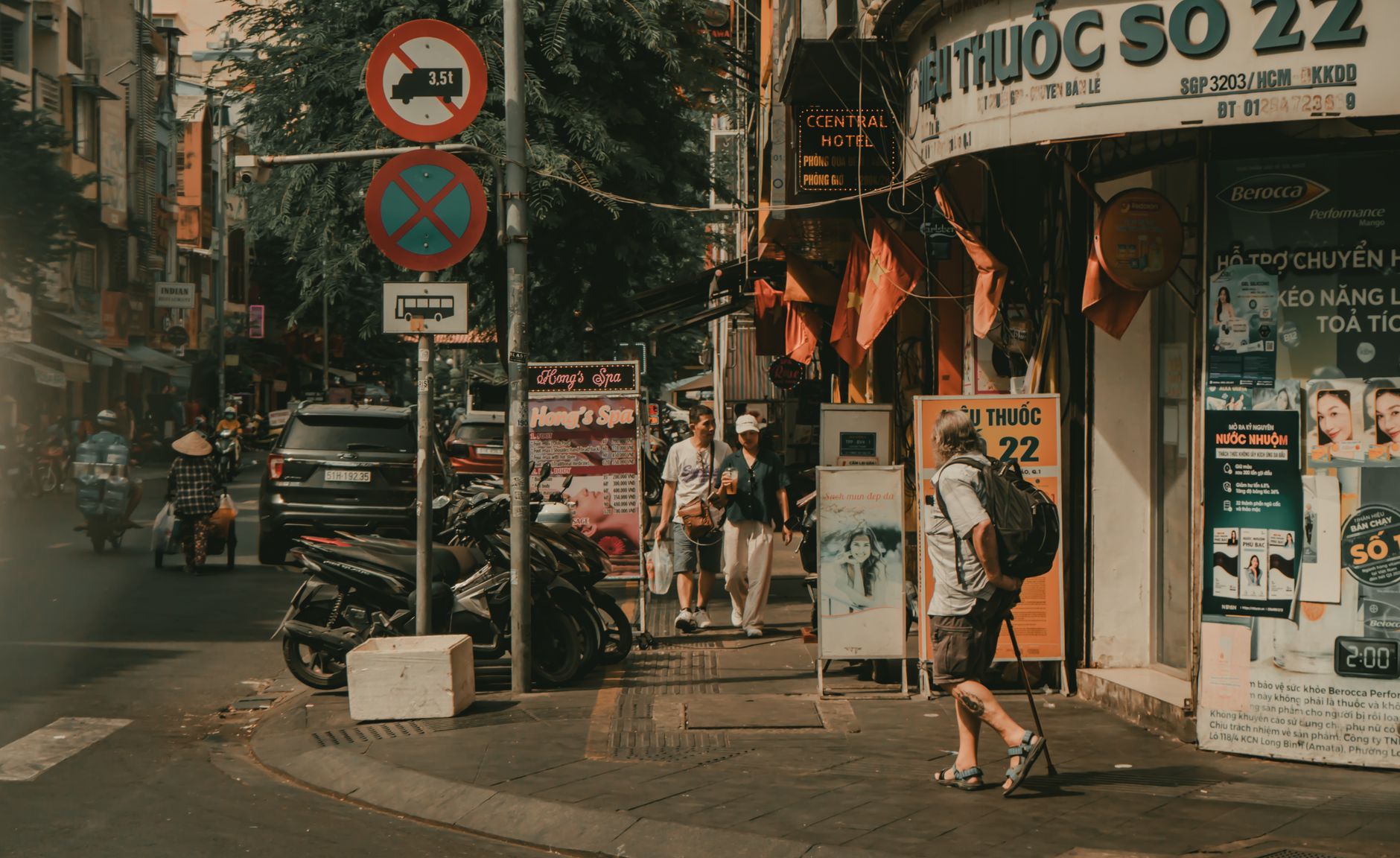
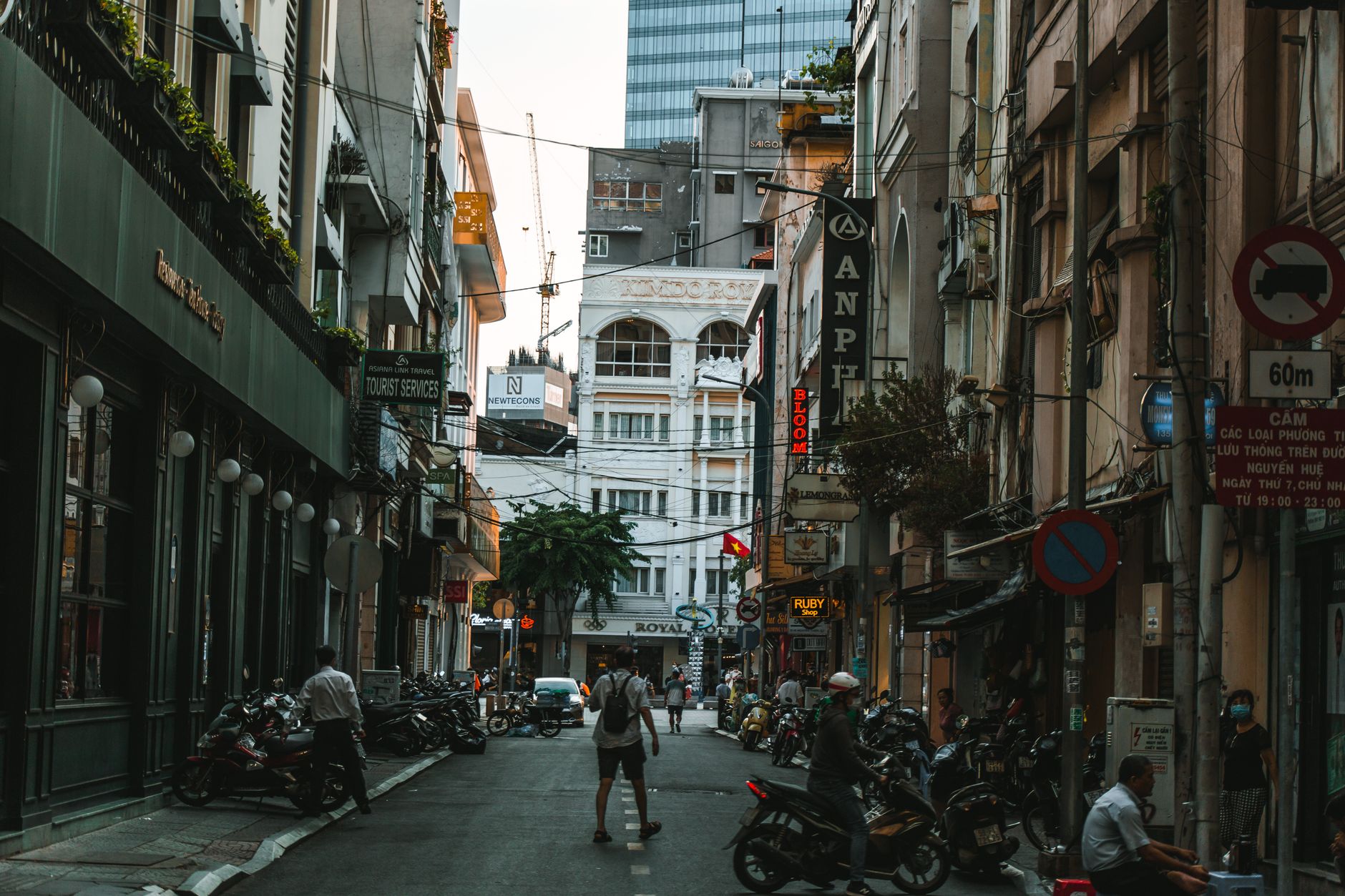
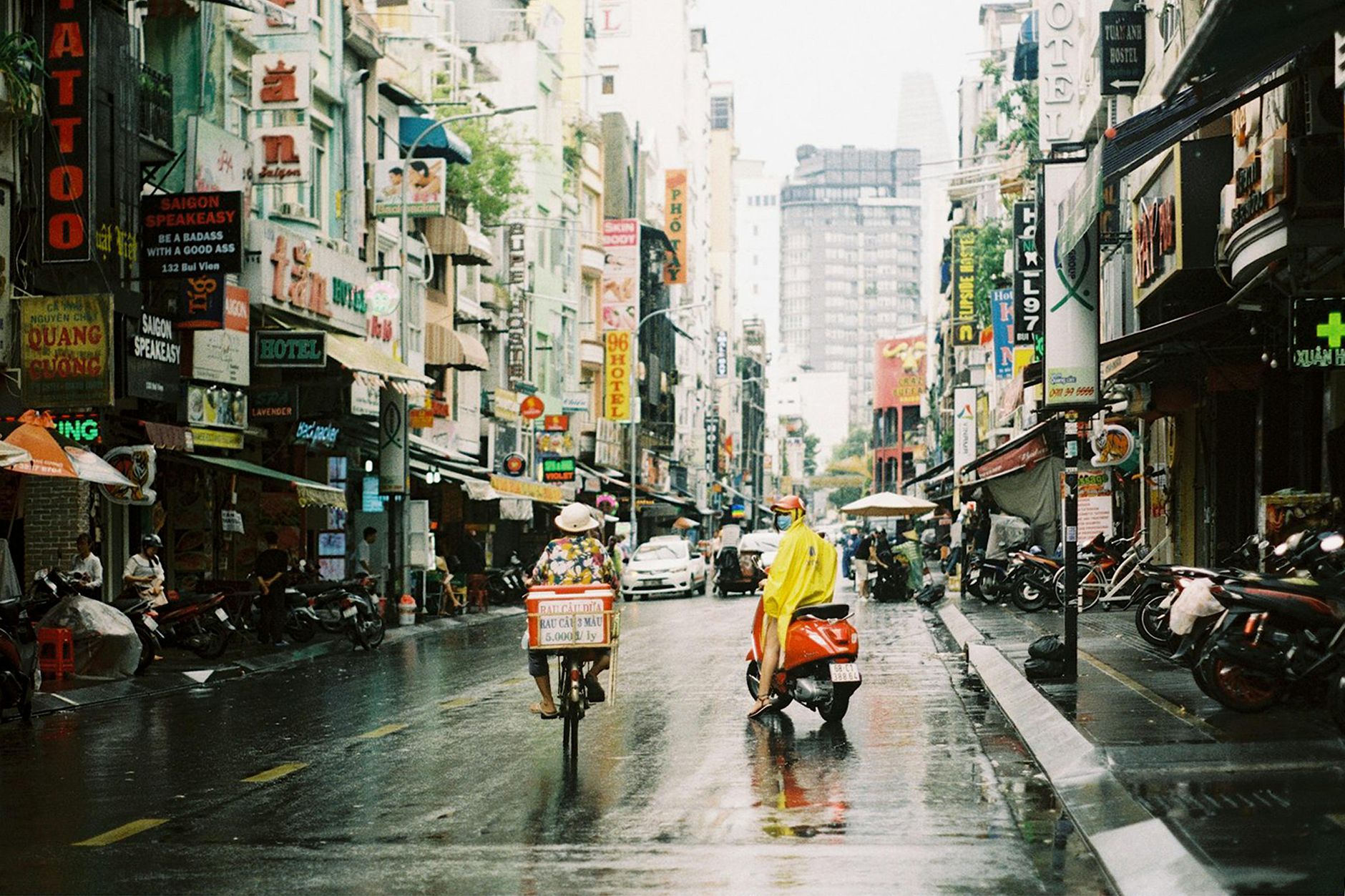
Saigon moves fast. Motorbikes flow through intersections with a logic that looks chaotic and isn't, street-food vendors set up before dawn, and somewhere between a French colonial post office and a glass tower shaped like a lotus bud, the city keeps rewriting what it is. Ho Chi Minh City — the name official since 1976, the old name still on everyone's lips — is Vietnam's commercial engine and its most restless place.
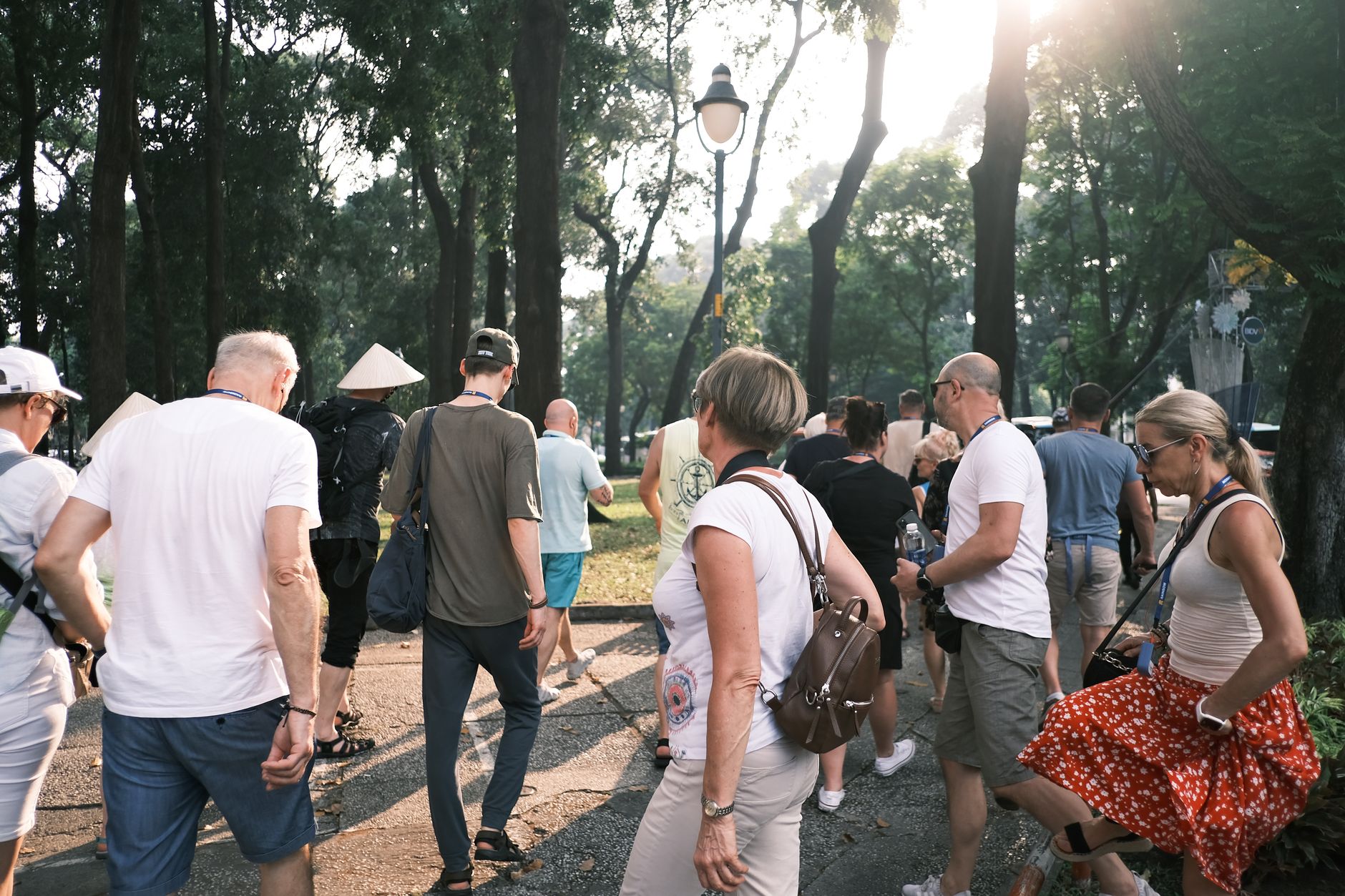
District 1 holds the colonial core: the yellow-facade post office, the red-brick cathedral, the Opera House that Félix Olivier modelled on Paris. Chợ Lớn, the Chinese quarter to the west, runs on a different rhythm entirely, with incense coiling through the Thien Hau Temple since around 1760. The city rewards slow walkers and early risers.
💛 What travellers fall for
Return visitors tend to anchor in District 1 but eat in District 3 and 4, where the prices drop and the pho is just as good. The Jade Emperor Pagoda on a weekday morning, turtles moving through the pond below the smoke, is one of the quieter hours the city offers. Book Opera House tickets in advance — performances sell out.
How Ho Chi Minh City came to be
What is now Ho Chi Minh City began as Prey Nokor, a Khmer fishing and trading settlement. In 1698, the Nguyen dynasty sent General Nguyen Huu Canh south to establish Gia Dinh prefecture, formalising Vietnamese control and setting the city's administrative foundations. The settlement grew into Saigon, and by the mid-19th century France had colonised it as the capital of Cochinchina, leaving behind the cathedral, the post office and the Opera House that still define the downtown skyline.
From 1955 to 1975, Saigon served as capital of the Republic of Vietnam. On April 30, 1975, a North Vietnamese tank broke through the gates of the Independence Palace — an event the palace marks with a replica of the F5E fighter jet that landed on its rooftop helipad. The city was renamed in 1976 in honour of revolutionary leader Ho Chi Minh, who had left from Nha Rong Wharf sixty-five years earlier, bound for France.
Who and what shaped it
People who shaped it
Landmark buildings
See Ho Chi Minh City in motion
Plan your visit
On the map
When to go
The city has two seasons: a dry season roughly November through April, and a wet season from May to October when heavy afternoon downpours arrive reliably and clear quickly. November to January is the most comfortable window — lower humidity, temperatures in the mid-20s Celsius.
Right now
Background & history adapted from Wikipedia (CC BY-SA) · specs from Wikidata (CC0) · weather from Open-Meteo · map data © OpenStreetMap contributors · photos from Wikimedia Commons / Unsplash with per-image credit. No third-party reviews or social posts reproduced.