
Country

Nigeria

Nigeria
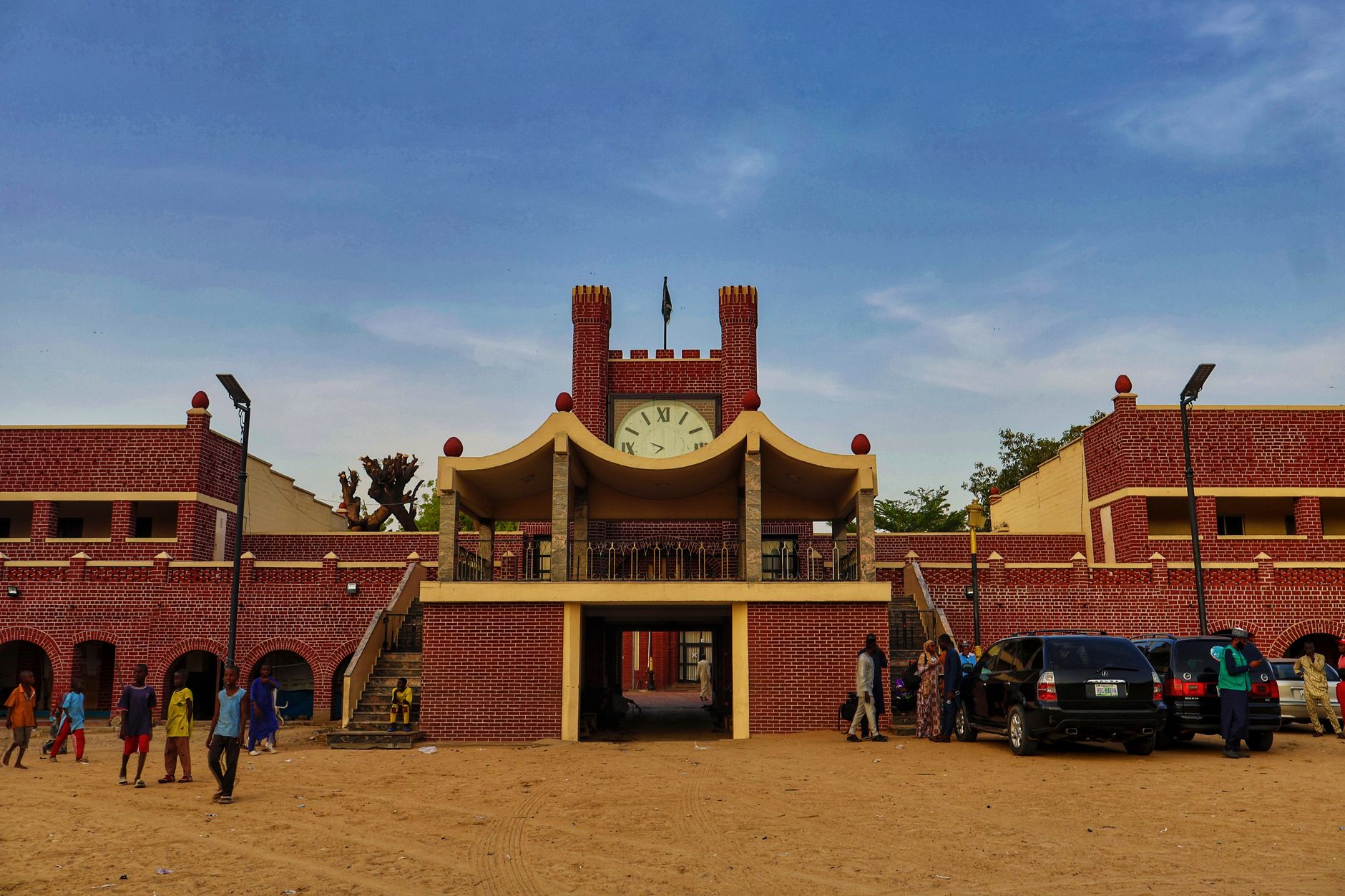
Photo by Fatima Yusuf on Pexels
Nigeria
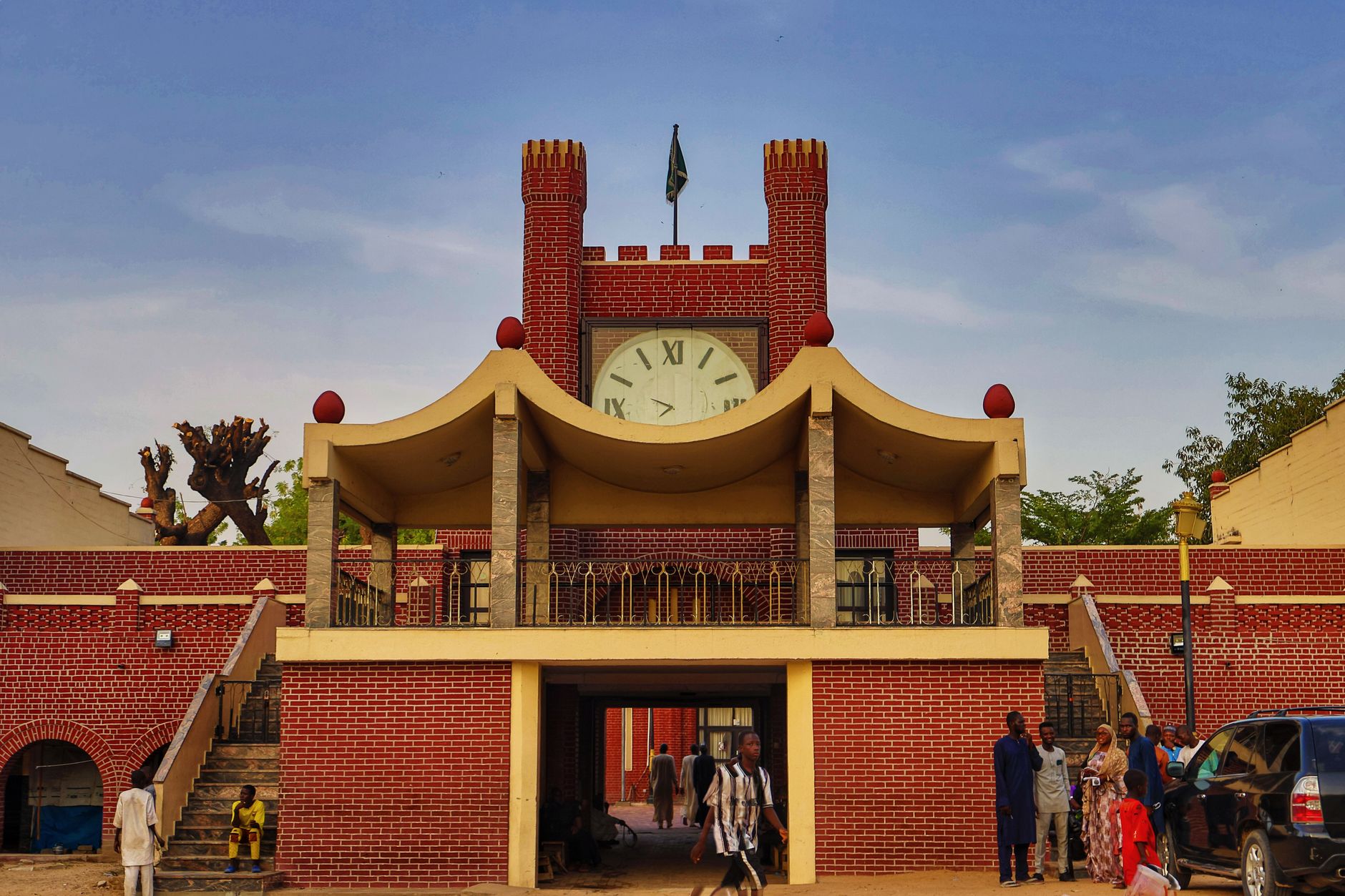
Photo by Fatima Yusuf on Pexels
Nigeria
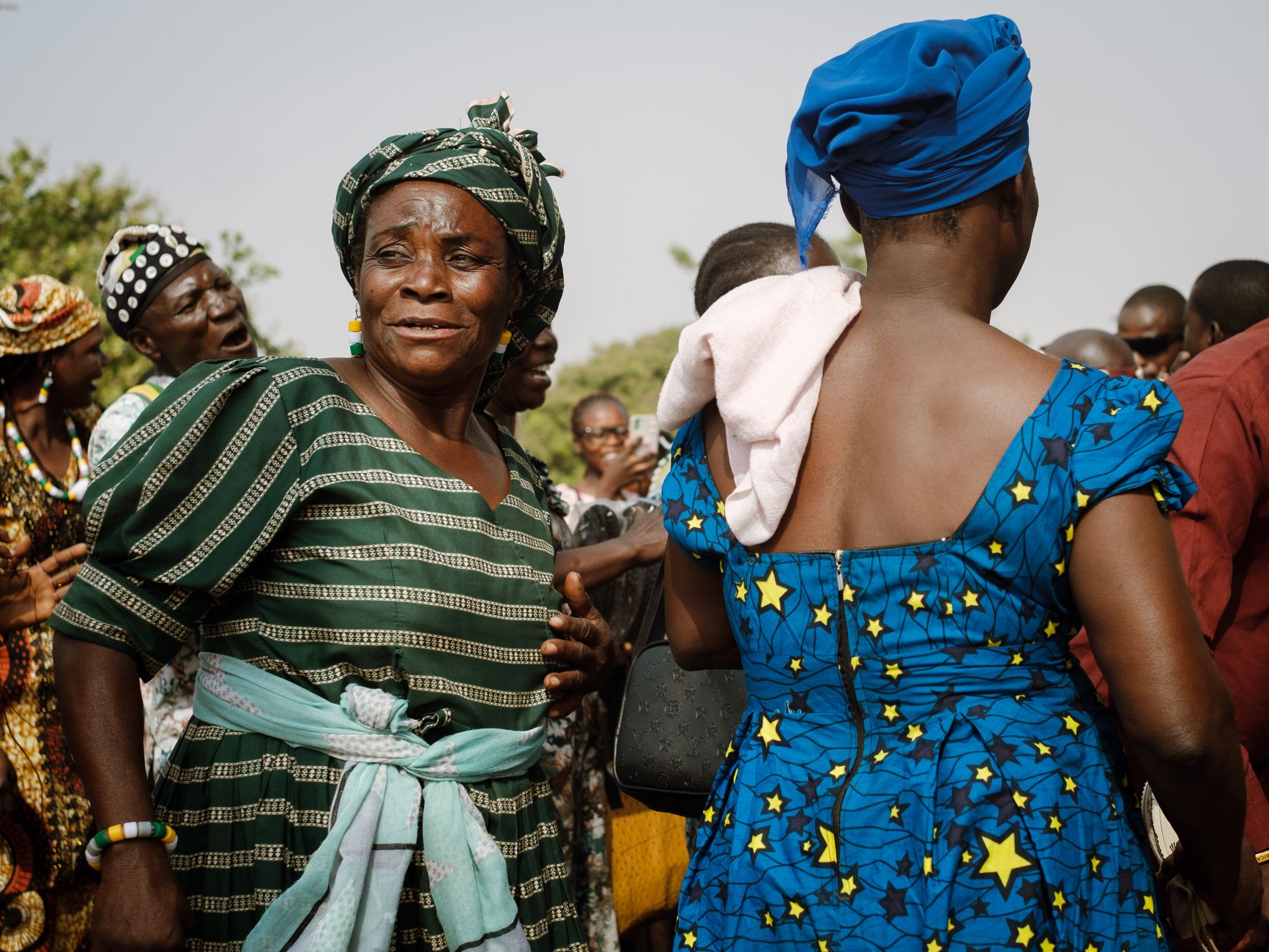
Photo by Vurzie Kim on Pexels
Nigeria
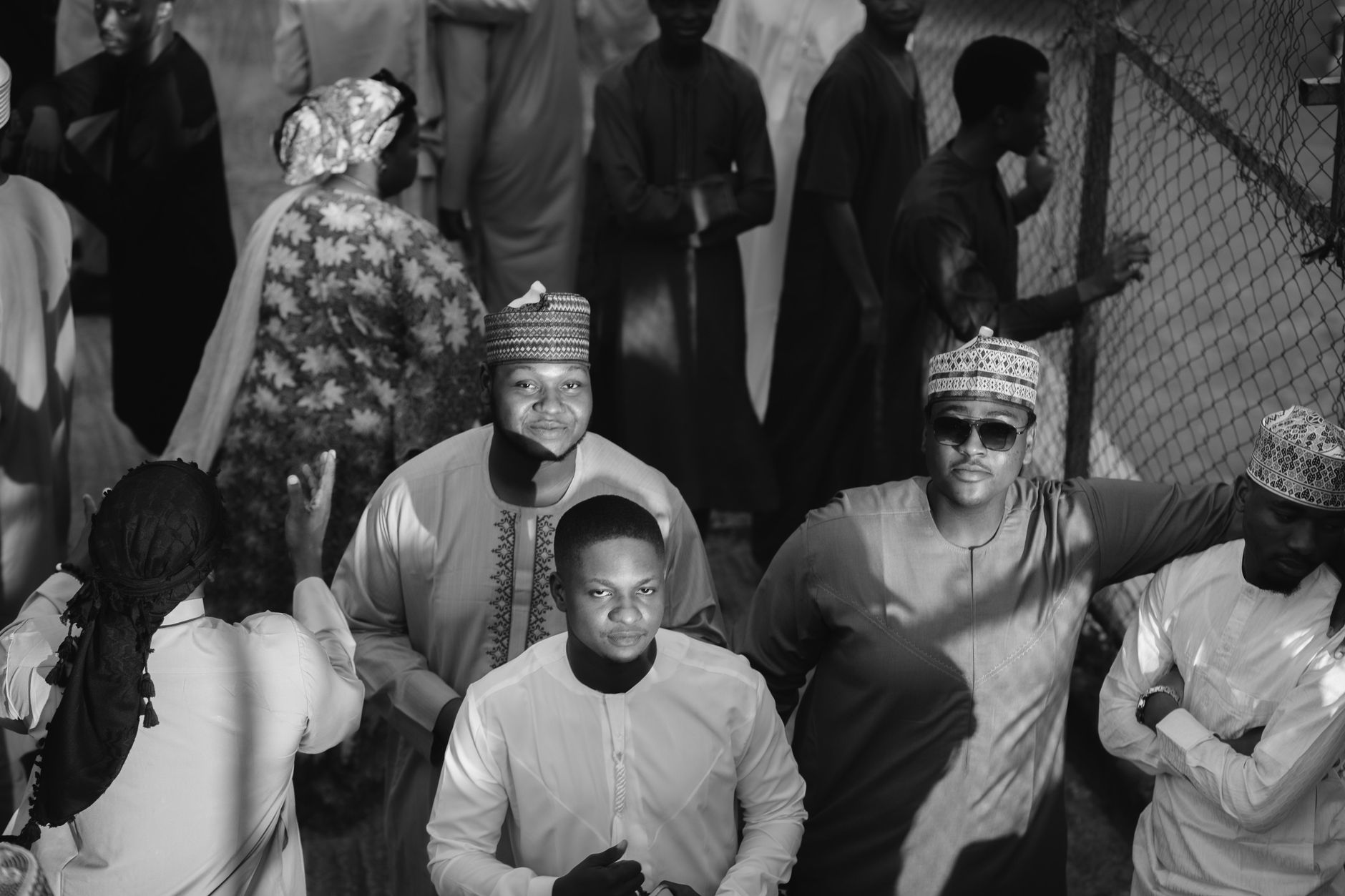
Photo by Kaybee Photography on Pexels
Nigeria
Photo by Anchau on Pexels
Nigeria
Photo by Kaybee Photography on Pexels
Culture & history Wildlife & safari

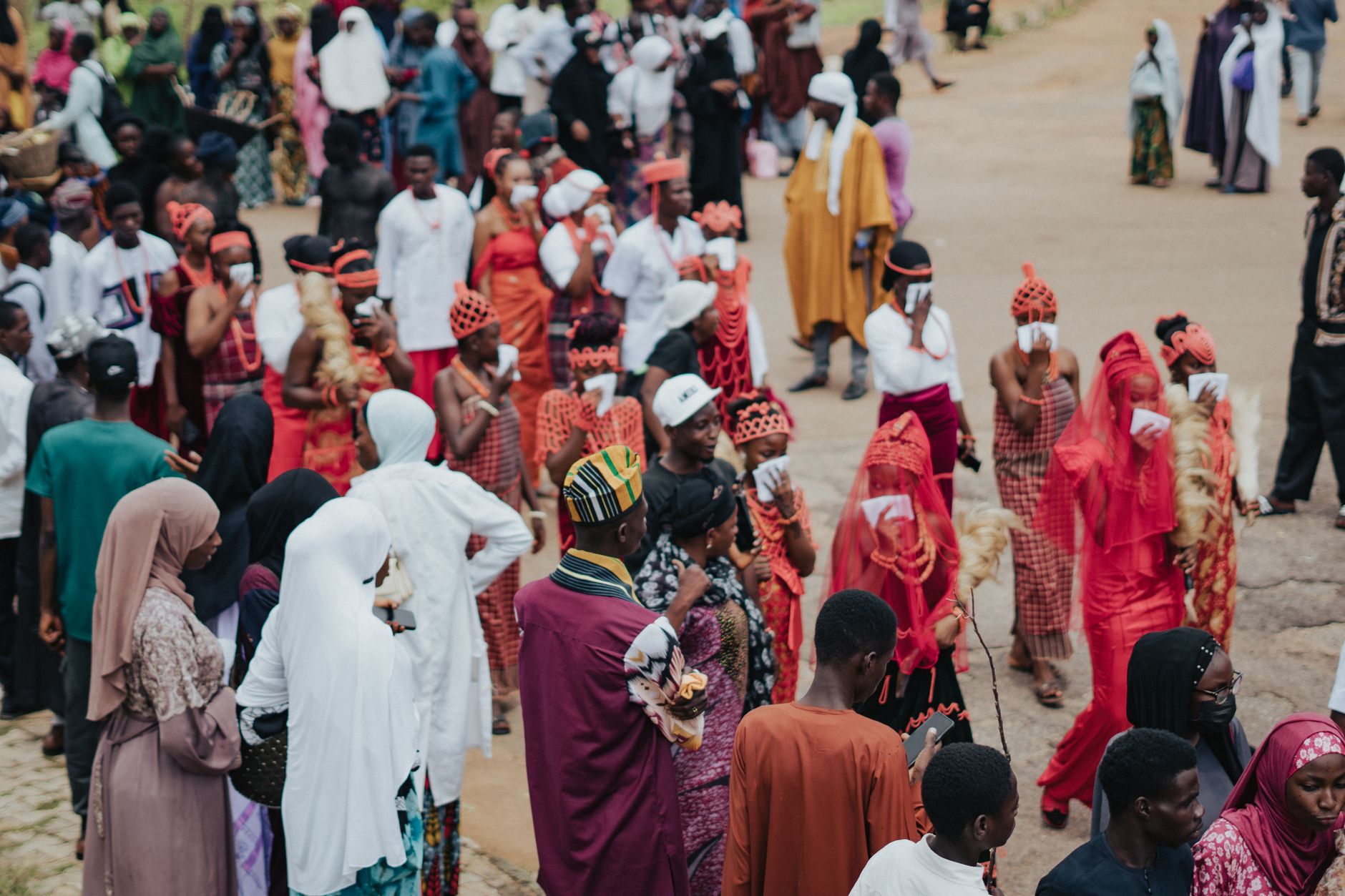
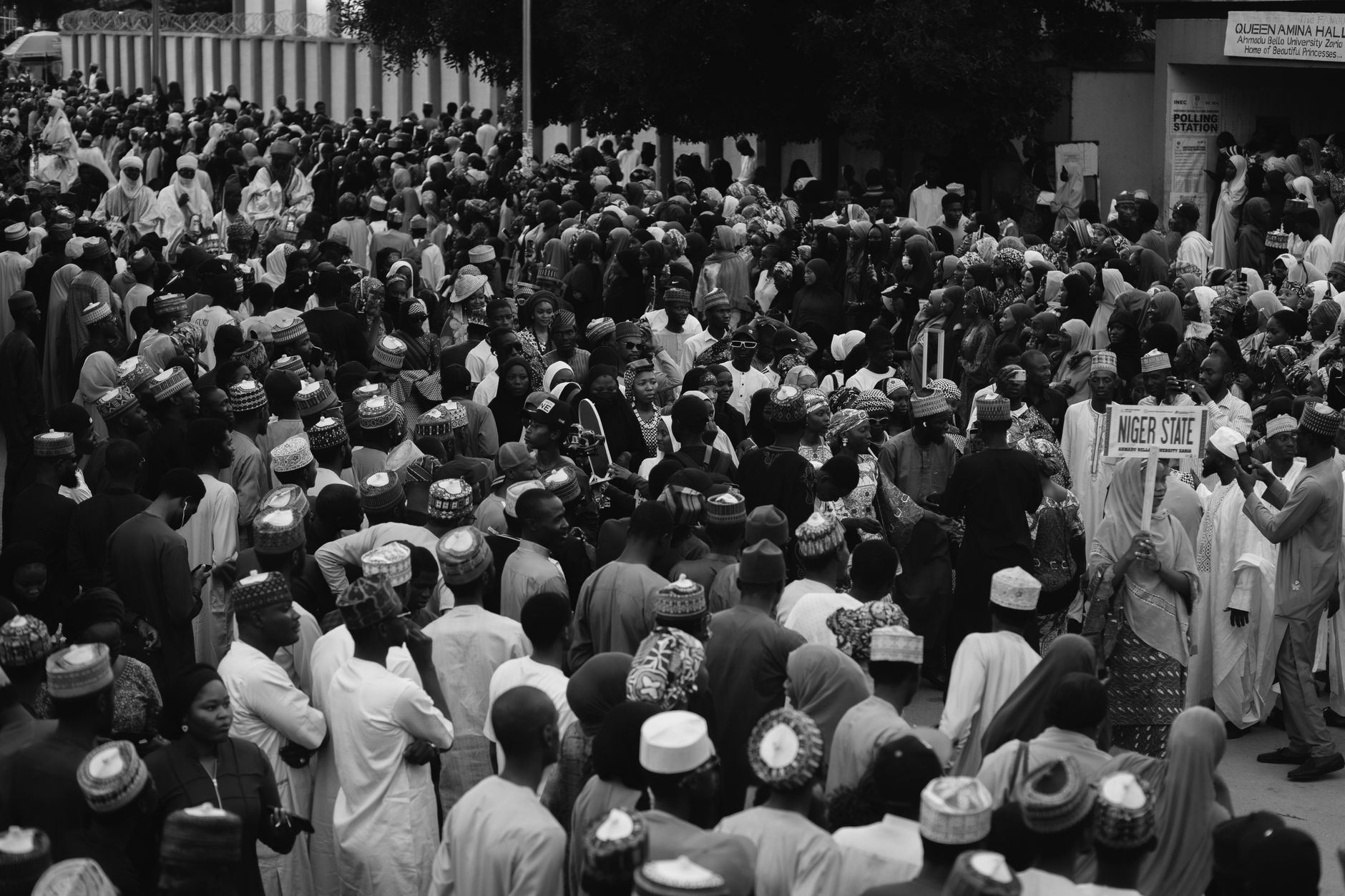
Nigeria is the most populous country in Africa, and that sheer scale shapes everything — the range of languages spoken (over 500), the spread of terrain from the mangrove creeks of the Niger Delta to the dry savanna of the far north, the depth of cultural traditions that predate European contact by centuries. The Nok people were firing terracotta sculptures here around 500 BCE. The walled city-states of Benin and Ile-Ife were producing bronze and brass work of extraordinary refinement long before colonial administrators drew their lines.

Abuja is the federal capital, purpose-built and anchored by the granite mass of Aso Rock rising 400 metres at the city's edge. Lagos, the former capital, remains the country's commercial engine and cultural centre of gravity — loud, layered, and moving at its own speed.

Good to know
Most international flights arrive into Lagos (Murtala Muhammed International) or Abuja. The dry season, November to March, is generally the easier time to travel — roads are more passable and the heat more manageable. Internal flights connect the major cities; overland distances are significant.

Deals in Nigeria

Book directly at the provider
The story

How Nigeria came to be

The name Nigeria was coined in 1897 by British journalist Flora Shaw, joining 'Niger' — the river — with a Latin suffix. The political entity it named was formalised on 1 January 1914, when Governor Sir Frederick Lugard signed the documents consolidating the Northern and Southern Protectorates into a single administration. Before that, the Royal Niger Company under Sir George Taubman Goldie had spent decades securing territory along the Niger and Benue rivers, negotiating the borders that would define the north.

Independence came on 1 October 1960, when the Union Jack came down in Lagos and the green-white-green flag went up. Nnamdi Azikiwe became the country's first president when Nigeria adopted a republican constitution in 1963. Chinua Achebe published Things Fall Apart in 1958 — two years before independence — and the novel's portrait of pre-colonial Igbo life became one of the most widely read works in African literature.

People & landmarks

Who and what shaped it

People who shaped it

Sir Frederick Lugard
Governor who consolidated Northern and Southern Protectorates on 1 January 1914, creating modern Nigeria.
Sir George Taubman Goldie
Royal Niger Company administrator who secured territories along Niger and Benue rivers and negotiated Northern Nigeria's borders in late 19th century.
Nnamdi Azikiwe
First native governor-general (1960–1963) and first president of Nigeria during First Nigerian Republic (1963–1966).
Abubakar Tafawa Balewa
First federal prime minister, took office 1957 and continued after independence in 1960.
Chinua Achebe
Author of Things Fall Apart (1958), seminal work in African literature portraying pre-colonial Igbo society and colonialism's impact.
Flora Shaw
British journalist who coined the name 'Nigeria' in 1897, blending 'Niger' with Latin suffix '-ia'.

Landmark buildings

Aso Rock
Granitic rock formation at edge of Abuja; stands 400 metres high, reaches 936 metres above sea level; anchors the capital.
Cathedral Church of Christ, Marina Lagos
Nigeria's oldest Anglican cathedral; foundation stone laid 1867, completed 1869.
National Arts Theatre, Iganmu Lagos
Country's main performing arts centre; completed 1976; features 5,000-seat main hall and facilities for eight-language translation.
Tafawa Balewa Square, Lagos
Ceremonial ground built 1972 on site of Nigeria's independence celebration; named after first Prime Minister.
Nigerian National Mosque, Abuja
Main mosque in capital city; represents Islam's institutional presence and serves as crucial community gathering space.
Zuma Rock, Madalla Niger State
Igneous rock formation standing approximately 300 metres tall; natural landmark.
Olumirin Waterfall, Erin-Ijesha Osun State
Seven-level natural waterfall with historical significance; believed discovered 1140 AD.
Walls of Benin
Ancient African engineering spanning approximately 16,000 kilometres; construction began circa 800 AD, continued until mid-15th century.
Bodija Housing Estate, Ibadan
Nigeria's first housing estate; constructed 1959.
Watch

See Nigeria in motion

Practical

Plan your visit

On the map

When to go

Nigeria has two seasons: a wet season running roughly April to October and a dry season from November to March. The south receives rain from March onward and experiences an 'August break' — a brief dry spell mid-wet-season — while the far north sees rain only from mid-May to September. Temperatures across the country generally sit between 21°C and 35°C year-round.

Right now

🌧️
25°C
Rain
Fri
⛈️
25°
22°
Sat
🌧️
27°
21°
Sun
⛈️
26°
21°
Mon
⛈️
27°
21°
Weather data: Open-Meteo

Background & history adapted from Wikipedia (CC BY-SA) · specs from Wikidata (CC0) · weather from Open-Meteo · map data © OpenStreetMap contributors · photos from Wikimedia Commons / Unsplash with per-image credit. No third-party reviews or social posts reproduced.

Top