
China
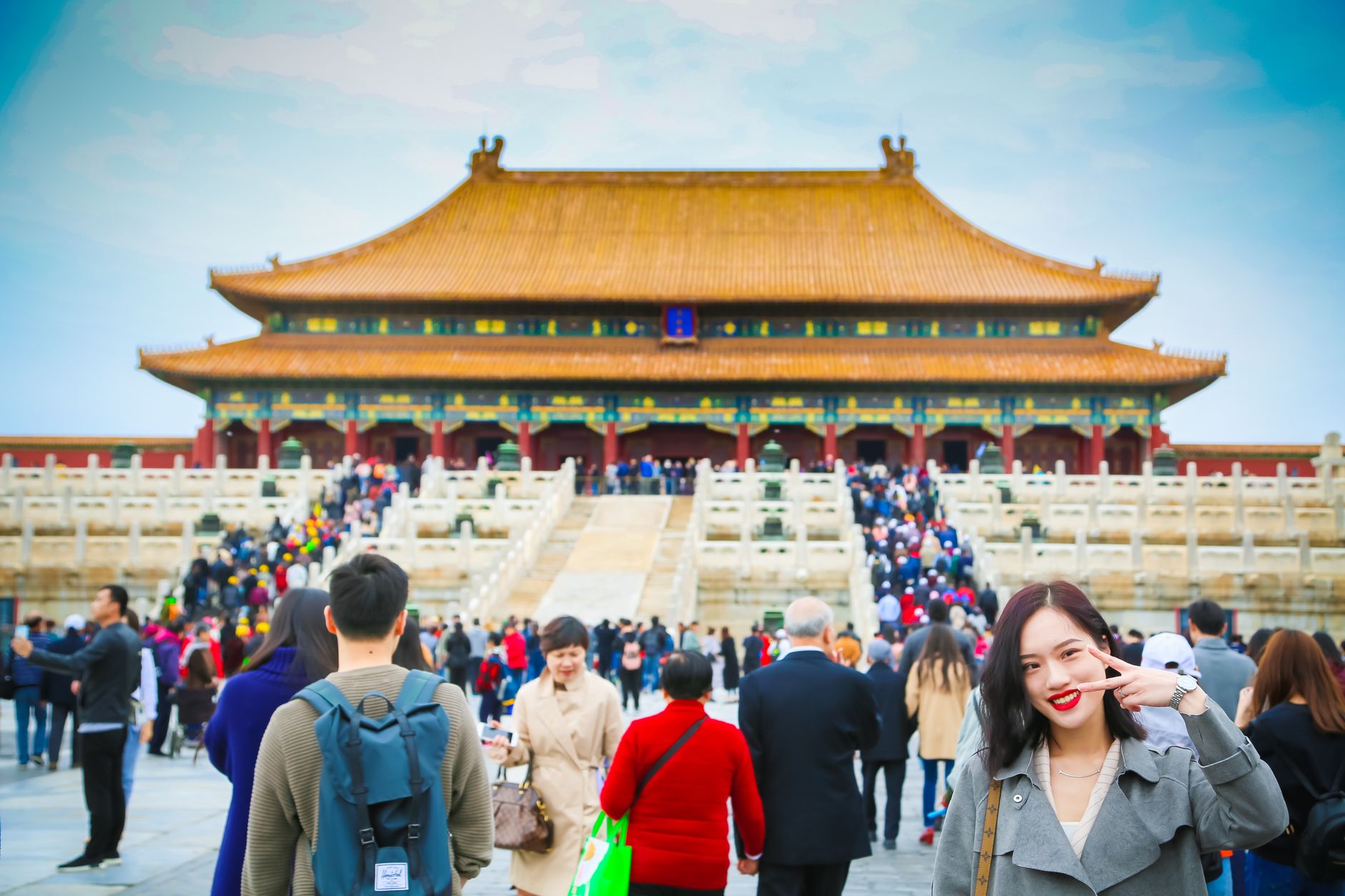
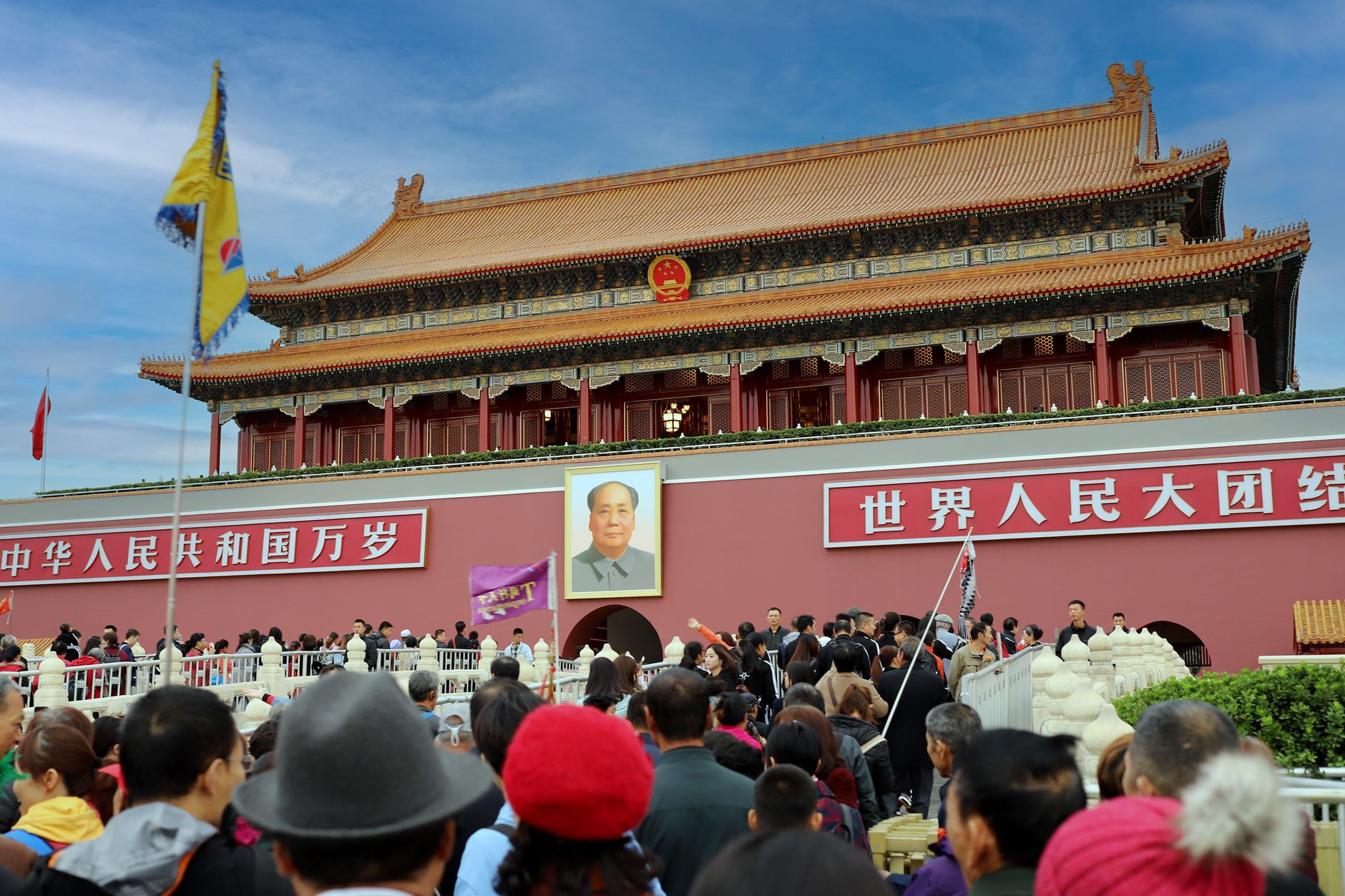
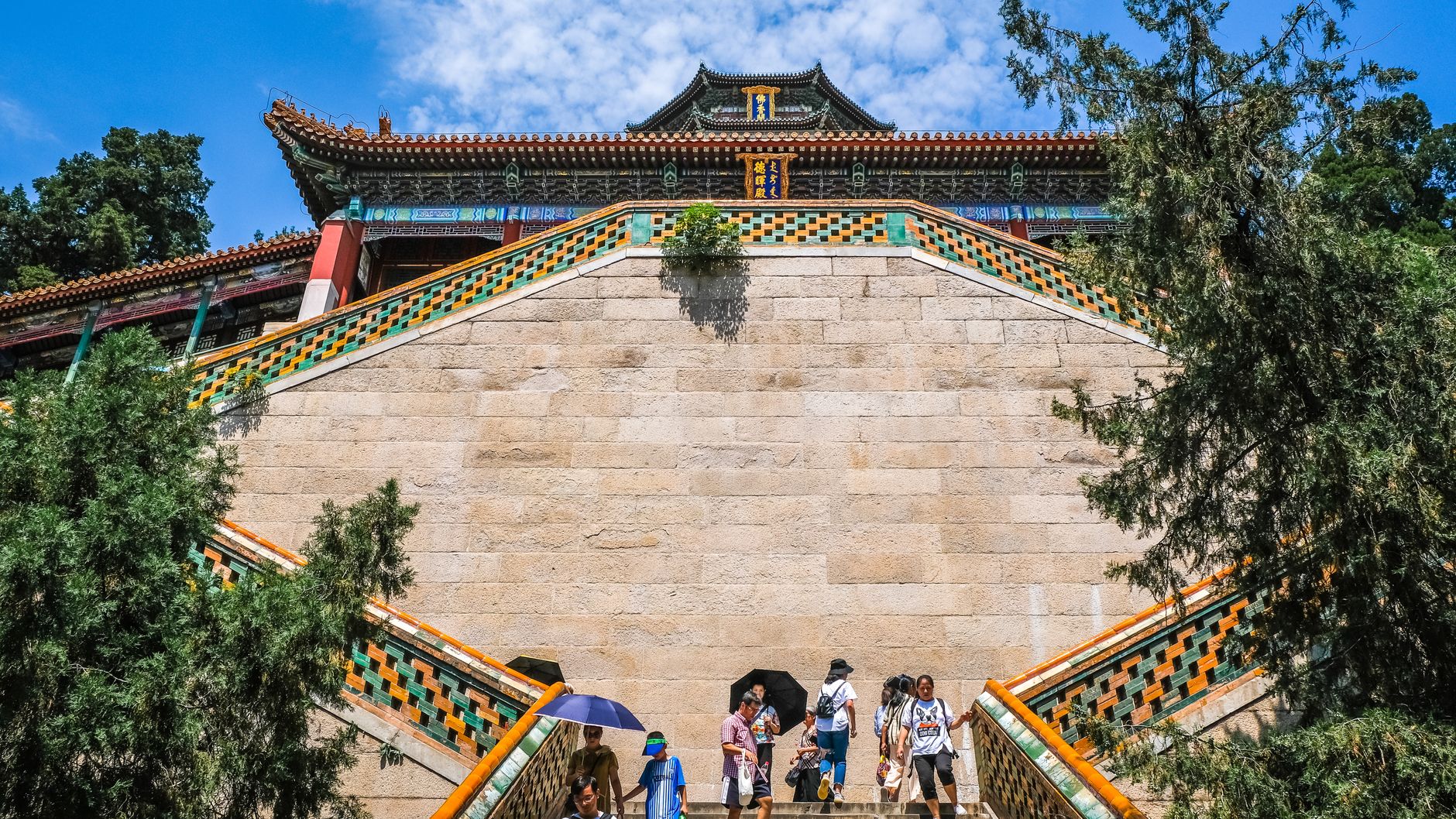
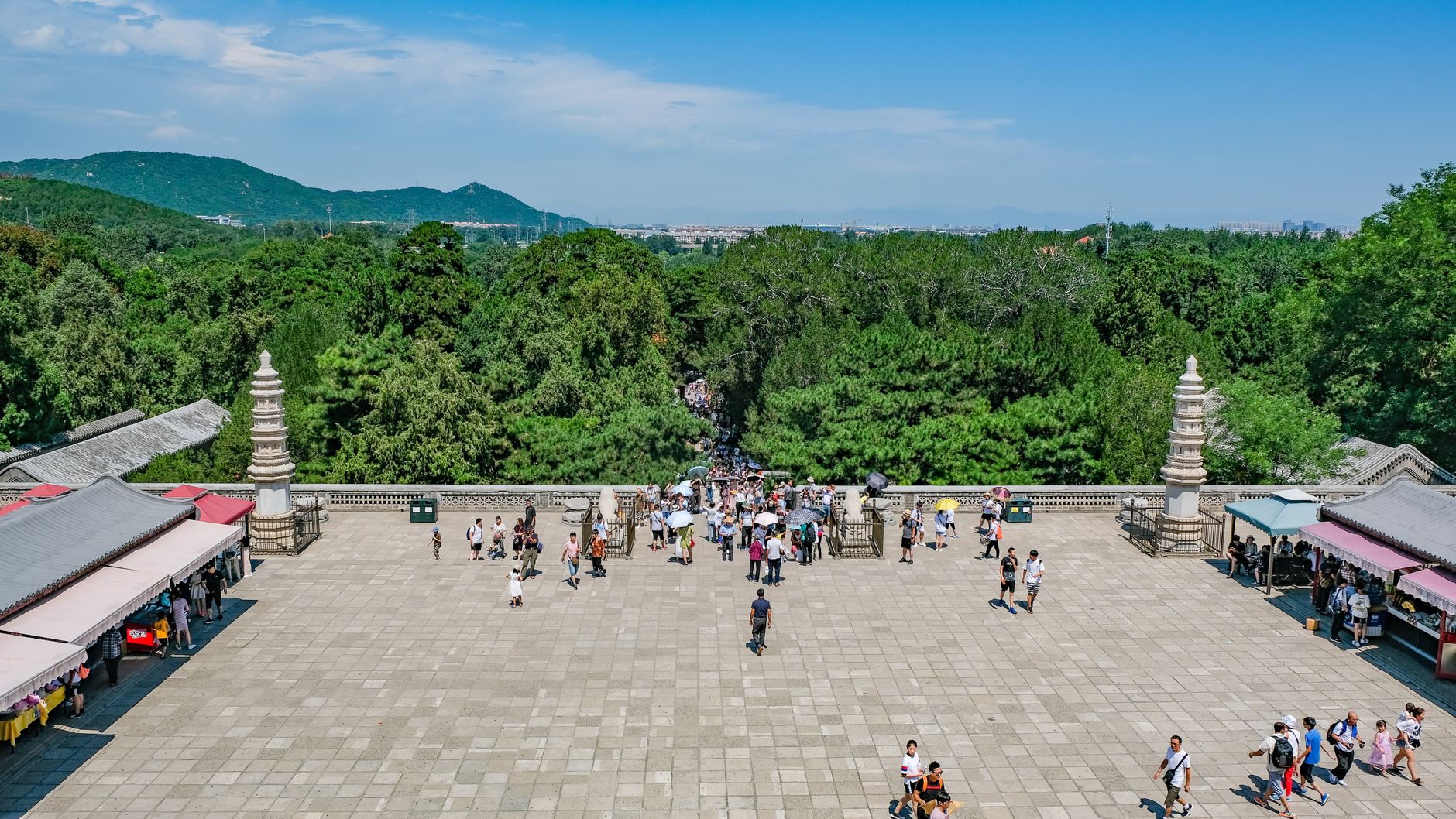
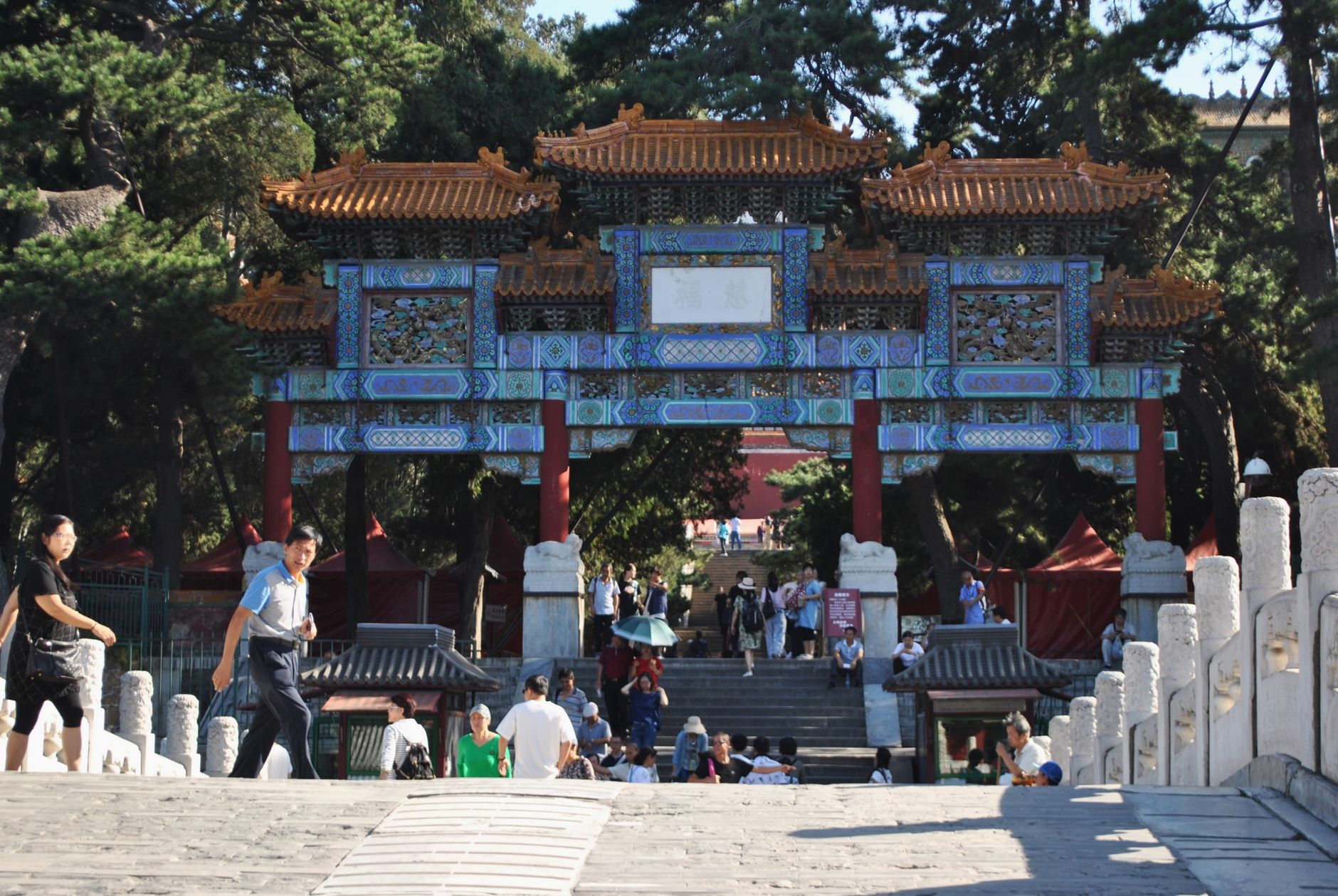
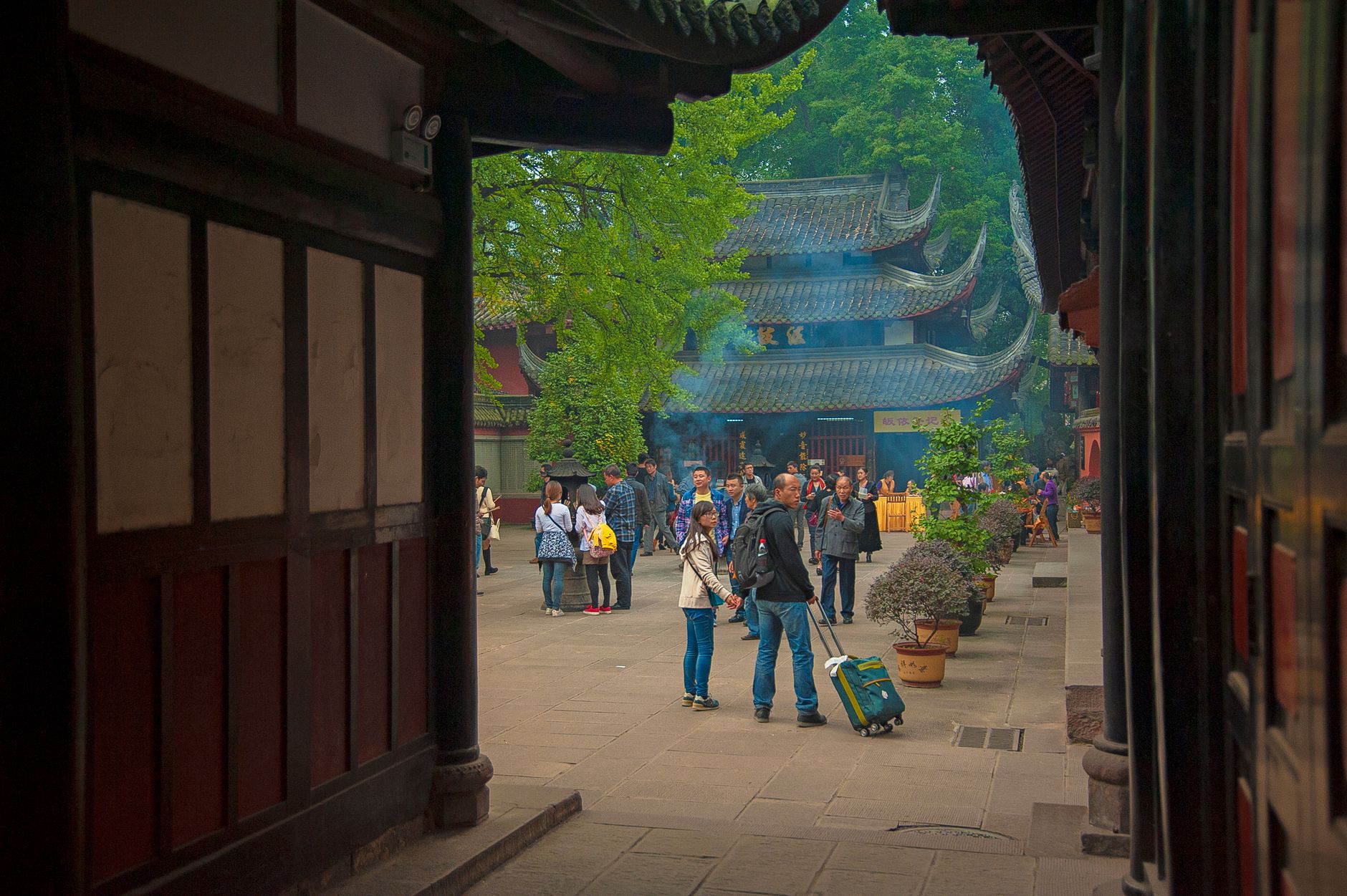
China runs from tropical coastlines in the south to subarctic steppe in the north, and the distance between those two edges is not just geographical. A single country holds the Terracotta Army's eight thousand clay soldiers standing in formation since 210 BCE, the Forbidden City's 980 buildings arranged around a single imperial axis, and a high-speed rail network that moves you between them faster than most European trains manage a short hop.
The scale takes adjustment. Cities here are genuinely large, the landscape shifts dramatically between provinces, and the sheer density of history — layered across more than two millennia of continuous civilization — rewards slowing down rather than ticking off.
Experiences you don't want to miss


Deals in China
Book directly at the provider


How China came to be
Traditional Chinese history traces its first dynasty, the Xia, to around 2070 BCE, though the earliest period with clear archaeological and written records begins later. The decisive moment of political unification came in 221 BCE, when Qin Shi Huang declared himself the first emperor and ordered the consolidation of existing walls into what would become the Great Wall. Centuries later, the Yongle Emperor moved the imperial capital to Beijing and in 1406 began construction of the Forbidden City — a walled complex that housed 24 emperors across the Ming and Qing dynasties until Puyi's abdication in 1912.
That abdication marked the founding of the Republic of China on January 1, 1912, with Sun Yat-sen as provisional president. Thirty-seven years later, at 15:00 Beijing time on October 1, 1949, Mao Zedong stood at Tiananmen Gate and announced the People's Republic of China — the political entity that governs the country today.
Who and what shaped it
People who shaped it
Landmark buildings
See China in motion
Plan your visit
On the map
When to go
Autumn, from September into early October, is the most reliable window — temperatures sit between 10°C and 22°C across most of the country, rainfall is limited, and the light is clear. Summer brings genuine heat (regularly above 30°C) and a rainy season across many regions; winter in the north is cold and dry, often below freezing, while the far south stays mild year-round.
Right now
↡ Regions




↡ Cities
No places match these filters.
Background & history adapted from Wikipedia (CC BY-SA) · specs from Wikidata (CC0) · weather from Open-Meteo · map data © OpenStreetMap contributors · photos from Wikimedia Commons / Unsplash with per-image credit. No third-party reviews or social posts reproduced.