
Zhangjiajie National Forest Park


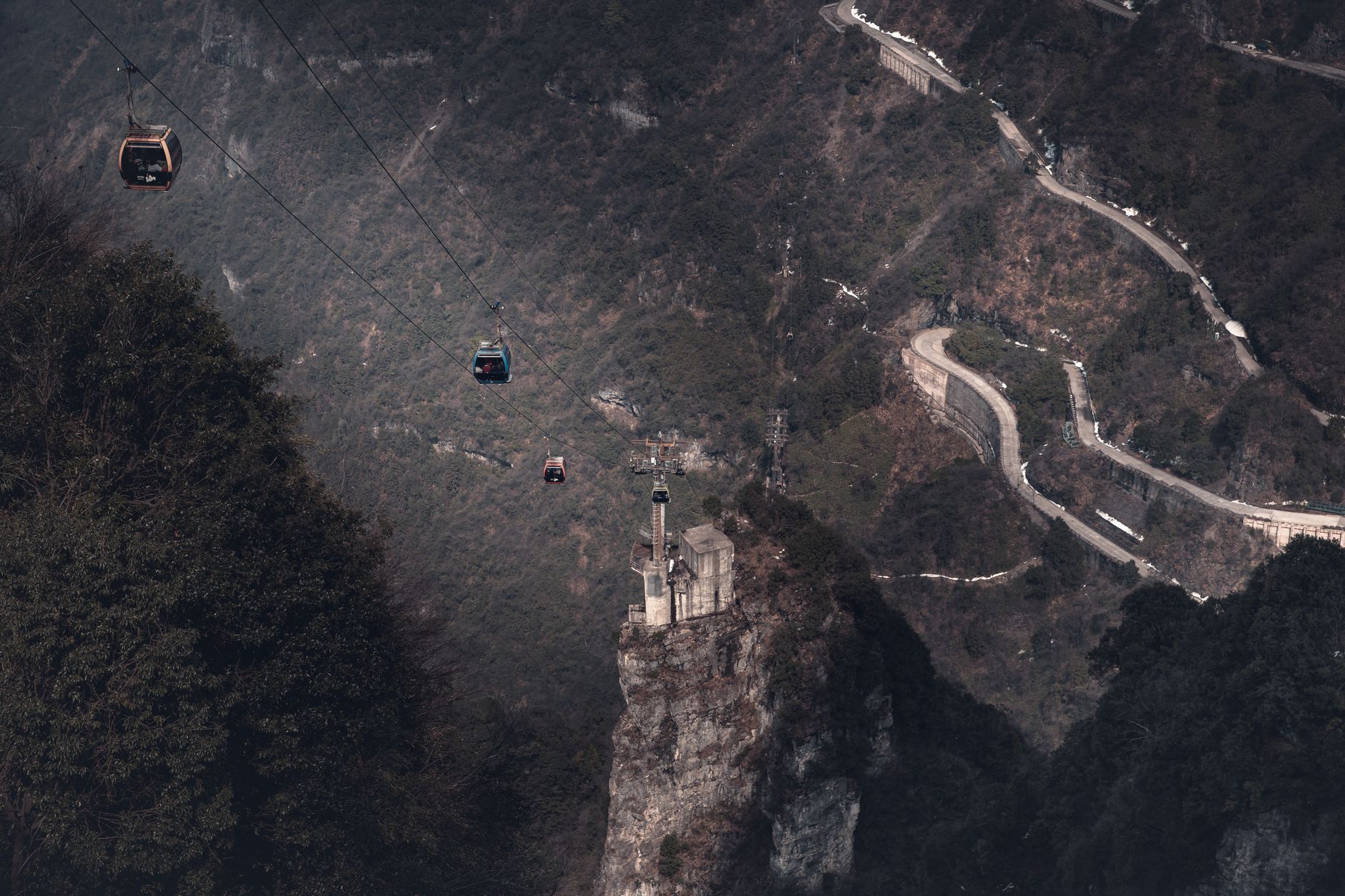
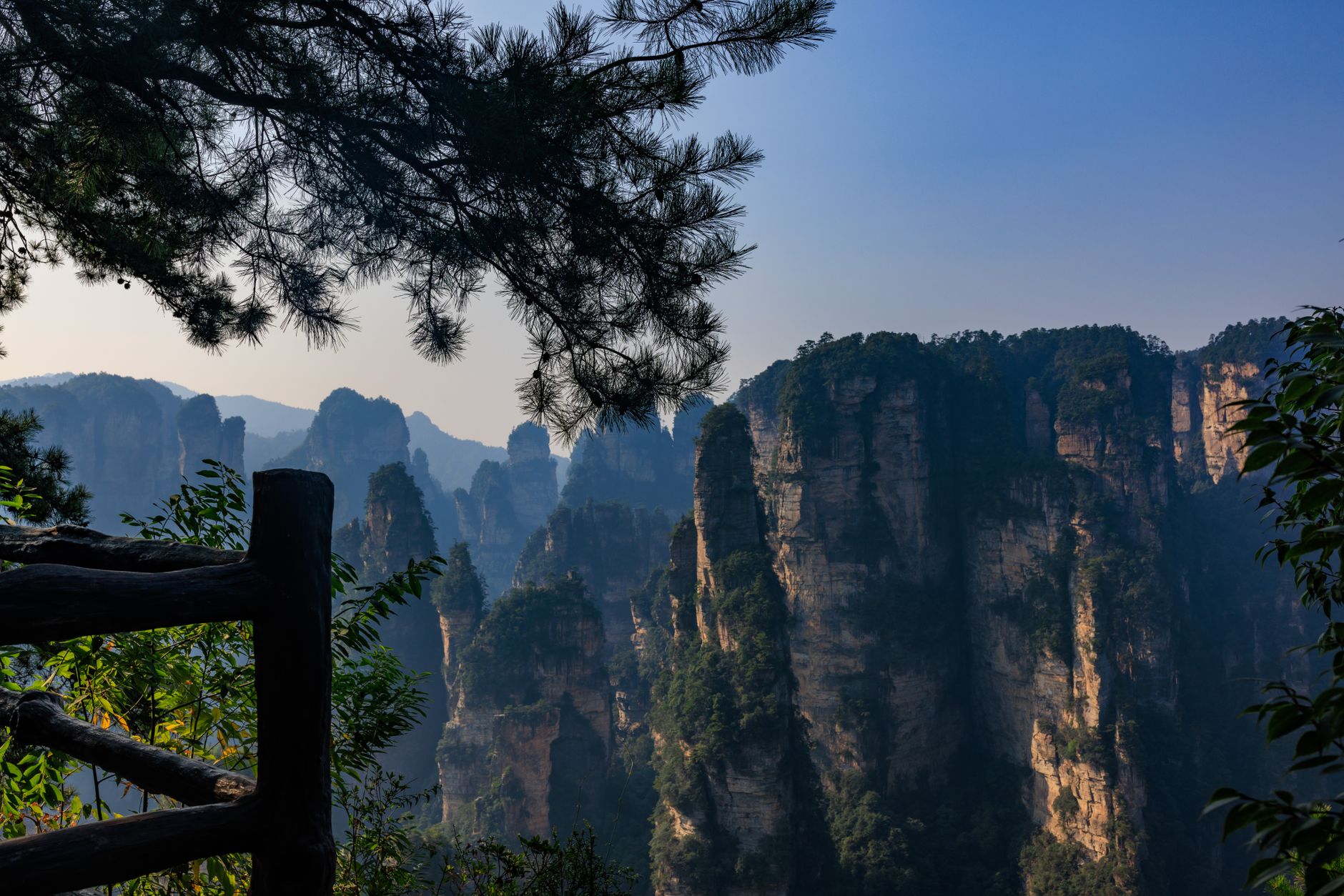


The sandstone pillars here rise so steeply — some past 200 metres — that the forest clinging to their tops seems to float. There are more than three thousand of them across the park, and no photograph quite prepares you for the scale once you're standing among them.
Zhangjiajie National Forest Park covers 4,810 hectares of Hunan province, threaded with ravines, streams and a network of trails and cable cars that let you move between the forest floor and the ridge-top plateaus. The Tujia people have lived in this landscape for thousands of years. The geology that shaped it — fractured quartz sandstone slowly carved by water and wind — is old enough to make human timelines feel like a footnote.
💛 What travellers fall for
People who come back tend to say the same thing: go early to Yuanjiajie before the tour groups arrive, and walk at least part of Golden Whip Stream rather than taking the monorail the whole way. The mist moves differently at dawn. Pack layers regardless of the season — the ridge-top temperature drops fast once the sun dips.
How Zhangjiajie National Forest Park came to be
In 1982, China designated Zhangjiajie its first national forest park — a category that didn't exist in the country until that moment. The park sits inside the larger Wulingyuan scenic area, which UNESCO added to its World Heritage list in 1992, citing the exceptional concentration of quartzite sandstone pillars as a landscape of outstanding universal value.
In 2001 the Ministry of Land and Resources recognised the surrounding 3,600 square kilometres as a national geopark, and UNESCO followed with global geopark status in 2004. The infrastructure that now carries millions of visitors each year — including the Bailong Elevator, the tallest outdoor lift on earth — arrived gradually after those designations, reshaping how the park is experienced without altering the stone itself.
Who and what shaped it
Landmark buildings
See Zhangjiajie National Forest Park in motion
Plan your visit
On the map
When to go
Rain and mist settle over the park for more than 200 days a year, which is part of what gives the pillars their atmosphere — but it also means a waterproof layer is worth carrying in any season. Spring (March–May) and autumn bring the most photogenic light; summer is warm and crowded; winter is quieter and occasionally dusted with snow on the higher ridges.
Right now
Background & history adapted from Wikipedia (CC BY-SA) · specs from Wikidata (CC0) · weather from Open-Meteo · map data © OpenStreetMap contributors · photos from Wikimedia Commons / Unsplash with per-image credit. No third-party reviews or social posts reproduced.