
Mauritius
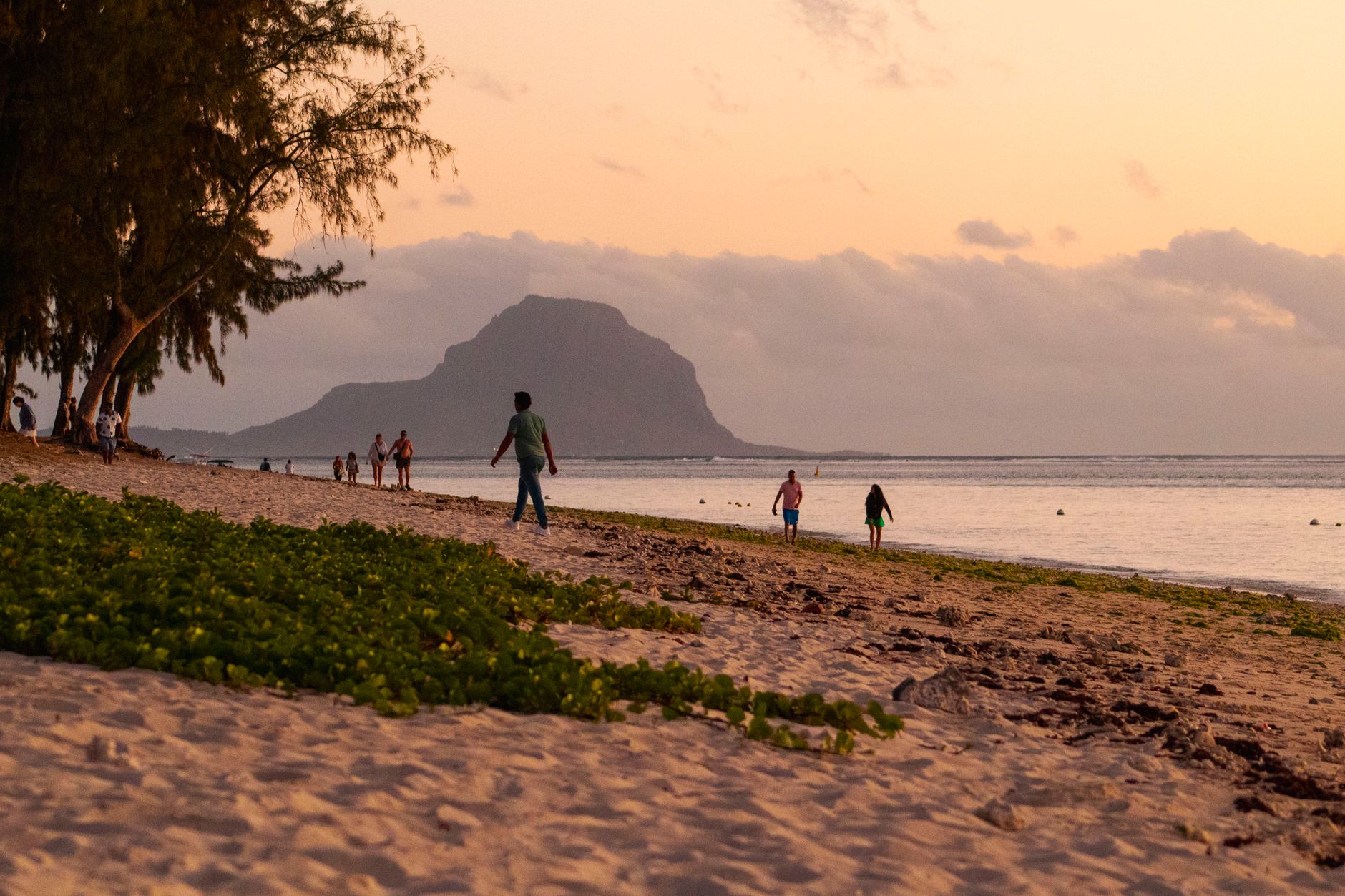
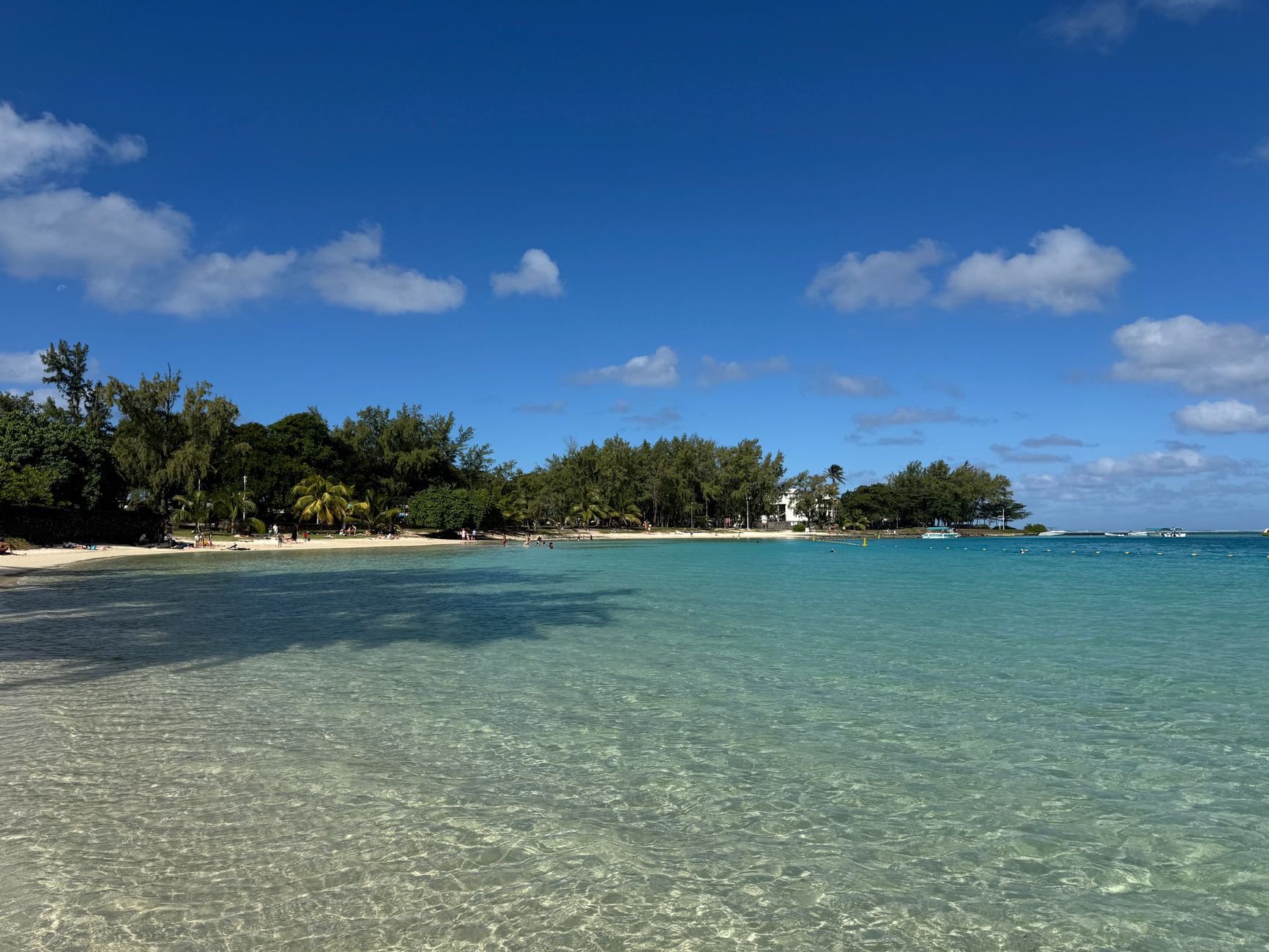
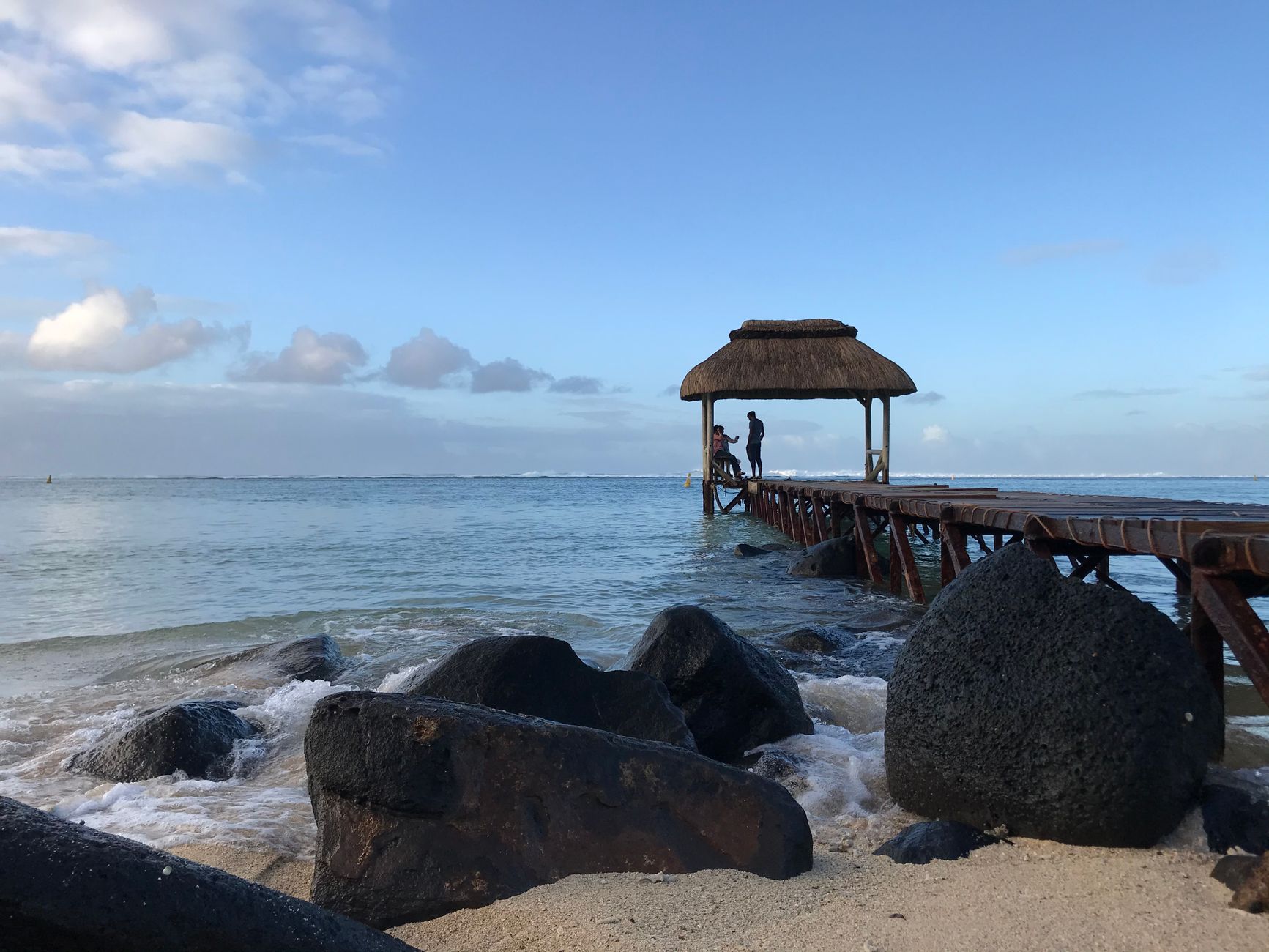
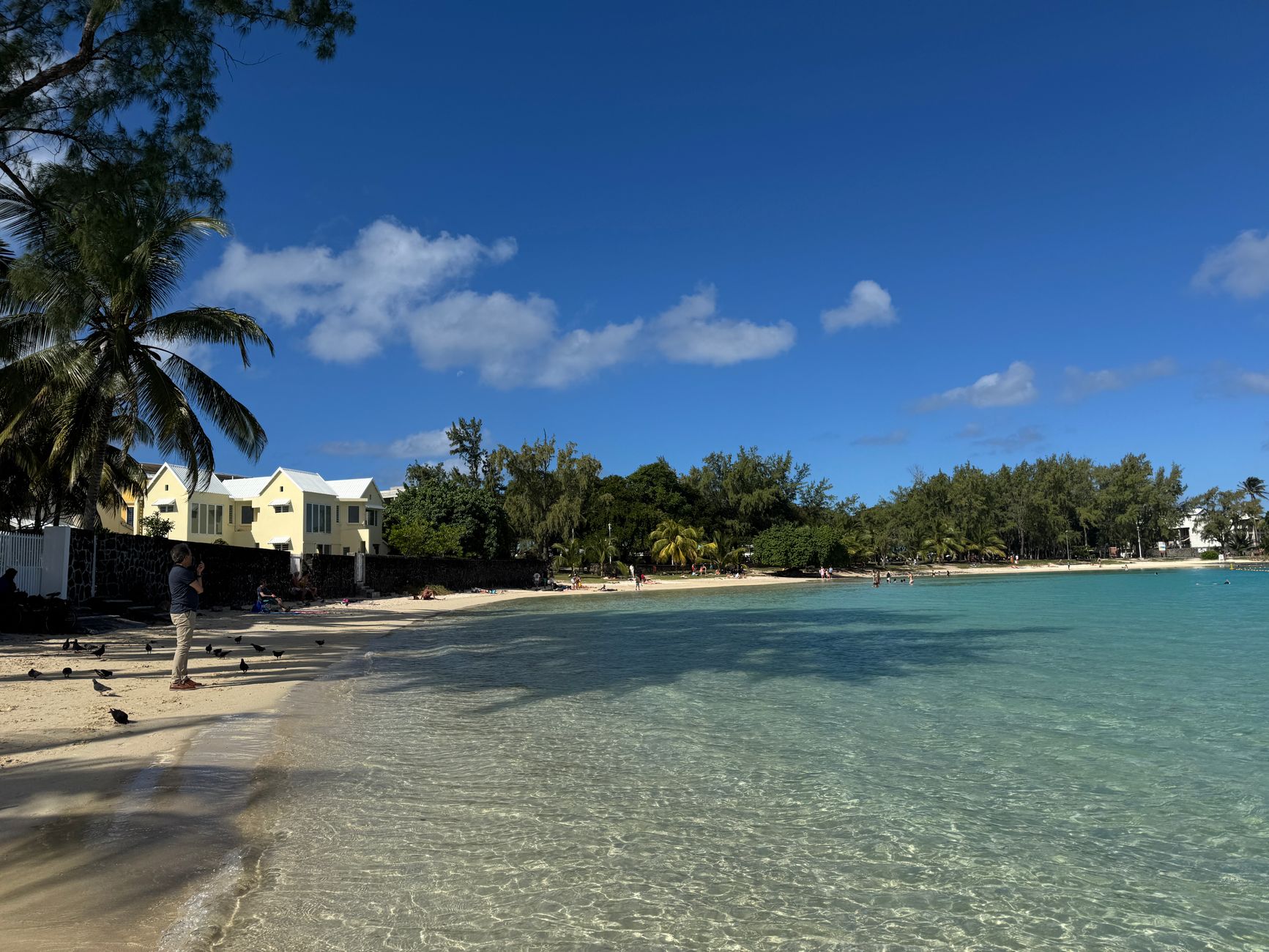
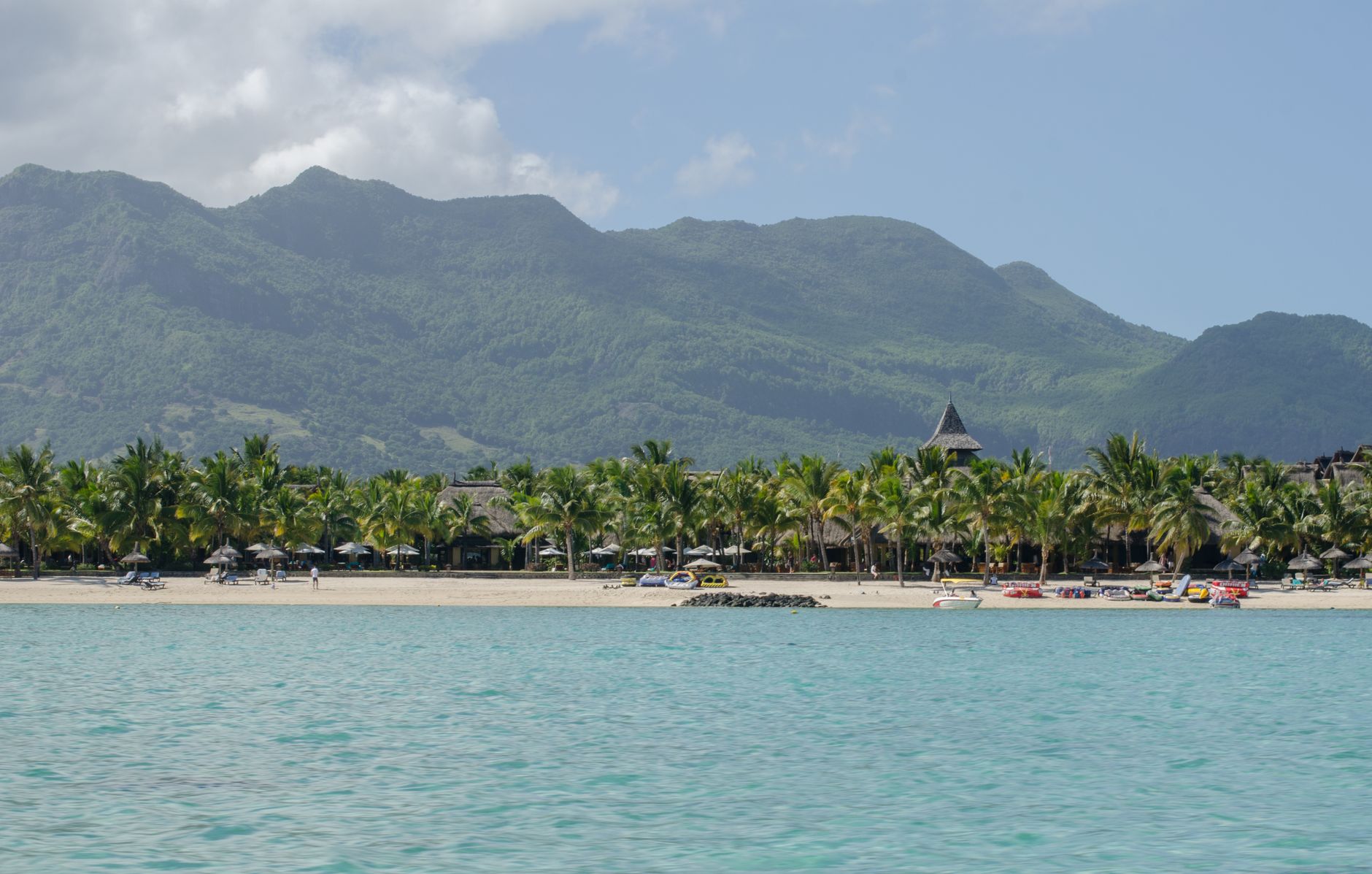
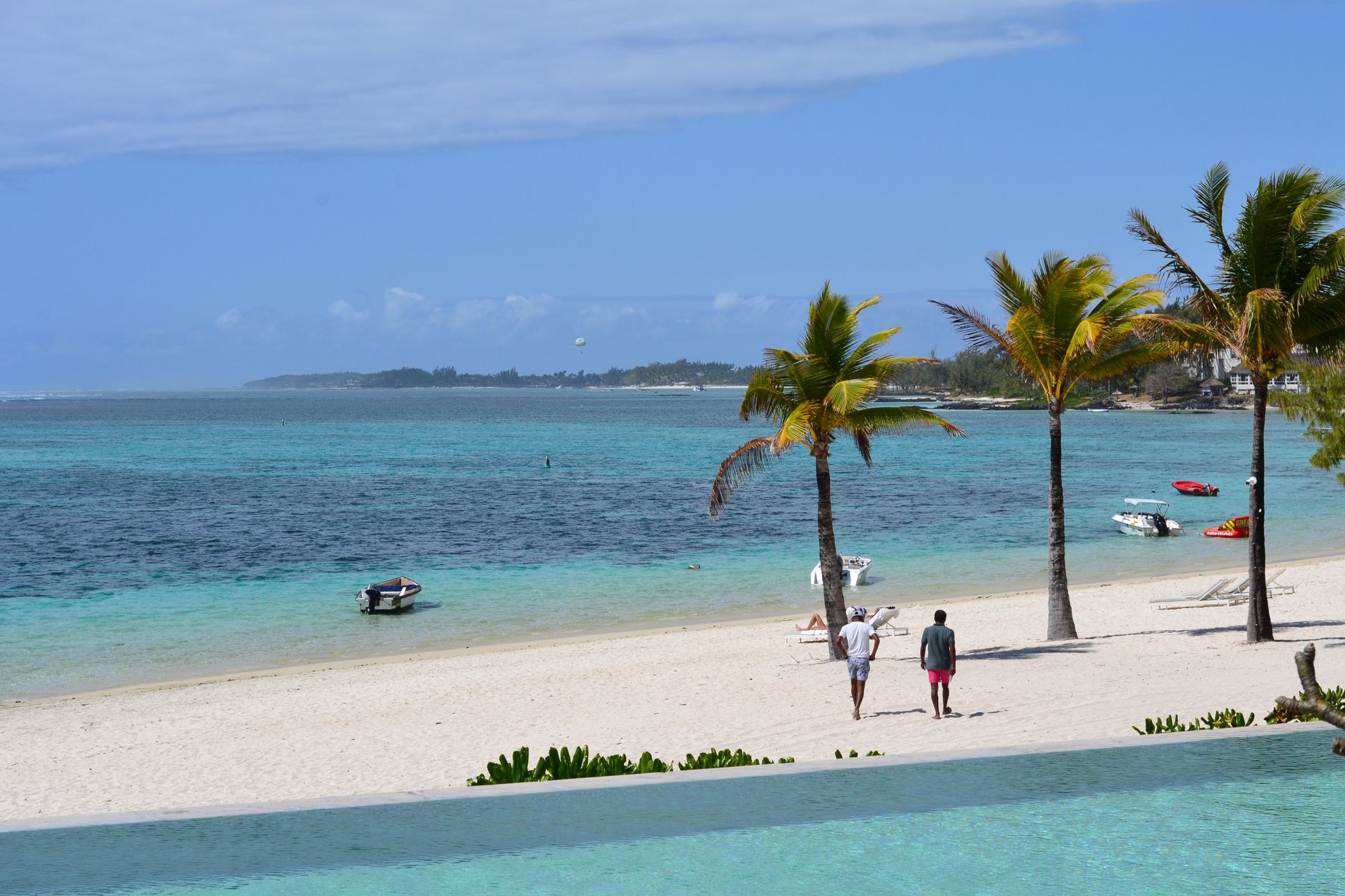
Mauritius sits alone in the Indian Ocean, roughly 2,000 kilometres off the east coast of Africa, and its isolation is part of what shaped it so distinctly. The island was uninhabited when the first settlers arrived, which means everything here — the sugarcane fields, the Creole architecture, the layered population — was built from scratch by people who came from somewhere else, willingly or not.
What you find now is a place where French, British, Indian, African and Chinese histories have been running alongside each other long enough to produce something that belongs to none of those origins alone. The food, the languages, the religious festivals — they overlap in ways that take a few days to start reading properly.
Deals in Mauritius
Book directly at the provider

How Mauritius came to be
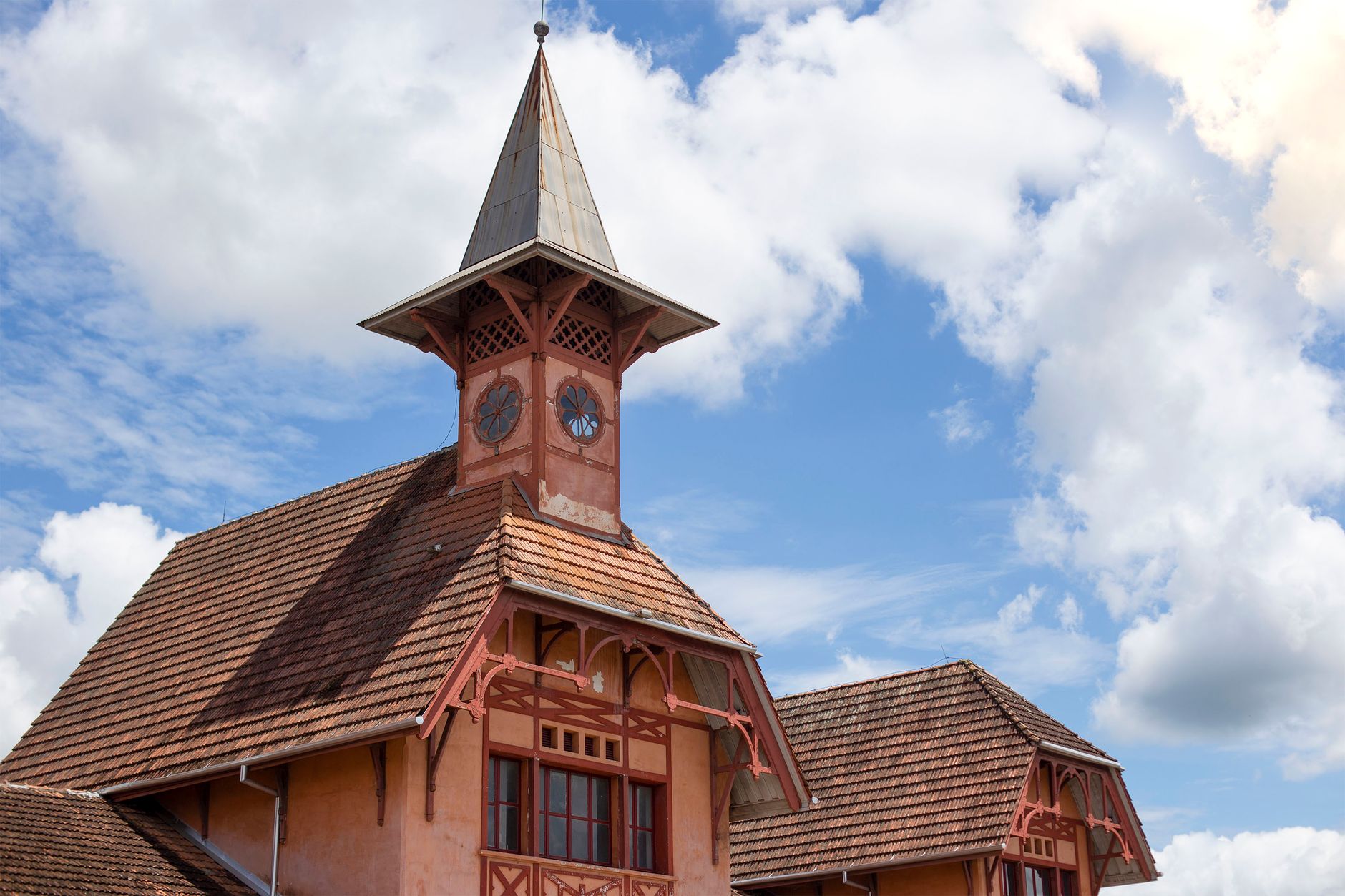
No one lived here permanently until the Dutch arrived in 1598, naming the island after Maurice of Nassau. They made two attempts at settlement — 1638 to 1658, then 1664 to 1710 — before giving up and leaving it to pirates. The French East India Company moved in by 1721, renaming it Île de France, and it was under French rule that the island's character began to form. Governor Bertrand Mahé de Labourdonnais, appointed in 1738, built the roads, hospitals and warehouses that gave Port Louis its bones. Sugar became the economic engine, worked by enslaved people brought from Africa.
Britain took the island in 1810 during the Napoleonic Wars. When slavery was abolished in 1835, plantation owners turned to indentured labourers — first from China, Madagascar and Africa, then overwhelmingly from India. Aapravasi Ghat in Port Louis, now a UNESCO World Heritage Site, was the processing point for those arrivals. Independence came on 12 March 1968, with Sir Seewoosagur Ramgoolam as the country's first Prime Minister. Mauritius became a republic in 1992.
Who and what shaped it
People who shaped it
Landmark buildings
See Mauritius in motion
Plan your visit
On the map
When to go
The dry season, May to November, keeps temperatures in the low-to-mid twenties Celsius with reliable sunshine and manageable humidity. The wet season, December to April, is hotter and stickier, and cyclones — while not guaranteed — are a real possibility between January and March.
Right now
Background & history adapted from Wikipedia (CC BY-SA) · specs from Wikidata (CC0) · weather from Open-Meteo · map data © OpenStreetMap contributors · photos from Wikimedia Commons / Unsplash with per-image credit. No third-party reviews or social posts reproduced.