Country

Egypt

Egypt
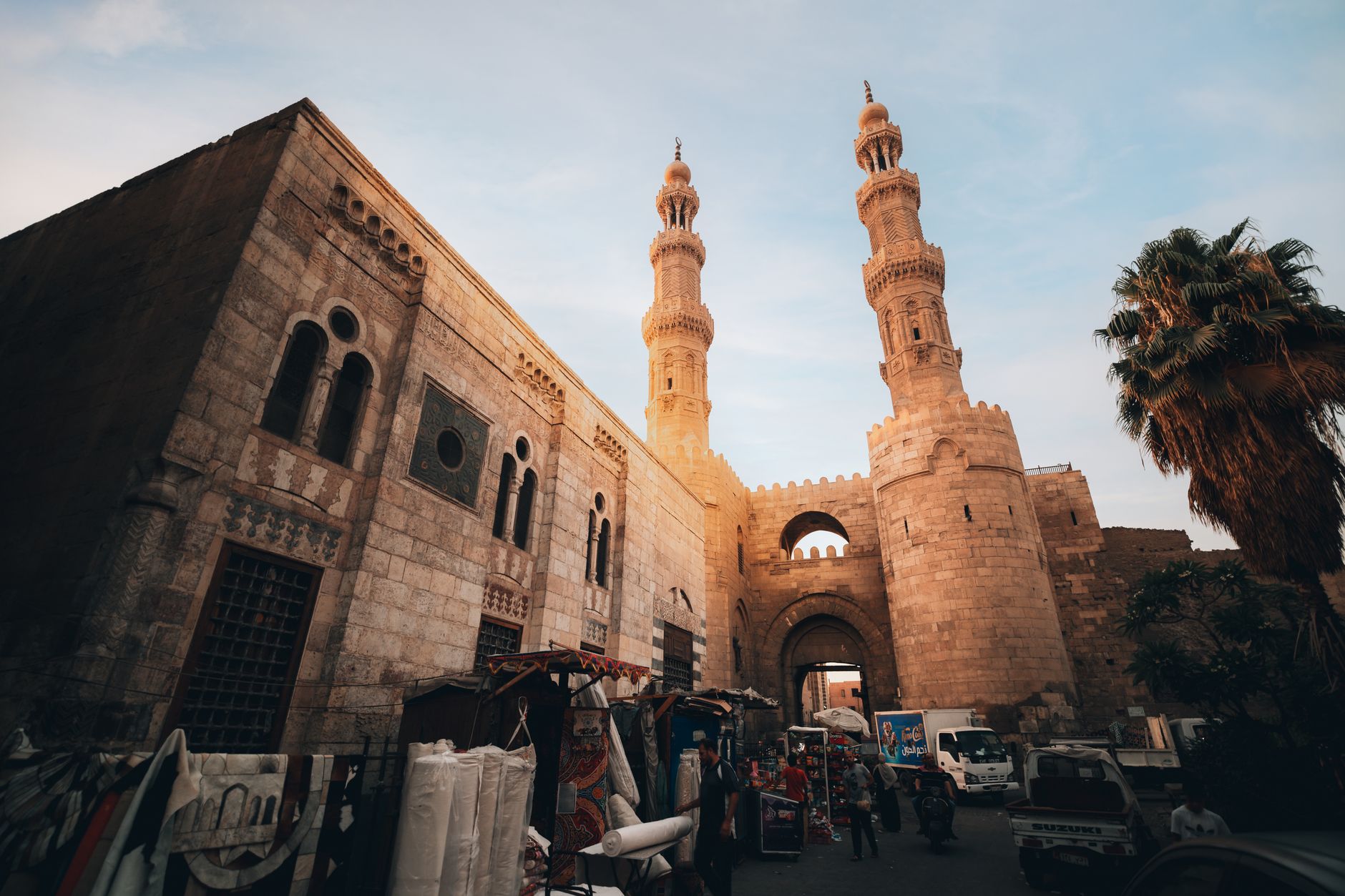
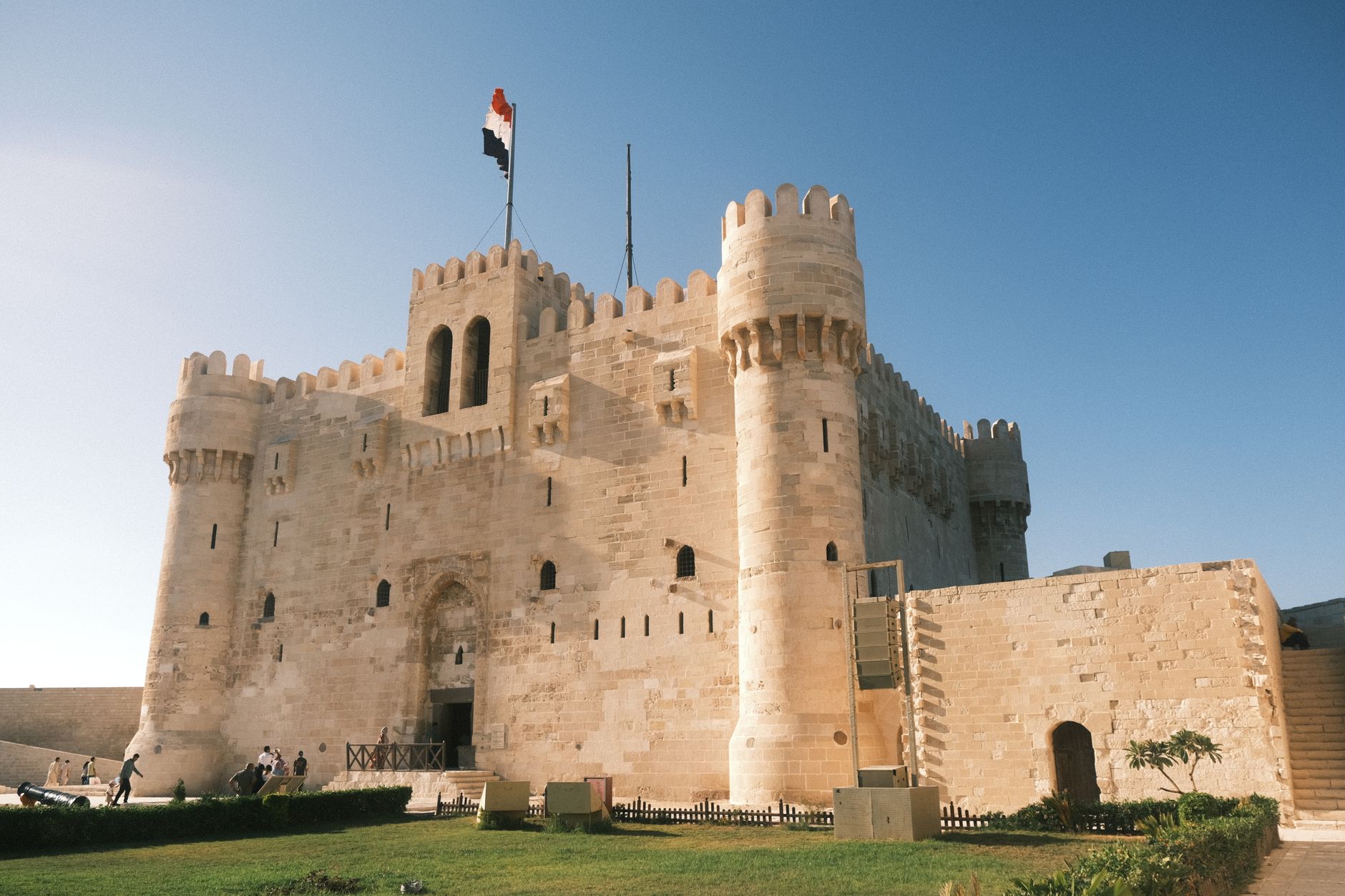
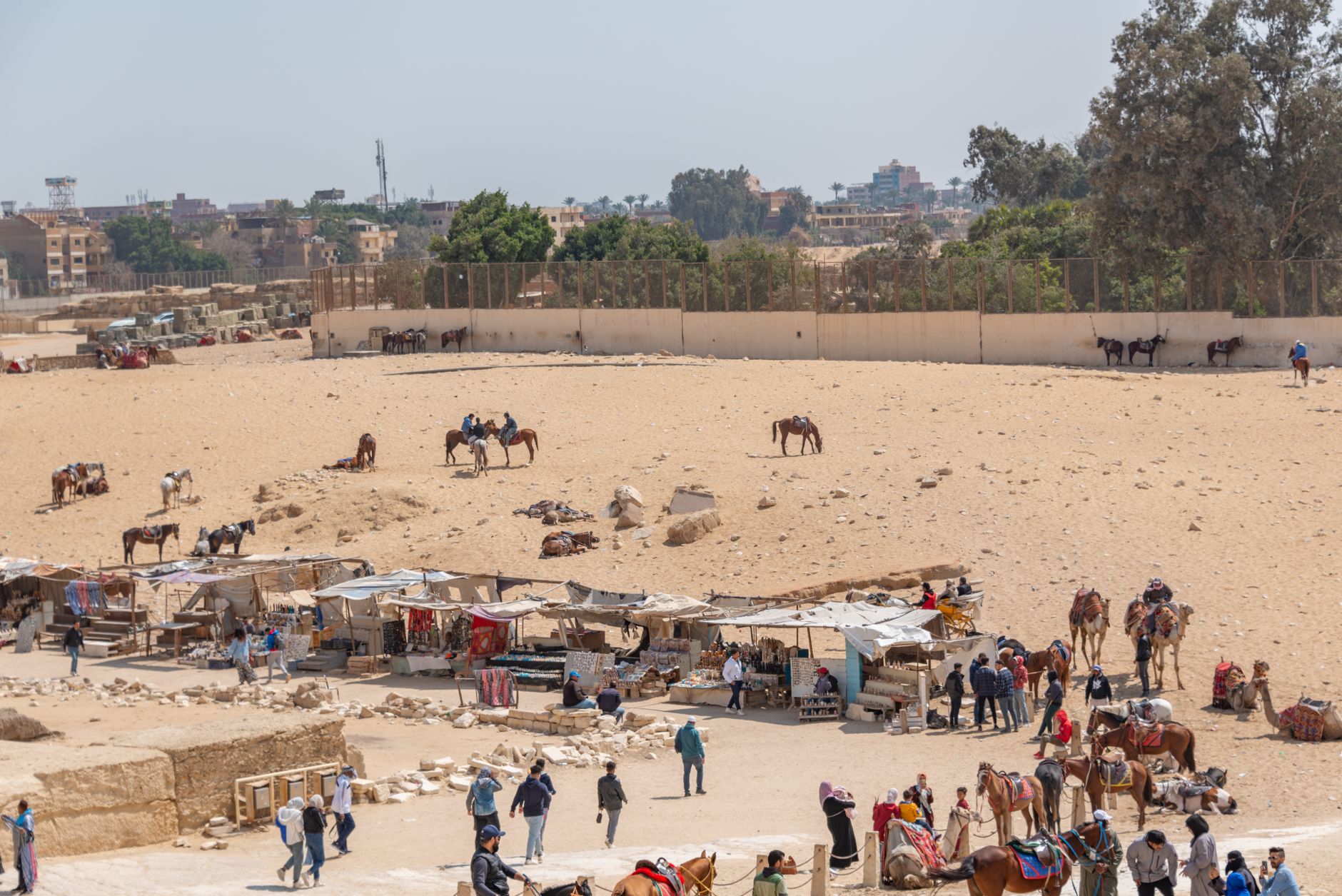
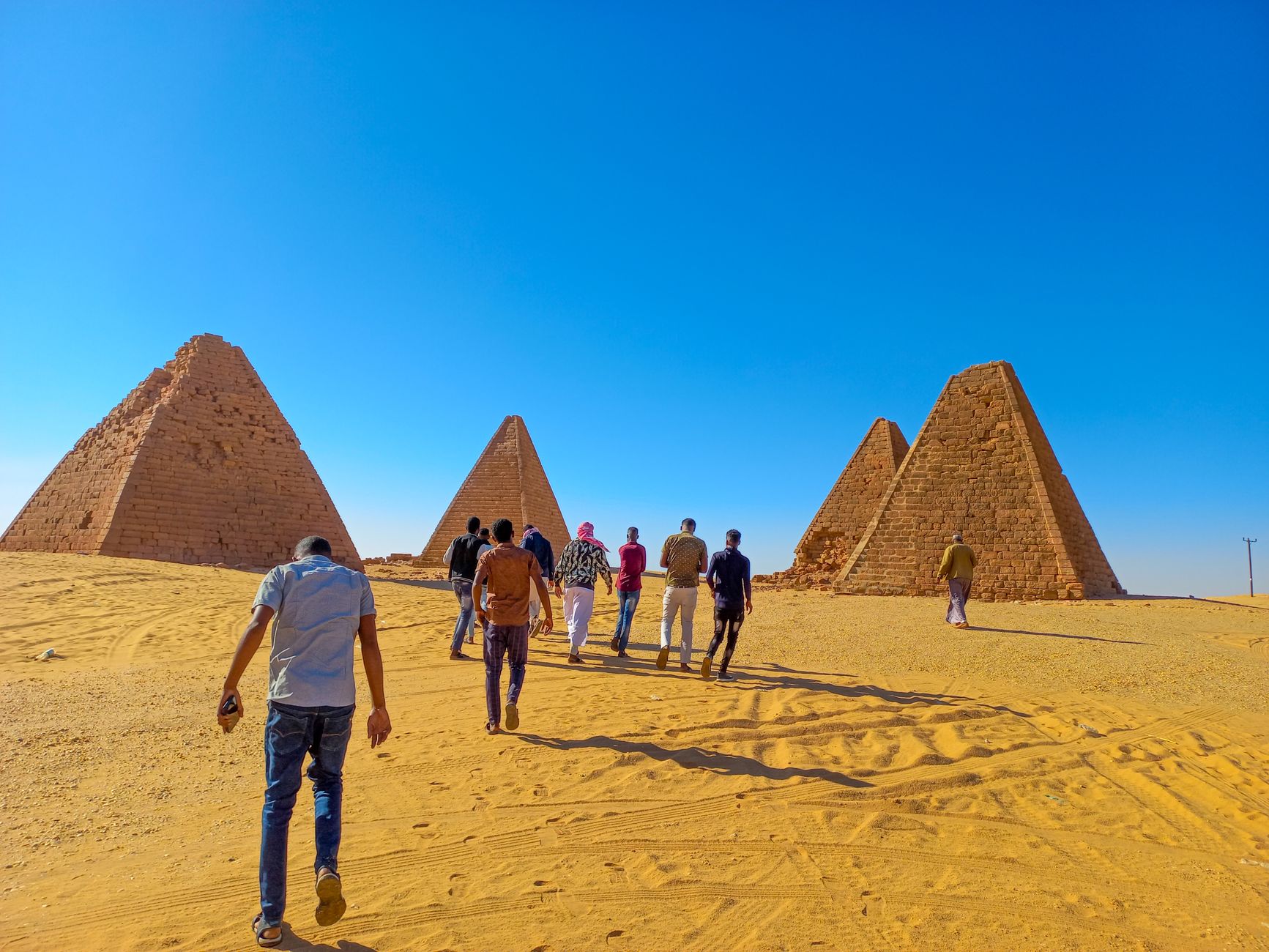
Photo by Diego F. Parra on Pexels
Egypt
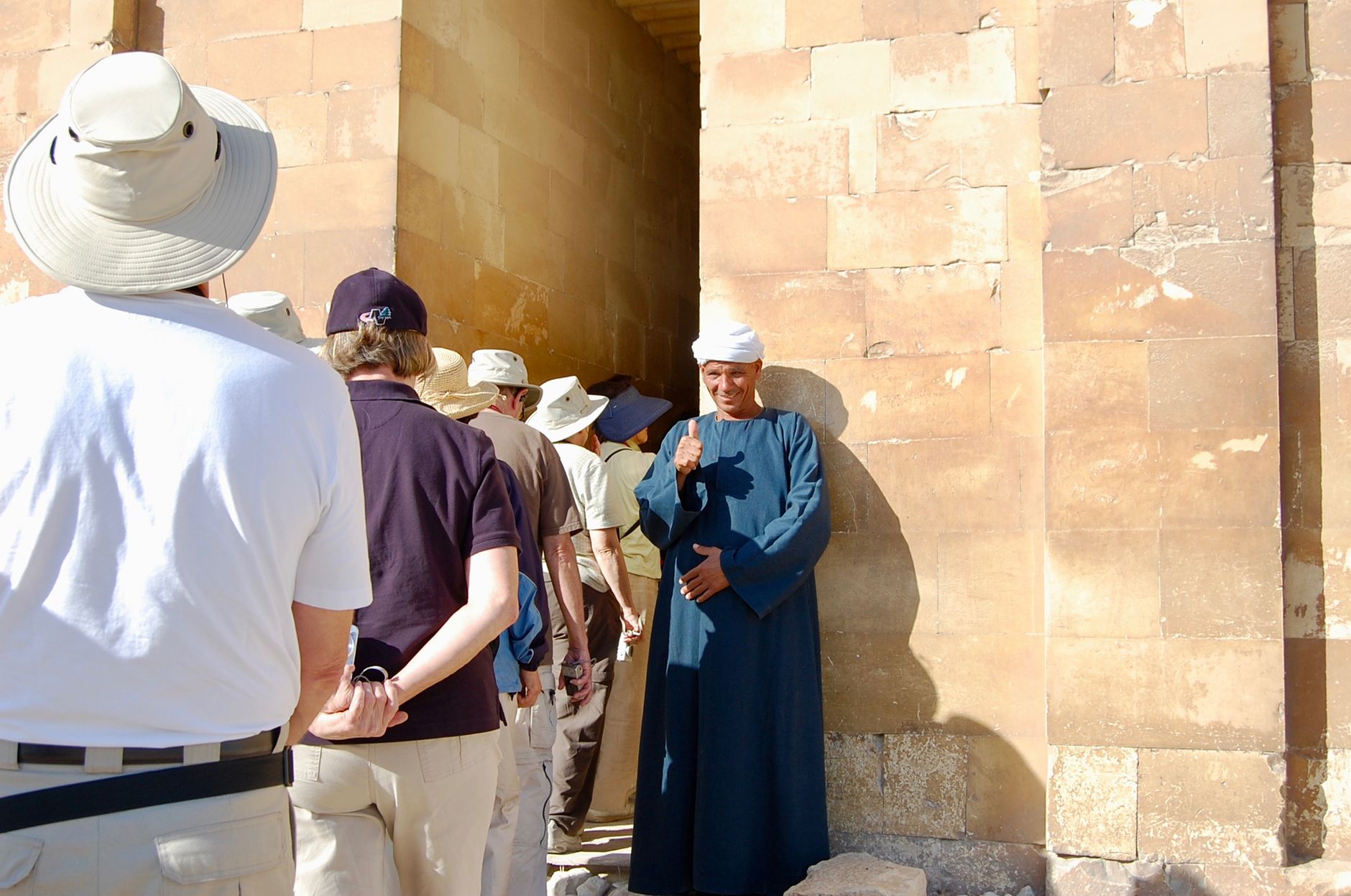
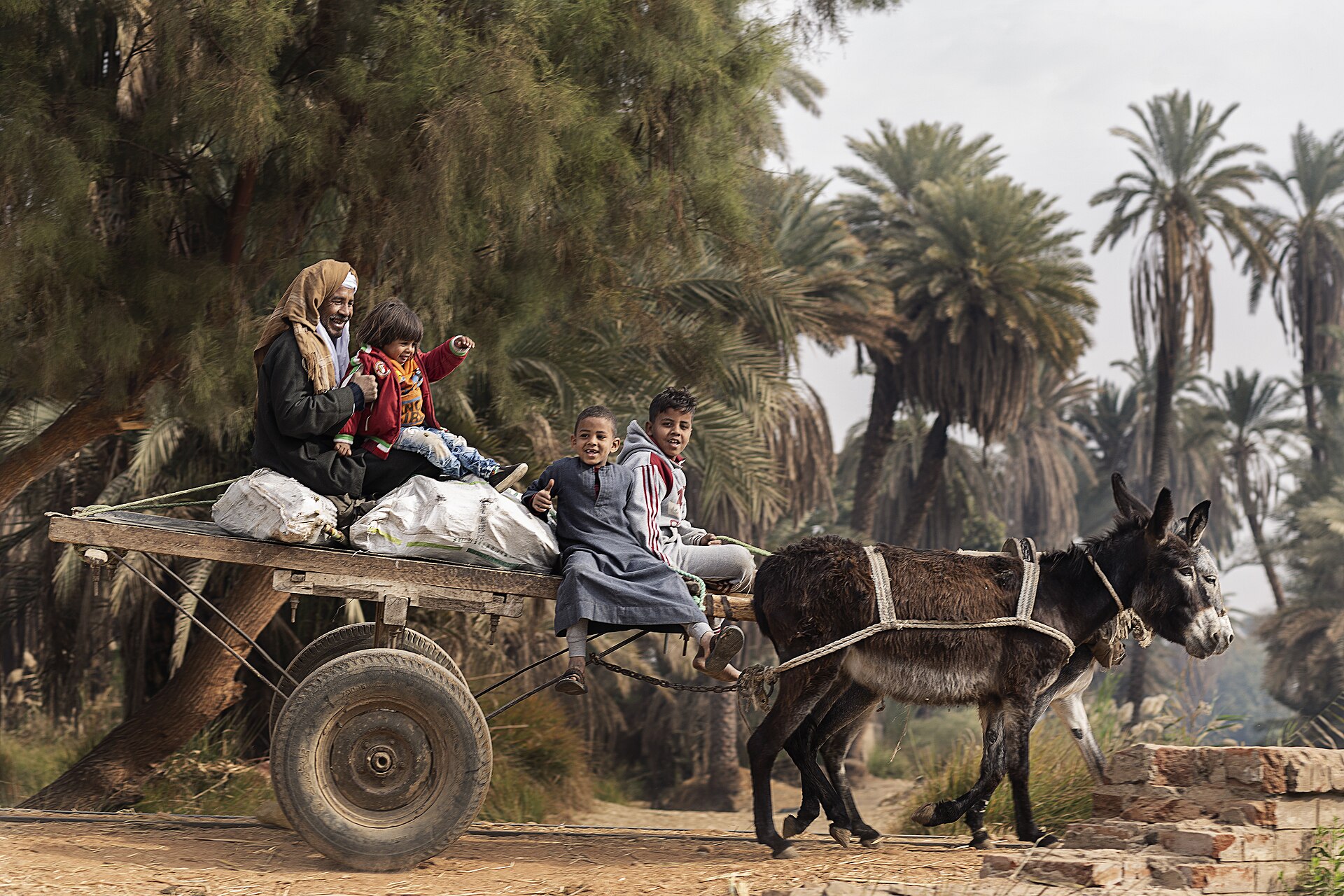
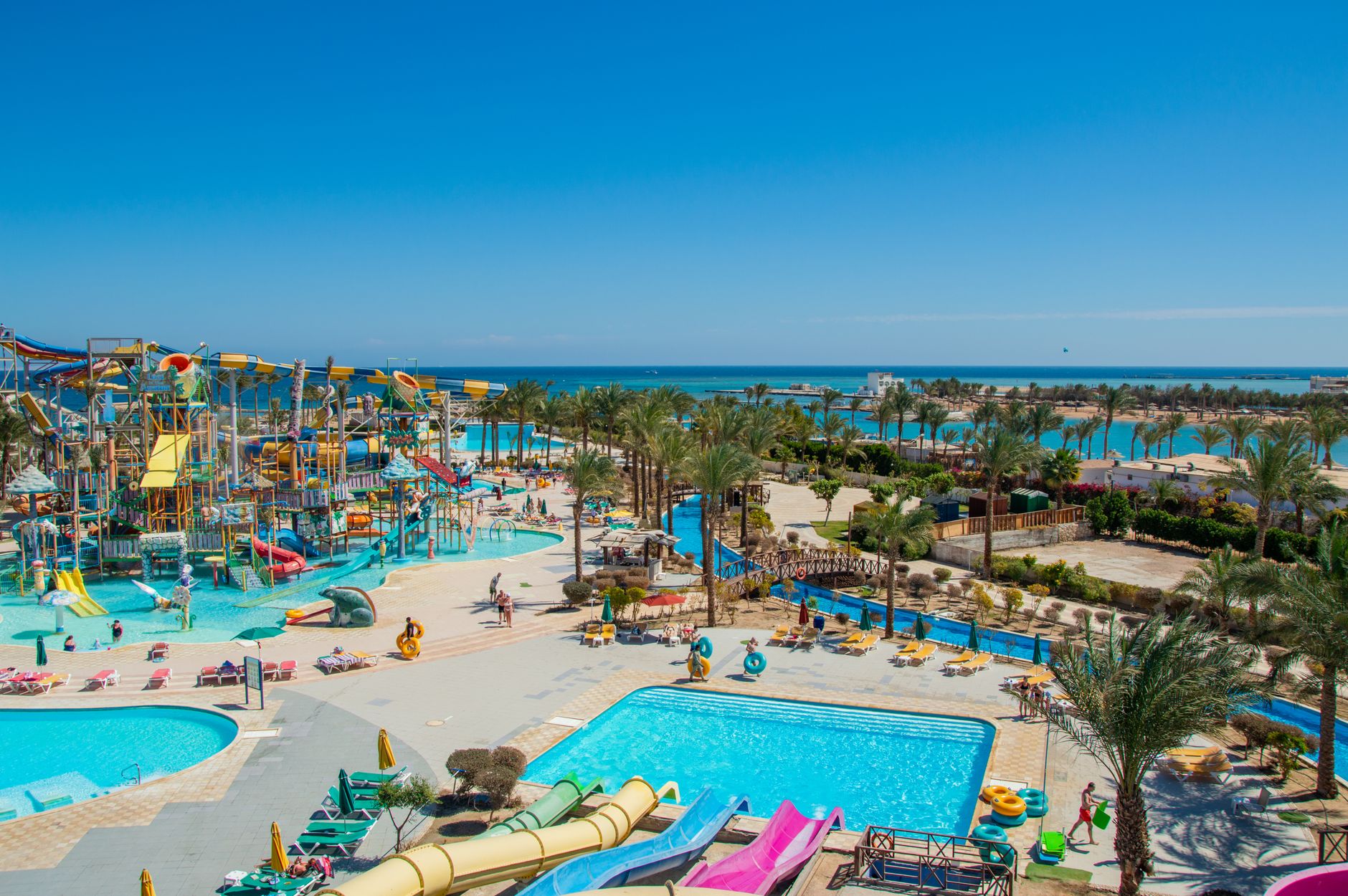
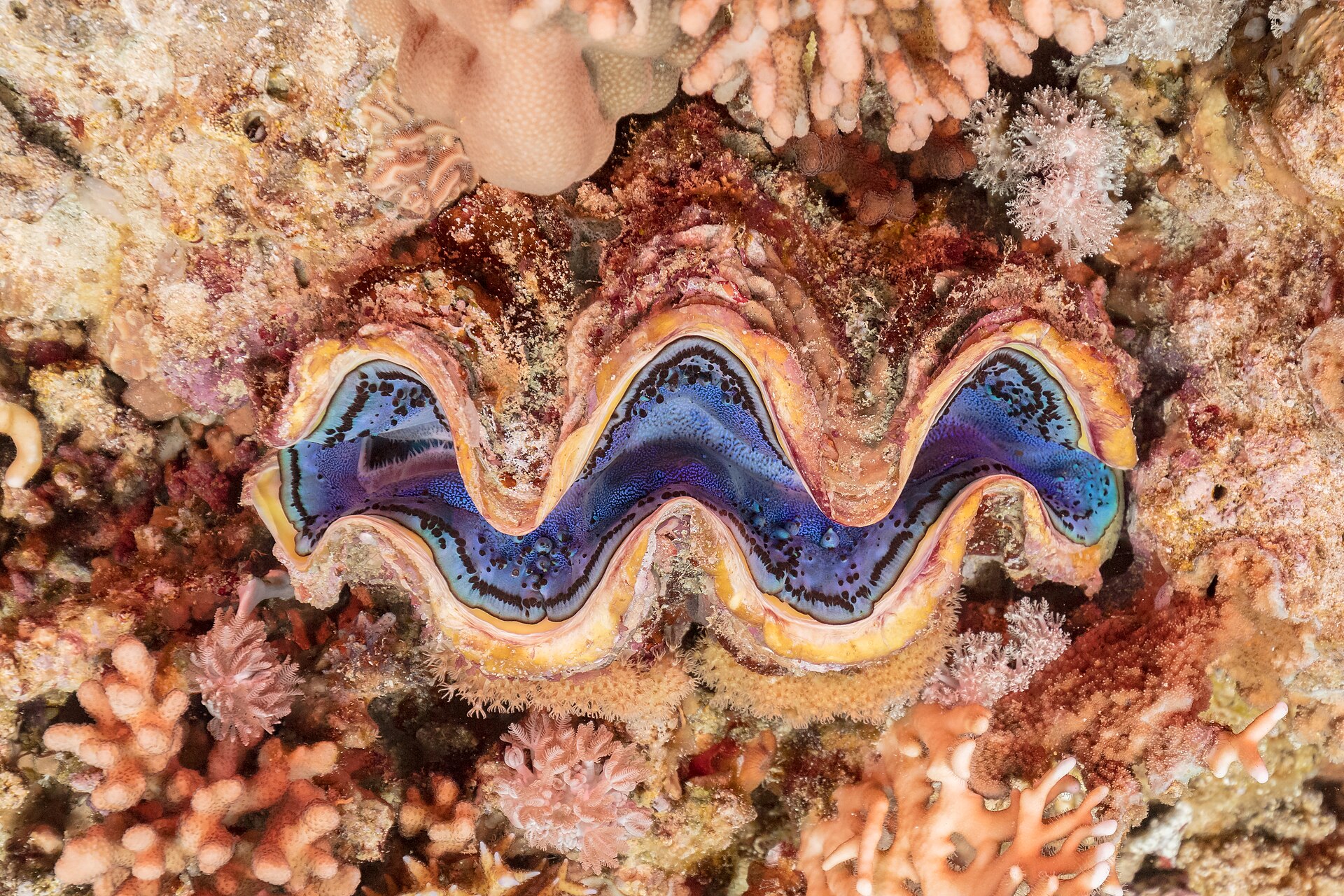
Photo by Thais Cordeiro on Pexels
Egypt
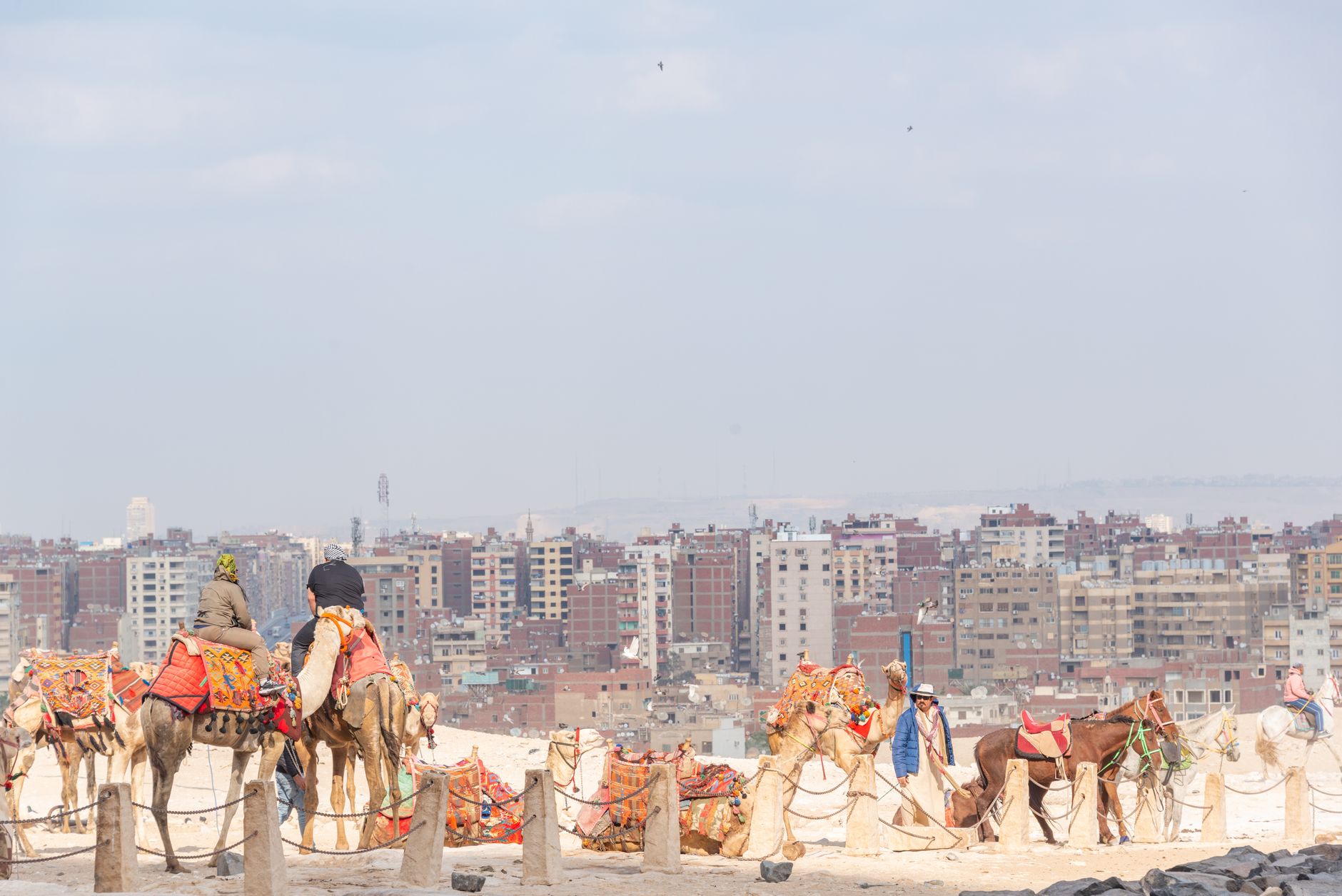
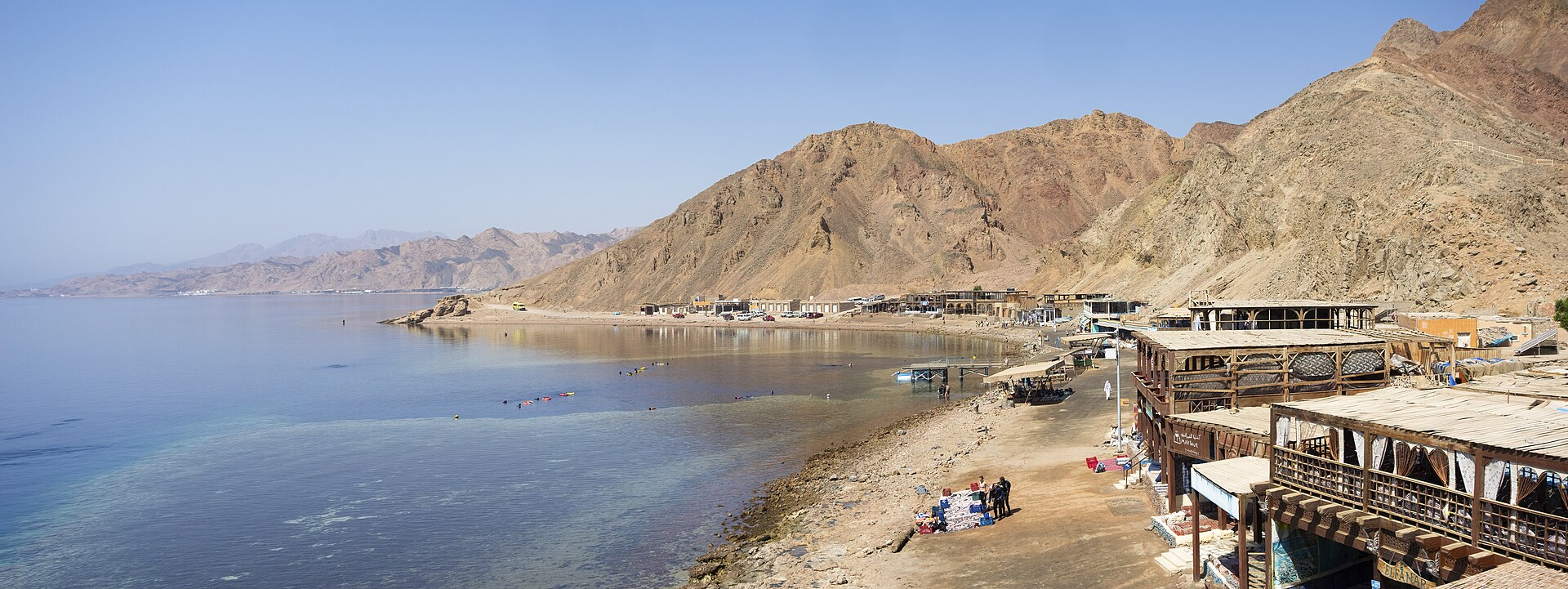
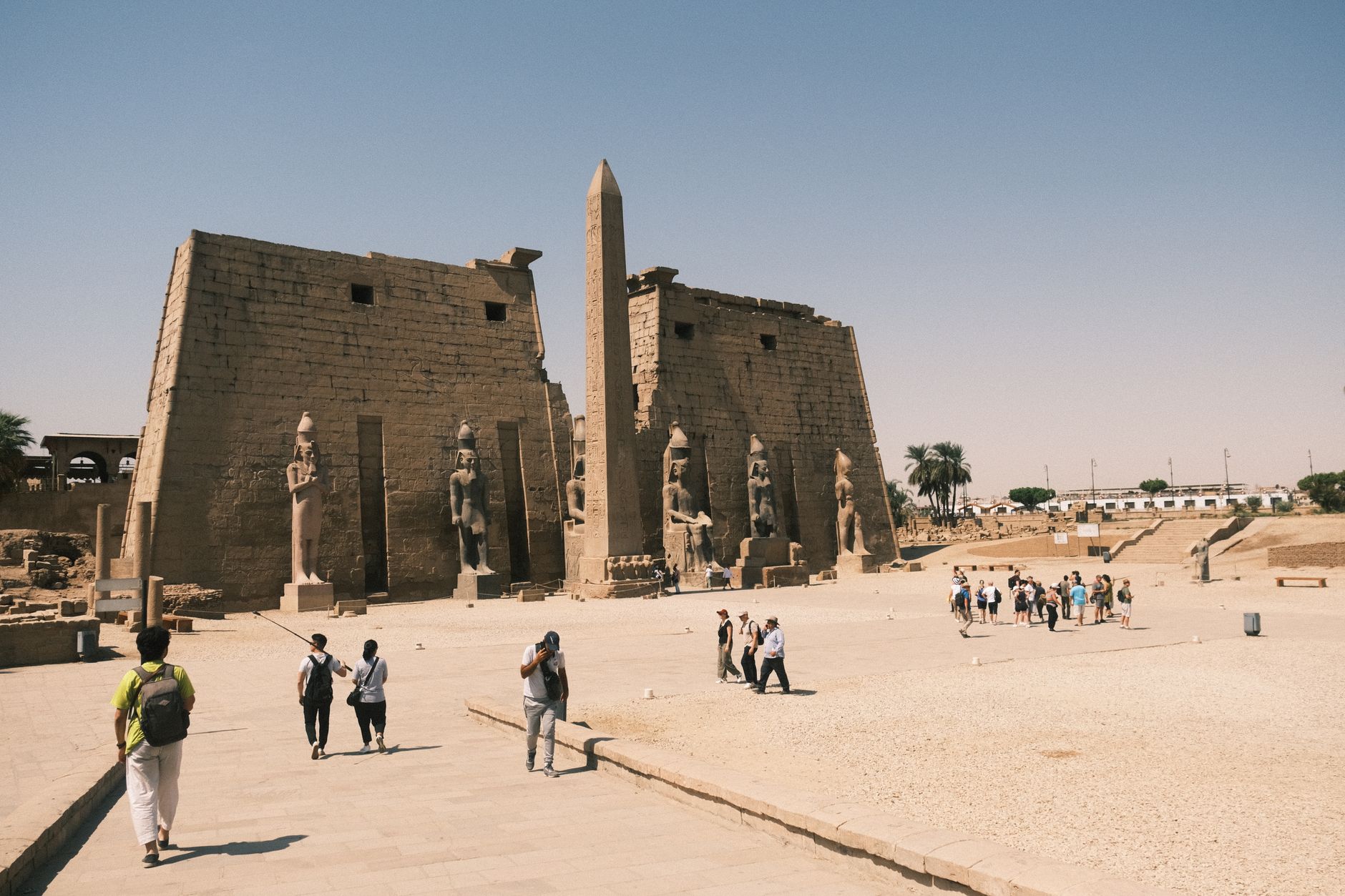
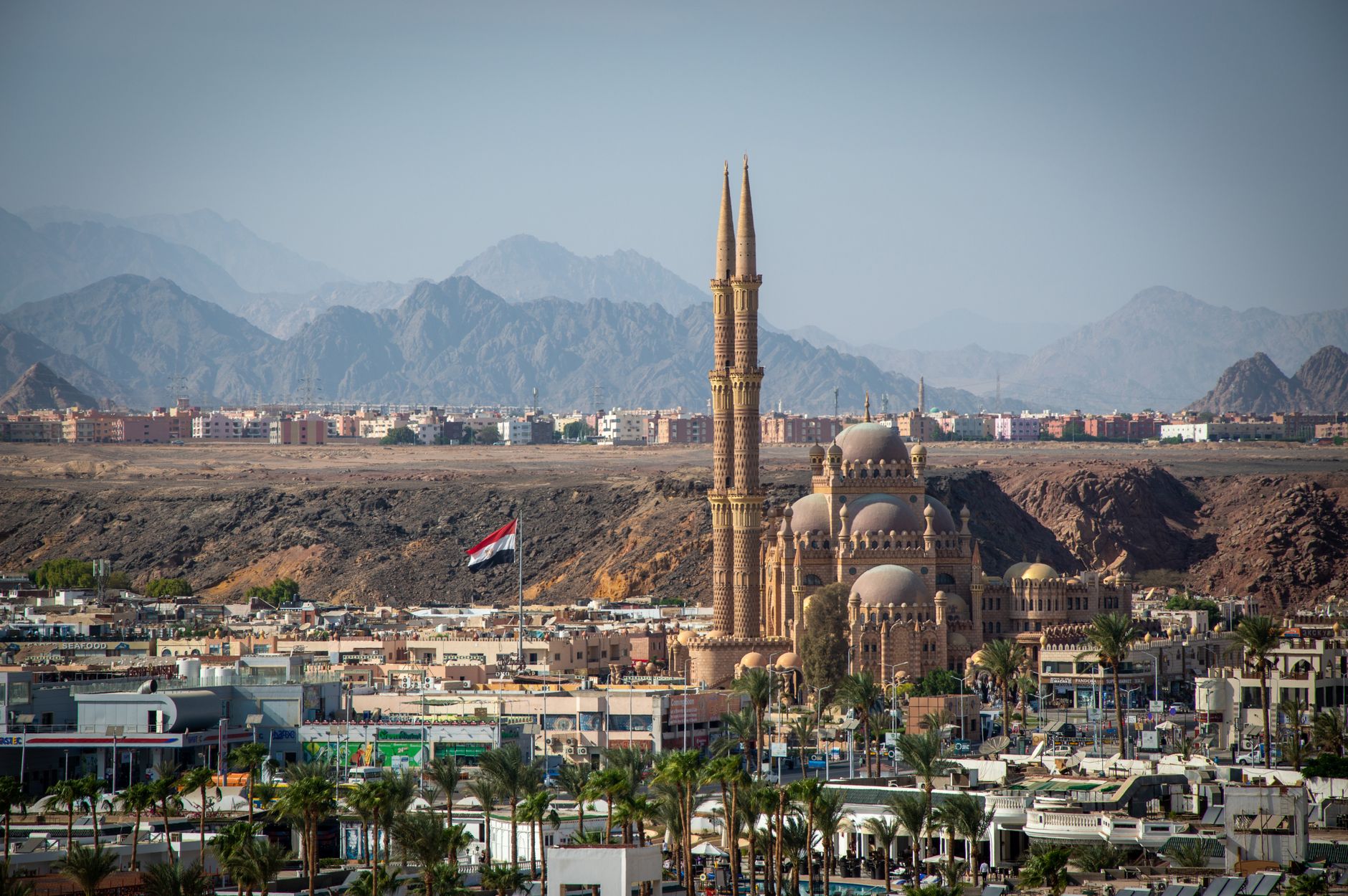
Photo by Tito Zzzz on Pexels
Egypt
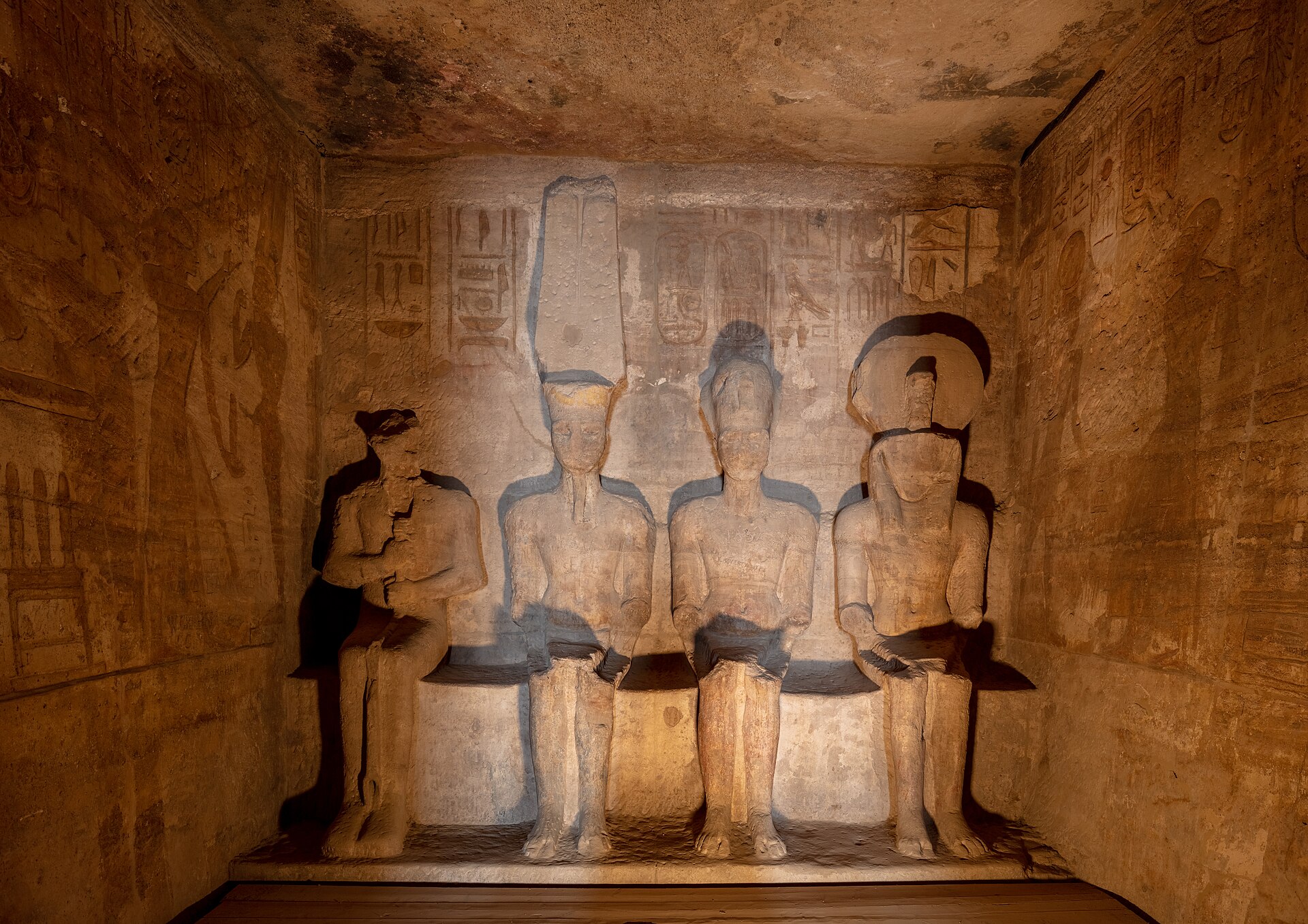
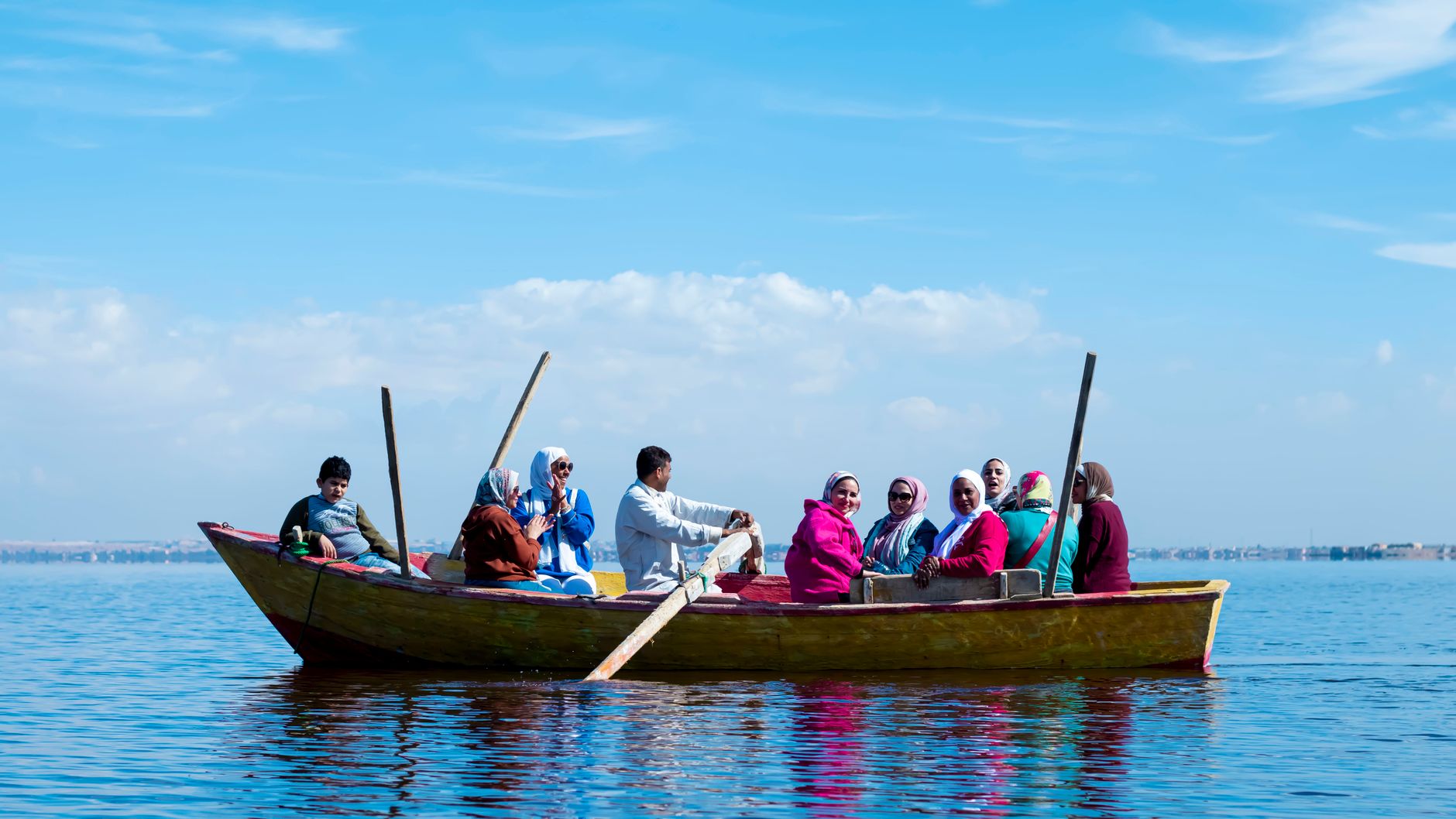
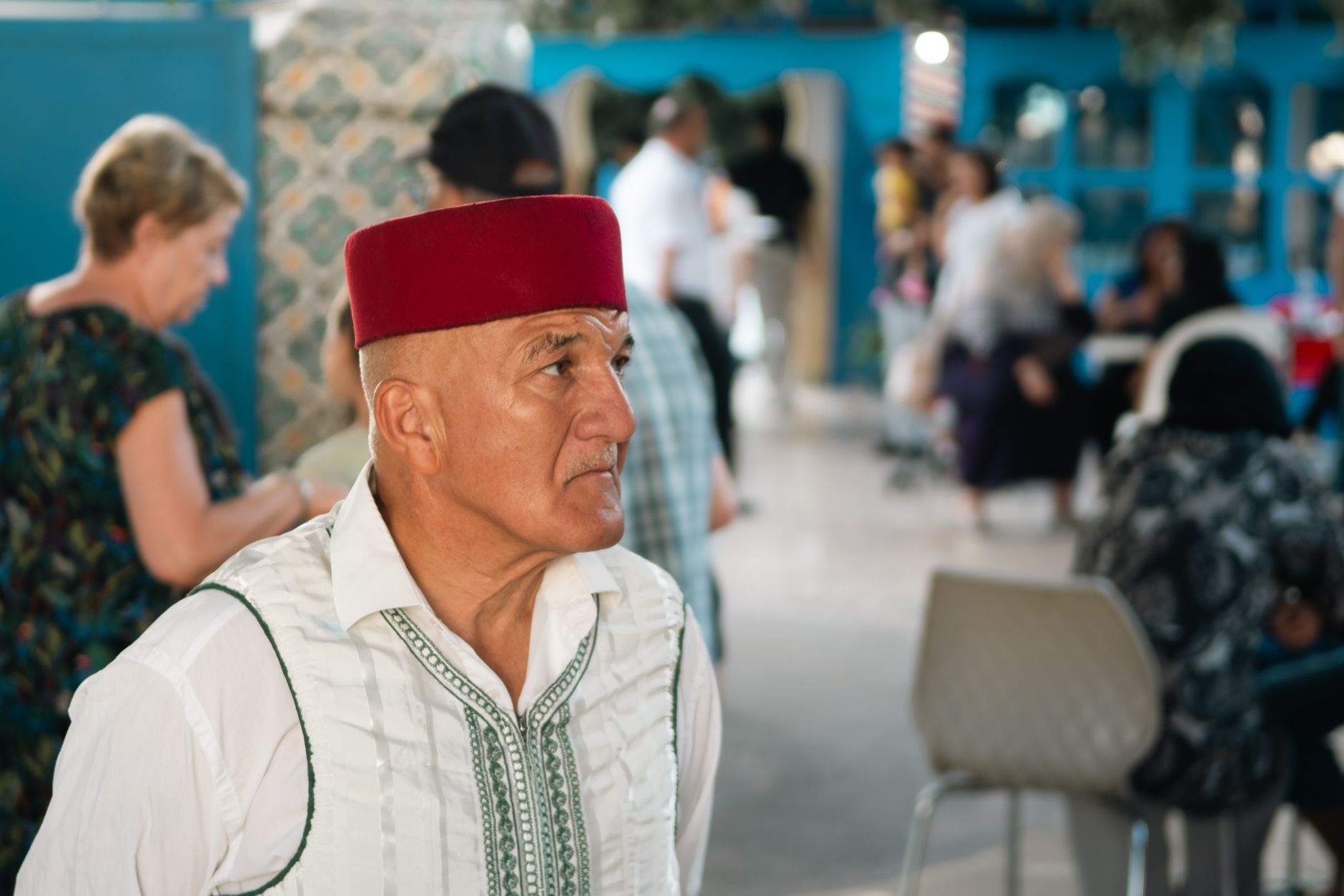
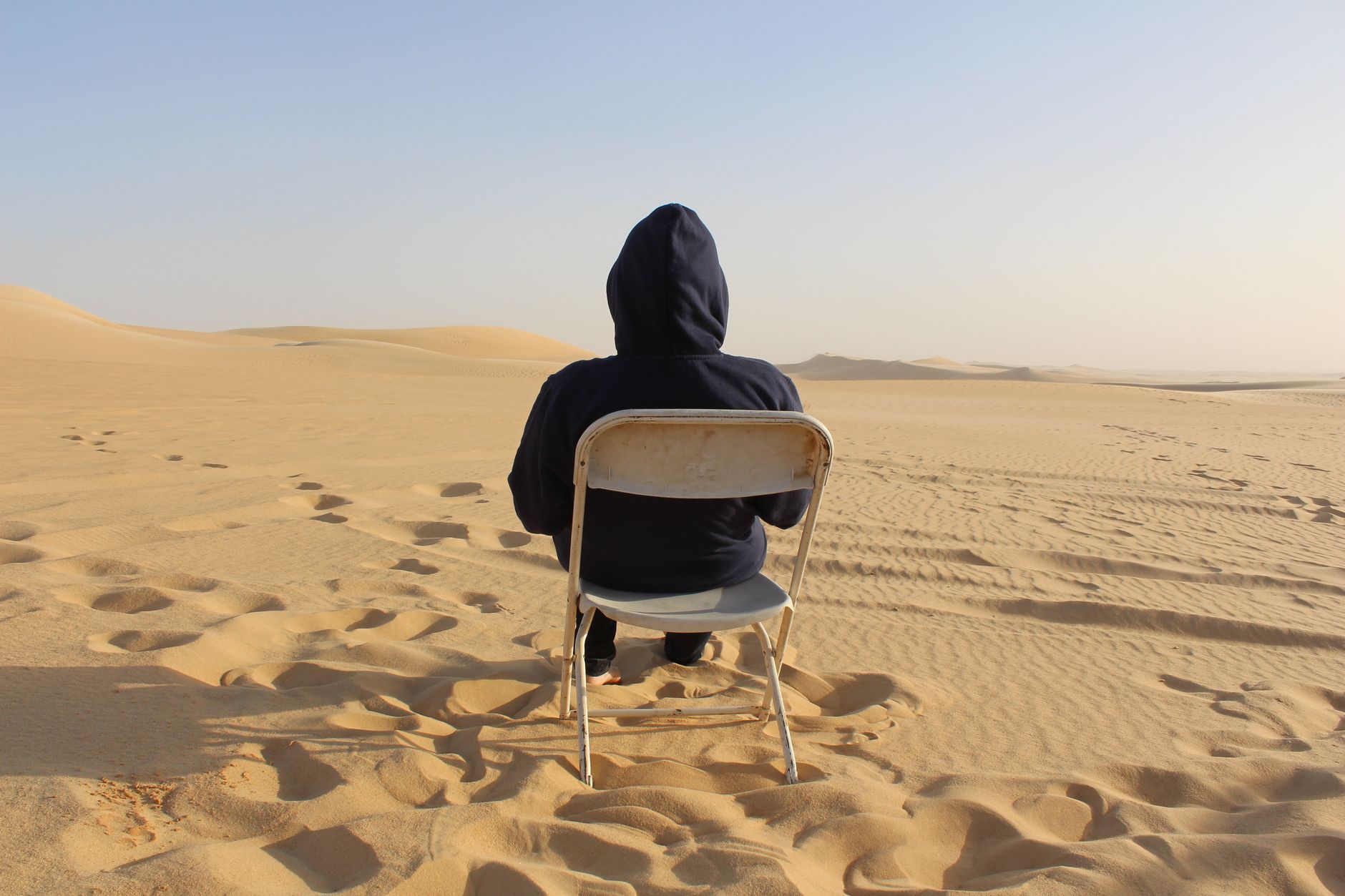
Photo by AHAD HASAN on Pexels
Egypt
Photo by Diego F. Parra on Pexels
Egypt
Photo by Muhammed Fatih Beki on Pexels
Culture & history Adventure & active Wildlife & safari

Egypt is where the world's oldest surviving wonder still stands in plain sight — the Great Pyramid of Khufu, 481 feet of limestone that held the title of tallest structure on earth for four uninterrupted millennia. That continuity is the thing that takes time to absorb: a civilization that lasted over three thousand years, leaving its mark from the Mediterranean coast to the deep south of the Nile.

The country runs along one river, and nearly everything worth seeking follows that corridor — Giza and Cairo in the north, Luxor and the Valley of the Kings in the middle, Abu Simbel close to the Sudanese border in the south. Getting between them is part of the journey.

Good to know
Cairo International Airport is the main entry point, 15 km from the city center. The metro is clean and reliable for getting around Cairo; Uber works well beyond it. Aim for November through April when temperatures are manageable. A single day is the minimum for the Giza plateau — the pyramids and the Sphinx share the same site.
Tips

Experiences you don't want to miss

All tips →

Deals in Egypt

Book directly at the provider
The story

How Egypt came to be

People were farming the Nile Delta by 6000 BCE. Around 3100 BCE, King Menes unified the two lands of Upper and Lower Egypt, founded the capital at Memphis, and set in motion one of the longest-running civilizations in human history. The Step Pyramid at Saqqara — designed by the architect and high priest Imhotep for Pharaoh Djoser between 2667 and 2648 BCE — was the first of its kind. Khufu's Great Pyramid followed roughly a century later, built by an estimated 20,000 workers over two decades.

After thirty centuries of pharaonic rule, Egypt passed through Persian, Greek, and Roman hands before Arab conquest in the 7th century CE reshaped its language and faith. The Ottoman Empire absorbed it in 1517; Britain controlled it from the late 19th century. Egypt became a republic in 1953.

People & landmarks

Who and what shaped it

People who shaped it

King Menes
Unified Upper and Lower Egypt around 3100 BCE, founded the capital at Memphis, establishing the first dynasty.
Imhotep
Architect and high priest who designed the Step Pyramid of Djoser (c. 2667–2648 BCE), the oldest pyramid of its kind.
Khufu (Cheops)
Built the Great Pyramid of Giza around 2580 BCE with 20,000 workers over 20 years; it remained the world's tallest building for 4,000 years.
Khafre
Son and successor of Khufu; built a pyramid 10 feet shorter and 1.5 acres smaller than the Great Pyramid.
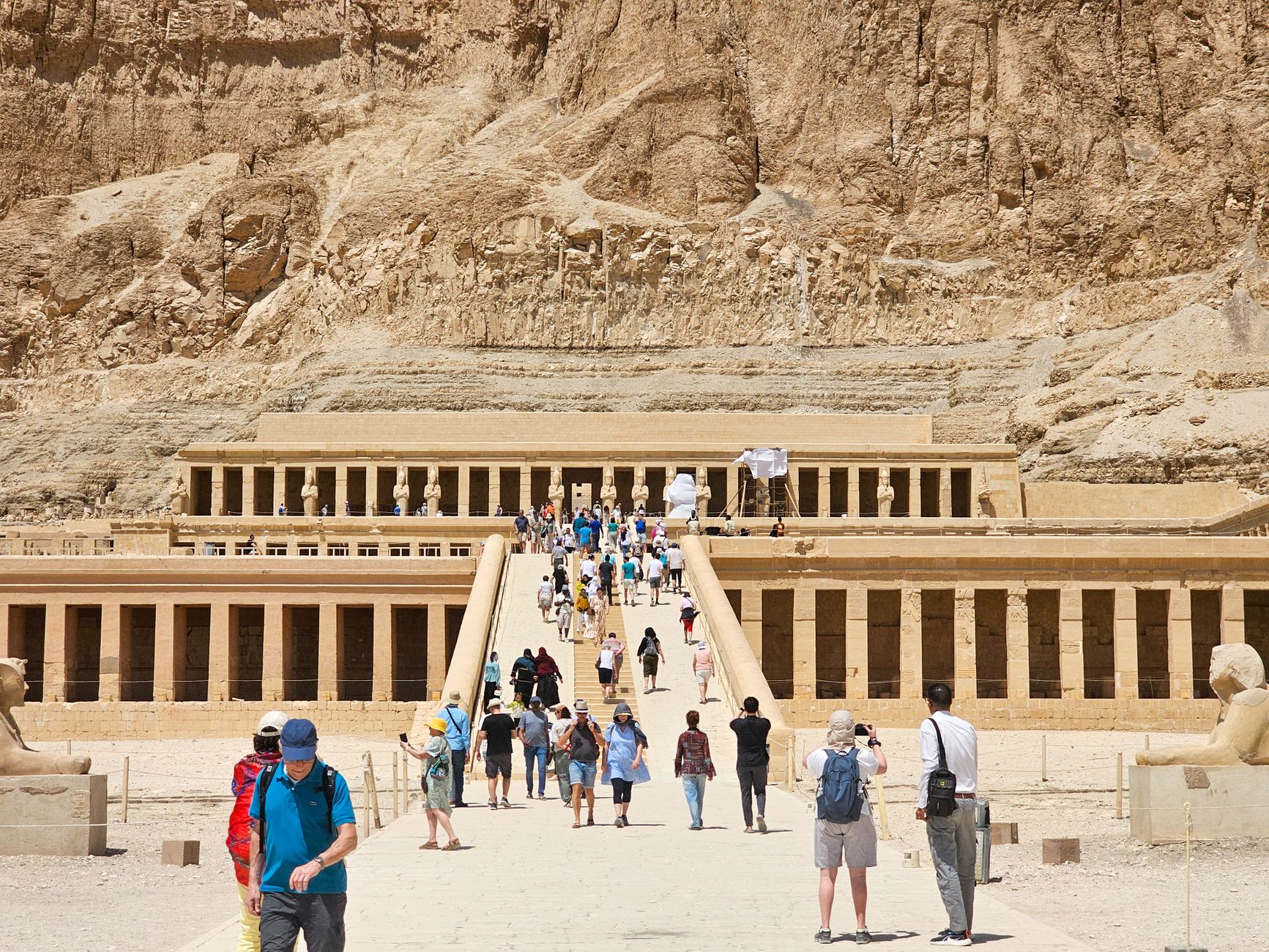
Hatshepsut
Ruled Egypt and commissioned a funerary temple opposite Thebes, now in Luxor.
Ramesses II
Built the Abu Simbel Temples between 1279 and 1213 BCE to celebrate his victory over the Hittites at Kadesh.
Tutankhamun
Pharaoh whose tomb was discovered by Howard Carter in 1922; his complete treasure collection is housed in the Grand Egyptian Museum.
Howard Carter
Archaeologist who discovered the tomb of Tutankhamun in 1922.

Landmark buildings

Great Pyramid of Giza (Pyramid of Khufu)
Largest pyramid, 481 feet tall at completion; oldest of the Seven Wonders still standing; limits entry to 300 visitors daily.
Step Pyramid of Djoser
Oldest pyramid of its kind, built 2667–2648 BCE at Saqqara; designed by Imhotep for Pharaoh Djoser.
Great Sphinx of Giza
Built 2558–2532 BCE from bedrock; 240 feet long, 66 feet high; human head on lion's body representing Pharaoh Khafre.
Valley of the Kings
Burial ground on the west bank of the Nile containing over 60 royal tombs of pharaohs and their families.
Karnak Temple Complex
Located in Luxor; largest temple in the world, took over 2,000 years to build.
Abu Simbel Temples
Built by Ramesses II 1279–1213 BCE; relocated by UNESCO in 1968 over 4 years to prevent flooding from Lake Nasser.
Saqqara Necropolis
Necropolis for ancient Memphis lasting 3,000+ years; contains pyramids of 16 pharaohs.
Egyptian Museum
Opened 1902; houses the world's largest collection of Pharaonic antiquities.
Grand Egyptian Museum (GEM)
Located near Giza Pyramids; houses over 100,000 artifacts including the complete collection of King Tutankhamun's treasures.
Watch

See Egypt in motion

Practical

Plan your visit

On the map

When to go

Egypt runs on two seasons: a mild winter from November through April, and a hot summer from May through October. If you're visiting open-air sites — and most of the significant ones are — the cooler months are far easier to navigate.

Right now

☀️
35°C
Clear
Fri
☀️
36°
24°
Sat
☀️
37°
24°
Sun
☀️
39°
27°
Mon
☀️
40°
26°
Weather data: Open-Meteo
Theme

↡ Regions

No places match these filters.


Background & history adapted from Wikipedia (CC BY-SA) · specs from Wikidata (CC0) · weather from Open-Meteo · map data © OpenStreetMap contributors · photos from Wikimedia Commons / Unsplash with per-image credit. No third-party reviews or social posts reproduced.

Top