
Sharm el-Sheikh
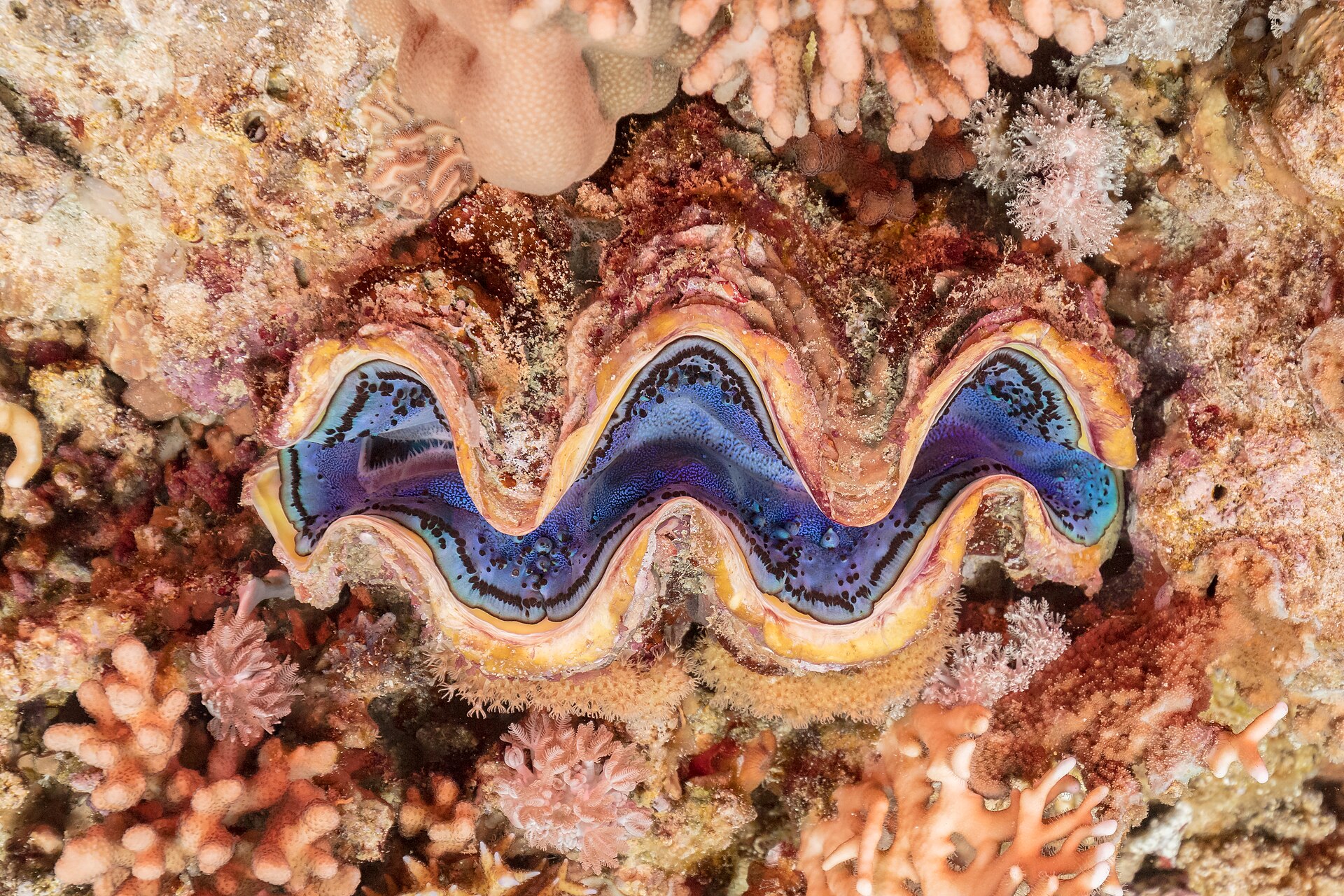
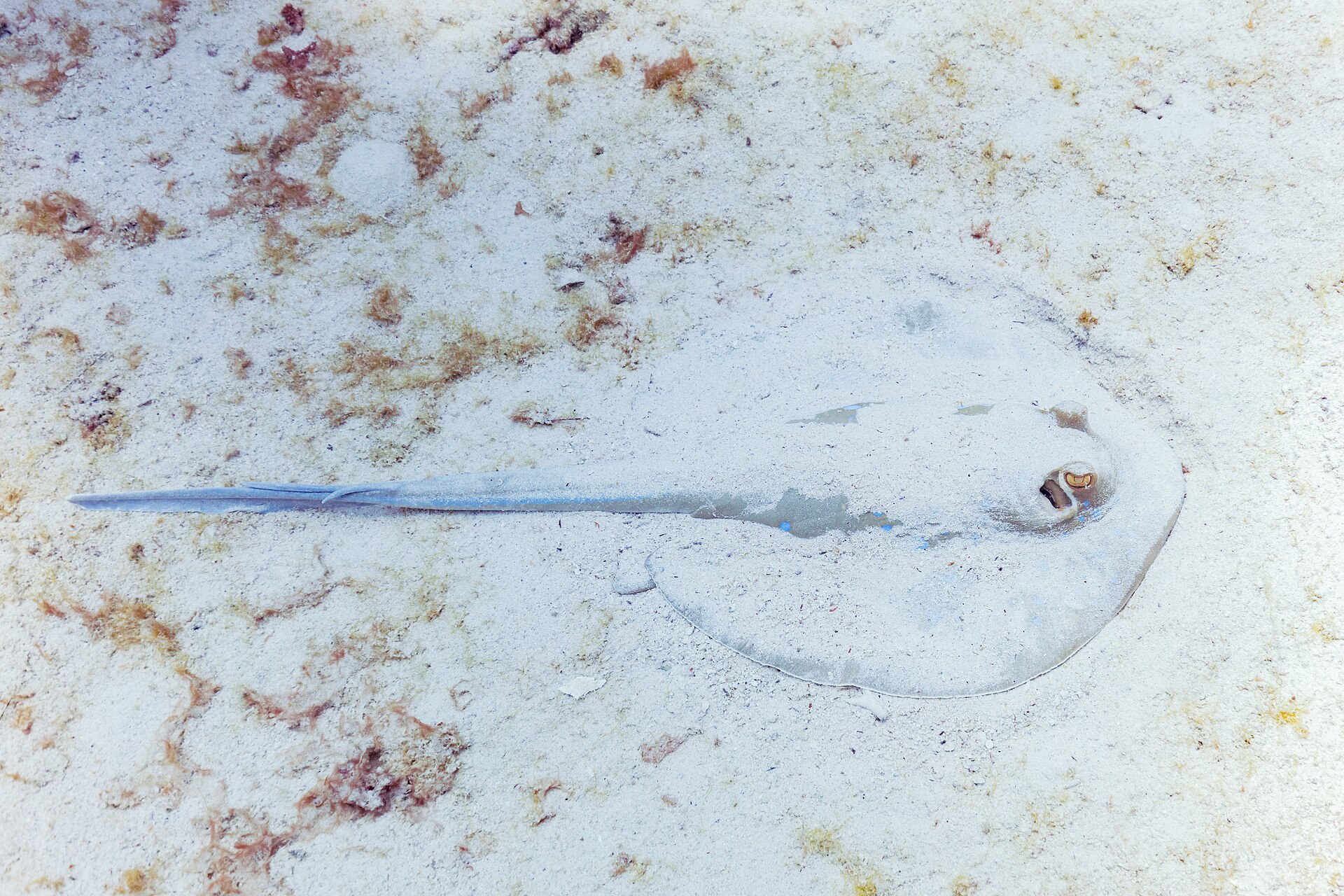
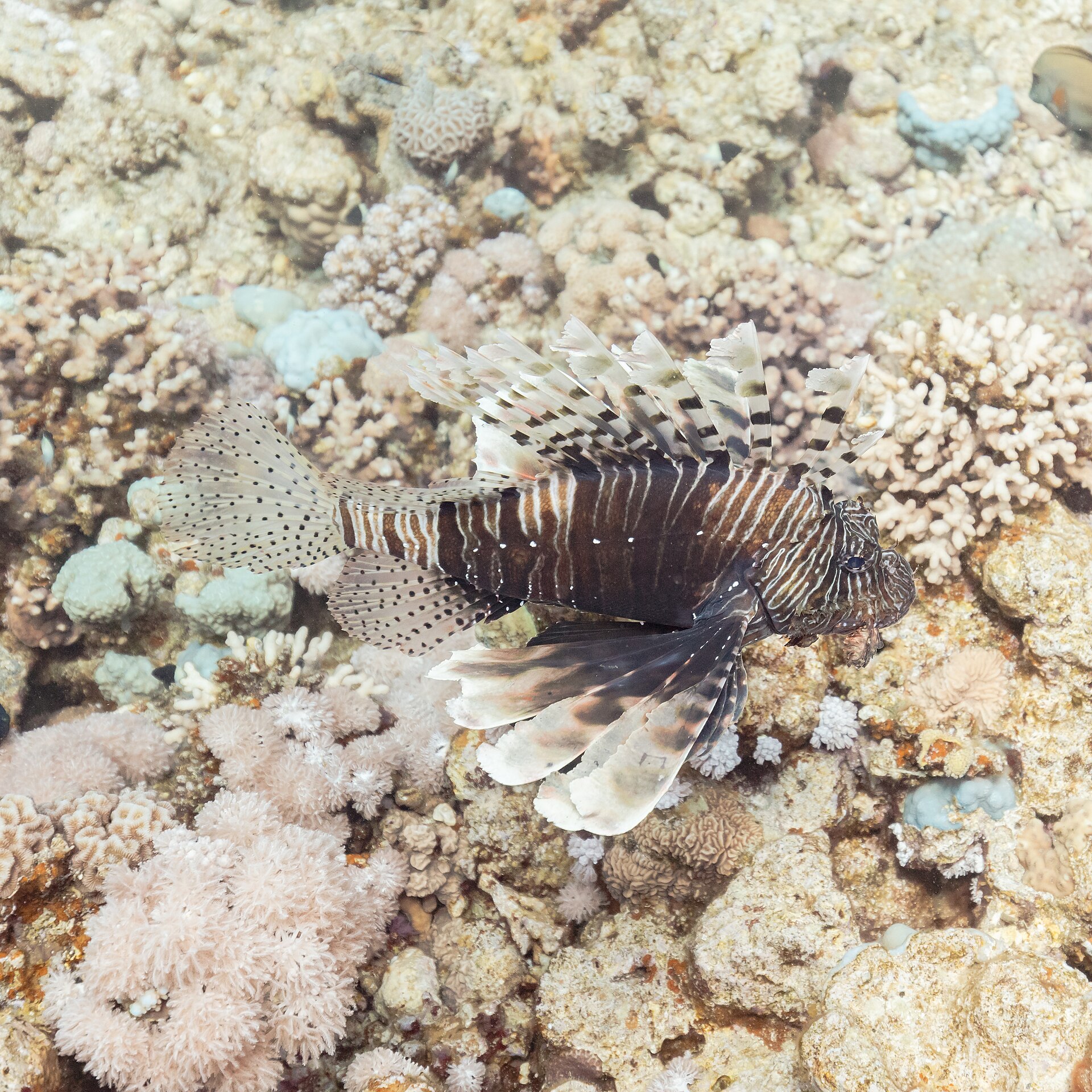

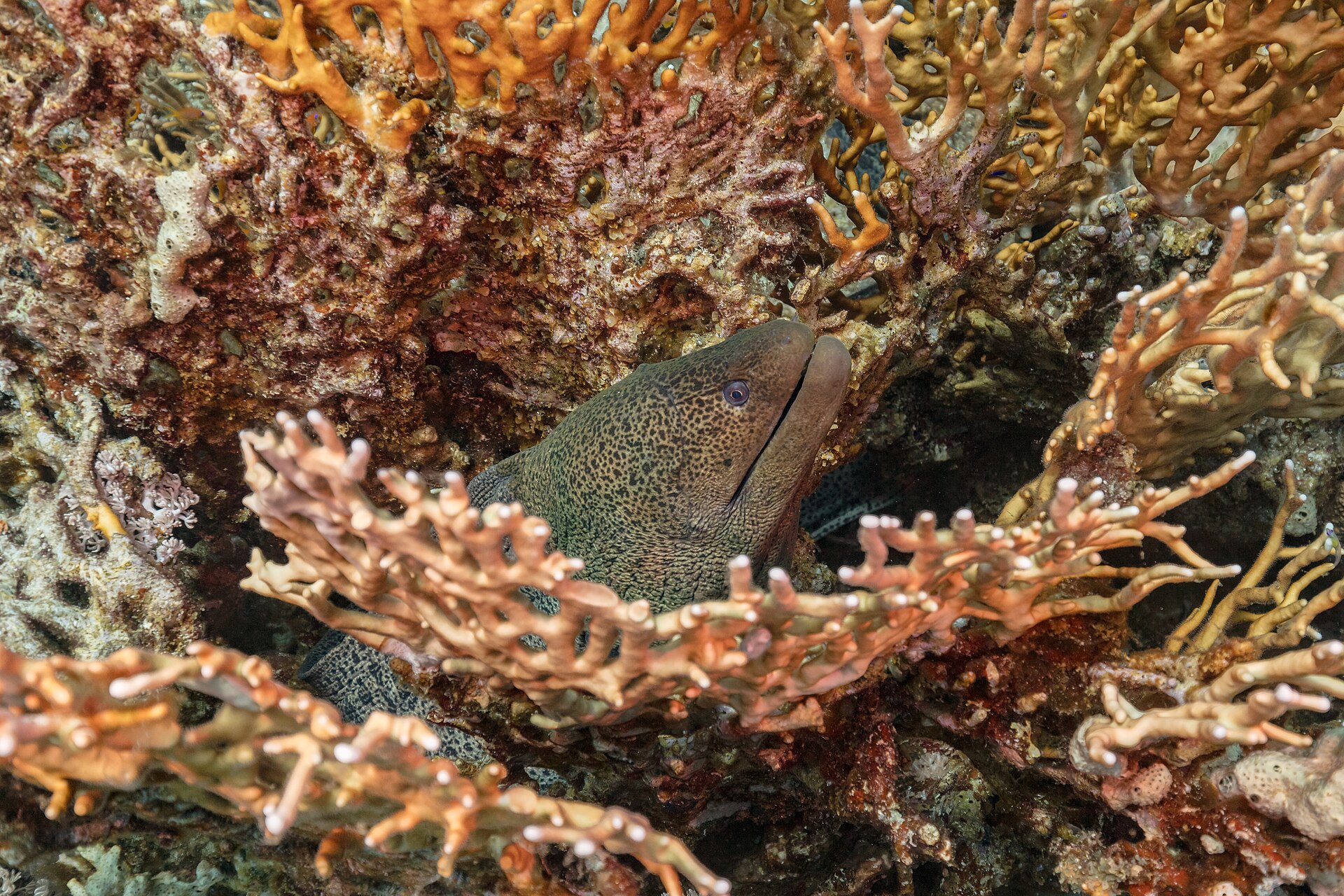
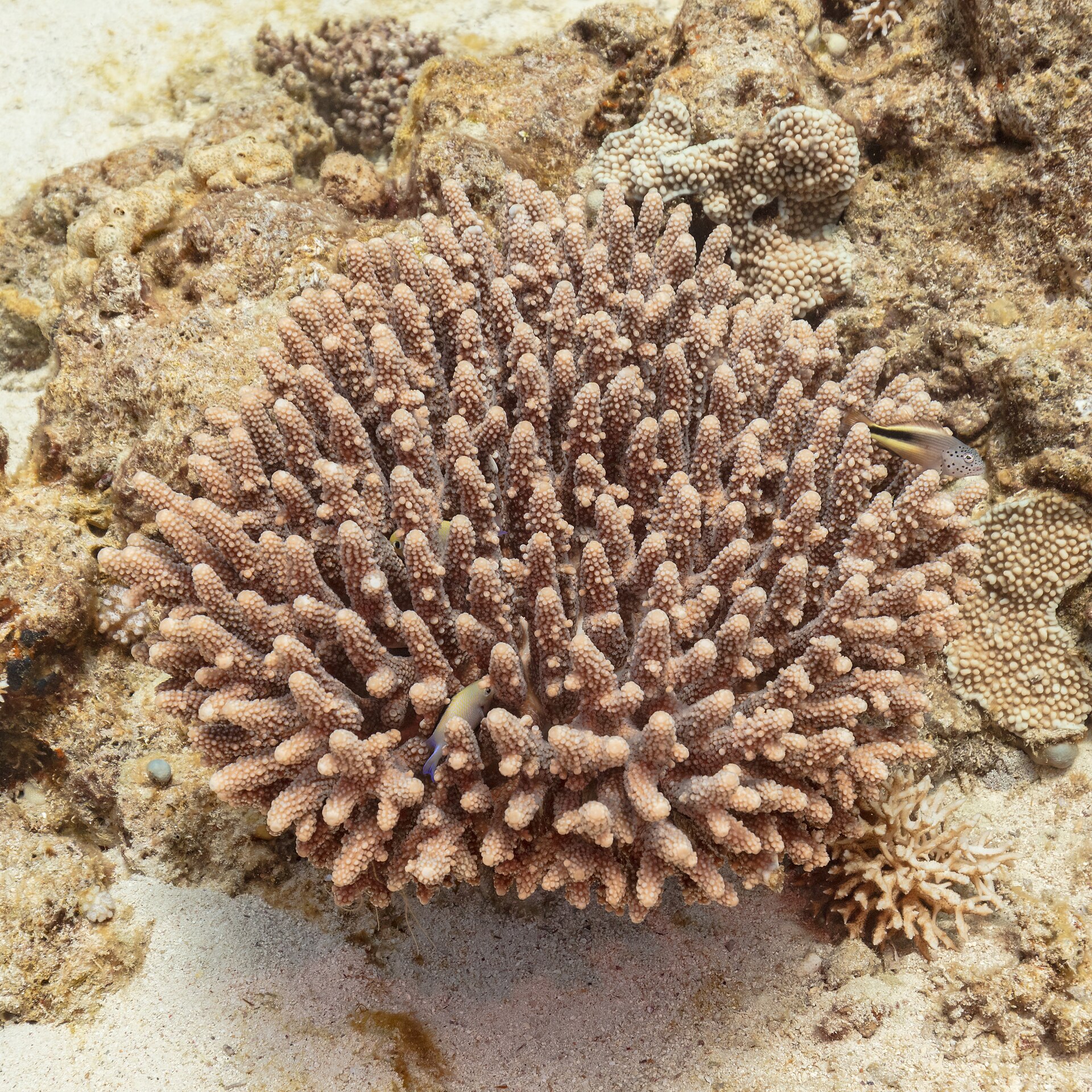
Sharm el-Sheikh exists because of a strip of water. The town commands the narrow mouth of the Gulf of Aqaba, and everything here — the dive sites, the resort strips, the geopolitical history — flows from that fact. What began as a strategic outpost has become Egypt's most purpose-built resort city, strung along a coastline where the desert meets one of the most biodiverse reef systems on the planet.
The city divides into distinct zones: Na'ama Bay holds most of the restaurants, shops and nightlife; the Old Market and Hadaba sit to the south; Nabq stretches north. Between them, the Sharm el-Sheikh Museum holds 5,200 real artifacts — mummies, hieroglyphs, statuary — which quietly remind you that this part of the world runs deep.
How Sharm el-Sheikh came to be
For most of recorded history, the site was too harsh to settle — a desert headland with almost no rainfall, valued mainly by whoever needed to control the sea lane below it. That changed in 1967, when Israeli forces occupied the Sinai Peninsula and began building a town here from scratch in 1968, developing it as a tourist destination. The infrastructure they laid down was the foundation of the modern city.
Egypt regained Sharm el-Sheikh in 1982 under the Camp David Accords and expanded the tourism project considerably. Ras Mohammed, the cape where the Gulf of Suez and Gulf of Aqaba converge about 12 km to the south, was declared Egypt's first nature reserve in 1983 — an early signal that the reef was the city's real long-term asset.
Who and what shaped it
People who shaped it
Landmark buildings
See Sharm el-Sheikh in motion
Plan your visit
On the map
When to go
Sharm el-Sheikh runs hot and almost entirely dry — in practice it never rains. January sits between 18 and 23 °C, while August pushes 33 to 37 °C; the shoulder months of October through April are when the heat is most manageable for time spent outside the water.
Right now
Background & history adapted from Wikipedia (CC BY-SA) · specs from Wikidata (CC0) · weather from Open-Meteo · map data © OpenStreetMap contributors · photos from Wikimedia Commons / Unsplash with per-image credit. No third-party reviews or social posts reproduced.