
Brazil
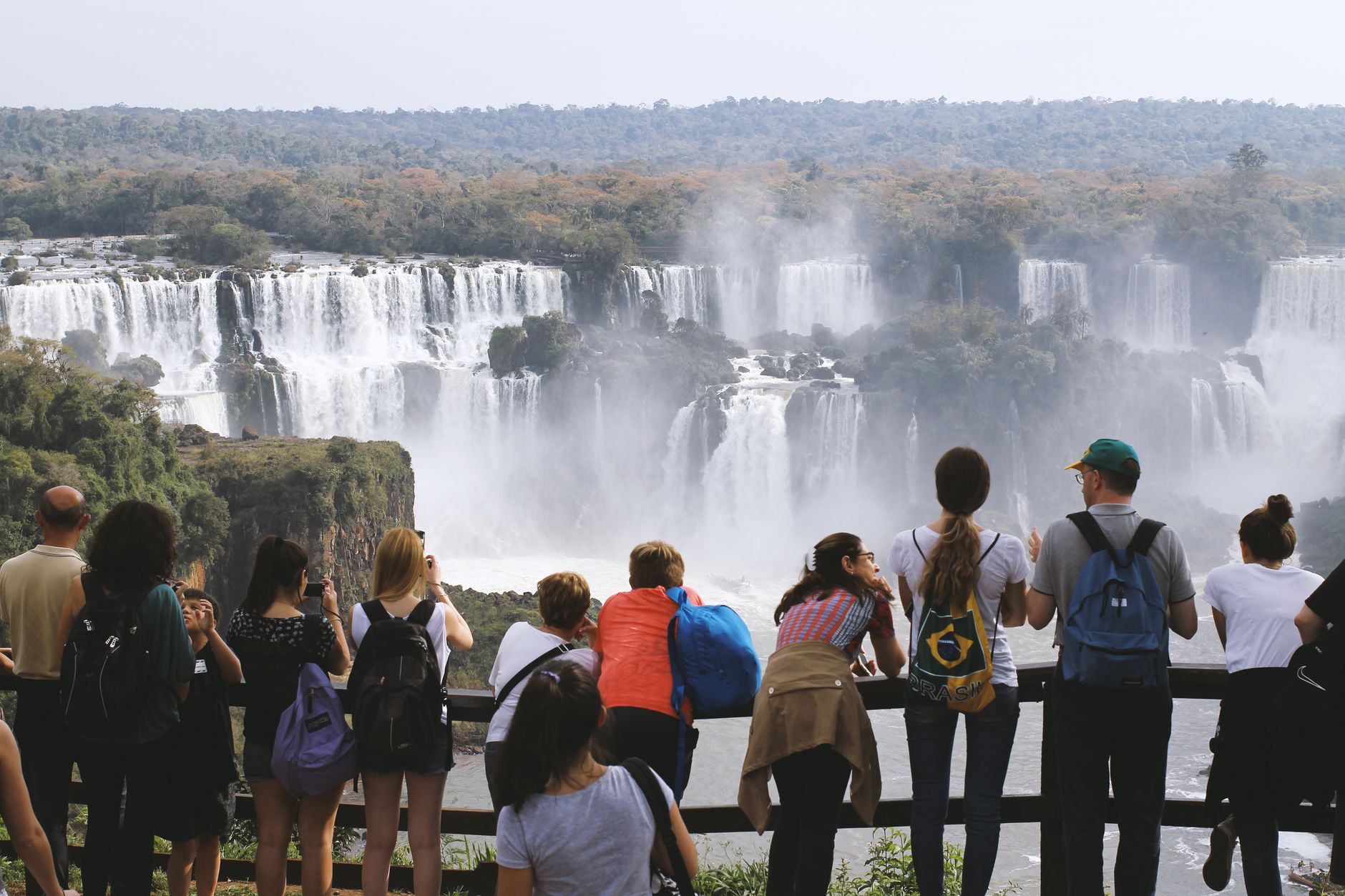
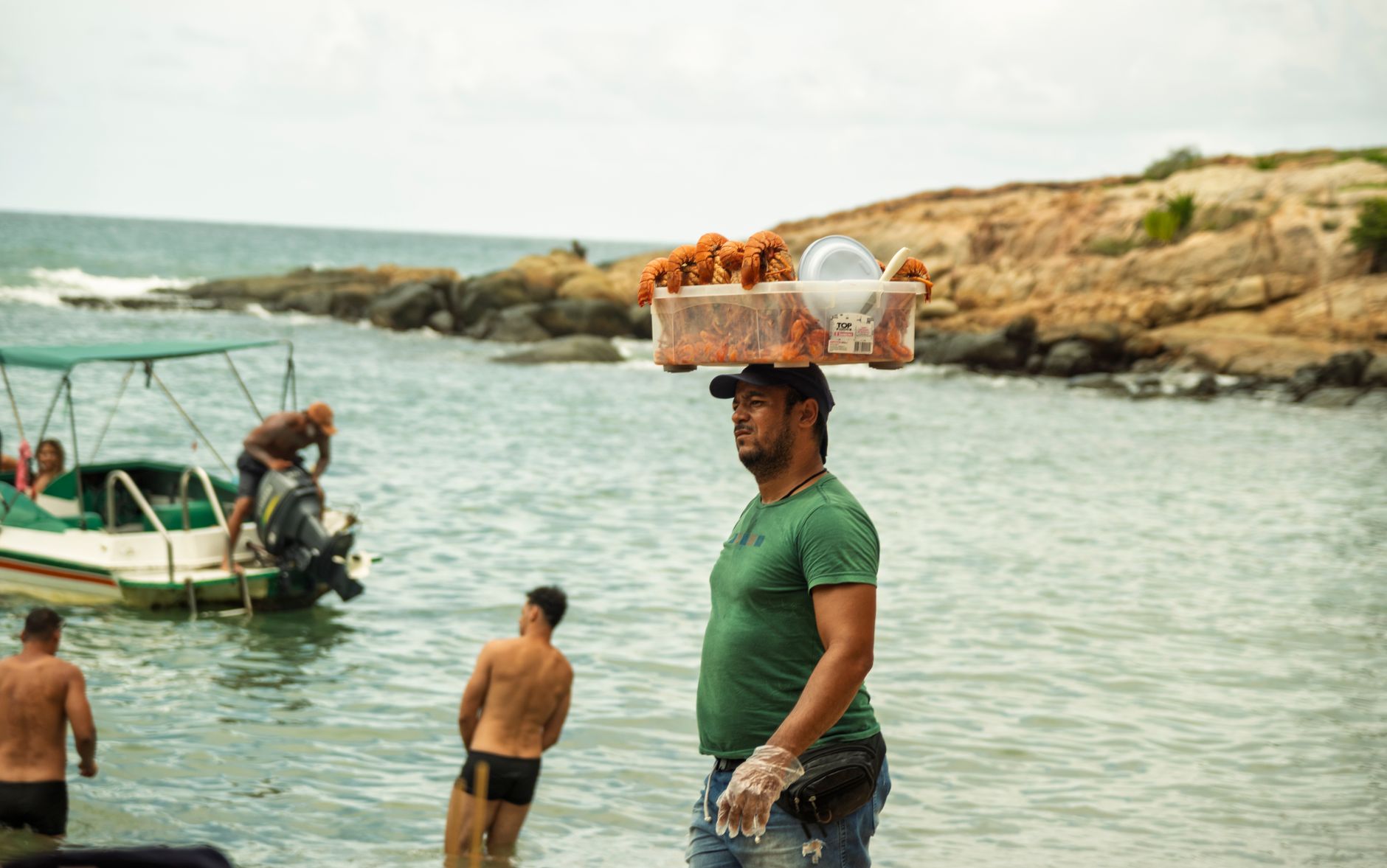
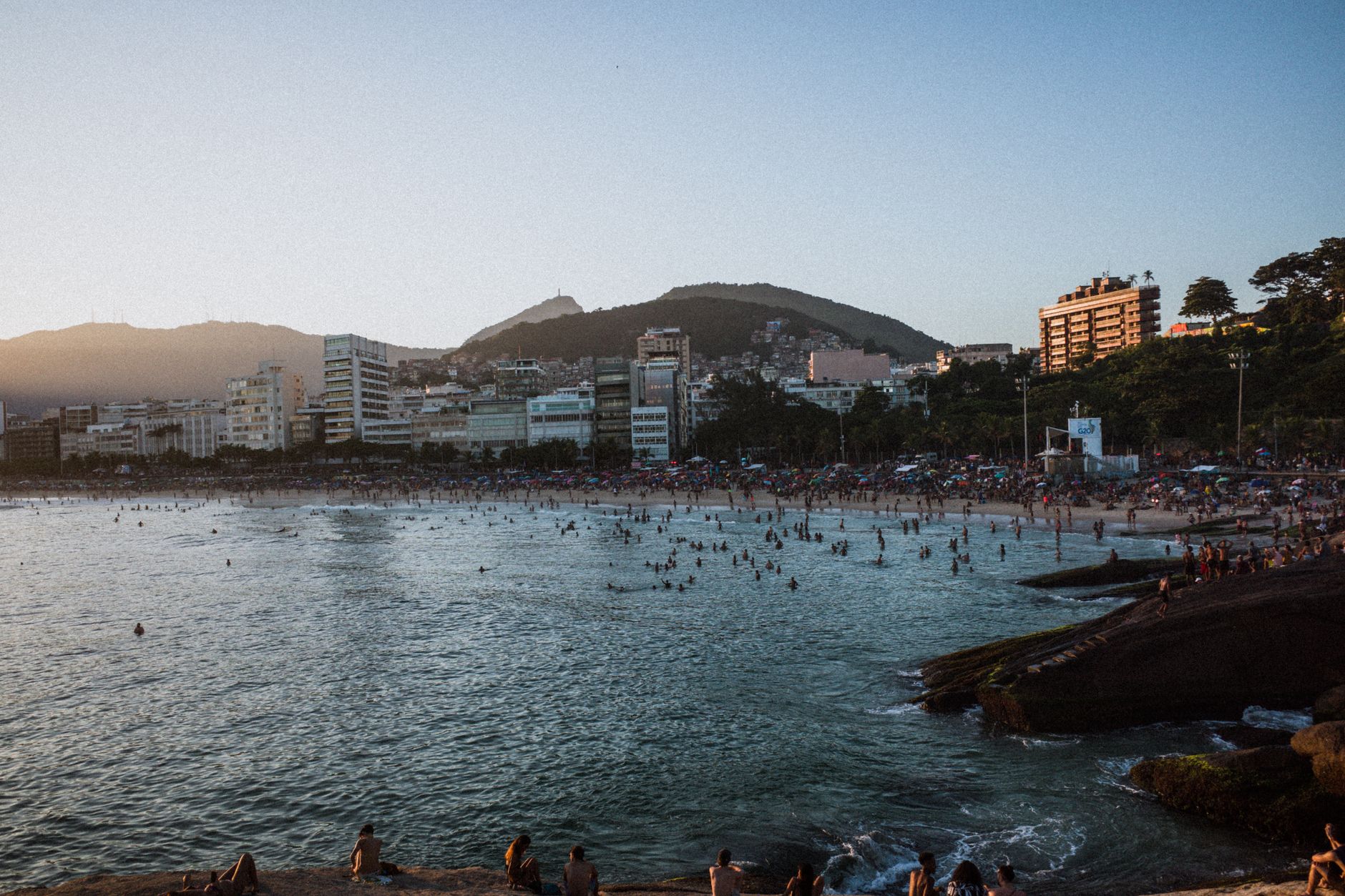
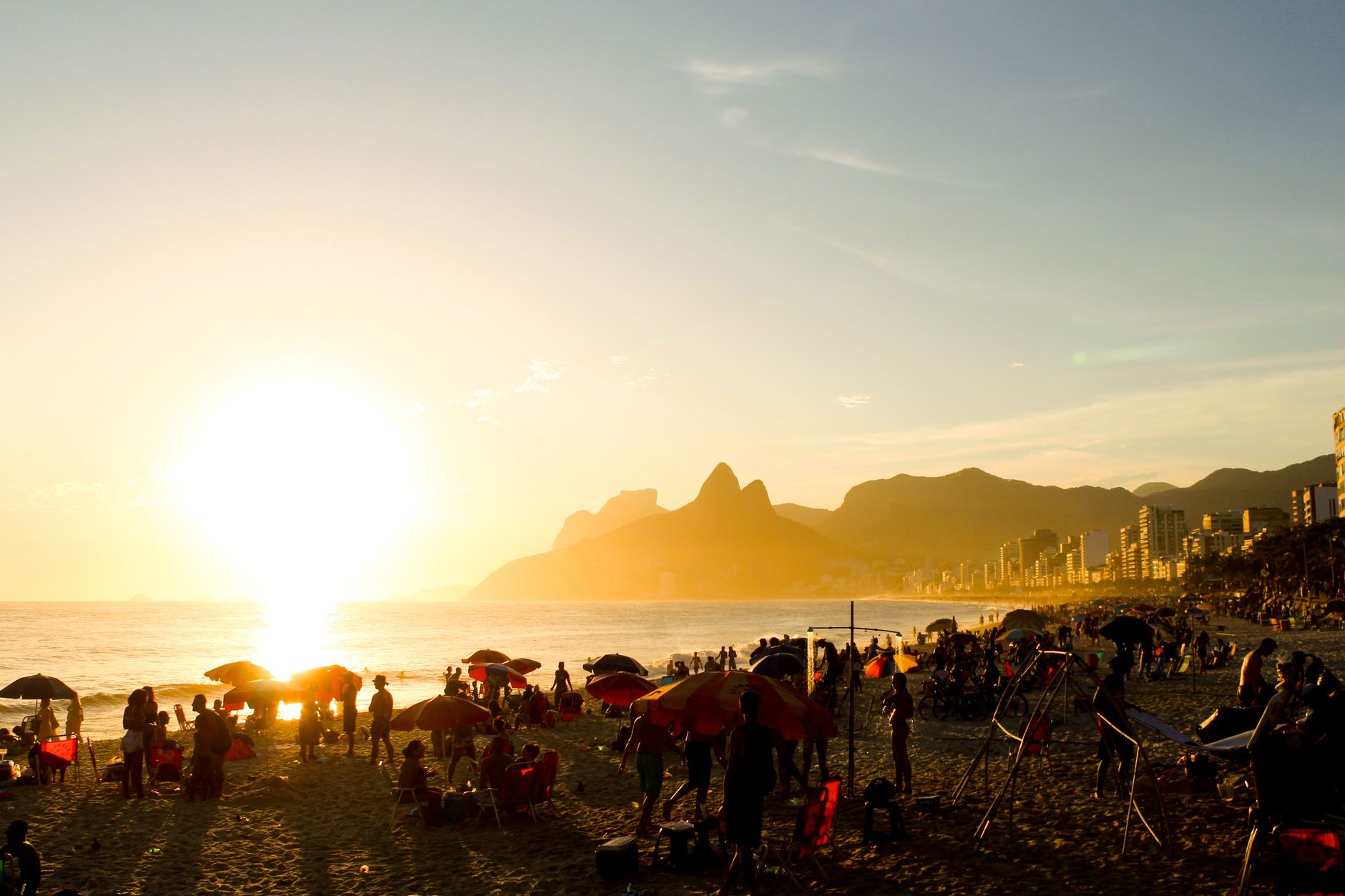
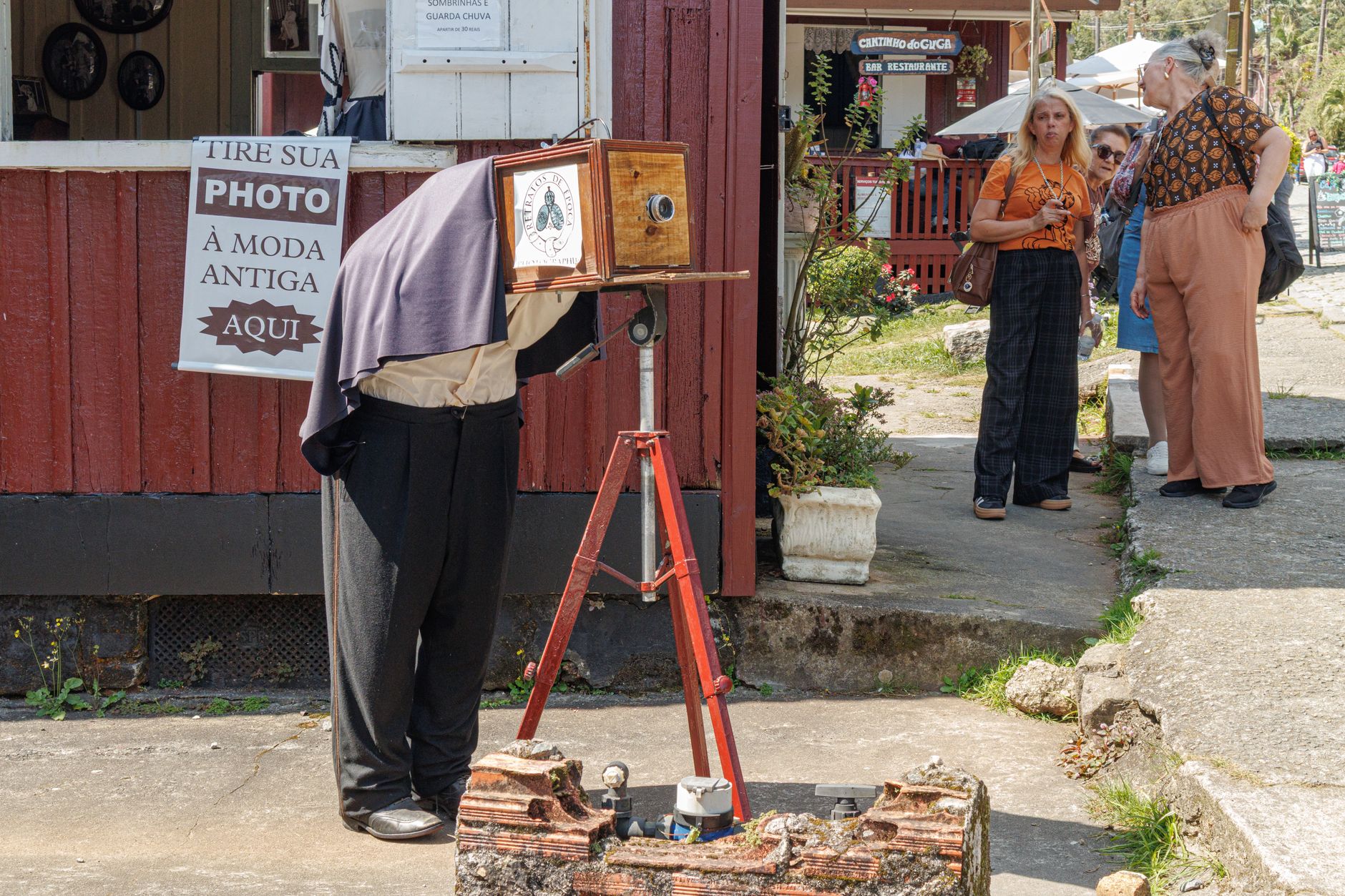
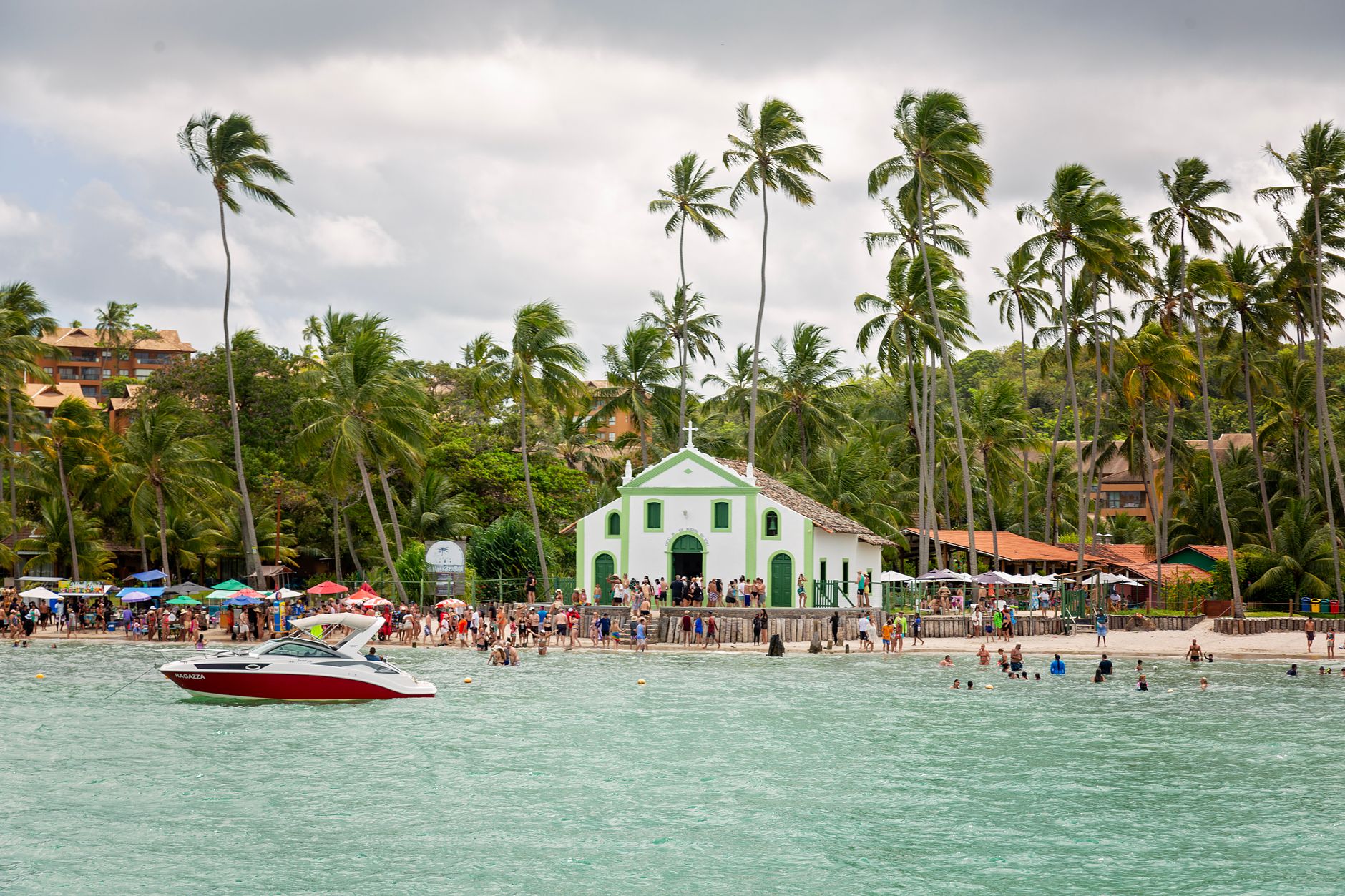
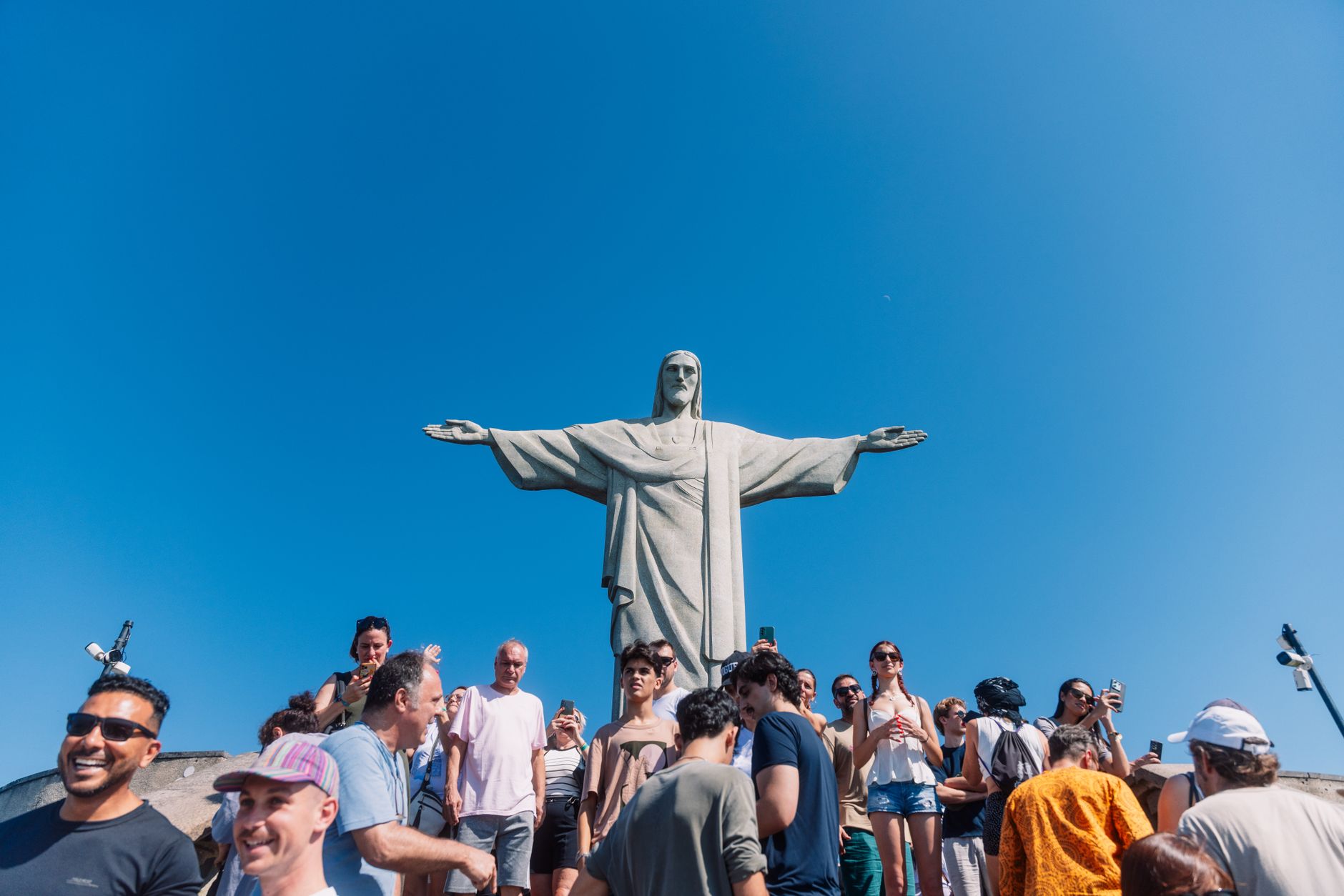
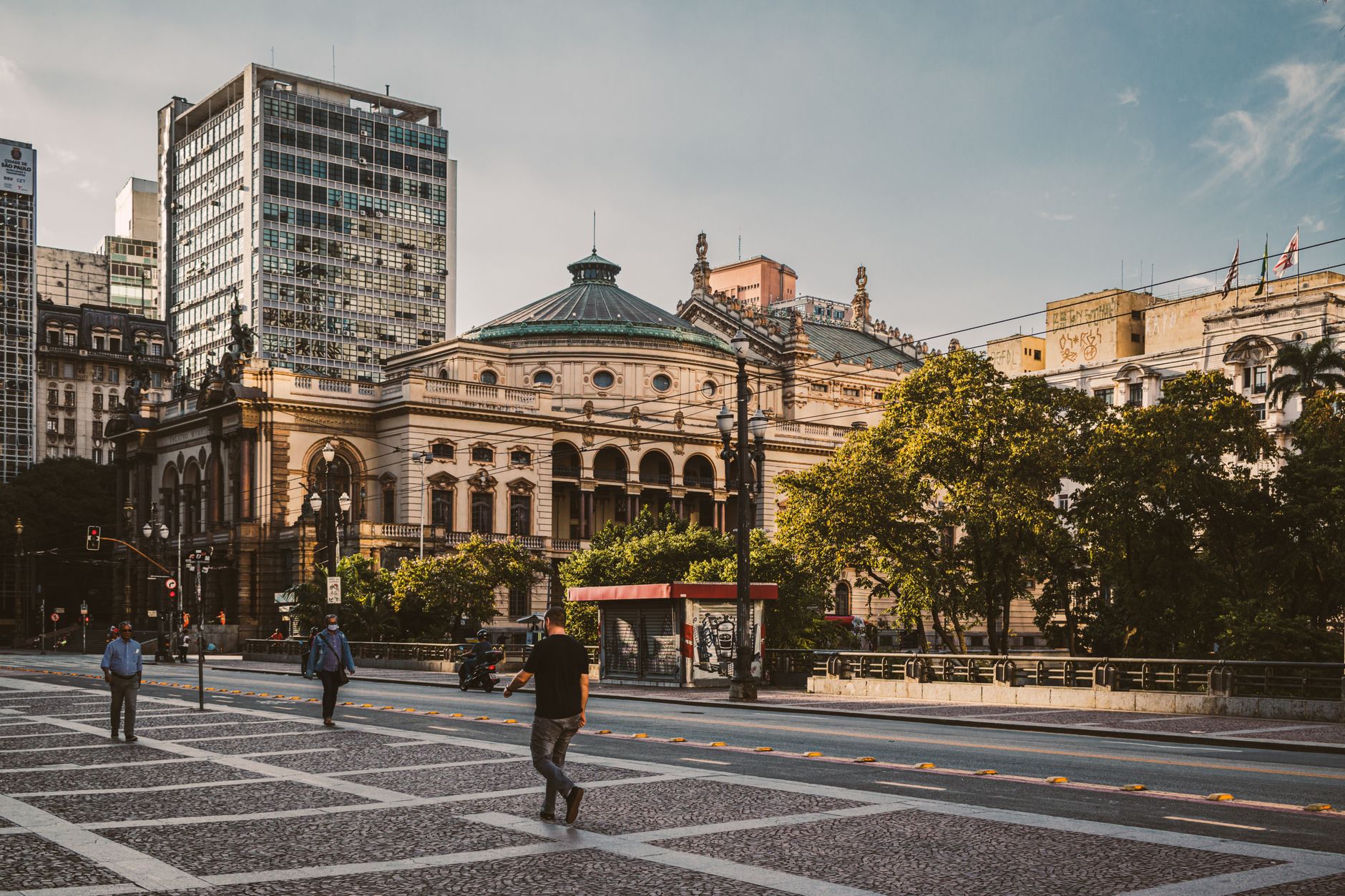
Brazil is a country where the scale keeps catching you off guard. The Amazon basin alone covers more ground than the continental United States, yet the country also contains some of the most densely inhabited cities on earth — São Paulo, Rio, Salvador — each with its own distinct character and history. The architecture ranges from 16th-century Baroque churches gilded floor to ceiling in Salvador to Oscar Niemeyer's swooping concrete curves in Brasília, a capital city that didn't exist until 1960.
Portuguese is the thread that runs through everything — the language, the colonial streetscapes, the Catholic feast days — but Brazil has absorbed so many cultures over five centuries that no single story contains it.
Experiences you don't want to miss



Deals in Brazil
Book directly at the provider


How Brazil came to be
Portuguese sailors arrived in April 1500 and claimed the territory. Colonization took hold in 1534 when King João III divided the land into fifteen hereditary captaincies. The first permanent settlement followed in 1532. For three centuries the colony ran on sugar, then gold, then coffee — and on enslaved labor, a fact the country reckoned with formally only on May 13, 1888, when the Lei Áurea abolished slavery.
Independence came on September 7, 1822, when Prince Regent Pedro declared it beside the Ipiranga brook — the episode known as the Cry of Ipiranga. He ruled as Emperor Pedro I until Portugal recognized the new nation in 1825. The republic arrived in 1889. Then, in the 1950s, President Juscelino Kubitschek ordered a new capital built from scratch on the central plateau; Brasília was inaugurated in 1960.
Who and what shaped it
People who shaped it
Landmark buildings
See Brazil in motion
Plan your visit
On the map
When to go
The north stays hot and wet throughout the year, while the center and south follow a clearer rhythm: December to March brings the heaviest rains, and June to September is drier and generally easier for travel. The far south can turn genuinely cool in winter, with temperatures dropping to around 13°C.
Right now
↡ Cities
No places match these filters.
Background & history adapted from Wikipedia (CC BY-SA) · specs from Wikidata (CC0) · weather from Open-Meteo · map data © OpenStreetMap contributors · photos from Wikimedia Commons / Unsplash with per-image credit. No third-party reviews or social posts reproduced.