
Sao Paulo
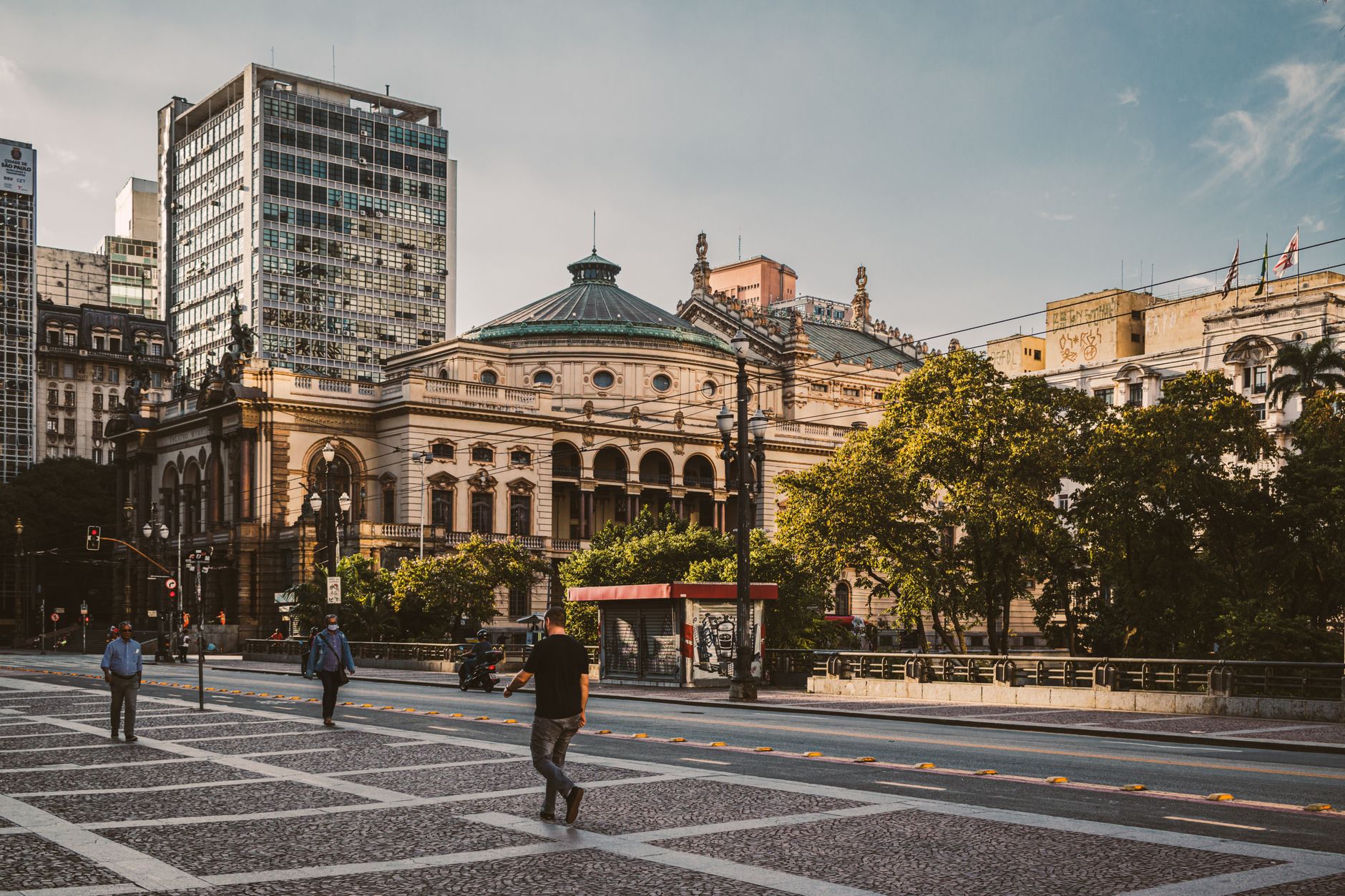
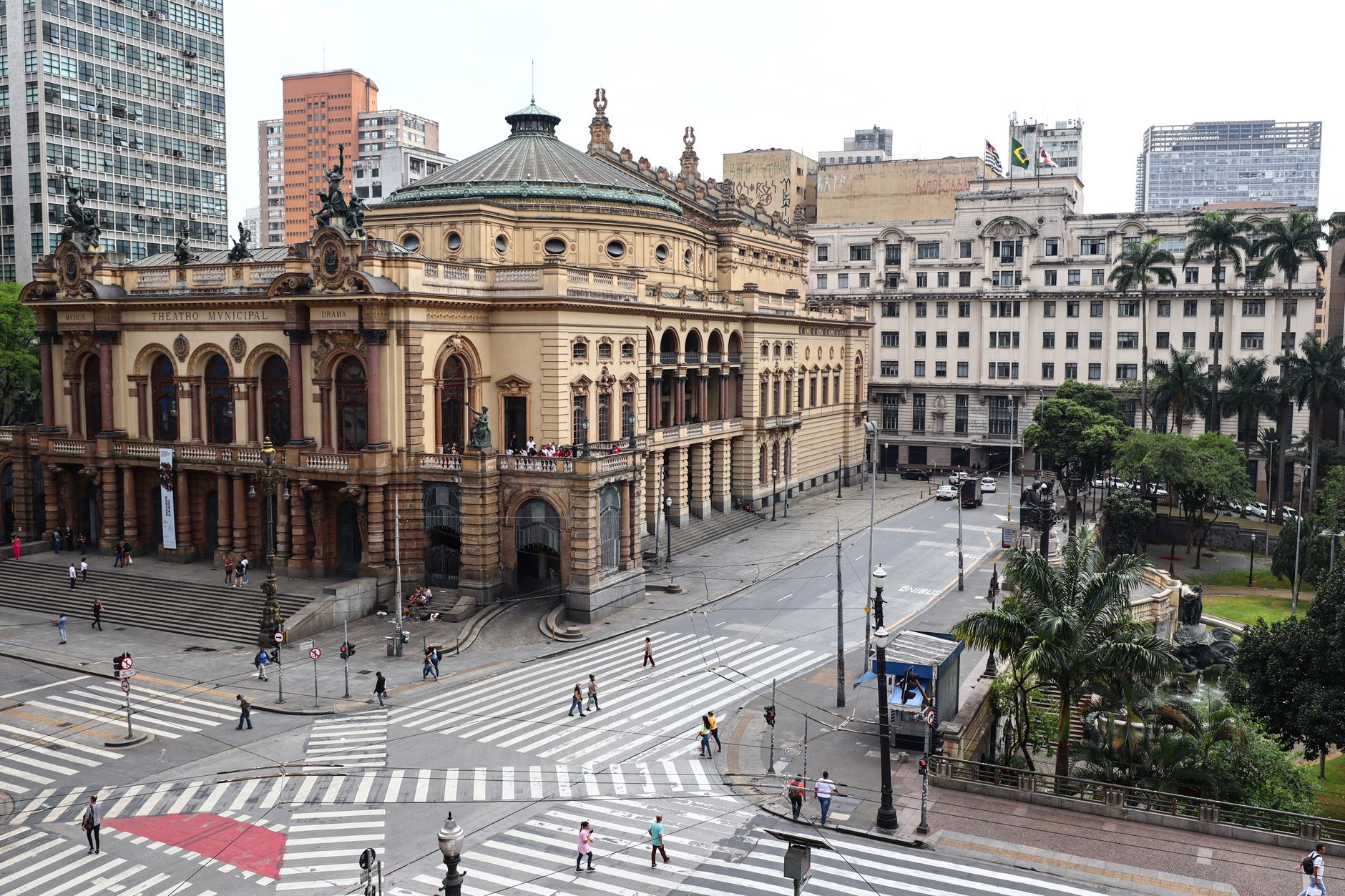
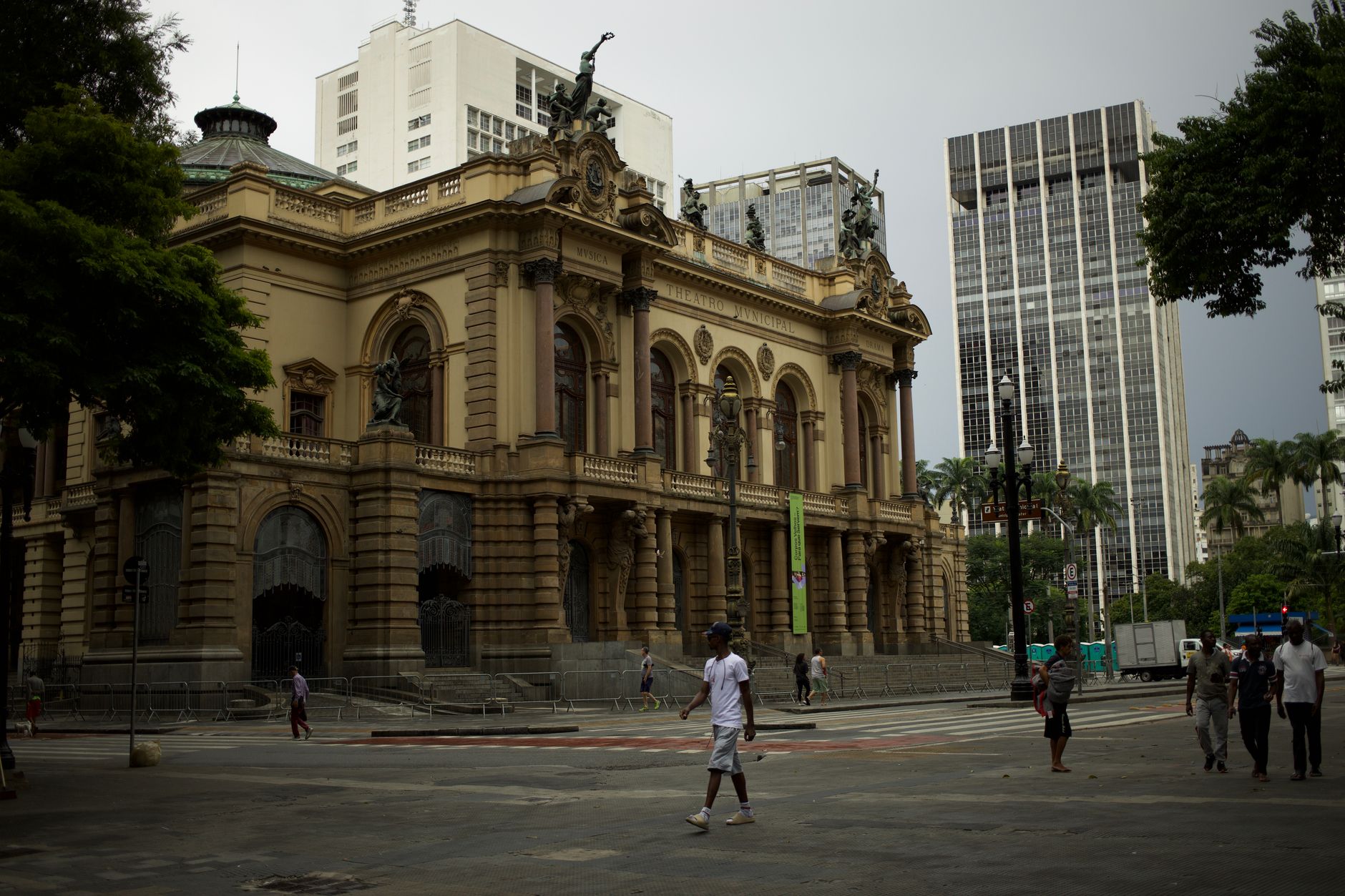
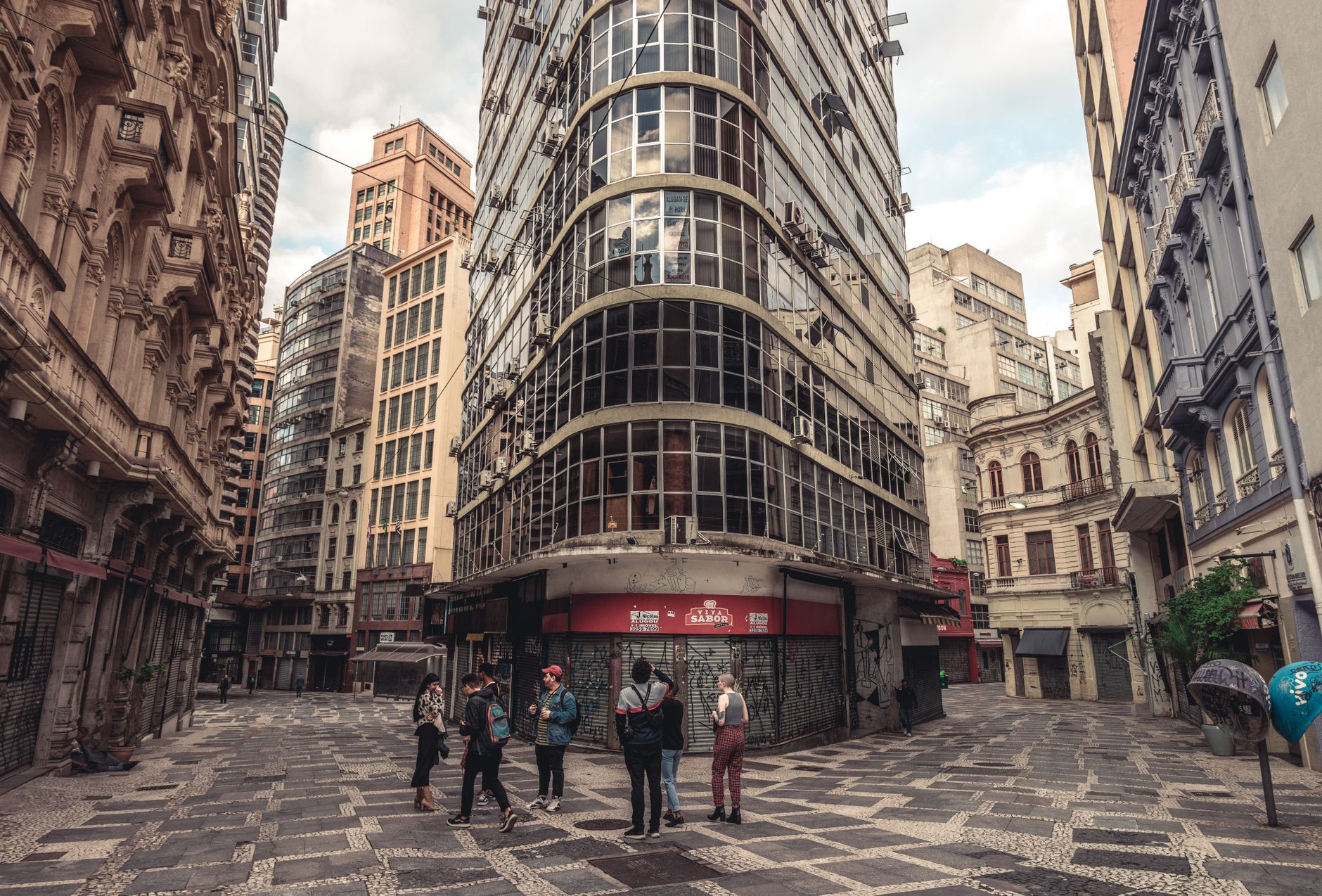
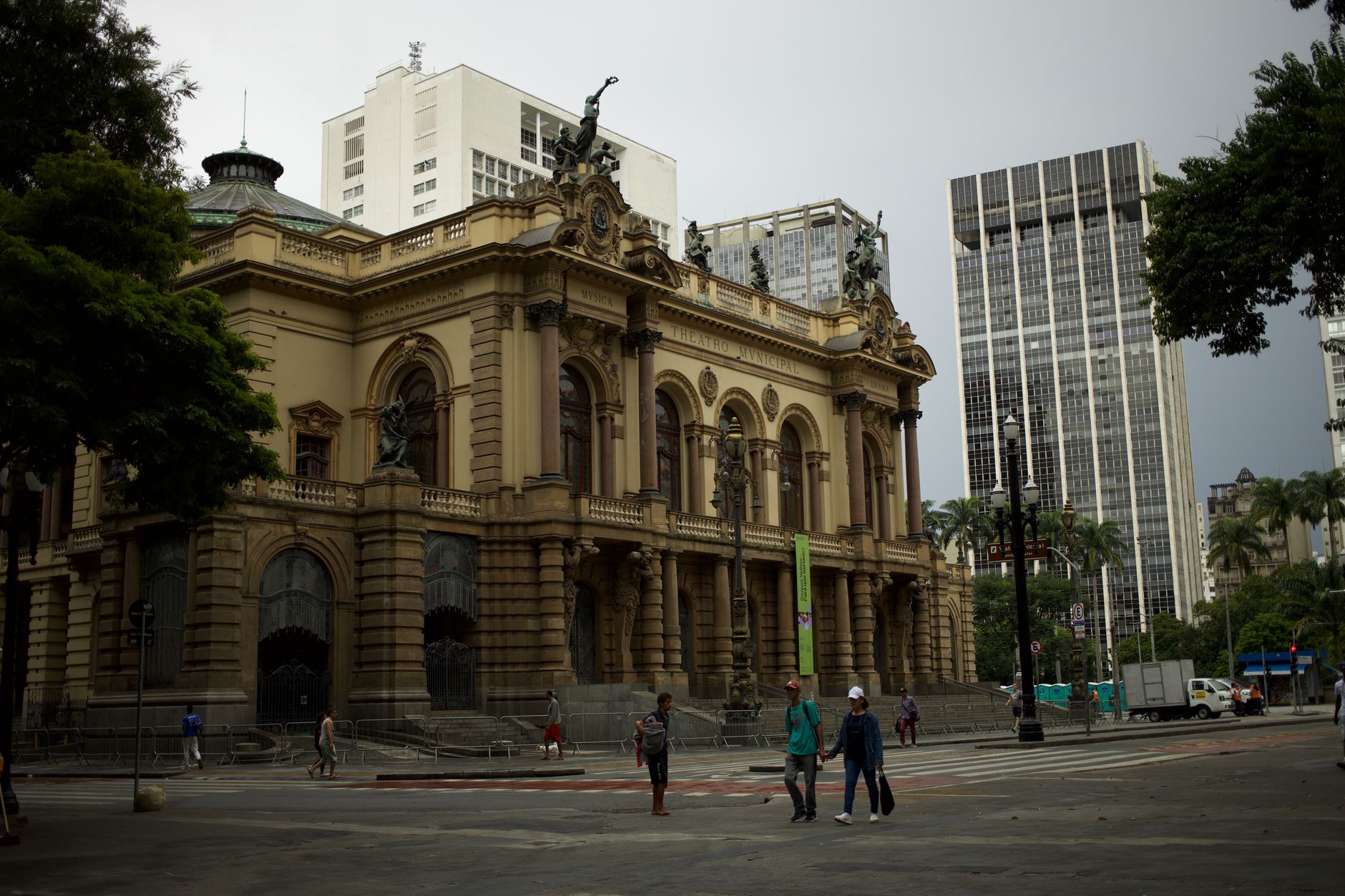
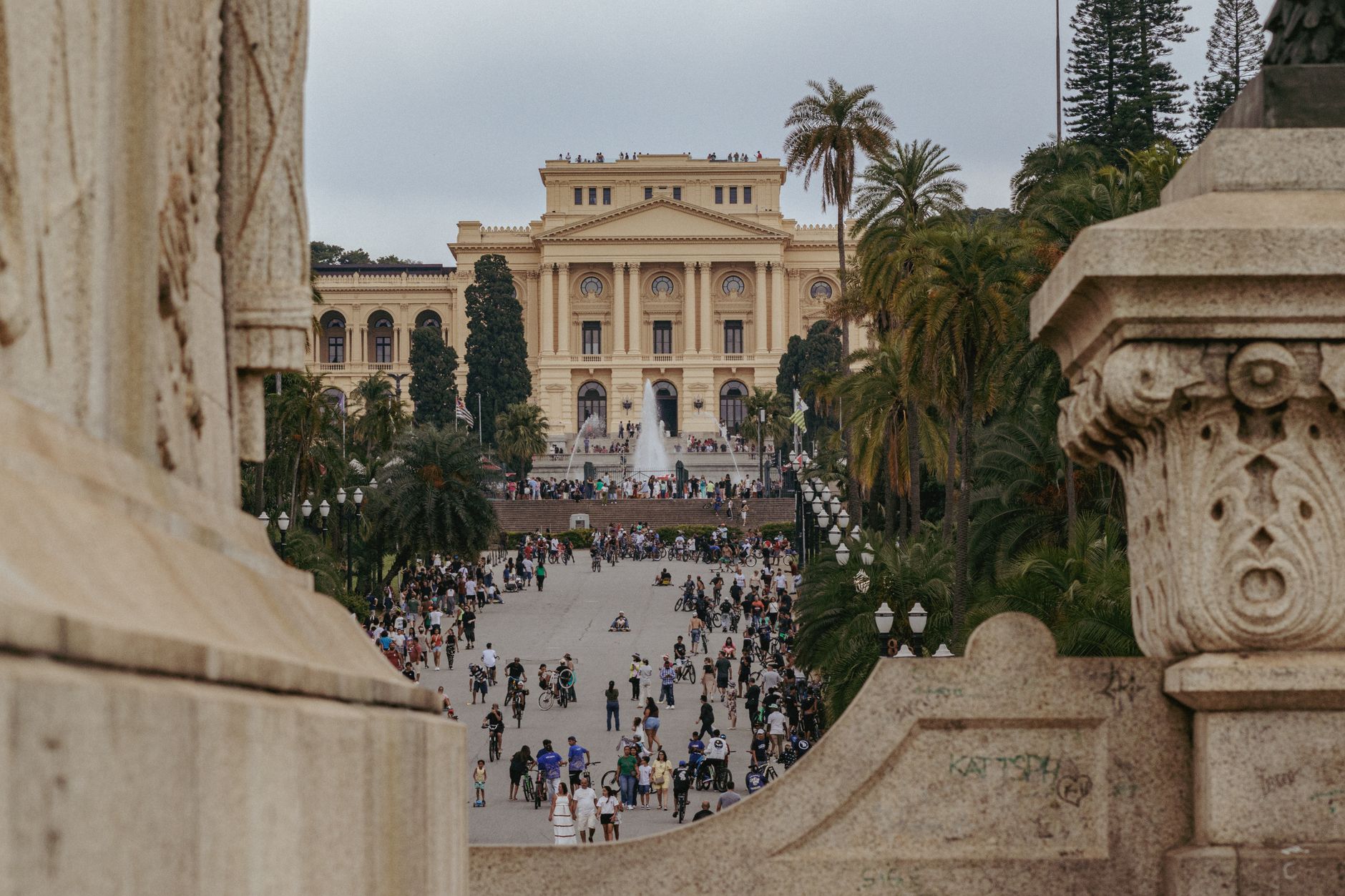
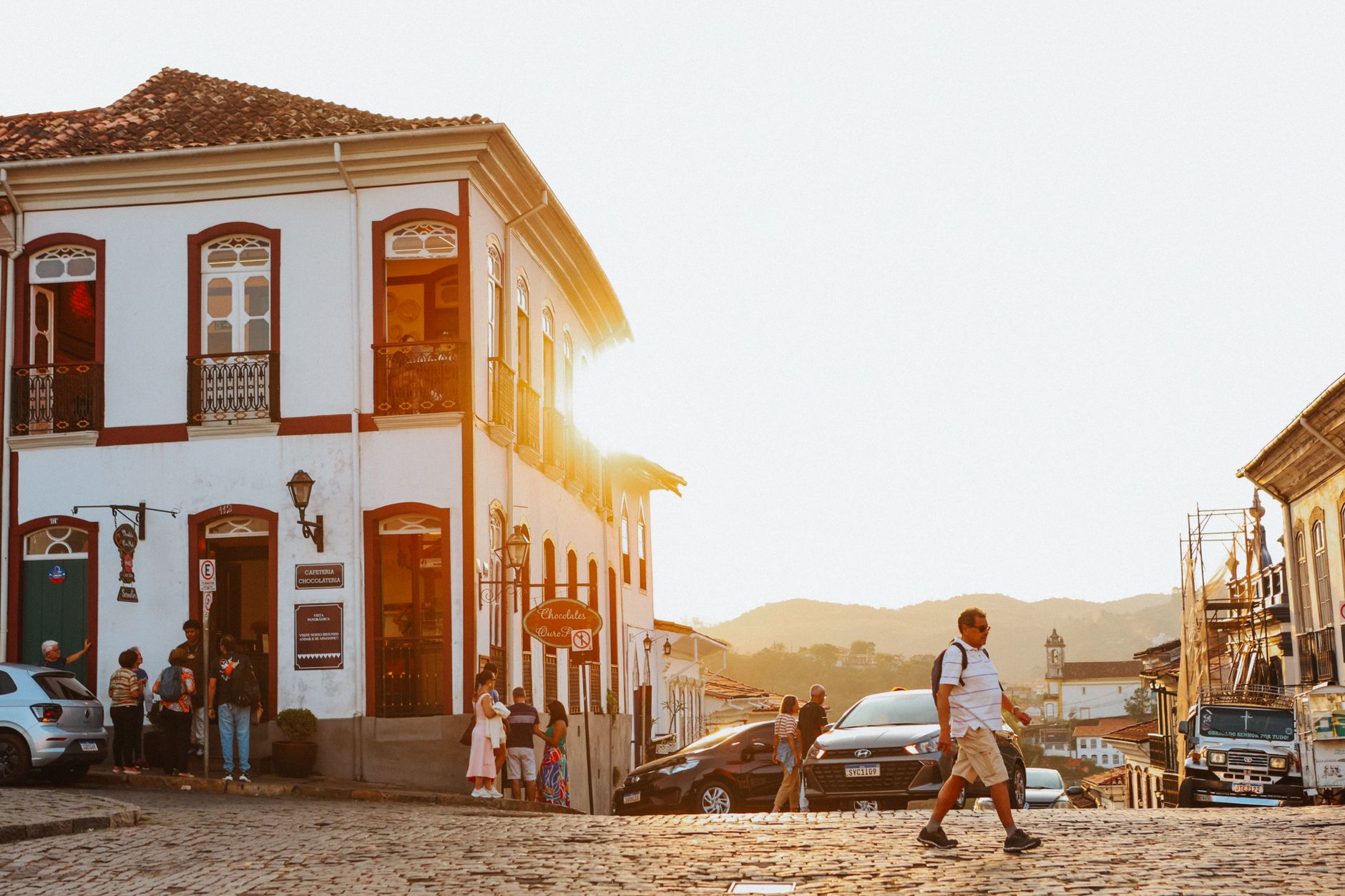
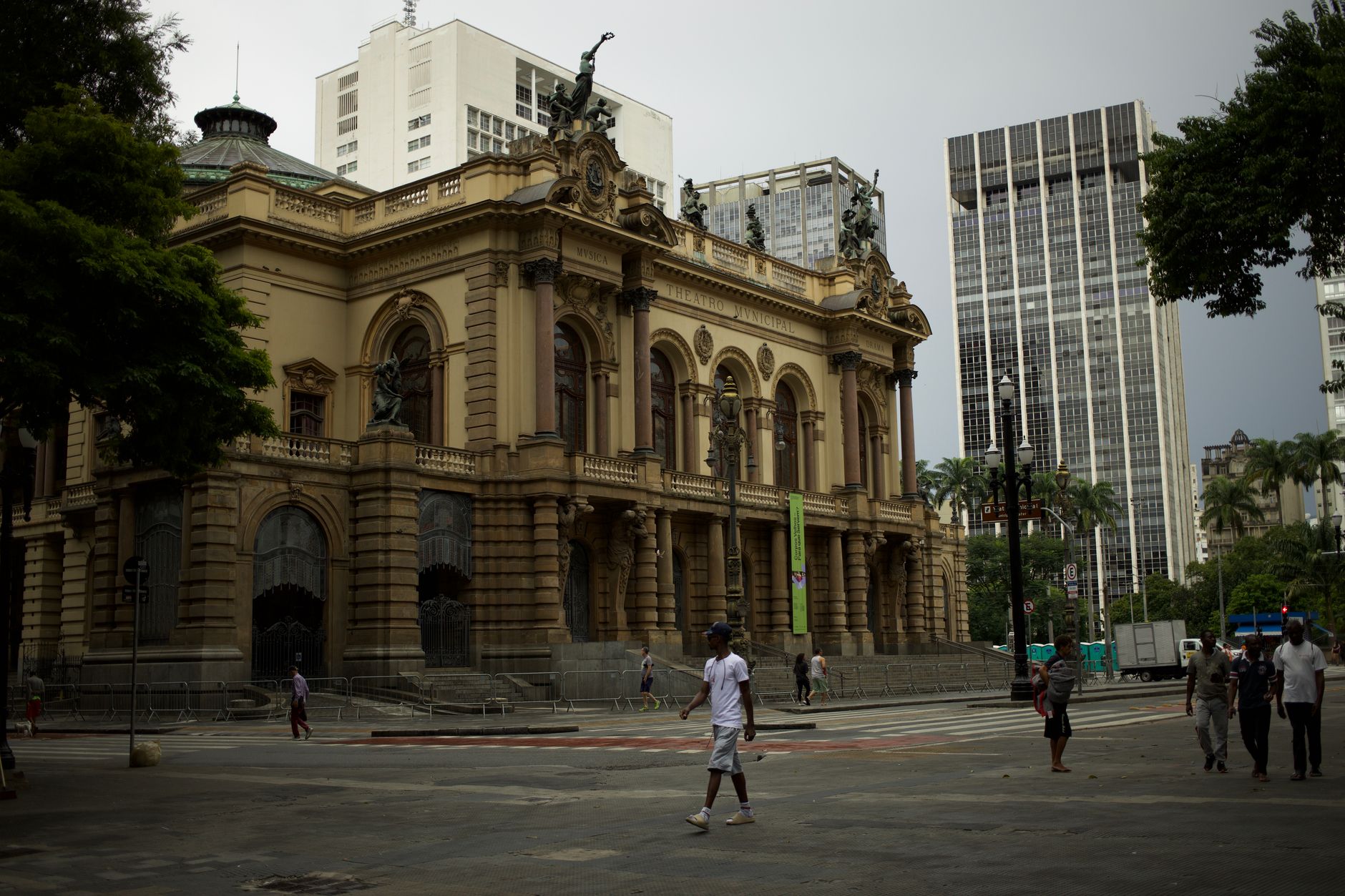
São Paulo sits on a plateau between two rivers, and the city that grew from a Jesuit mission on a steep hill in 1554 is now home to roughly 22 million people — the largest city in the Southern Hemisphere. What you notice first is the scale: the skyline goes on past the point where you expect it to stop, and then keeps going. But the city rewards the person who slows down. The ethnic neighborhoods of Bixiga, Bom Retiro, and Liberdade carry the weight of successive waves of immigration in their architecture, food, and street life, and the museums here hold collections that would anchor any European capital.
💛 What travellers fall for
People who keep coming back tend to land on the same two pieces of advice: visit MASP on a Tuesday, when entry is free and the crowds are manageable, and resist the urge to cross too much of the city in a single day. An hour of travel time between neighborhoods is a real number, not a pessimistic one.
Deals in Sao Paulo
Book directly at the provider


How Sao Paulo came to be
On January 25, 1554, twelve Jesuit priests led by Manuel da Nóbrega and José de Anchieta established a mission college on a hill between the Anhangabaú and Tamanduateí rivers. The settlement was slow to grow — it gained town rights in 1560 and was only elevated to city status in 1711. What changed everything was coffee. The mid-nineteenth century boom turned São Paulo into an economic engine, drawing immigrants from across Europe, the Middle East, and Japan, and layering the city's culture in ways still visible in its neighborhoods.
By the 1950s the city had a reputation it wore openly: the fastest-growing in the world. In 1954, for the Fourth Centenary, Ibirapuera Park was inaugurated — landscape by Roberto Burle Marx, pavilions by Oscar Niemeyer. Four years later, construction began on MASP, Lina Bo Bardi's audacious structure suspended on four concrete pillars, inaugurated in 1968 by Queen Elizabeth II. By 1960, São Paulo had overtaken Rio de Janeiro as Brazil's most populous city.
Who and what shaped it
People who shaped it
Landmark buildings
See Sao Paulo in motion
Plan your visit
On the map
When to go
June through August is the driest and coolest stretch — days run between 11 and 23°C, with July occasionally touching near-frost at night. From November through March expect humidity, temperatures pushing into the high twenties, and heavy afternoon rain; the city's mix of humidity and air pollution often produces a low mist that sits over the skyline for days at a time.
Right now
↡ Cities
Background & history adapted from Wikipedia (CC BY-SA) · specs from Wikidata (CC0) · weather from Open-Meteo · map data © OpenStreetMap contributors · photos from Wikimedia Commons / Unsplash with per-image credit. No third-party reviews or social posts reproduced.