
Ribeirão Preto
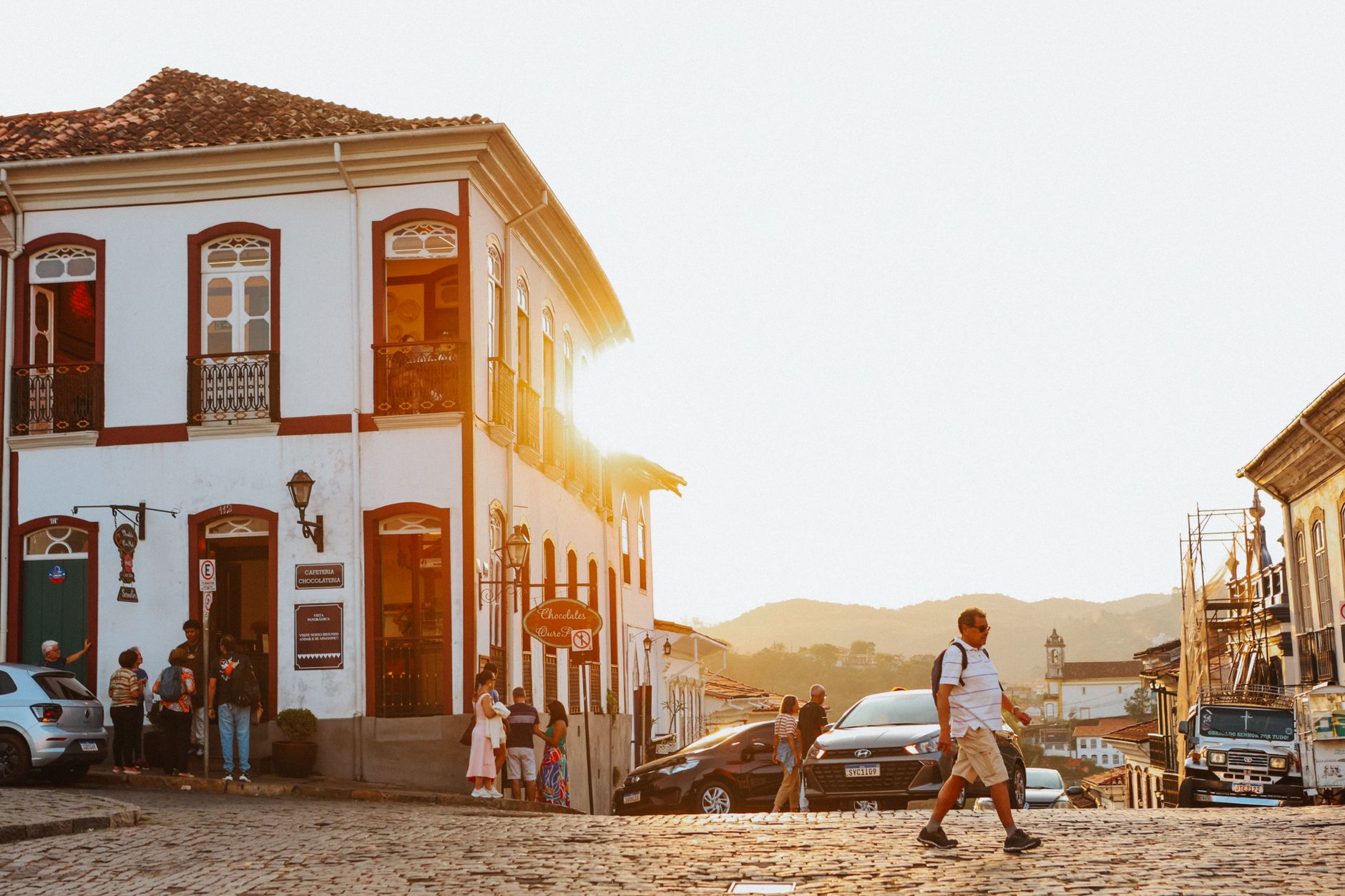
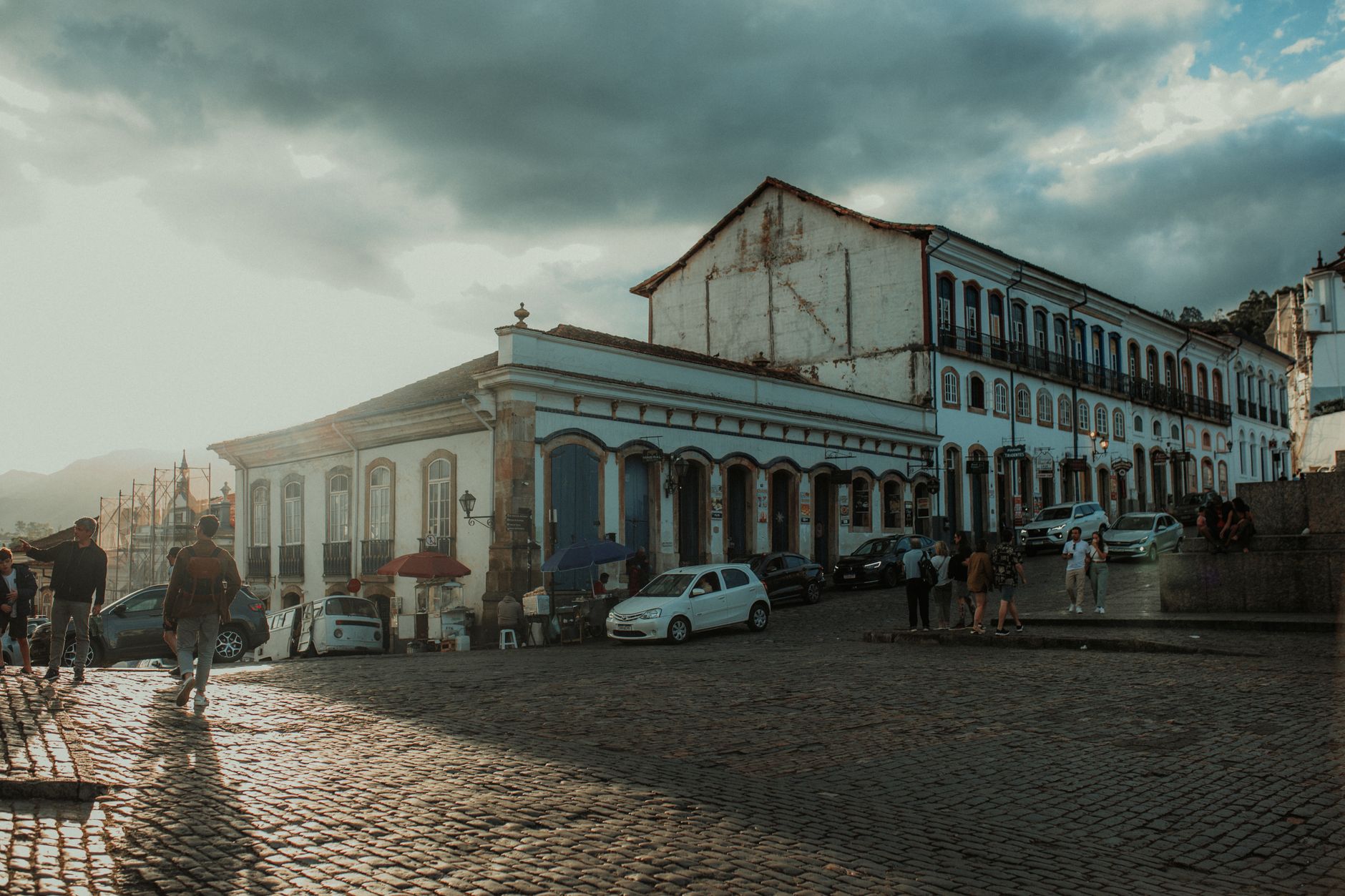
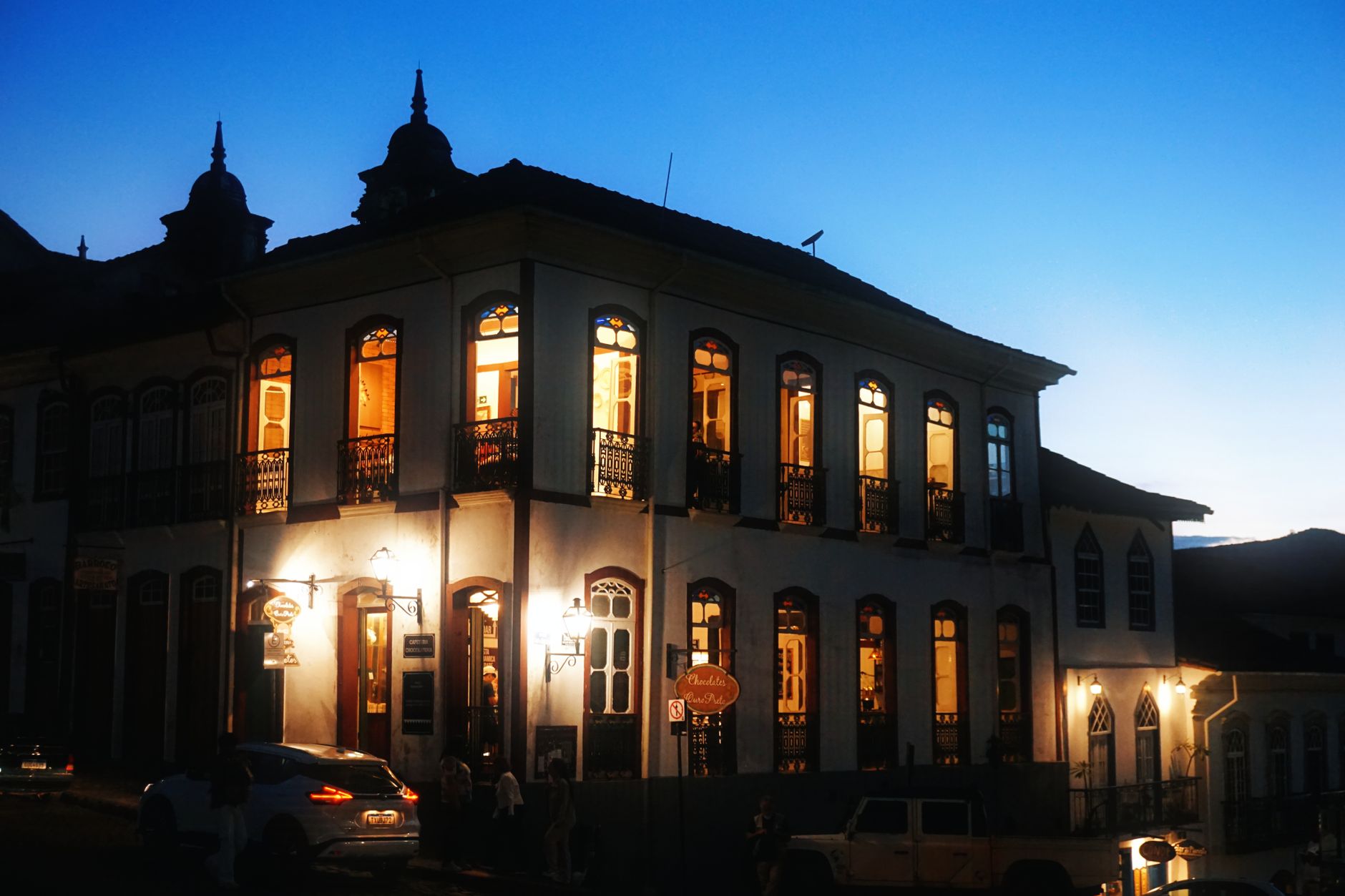
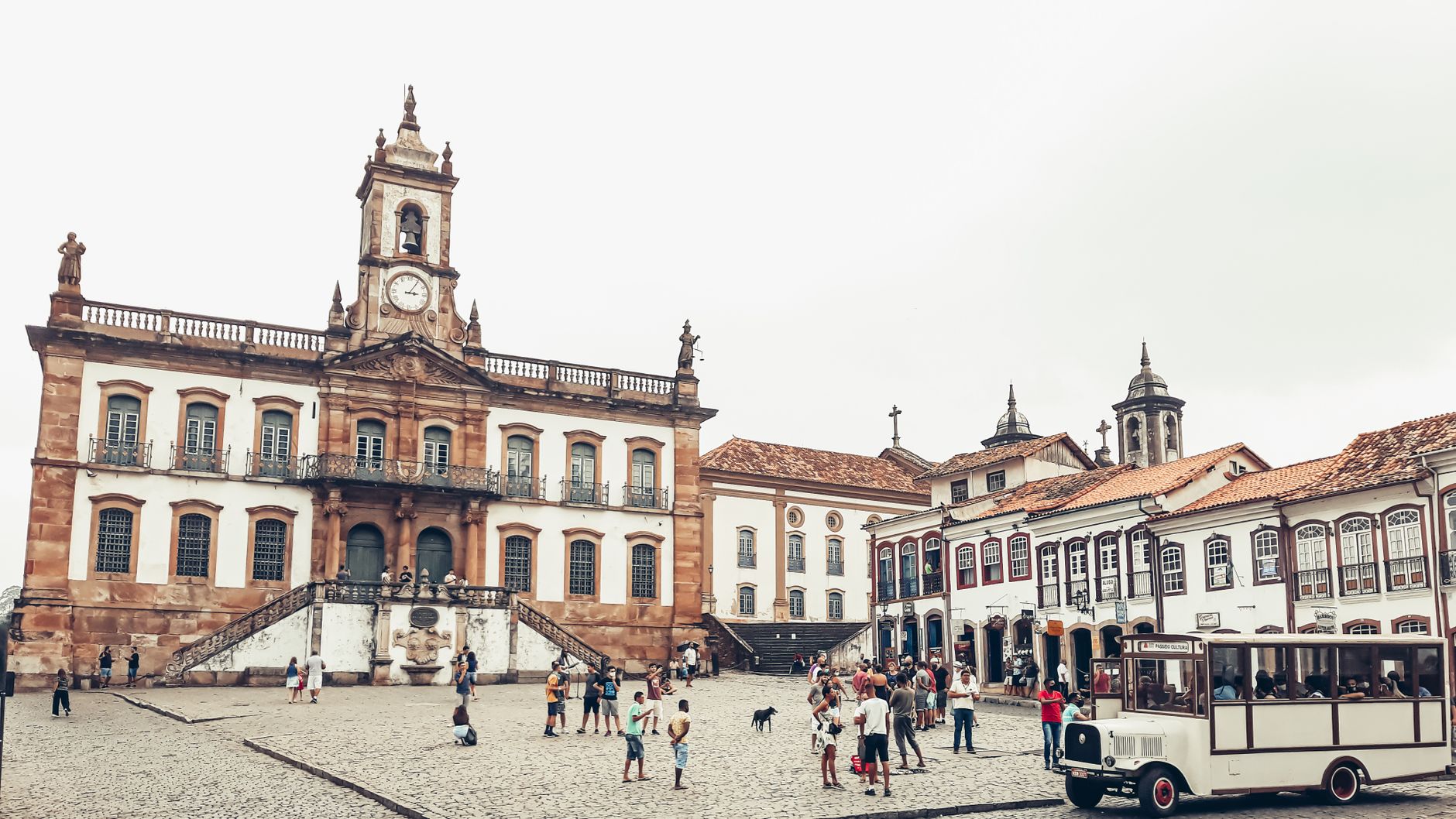
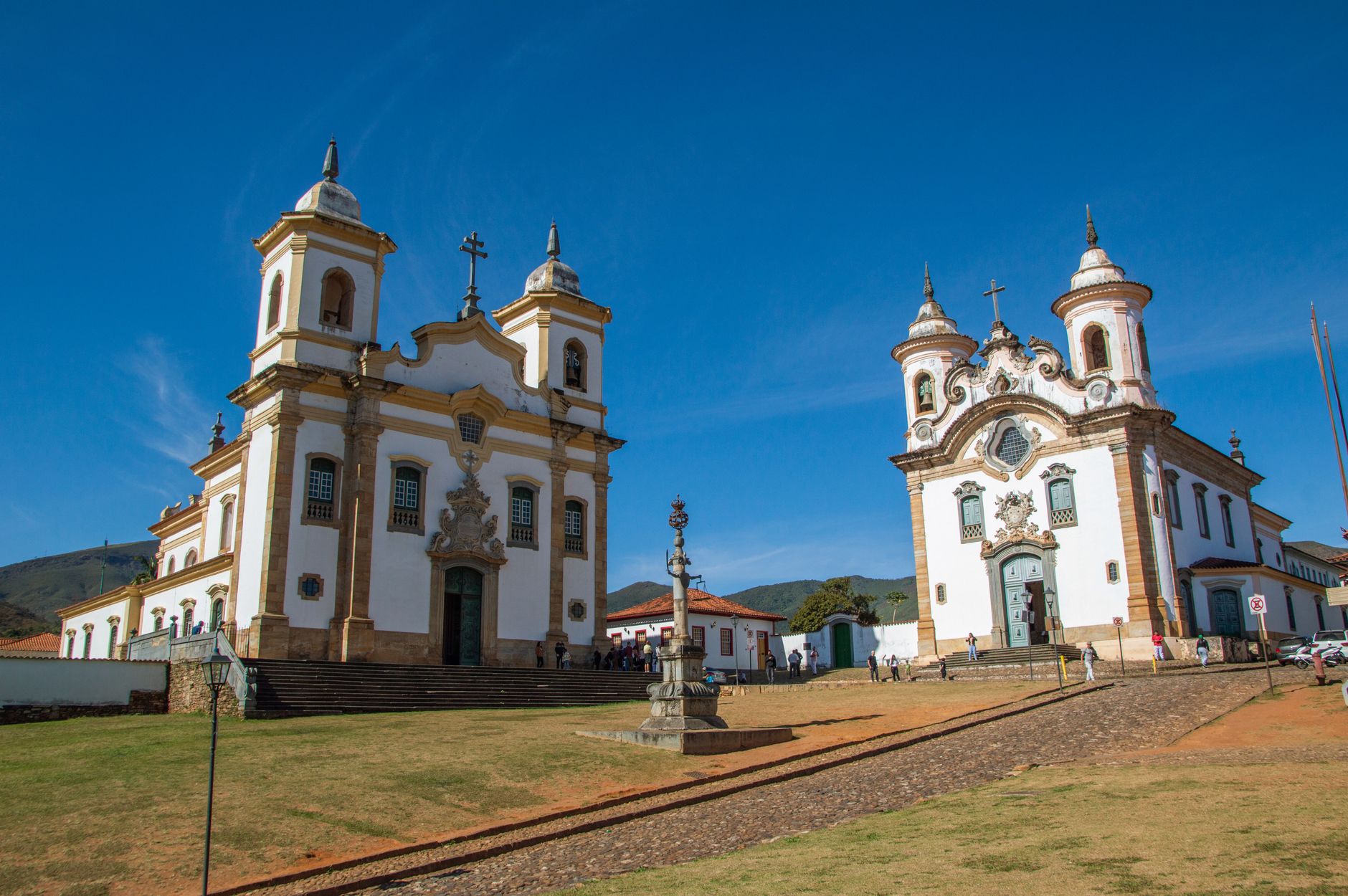
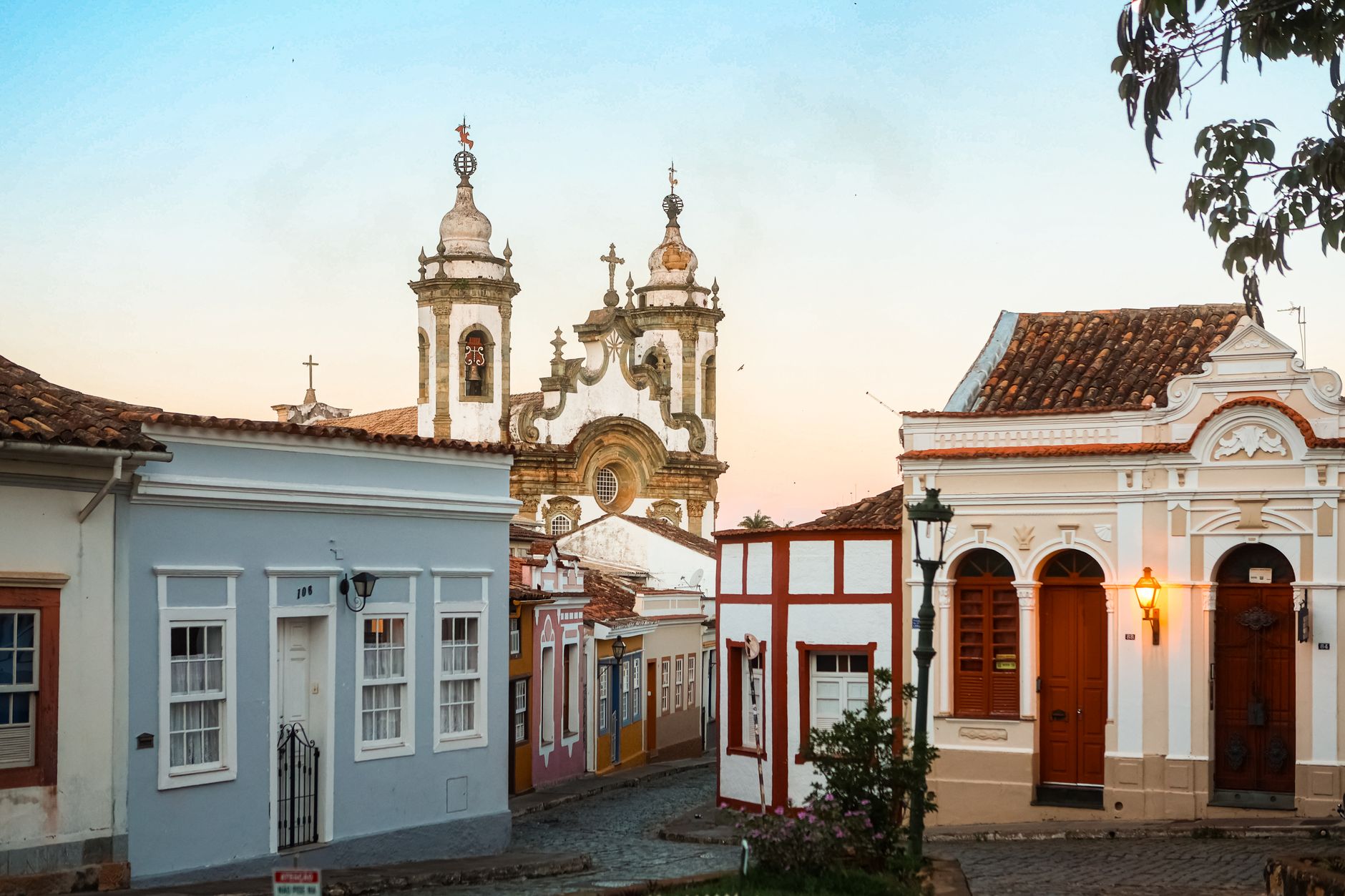
The soil around Ribeirão Preto runs a deep, oxidised red — terra roxa, locals call it — and it was this earth that made the city. By 1880, the plantations spreading across these São Paulo highlands were producing more coffee than anywhere else on the planet. That history left its mark in stone: a pink neo-Gothic cathedral, a grand opera house, a neoclassical mansion built to honour the Italian immigrants who worked the land.
Today the city runs on sugarcane and ethanol as much as memory. It is a place of genuine urban scale — Cineclube Cauim seats 900 people and claims the title of Brazil's largest film society — with parks, a zoo, and a Japanese garden tucked inside Bosque Municipal Fábio Barreto.
💛 What travellers fall for
People who come back tend to time a visit around the dry season and spend an evening at Theatro Pedro II, the third-largest opera house in Brazil, which opened in 1930 and still hosts a full programme. The Municipal Market, built in 1900, is worth a slow morning — classical stonework, good coffee, no hurry.
Deals in Ribeirão Preto
Book directly at the provider

How Ribeirão Preto came to be
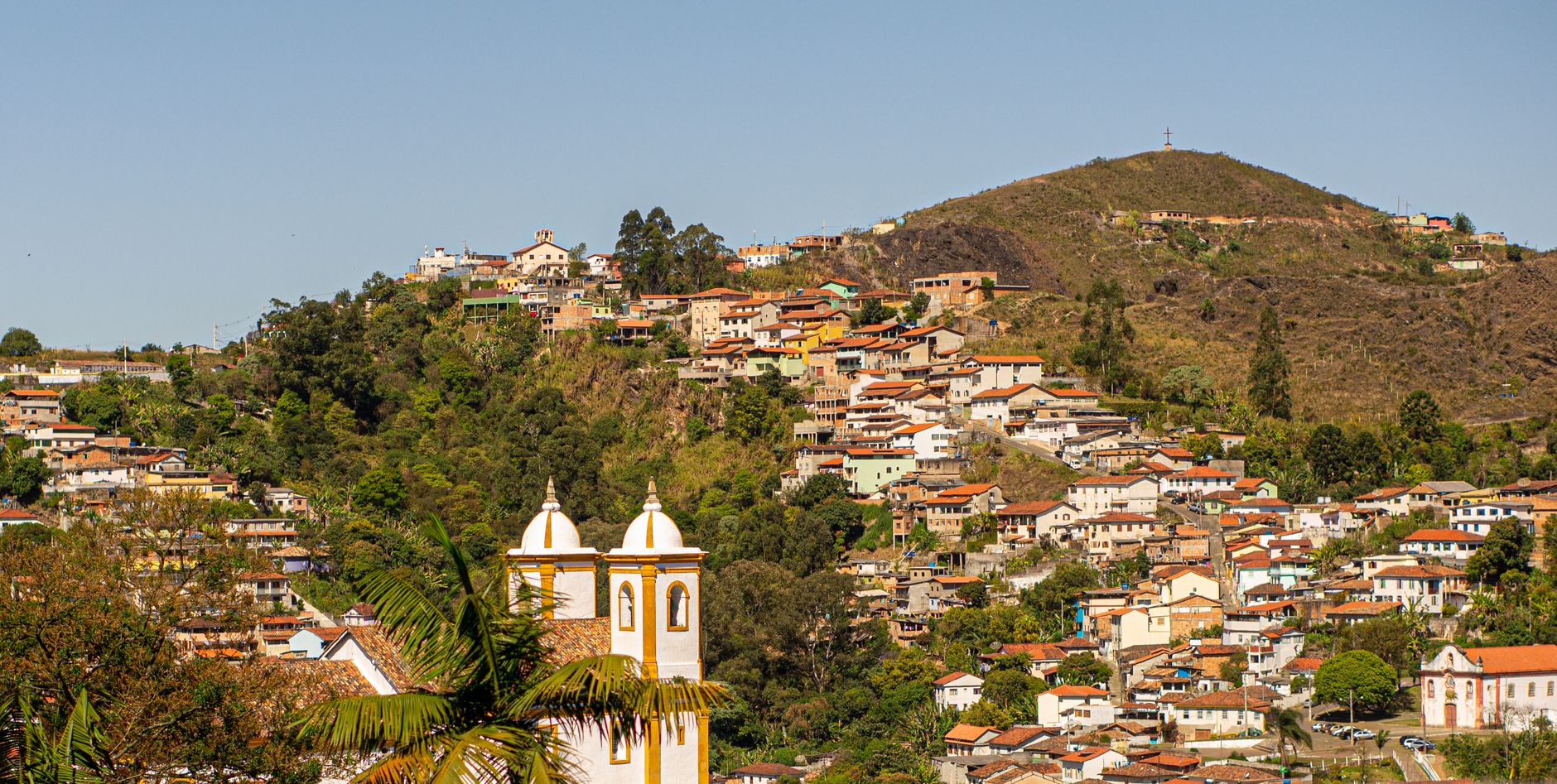
Six farmers from São Paulo and Minas Gerais donated land to found a parish here on June 19, 1856. The settlement became a municipality in 1871, and within a decade the terra roxa had made it the world's single largest coffee producer. The Mogiana Railway arrived in 1883, pulling in capital and workers — many of them Italian immigrants whose stories are now kept at the Casa da Memória Italiana.
The 1929 crash ended that first boom almost overnight. A second came after the 1970s oil crisis, when Brazil's Pro-Álcool programme turned the region's sugarcane fields into a national energy source. Agribusiness pioneer Maurílio Biagi was central to that transformation, and the city has not looked back since.
Who and what shaped it
People who shaped it
Landmark buildings
See Ribeirão Preto in motion
Plan your visit
On the map
When to go
June through August brings dry, moderate days — temperatures sit between roughly 14°C and 29°C with almost no rain, which makes it the most comfortable window for being outside. November through March is hot and humid, with heavy afternoon thunderstorms that can arrive without much warning.
Right now
Background & history adapted from Wikipedia (CC BY-SA) · specs from Wikidata (CC0) · weather from Open-Meteo · map data © OpenStreetMap contributors · photos from Wikimedia Commons / Unsplash with per-image credit. No third-party reviews or social posts reproduced.