
Dominican Republic
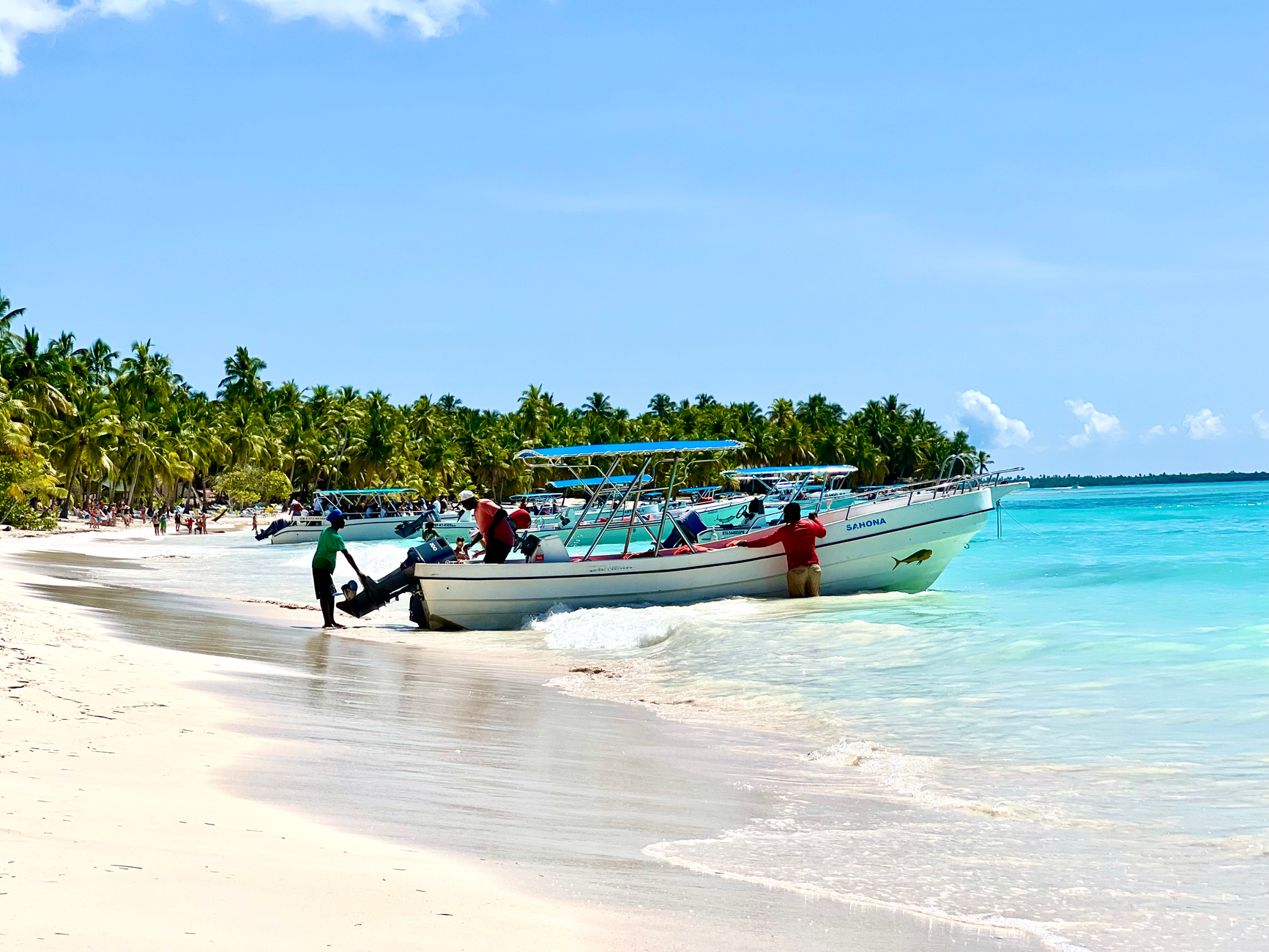
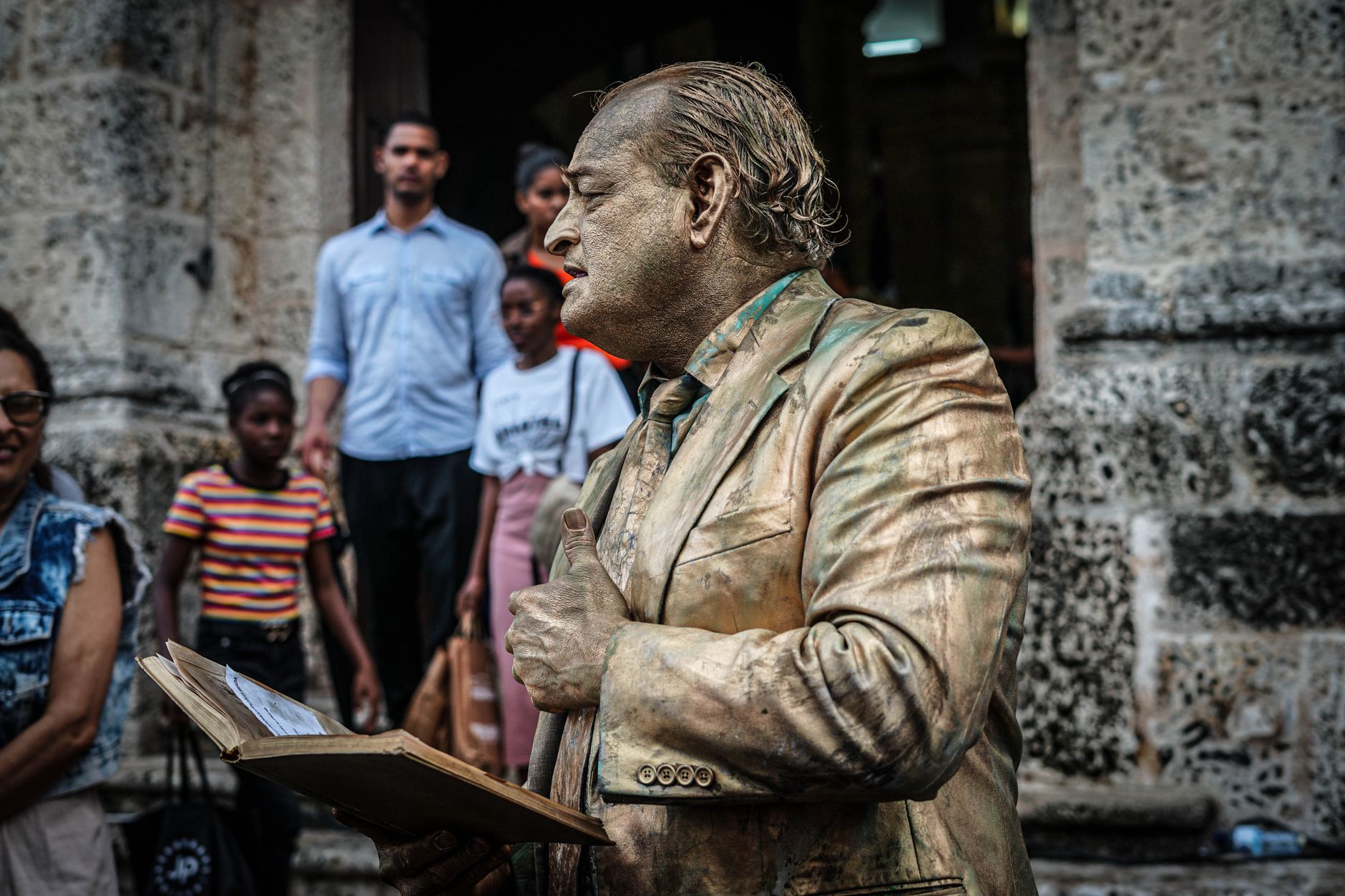
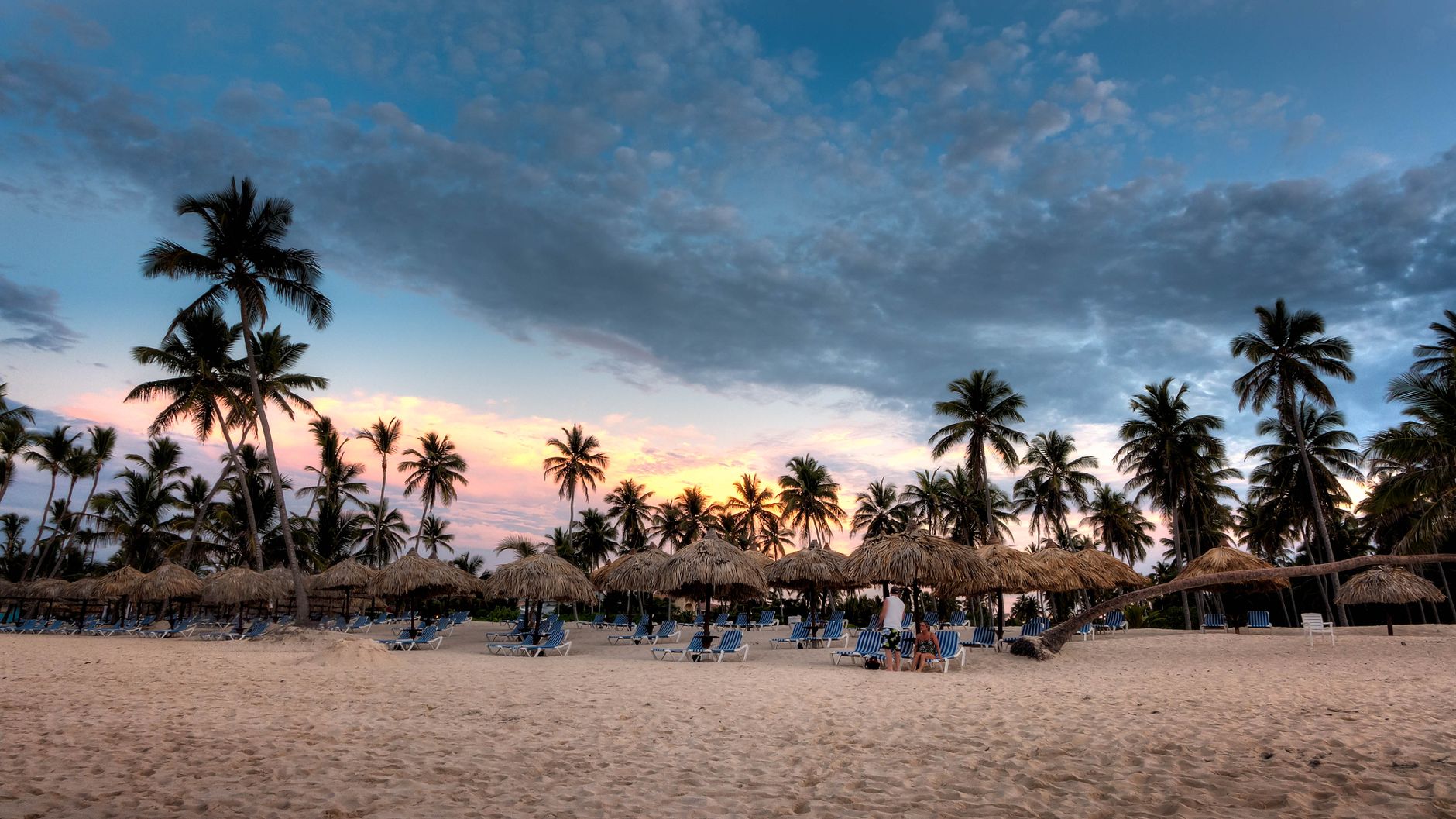
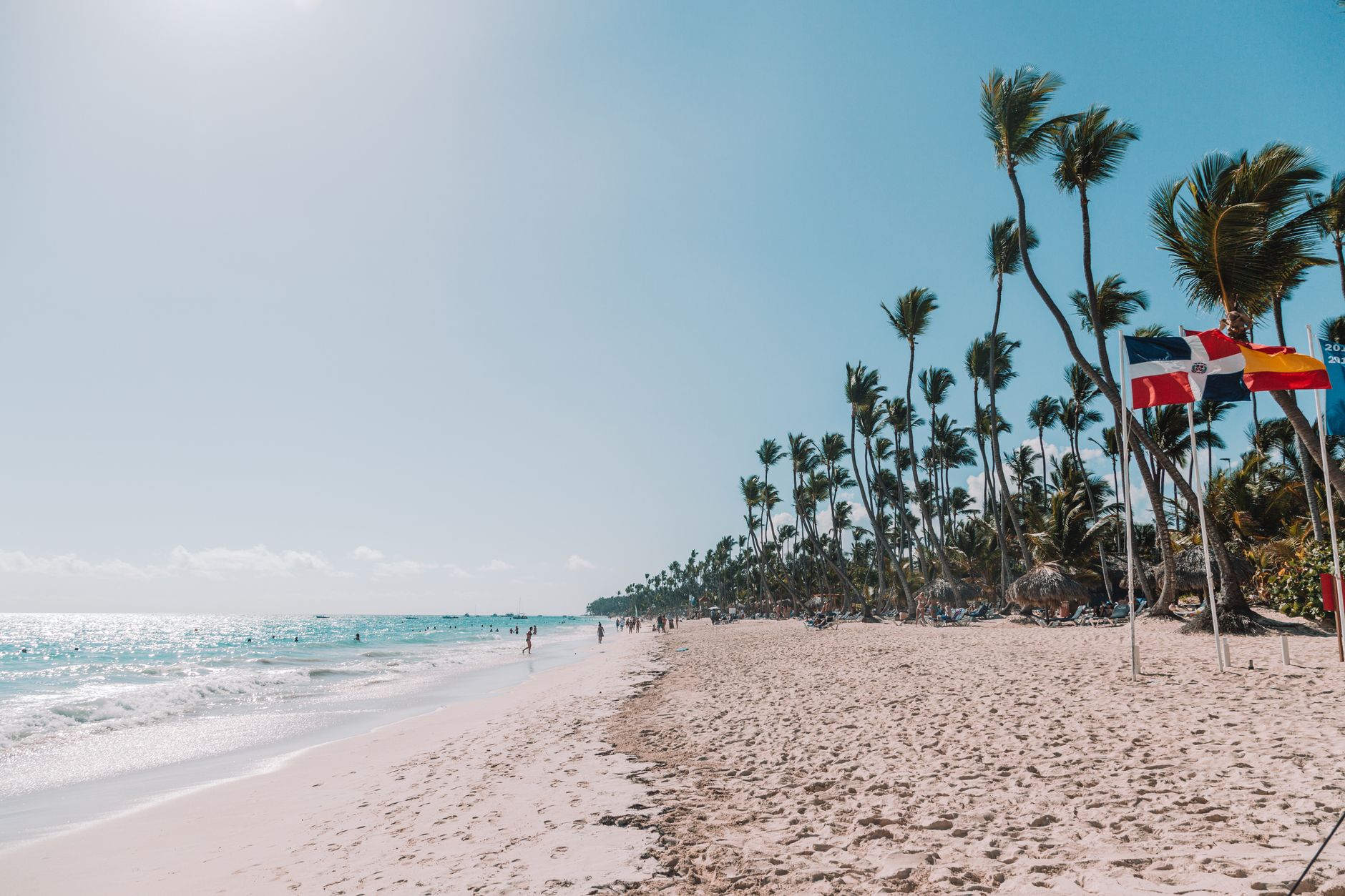
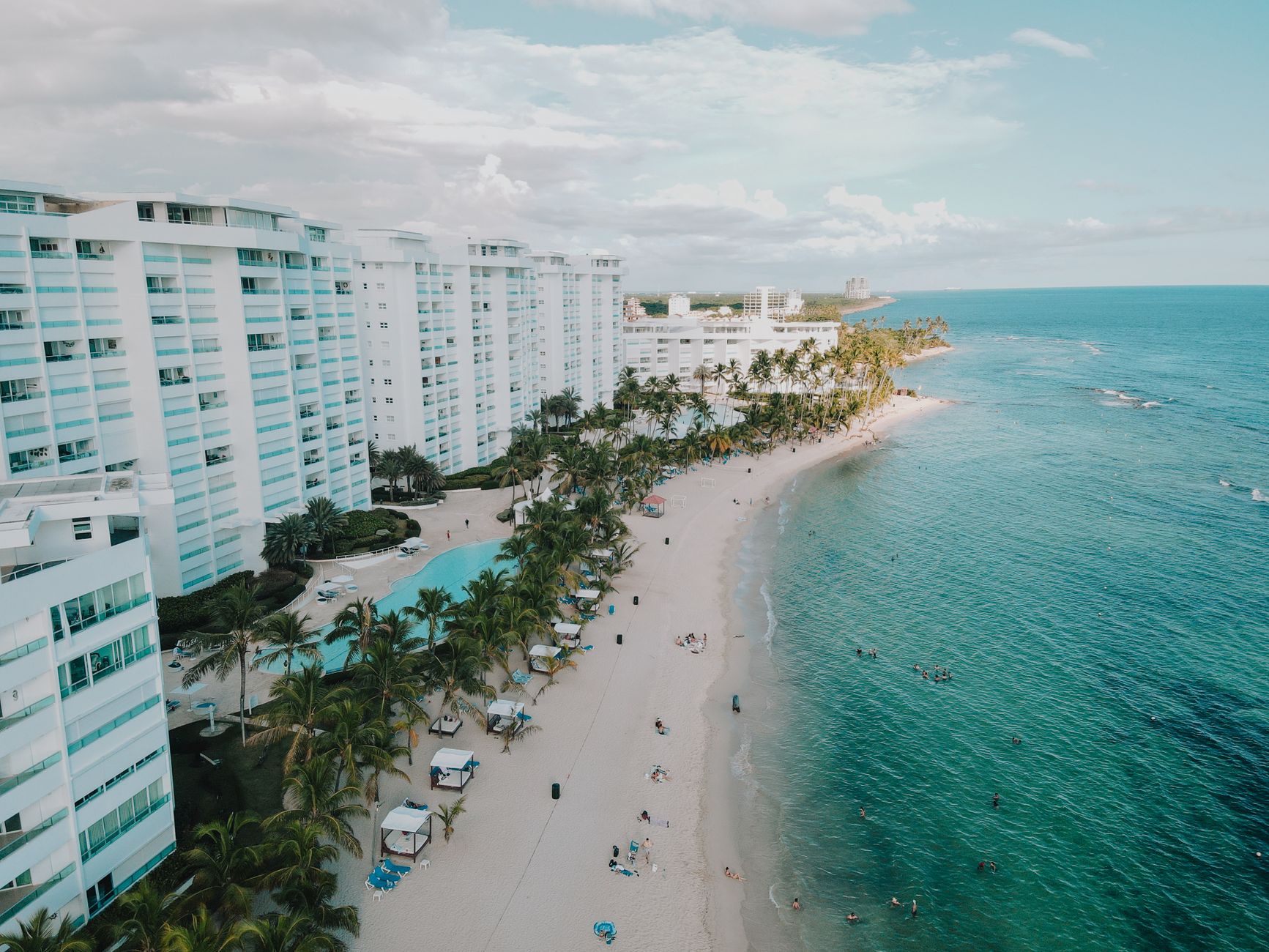
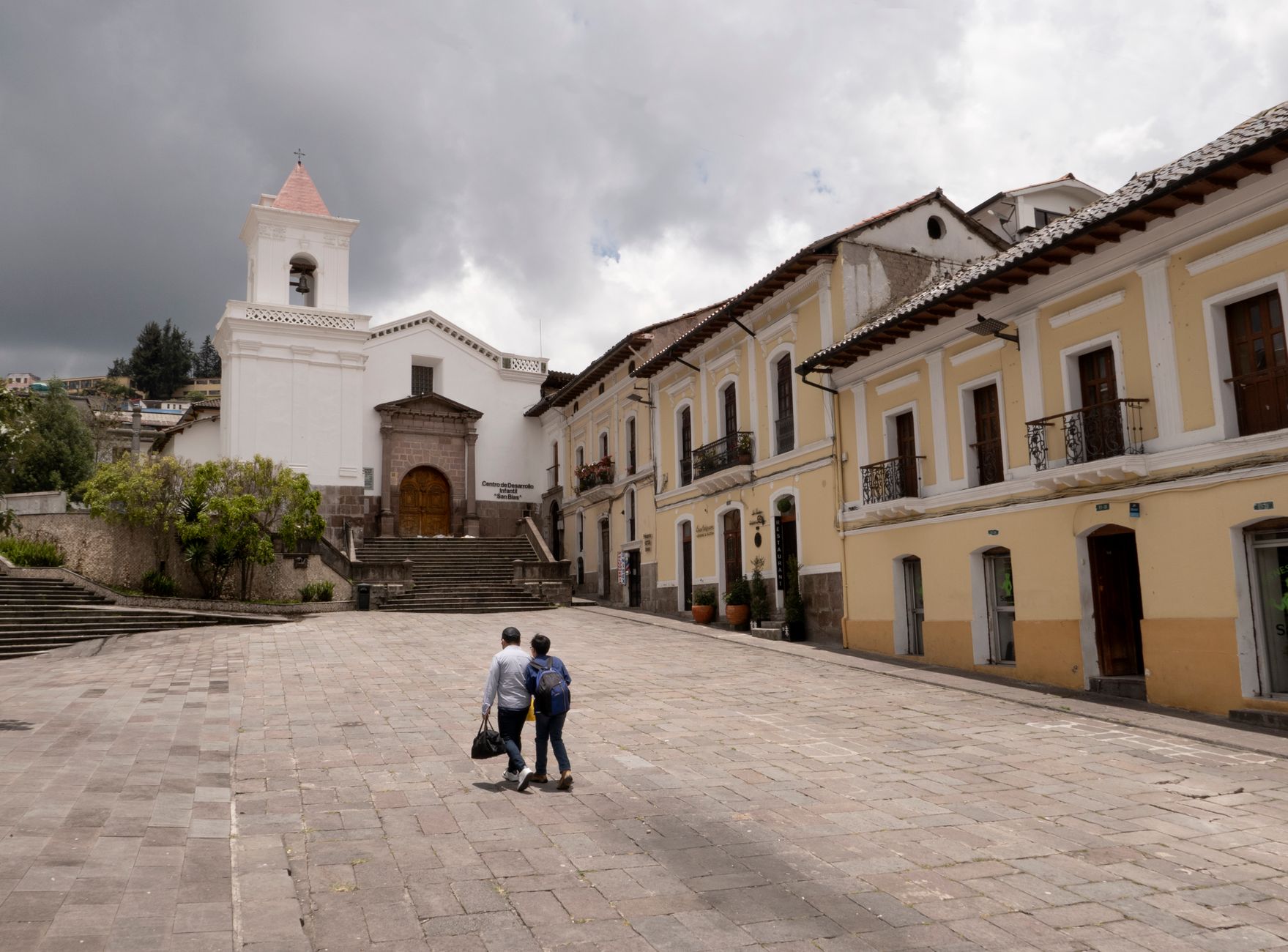
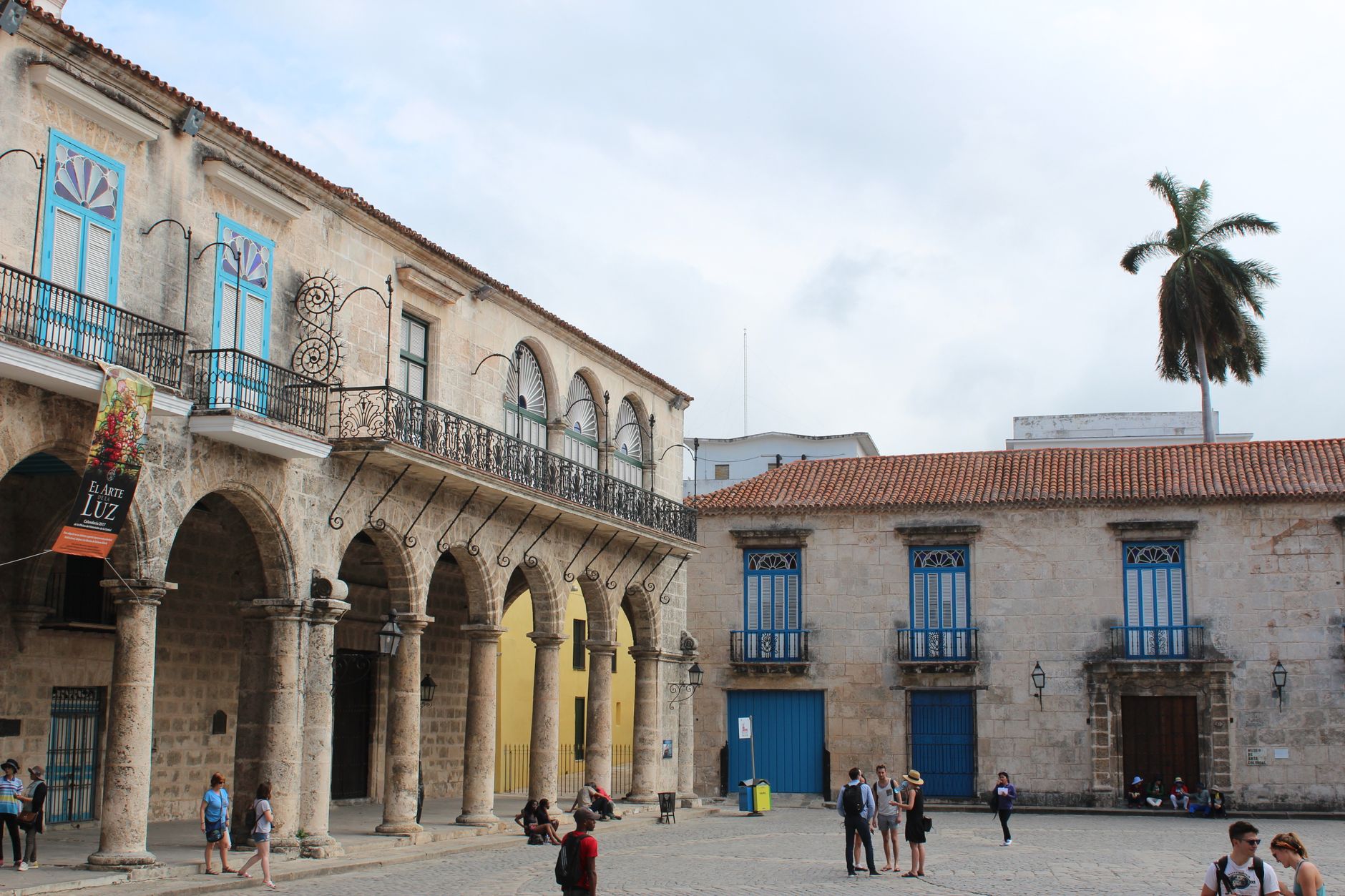
Santo Domingo was the first permanent European city in the Americas, and that fact has a way of reordering everything you thought you knew about the Western Hemisphere. The Colonial Zone still holds the oldest cathedral, palace, monastery, and fortress built in the New World — not as museum pieces, but as lived-in streets where schoolchildren walk past 500-year-old stone walls.
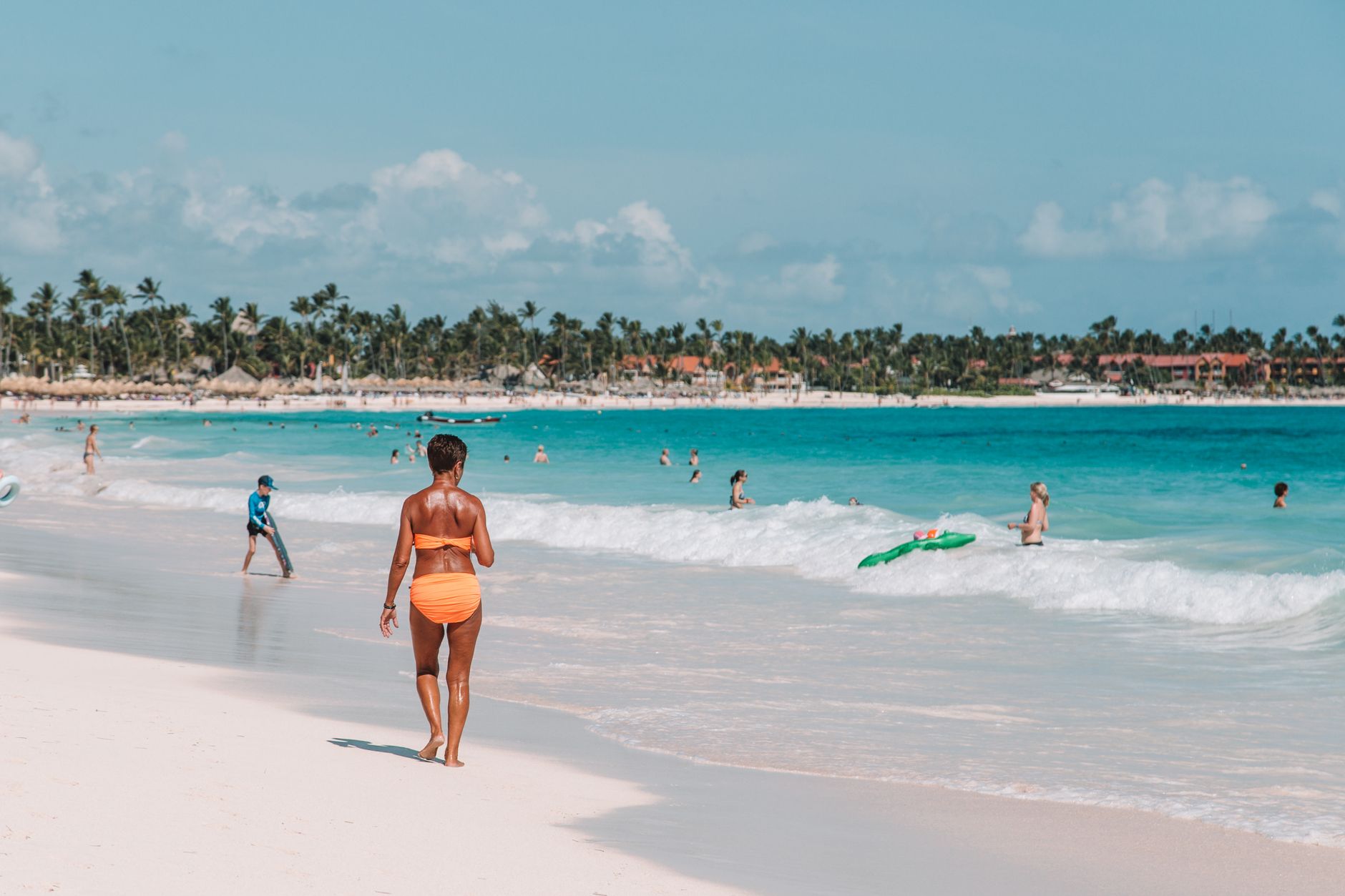
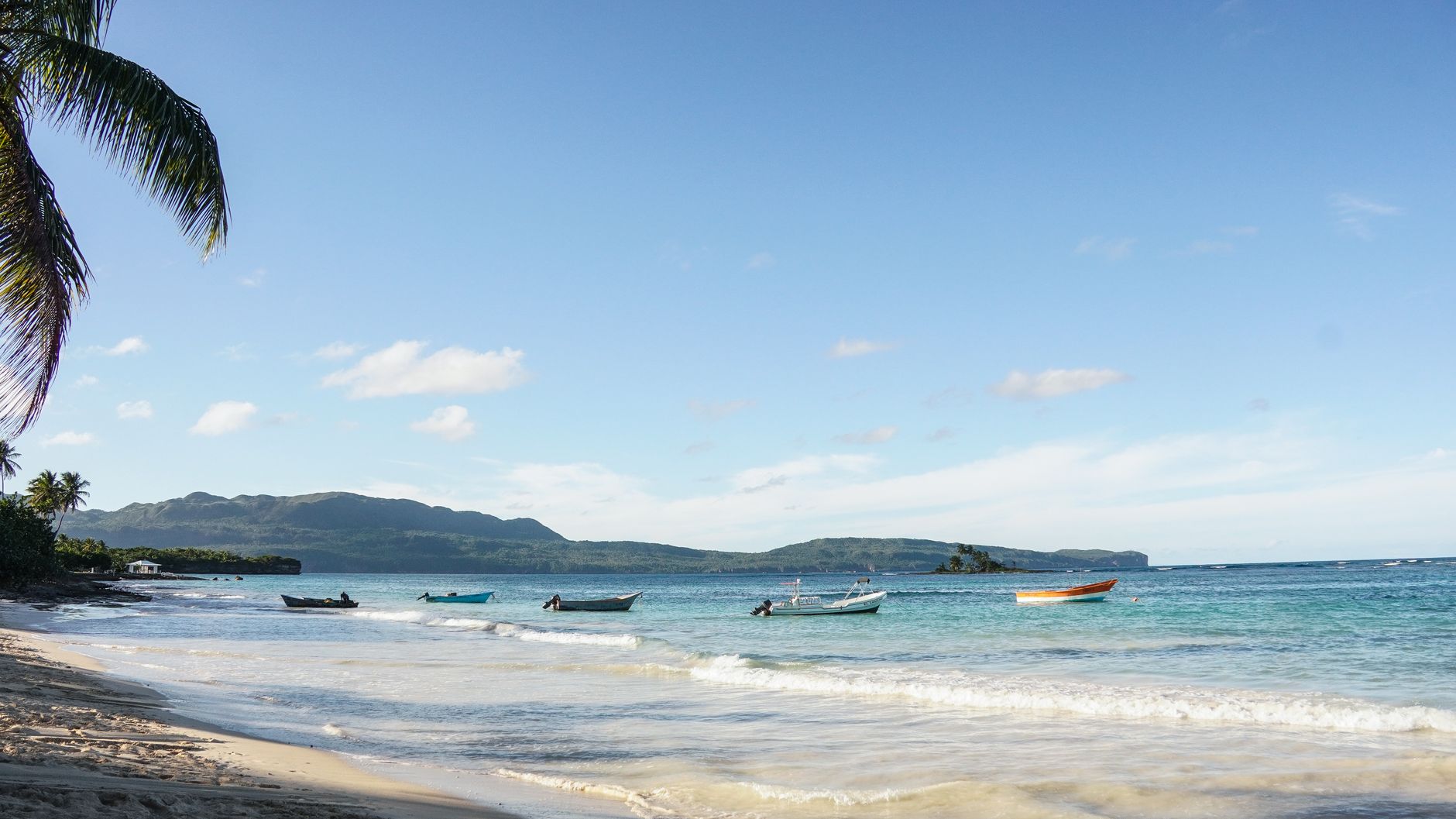
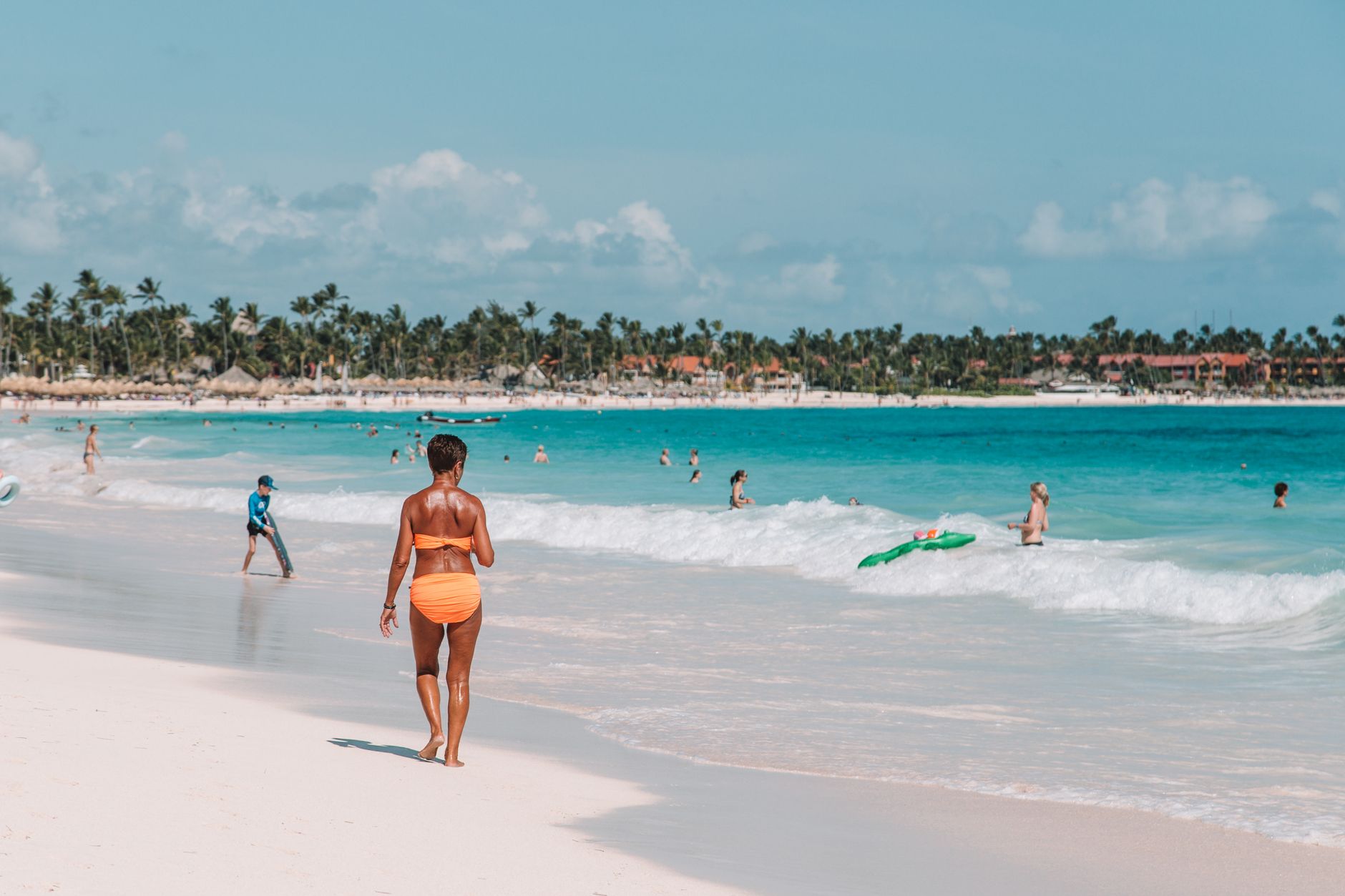
Beyond the capital, the country moves between registers: the limestone caves at Los Tres Ojos outside Santo Domingo, a 60-metre waterfall near Jarabacoa, a replica Mediterranean village perched above the Chavón River. The Dominican Republic is not one landscape or one story — it rewards the traveller who looks past the all-inclusive shoreline.
Popular regions in Dominican Republic
Experiences you don't want to miss



Deals in Dominican Republic
Book directly at the provider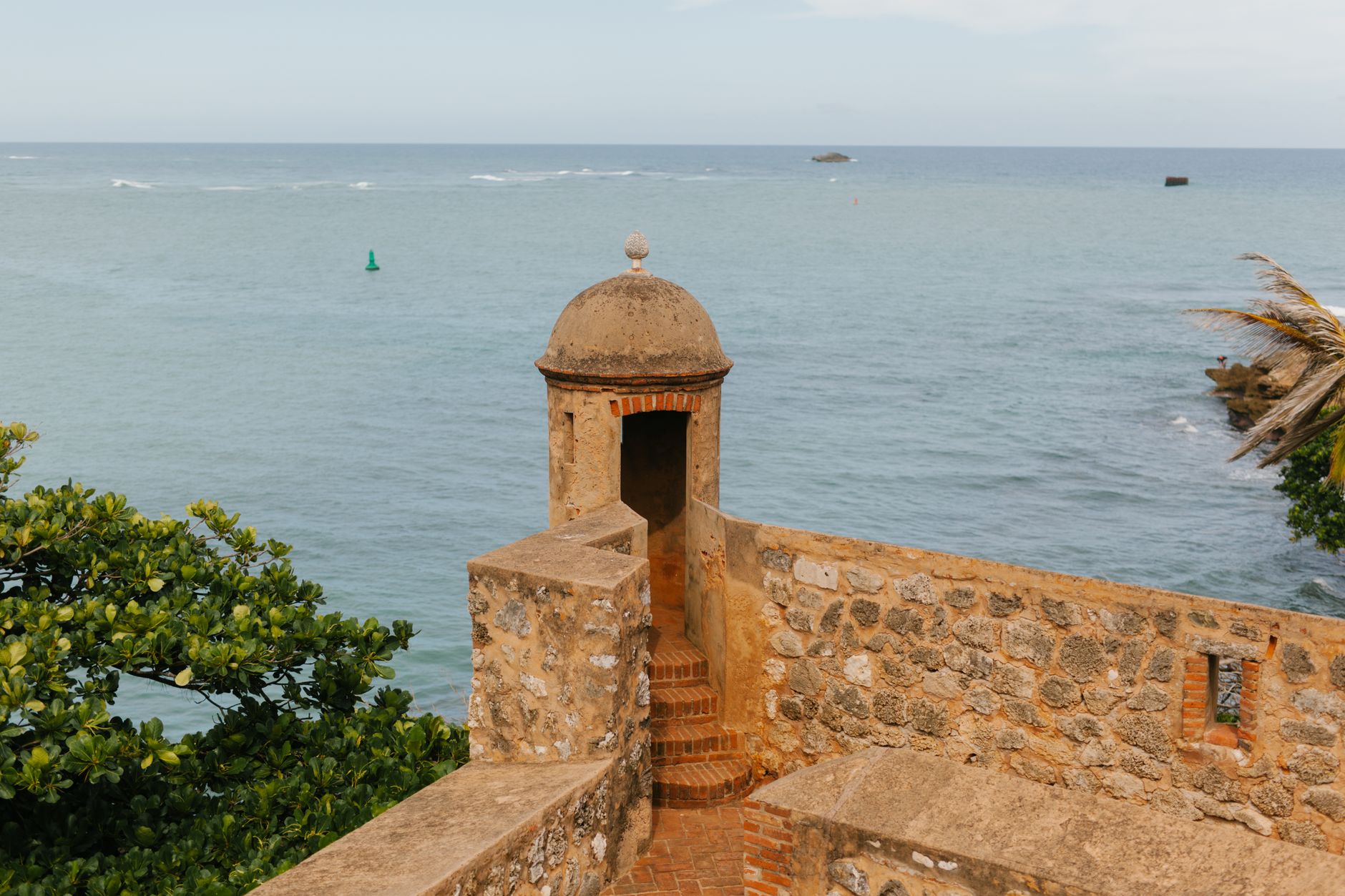


How Dominican Republic came to be
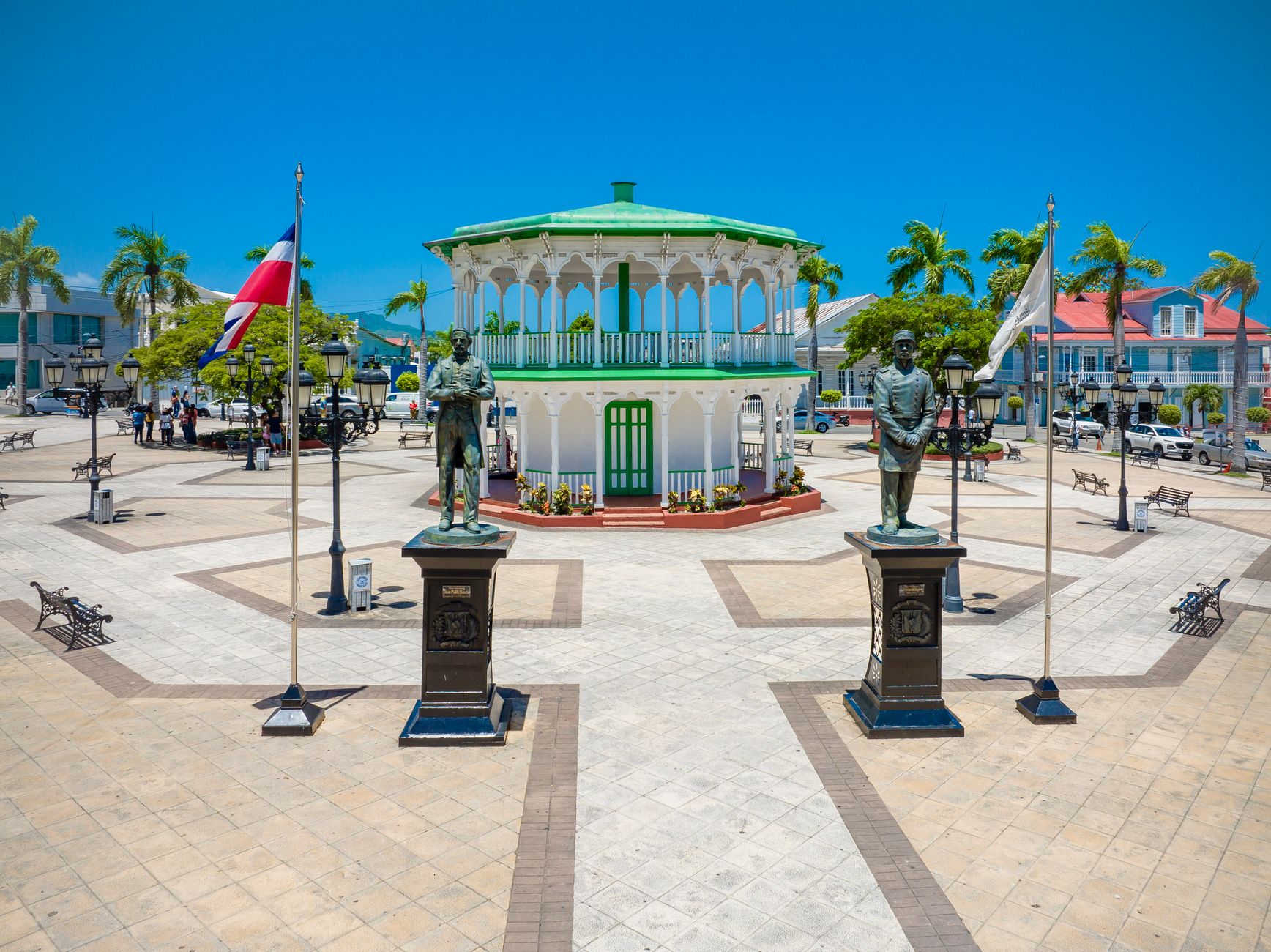
Santo Domingo was founded in 1496, making it the oldest continuously inhabited European settlement in the Americas. The island spent centuries under Spanish rule before a different kind of struggle took shape: in 1838, Juan Pablo Duarte gathered a small circle — La Trinitaria — to organise independence from Haitian rule. Francisco del Rosario Sánchez and Ramón Matías Mella joined the cause, and on February 27, 1844, the Dominican Republic declared independence. A constitution followed that same November.
The decades after were anything but stable. A brief return to Spanish annexation lasted from 1861 to 1865, the U.S. occupied the country from 1916 to 1924, and from 1930 to 1961 the country lived under Rafael Trujillo's dictatorship — a period whose shadow still falls across landmarks like the National Pantheon, which Trujillo repurposed in 1958 as a monument to national heroes.
Who and what shaped it
People who shaped it
Landmark buildings
See Dominican Republic in motion
Plan your visit
On the map
When to go
December through mid-April is the most reliably dry period across most of the country, with temperatures ranging from around 18°C to 29°C in winter — cooler in the mountains, warmer on the coast. Hurricane season runs June through November, with August to October carrying the highest risk; the north coast follows its own rhythm, with its rainiest months falling November through January.
Right now
↡ Regions


No places match these filters.
Background & history adapted from Wikipedia (CC BY-SA) · specs from Wikidata (CC0) · weather from Open-Meteo · map data © OpenStreetMap contributors · photos from Wikimedia Commons / Unsplash with per-image credit. No third-party reviews or social posts reproduced.