
Samaná Peninsula
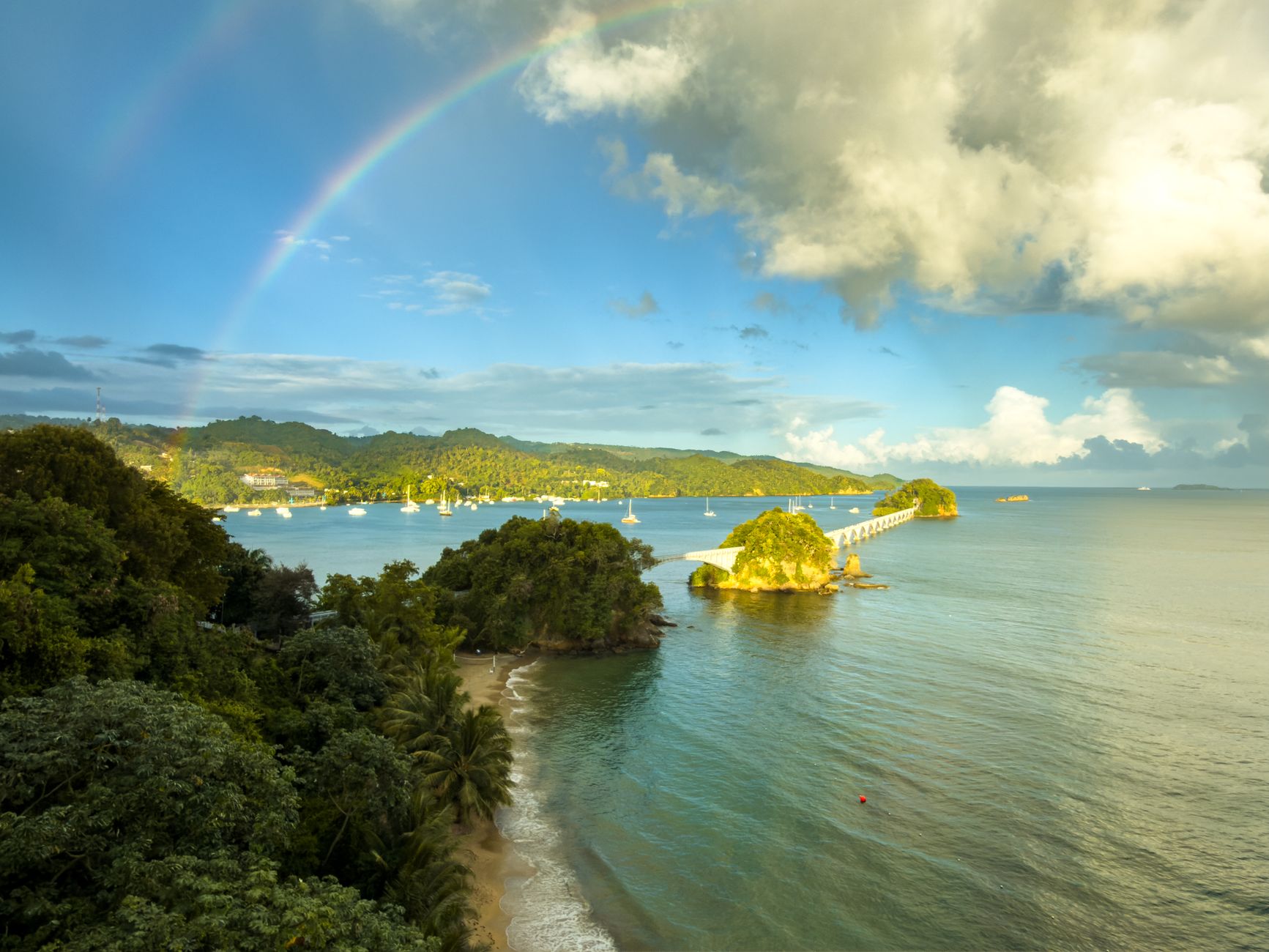
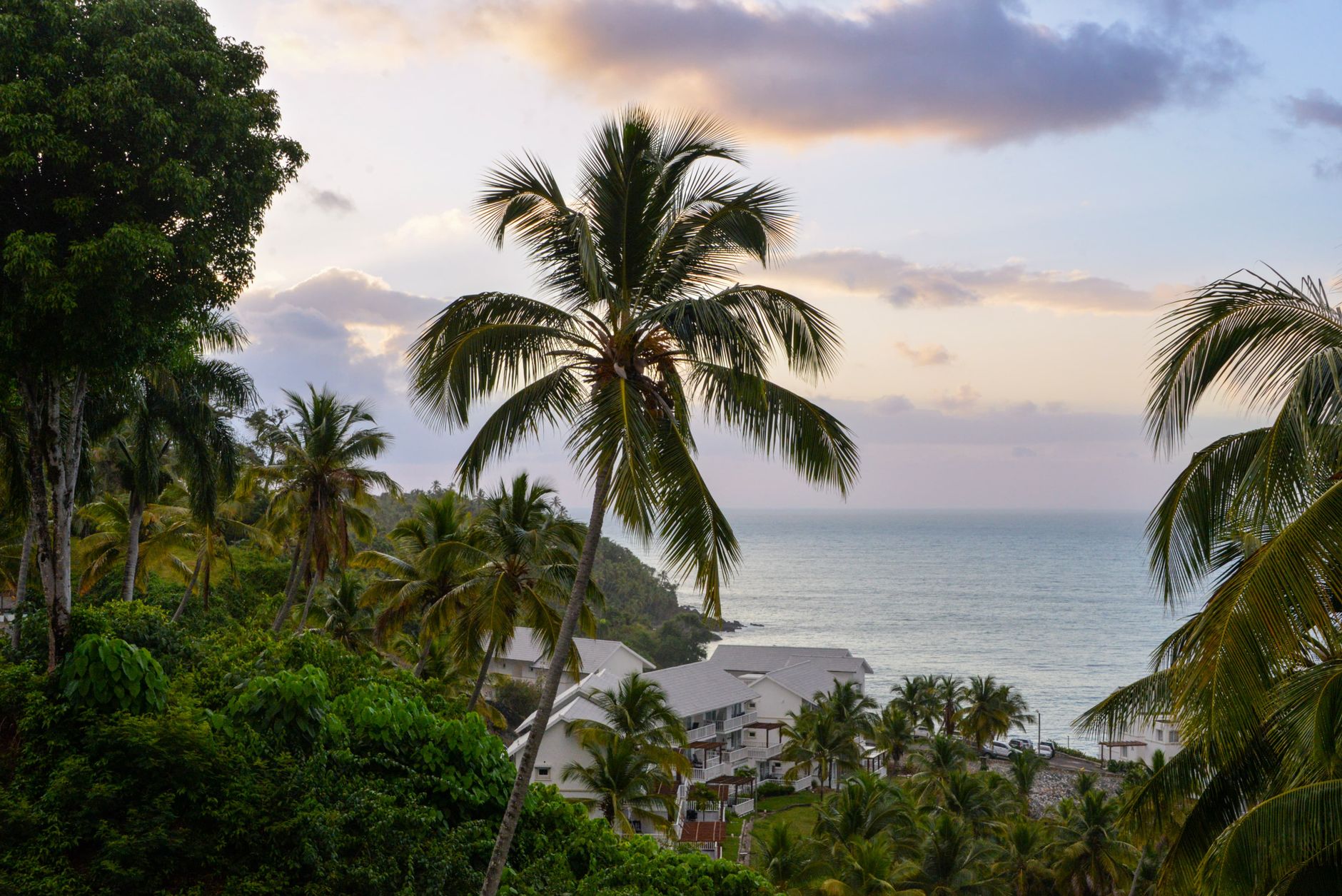
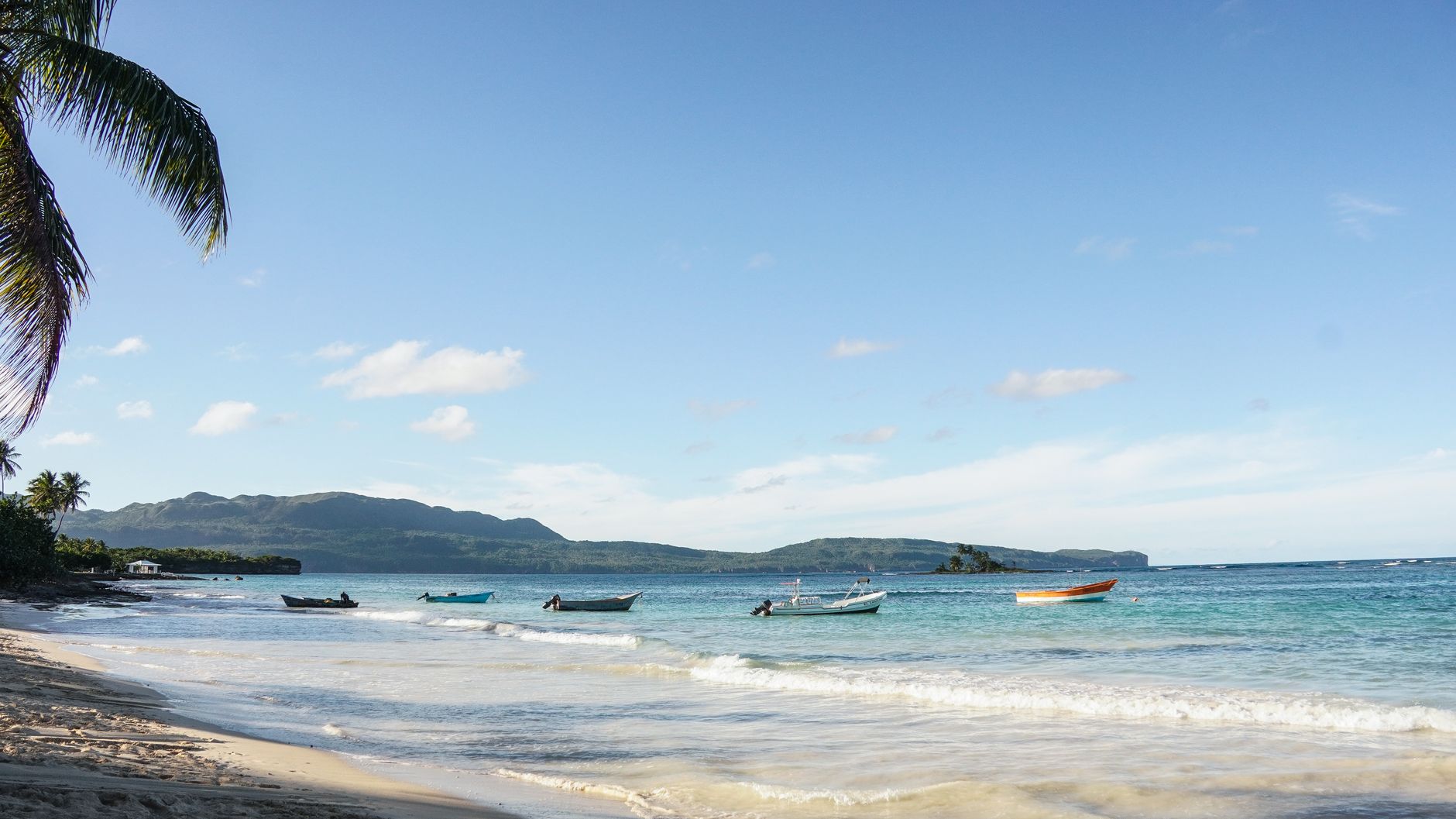
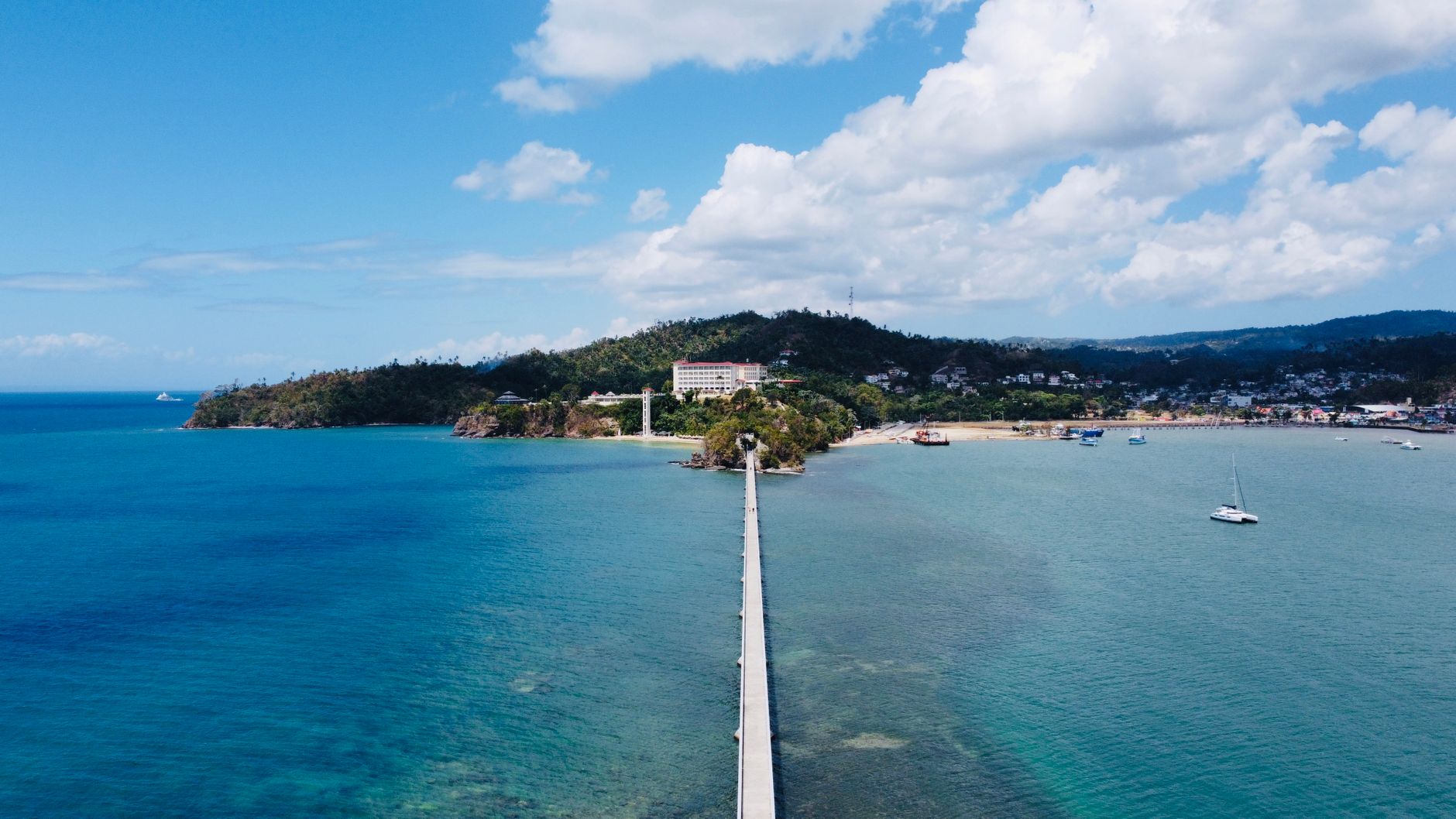
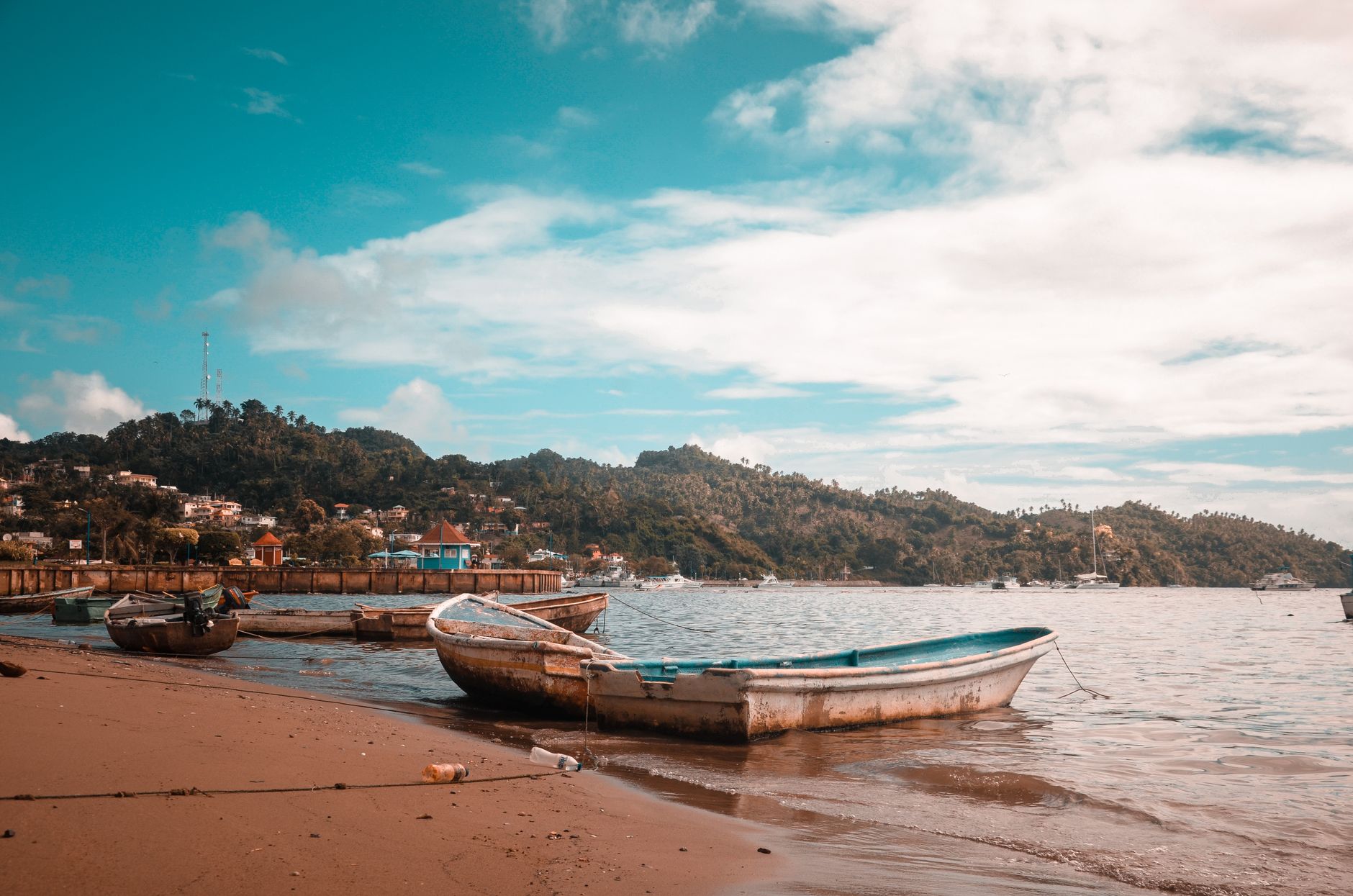
The Samaná Peninsula hooks off the northeastern shoulder of the Dominican Republic like a finger pointing into the Atlantic — and from January through March, roughly 4,000 humpback whales gather in the bay below it, one of the densest concentrations on earth. That single fact tends to reorder a traveler's priorities fast.
Beyond the whales, the peninsula holds a layered past that most visitors only graze: English-speaking elders whose ancestors arrived as freed slaves in 1824, a wooden church shipped from England in the 1880s, and a waterfront rebuilt from scratch after a fire leveled the Victorian town in 1946. It rewards the curious.
How Samaná Peninsula came to be
The Ciguayos — a Taíno subgroup with their own language and a reputation as archers — were already here when Columbus sailed into the bay on January 12, 1493, and called it the fairest land he had ever seen. His men were met with arrows, making this the site of the first armed resistance to European arrival in the Americas.
Three centuries of sparse settlement followed before Governor Francisco Rubio y Peñaranda brought Canary Islanders to found the city of Samaná in 1756. In 1824, some 300 freed Black American families arrived under agreements with the African Methodist Episcopal Church — their descendants still worship in Protestant congregations here, and some elders carry 19th-century English in their speech. Frederick Douglass addressed the community in 1871, the same year U.S. President Ulysses S. Grant was eyeing the bay for annexation.
Who and what shaped it
People who shaped it
Landmark buildings
See Samaná Peninsula in motion
Plan your visit
On the map
When to go
Temperatures hold between 72°F and 88°F (22–31°C) year-round. The dry season, roughly December through April, is the most comfortable window and coincides with whale season; the wetter months from May onward bring lush green hills and far fewer crowds.
Right now
Background & history adapted from Wikipedia (CC BY-SA) · specs from Wikidata (CC0) · weather from Open-Meteo · map data © OpenStreetMap contributors · photos from Wikimedia Commons / Unsplash with per-image credit. No third-party reviews or social posts reproduced.