Country

Italy

Italy
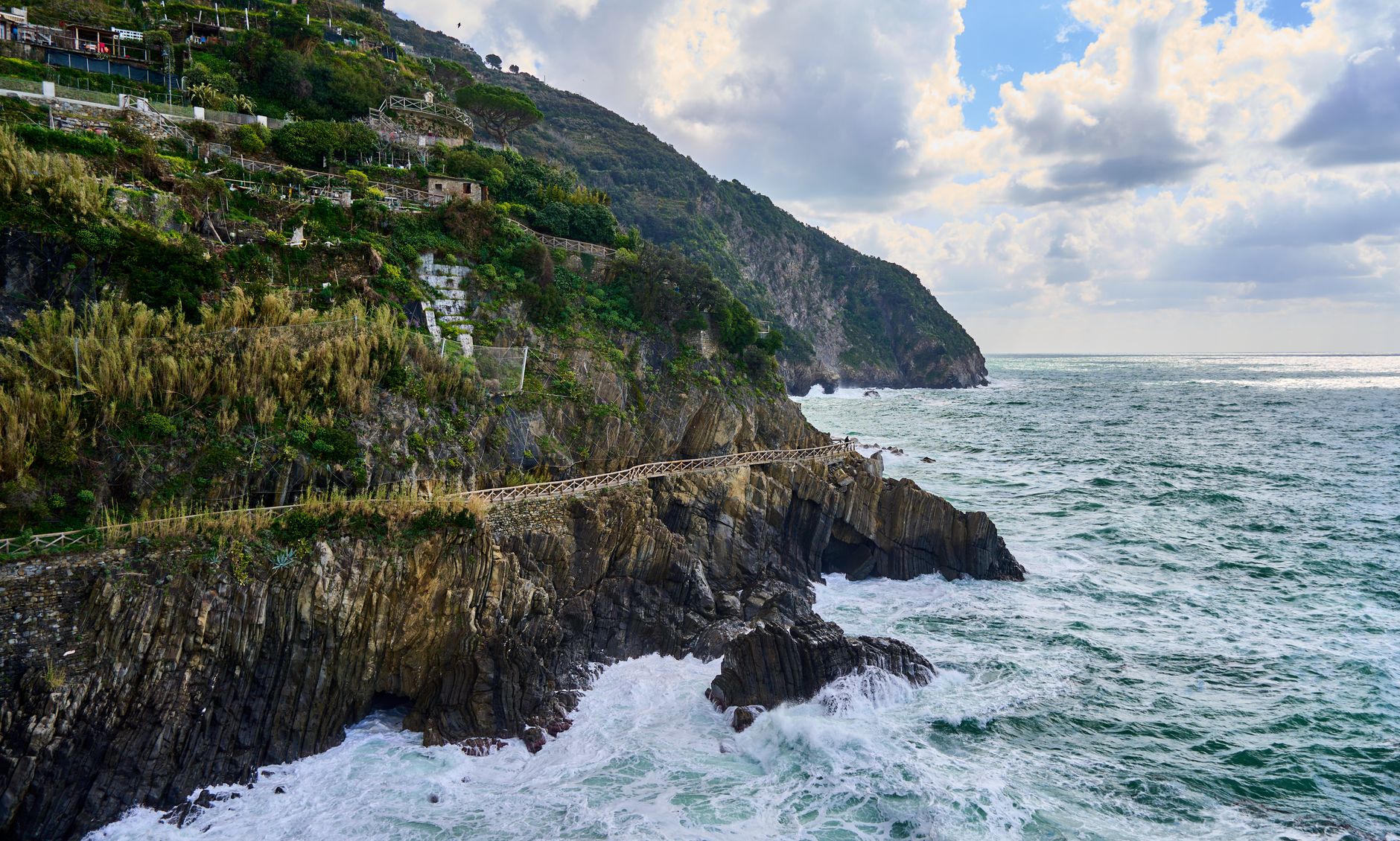
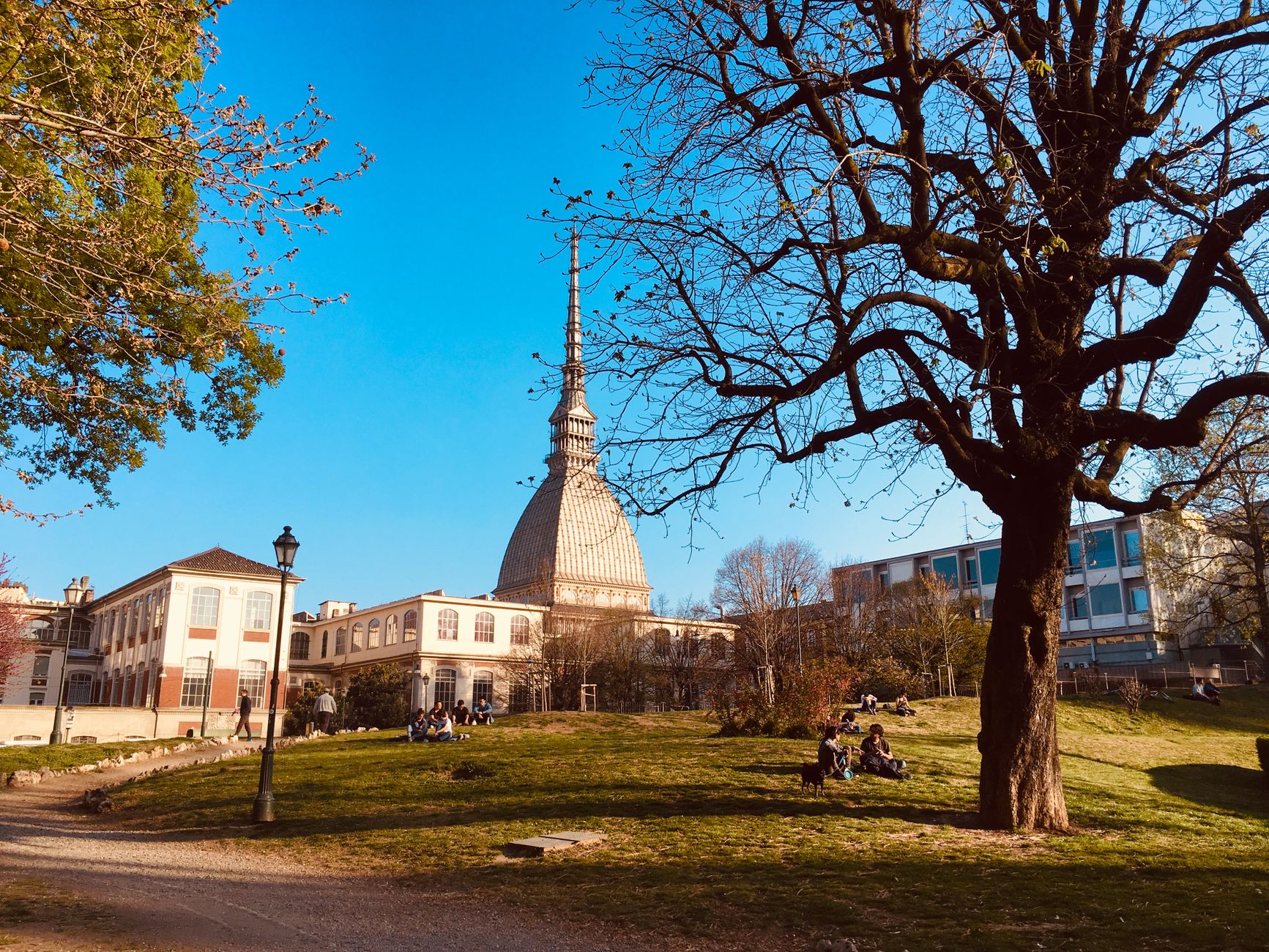
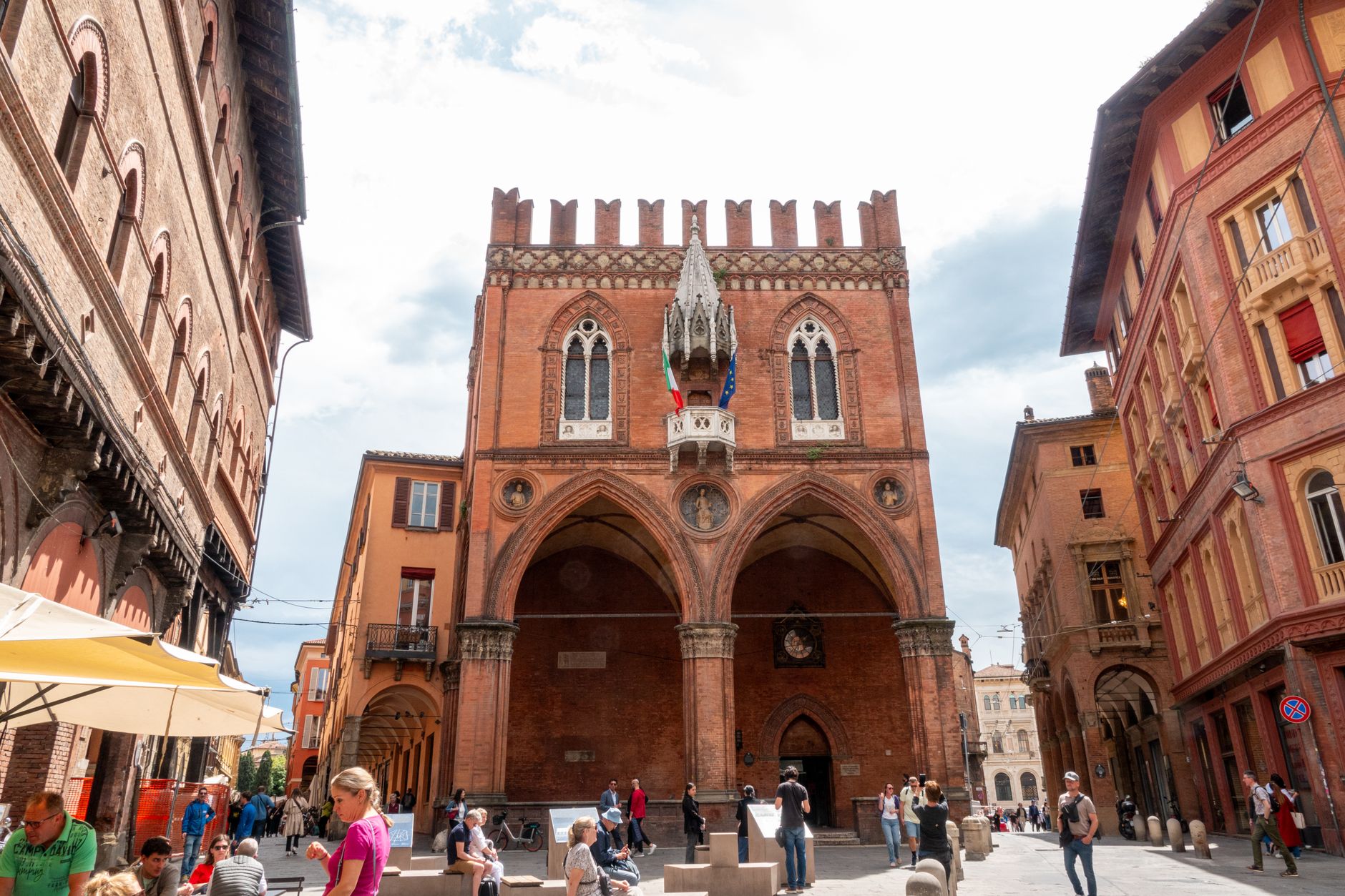
Photo by Valentin Ivantsov on Pexels
Italy
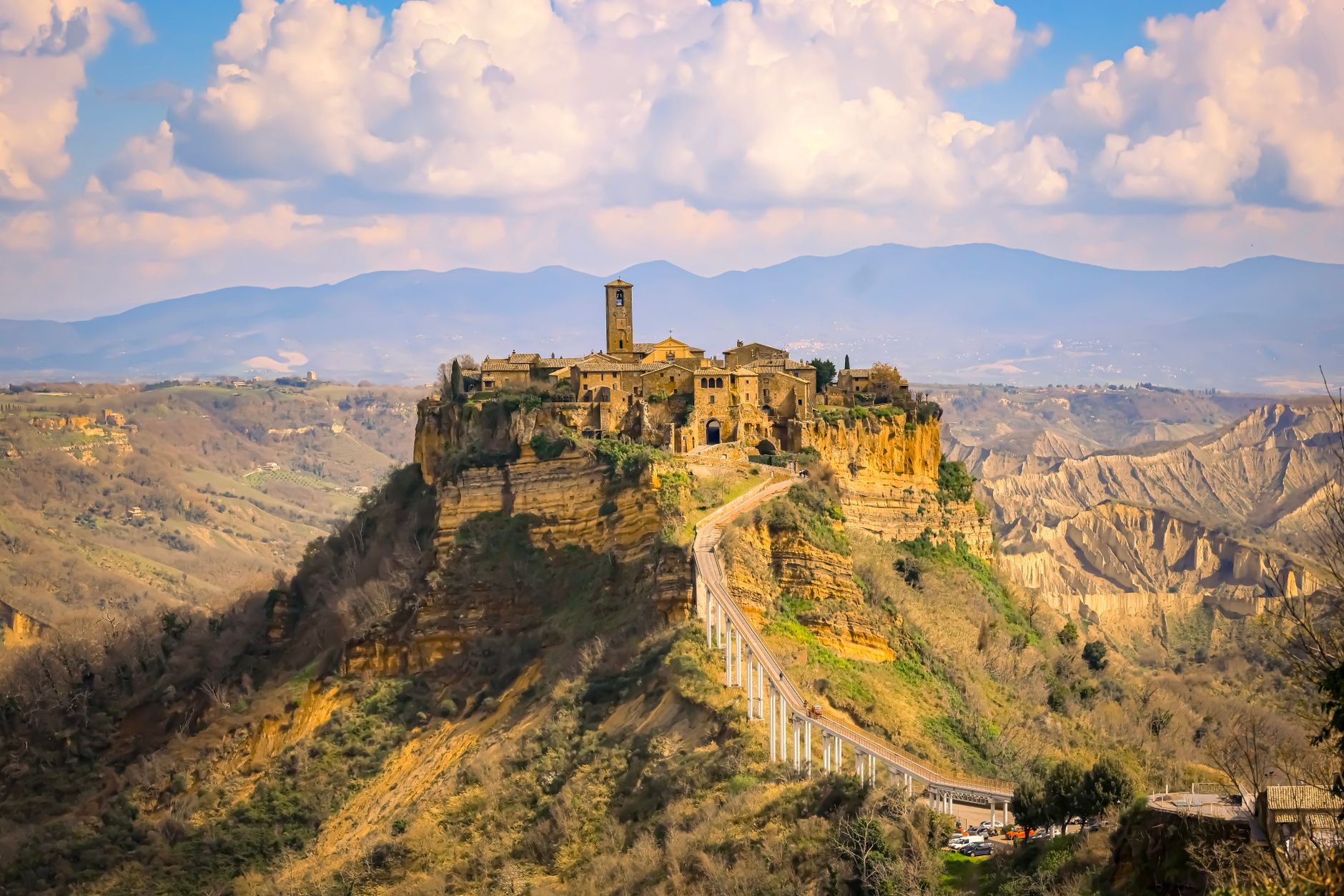
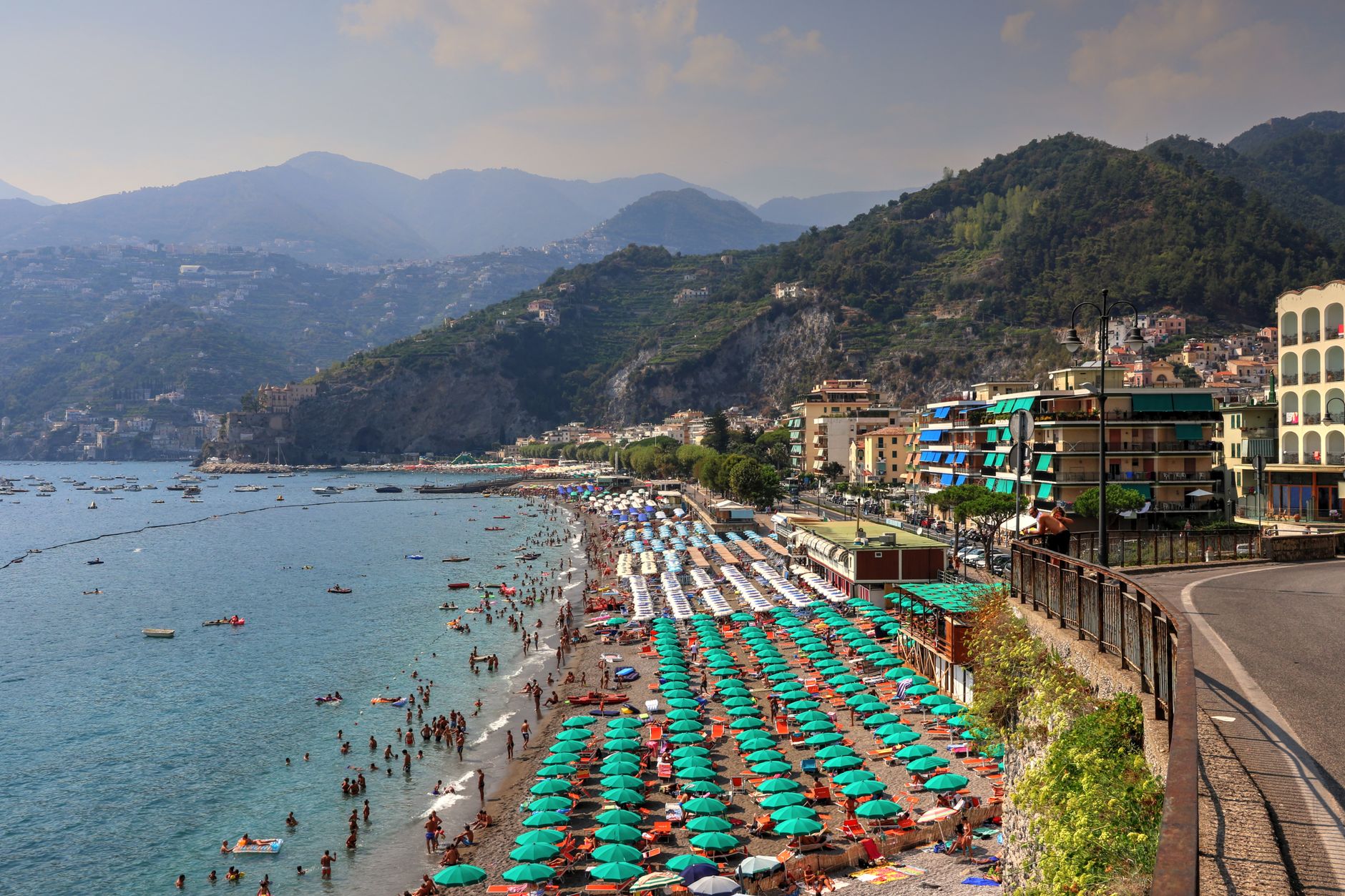
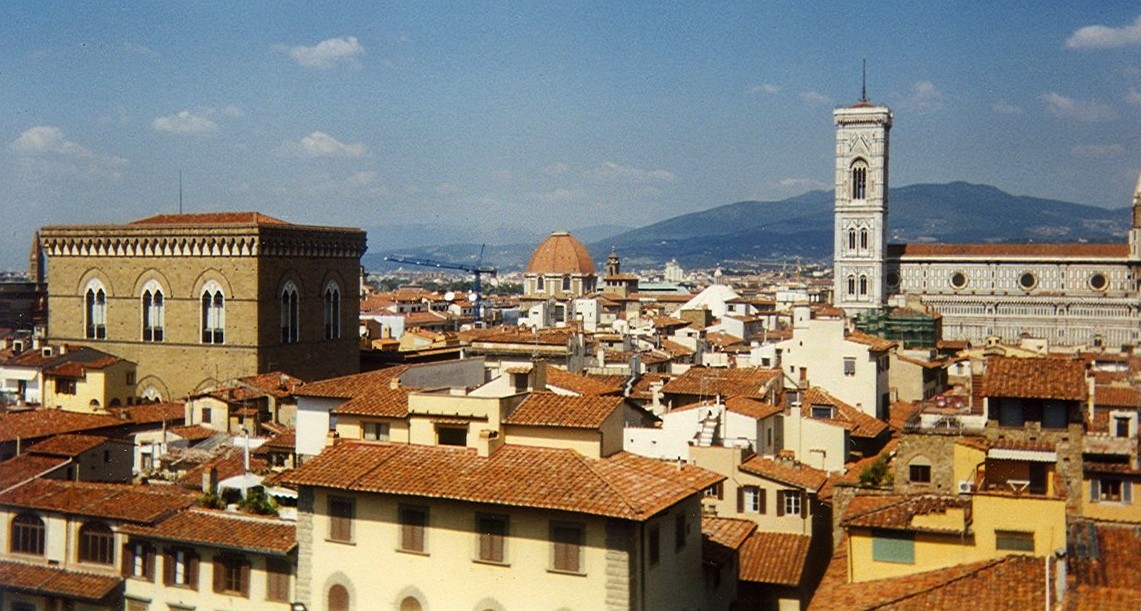
Photo by Valentin Ivantsov on Pexels
Italy
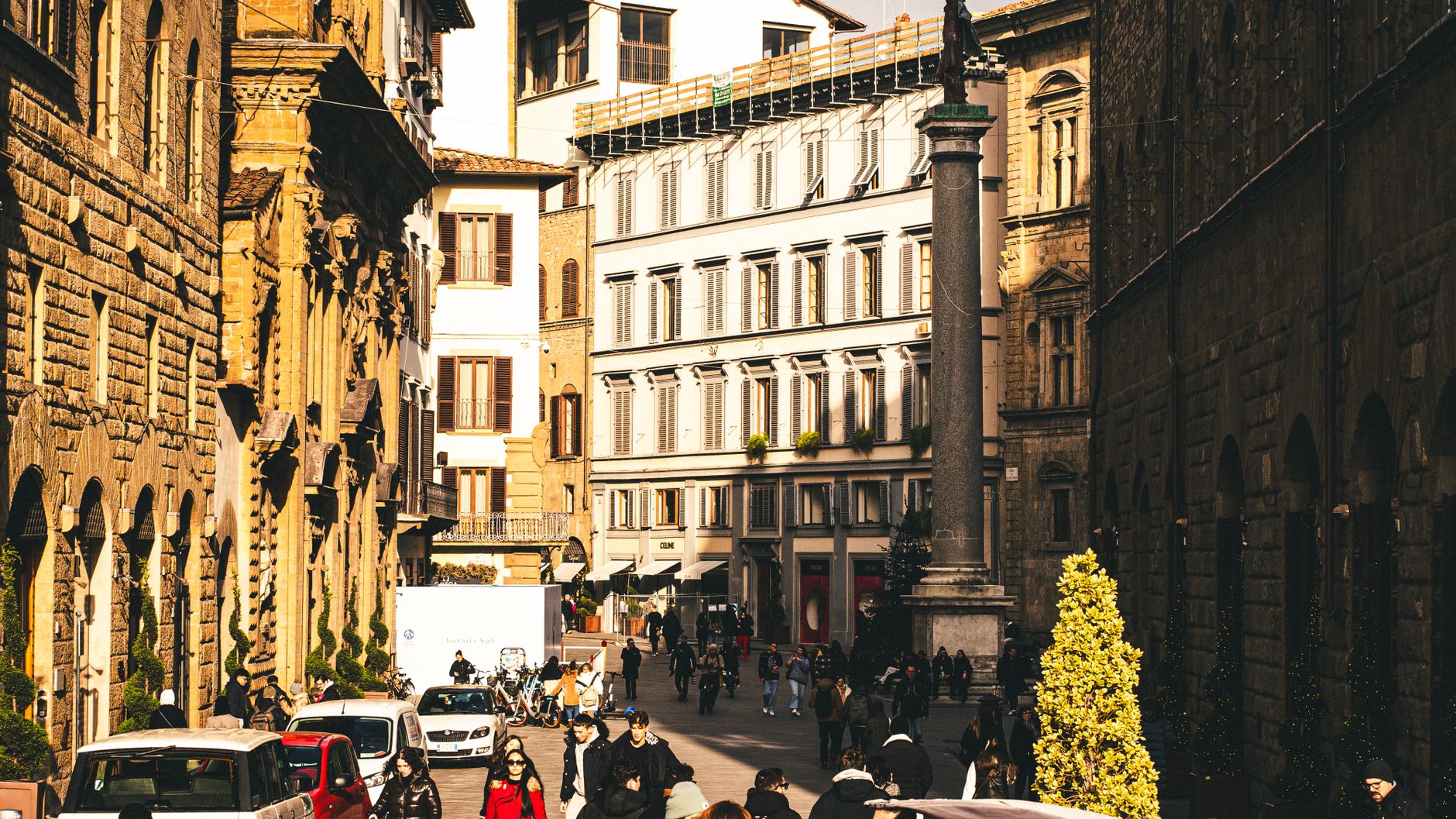
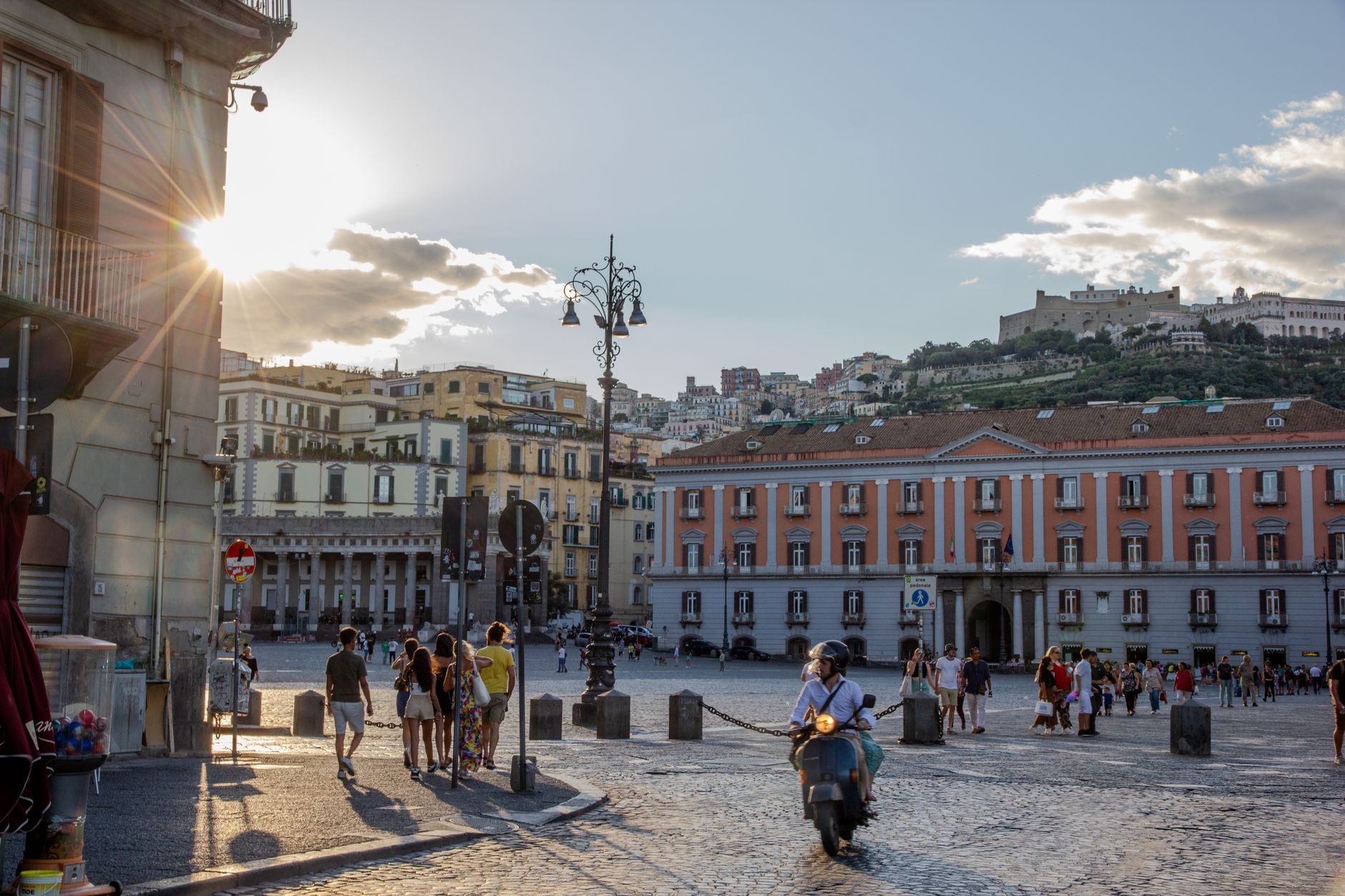
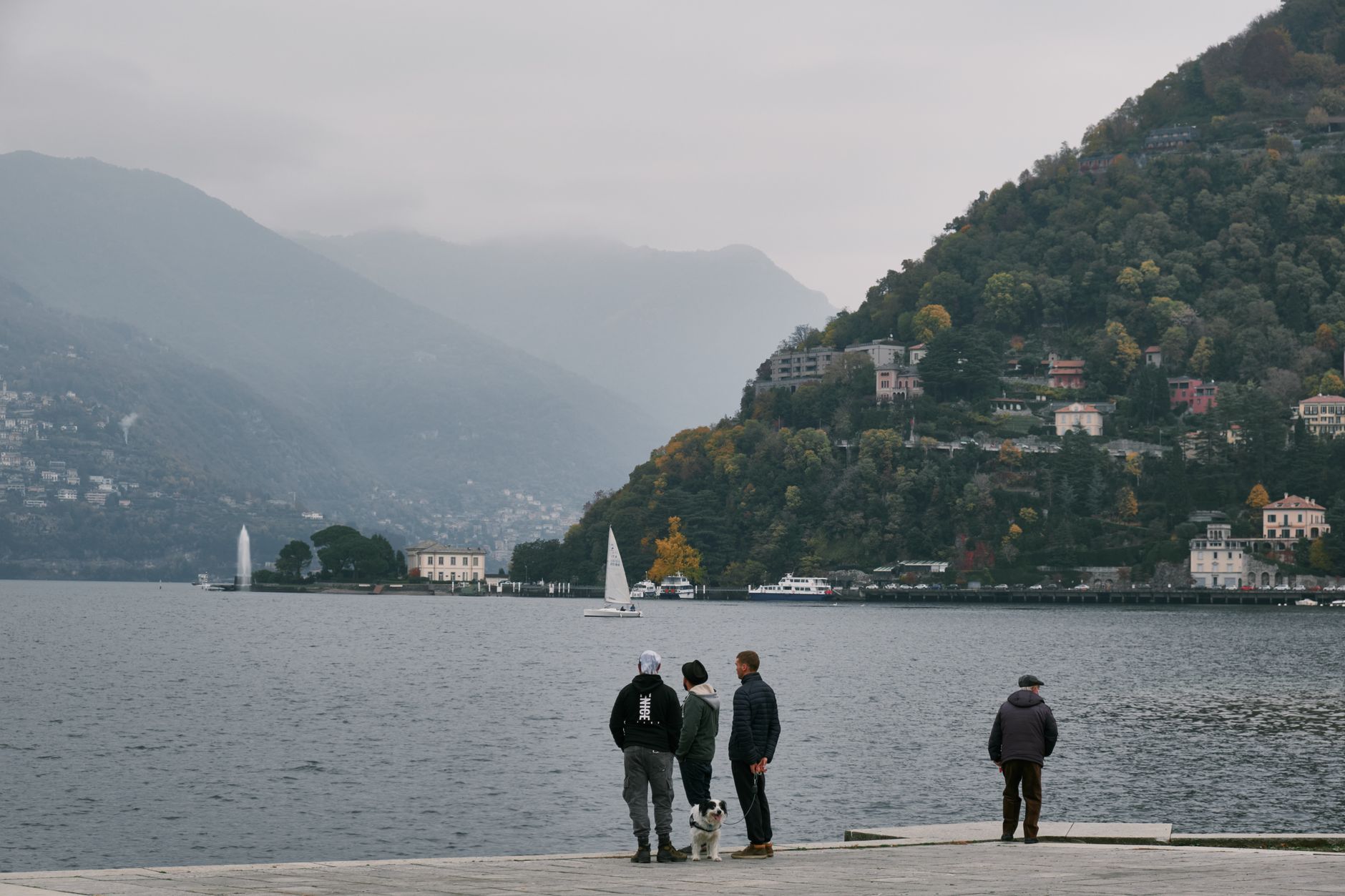
Photo by Efe Ersoy on Pexels
Italy
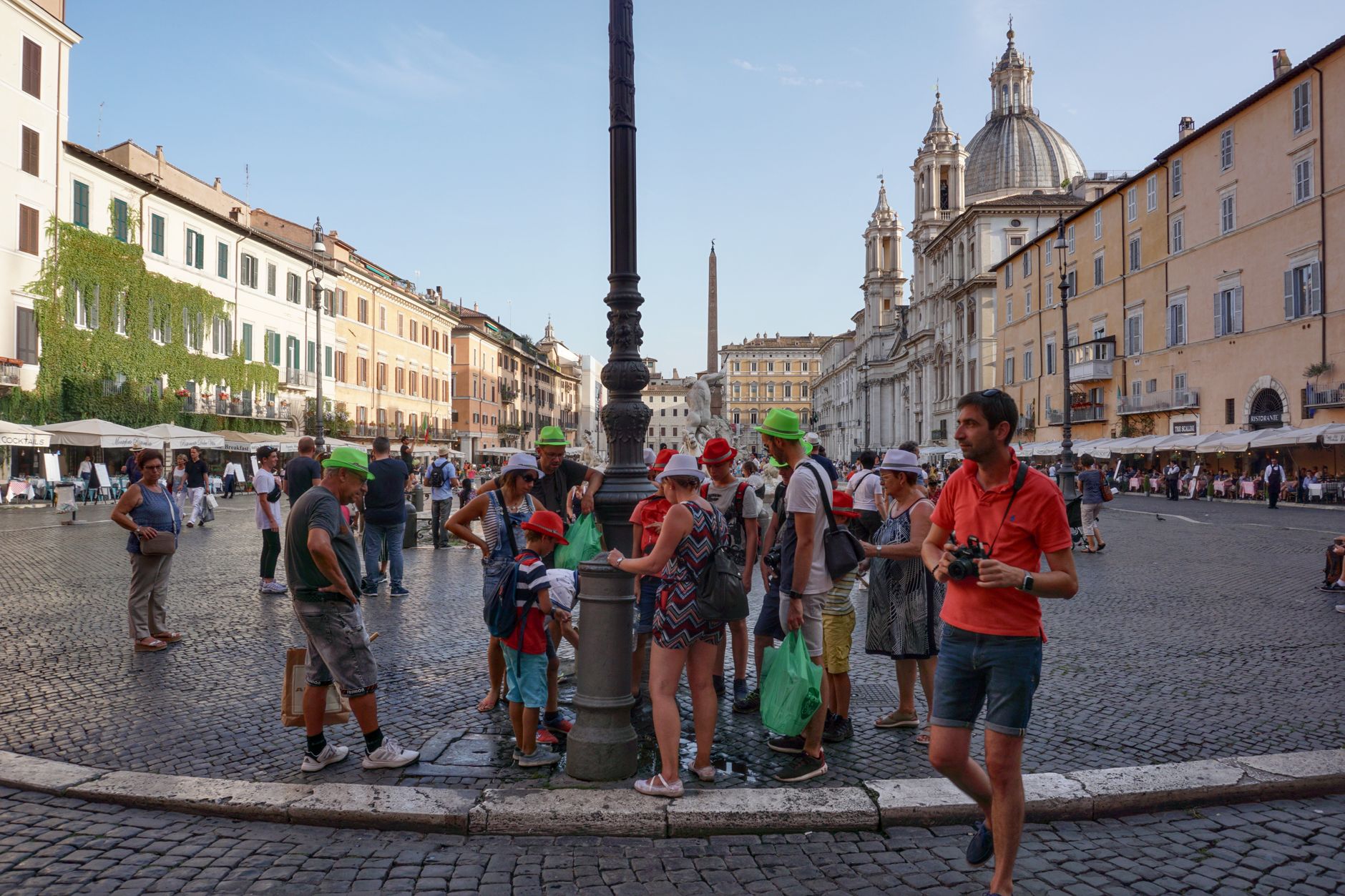
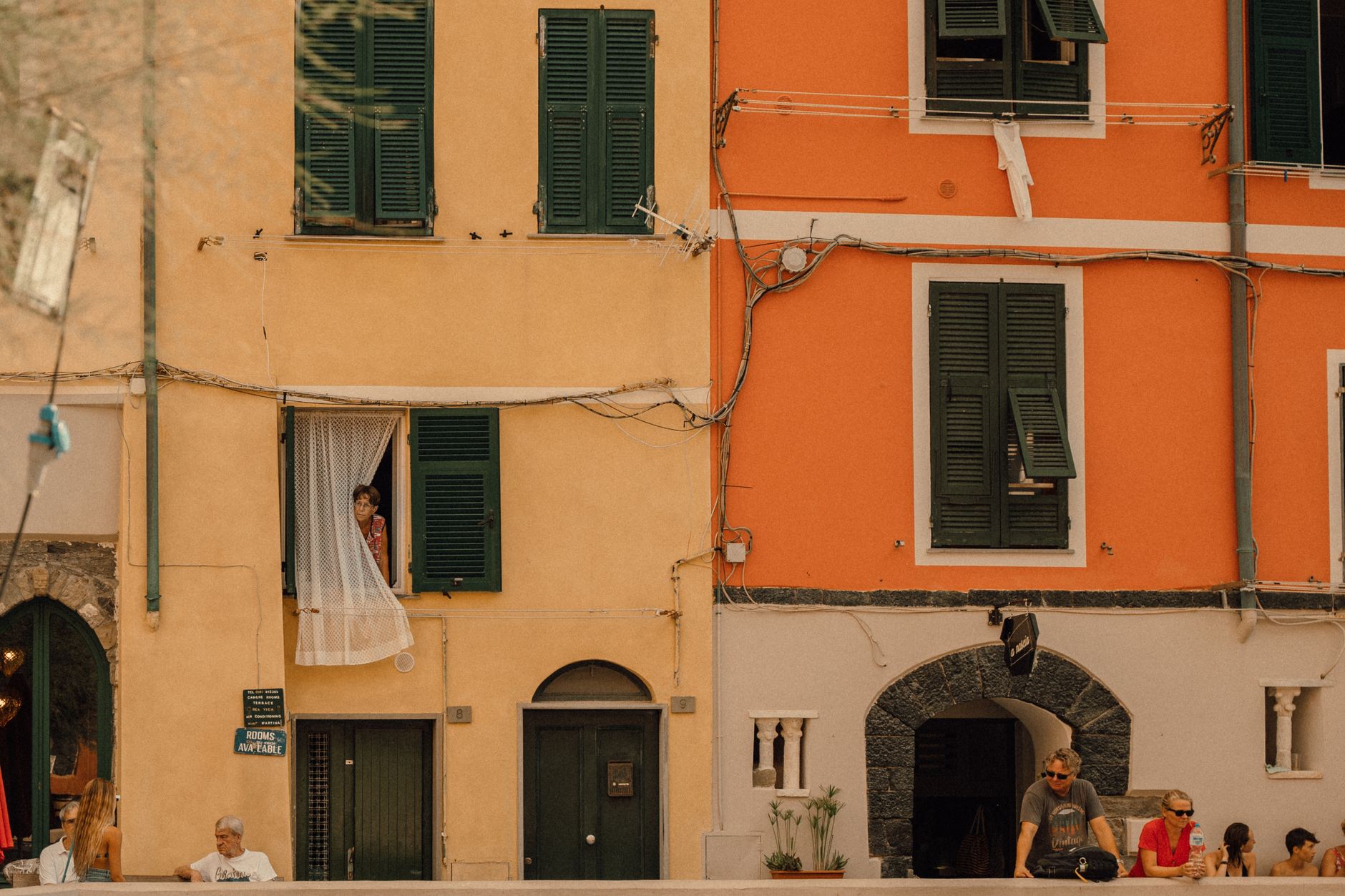
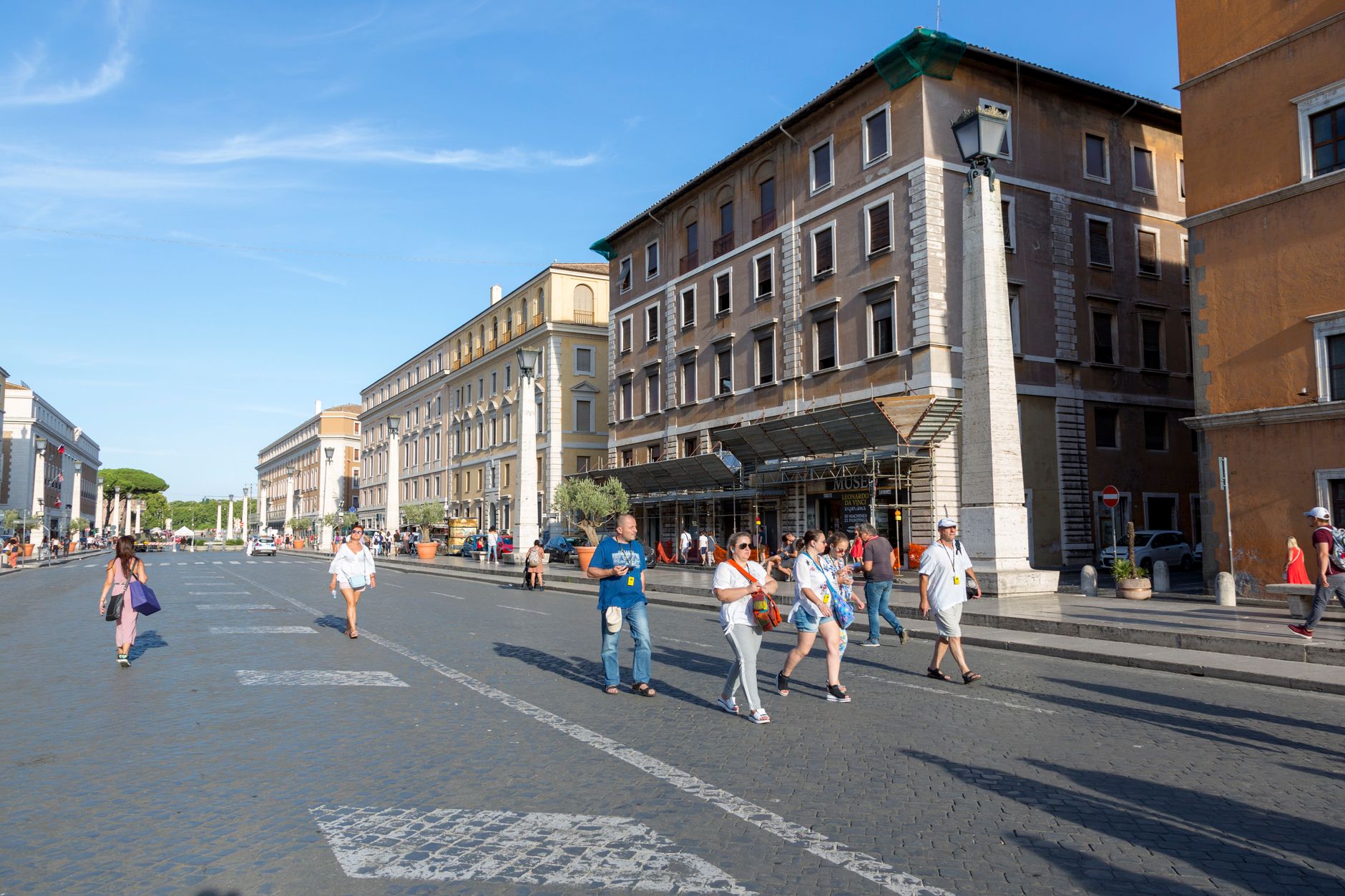
Photo by Marianna on Pexels
Italy
Photo by Irina Balashova on Pexels
Italy
Photo by NaturEye Conservation on Pexels
City break Culture & history Food & drink

Italy holds more UNESCO World Heritage Sites than any other country on earth — 59 at last count — and that number alone hints at the density of what's here. A single afternoon can take you from a Roman amphitheatre started in 72 AD to a Renaissance dome that was, for two centuries, the largest in the world, to a high-speed train doing 300 km/h toward the next city.

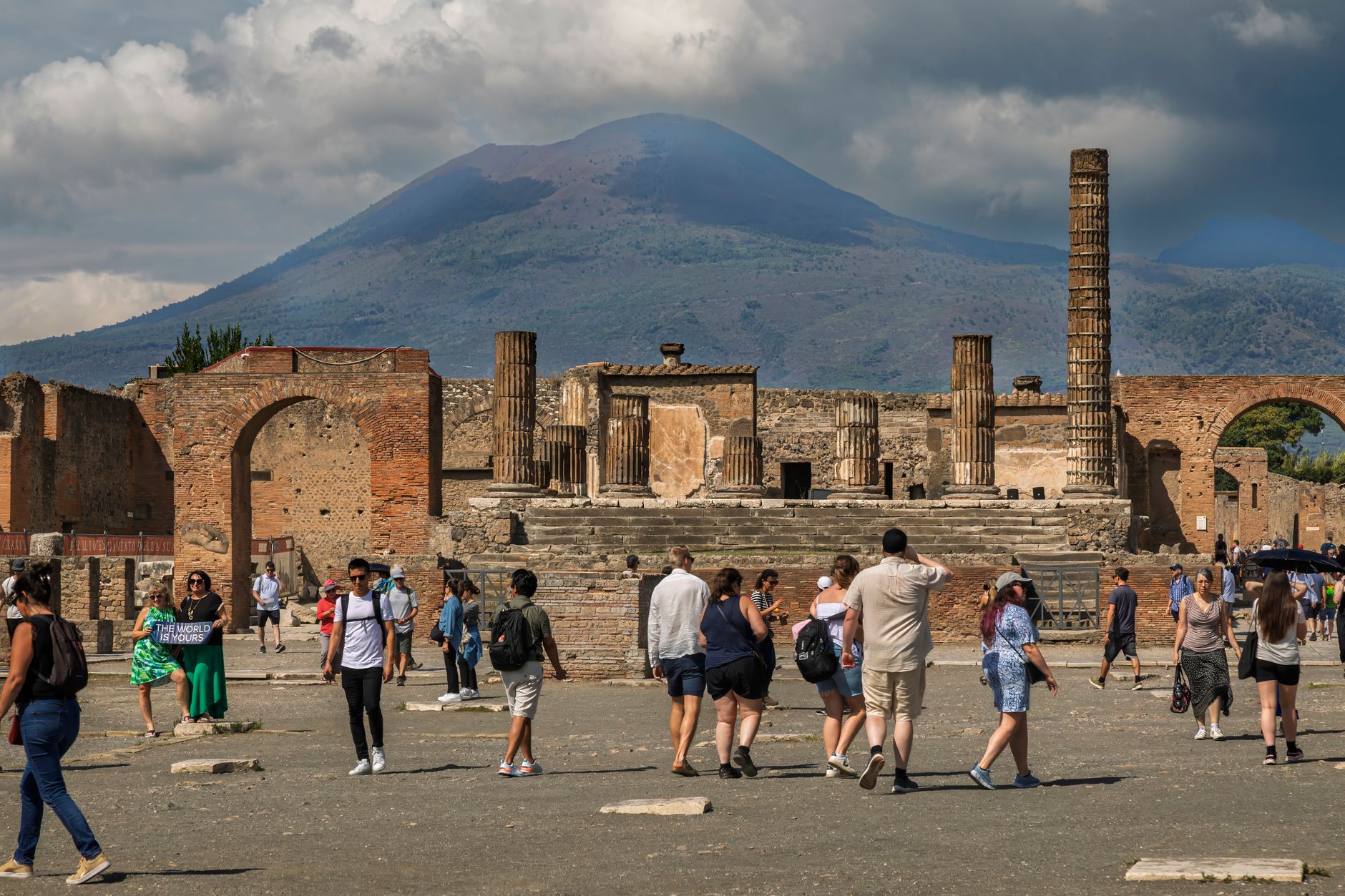
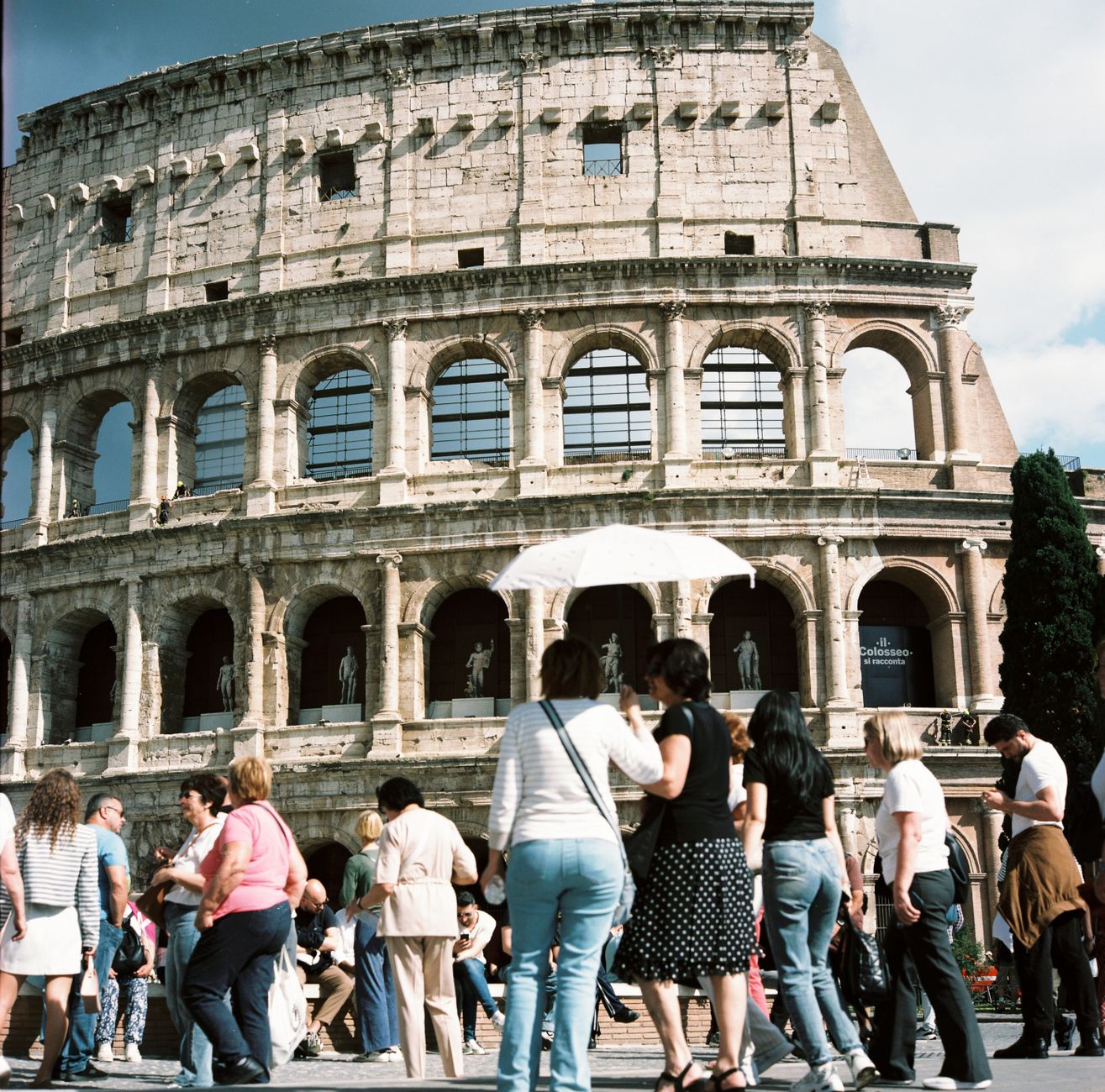
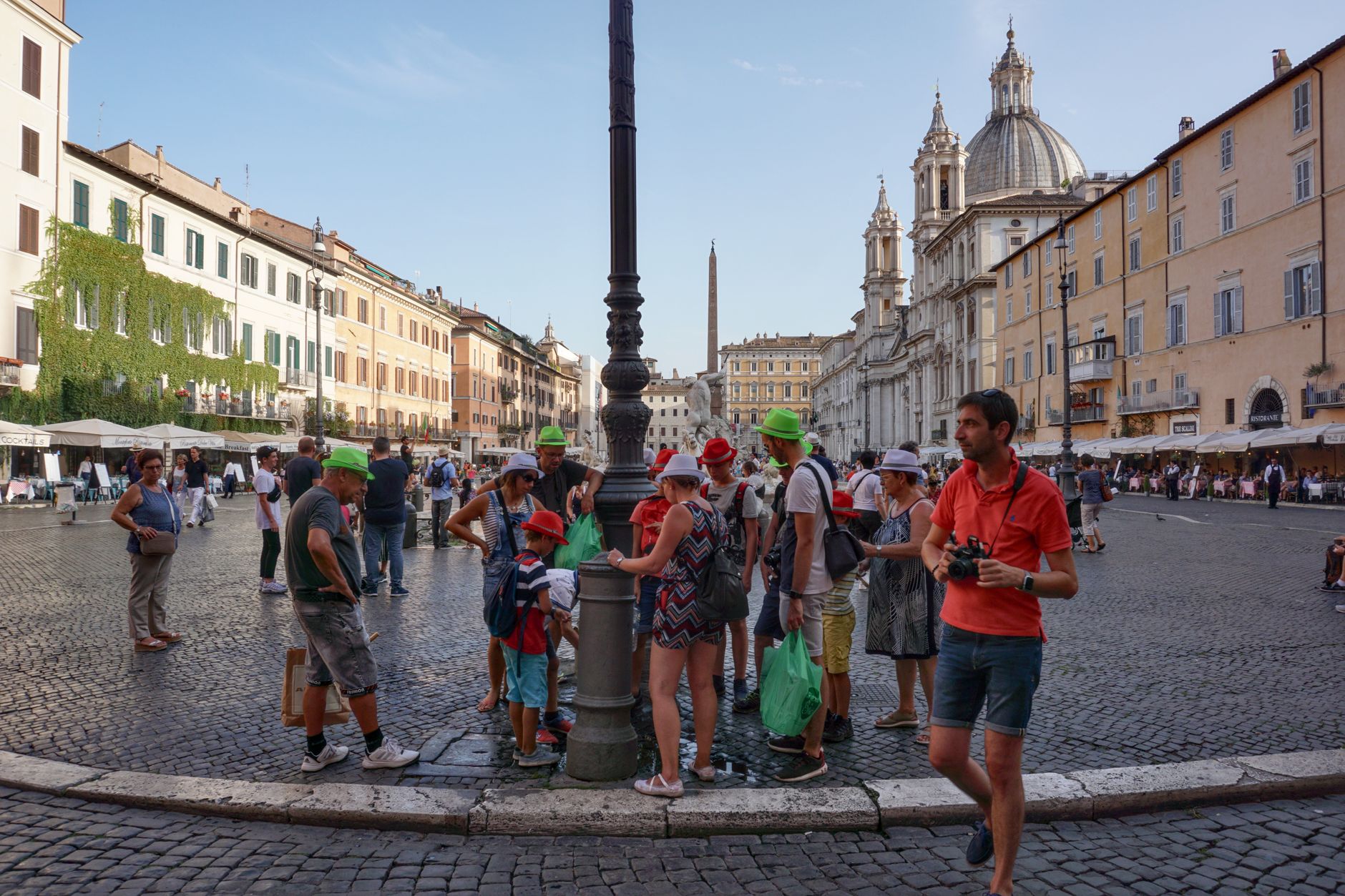
The country rewards slow attention. The Pantheon has been standing since Hadrian rebuilt it in 126 AD, and it still functions as a working church. Pompeii receives 2.5 million visitors a year, yet the side streets stay quiet. The scale is immense; the specific detail is always worth pausing for.

💛 What travellers fall for

Repeat visitors learn quickly: buy your train tickets early, especially on the Frecciarossa Milan–Rome run, which fills up. Tabaccherie — the tobacco shops marked with a T — are the fastest place to load up on transit tickets in any city. And book the Colosseum and the major Florentine museums days, not hours, ahead.

Good to know
High-speed rail connects Rome, Florence, Milan and Venice efficiently — Rome to Milan runs just over three hours. April to June and September to October offer the most comfortable temperatures and manageable crowds. August sees many locals on holiday and some smaller businesses closed.

Deals in Italy

Book directly at the provider
The story

How Italy came to be

The Italy you move through today is, politically speaking, young. The unified Kingdom of Italy was proclaimed on 17 March 1861, with Victor Emmanuel II as king and Camillo Benso, Count of Cavour, as prime minister. Giuseppe Garibaldi's military campaigns and Giuseppe Mazzini's earlier Young Italy movement, founded in 1831, had laid the ideological and territorial groundwork. Even then, unification was incomplete — Venice was incorporated only after 1866, Rome and the former Papal States by 1871, and Trentino-Alto Adige and Friuli Venezia Giulia not until 1918.

Beneath that modern political story lies continuous habitation stretching back millennia. The Colosseum was finished in 80 AD. Milan's cathedral took six centuries to complete, from 1386 to 1965. These are not separate histories sitting side by side — they are the same place, accumulated.

People & landmarks

Who and what shaped it

People who shaped it

Victor Emmanuel II
First king of unified Italy, proclaimed 17 March 1861.
Camillo Benso, Count of Cavour
First Prime Minister of unified Italy.
Giuseppe Garibaldi
Military leader whose campaigns enabled Italian unification; known as 'father of the fatherland.'
Giuseppe Mazzini
Founded Young Italy movement in 1831, laying ideological groundwork for unification.
Michelangelo
Worked on St. Peter's Basilica during its construction (1506–1615).
Filippo Brunelleschi
Designed the dome of Florence Cathedral (Santa Maria del Fiore), a Renaissance engineering marvel completed 1436.
Alessandro Manzoni
Writer and intellectual whose patriotic works symbolized Italian unification and helped develop modern unified Italian language.

Landmark buildings

Colosseum, Rome
Construction started 72 AD under Emperor Vespasian, completed 80 AD; receives ~7.6 million visitors annually.
Pantheon, Rome
Built by Marcus Vipsanius Agrippa 27 BC, rebuilt by Emperor Hadrian 126 AD; still functions as a working church.
St. Peter's Basilica, Rome
Construction 1506–1615; several Renaissance architects including Michelangelo contributed to its design.
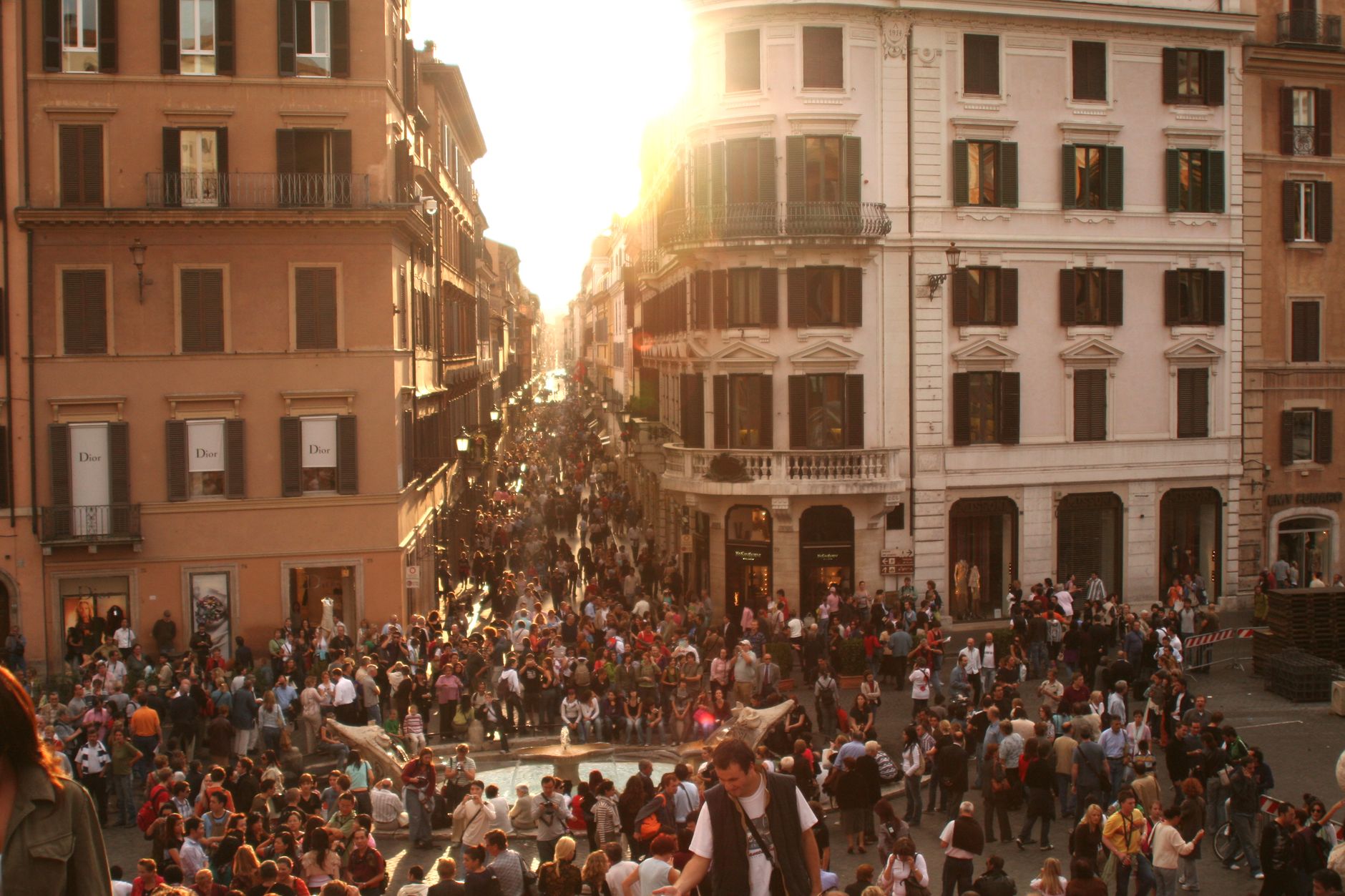
Trevi Fountain, Rome
Built 1700s on ancient Roman water source (Aqua Virgo), constructed from travertine stone.
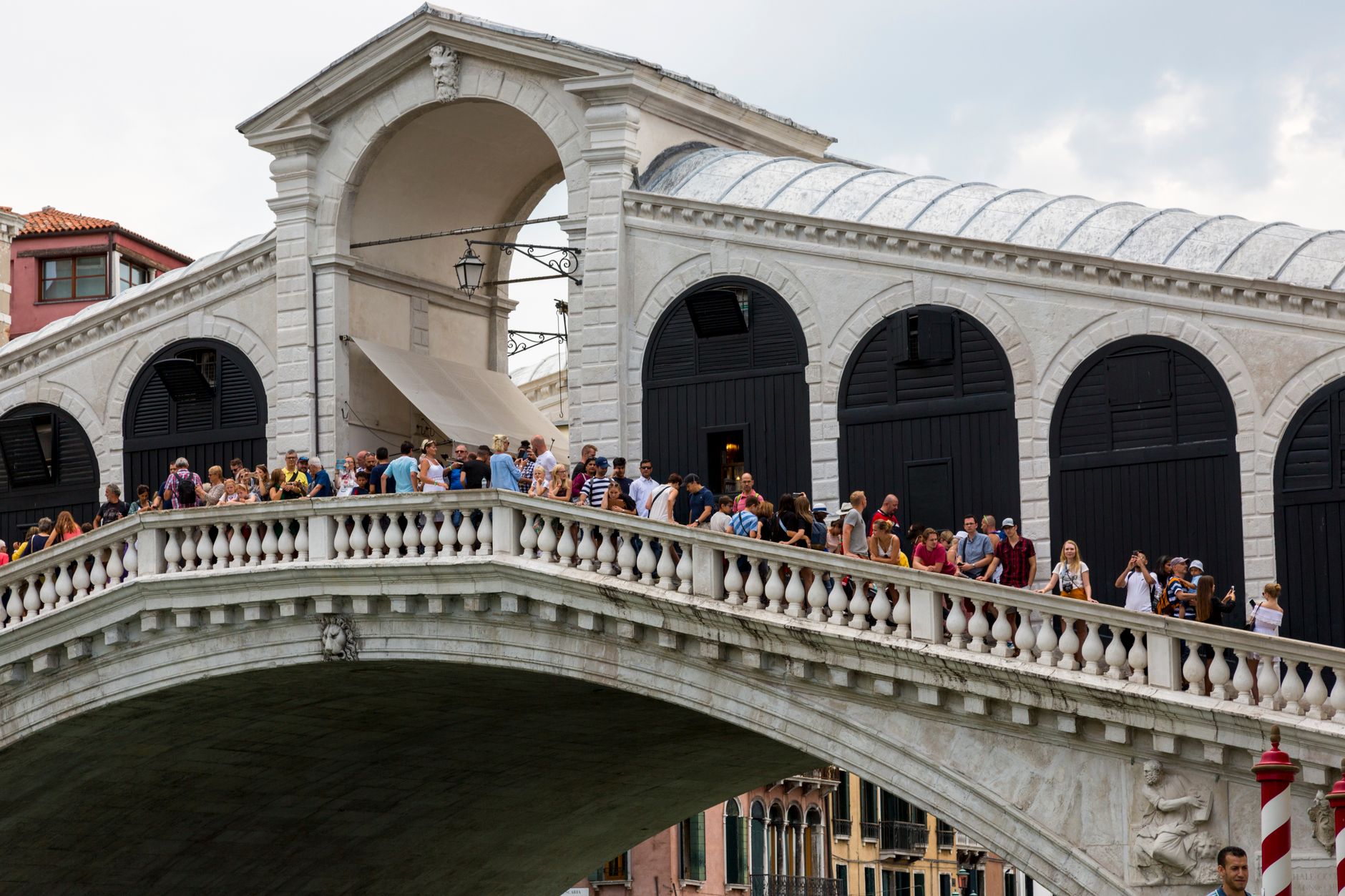
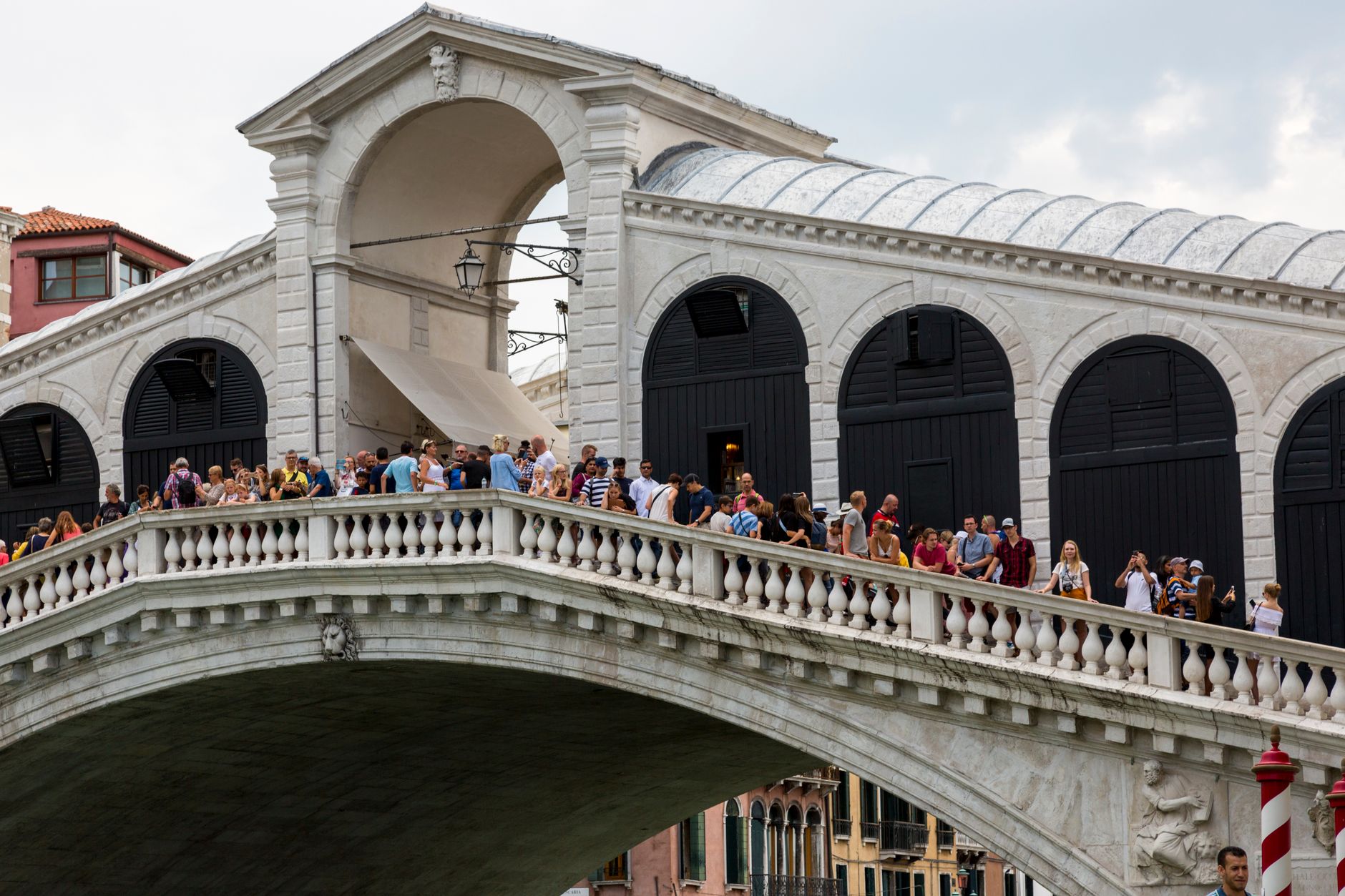
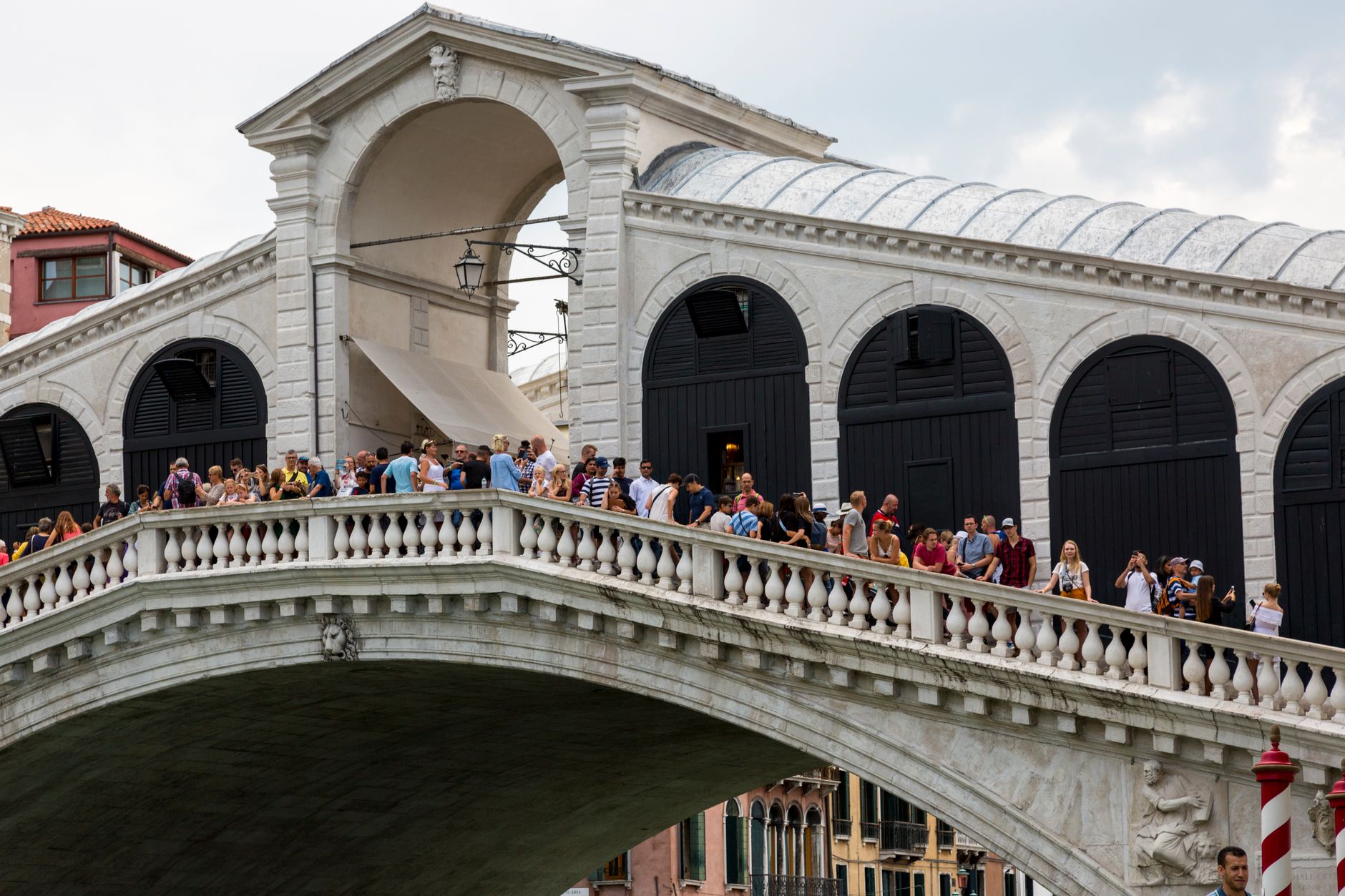
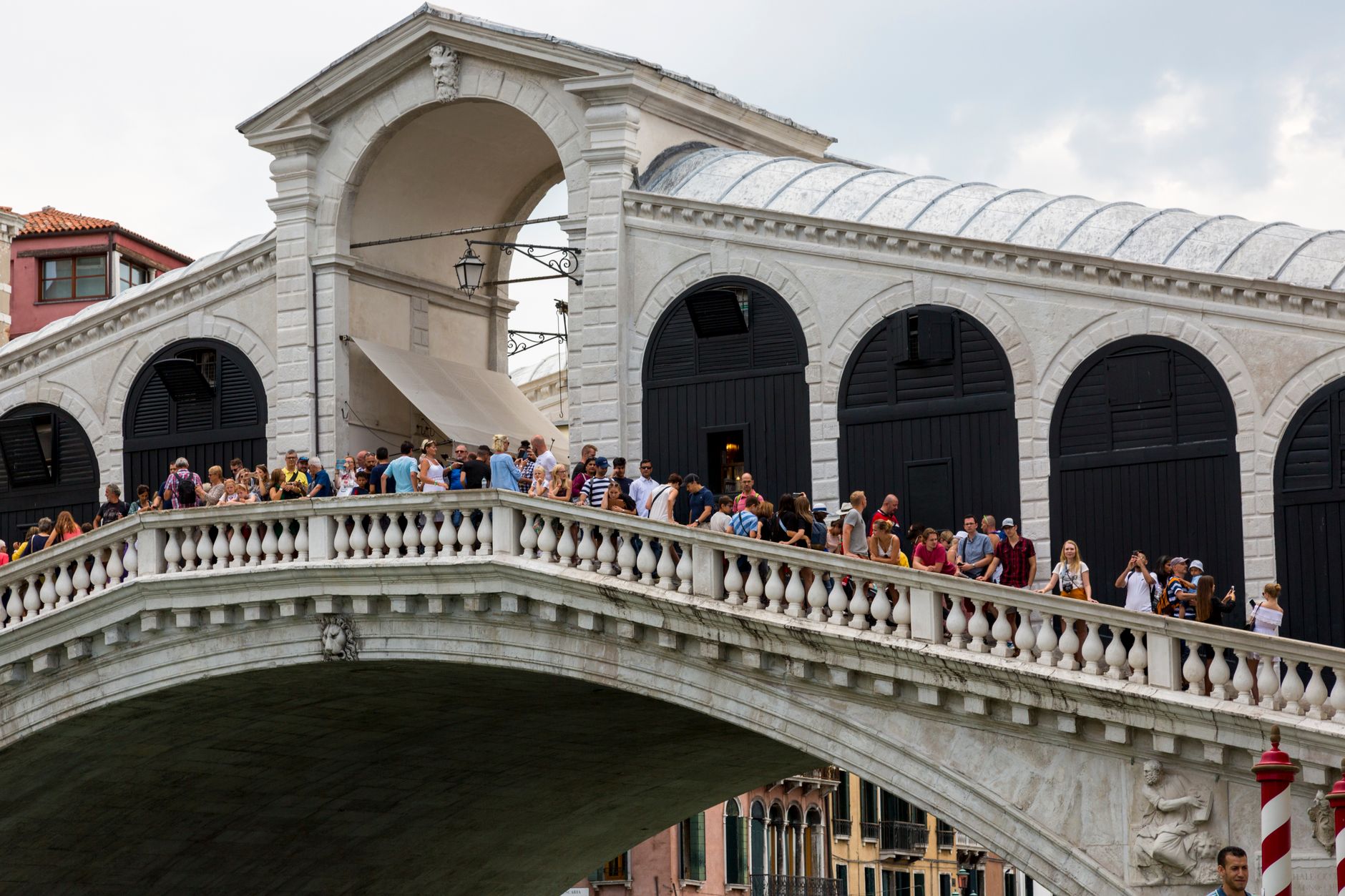
Ponte di Rialto, Venice
Stone arch bridge crossing Grand Canal, built late 16th century by Antonio da Ponte and Antonio Contino.
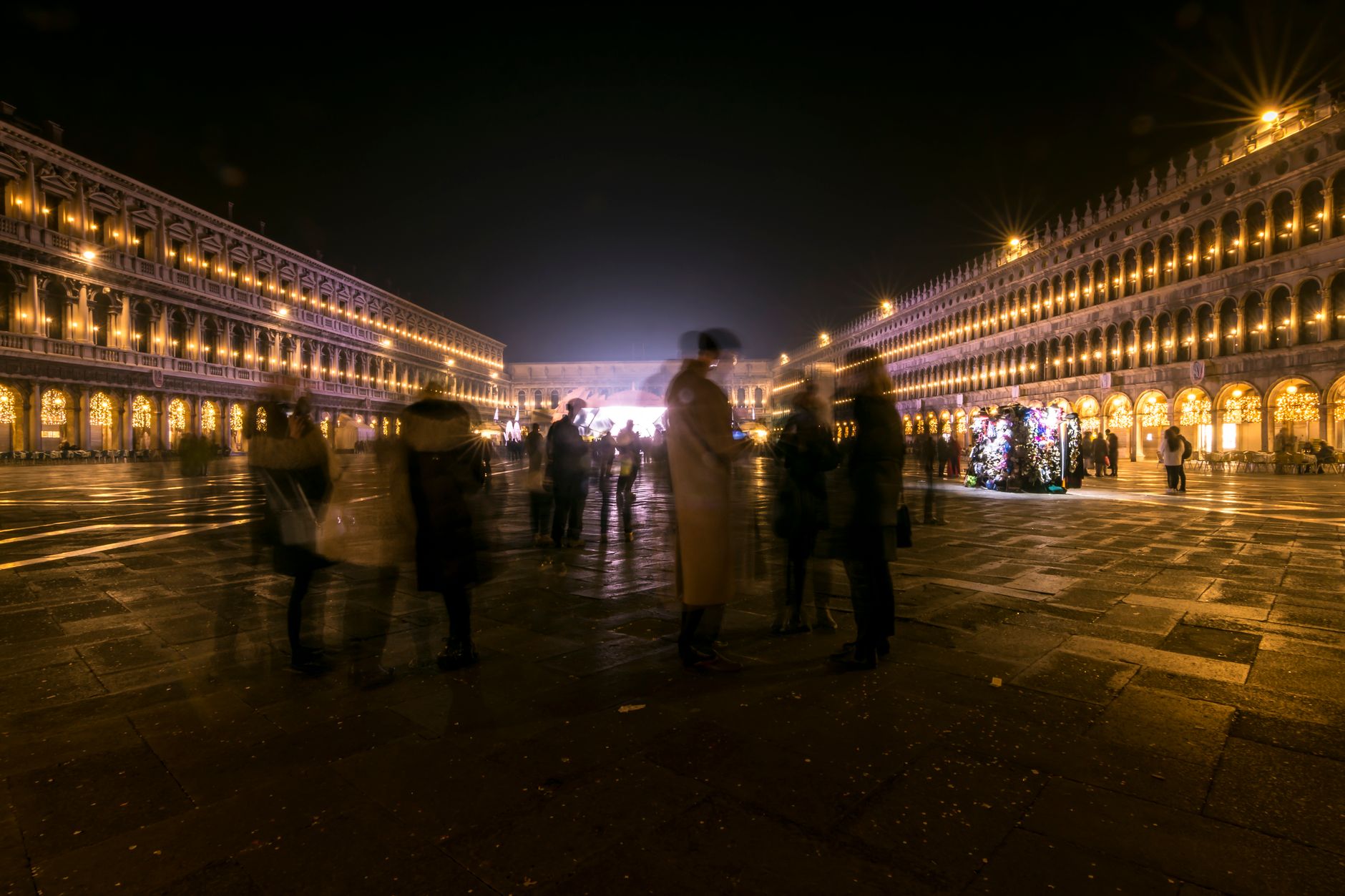
St. Mark's Basilica, Venice
Built 1094 to hold the remains of evangelist St. Mark.
Milan Duomo (Cathedral), Milan
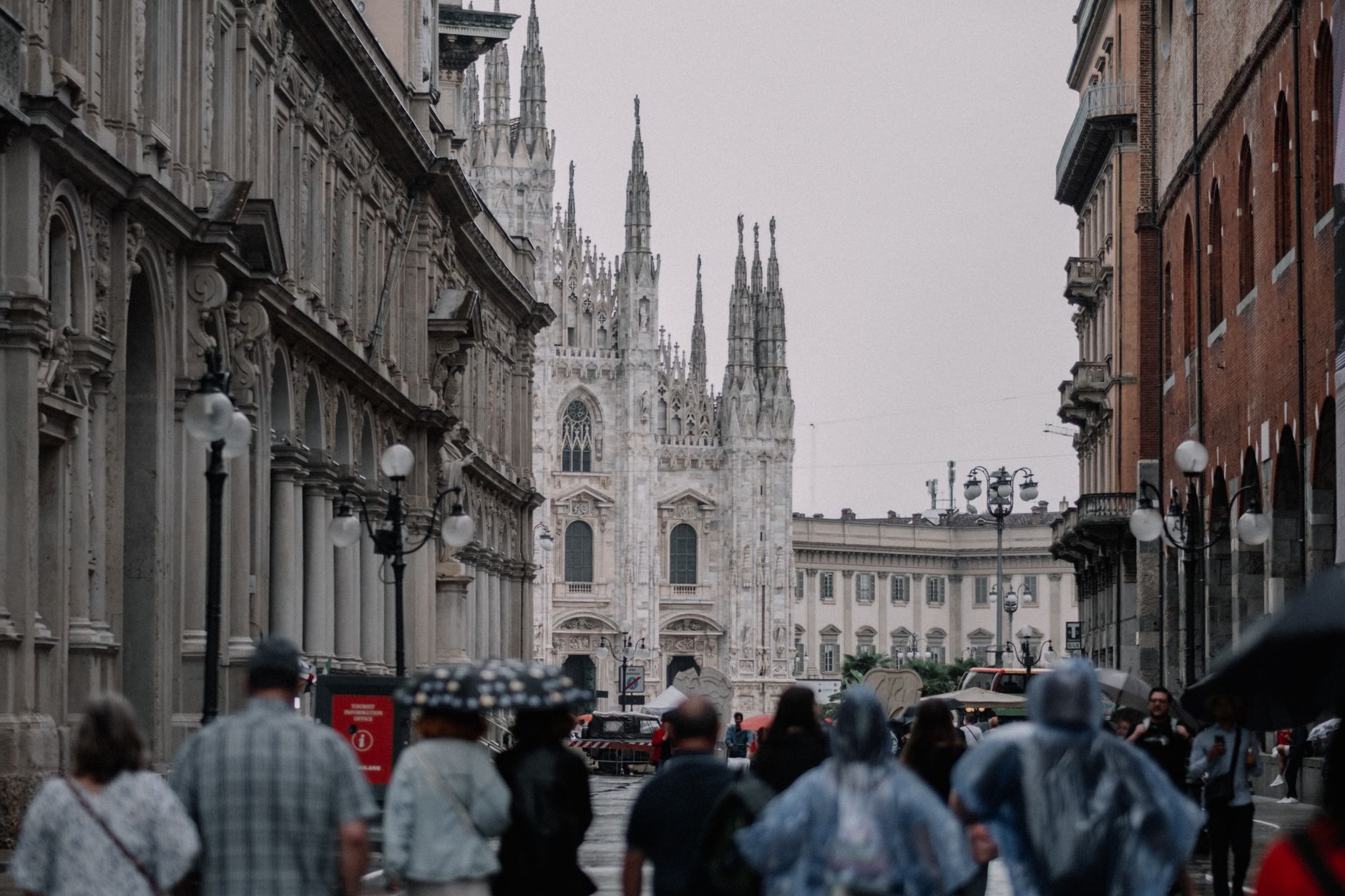
Construction 1386–1965 (6 centuries); largest church in Italy with 3,400 statues, 135 spires, 55 stained glass windows.
Galleria Vittorio Emanuele II, Milan
Built 1865; first Italian building made of iron, glass, and steel.
Leaning Tower of Pisa, Pisa
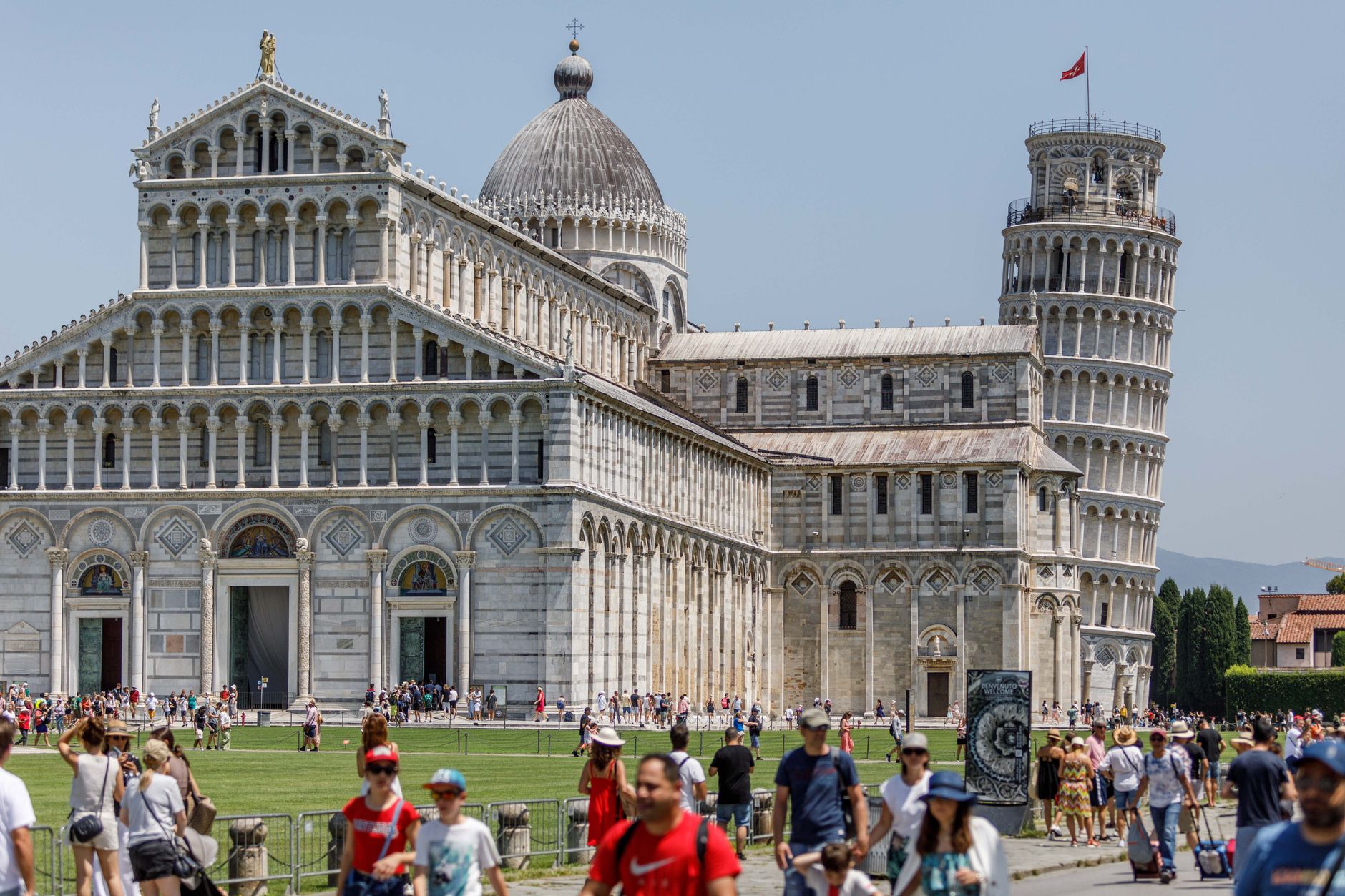
Construction started 1173, completed 1372 (200 years); stabilized 2001 for at least next 200 years.
Santa Maria del Fiore (Florence Cathedral), Florence
Took 140 years to build, finished 1436; Brunelleschi's dome at 114.5 meters was world's largest when built.
Pompeii, Campania
Ancient town destroyed 79 AD by volcanic eruption; receives ~2.5 million visitors annually.
Castel del Monte, Puglia
Octagonal castle built by Holy Roman Emperor Frederick II in the 13th century.
Watch

See Italy in motion

Practical

Plan your visit

On the map

When to go

Northern Italy — Milan, Venice, the Dolomites — has cold, sometimes foggy winters and warm, humid summers. Central and southern regions, including Rome and Naples, run hotter and drier through July and August. Spring and autumn are generally the most temperate seasons across the peninsula.

Right now

☀️
35°C
Clear
Fri
37°
25°
Sat
☀️
38°
24°
Sun
36°
24°
Mon
🌫️
36°
24°
Weather data: Open-Meteo
Type Theme

↡ Cities

↡ Regions
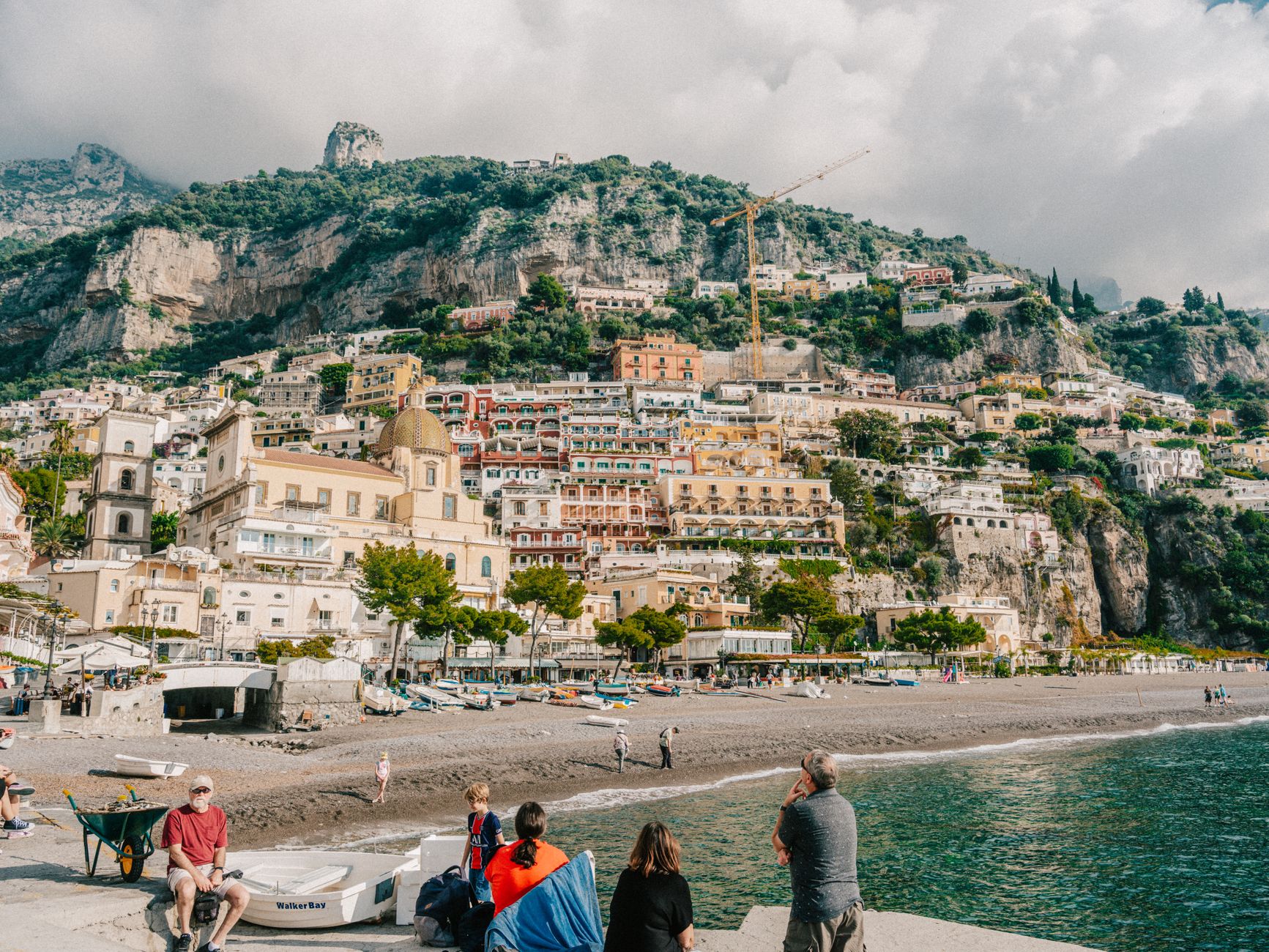
Amalfi Coast (Campania)
Region · Italy
Amalfi Coast (Campania)
15 placesNature & outdoors
Cinque Terre (Liguria)
Region · Italy
Cinque Terre (Liguria)
5 placesFood & drink
Dolomites (Trentino-Alto Adige)
Italy · 14 places
Nature & outdoorsHiking & mountainsAdventure & active
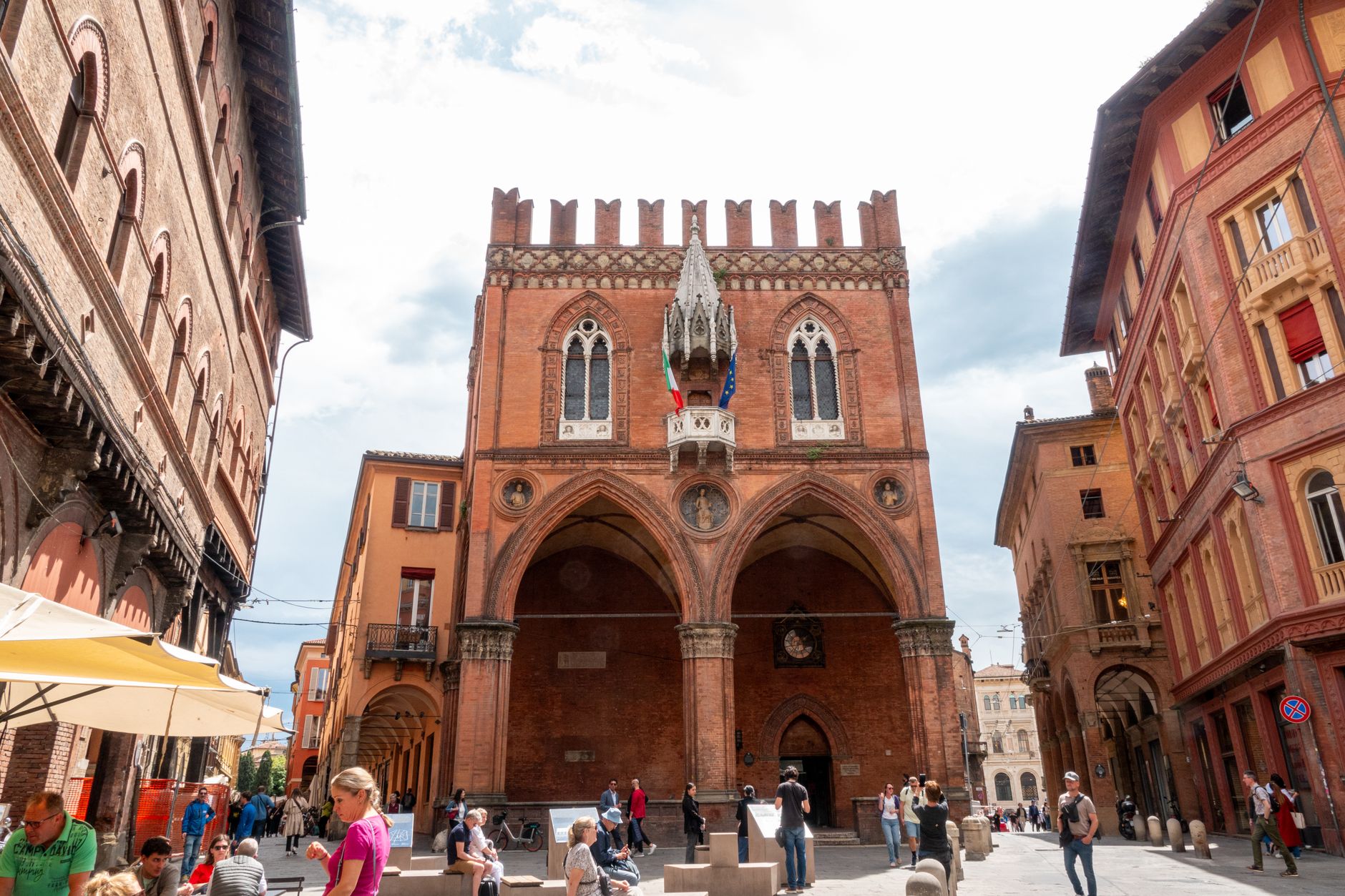
Emilia-Romagna
Emilia-Romagna
Italy · 14 places
Culture & historyFood & drinkRoad trip & touring
Florence (Tuscany)
Florence (Tuscany)
Italy
City breakCulture & history
Lake Como (Lombardy)
Italy · 12 places
luxuryNature & outdoorsRomantic getaway
Lombardy
Lombardy
Italy · 14 places
luxuryCity breakCulture & history
Pompeii (Campania)
Pompeii (Campania)
Italy
City breakCulture & history
Puglia
Puglia
Italy · 15 places
Culture & historyFood & drinkBeach & sun
Rome (Lazio)
Rome (Lazio)
Italy · 15 places
City breakCulture & historyFood & drink
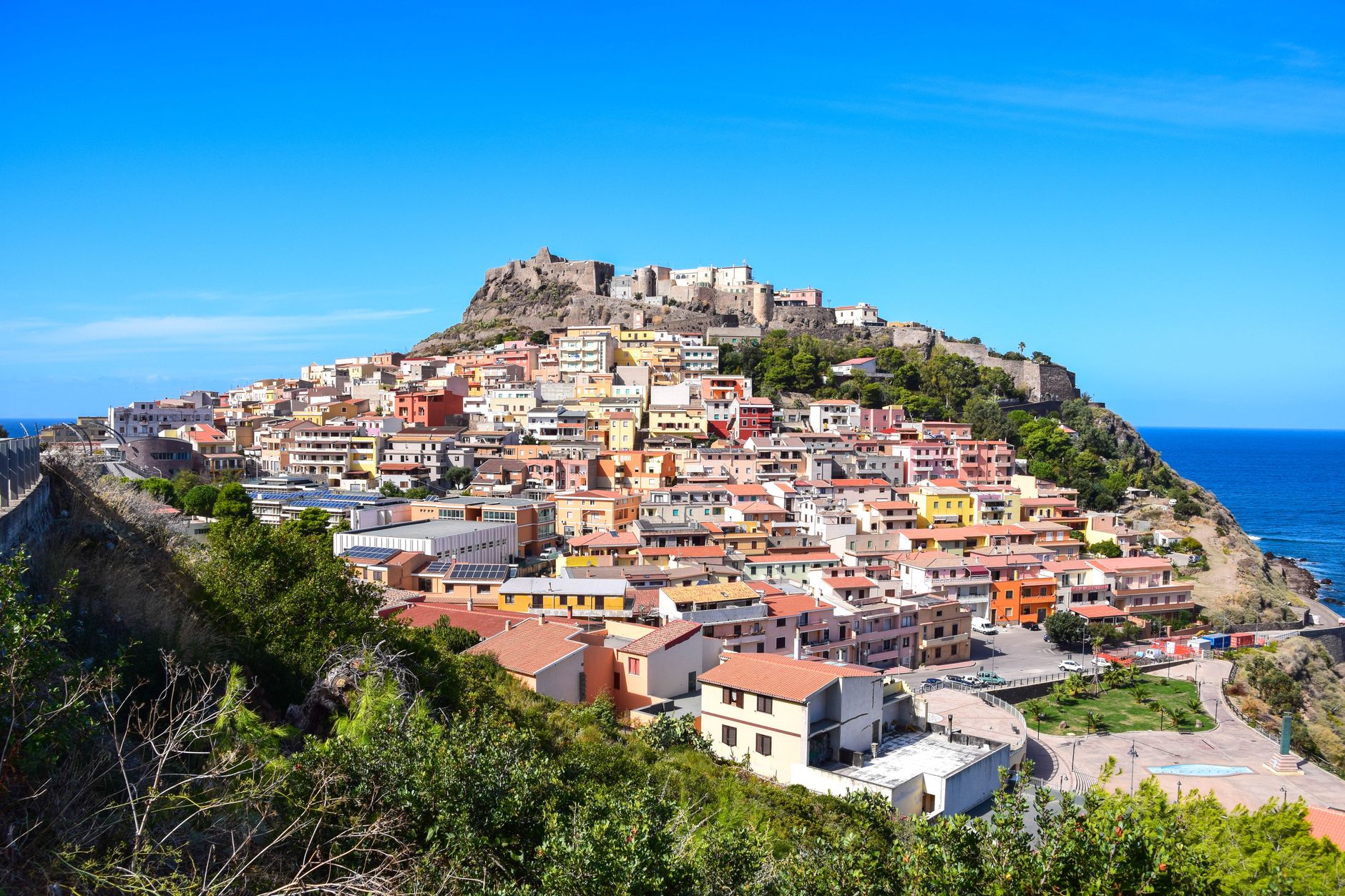
Sardinia
Sardinia
Italy · 3 places
Culture & historyIslands & tropicalBeach & sun
Sicily
Sicily
Italy · 4 places
Culture & historyFood & drinkBeach & sun
Tuscany
Tuscany
Italy · 13 places
luxuryCulture & historyFood & drink
Umbria
Umbria
Italy · 15 places
Culture & historyNature & outdoorsRomantic getaway
Venice (Veneto)
Venice (Veneto)
Italy · 14 places
City breakCulture & historyRomantic getaway

No places match these filters.


Background & history adapted from Wikipedia (CC BY-SA) · specs from Wikidata (CC0) · weather from Open-Meteo · map data © OpenStreetMap contributors · photos from Wikimedia Commons / Unsplash with per-image credit. No third-party reviews or social posts reproduced.

Top