Region

Venice (Veneto)

Venice (Veneto)
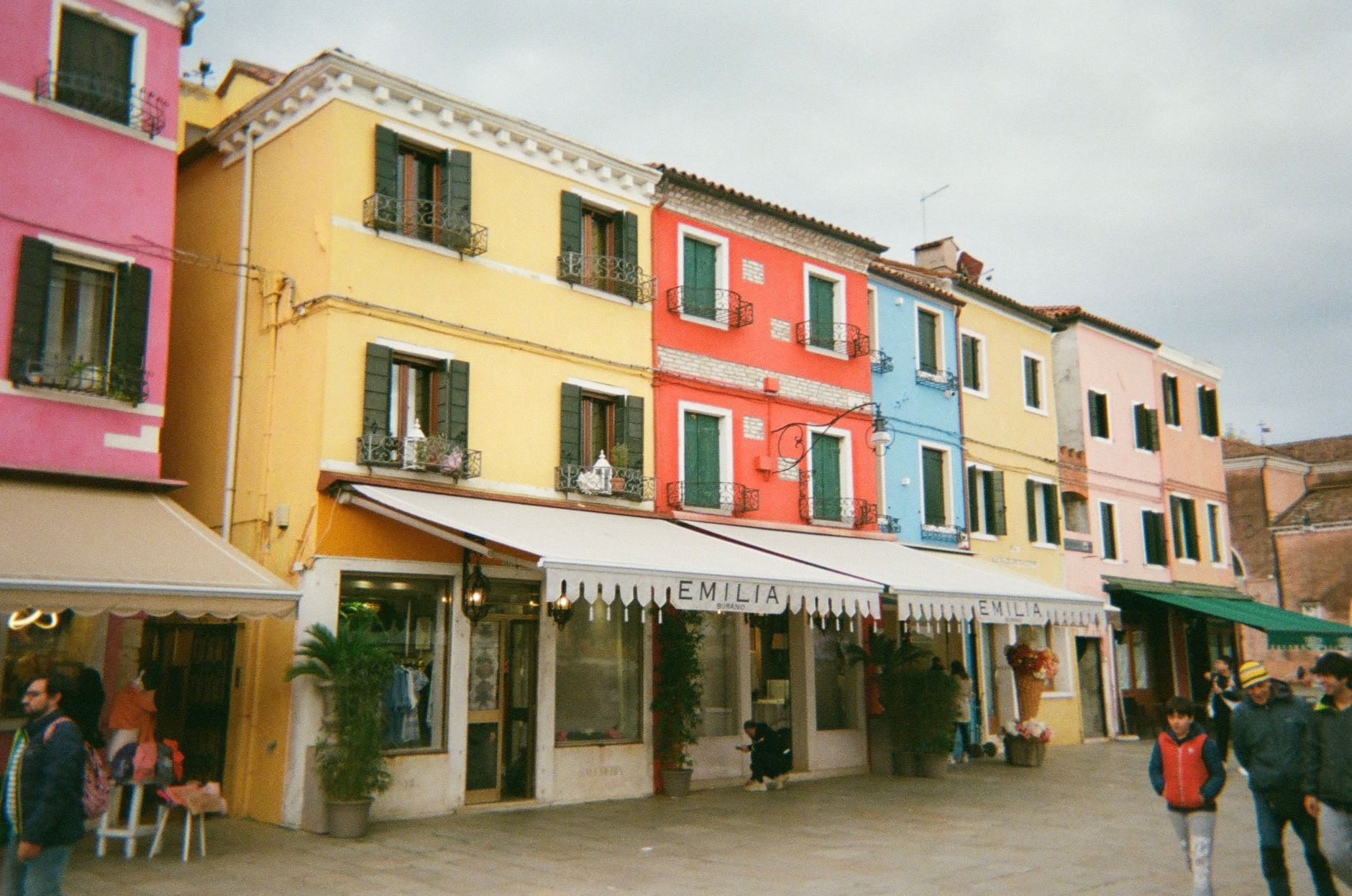
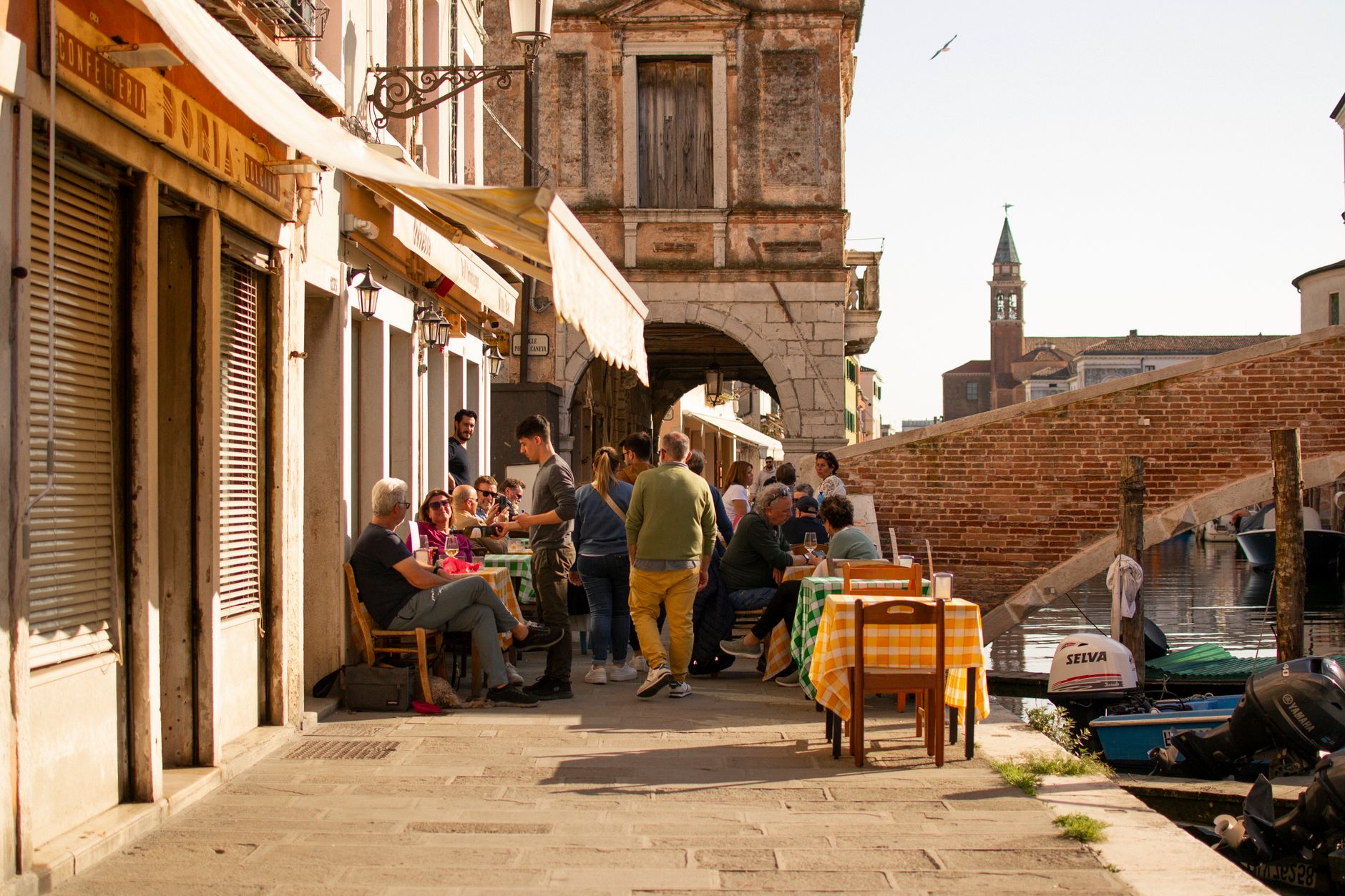
Photo by Valentin Ivantsov on Pexels
Venice (Veneto)
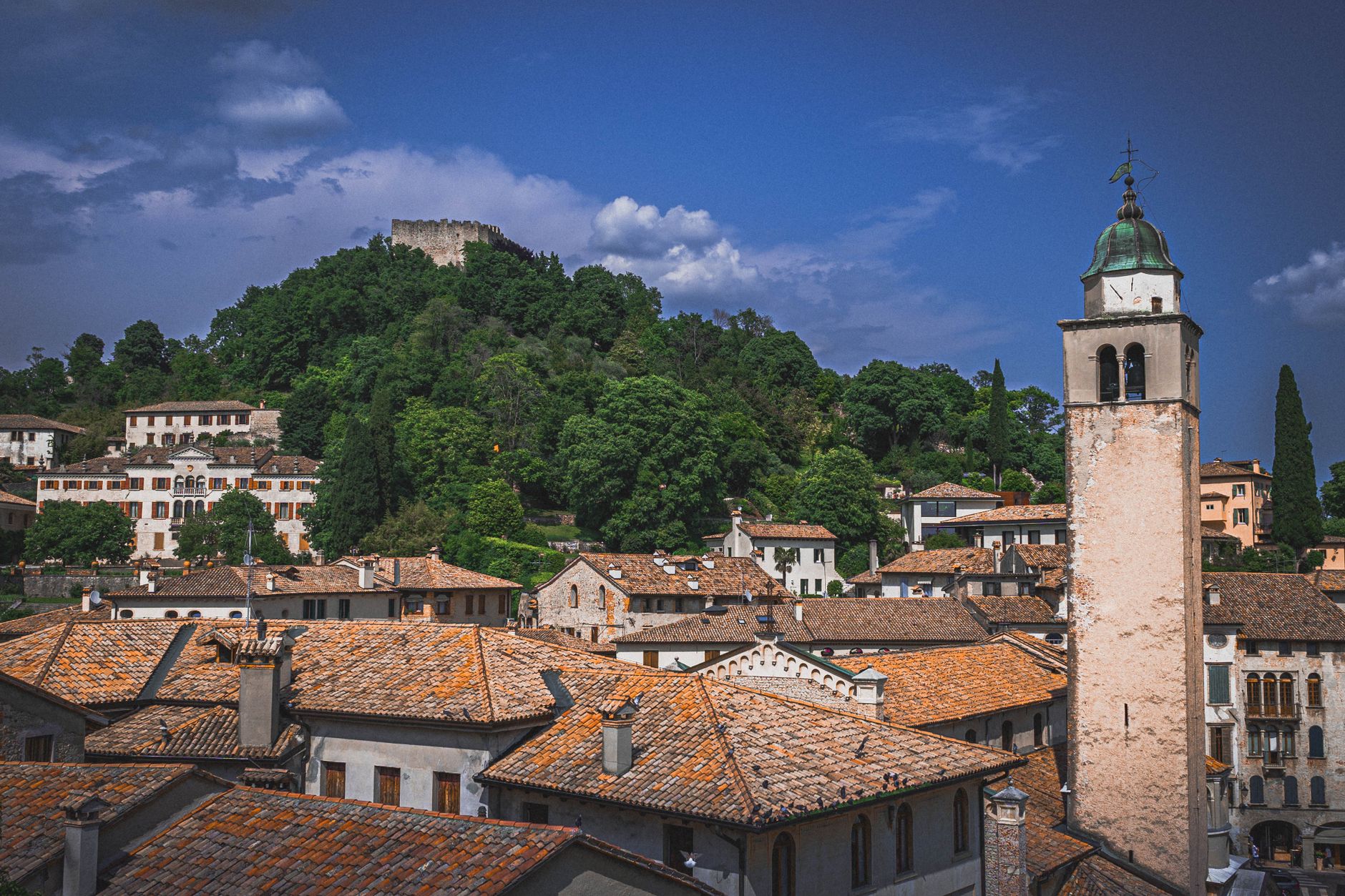
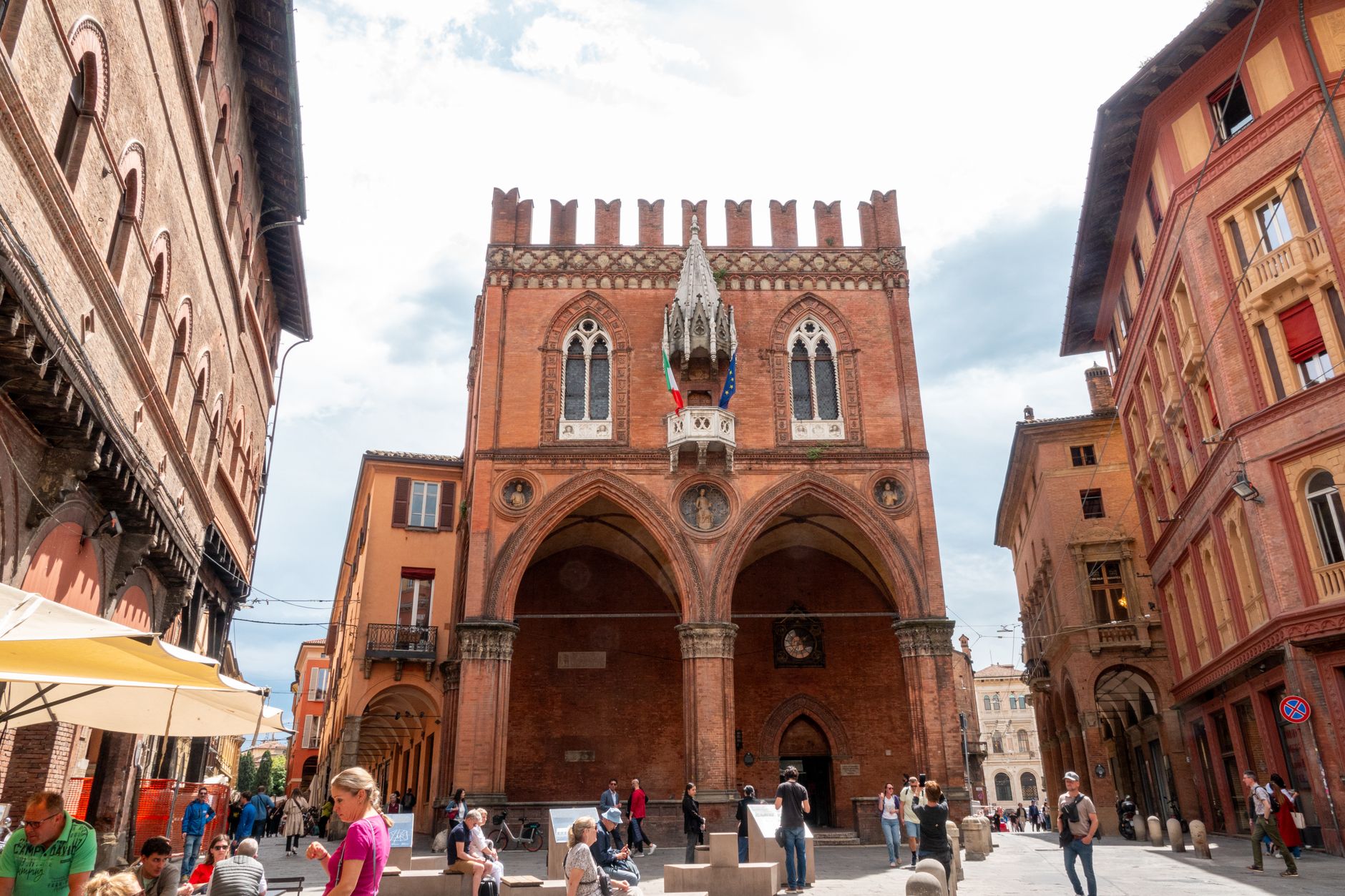
Photo by Alejandro Aznar on Pexels
Venice (Veneto)
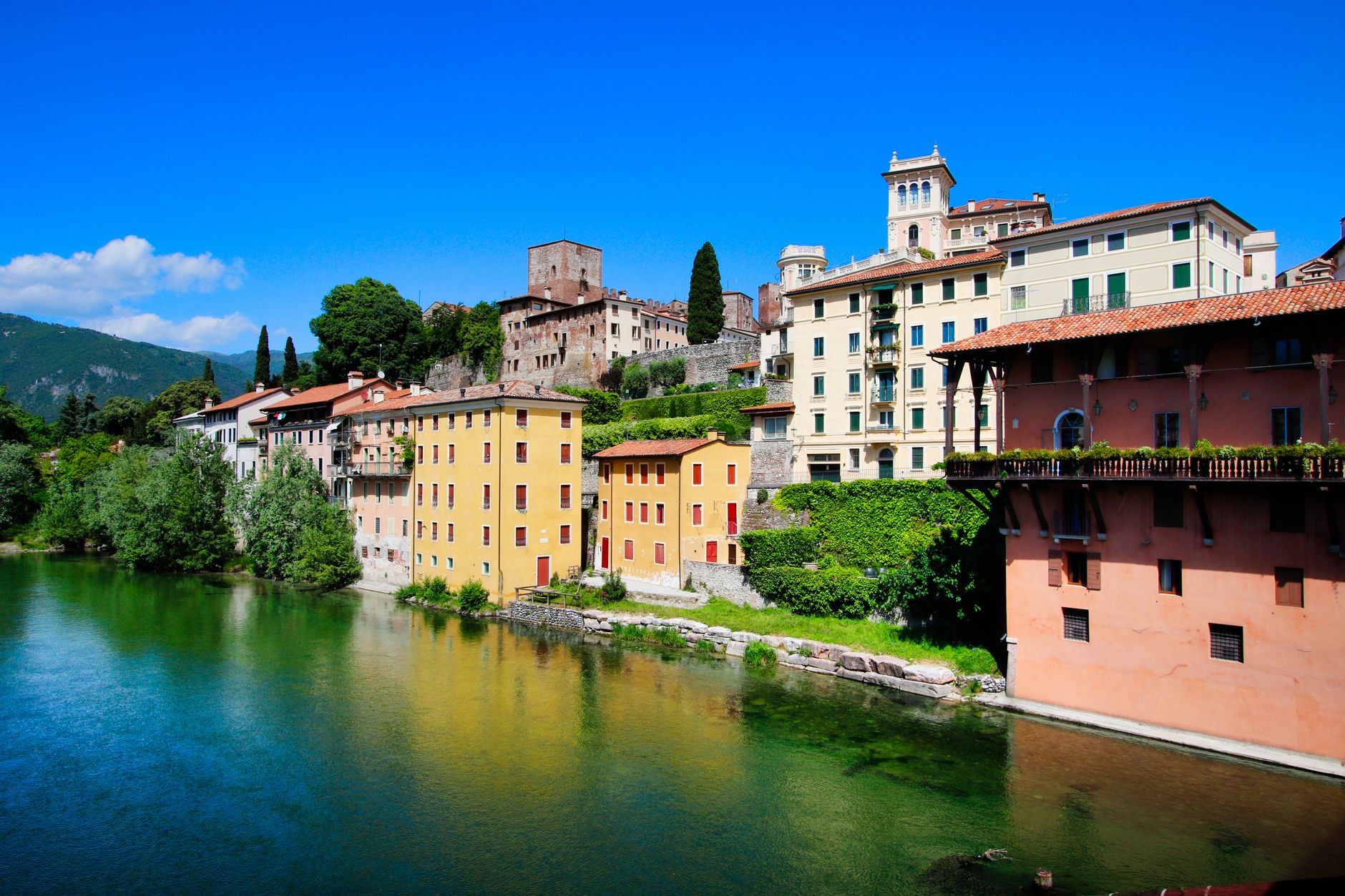
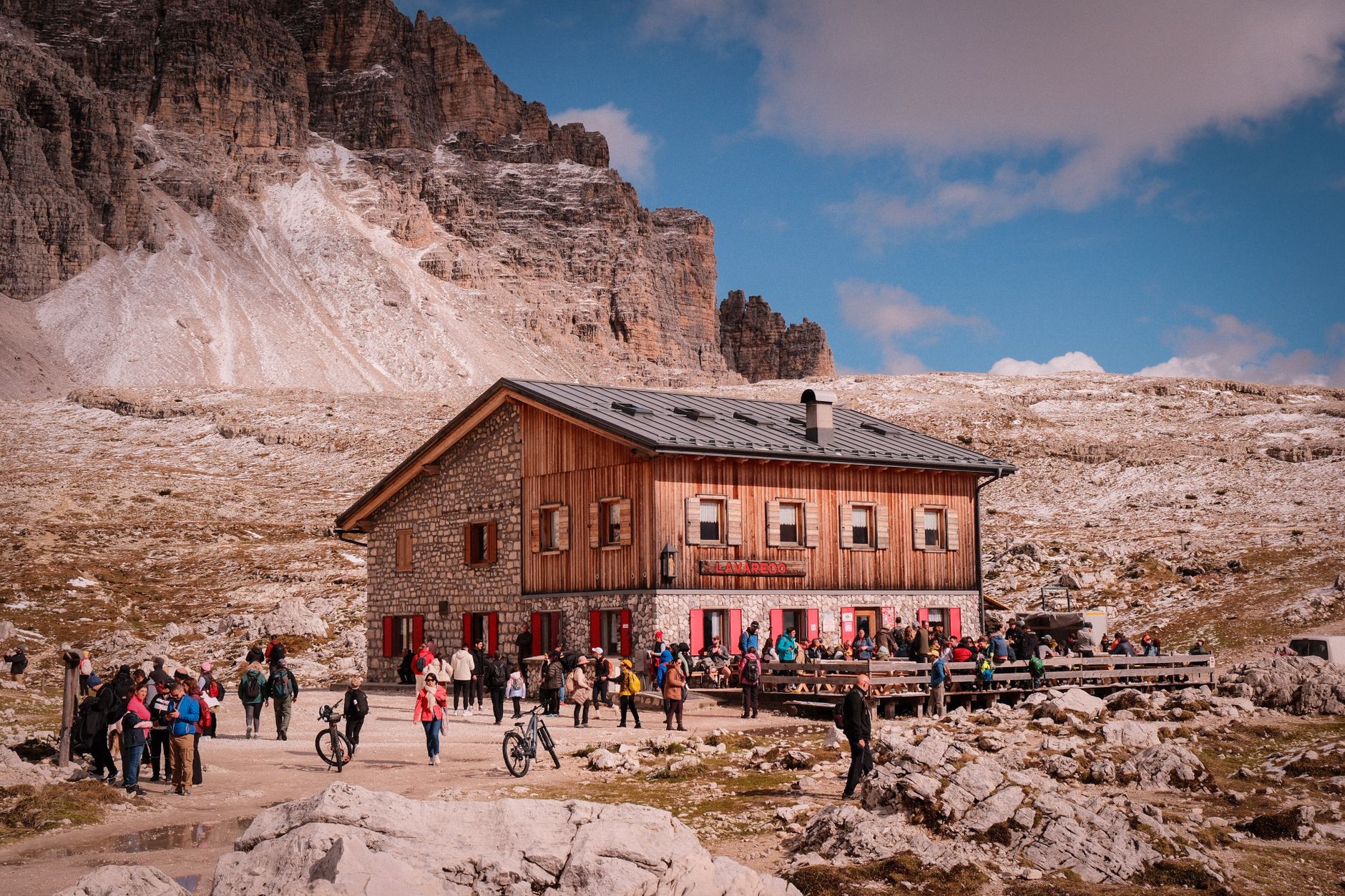
Photo by Eline on Pexels
Venice (Veneto)
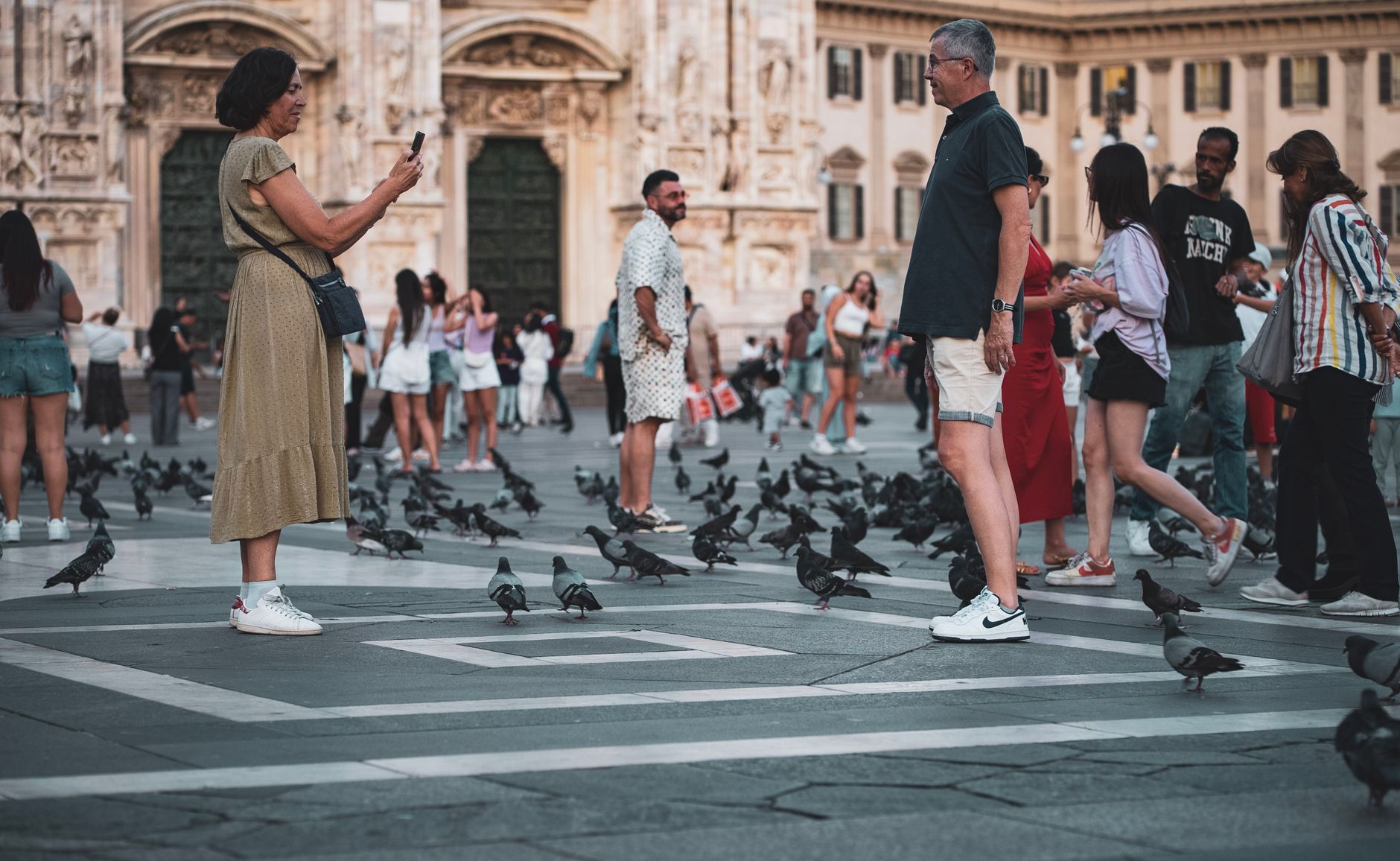
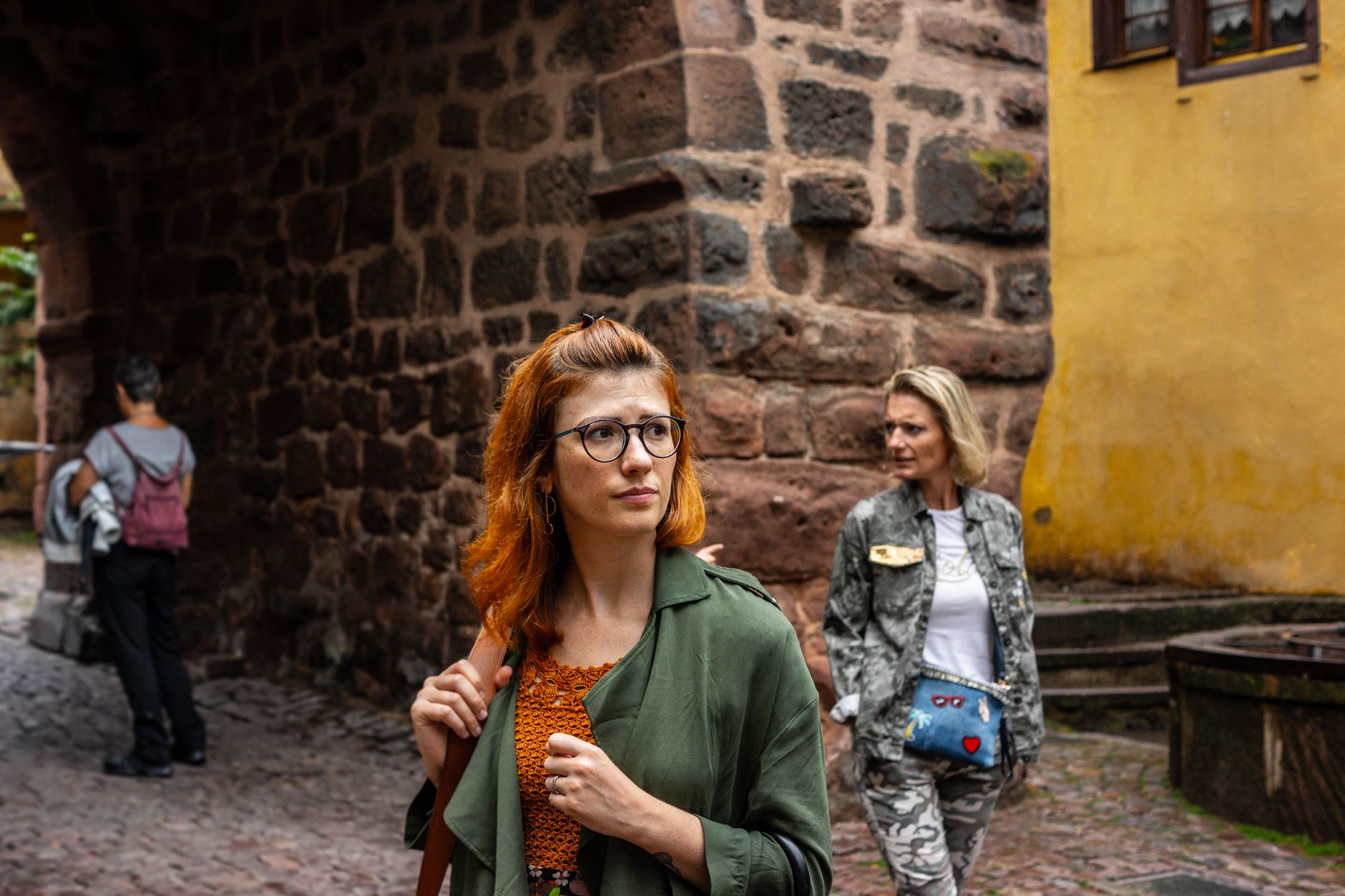
Photo by Piotr Arnoldes on Pexels
Venice (Veneto)
Photo by Diego Caumont on Pexels
Venice (Veneto)
Photo by Bastian Riccardi on Pexels
City break Culture & history Romantic getaway

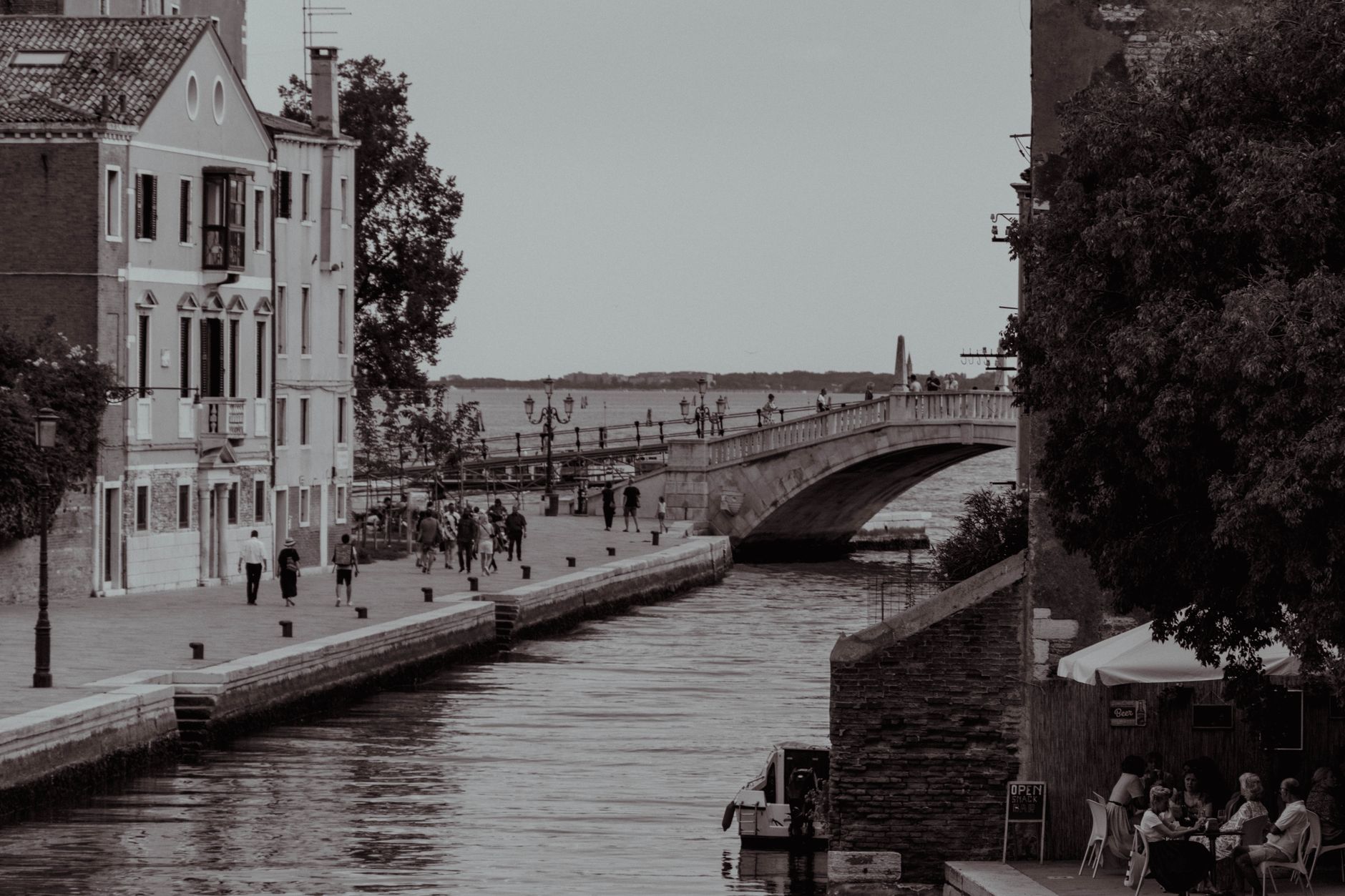
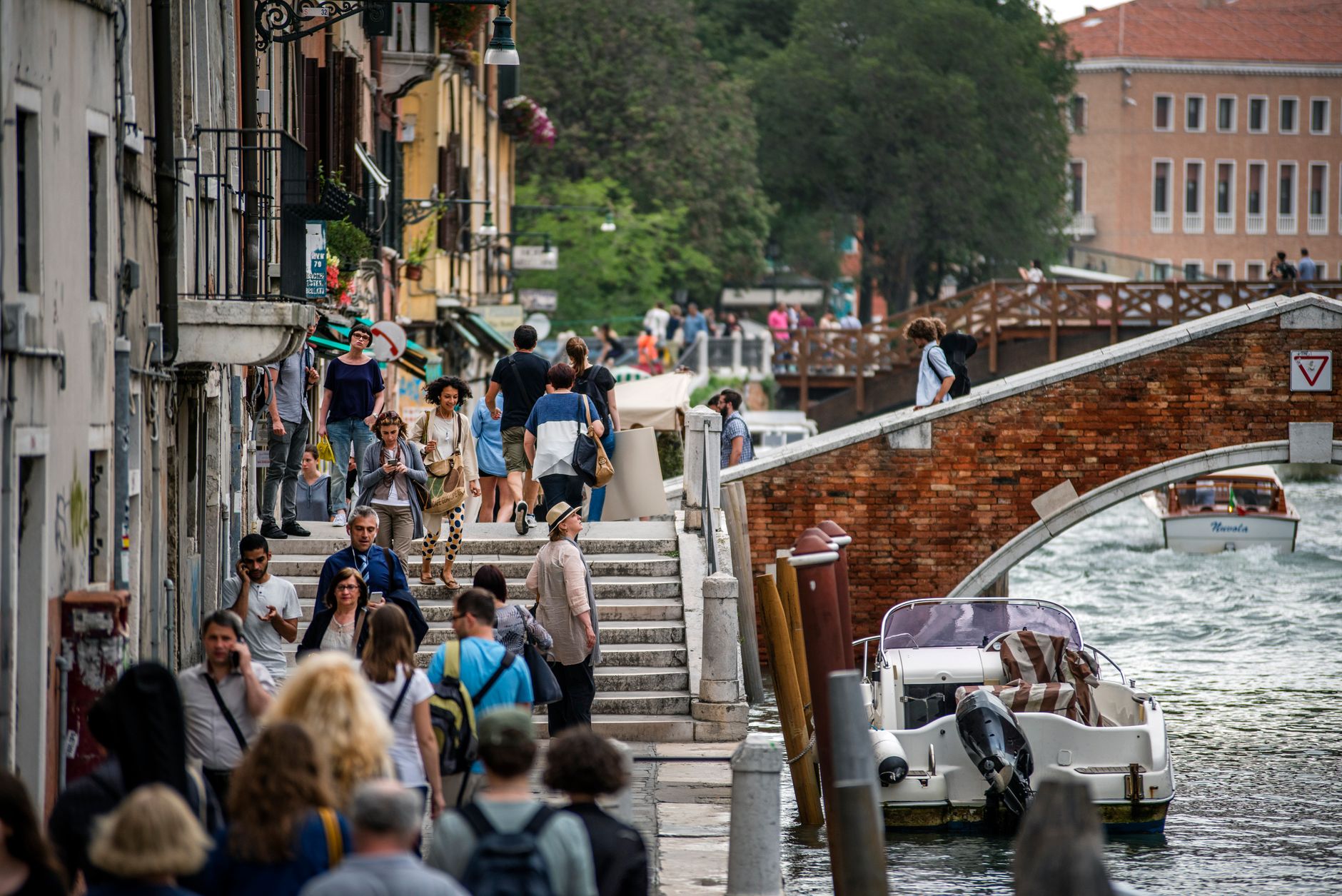
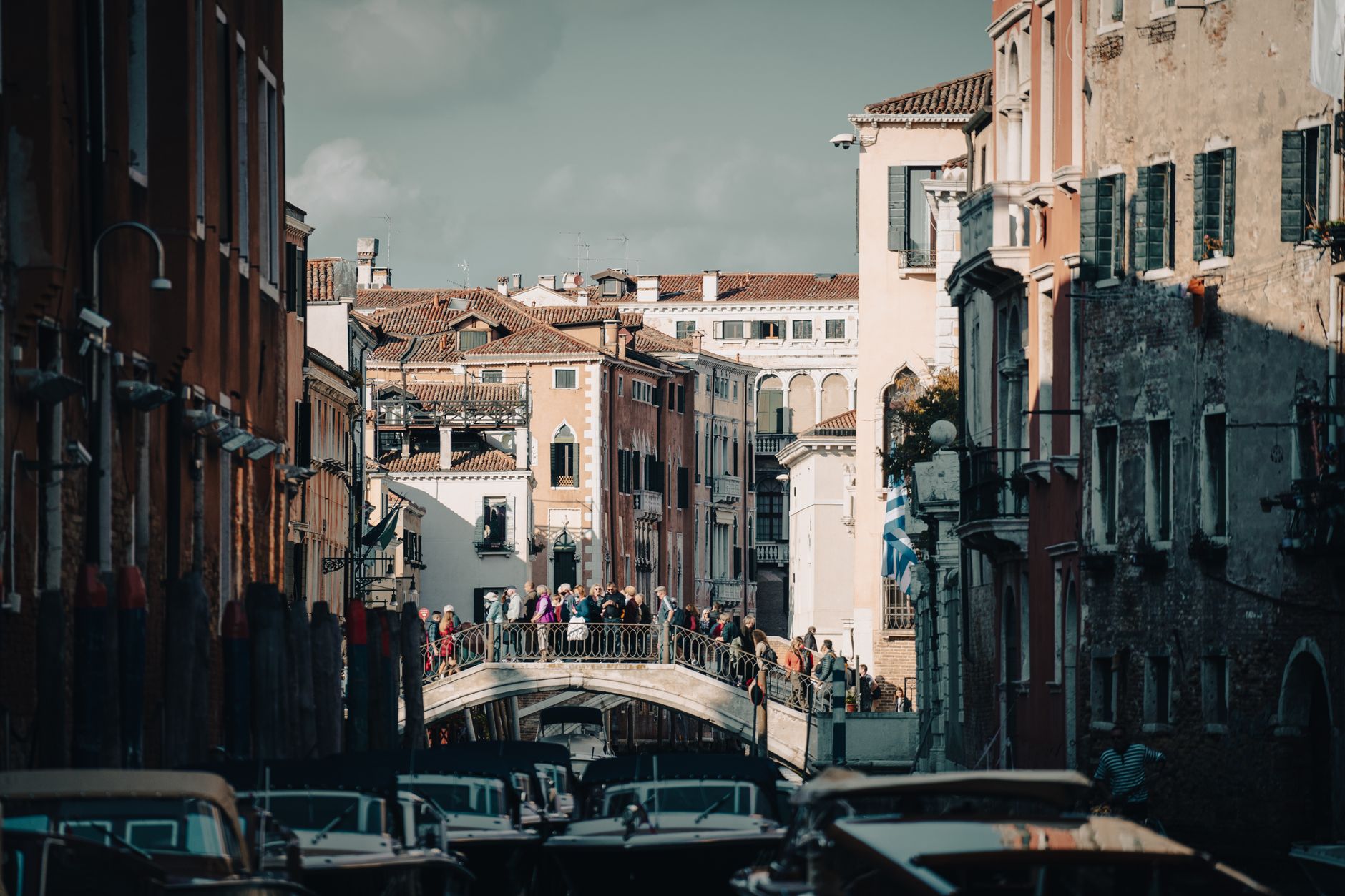
Venice sits on 118 small islands in a lagoon, and the first thing that disorients you is the silence where roads should be. No cars, no motorbikes — just water, footsteps, and the occasional creak of a gondola against a mooring post. The city grew from the mud upward: palaces resting on hundreds of thousands of wooden piles, their facades reflected in canals that function as streets.

The Veneto region stretches well beyond the lagoon, from the Dolomites in the north to the Adriatic coast, taking in Verona, Padua, and Vicenza along the way. But Venice itself tends to consume all attention — and usually earns it.

Good to know
Fly into Marco Polo Airport, a short water-bus or bus ride from the city. Spring and autumn are the most manageable seasons. Summer brings extreme crowds and acqua alta flooding peaks in autumn and winter. Book key sites — the Doge's Palace especially — well in advance. A day is never enough; three gives you room to breathe.
The story

How Venice (Veneto) came to be

Venice traces its origins to the 5th century, when the destruction of Aquileia by Attila's Huns in 452 AD scattered coastal populations onto the islands of the lagoon. What began as refuge hardened into one of history's most durable political experiments: the Republic of Venice, which ran from 697 CE to 1797 CE — over a thousand years of independent governance, trade empire, and architectural accumulation.

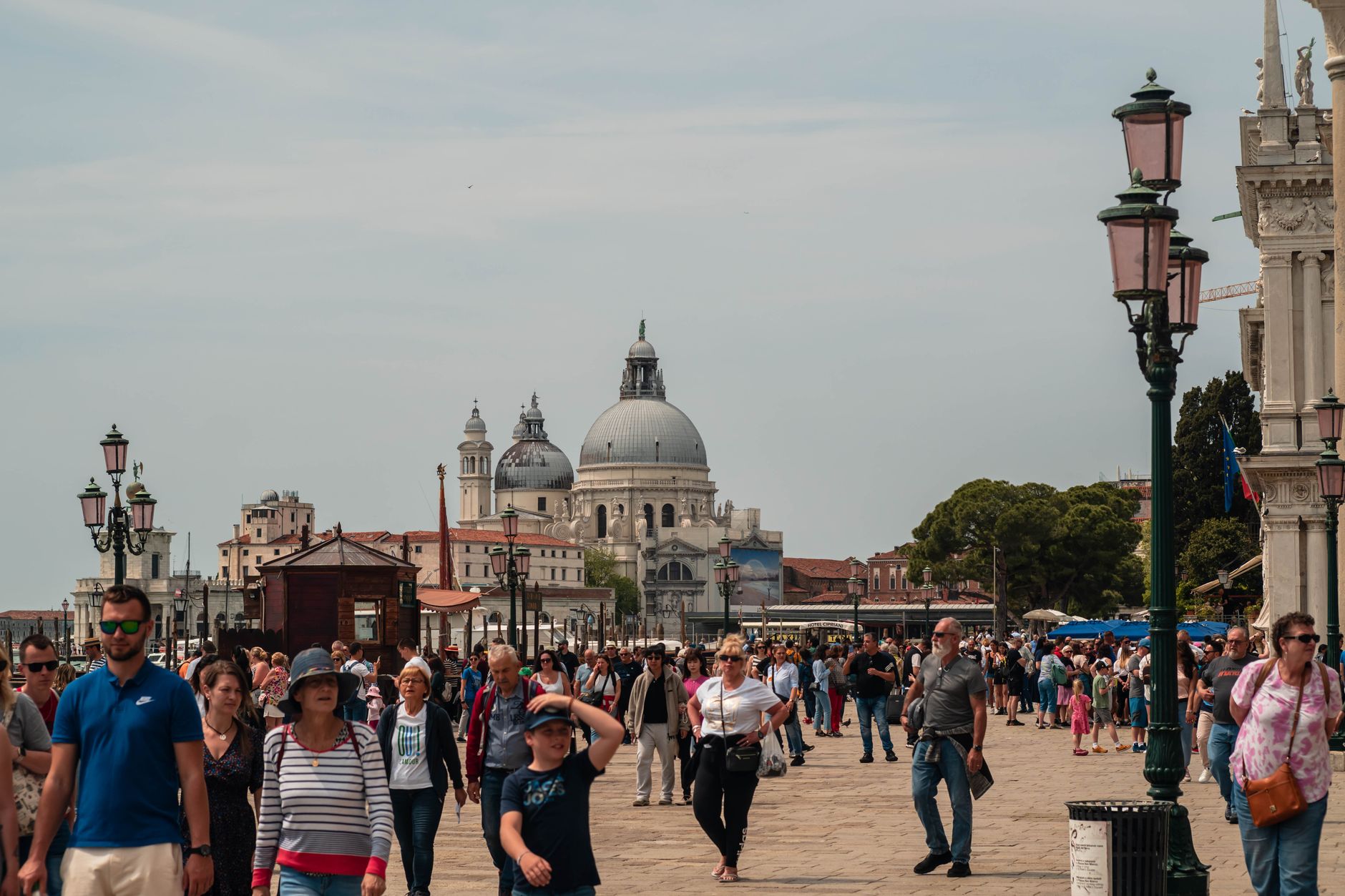
Napoleon ended it. After his 1797 invasion, the Veneto passed to the Habsburg Empire before joining the Kingdom of Italy in 1866. The layers of that long republic are still visible everywhere: in the Byzantine mosaics of San Marco, consecrated in 1094; in the Gothic facades of the Doge's Palace, begun in 1340; and in Longhena's Baroque Santa Maria della Salute, completed in 1682.

People & landmarks

Who and what shaped it

People who shaped it

Filippo Calendario
Architect of the Doge's Palace, begun 1340.
Giovanni and Bartolomeo Bon
Architects of the Doge's Palace façades (1309–1424) and Ca' d'Oro (1428–1430).
Mauro Codussi
Lombardy-born architect (1440–1504) who introduced Renaissance style to Venice.
Jacopo Sansovino
Florentine sculptor and architect settled in Venice after 1527; introduced Classical architecture based on ancient Rome.
Andrea Palladio
Architect (1508–1580) whose Palladian style became hugely influential.
Baldassare Longhena
Venice-born architect (1598–1682) who designed Santa Maria della Salute, introducing full Baroque style.
Titian
Major Venetian artist whose works appear throughout the city.
Tintoretto
Major Venetian artist whose works appear throughout the city.
Giorgione
Major Venetian artist whose works appear throughout the city.
Veronese
Major Venetian artist whose works appear throughout the city.

Landmark buildings

Basilica di San Marco
Construction began 1063, consecrated 1094; Byzantine Greek Cross plan with 500+ columns from 6th–11th centuries.
Doge's Palace
Begun 1340, façades 1309–1424; 152-meter façade length, seat of the Republic's government.
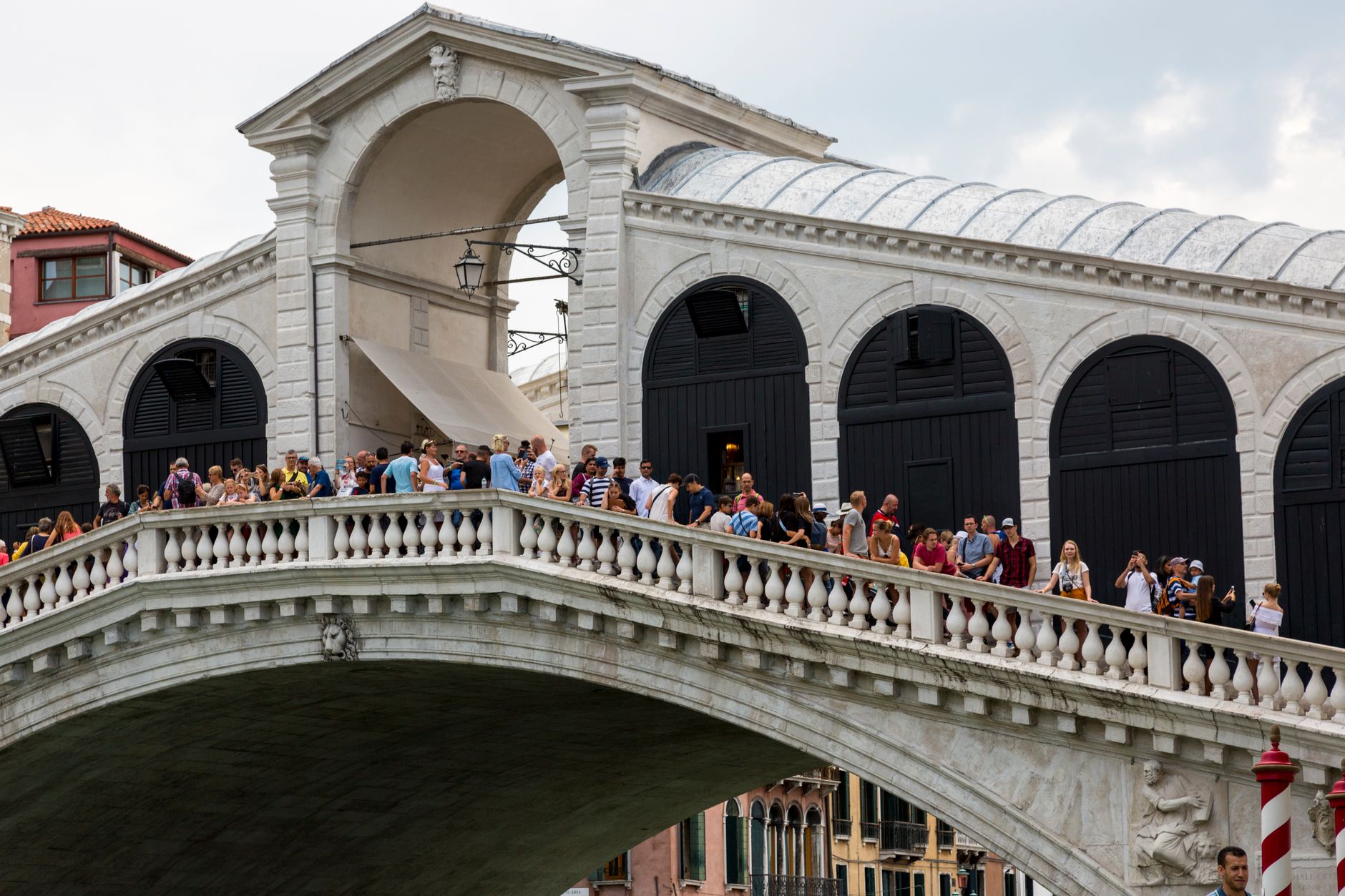
Rialto Bridge
Current marble version dates to 1591; three walkways with central shops, spans the Grand Canal.
Santa Maria della Salute
Begun 1631, completed 1682 by Longhena; octagonal Baroque church on 100,000+ wooden piles.
Ca' d'Oro
Constructed 1428–1430 for Marino Contarini; 35×22 meter palace, now museum of medieval art.
Procuratie Vecchie
Built 1514–1538 by Pietro Bon and Zuan Celestro; enclosed St. Mark's Basilica, creating the square.
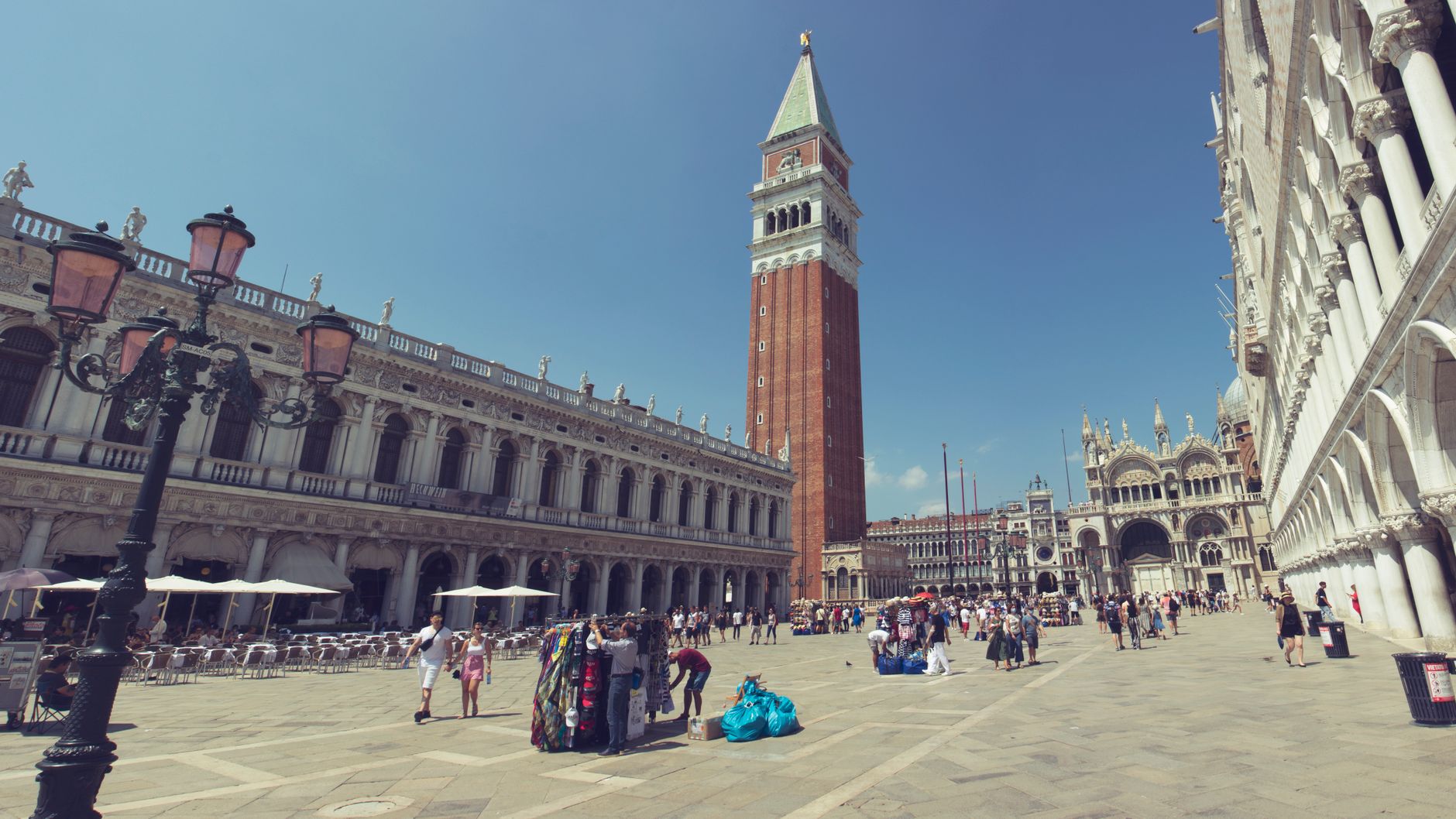
Campanile di San Marco
Bell tower destroyed circa 1517, rebuilt 1519, destroyed again and replica erected 1912.
Fondaco dei Tedeschi
Original building erected 1228 at foot of Rialto Bridge; German merchant warehouse.
Ca' da Mosto
Oldest building in Venice, 13th-century palace in Cannaregio, Byzantine Veneto style.
Church of San Lorenzo
Early church dating to 9th century.
San Rocco
Much built in late 1400s; main façade begun 1765 with Baroque features.
Palazzo Cavalli-Franchetti
16th-century palace on the Grand Canal.
Venice Arsenal
Dedicated to shipbuilding; historic center of Venetian naval power.
Practical

Plan your visit

On the map

When to go

Summers are hot and humid, with the city at its most crowded. Spring and early autumn offer mild temperatures and softer light. Winter is cold and quiet, with the real risk of acqua alta — the seasonal flooding that sends water across the lower piazzas — running from October through January.

Right now

27°C
Partly cloudy
Sat
32°
25°
Sun
⛈️
30°
22°
Mon
⛈️
28°
21°
Tue
27°
21°
Weather data: Open-Meteo

↡ Cities


Background & history adapted from Wikipedia (CC BY-SA) · specs from Wikidata (CC0) · weather from Open-Meteo · map data © OpenStreetMap contributors · photos from Wikimedia Commons / Unsplash with per-image credit. No third-party reviews or social posts reproduced.

Top