
Este
Este announces itself through its walls — or rather, what's inside them. The old defensive perimeter that once kept armies out now encloses a long public garden, which is either the best joke in the Veneto or simply good urban recycling. The town sits on the southern edge of the Euganean Hills, and it carries the quiet weight of a place that has been important for a very long time.
The name comes from the ancient Athesis, the Latin word for the Adige River, which ran through here until a catastrophic flood in 589 AD rerouted it entirely. That kind of geological abandonment tends to leave a place to its own devices — which is partly why Este's pre-Roman collections are among the finest in Italy.
💛 What travellers fall for
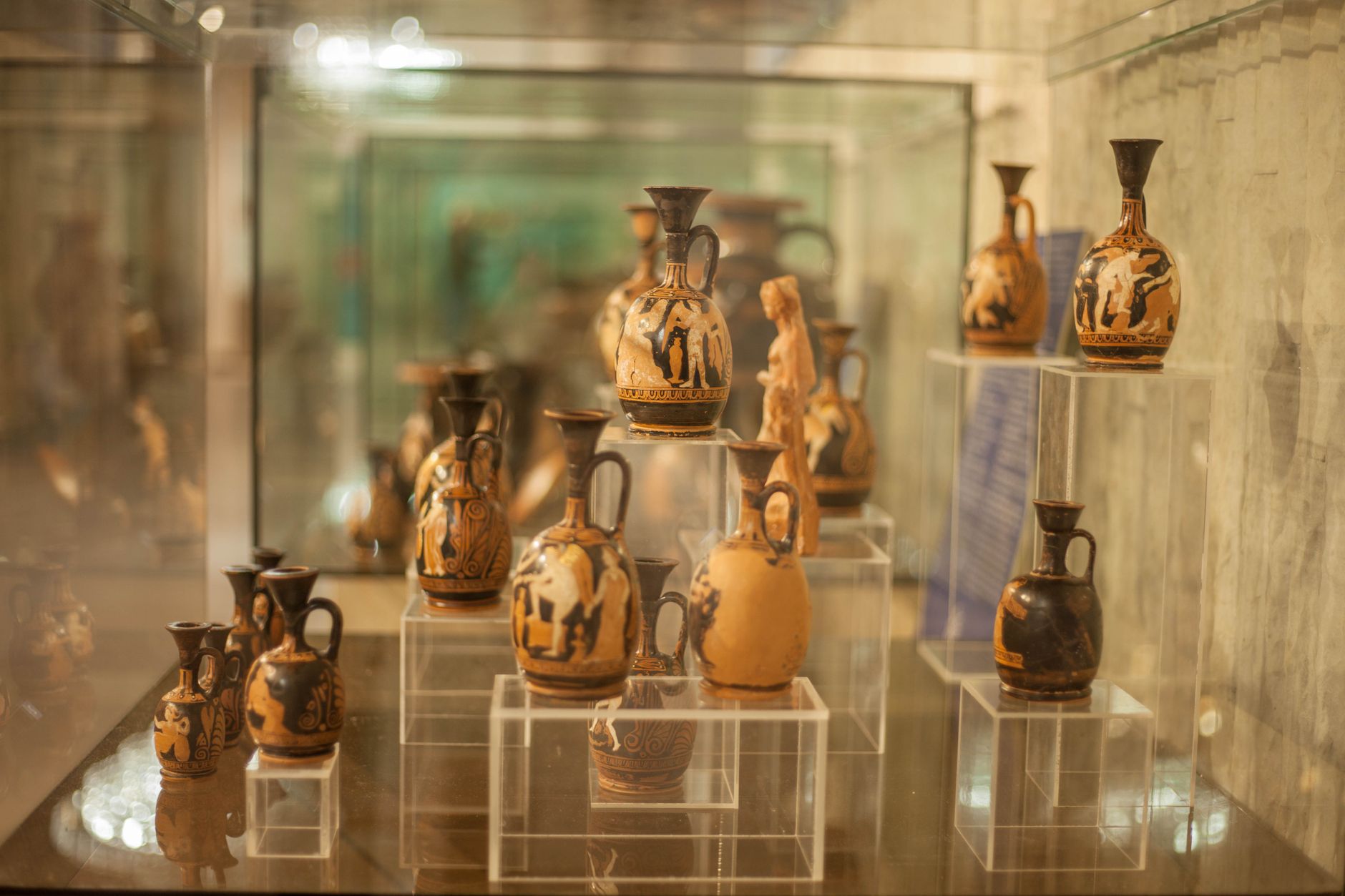
People who come back tend to linger at the Museo Nazionale Atestino longer than planned — the Bronze Age necropolis material has a way of doing that. The ceramics tradition is still alive in town if you look for it. And the Tiepolo altarpiece in Saint Thecla Cathedral rewards a slow look rather than a glance on the way through.
Experiences you don't want to miss




Deals in Este
Book directly at the provider

How Este came to be
Long before Rome arrived, Este — then called Ateste — was the principal city of the Veneti, a pre-Roman people whose culture left behind one of the richest archaeological records in northern Italy. Rome absorbed it around 200 BC, and the town prospered until the Adige shifted course in 589 AD, effectively stranding it.
In the Middle Ages, Este gave its name to one of Italy's most consequential dynasties. Azzo II built a castle here in the tenth century, and by 961 the House of Este had established itself as a major power. They received the title of marquis and ruled from Este until 1239, when they moved their capital to Ferrara. The castle was razed by Cangrande della Scala of Verona in 1317 and rebuilt by Ubertino da Carrara in 1339. Venice took the town in 1405 and held it until Napoleon; Austria followed, until Italian unification brought Este into the Kingdom of Italy in 1866.
Who and what shaped it
People who shaped it
Landmark buildings
See Este in motion
Plan your visit
On the map
When to go
Summer runs warm, with July days reaching around 32°C and ten hours of sunshine — comfortable for walking if you start early. Winter is mild by northern standards but does bring occasional snow between January and March, with January the driest month overall.
Right now
Background & history adapted from Wikipedia (CC BY-SA) · specs from Wikidata (CC0) · weather from Open-Meteo · map data © OpenStreetMap contributors · photos from Wikimedia Commons / Unsplash with per-image credit. No third-party reviews or social posts reproduced.