Country

Costa Rica

Costa Rica
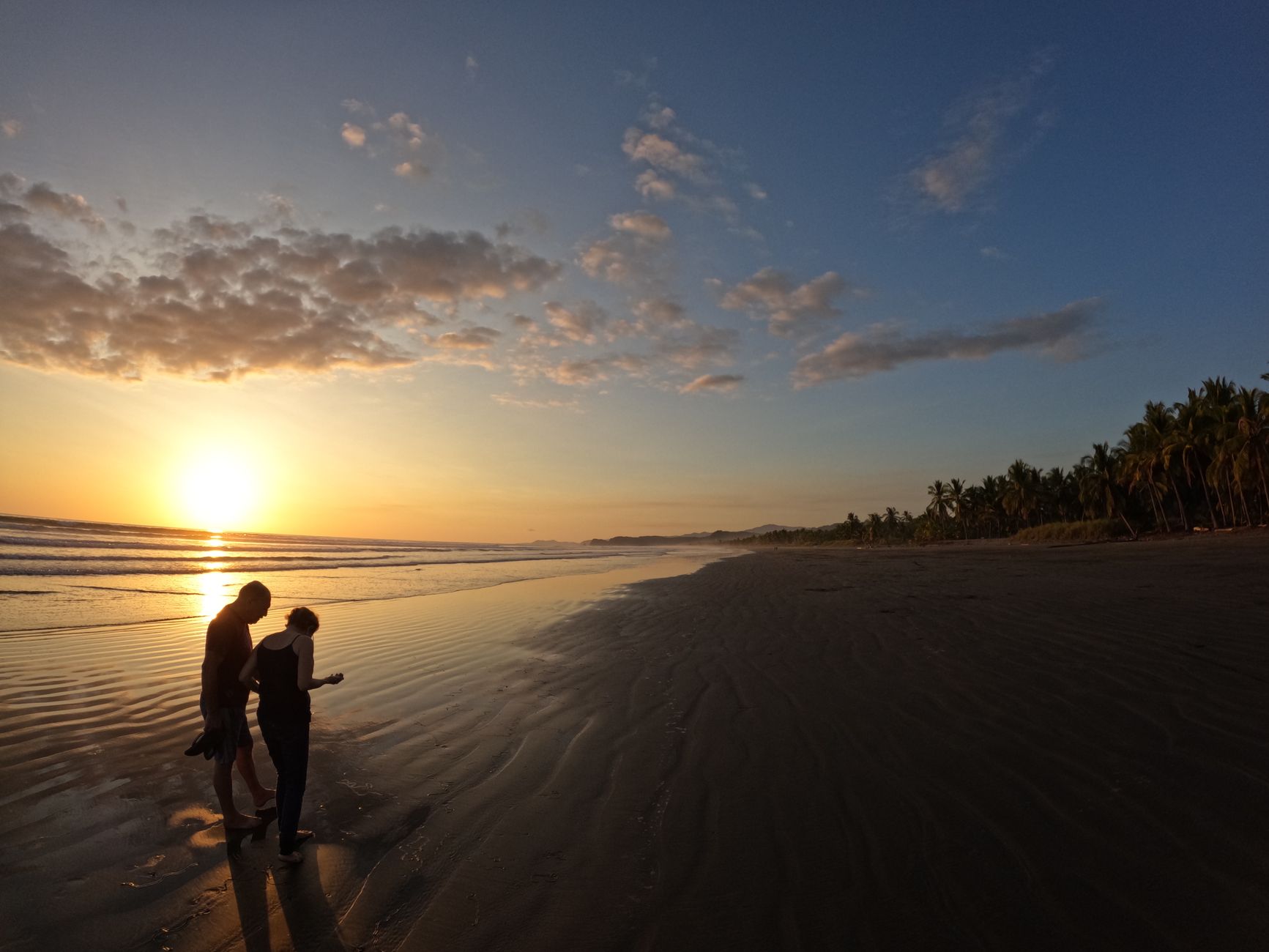
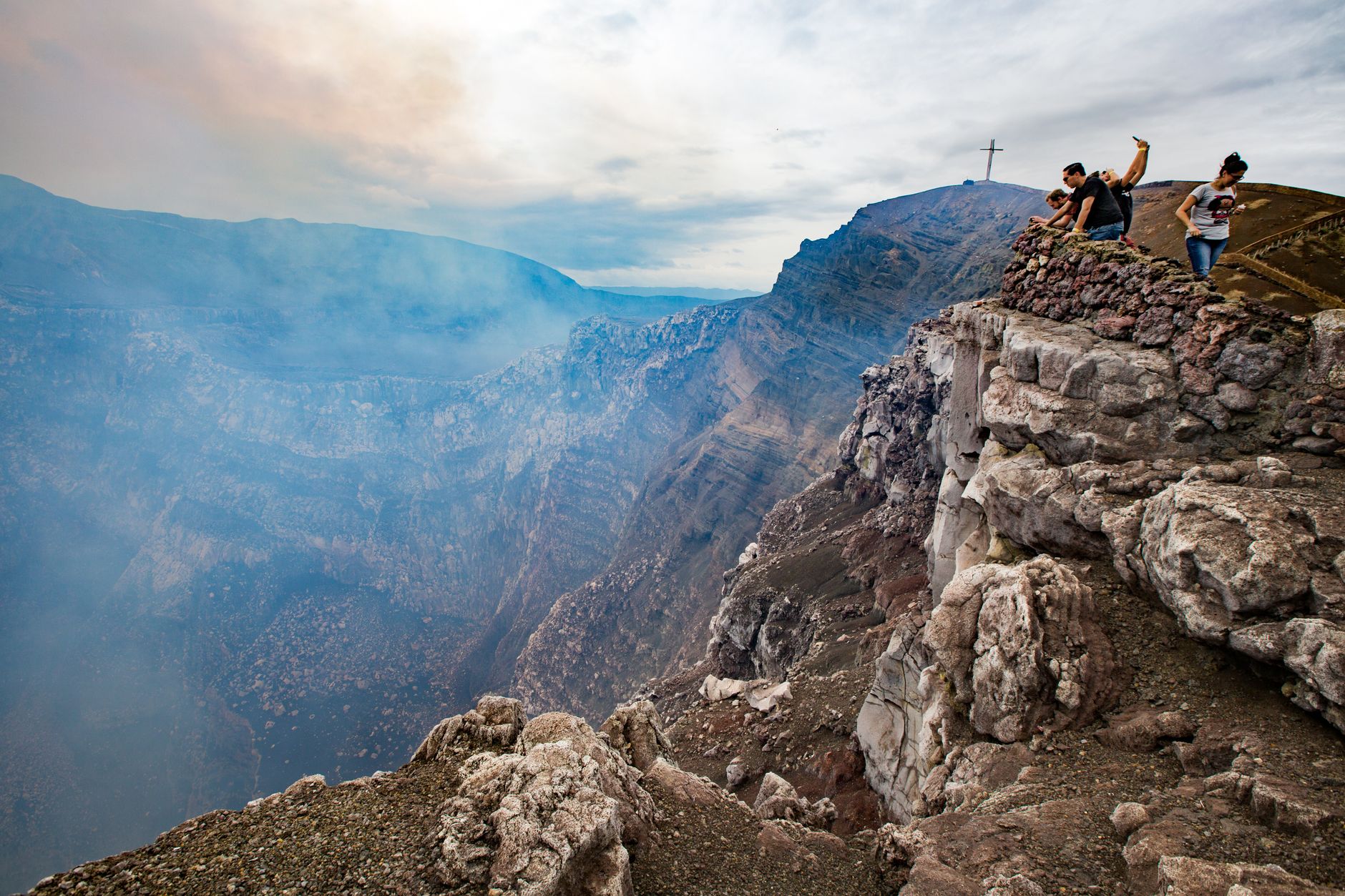
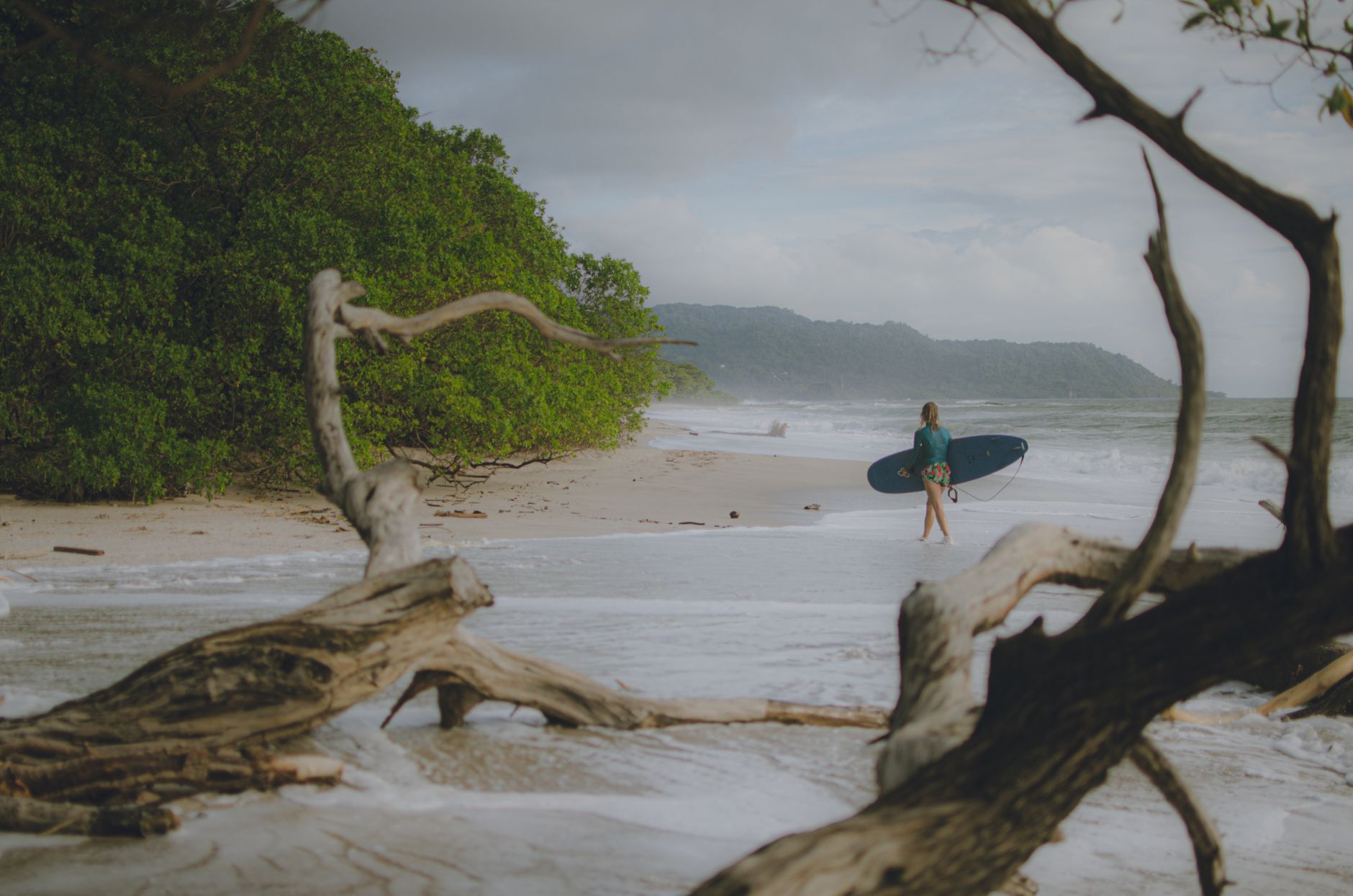
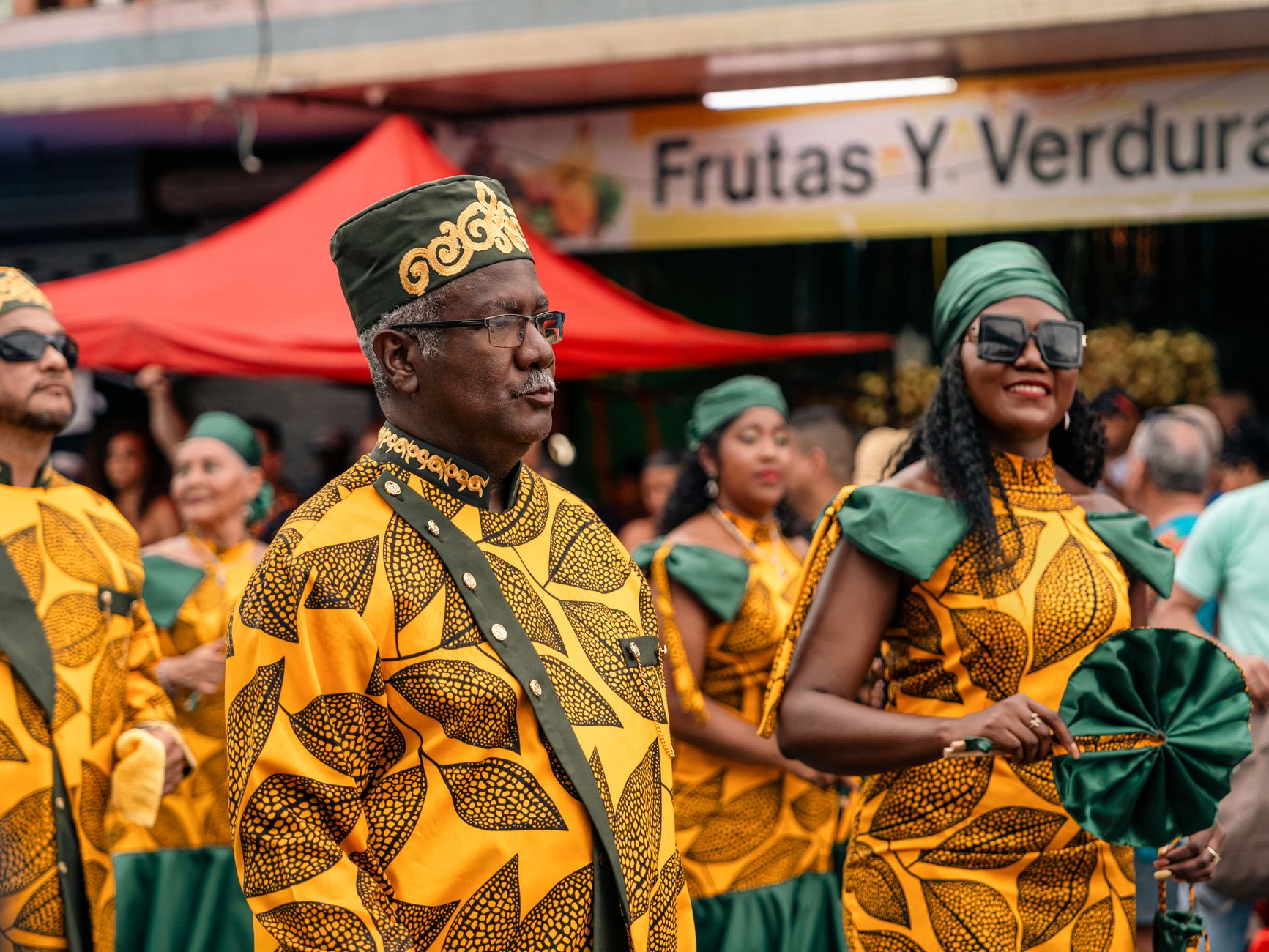
Photo by Mario Spencer on Pexels
Costa Rica
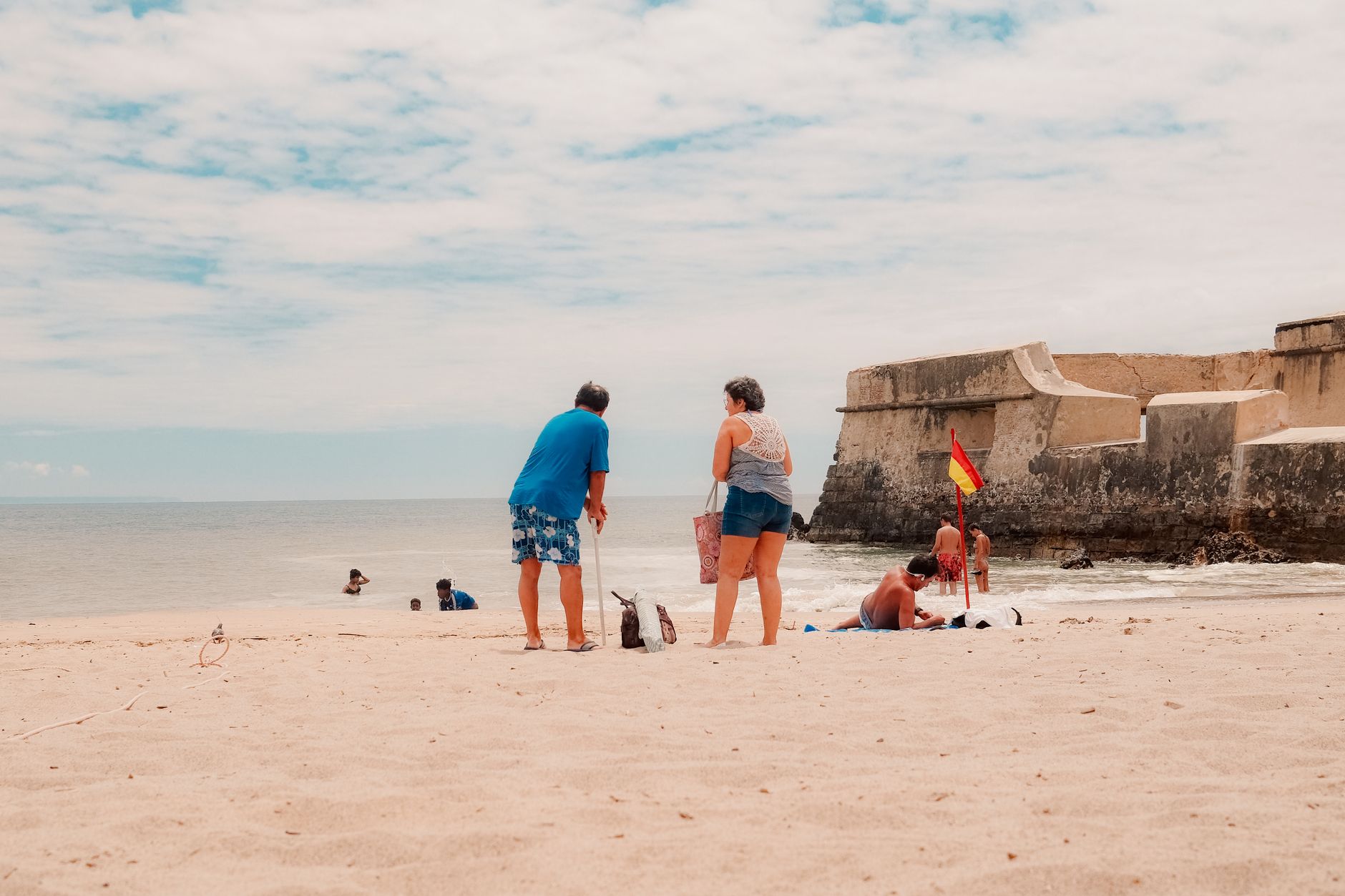
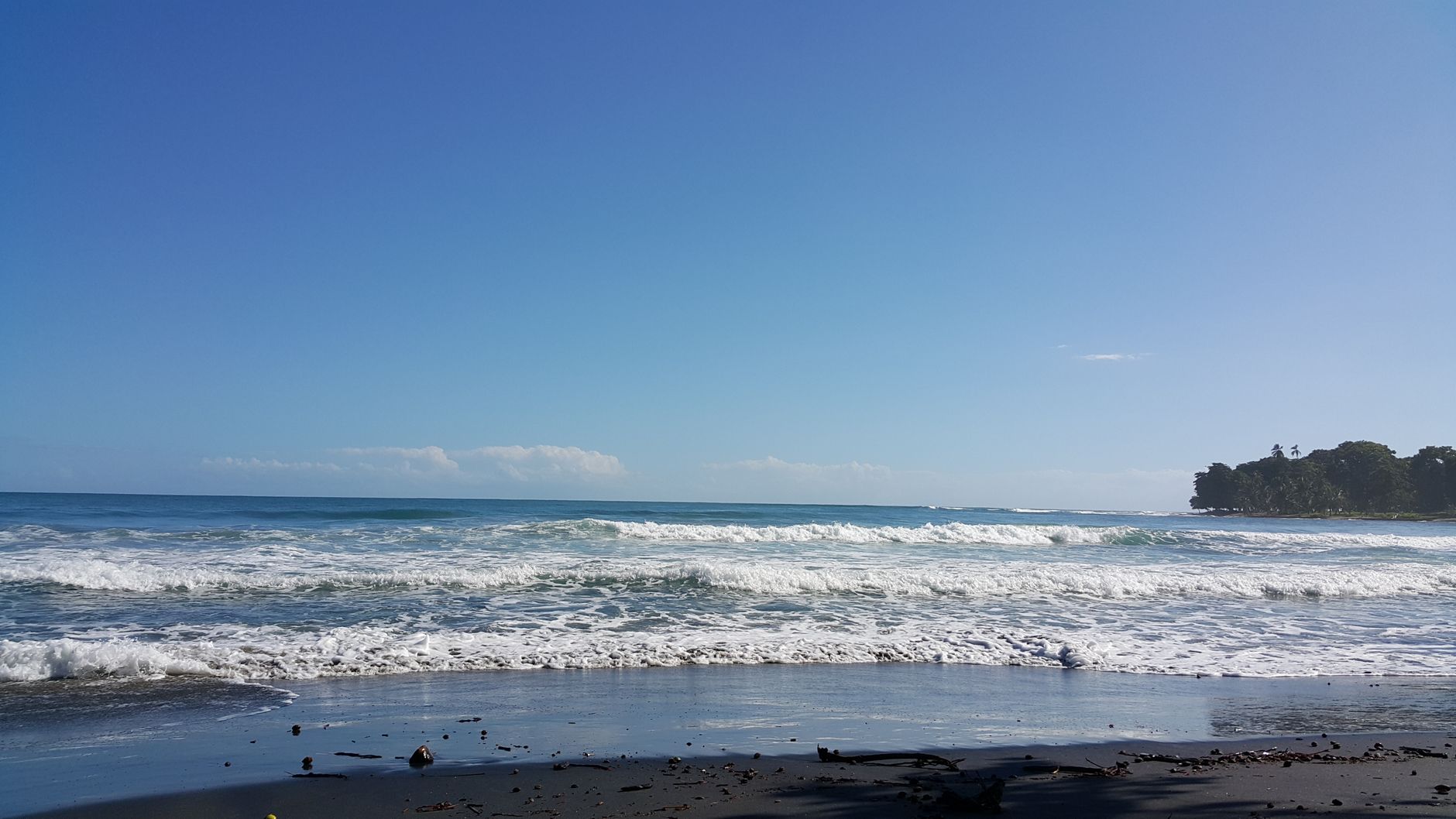
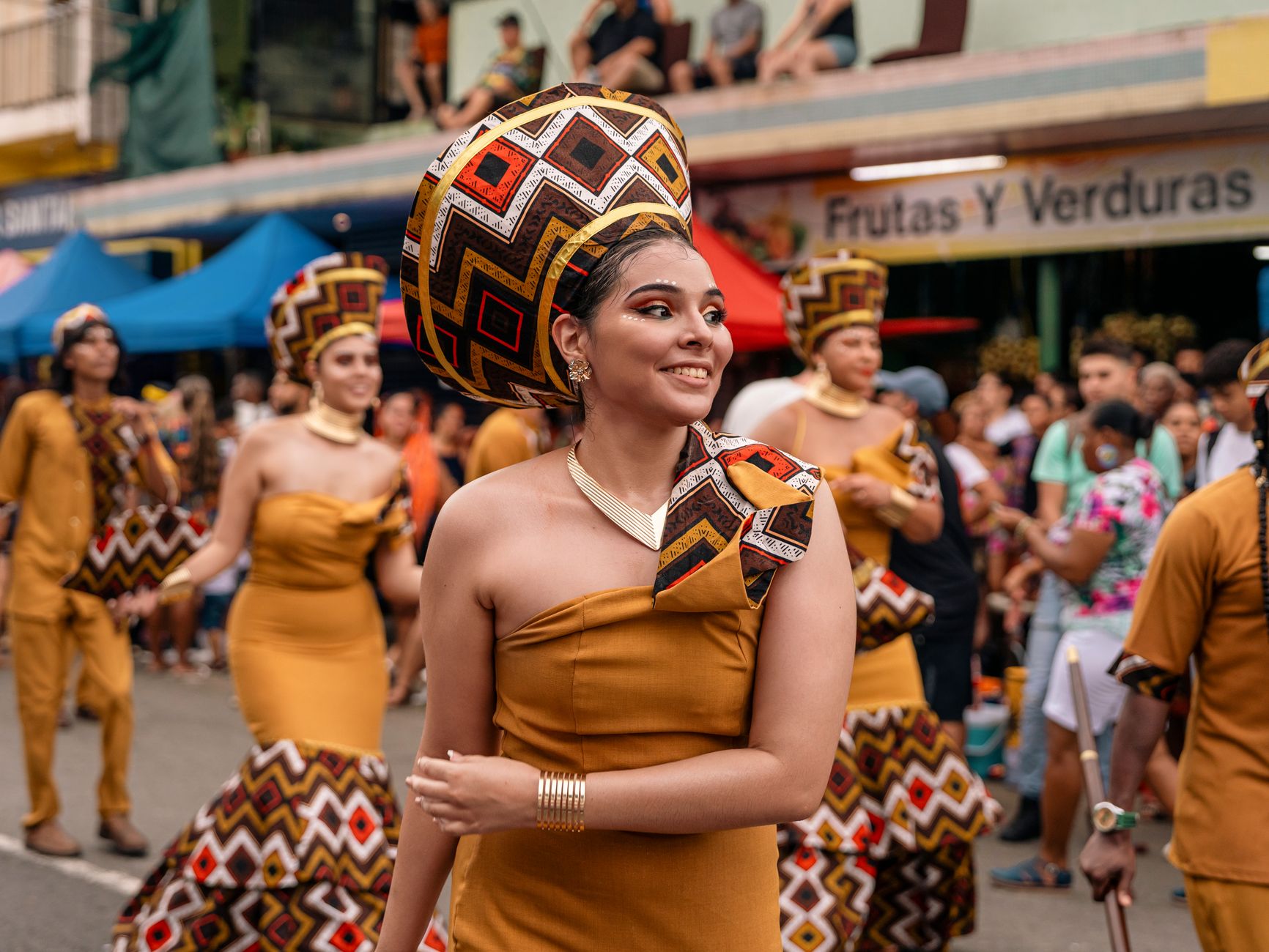
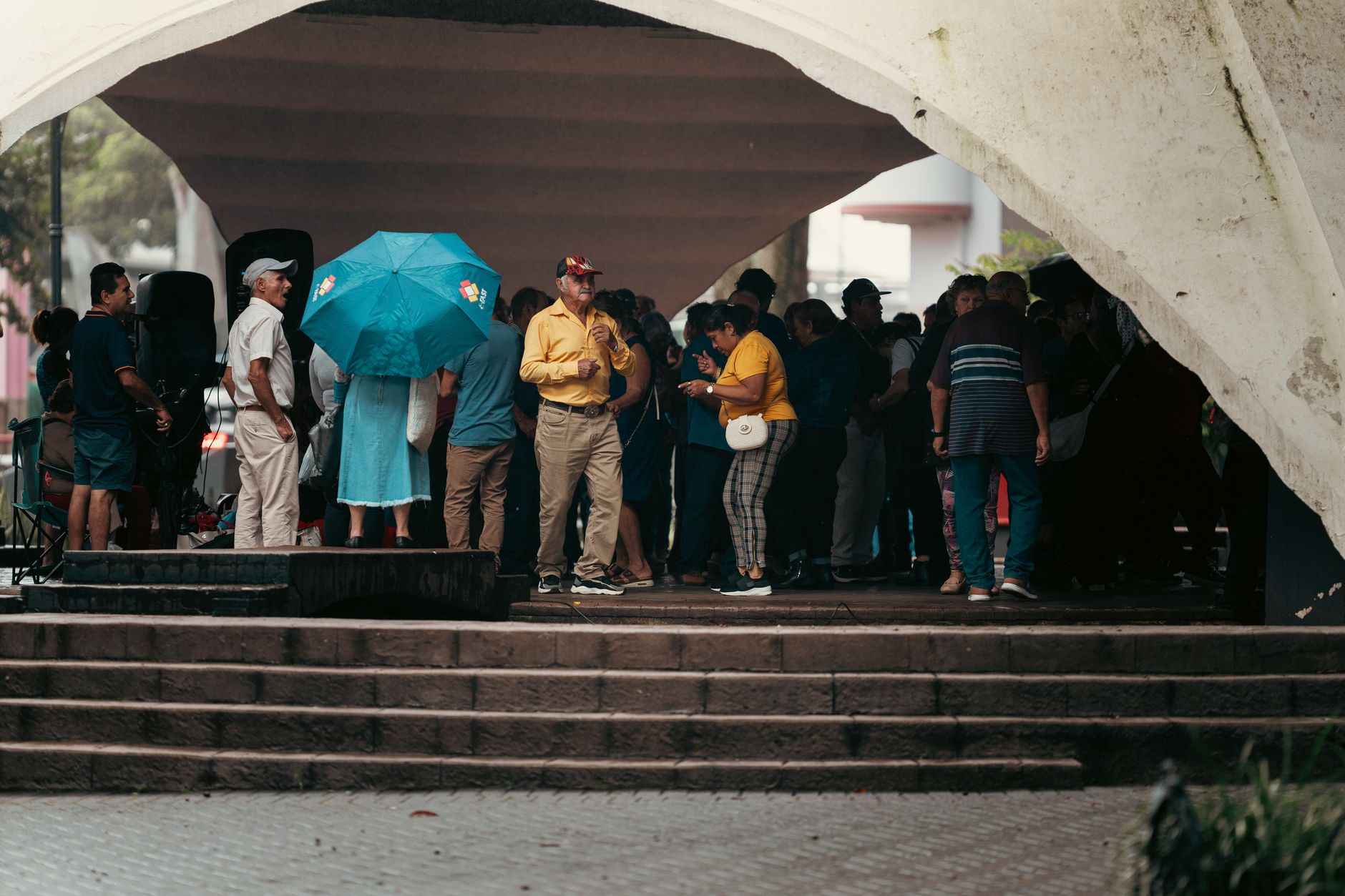
Photo by Mario Spencer on Pexels
Costa Rica
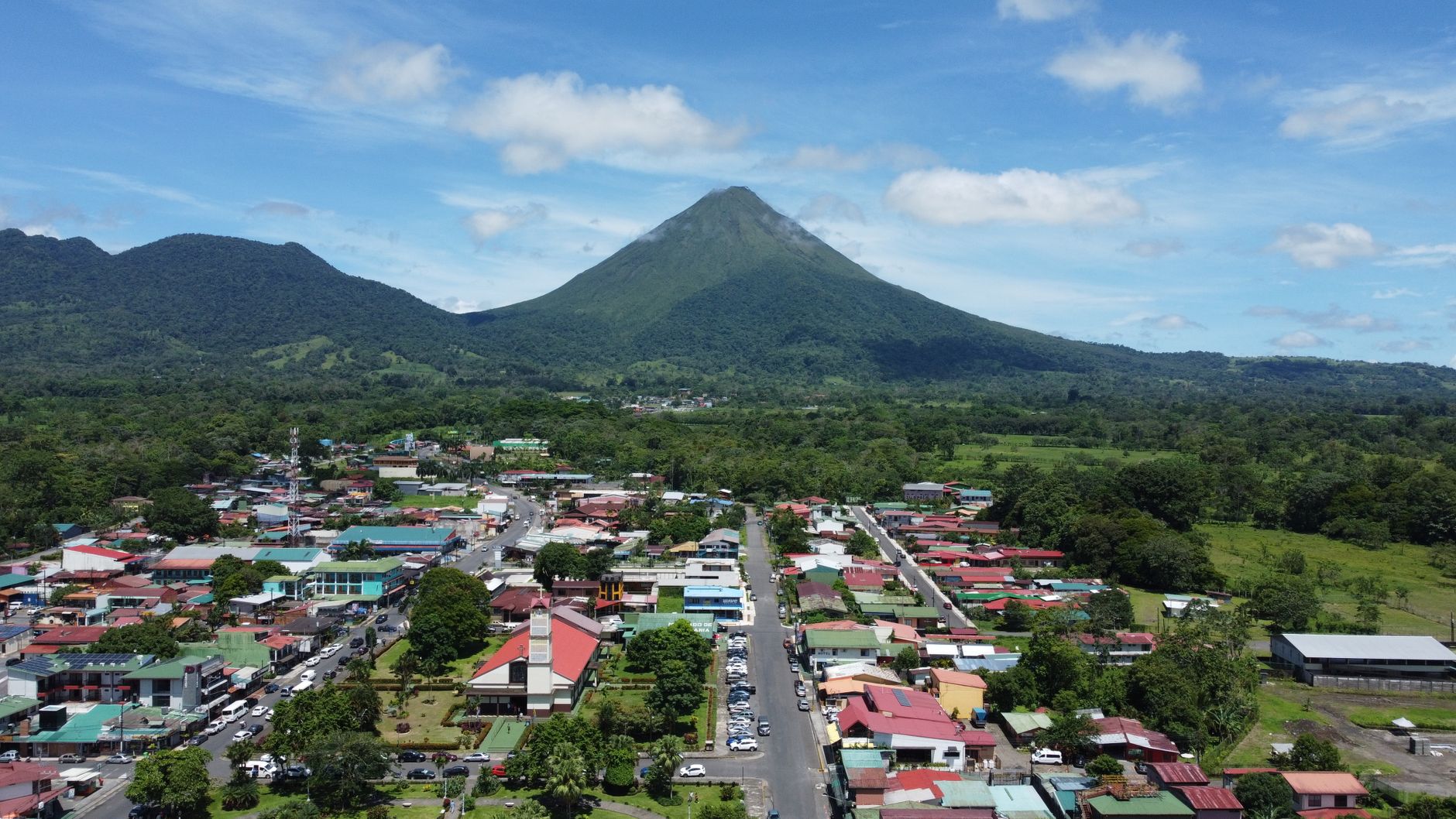
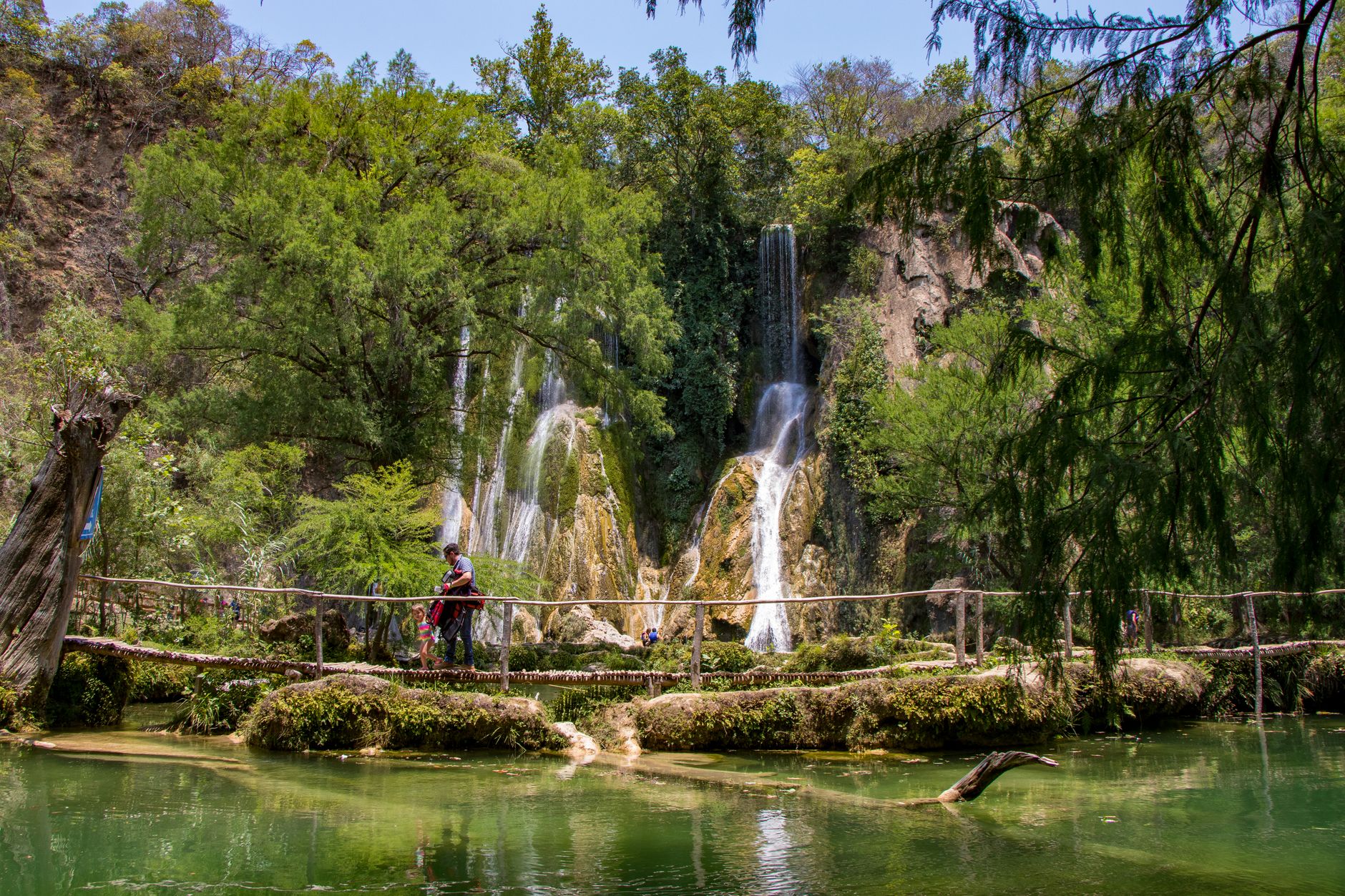
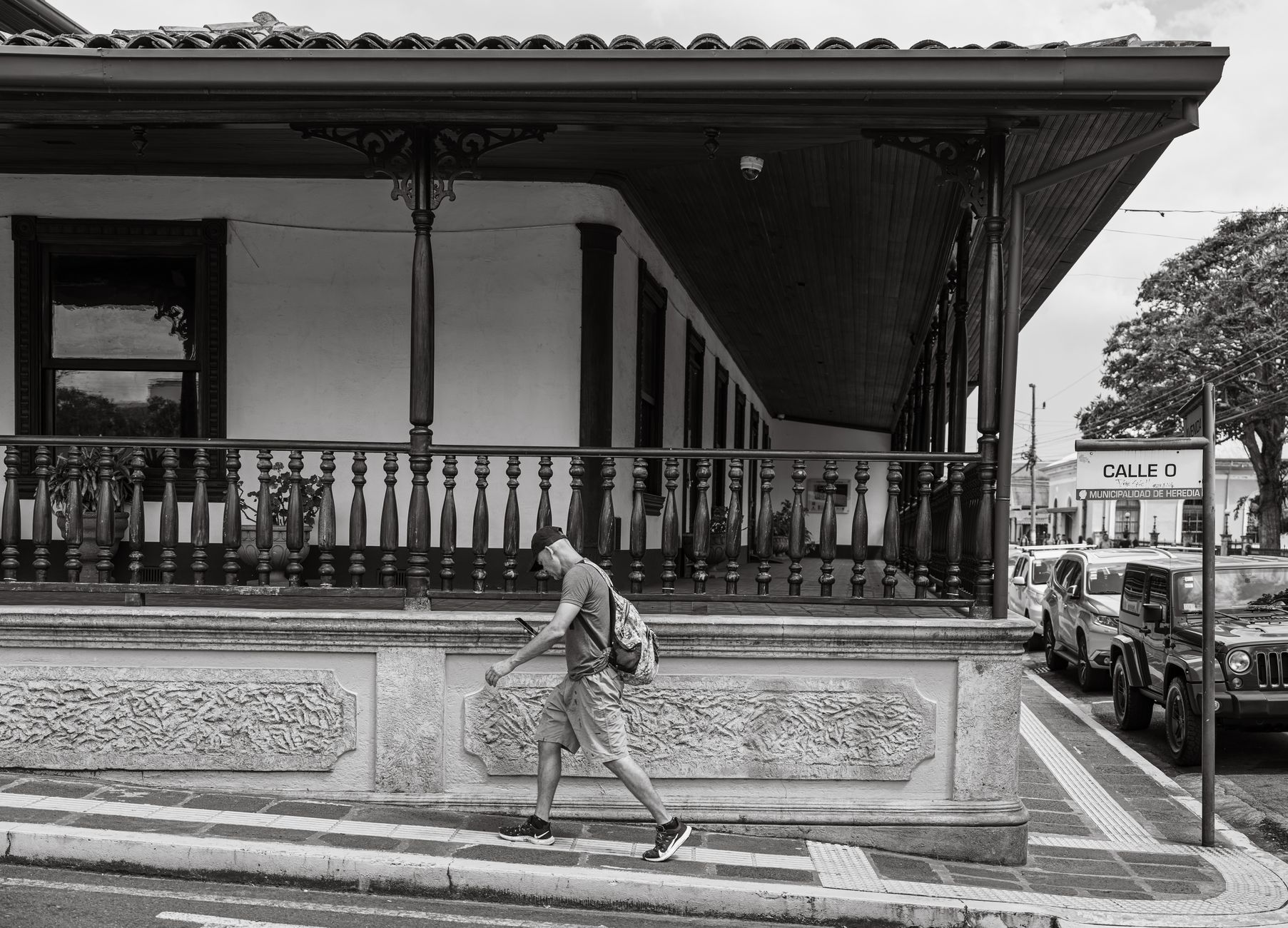
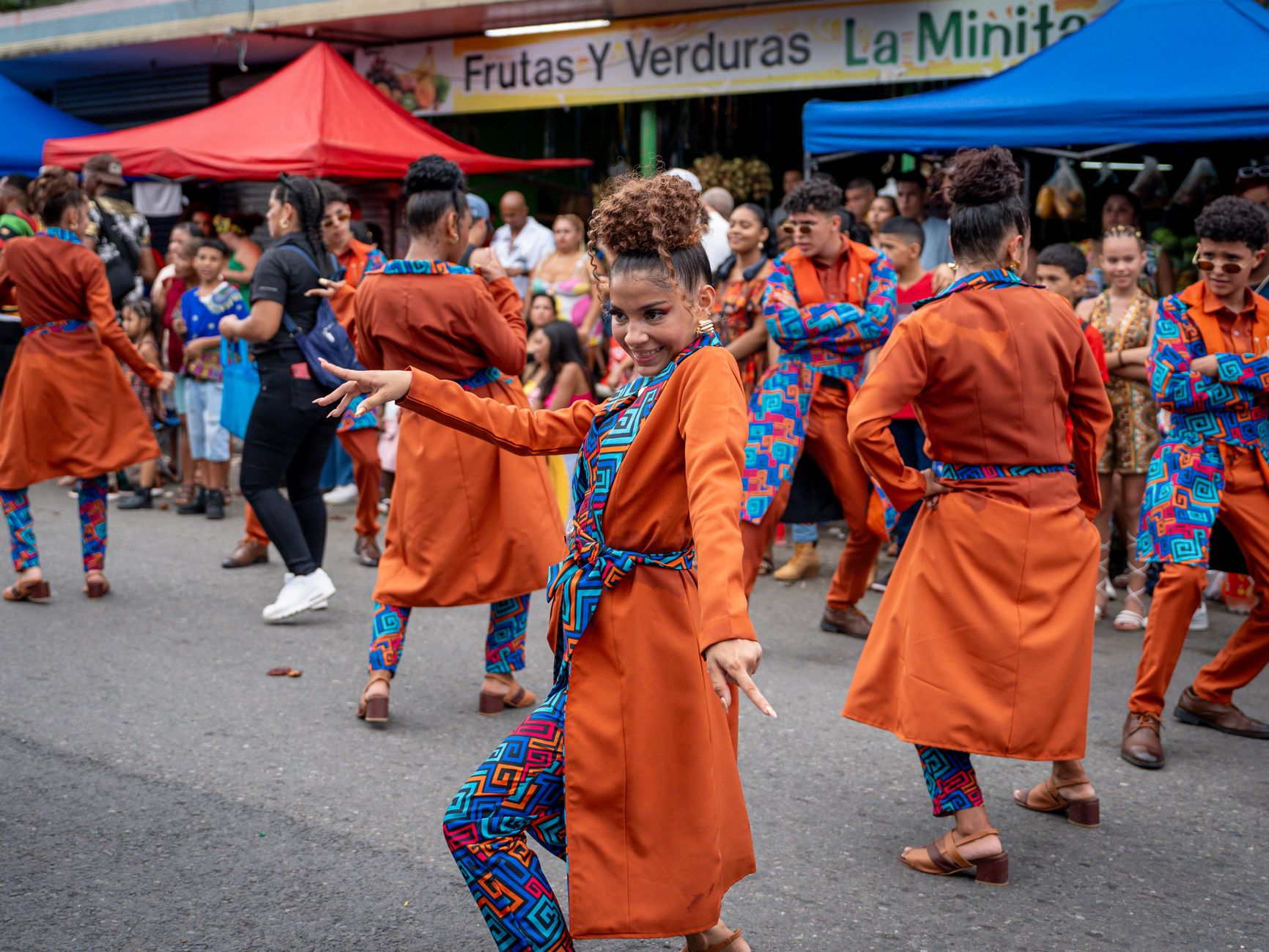
Photo by Mario Spencer on Pexels
Costa Rica
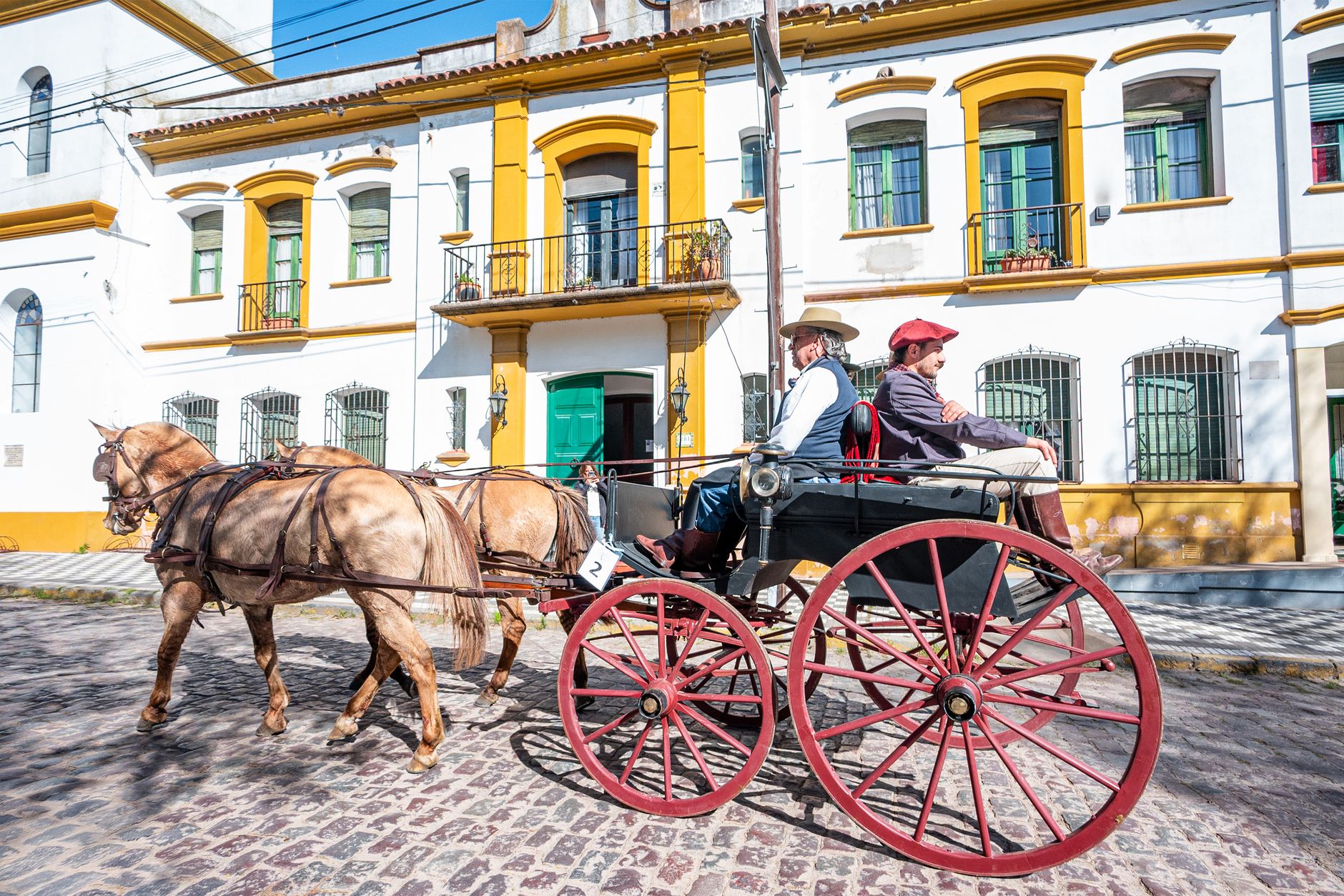
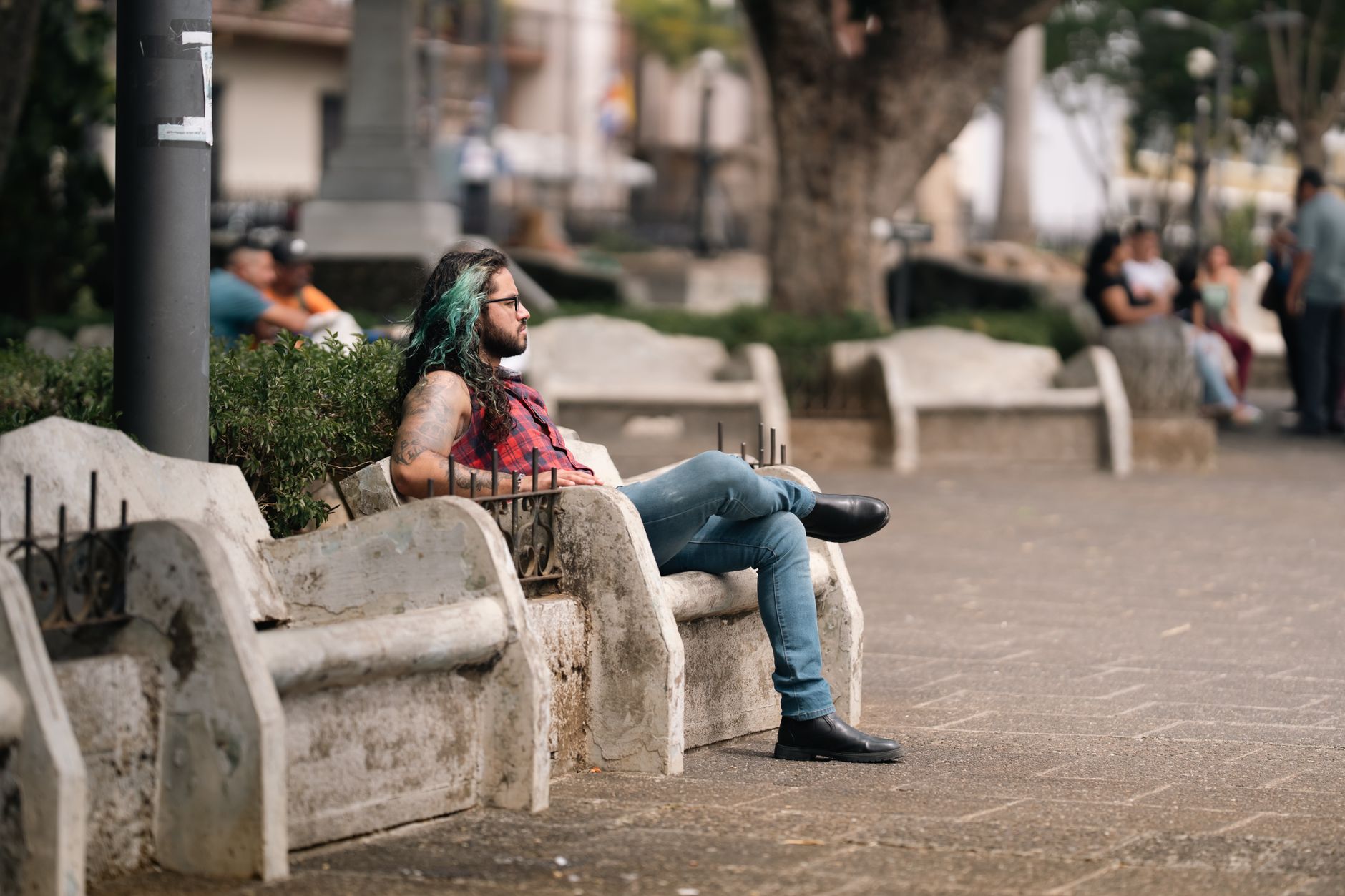
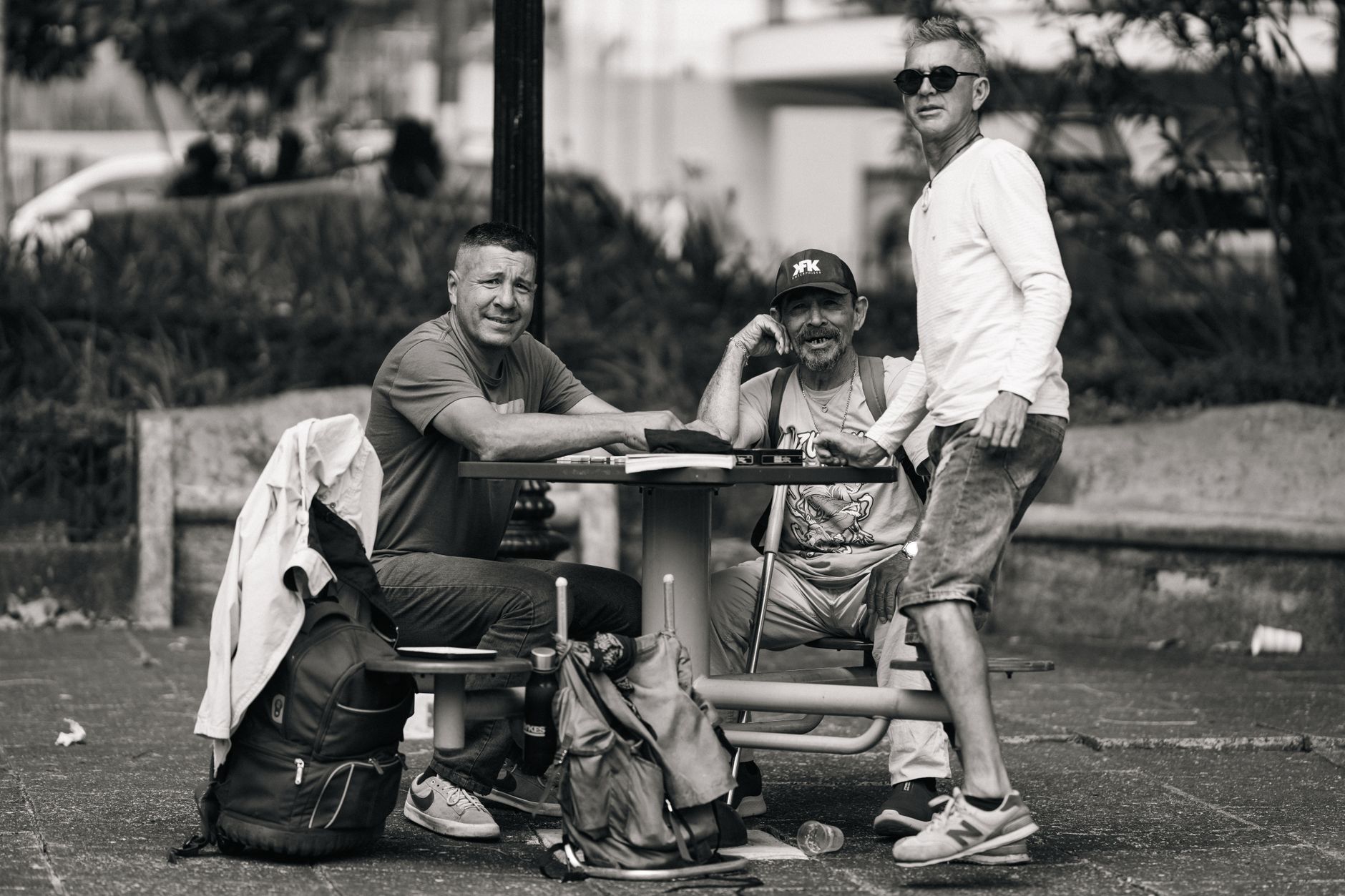
Photo by Mario Spencer on Pexels
Costa Rica
Photo by Mario Spencer on Pexels
Costa Rica
Photo by Mario Spencer on Pexels
Nature & outdoors Adventure & active Wildlife & safari

Costa Rica abolished its army in 1949 and wrote the decision into its constitution — a fact that quietly shapes everything that followed. The money that might have gone to a military went instead into schools and hospitals, and the country developed a reputation for stability that set it apart from most of its neighbors. What you find here is a small nation, roughly the size of West Virginia, holding an outsized share of the world's biodiversity: cloud forests, Pacific and Caribbean coastlines, active and dormant volcanoes, and river valleys where pre-Columbian stone spheres still sit in the earth.

Travel here rewards patience and specificity. The country's regions pull in different directions — the dry northwest, the wet Caribbean side, the highland coffee country around Cartago — and each has its own rhythm.

Good to know
The dry season runs roughly December through April and draws the largest crowds; the green season (May–November) brings lower prices and lush landscapes, though the Caribbean coast follows its own rainfall pattern. Getting between regions takes longer than maps suggest — roads are slow, and distances are deceptive.
Tips

Experiences you don't want to miss

All tips →

Deals in Costa Rica

Book directly at the provider
The story

How Costa Rica came to be

Christopher Columbus reached the eastern coast in 1502, and Spanish colonization followed by 1524, folding the territory into the Captaincy General of Guatemala. Unlike much of Latin America, Costa Rica didn't fight for independence — it arrived by announcement in 1821, when Guatemala declared the whole of Central America free following Spain's defeat in the Mexican War of Independence. A brief period under the First Mexican Empire gave way to the Federal Republic of Central America, which Costa Rica left in 1838.

The defining rupture came in 1948, when a disputed presidential election led José Figueres Ferrer to launch an armed uprising. The civil war lasted 44 days and cost around 2,000 lives. Its resolution produced something unusual: a new constitution that granted universal suffrage, enshrined social and educational guarantees, and permanently disbanded the military.

People & landmarks

Who and what shaped it

People who shaped it

José Figueres Ferrer
Led 1948 armed uprising following disputed election; his victory led to 1949 constitution abolishing the military.
Tomás Guardia
President 1870–1882; abolished death penalty and commissioned the Atlantic Railroad.
Minor C. Keith
American entrepreneur who built rail line between Cartago and Limón, then founded banana industry; merged interests into United Fruit Company in 1899.
Bruno Stagno
Costa Rican architect known for sustainable design emphasizing harmony between nature and built environments.
Benjamin Saxe
Costa Rican architect who designed Containers of Hope, Tropical Atrium, and Casa Flotanta.
Ronald Zurcher
Architect who designed Four Seasons Resort and other large hotel projects in Costa Rica.

Landmark buildings

Guayabo National Monument
Pre-Hispanic structures spanning 1000 BC–1400 AD covering 20 hectares northwest of Turrialba in Cartago province.
Disquís Delta stone spheres
Over 300 large pre-Columbian stone spheres thought to have formed paths to chiefs' houses; significance remains unclear.
Orosi Church
Oldest still-functioning church in Costa Rica, built 1743 by Franciscan monks in Orosi River Valley with adobe walls that survived major earthquakes.
Ujarras Ruins
Ruins of Iglesia de Nuestra Senora de la Limpia Concepcion built 1575–1580 in Ujarras; one of the country's oldest churches; free entrance.
Basílica de Nuestra Señora de los Ángeles
Roman Catholic basilica built 1639 in Cartago; restored 1939 in Byzantine style by architect Luis Llach Llagos after earthquake damage.
Teatro Nacional
Built 1890–1897 using coffee export tax revenue; considered capital's finest historic building with granite, marble, and statues of Calderón de la Barca and Beethoven.
Teatro Variedades
Oldest theater in capital, built in neoclassical style by Spanish architect Francisco Gómez; showcased Costa Rica's first movie projections in 1904.
Metallic Building
Assembled from Belgian-manufactured pieces in 1896 in San José; industrial design reminiscent of Eiffel Tower; originally intended as school.
San José Metropolitan Church
Originally built 1825 to establish San José as a city; became cathedral 23 years later when Anselmo Llorente was ordained.
National Stadium
Modern sports facility built 2011 in San José with 35,000+ capacity; roof designed to resemble a leaf.
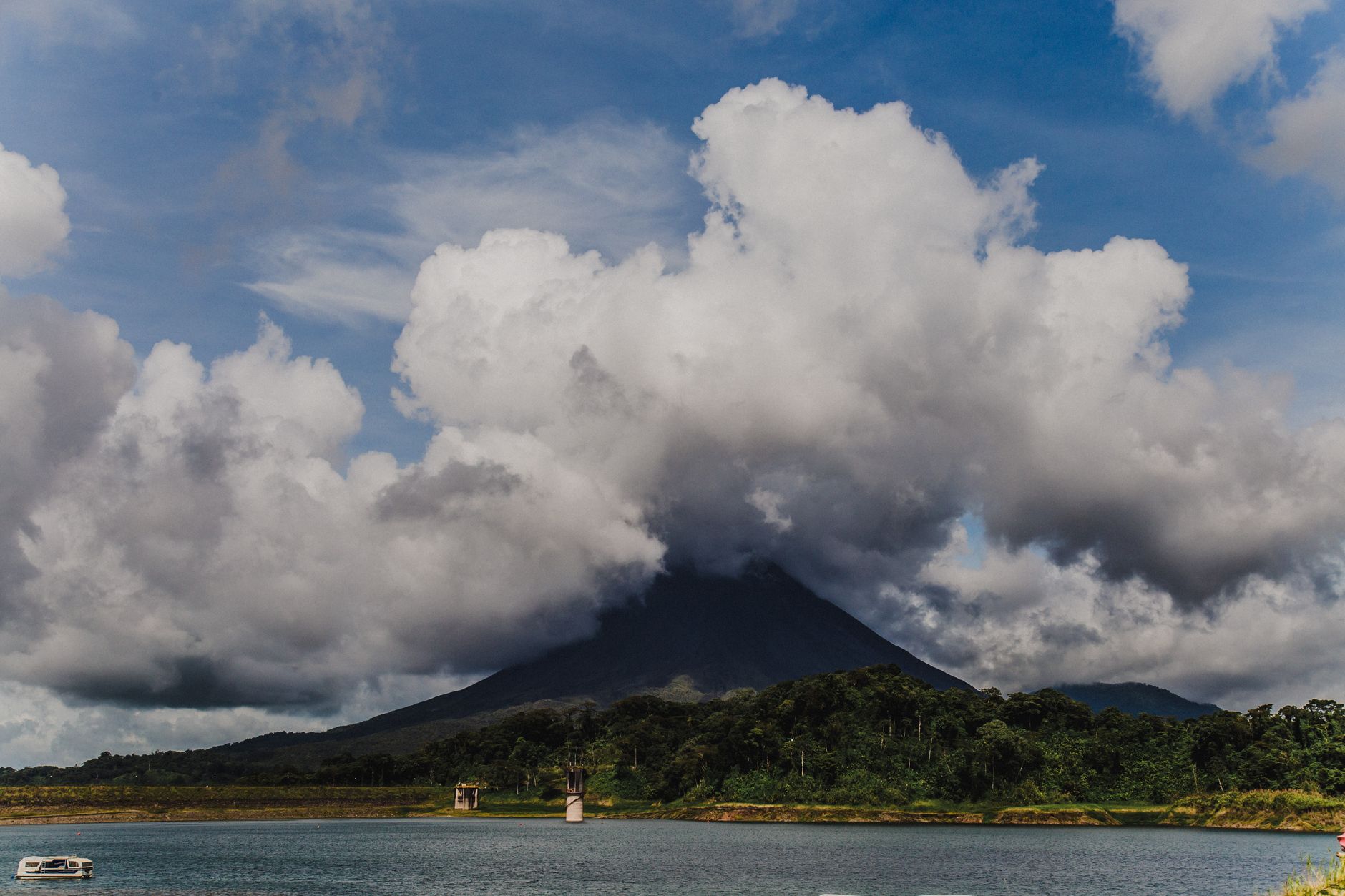
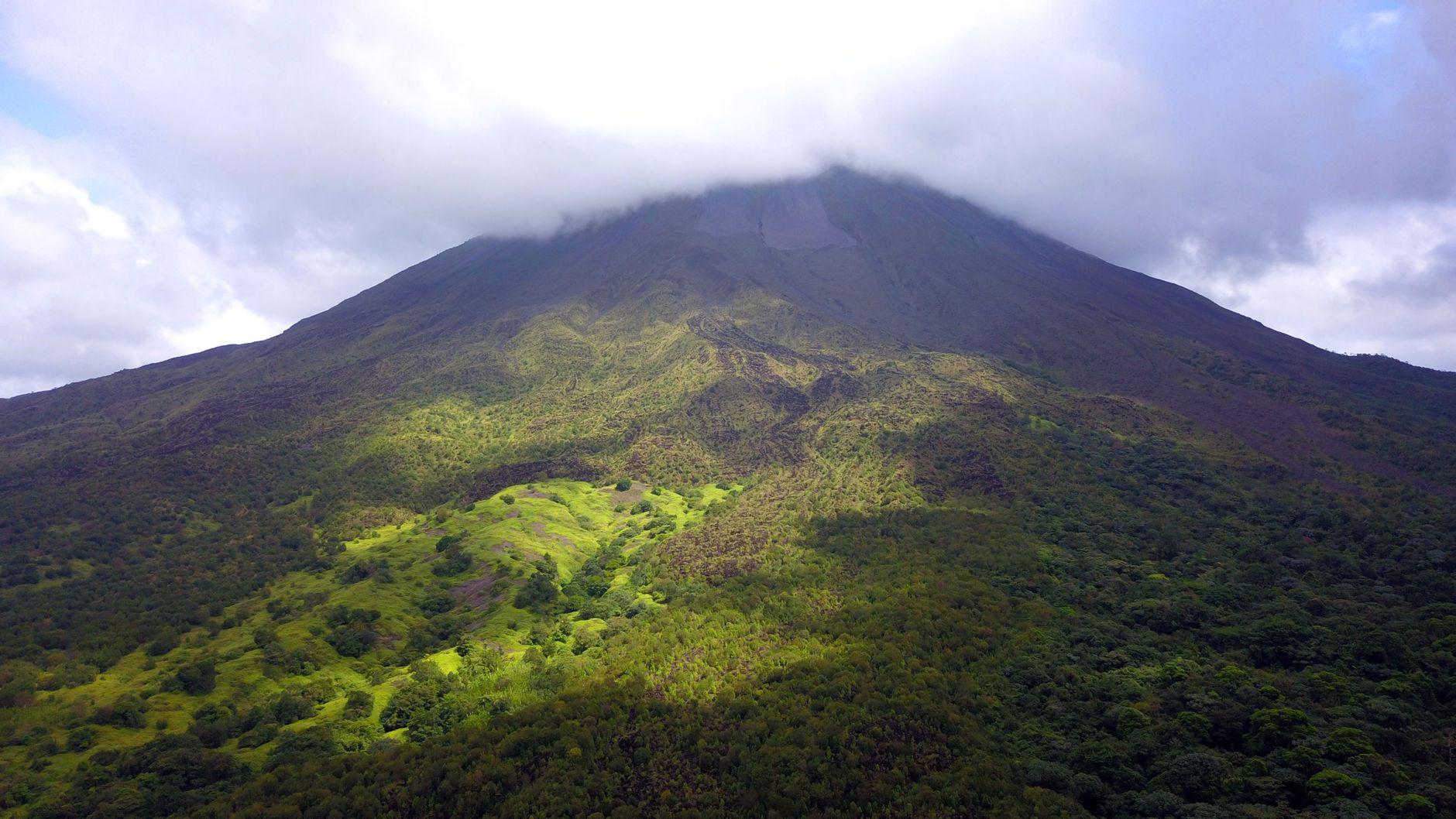
Arenal Volcano
Country's most active volcano from 1968 to early 2010s; now dormant but remains a major natural landmark.
Watch

See Costa Rica in motion

Practical

Plan your visit

On the map

When to go

The dry season (December to April) offers reliably sunny days on the Pacific side, while the Caribbean coast stays wetter year-round with its own distinct rainfall calendar. The central highlands run cooler than the coasts regardless of season — pack a layer if you're heading into the mountains.

Right now

🌦️
19°C
Showers
Fri
🌦️
20°
18°
Sat
🌦️
21°
17°
Sun
🌦️
23°
17°
Mon
🌦️
20°
17°
Weather data: Open-Meteo
Theme

↡ Regions

No places match these filters.


Background & history adapted from Wikipedia (CC BY-SA) · specs from Wikidata (CC0) · weather from Open-Meteo · map data © OpenStreetMap contributors · photos from Wikimedia Commons / Unsplash with per-image credit. No third-party reviews or social posts reproduced.

Top