
Limón Province
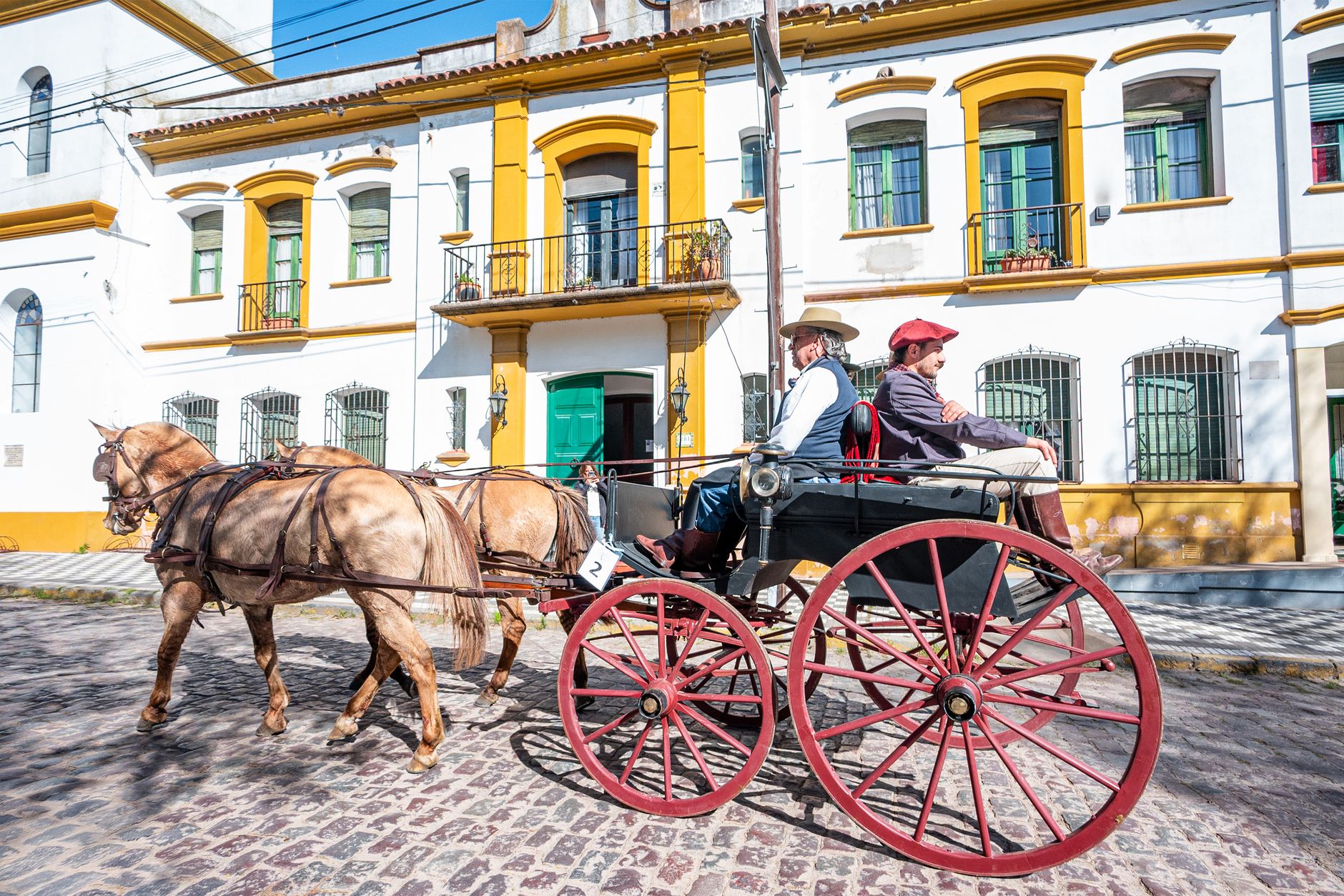
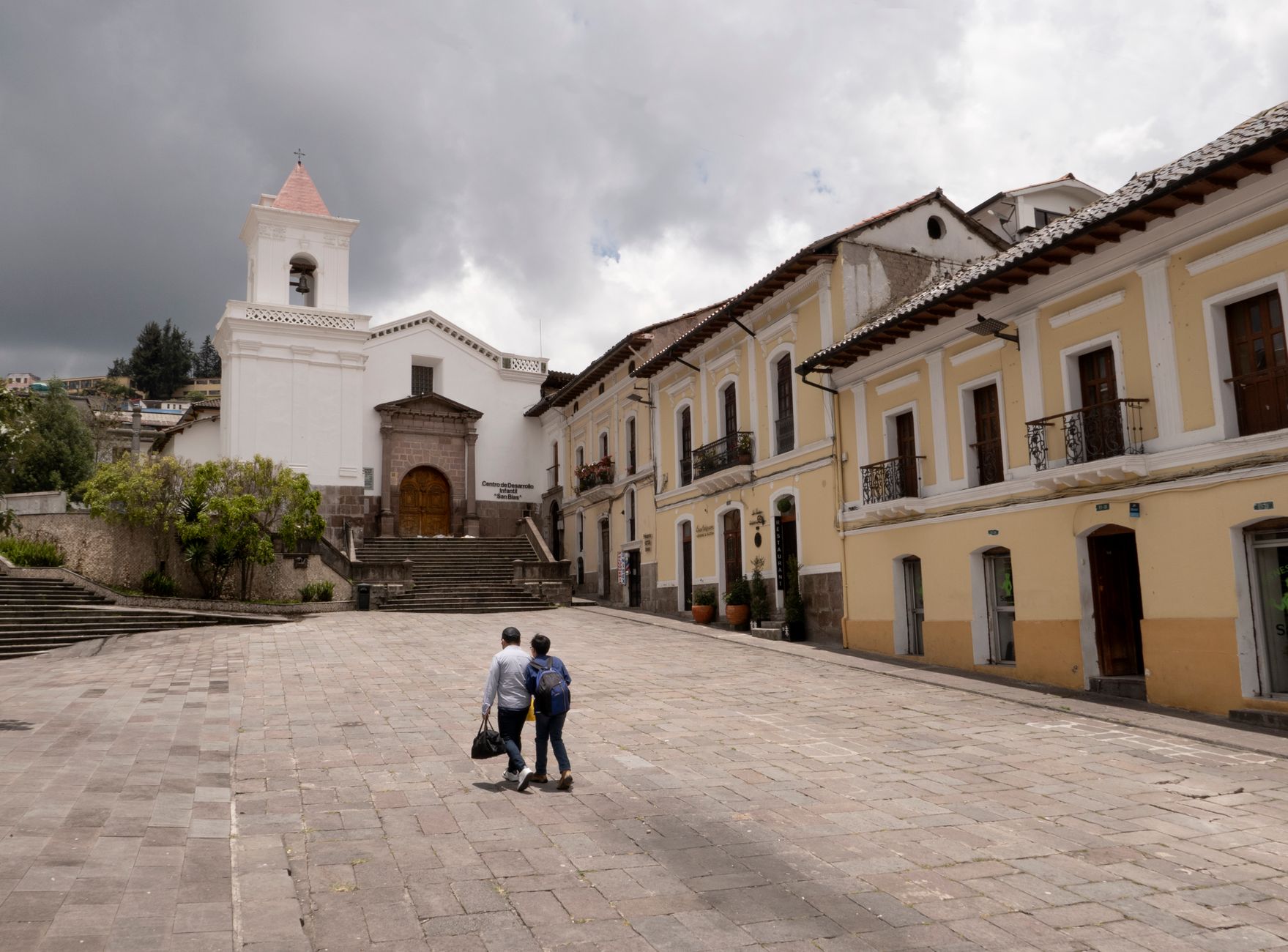
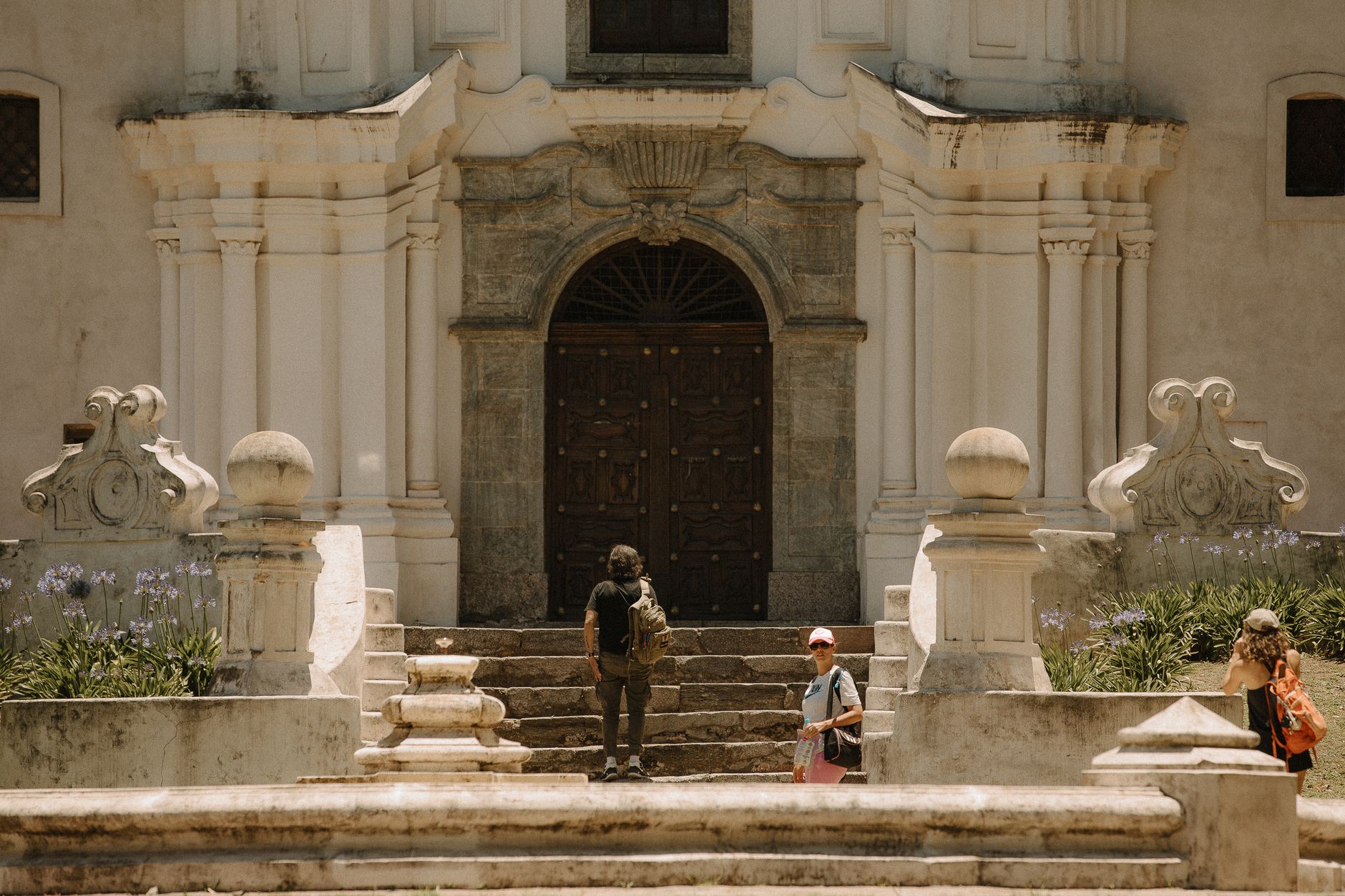
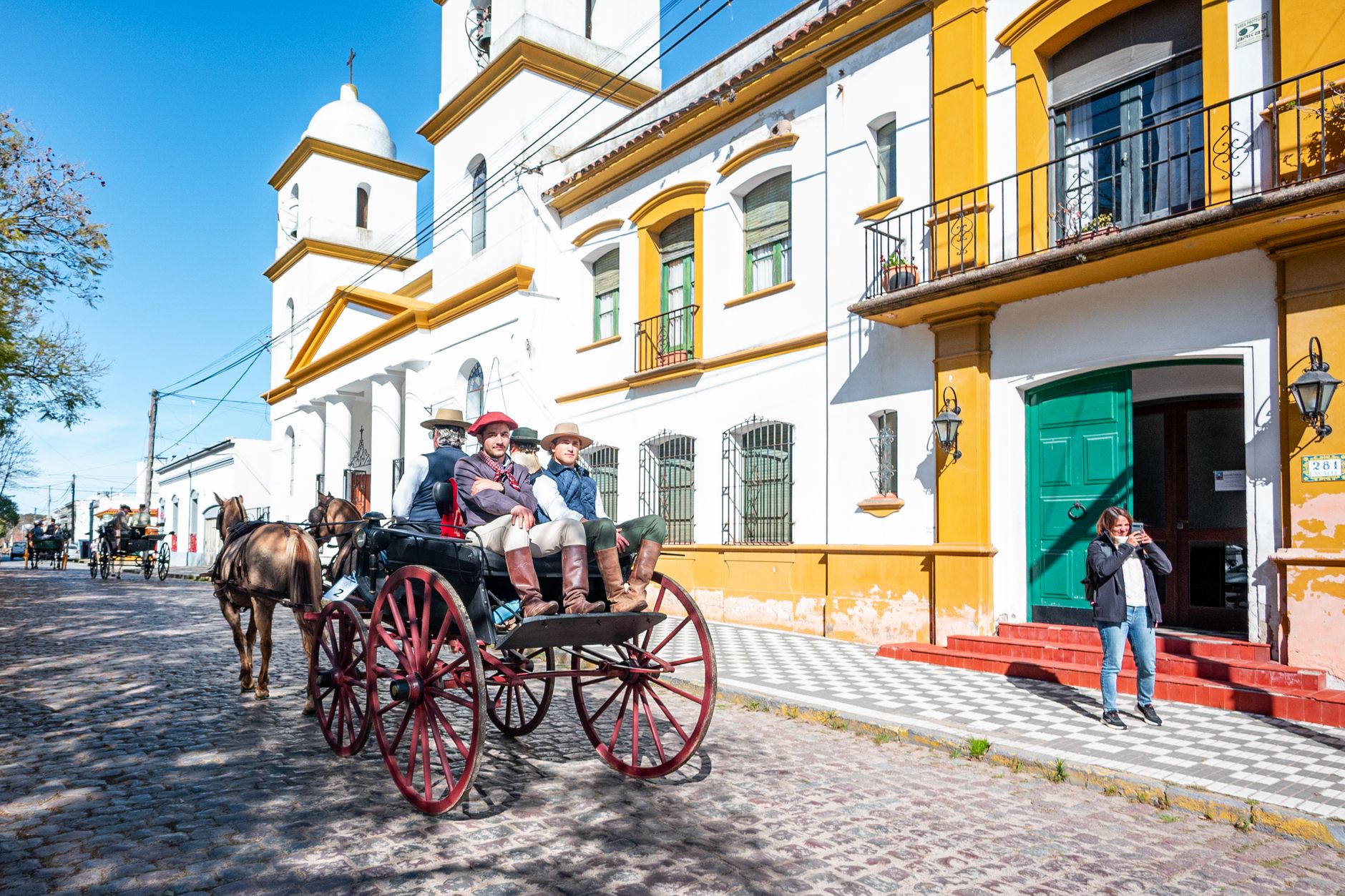
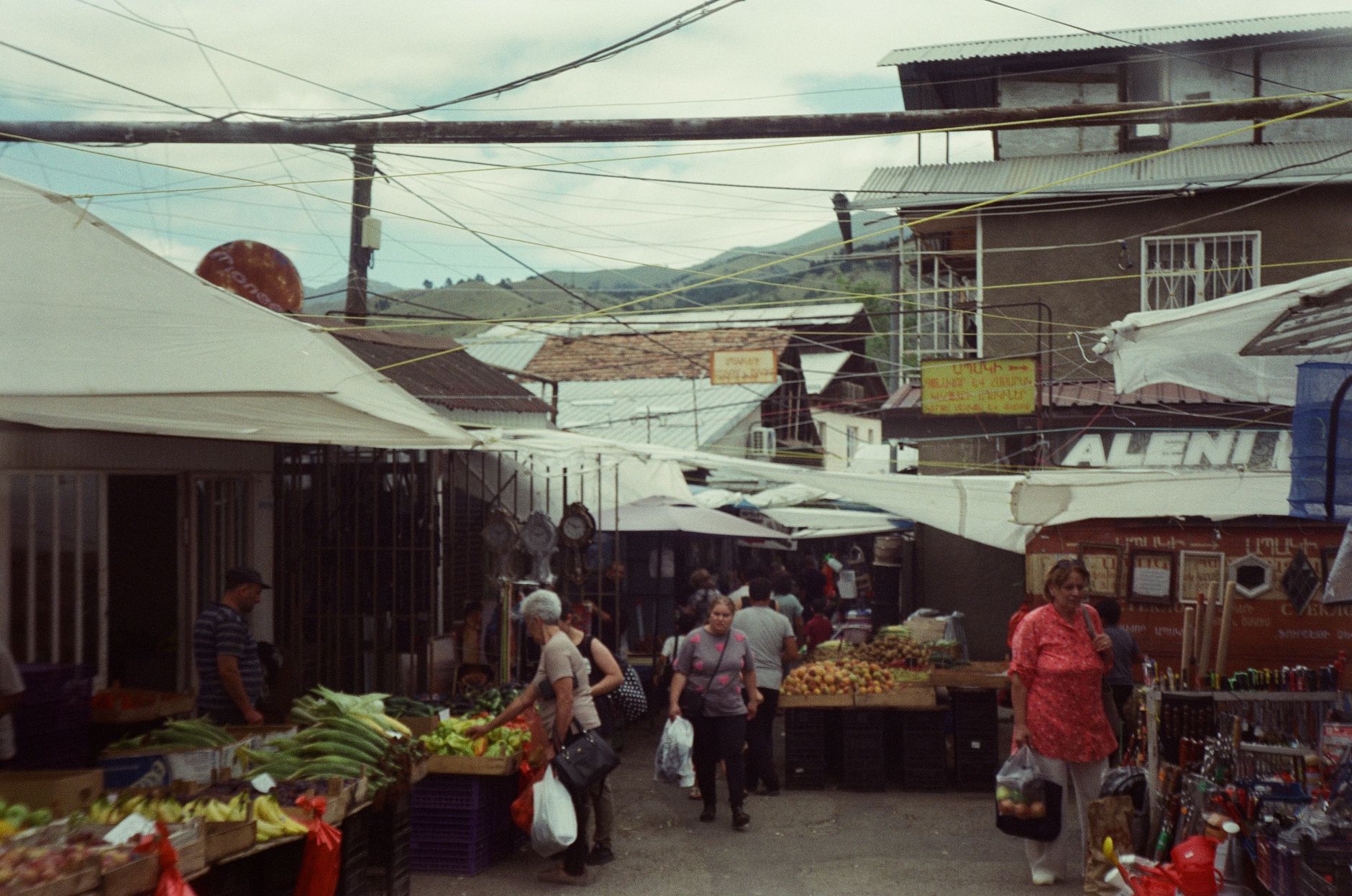
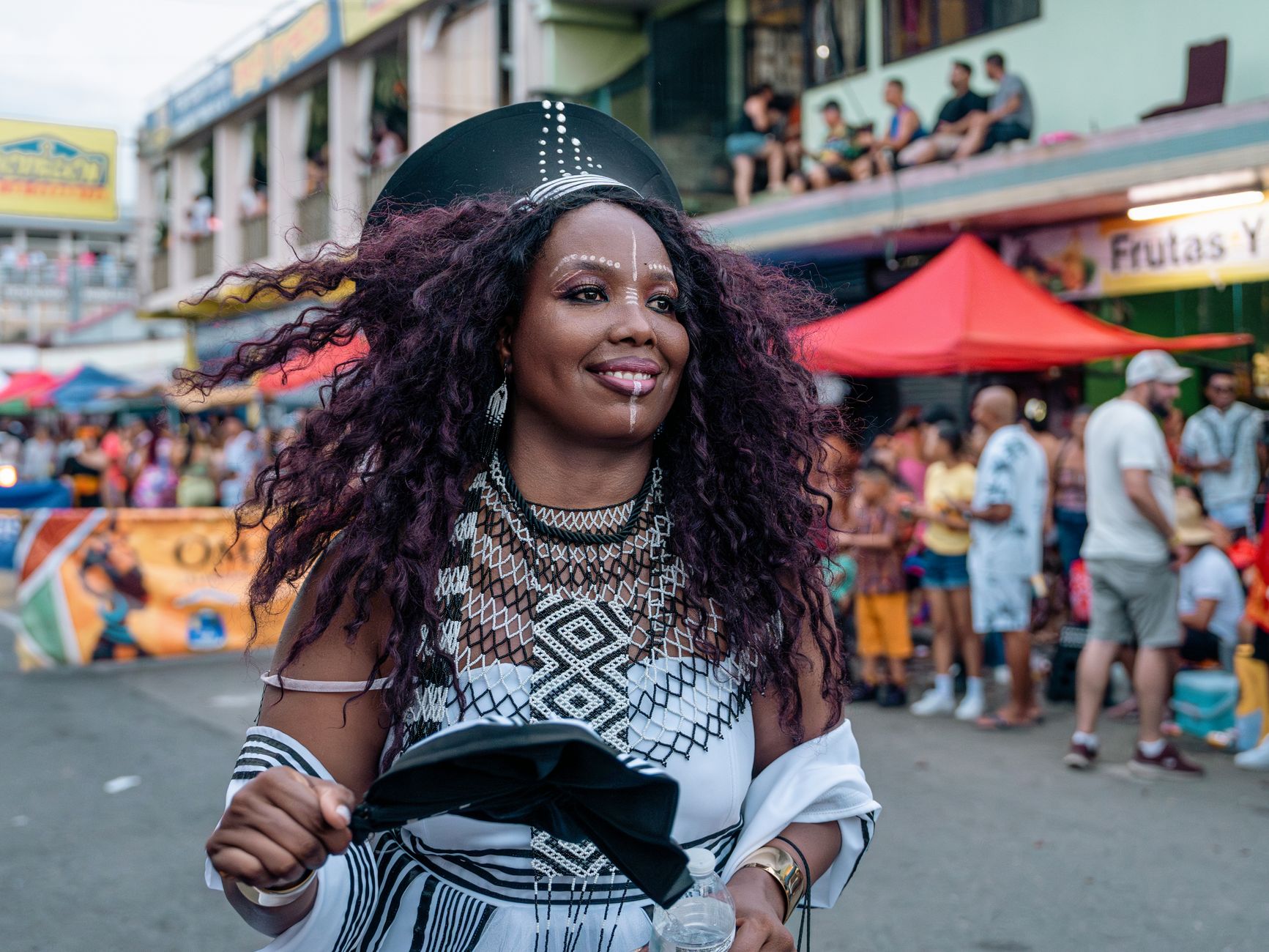
Limón Province is where Costa Rica faces the Caribbean, and the difference from the Pacific side is immediate — in the food, the music, the languages overheard on a street corner, the particular green of the jungle meeting the sea. The province runs the full length of the country's Atlantic coast, from the Nicaraguan border down toward Panama, and it holds everything from the canal-threaded waterways of Tortuguero to the coral-fringed beaches south of Cahuita.
Puerto Limón, the provincial capital, is the practical hub: a working port city where Afro-Caribbean, indigenous, and mestizo histories layer visibly in the architecture and the creole spoken in the market. From here, the coast unfurls in both directions, each stretch with its own character.
How Limón Province came to be
Columbus anchored near Isla Uvita in 1502, calling the land Cariay, a name already in use among the indigenous peoples of the coast. Three and a half centuries passed before Puerto Limón was formally founded in 1854 by Philipp J. J. Valentini — making it the only planned city in 19th-century Costa Rica. The railroad changed everything: proposed in 1870, stalled by financial collapse and disease, it was finally completed in 1890 after Minor Keith — who would go on to found the United Fruit Company — took over the contract in 1884. The banana economy that followed reshaped the province's demographics, drawing Jamaican and other Caribbean laborers whose descendants make up a significant part of Limón today.
The 20th century brought its own ruptures. A German U-boat sank the ship San Pablo in the harbor on 3 July 1942, killing 23 dockworkers. In 1991, an earthquake lifted sections of the coastline by nearly two meters, cracking streets and leveling buildings. The province rebuilt, as it has always done, on its own terms.
Who and what shaped it
People who shaped it
Landmark buildings
See Limón Province in motion
Plan your visit
On the map
When to go
Limón is one of the wettest regions in Costa Rica — rain is possible any month, with no true dry season on the Caribbean coast. The lighter periods tend to fall in September–October and February–March, which are also the quietest times to visit.
Right now
Background & history adapted from Wikipedia (CC BY-SA) · specs from Wikidata (CC0) · weather from Open-Meteo · map data © OpenStreetMap contributors · photos from Wikimedia Commons / Unsplash with per-image credit. No third-party reviews or social posts reproduced.