Country

South Korea

South Korea
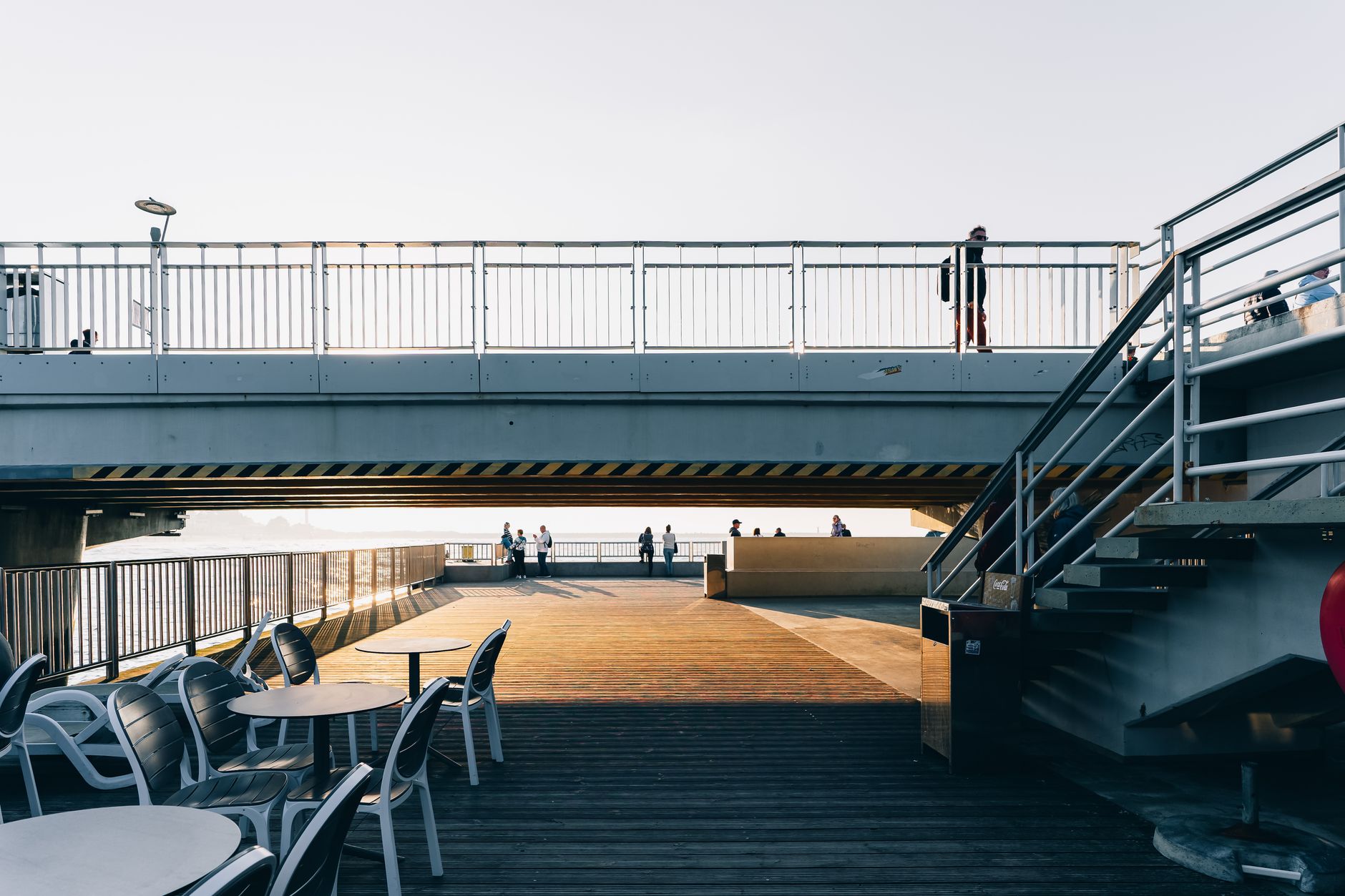
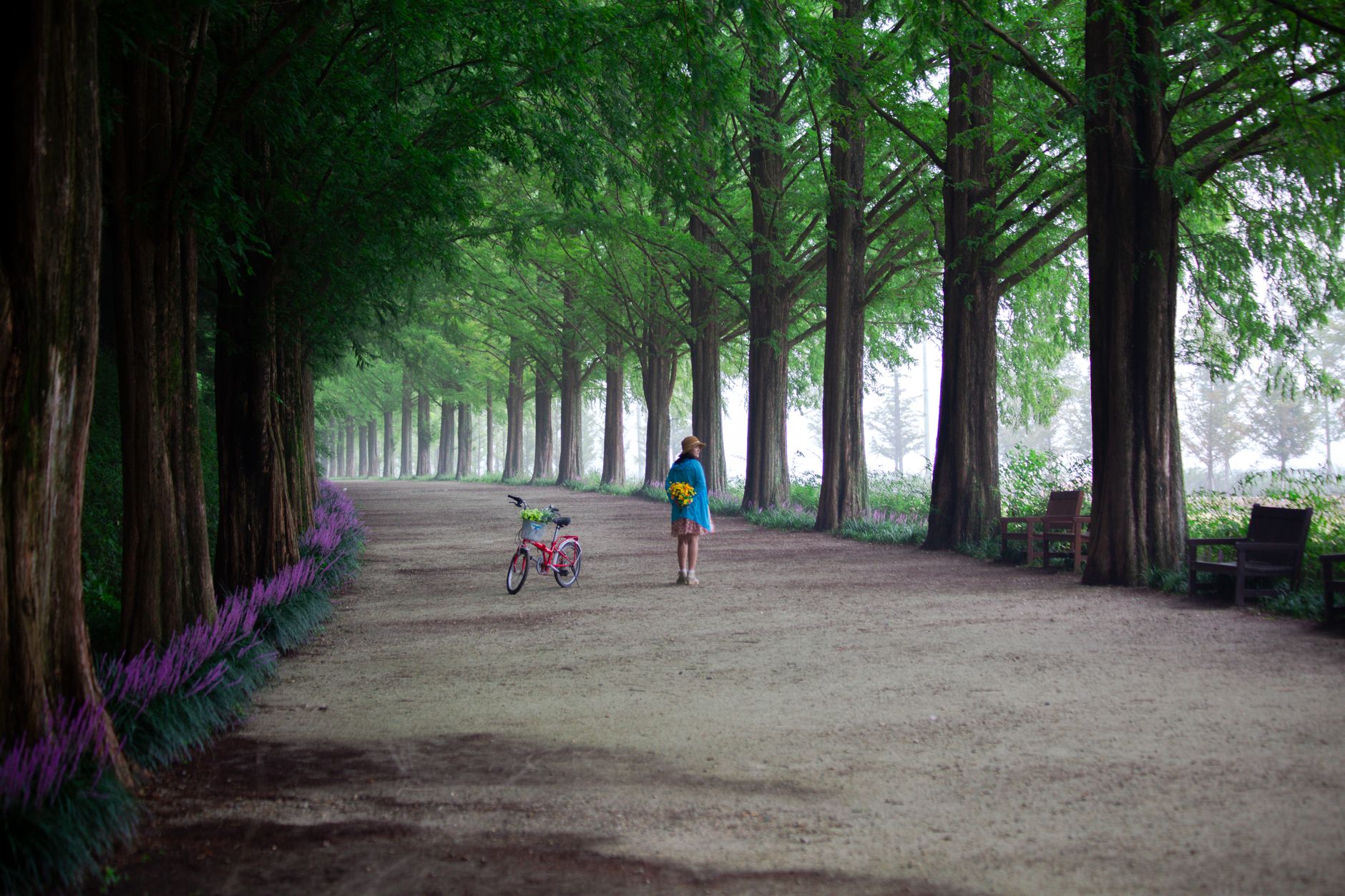
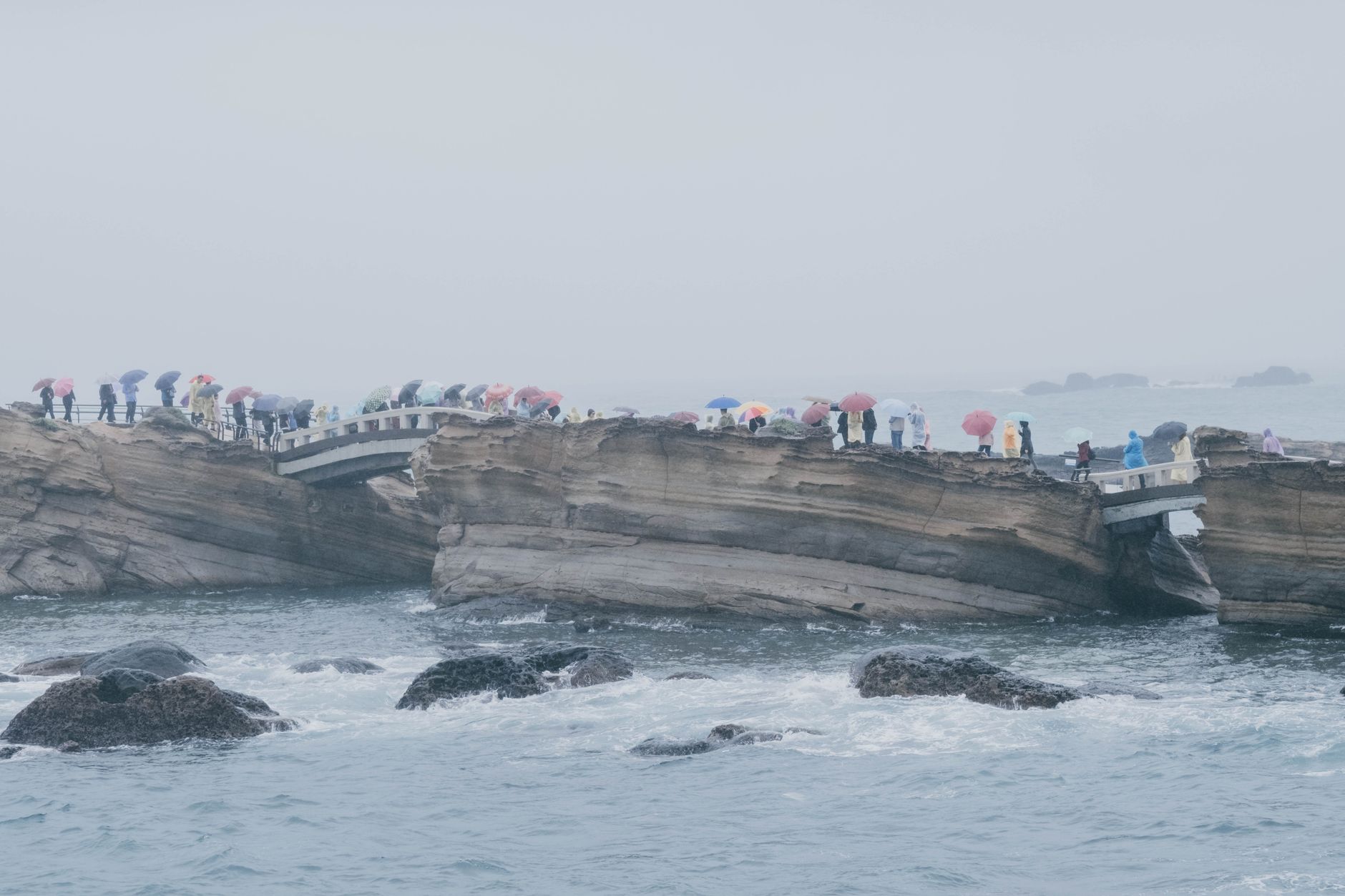
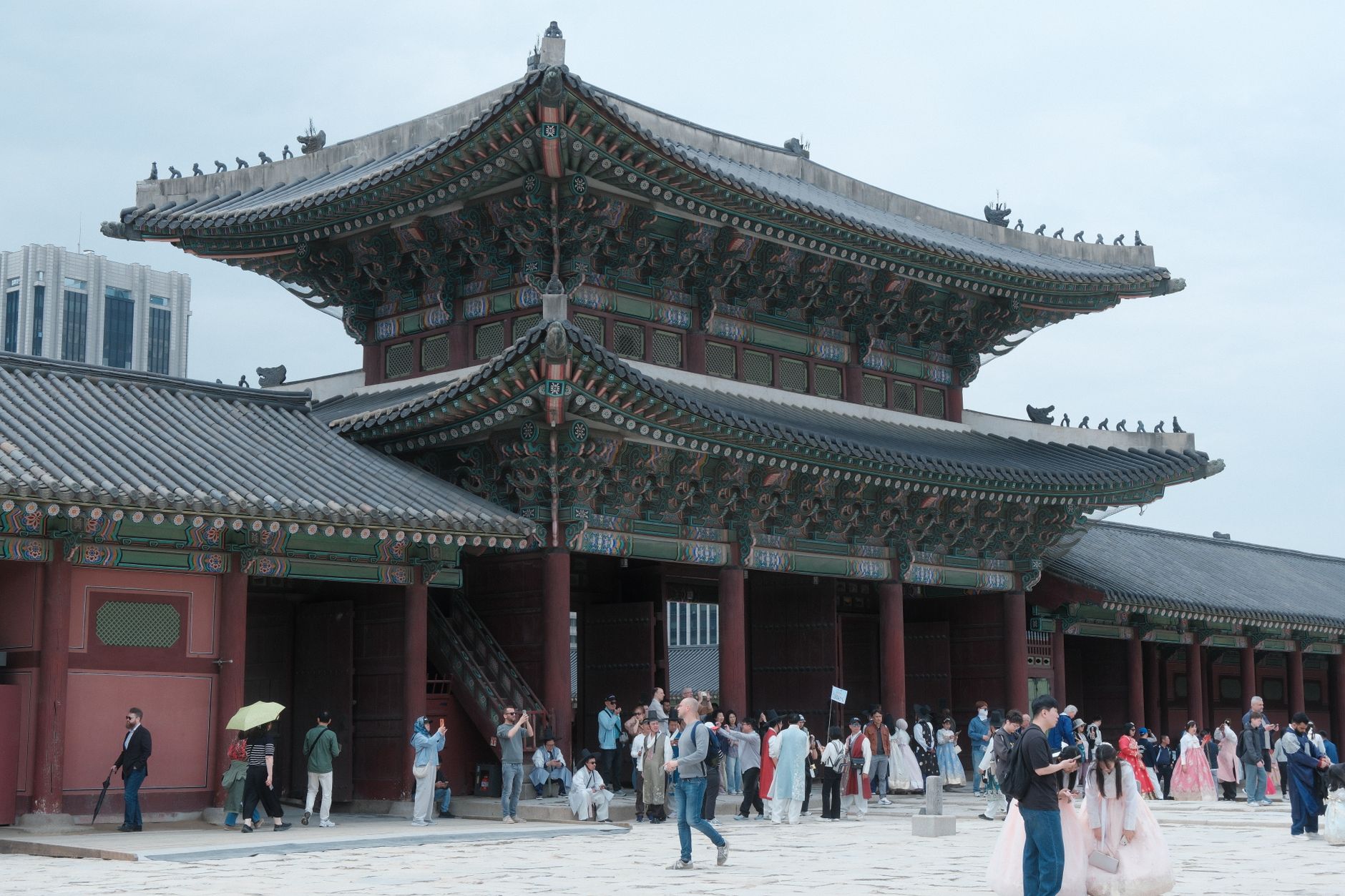
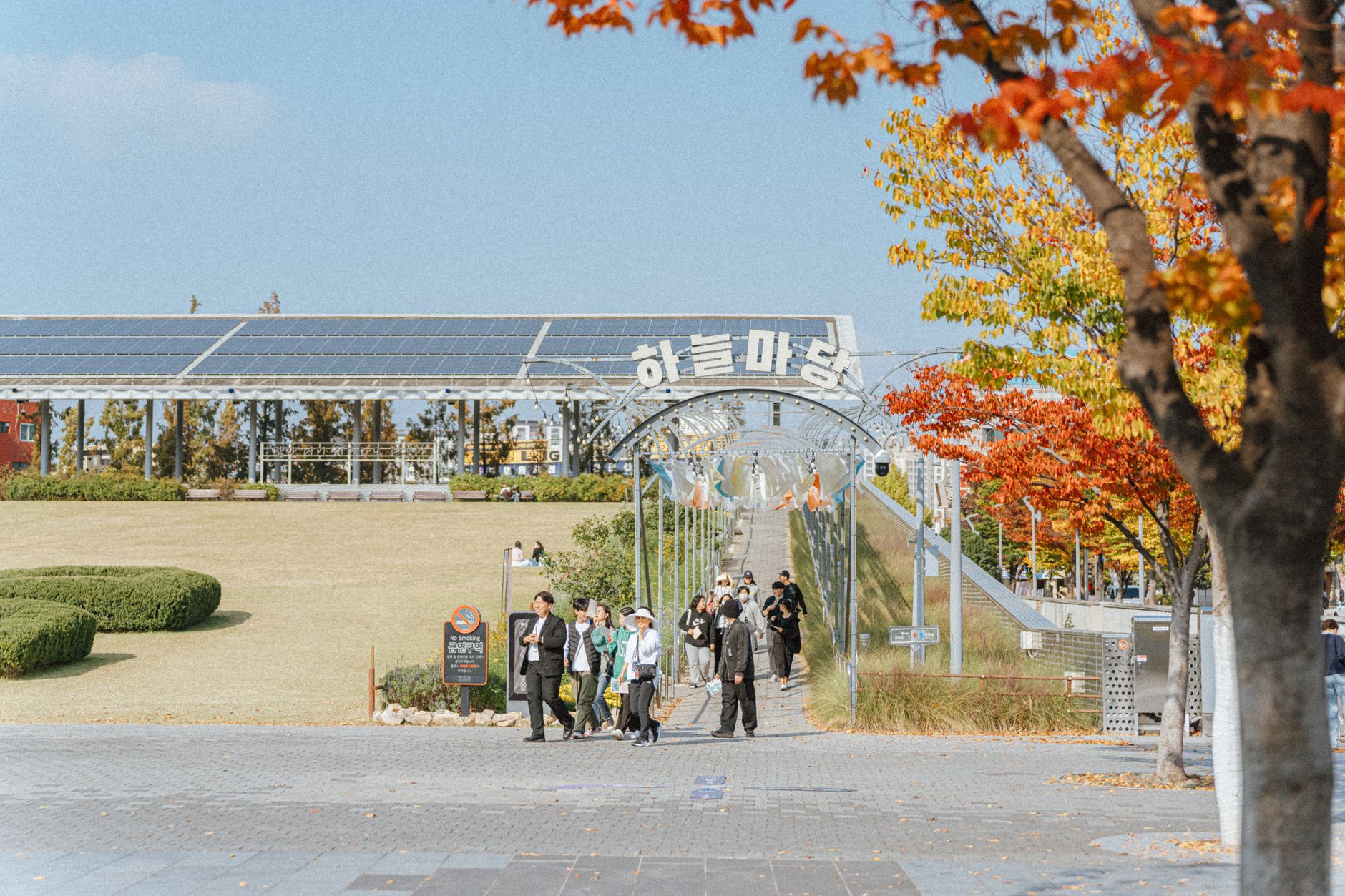
Photo by Rüveyda Akkaya on Pexels
South Korea
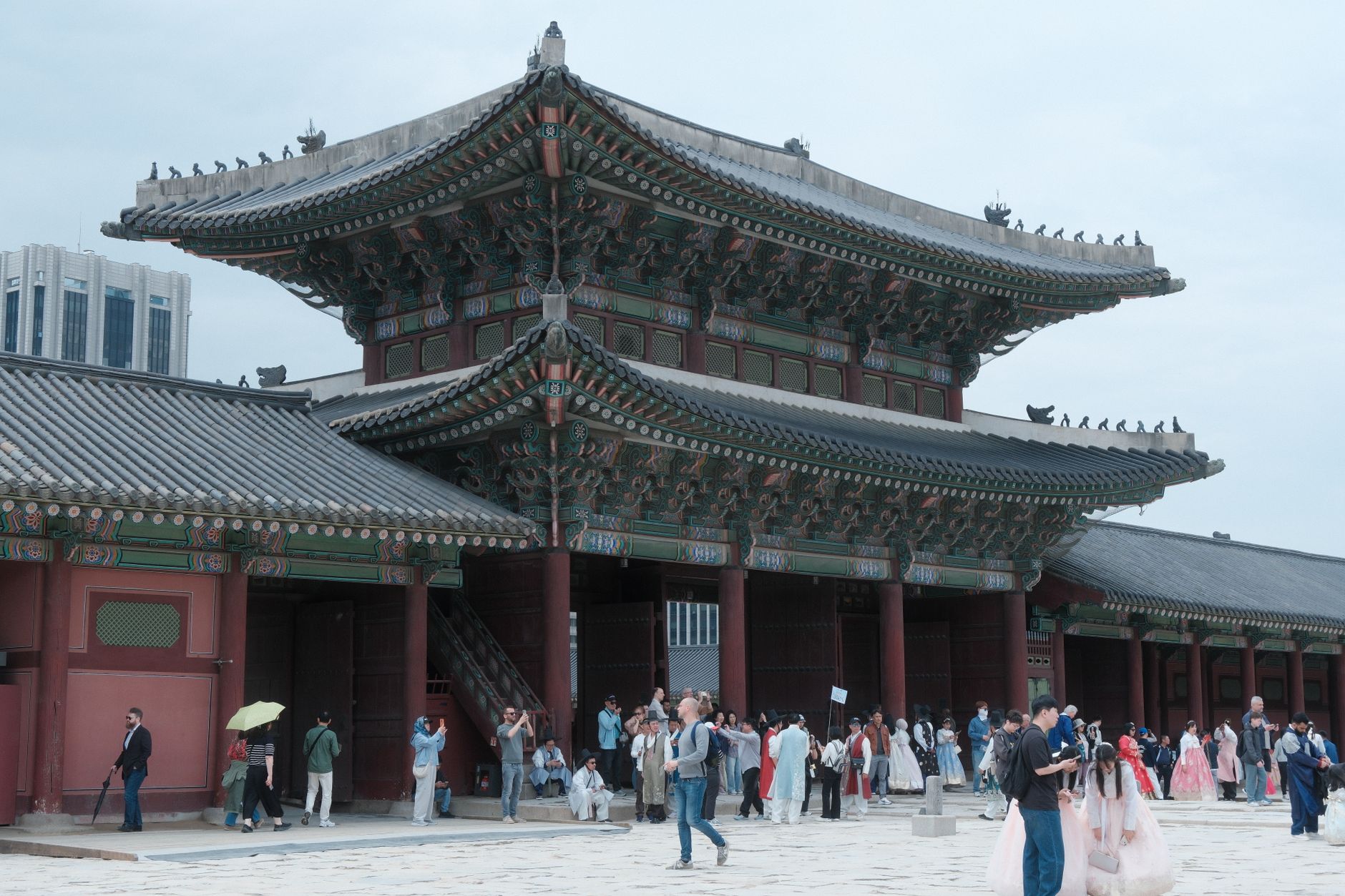
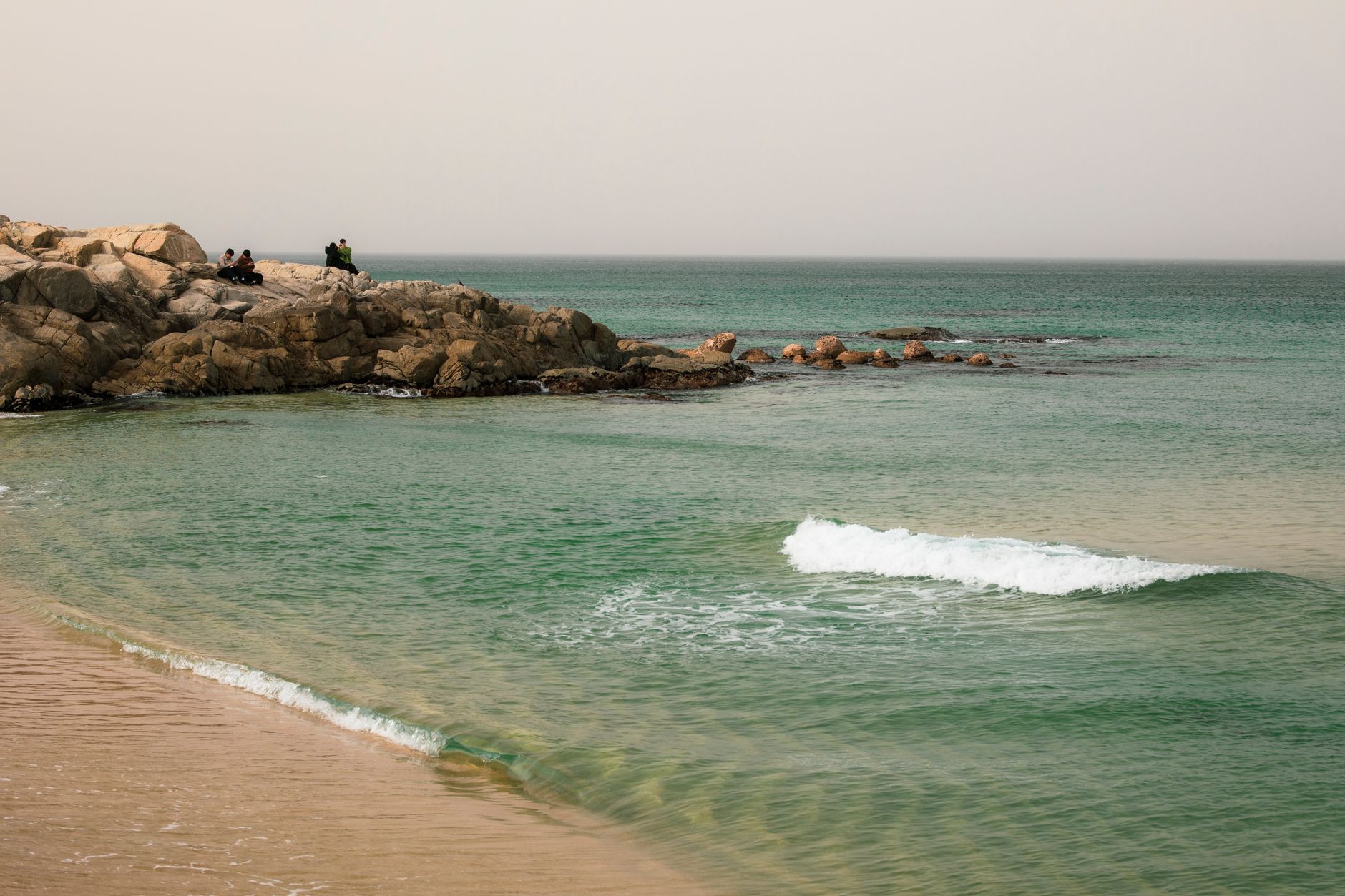
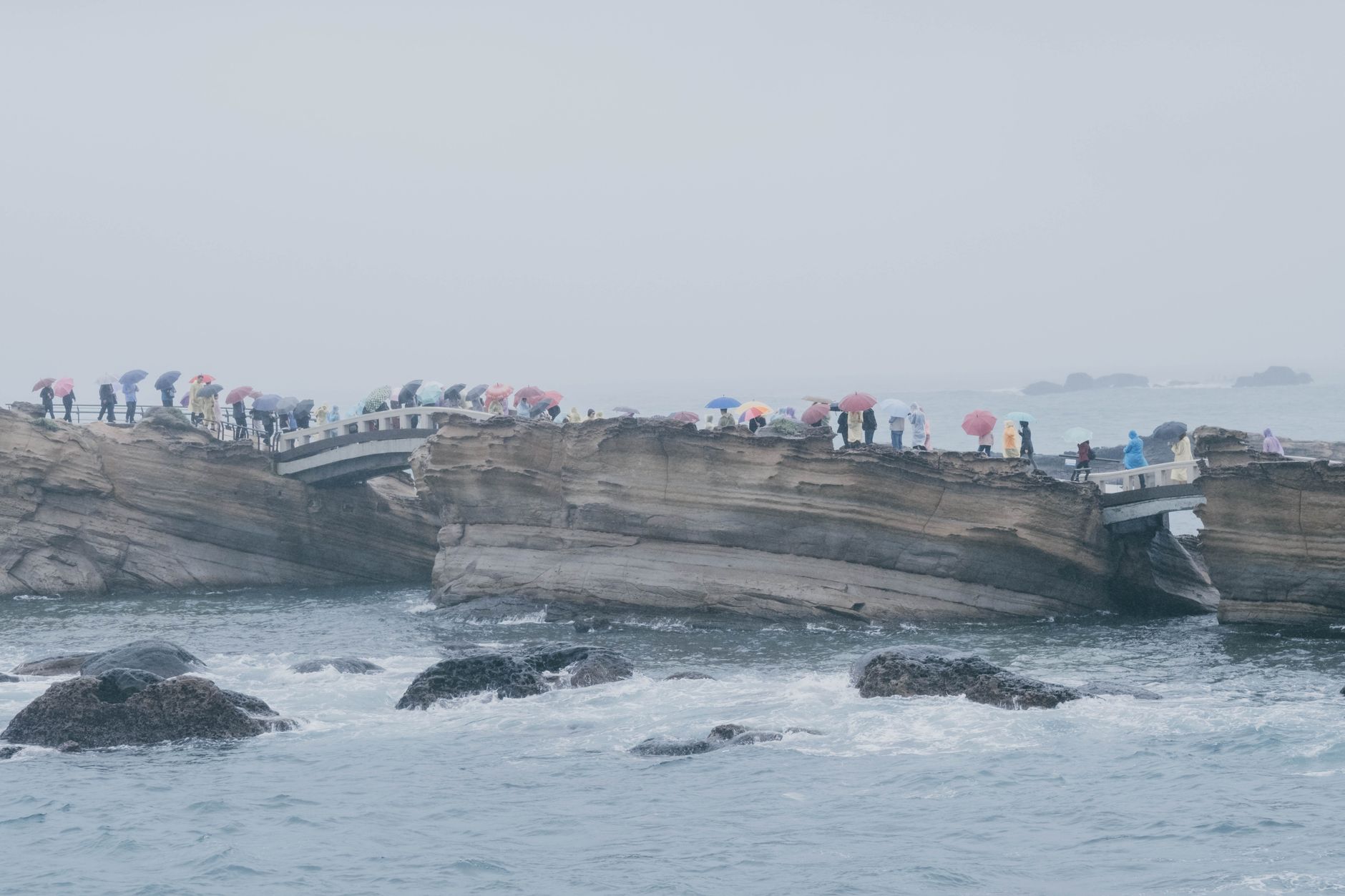
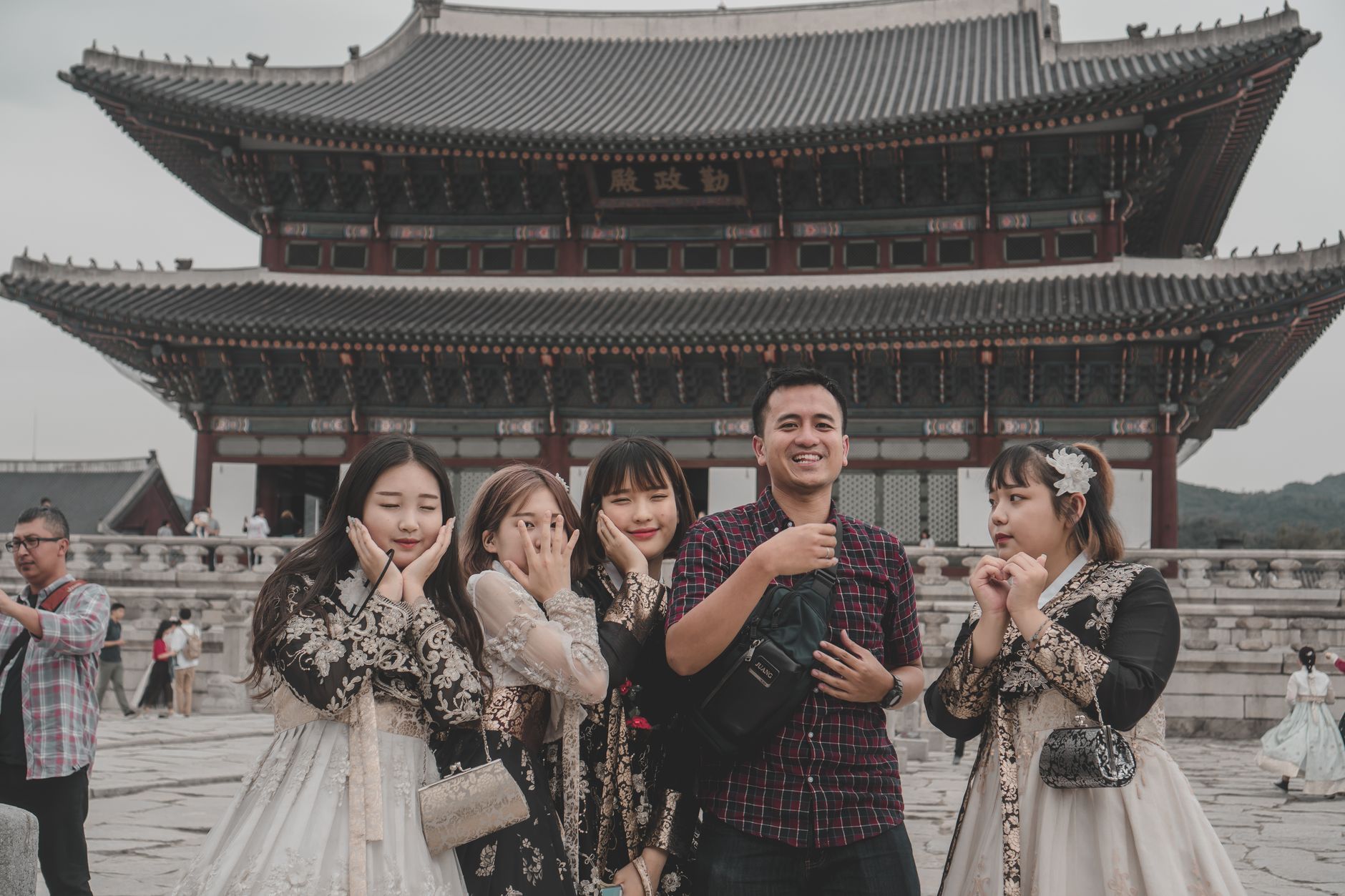
Photo by e-kobud-i on Pexels
South Korea
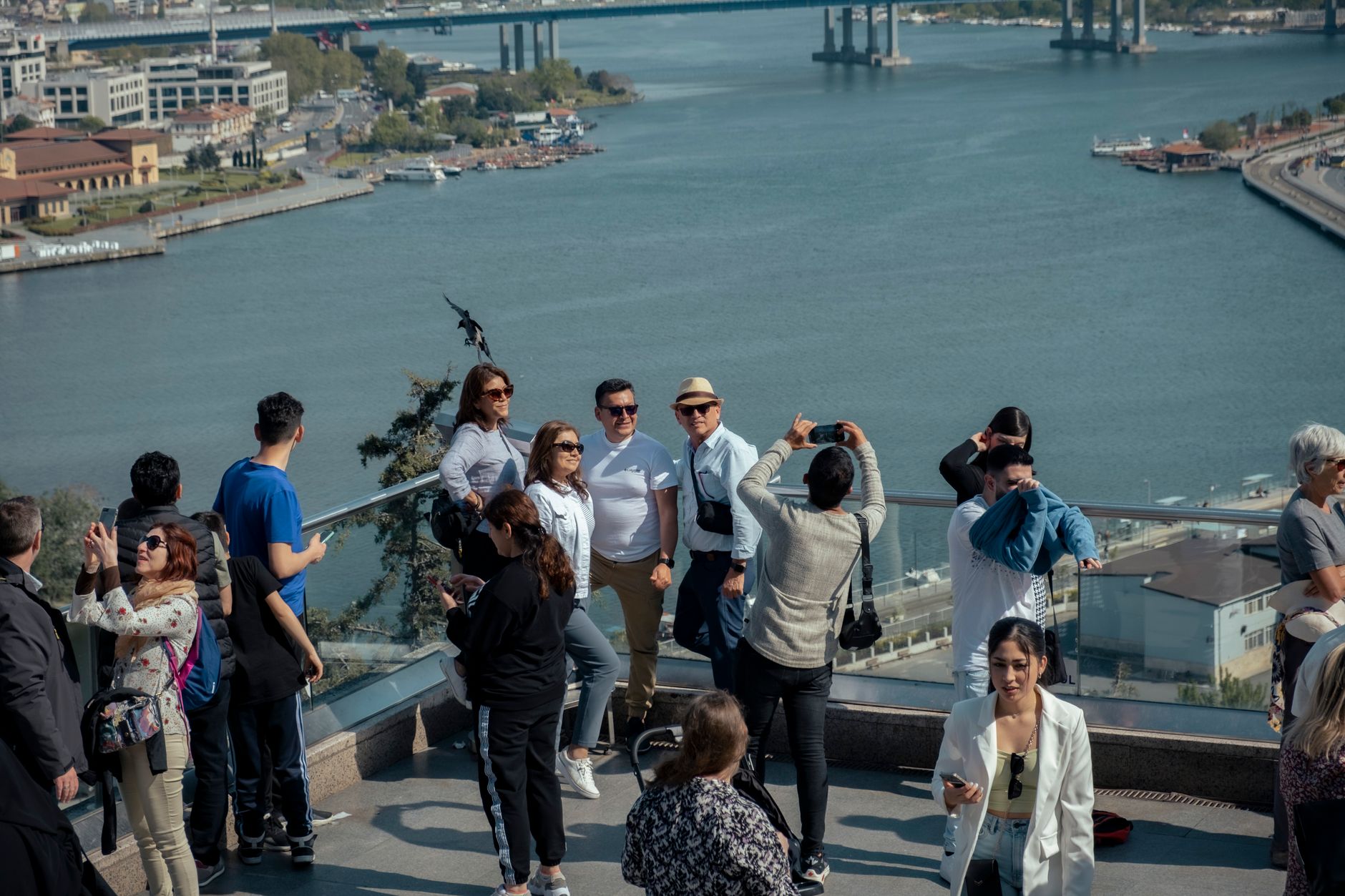
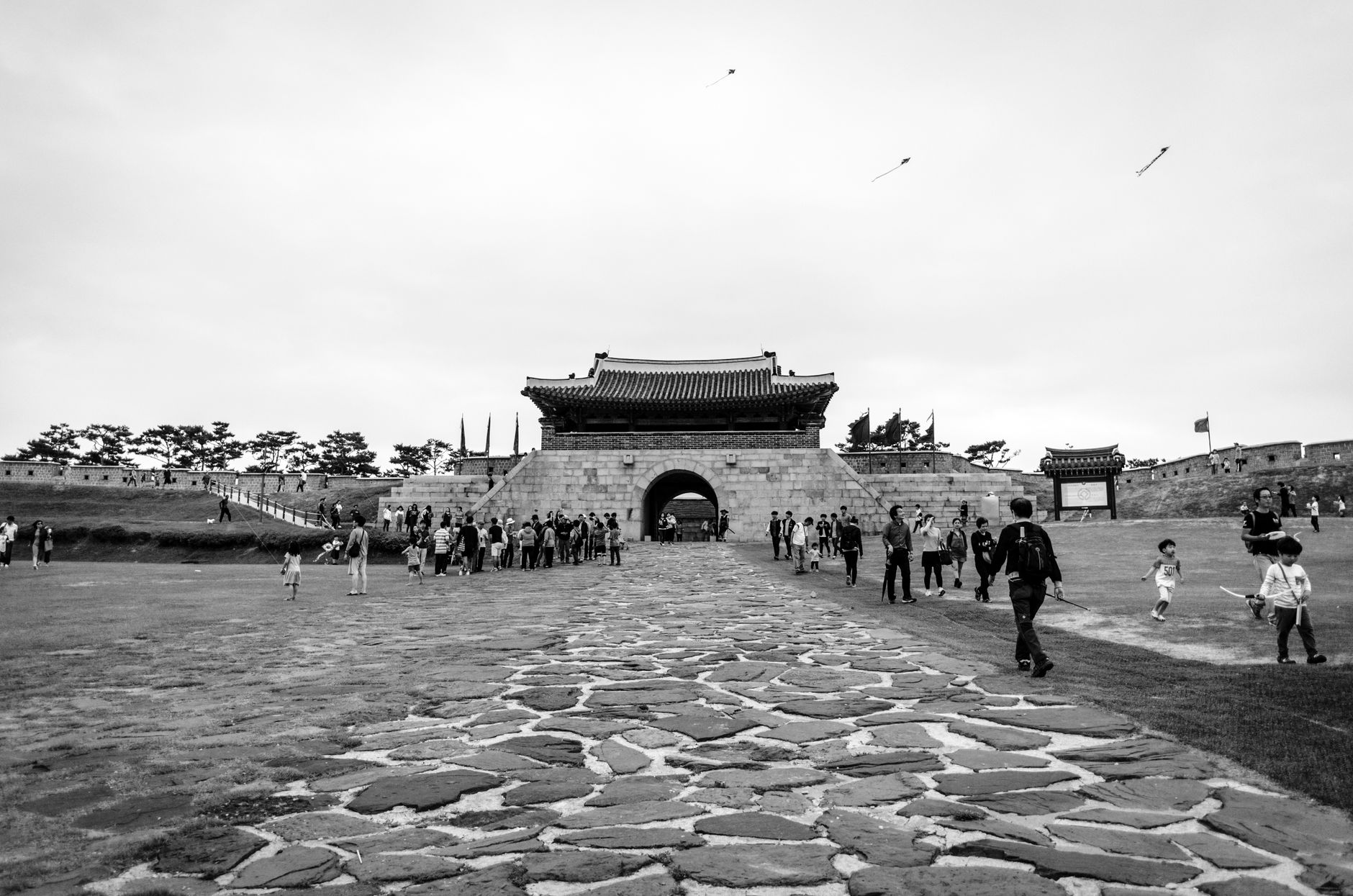
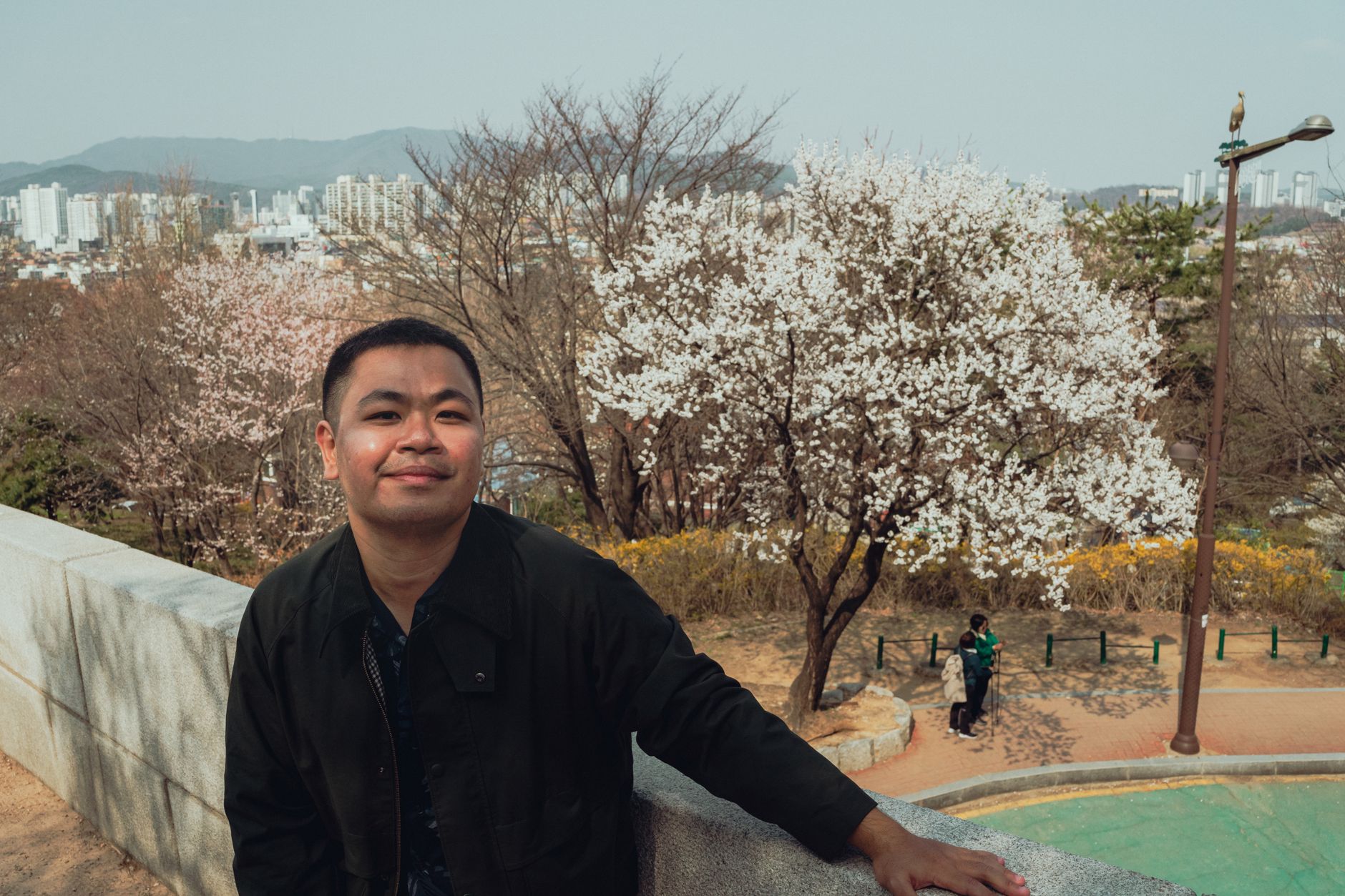
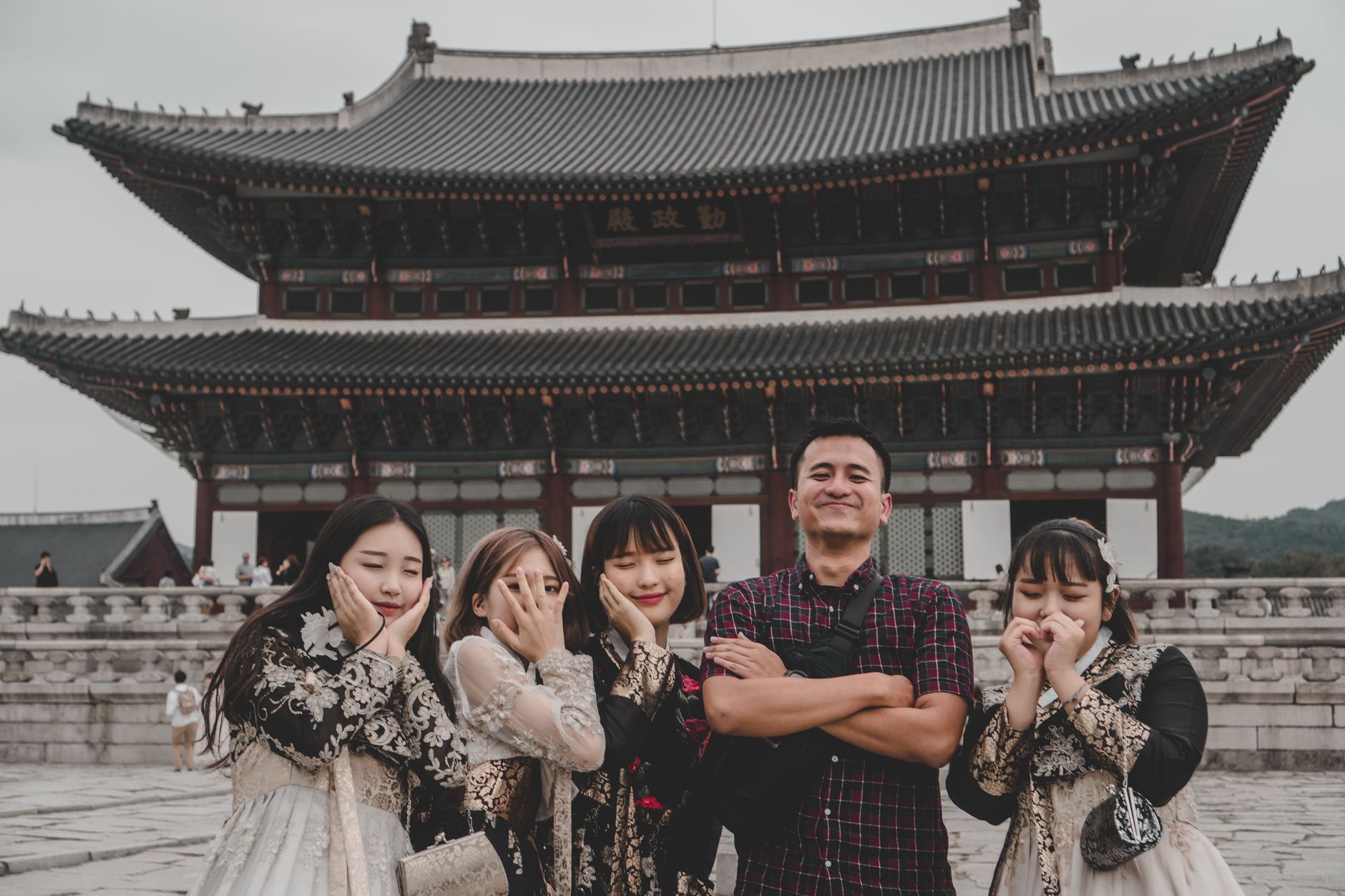
Photo by e-kobud-i on Pexels
South Korea
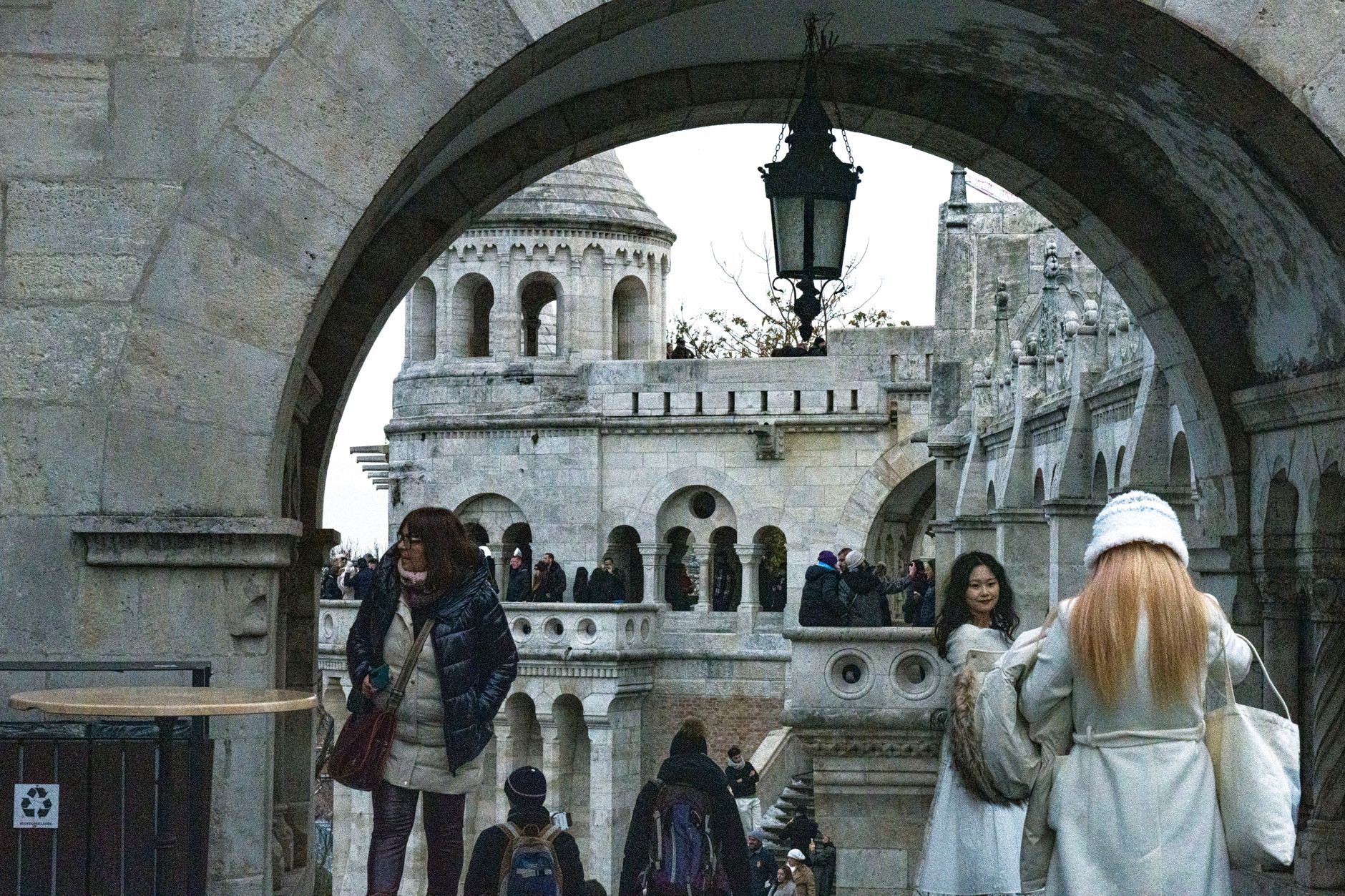
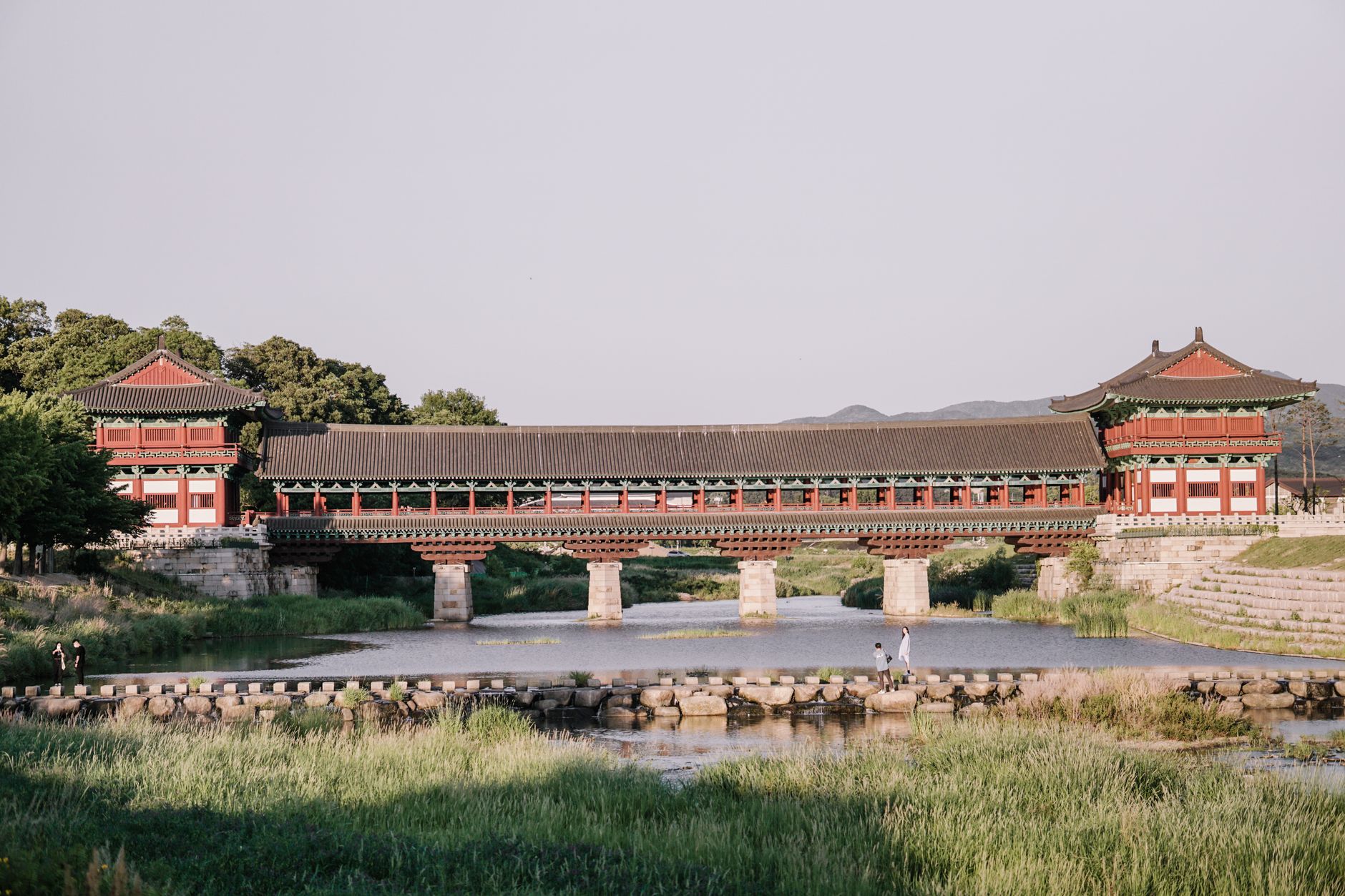
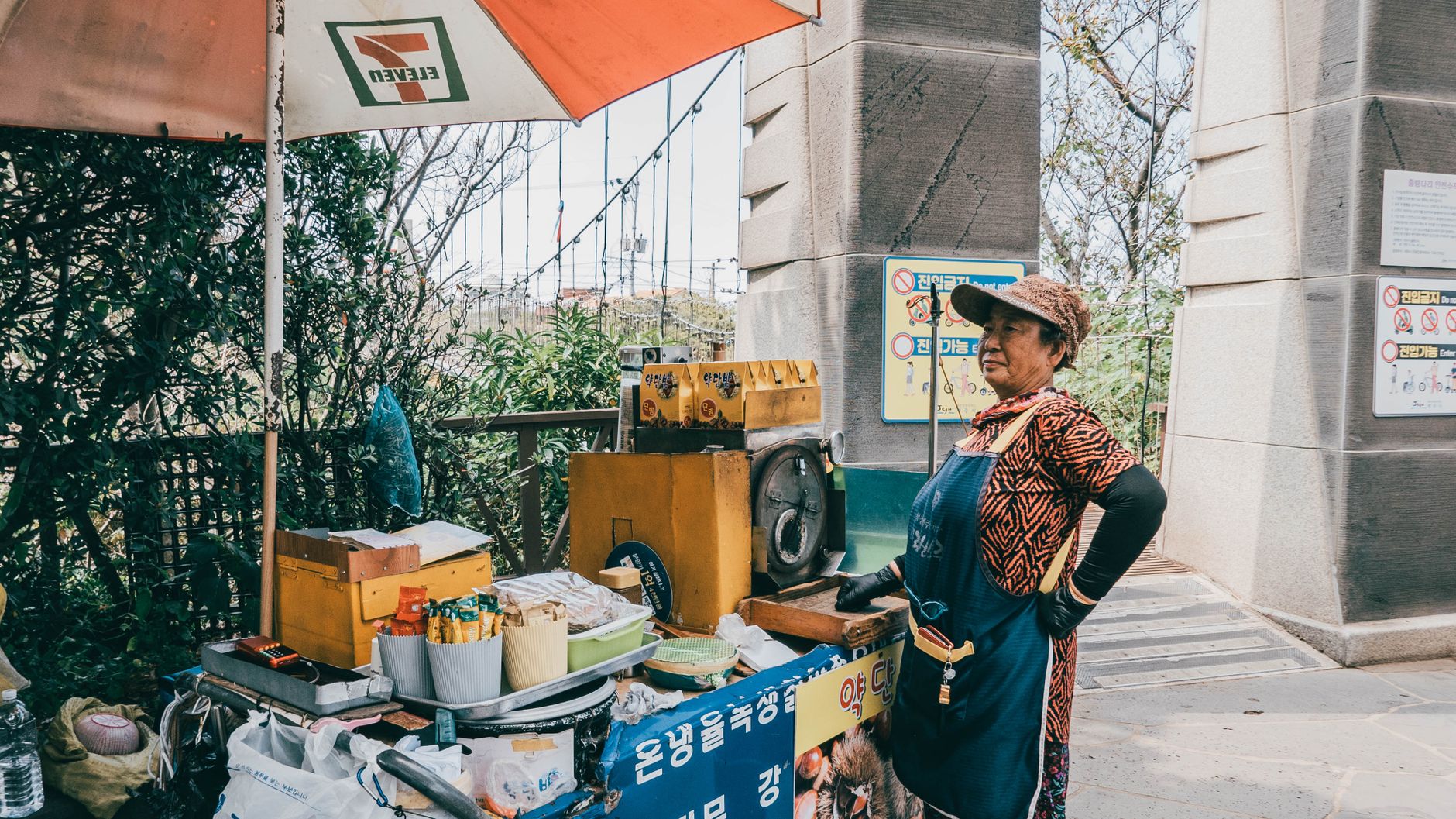
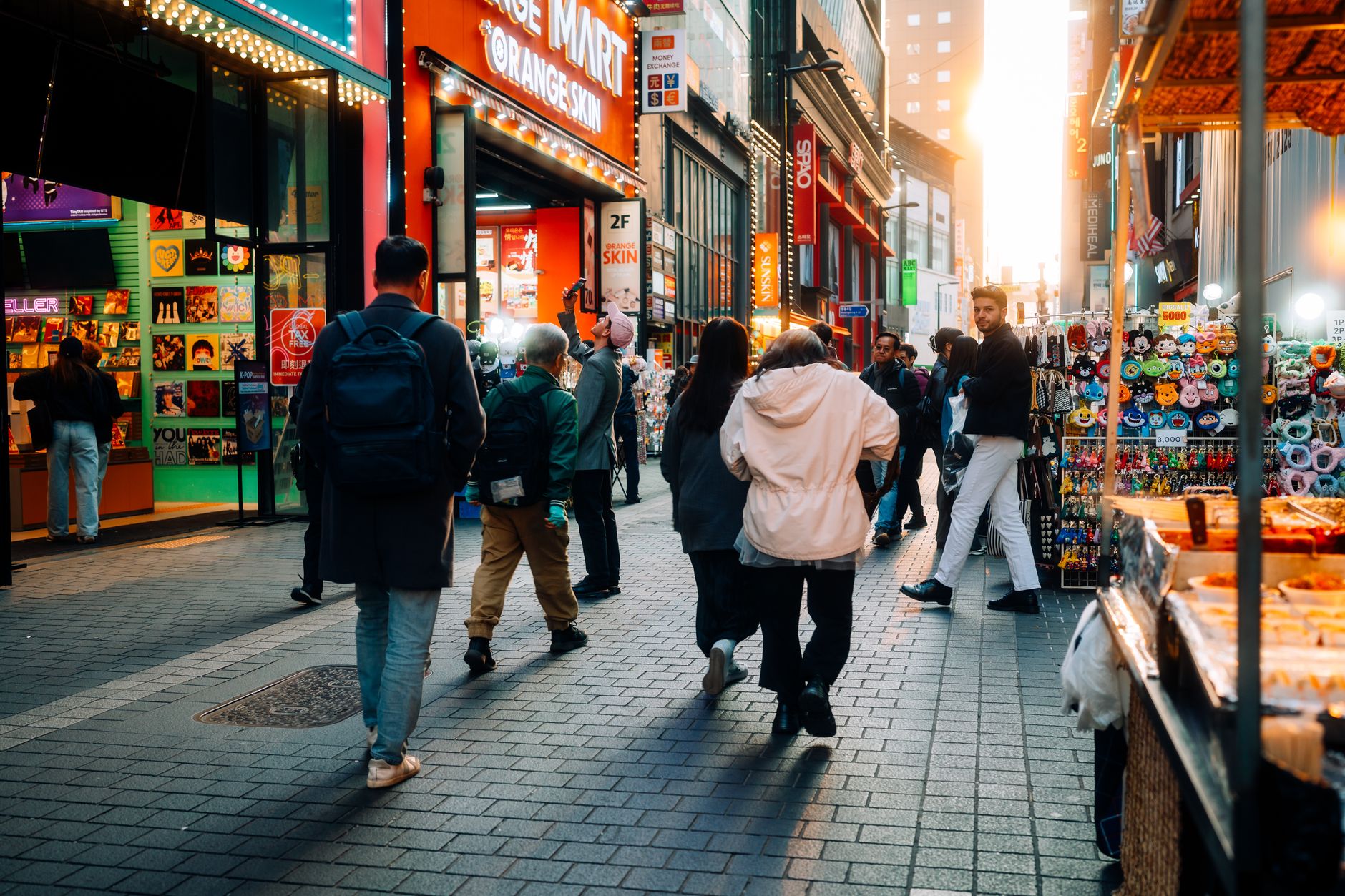
Photo by Mohammed Mehdaoui on Pexels
South Korea
Photo by Asia Culture Center on Pexels
South Korea
Photo by Saksham Vikram on Pexels
City break Culture & history Food & drink Nightlife & party

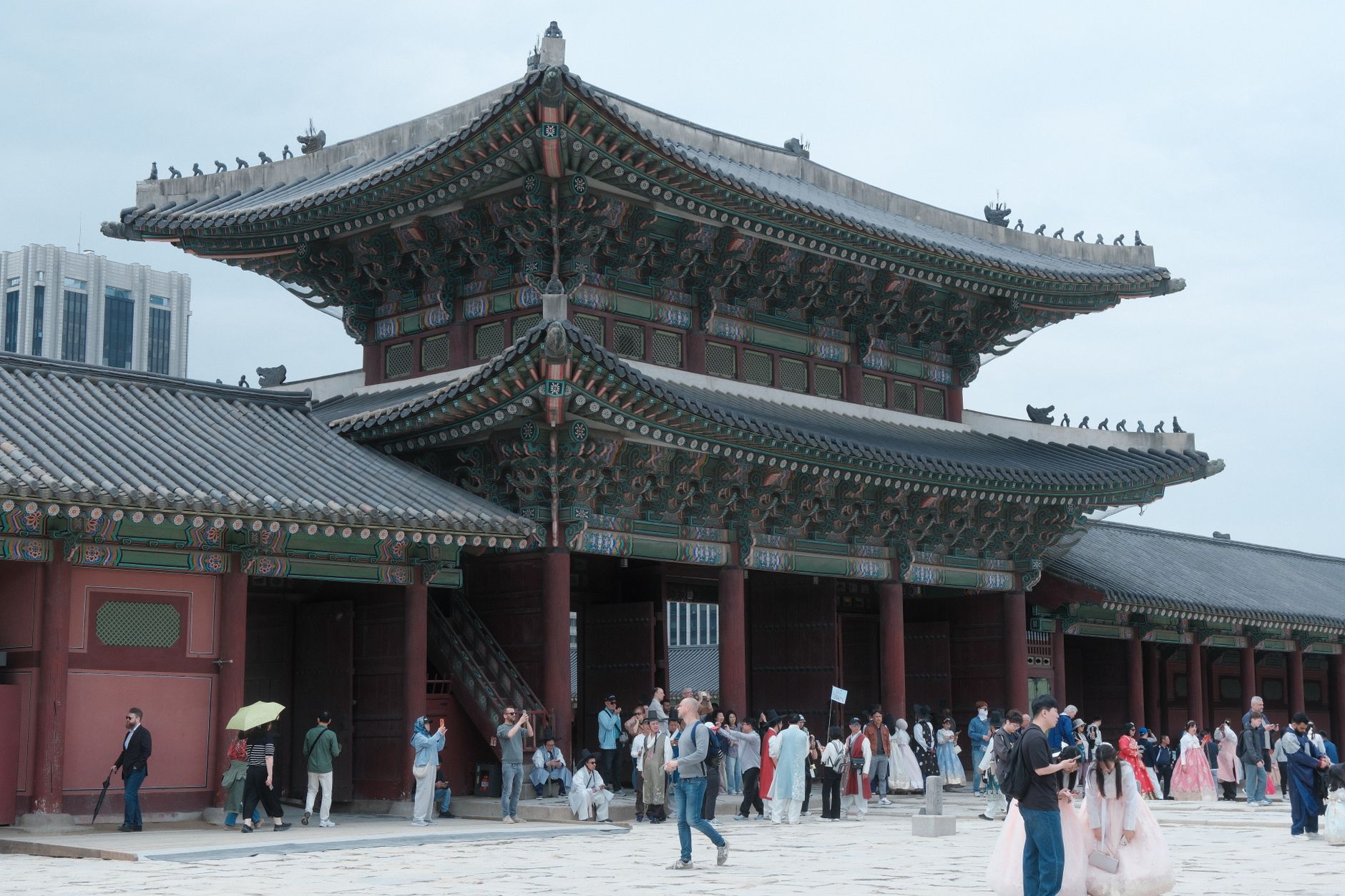
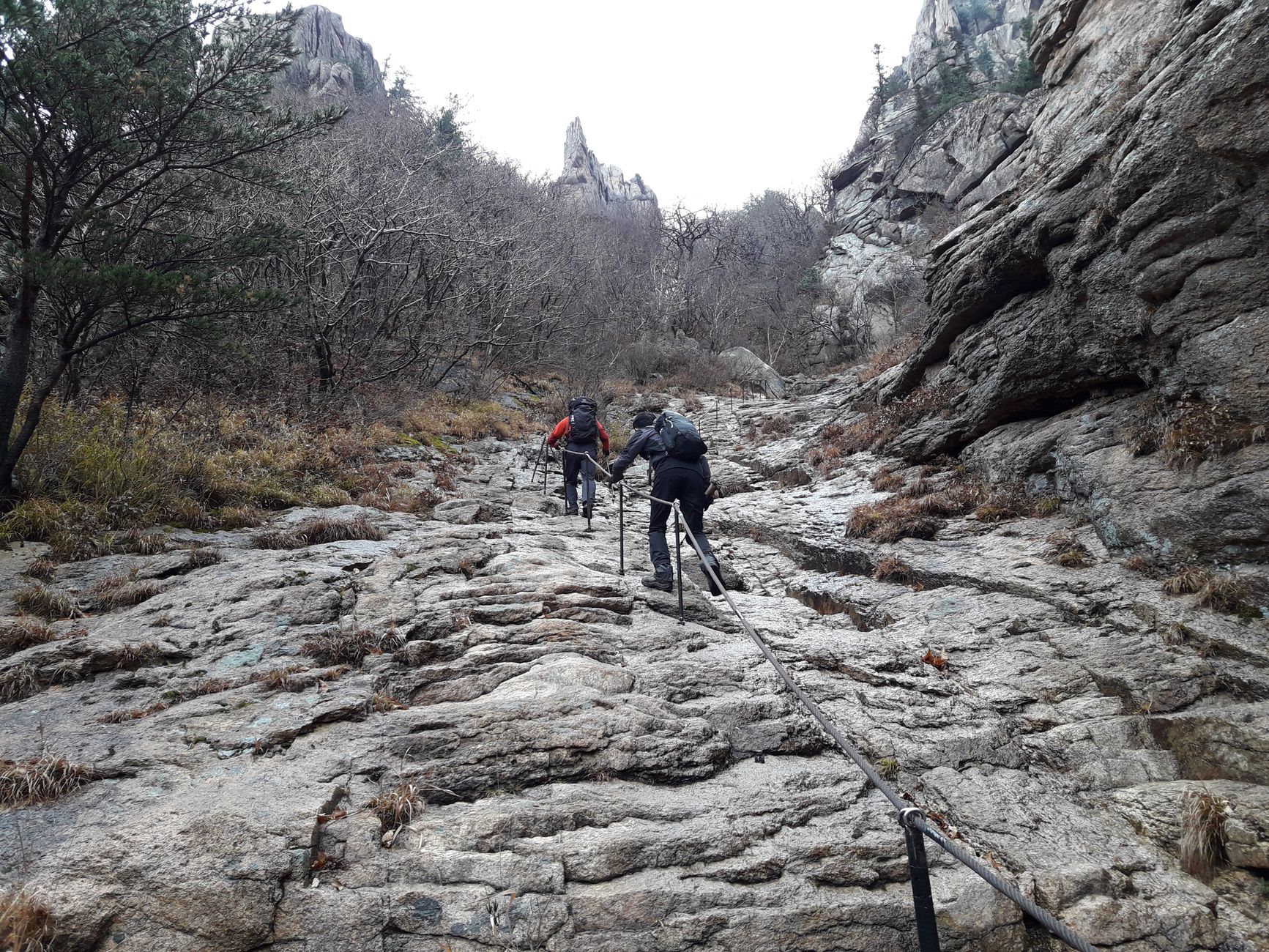
South Korea runs on contrasts that somehow hold together. In Seoul, you can stand inside a restored Joseon-dynasty palace built in 1395, then ride a subway so well-engineered that your T-money card works seamlessly across 24 lines and every bus in the city. The food markets stay open through the night. The mountain trails are twenty minutes from the financial district.

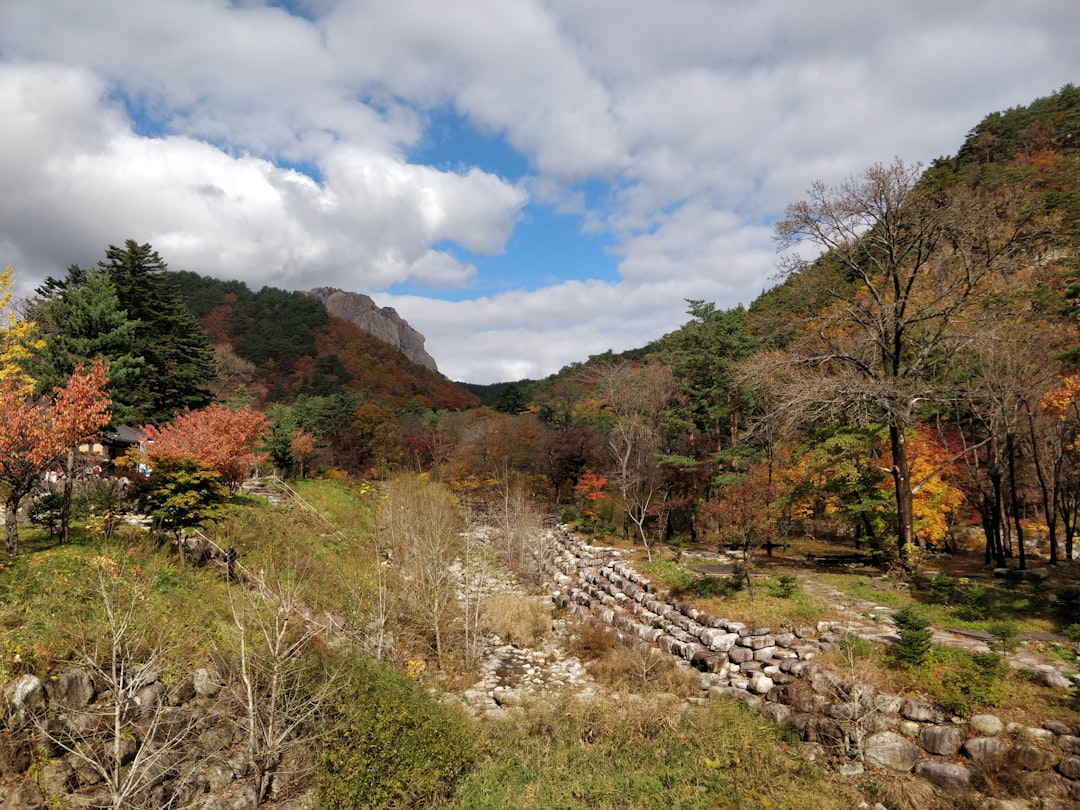
Outside the capital, the country shifts into a different register — coastal cities, volcanic islands, rice terraces, temple stays in forested hills. It rewards slow attention as much as it does efficient sightseeing.

Good to know
Spring (April–June) and autumn (September–November) are the most comfortable windows, with mild temperatures and low rainfall. The Seoul Metropolitan Subway covers most of the capital and reaches satellite cities; a T-money card, sold at convenience stores, handles subway and bus transfers in one.

Deals in South Korea

Book directly at the provider
The story

How South Korea came to be

Korea spent the first half of the twentieth century under Japanese colonial rule, and the Republic of Korea was formally declared on 15 August 1948, with Syngman Rhee as its first president. Less than two years later, the Korean War broke out on 25 June 1950. When the armistice came on 27 July 1953, the peninsula remained divided roughly where it had been before — a ceasefire line that has defined the country's northern edge ever since.

What followed in the south was one of the more dramatic economic transformations of the twentieth century. Through the 1960s and 70s, rapid industrialisation rewrote the country's material landscape. By 1987, public pressure had forced a new constitution and the country's first direct presidential election — a shift toward democratic governance that continues to shape its politics today.

People & landmarks

Who and what shaped it

Landmark buildings

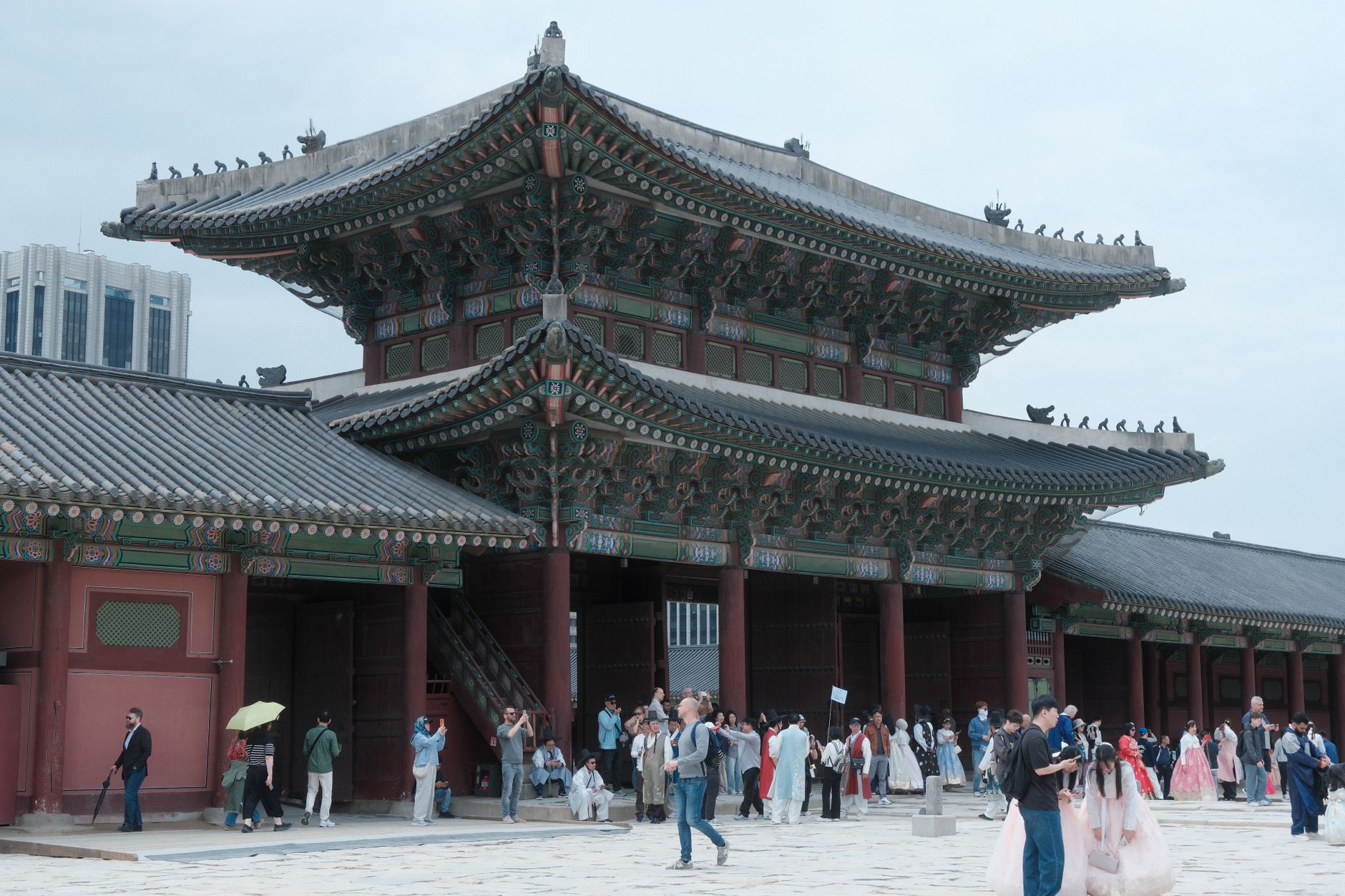
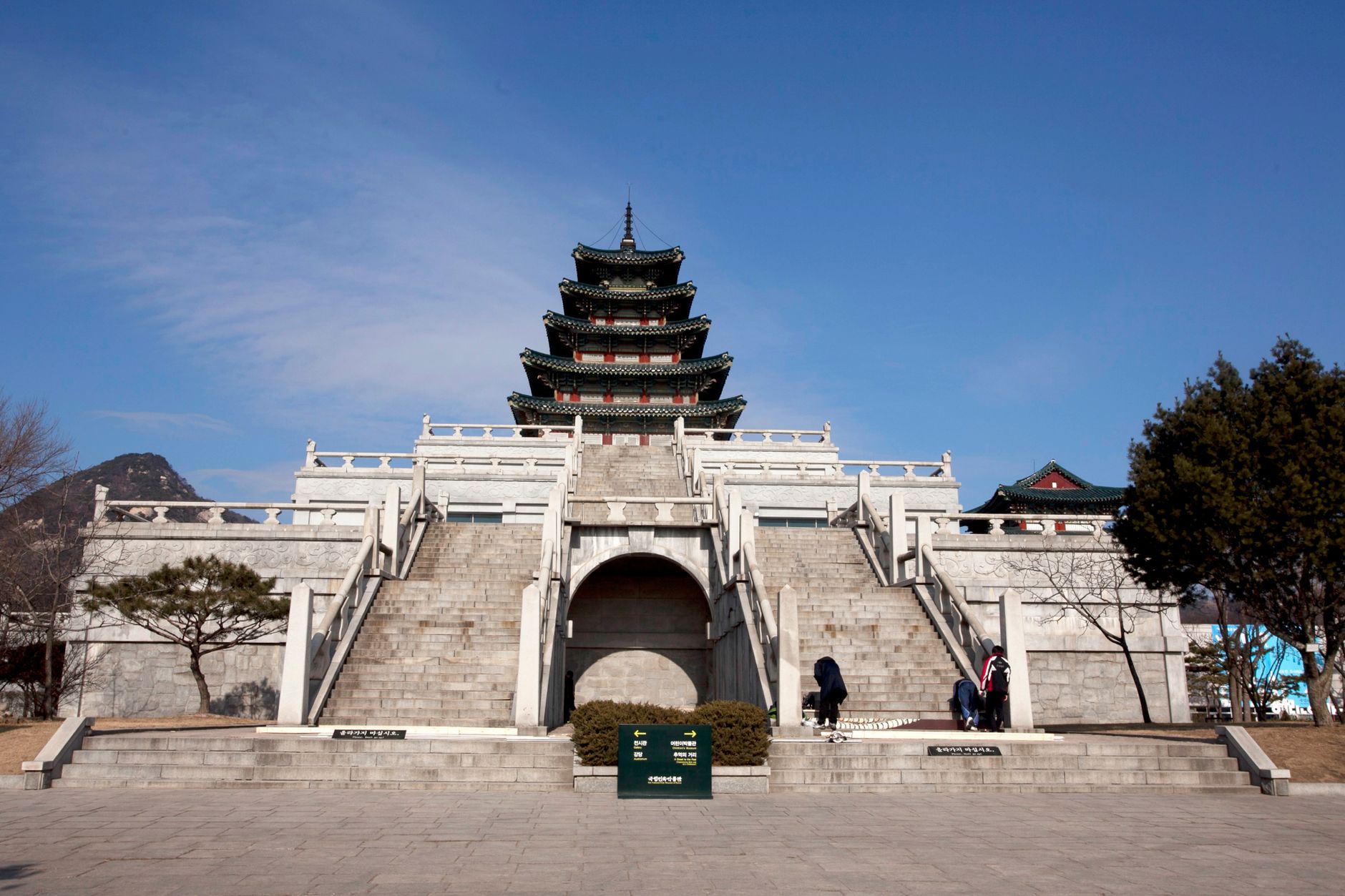
Gyeongbokgung Palace
Largest of five Joseon Dynasty residences, built 1395, restored from 1990s after destruction in the 1590s.
Namsan Seoul Tower
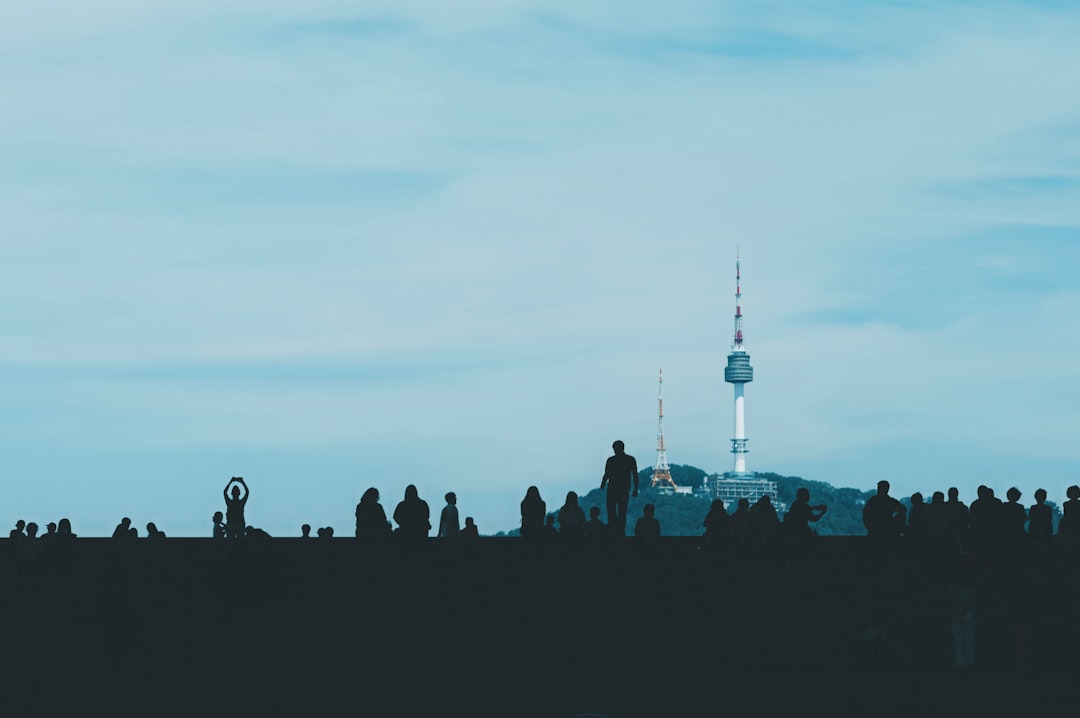
236-metre landmark built 1969, receives 12 million annual visitors, broadcasts Korean media.
The Blue House (Cheong Wa Dae)
Former presidential palace built 1991 in Gyeongbokgung gardens, opened to public in 2022, named for 150,000 blue roof tiles.
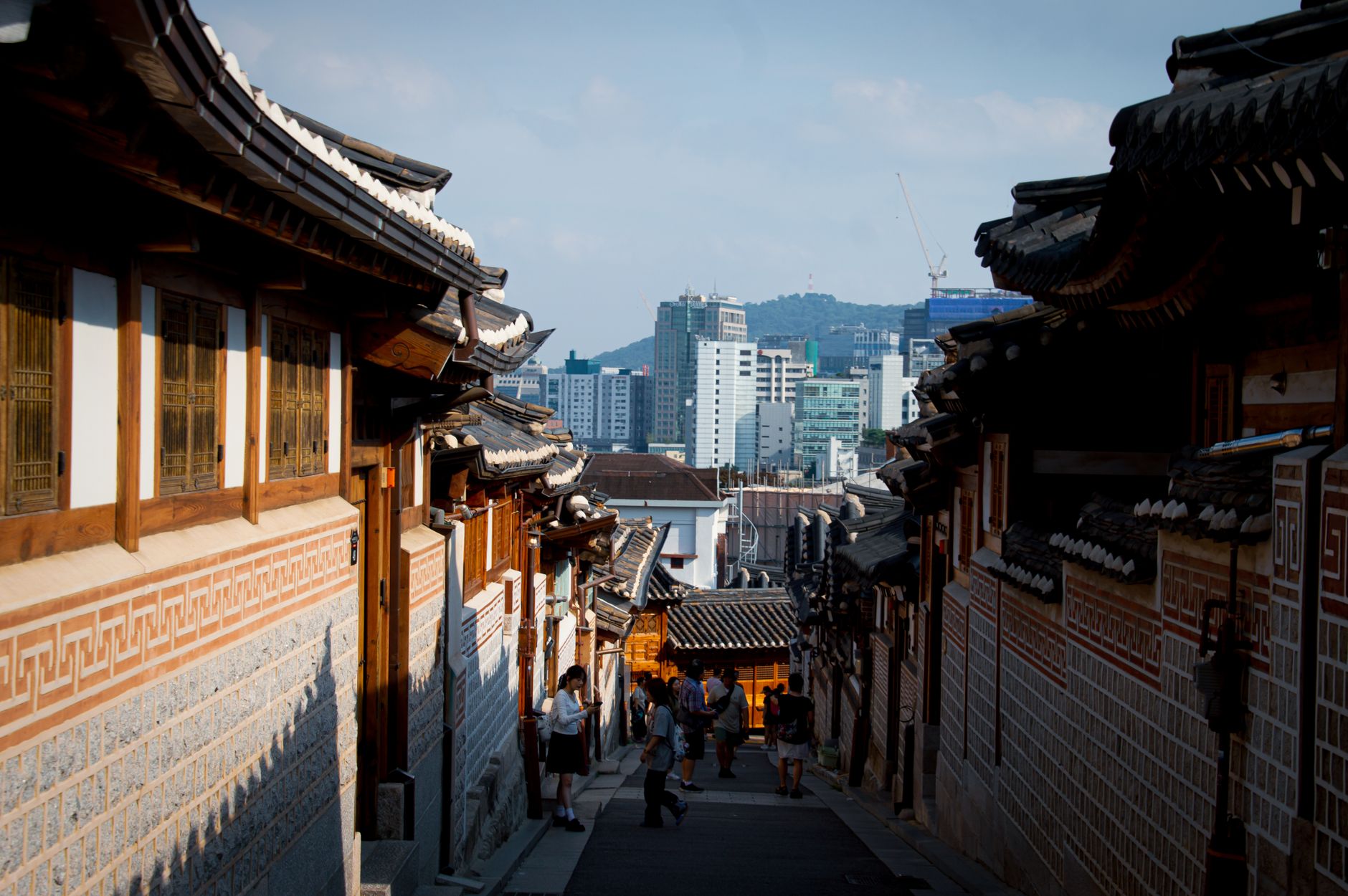
Bukchon Hanok Village
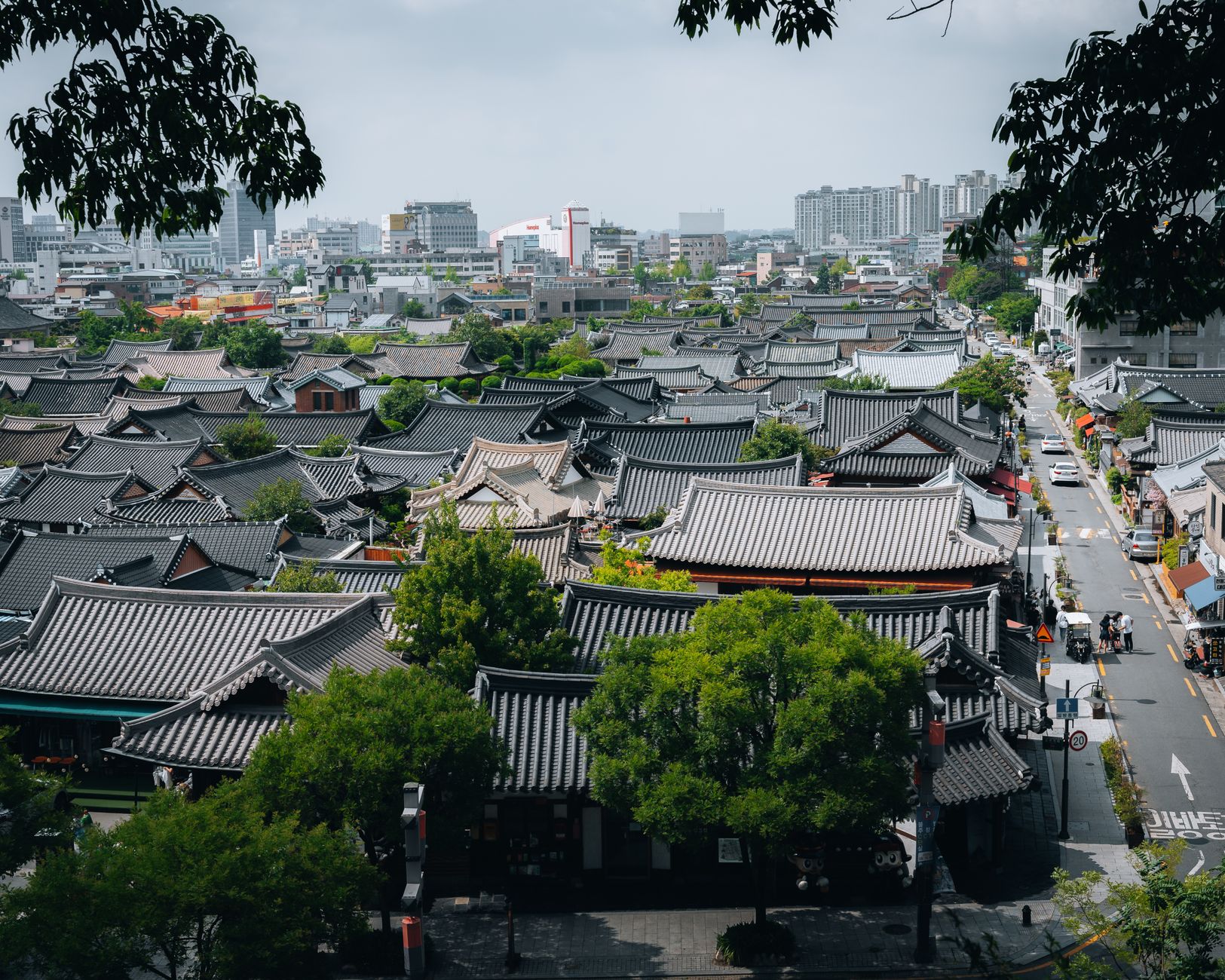
Historic district in Jongno with restored traditional Korean houses representing Joseon-era architecture.
Namsangol Hanok Village
Accurate representation of Joseon-era village life with frequent live music, calligraphy, and traditional wedding reenactments.
Watch

See South Korea in motion

Practical

Plan your visit

On the map

When to go

Spring and autumn sit either side of a heavy monsoon summer that drops roughly half the country's annual rainfall in July and August. Winter is genuinely cold — Seoul averages around -2°C in January, driven lower by Siberian winds — though the southern coast and Jeju Island stay a few degrees warmer.

Right now

24°C
Partly cloudy
Sat
27°
24°
Sun
🌧️
26°
20°
Mon
⛈️
27°
19°
Tue
⛈️
28°
21°
Weather data: Open-Meteo
Theme

↡ Regions

Andong
Region · South Korea
Andong
Culture & historyNature & outdoors
Busan
Region · South Korea
Busan
City breakFood & drink
Daegu
Daegu
South Korea
City breakCulture & historyFood & drink
Damyang
Damyang
South Korea
Culture & historyFood & drinkNature & outdoors
Gangwon Province
Gangwon Province
South Korea
Nature & outdoorsHiking & mountainsWinter sports & ski
Gyeonggi Province
Gyeonggi Province
South Korea
City breakCulture & historyNature & outdoors
Gyeongju
Gyeongju
South Korea
City breakCulture & historyWellness & spa
Hallasan National Park
South Korea
Nature & outdoorsHiking & mountainsAdventure & active
Hallyeohaesang National Park
South Korea
Nature & outdoorsIslands & tropicalDiving & watersports
Incheon
Incheon
South Korea
City breakCulture & historyFood & drink
Jeju Island
Jeju Island
South Korea
Nature & outdoorsHiking & mountainsAdventure & active
Jeollanam-do (South Jeolla Province)
South Korea
Food & drinkNature & outdoorsIslands & tropical
Jeonju
Jeonju
South Korea
City breakCulture & historyFood & drink
Nami Island
Nami Island
South Korea
Nature & outdoorsRomantic getawayFamily holiday
Namsan (Seoul)
Namsan (Seoul)
South Korea
City breakCulture & history
Seoraksan National Park
South Korea
Nature & outdoorsHiking & mountainsAdventure & active
Seoul
Seoul
South Korea
City breakCulture & historyFood & drink
Sokcho and Seoraksan National Park
South Korea
Nature & outdoorsHiking & mountainsBeach & sun
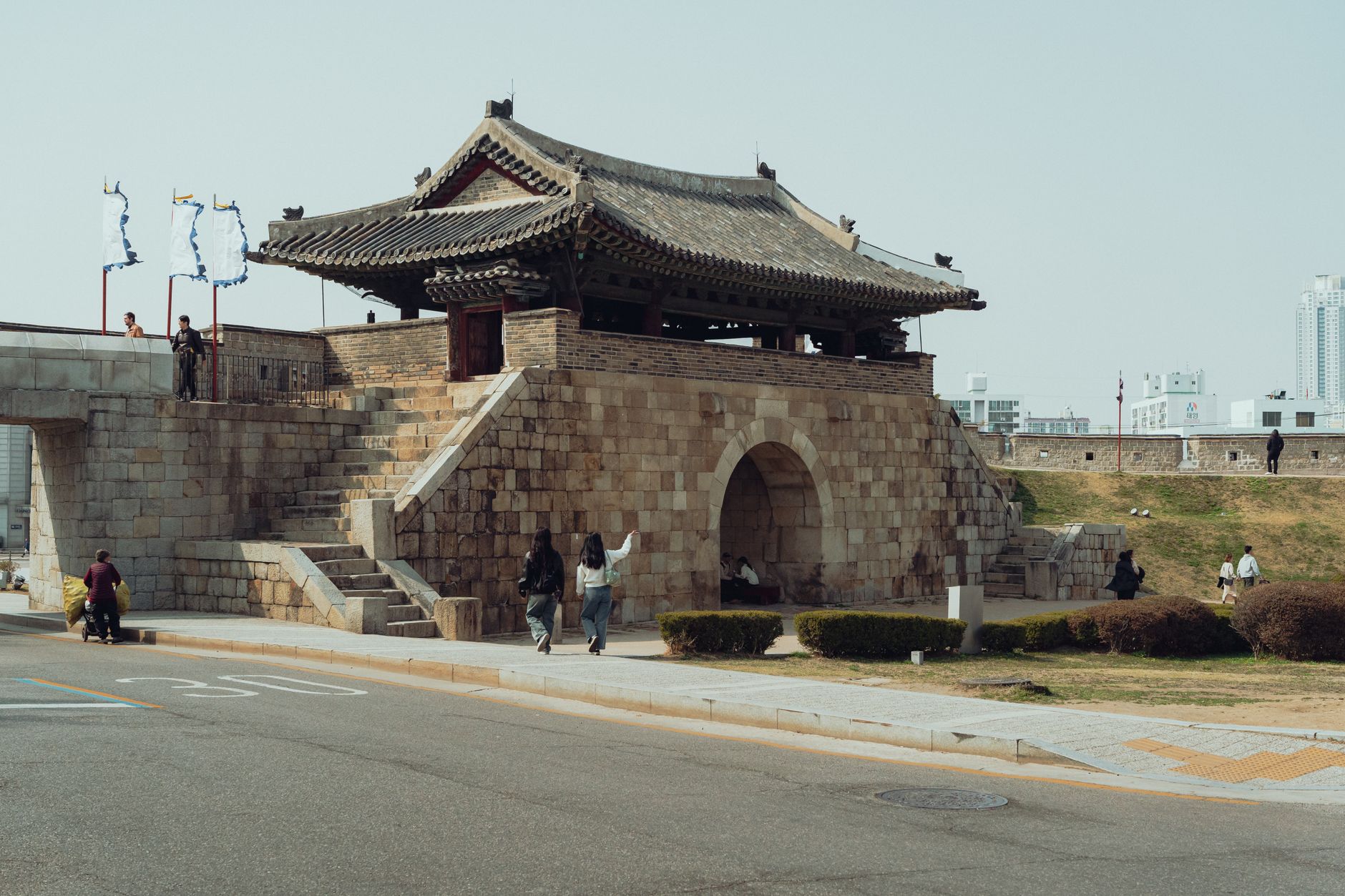
Suwon
Suwon
South Korea
City breakCulture & historyAdventure & active
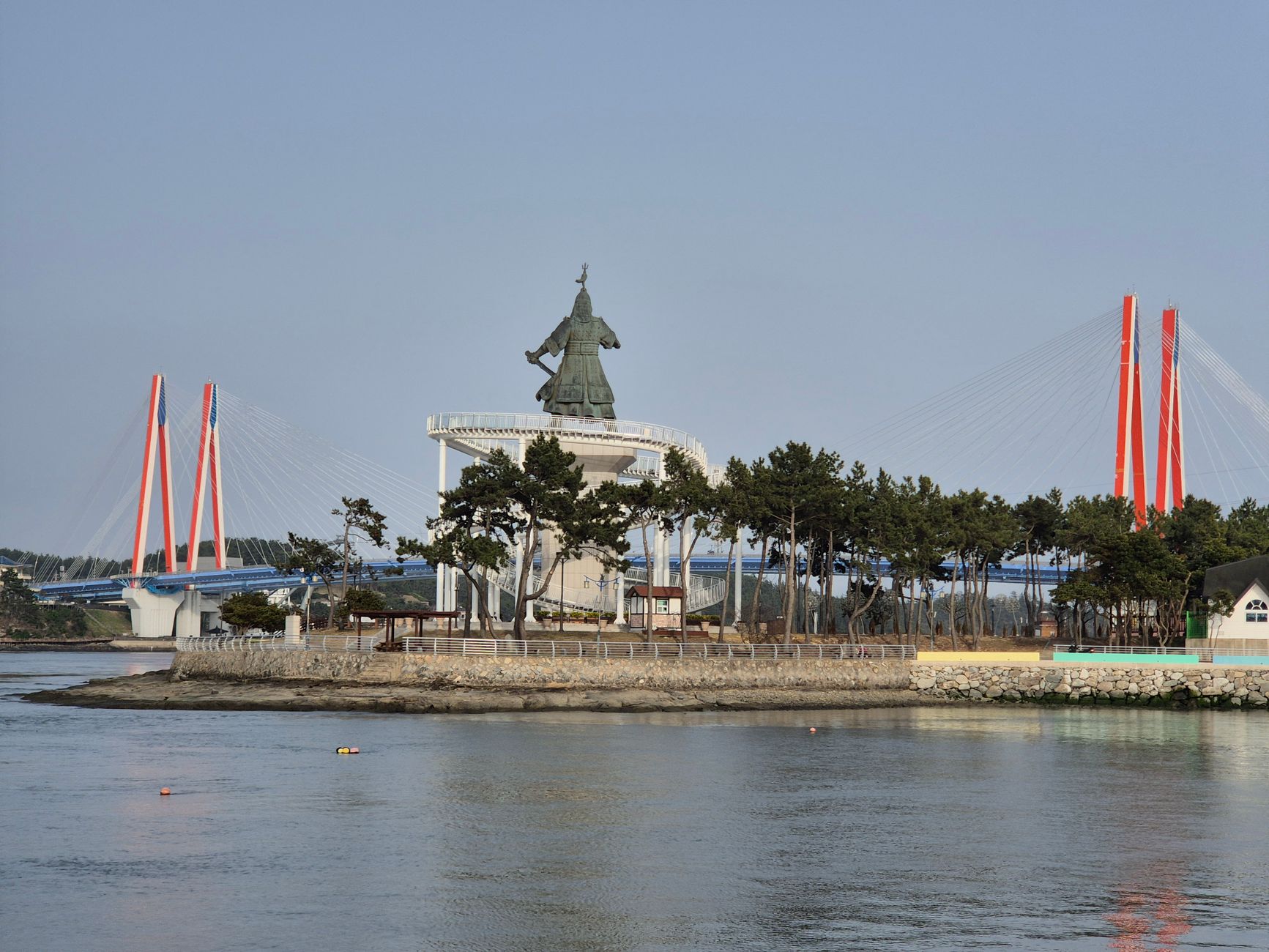
Tongyeong
Tongyeong
South Korea
Culture & historyIslands & tropicalBeach & sun

No places match these filters.


Background & history adapted from Wikipedia (CC BY-SA) · specs from Wikidata (CC0) · weather from Open-Meteo · map data © OpenStreetMap contributors · photos from Wikimedia Commons / Unsplash with per-image credit. No third-party reviews or social posts reproduced.

Top