
Andong
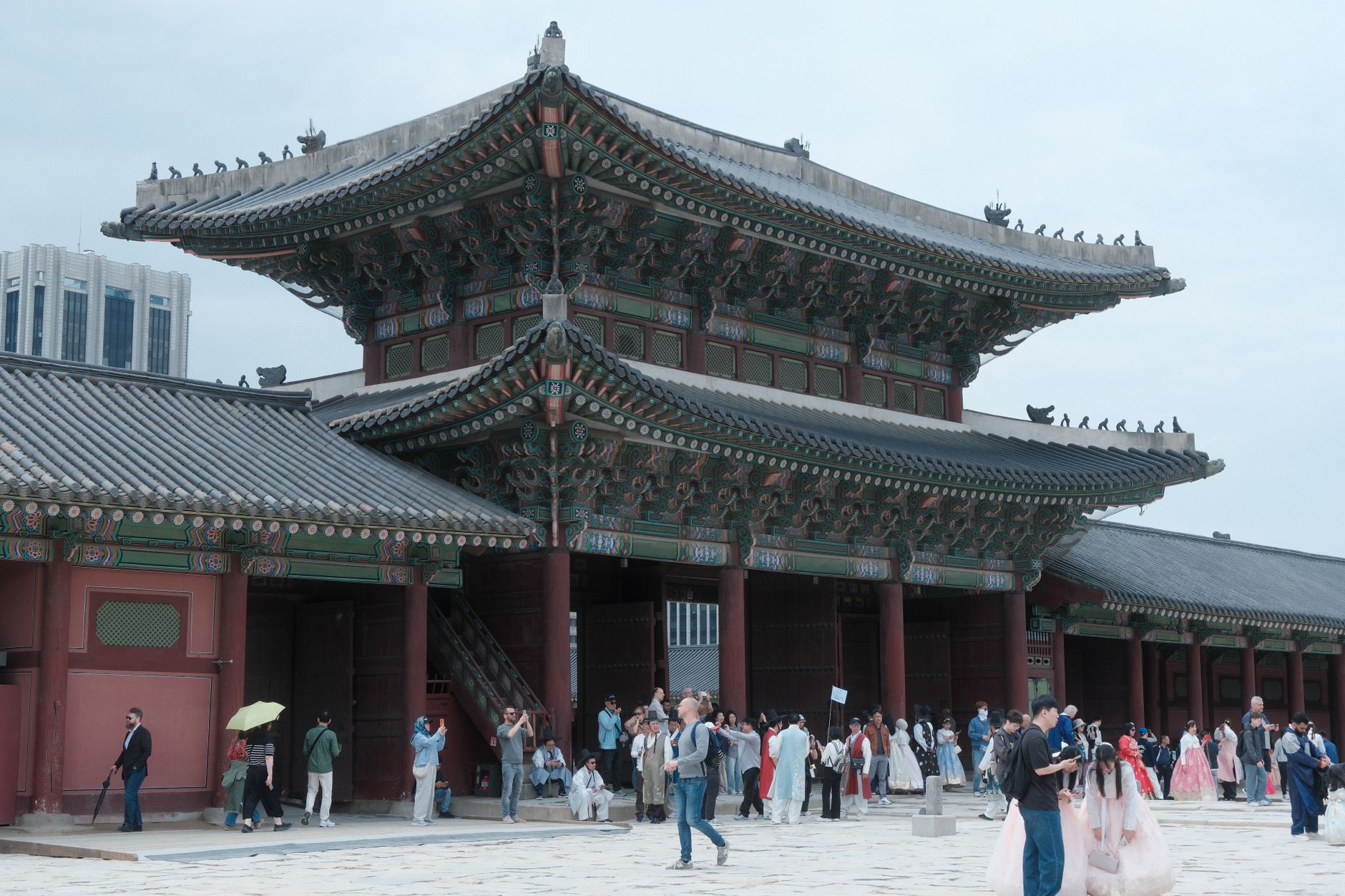
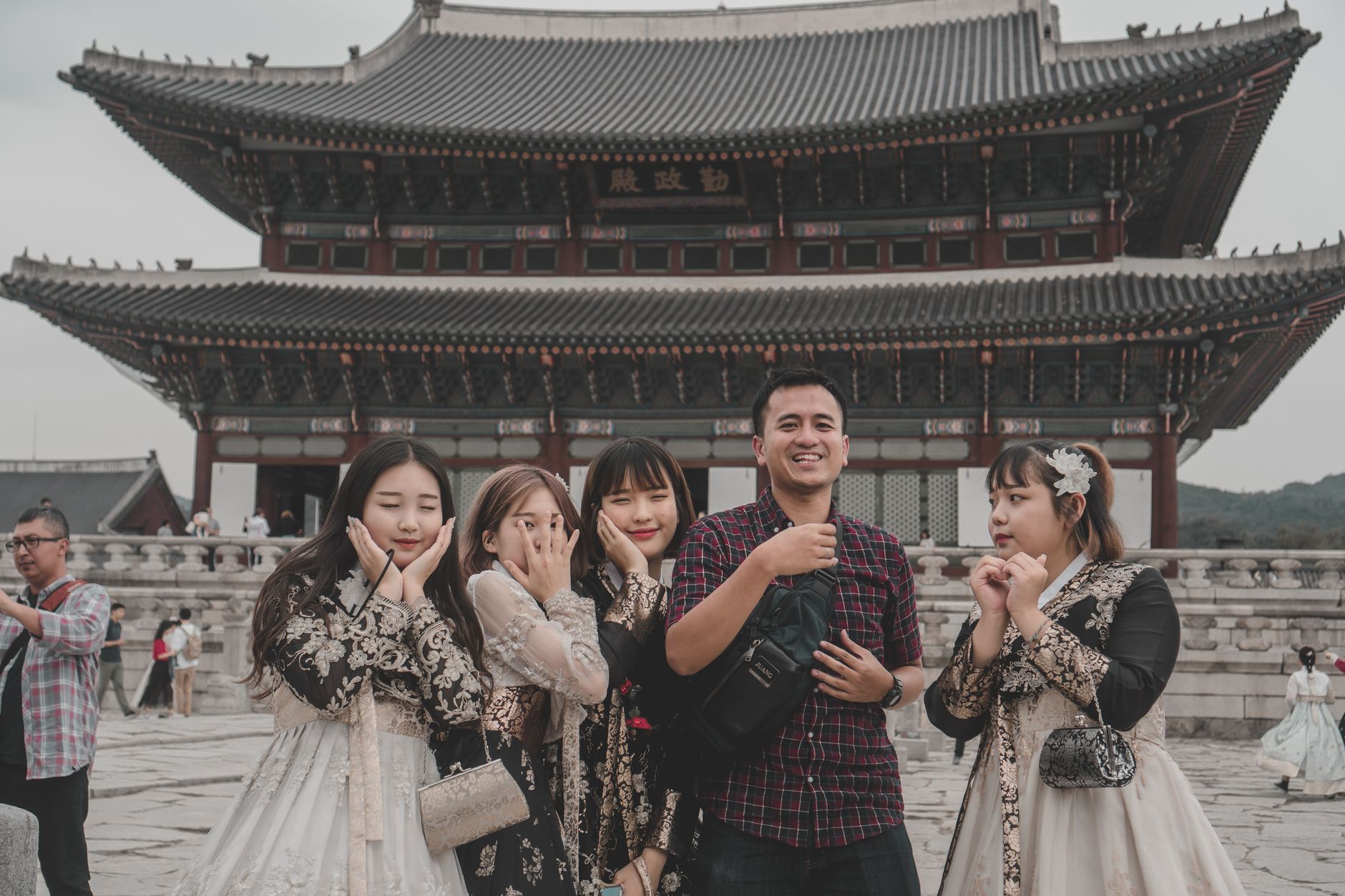
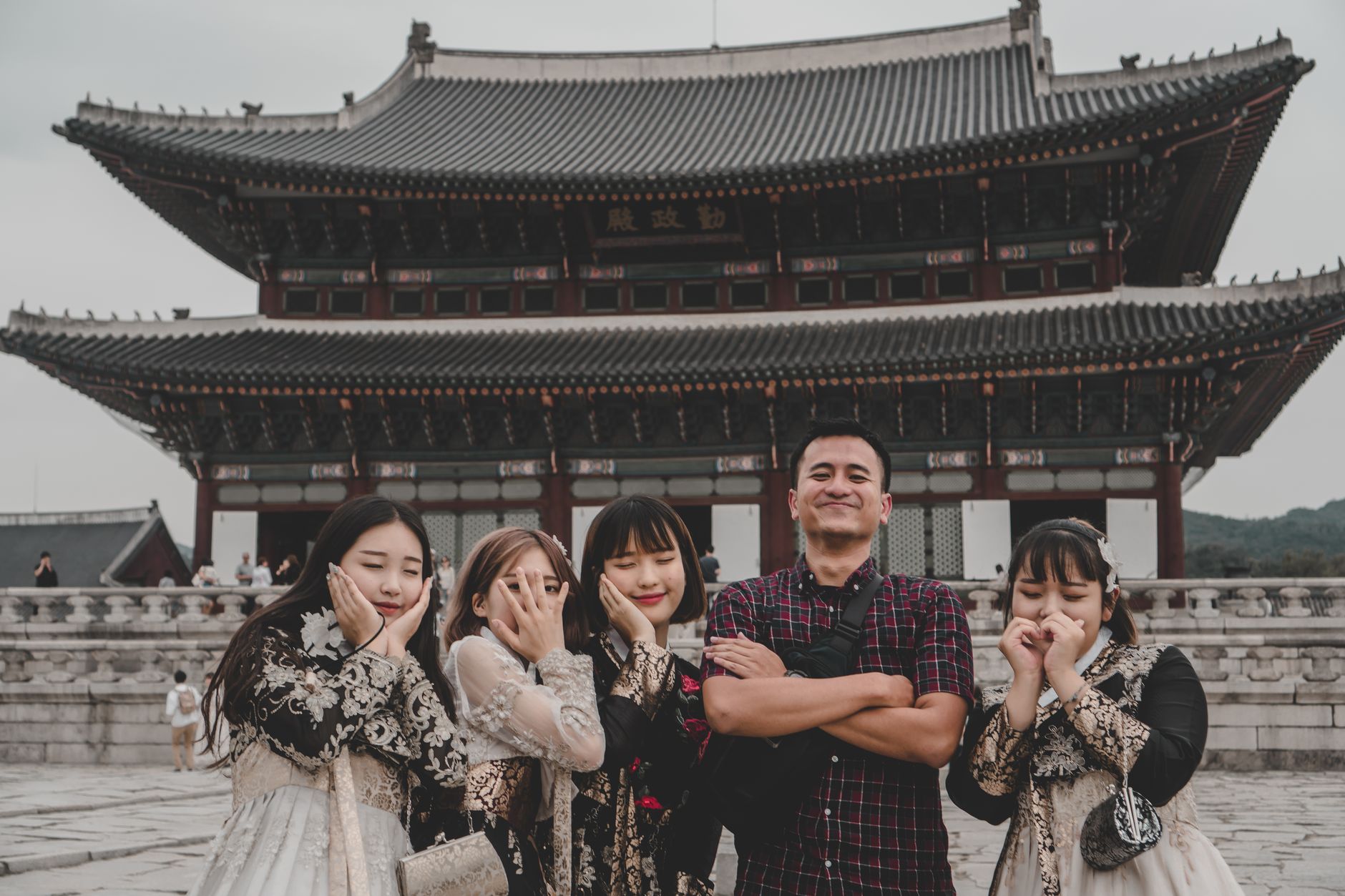
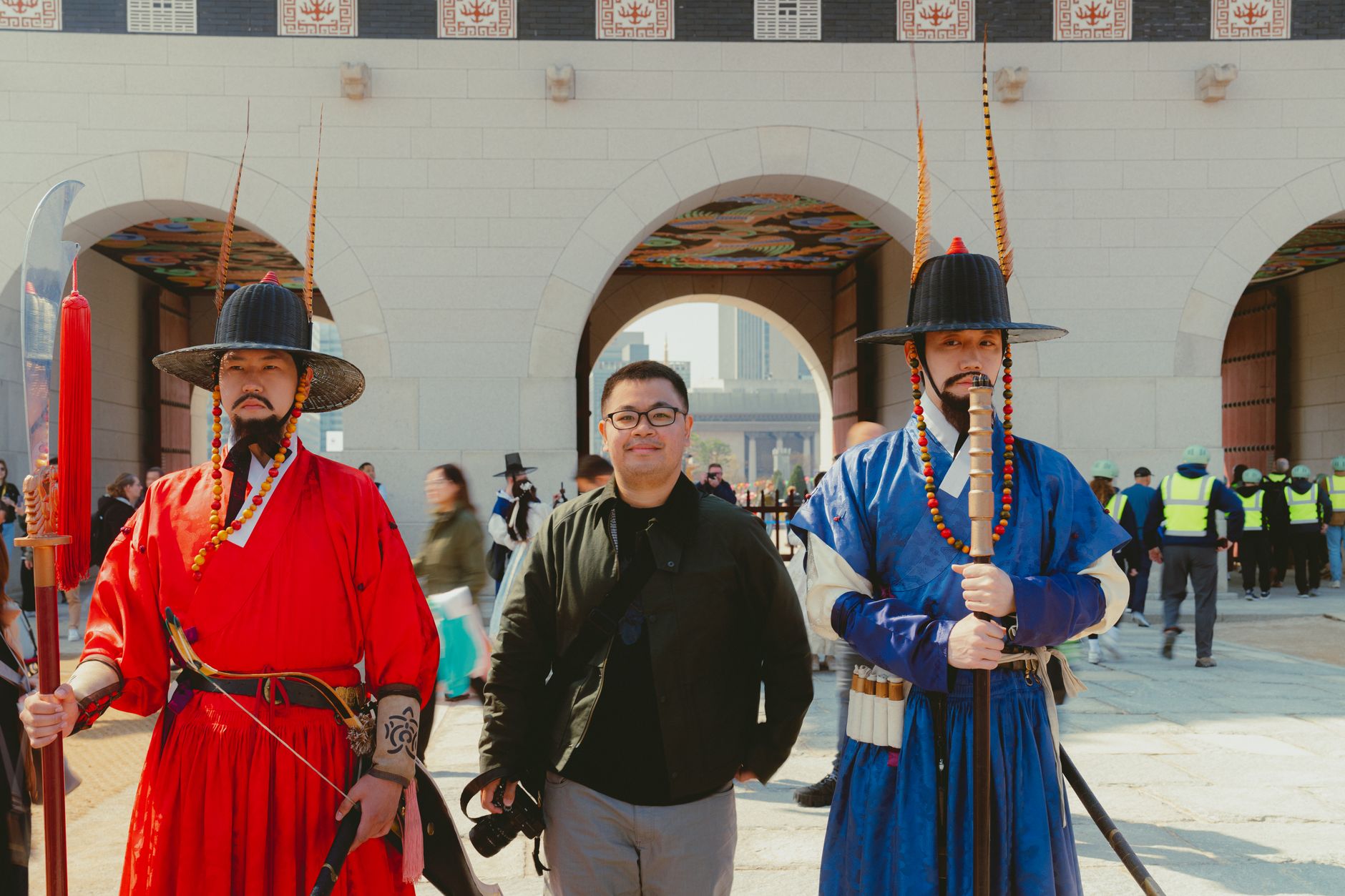
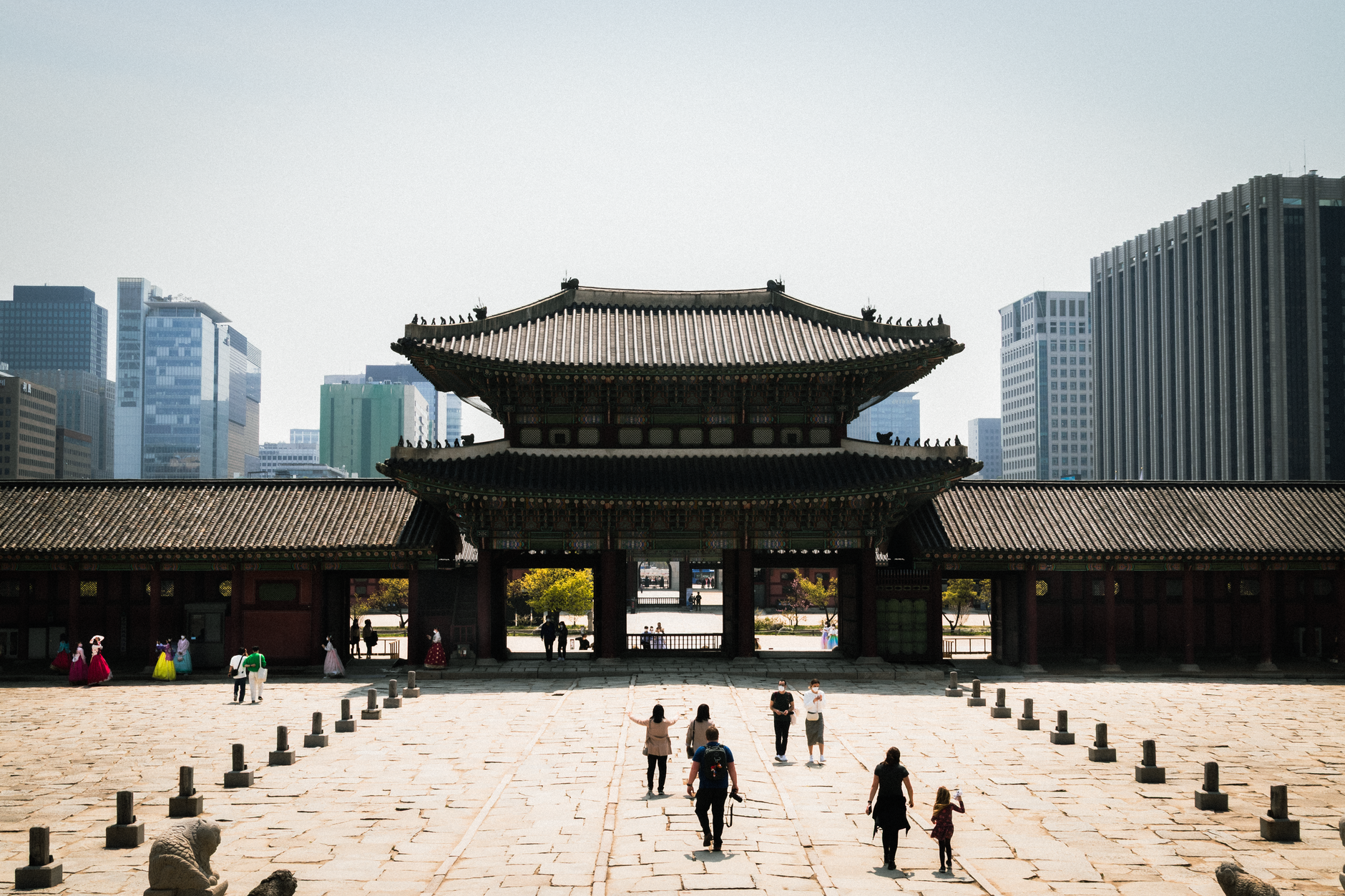
Andong sits in the inland mountains of North Gyeongsang Province, and it has spent centuries being left largely alone — which is most of the reason to go. The Nakdong River bends around the Hahoe Folk Village, where the Ryu family has lived in the same thatched and tile-roofed houses for over 600 years. Masks hang on walls, shamanistic dance dramas still run on weekends, and a paper phoenix, according to legend, chose the spot where Bongjeongsa Temple now stands.
This is Confucian Korea at its most intact. The scholar Yi Hwang retired here in the sixteenth century and founded Dosan Seowon academy, and the weight of that intellectual tradition is still present in the landscape — in the sober wooden architecture, the river-valley quietness, the sense that the place has always taken itself seriously.
How Andong came to be
Andong's recorded history begins around 1 BC with the Jinhan people, who called the settlement Gochang. The Silla kingdom absorbed it during the Three Kingdoms period, but the city's modern identity was shaped by a single battle: in 930, the Goryeo commander Wanggeon defeated the Hubaekje forces here and renamed the city Andong — 'pacify the east.'
When the Joseon dynasty rose to power, Andong became a crucible of Korean Confucianism. The scholar Yi Hwang (1501–1570), known by his pen name Toegye, was born here and returned late in life to establish Dosan Seowon academy, whose influence on Joseon governance outlasted him by centuries. His face still appears on the 1,000-won note.
Who and what shaped it
People who shaped it
Landmark buildings
See Andong in motion
Plan your visit
On the map
When to go
Spring (April–May) and autumn (September–October) bring clear skies and the kind of light that suits old wooden architecture. Summers are hot and humid with monsoon rain in July; winters are cold and dry, with shorter visiting hours at Hahoe Village.
Right now
Background & history adapted from Wikipedia (CC BY-SA) · specs from Wikidata (CC0) · weather from Open-Meteo · map data © OpenStreetMap contributors · photos from Wikimedia Commons / Unsplash with per-image credit. No third-party reviews or social posts reproduced.