
Samoa
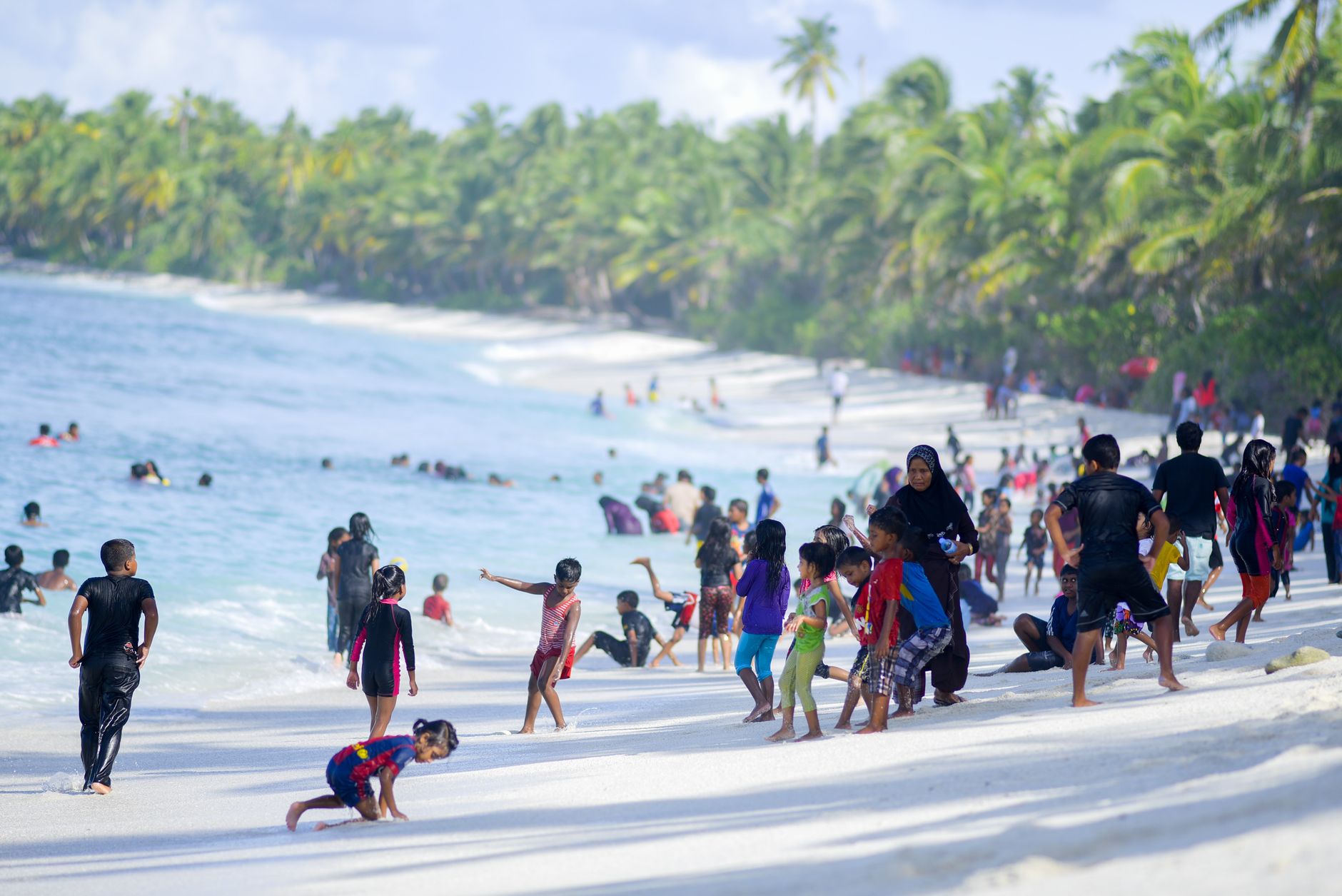
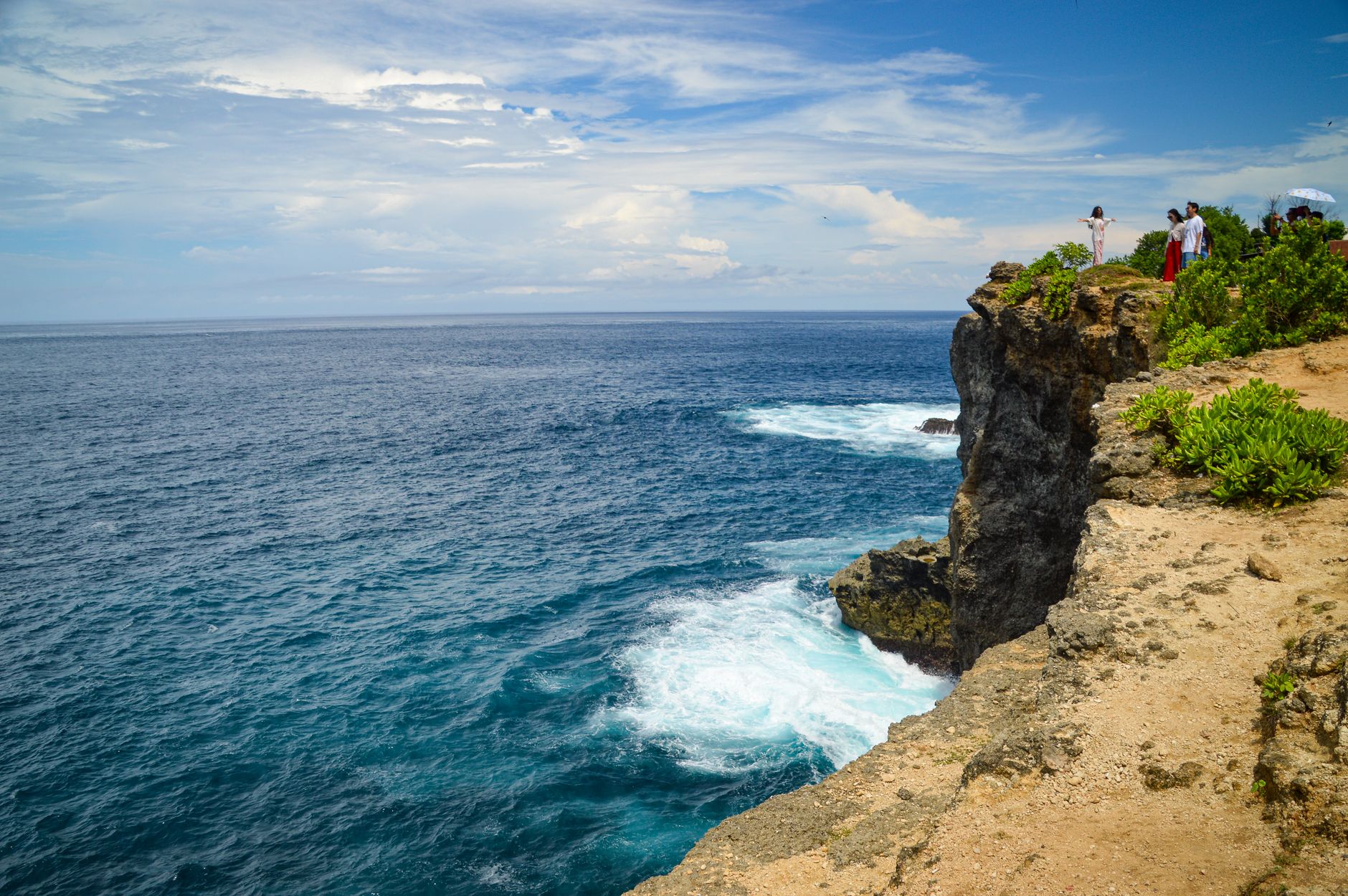
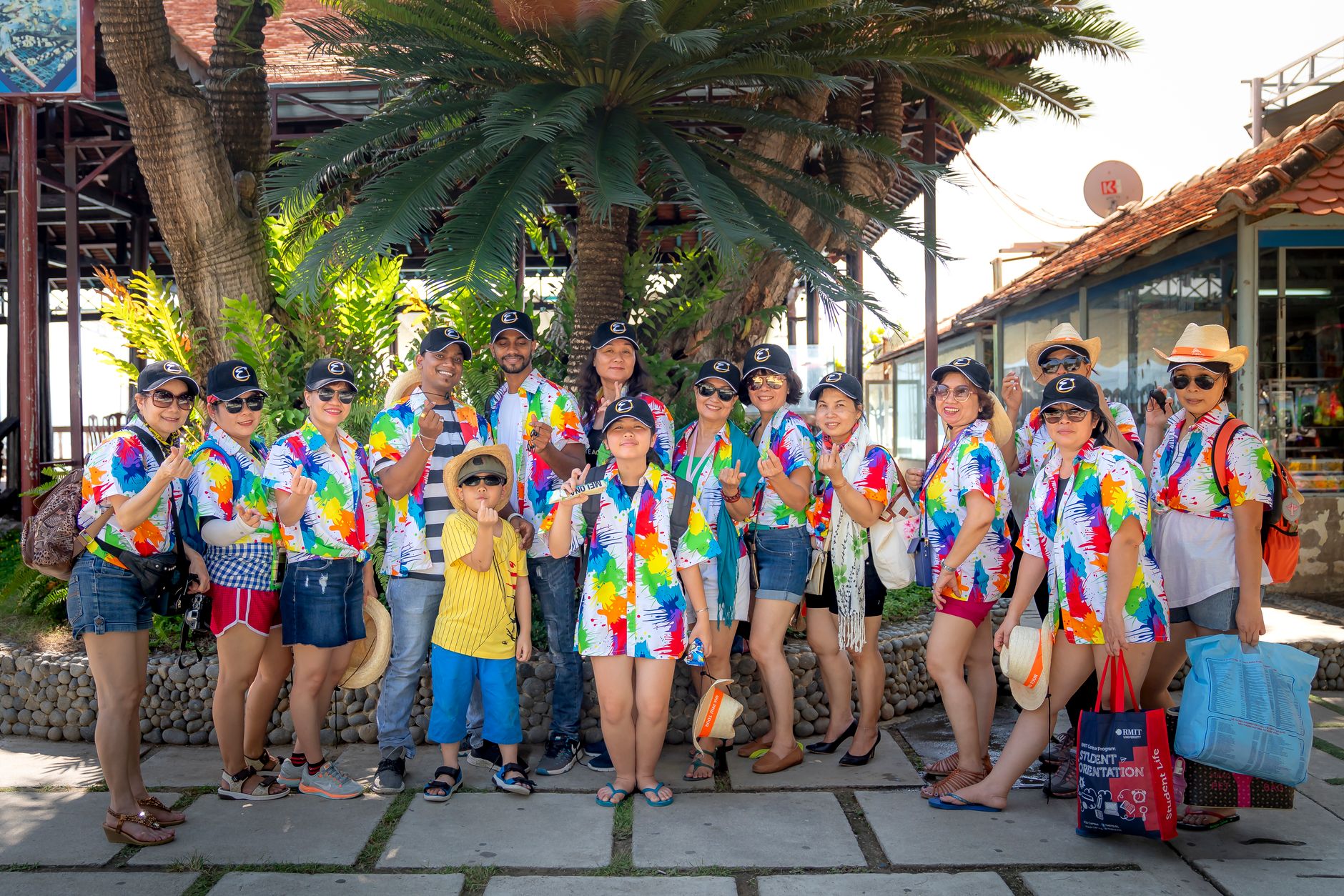
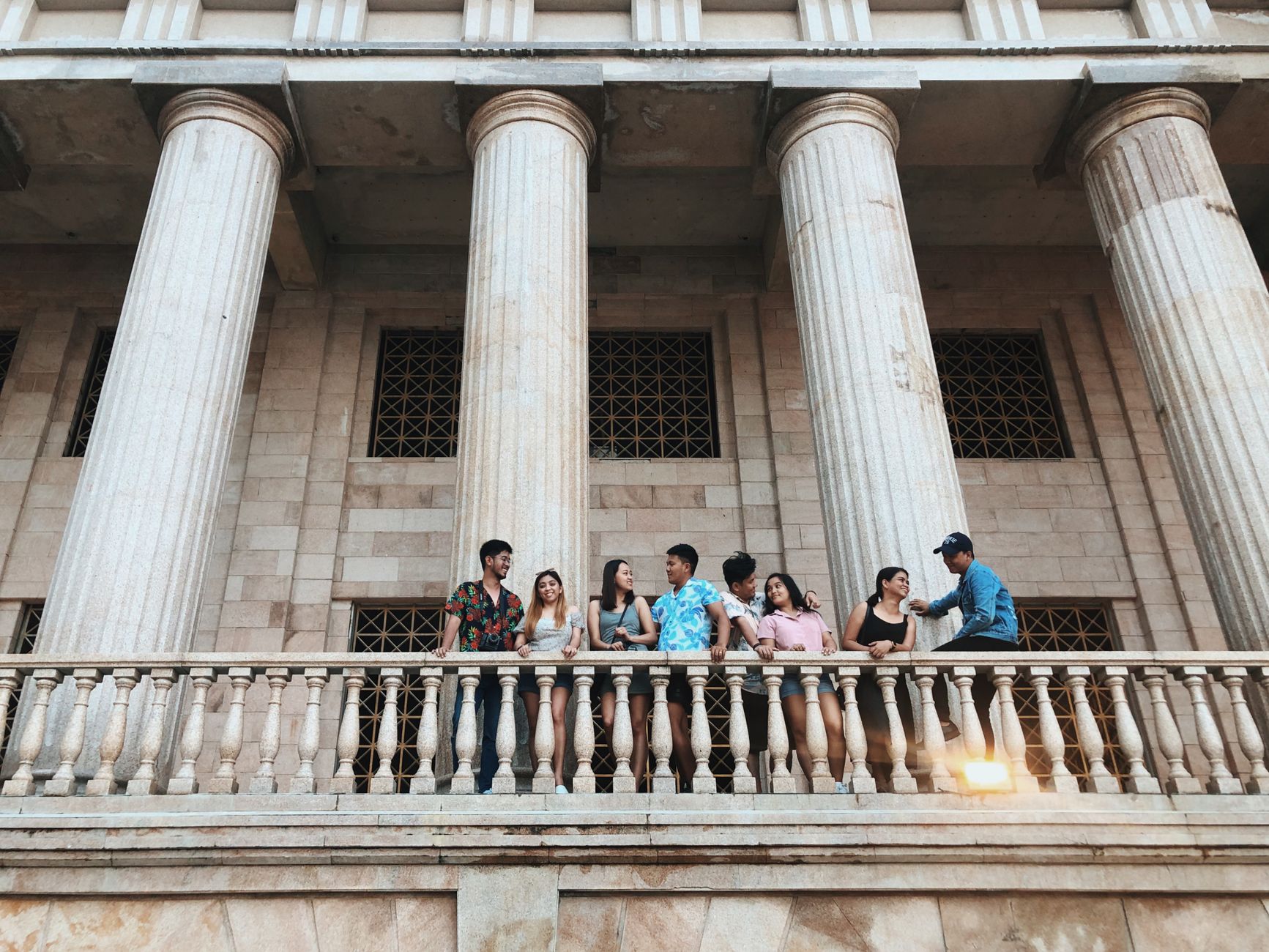
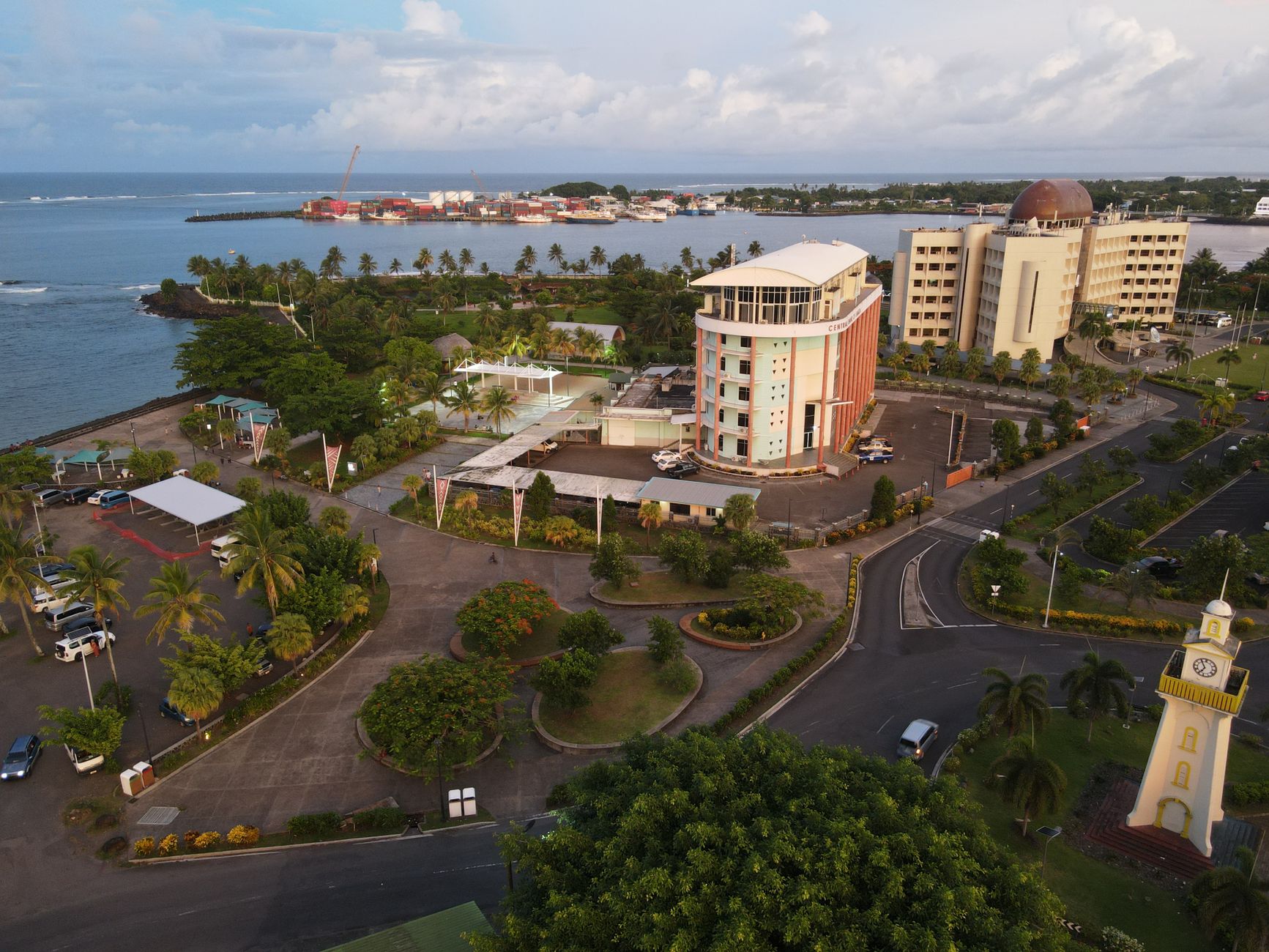
Samoa is where the Polynesian world slows down on its own terms. The two main islands — Upolu and Savai'i — run on a rhythm set by the church bell, the communal fale open to every breeze, and the ferry crossing that connects them in under ninety minutes. Apia, the capital, holds the Mulivai Cathedral and the old German colonial Tivoli Hotel within a few streets of each other, a small city where the nineteenth century hasn't been entirely paved over.
Bougainville called it the Navigator Islands in 1768, and the name still makes sense: the sea is everywhere, and getting between places is half the experience. On Savai'i, Mt Silisili rises to 1,858 metres through unbroken rainforest, and O le Pupu Pue — the first national park declared anywhere in the South Pacific — has been protected since 1978.
Deals in Samoa
Book directly at the provider
How Samoa came to be
People were living here between 900 and 1500 BCE, leaving Lapita pottery as evidence of one of the Pacific's earliest settlements. European contact brought a different kind of traffic: German colonial administration, then New Zealand control after World War I under a League of Nations mandate. The Mau a Pule resistance movement, led by the orator chief Lauaki Namulau'ulu Mamoe from 1908, pushed back against foreign rule decades before independence arrived.
On 1 January 1962, Western Samoa became the first Polynesian nation to achieve sovereignty in the twentieth century, with Fiamē Mataʻafa Faumuina Mulinuʻu II as its first prime minister. The word 'Western' was dropped by act of the Legislative Assembly on 4 July 1997 — the country simply became Samoa.
Who and what shaped it
People who shaped it
Landmark buildings
See Samoa in motion
Plan your visit
On the map
When to go
Temperatures sit between 24 and 30°C year-round with little variation, but the dry season from May to October brings lower humidity and more reliable skies. The wet season, November through April, can bring heavy rain and the occasional cyclone.
Right now
Background & history adapted from Wikipedia (CC BY-SA) · specs from Wikidata (CC0) · weather from Open-Meteo · map data © OpenStreetMap contributors · photos from Wikimedia Commons / Unsplash with per-image credit. No third-party reviews or social posts reproduced.