
Netherlands
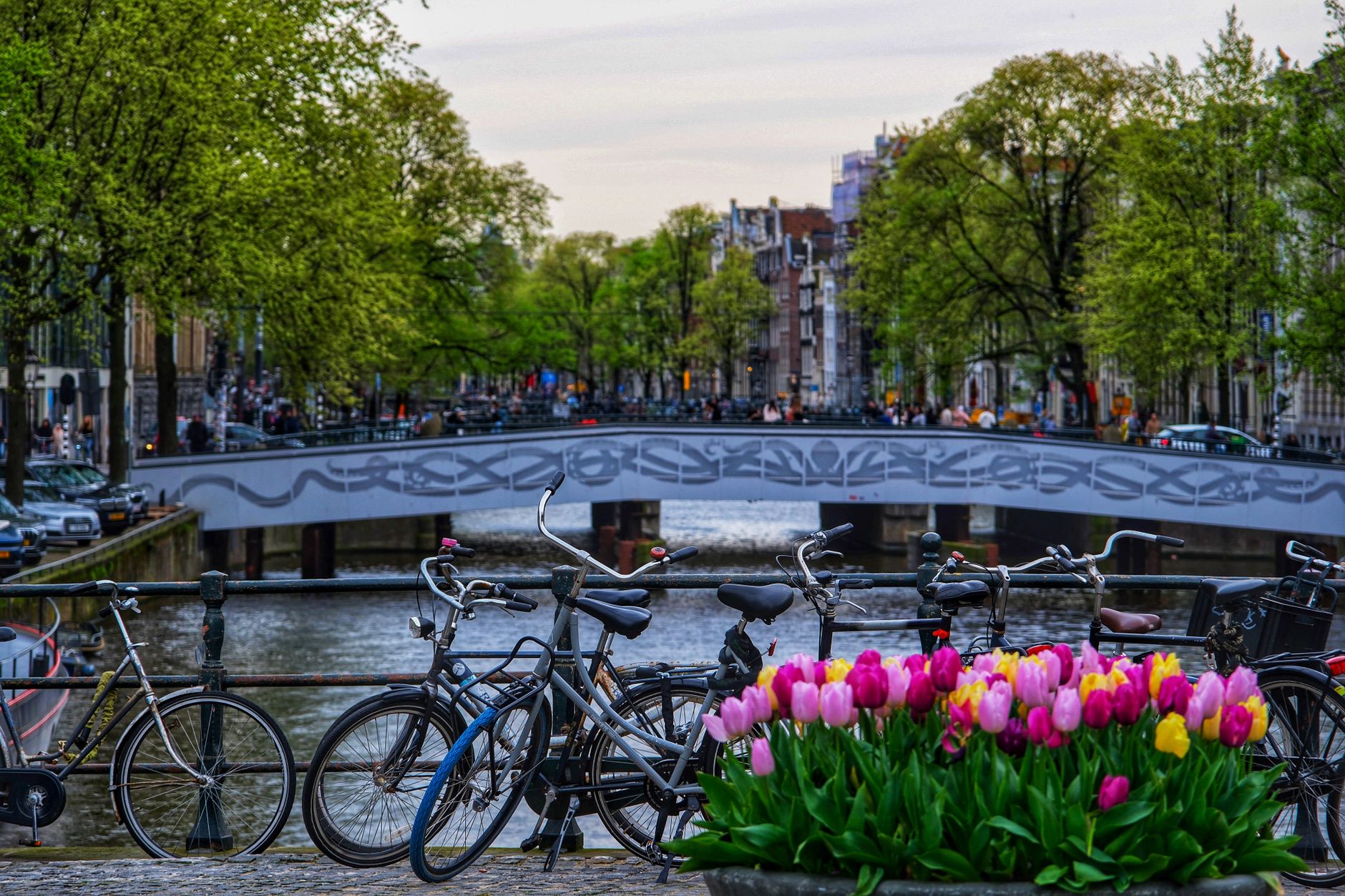
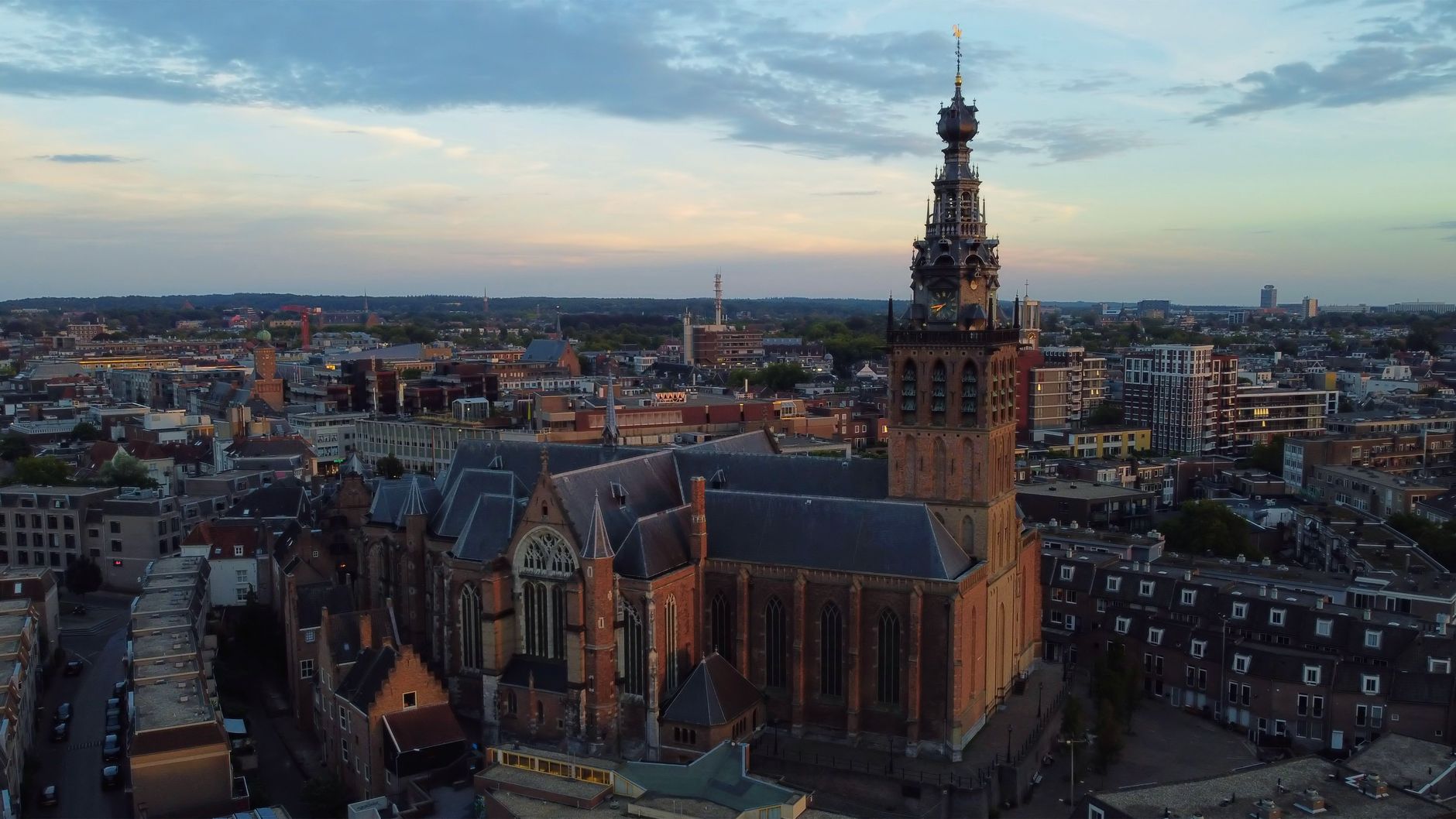
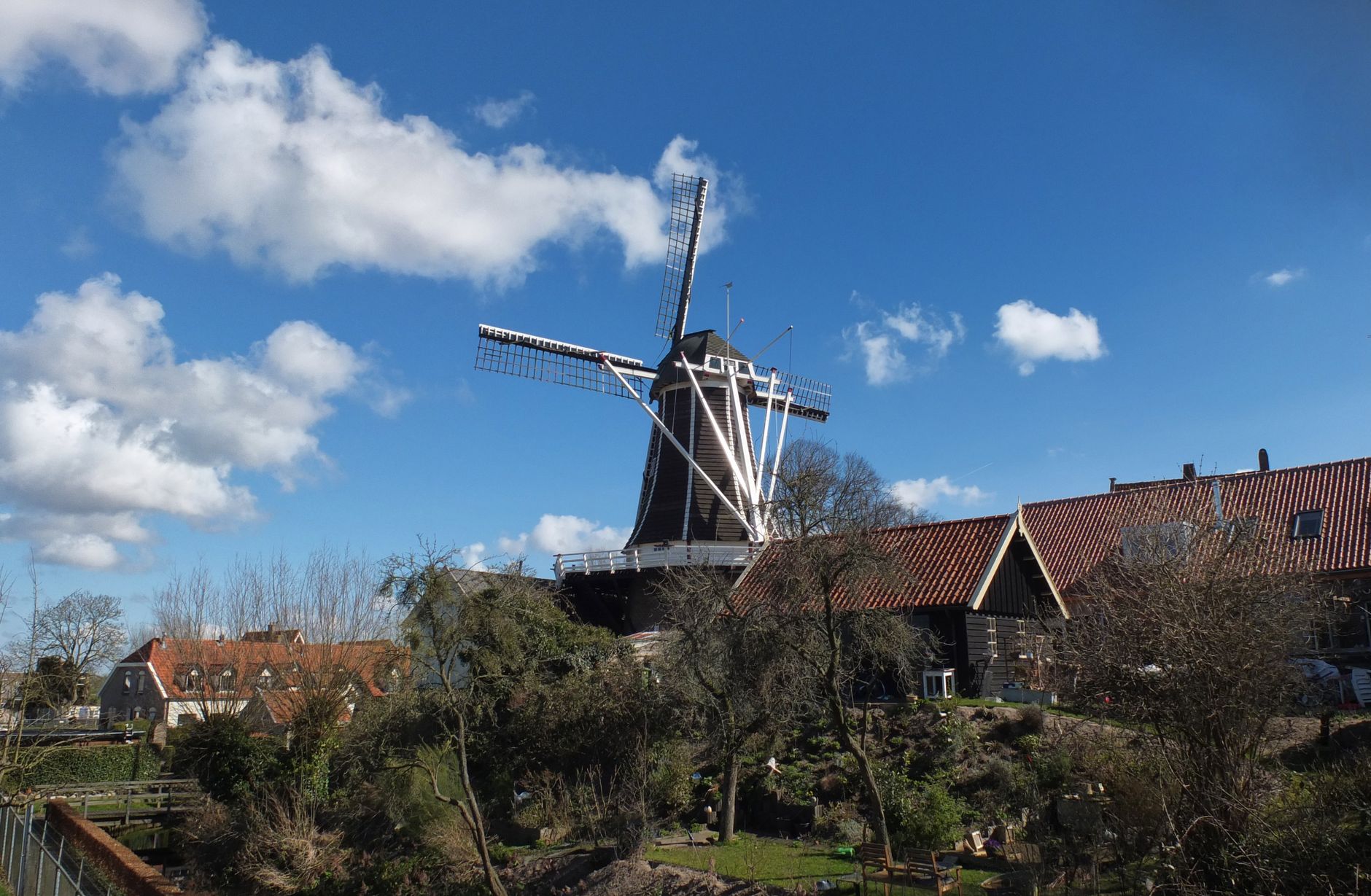
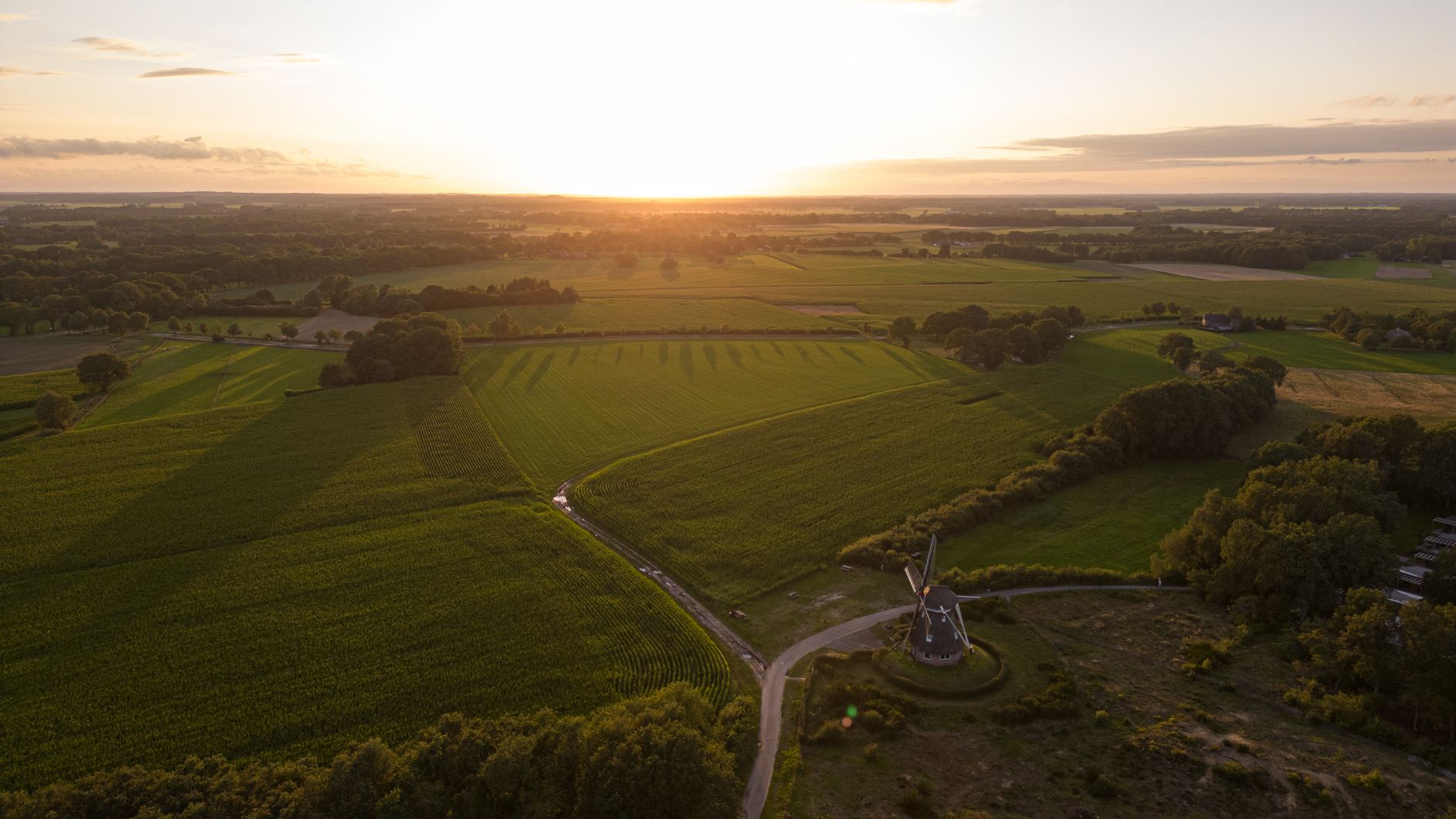
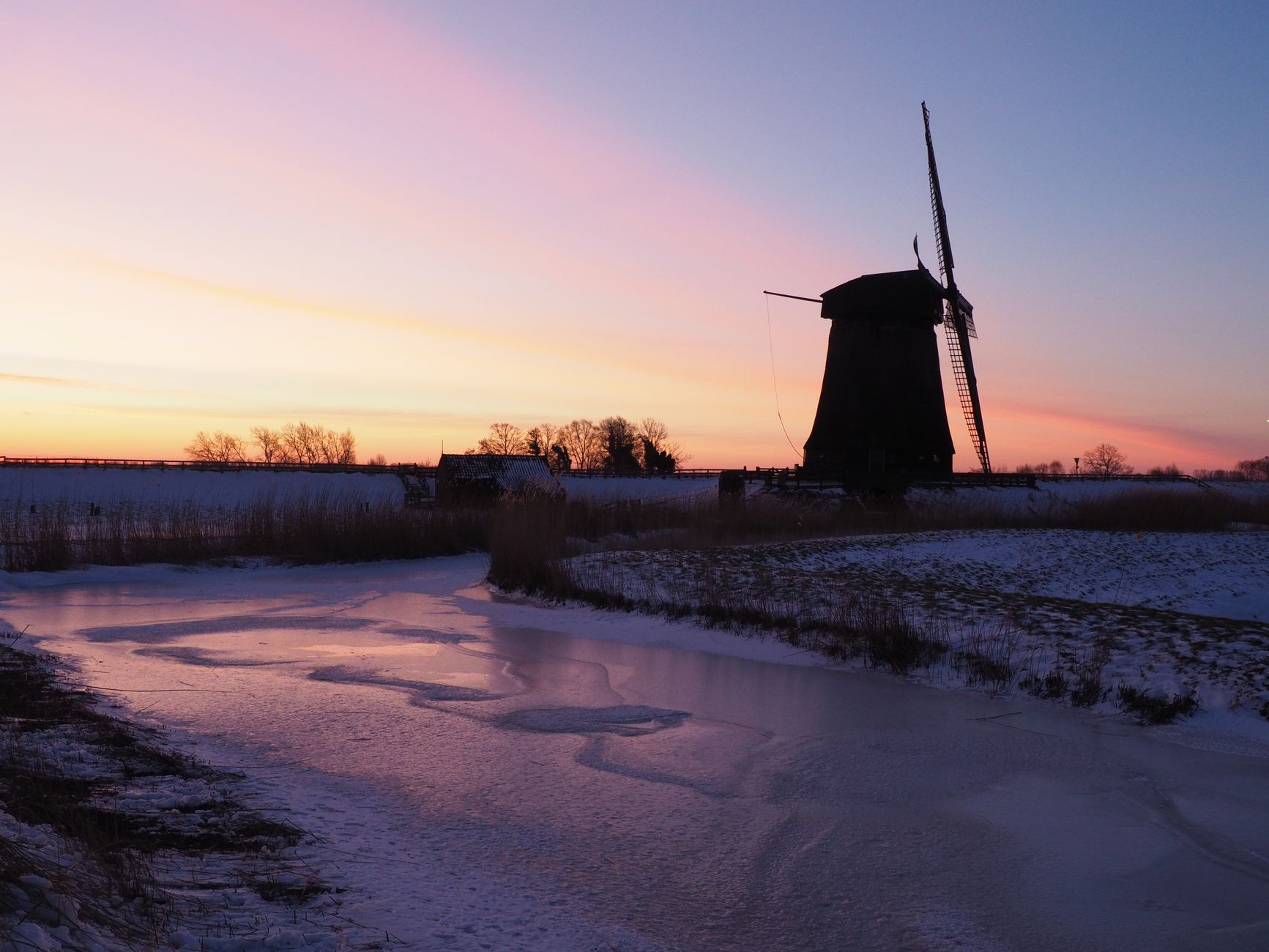
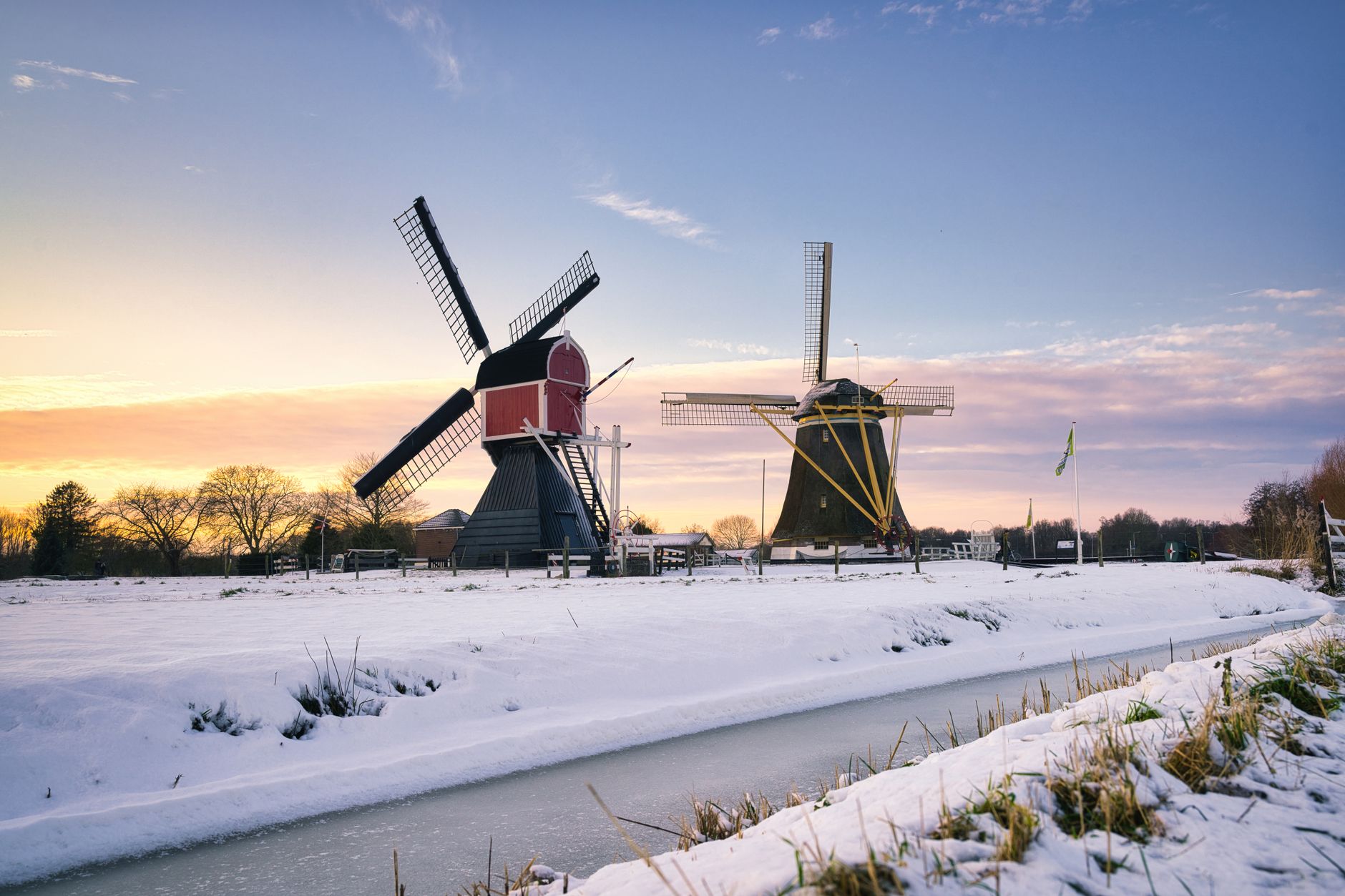
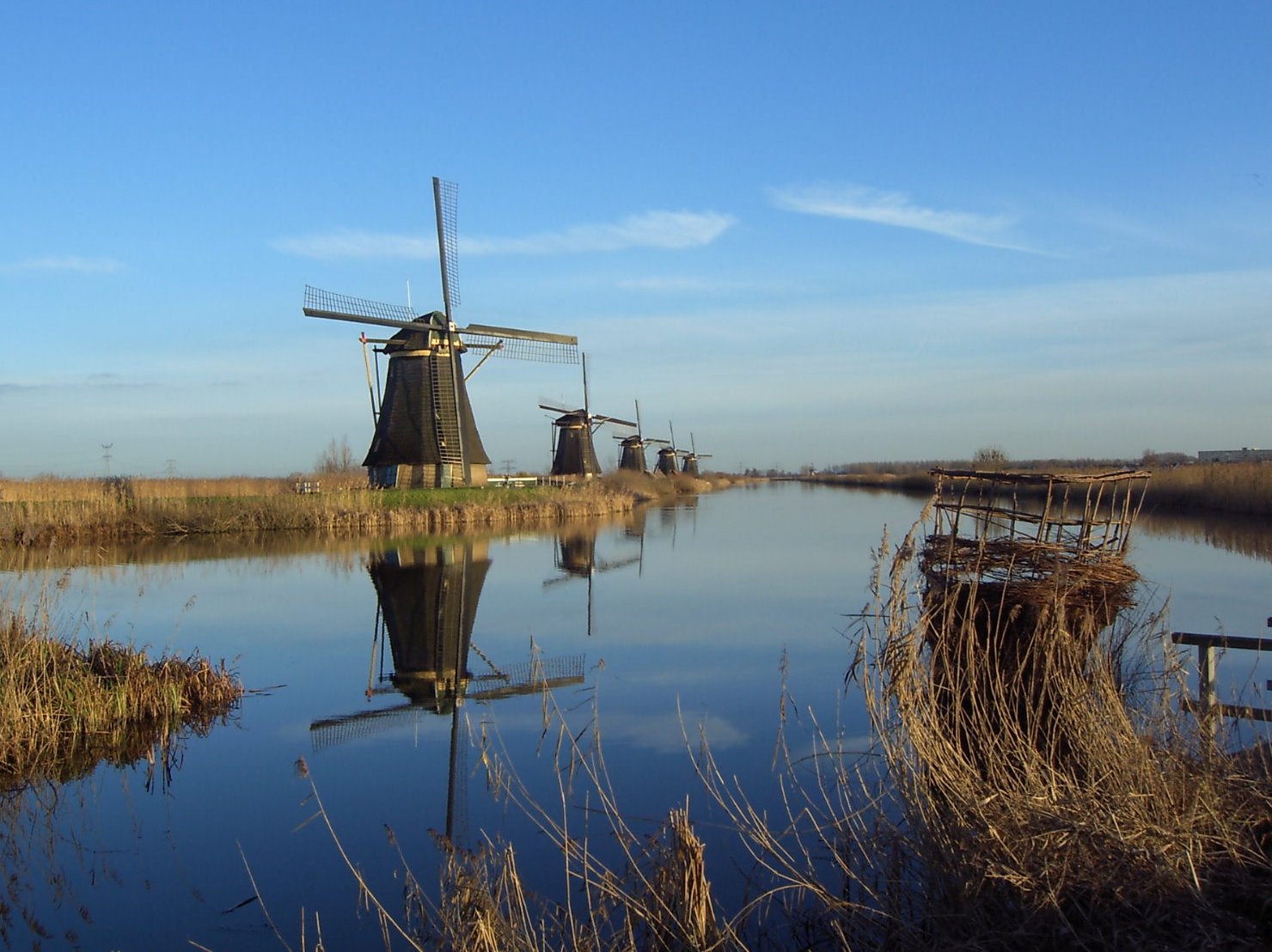
The Netherlands is a country built on an argument with water — and won, mostly. A third of the land sits below sea level, held back by an intricate system of dikes, pumping stations and sheer collective will that has been refined over centuries. That particular relationship with geography shapes everything here: the flatness that makes cycling the obvious mode of transport, the wide skies that gave the Golden Age painters their famously diffuse light, the pragmatic civic culture that comes from knowing your neighbour's cooperation is, literally, keeping you dry.
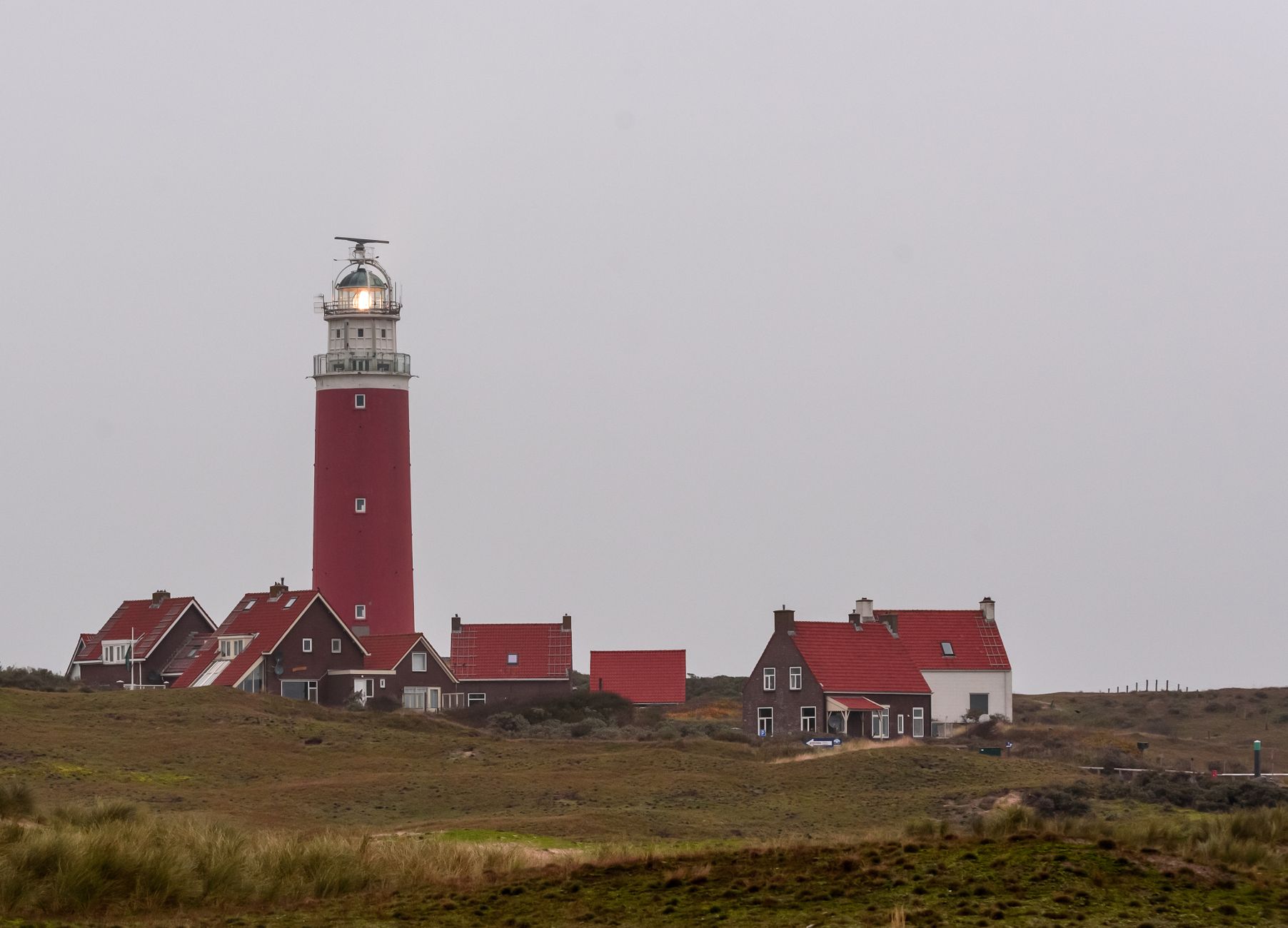
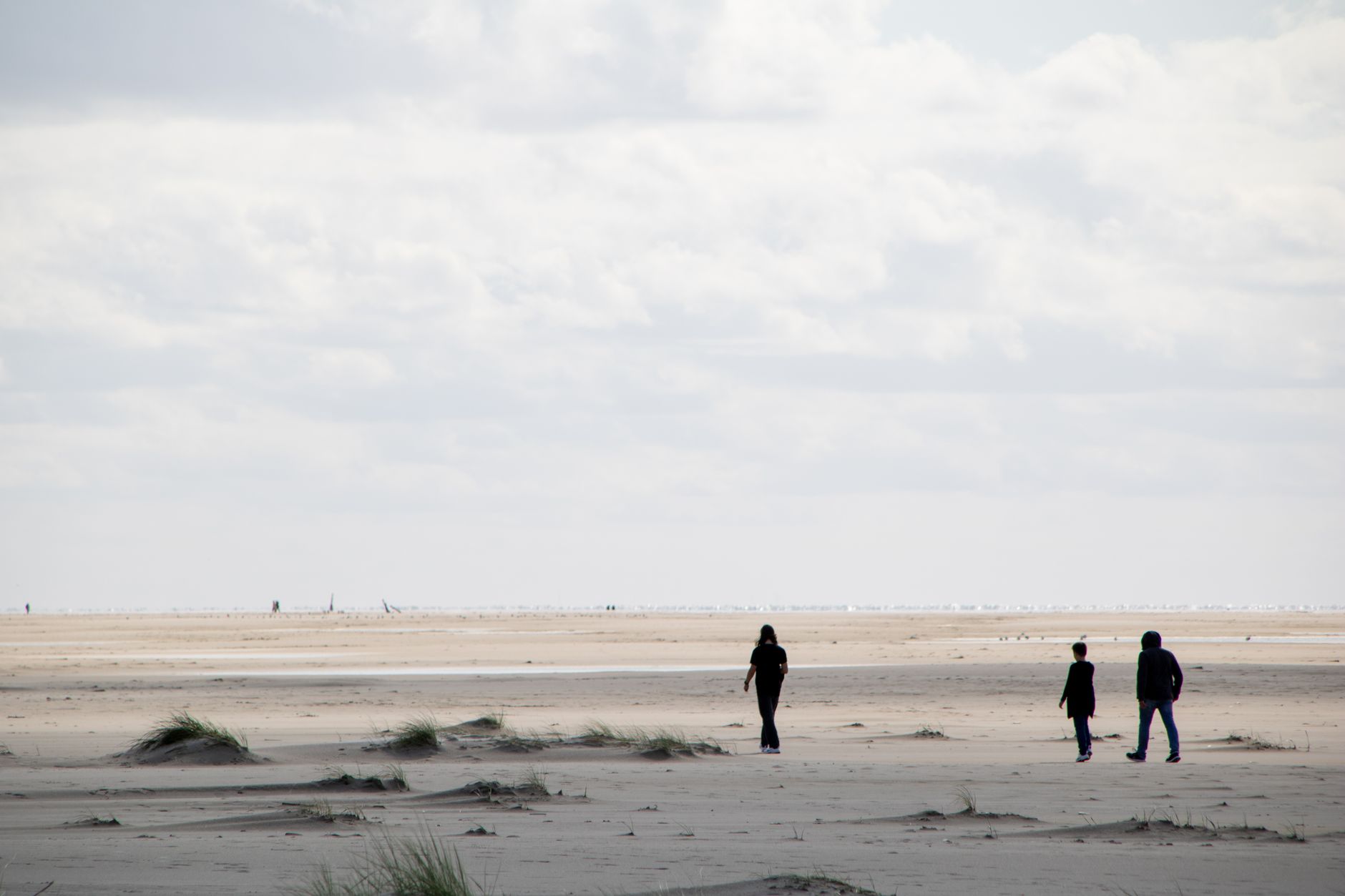
At country scale, the Netherlands rewards slow movement. The western Randstad — Amsterdam, Rotterdam, The Hague, Utrecht — concentrates most of the population and nearly all the international attention, but the quieter provinces to the north and east carry a different texture: Frisian islands with shifting dunes, medieval market towns, and a rural pace that the capital rarely allows.
Popular regions in Netherlands
💛 What travellers fall for
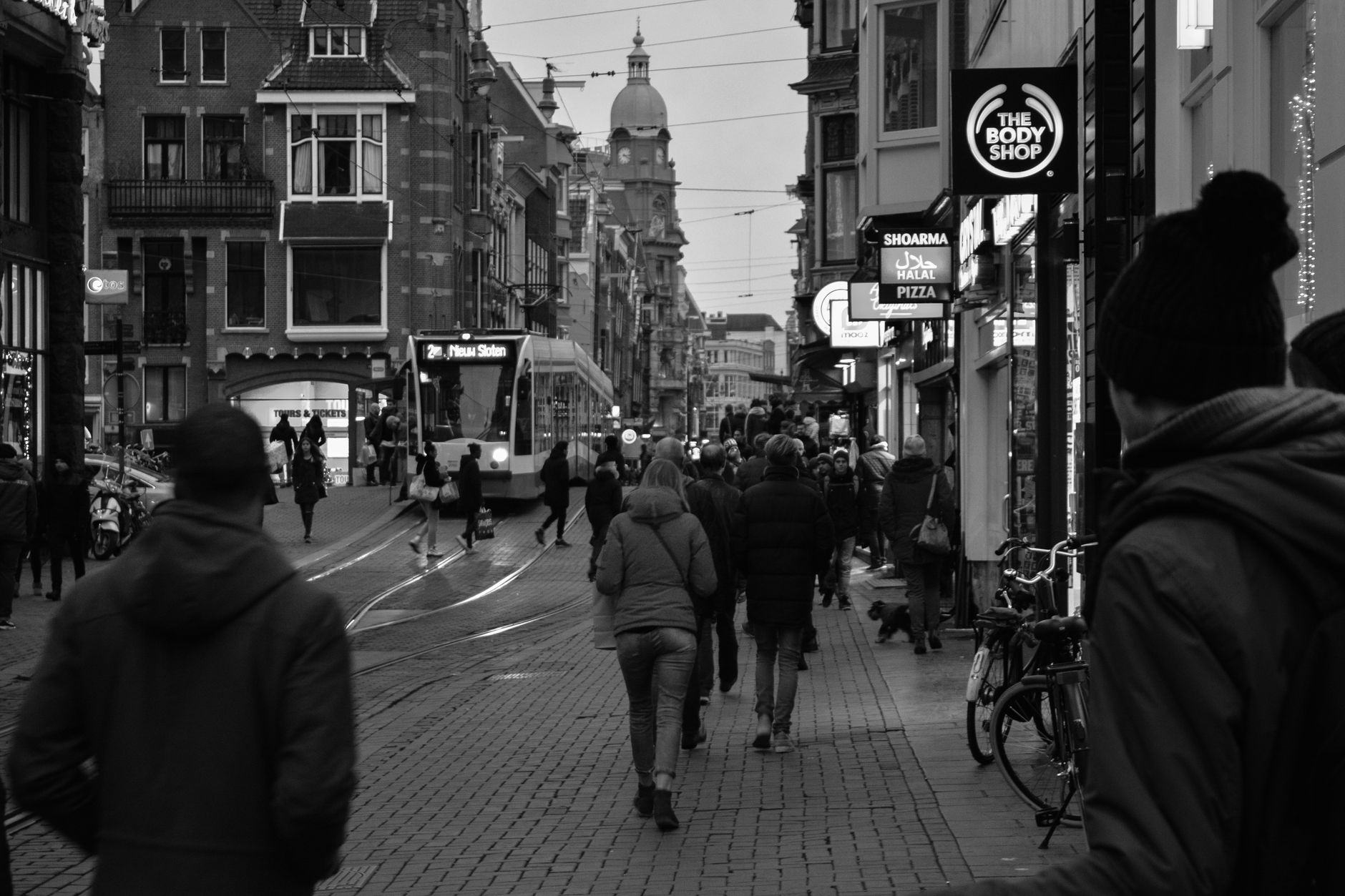
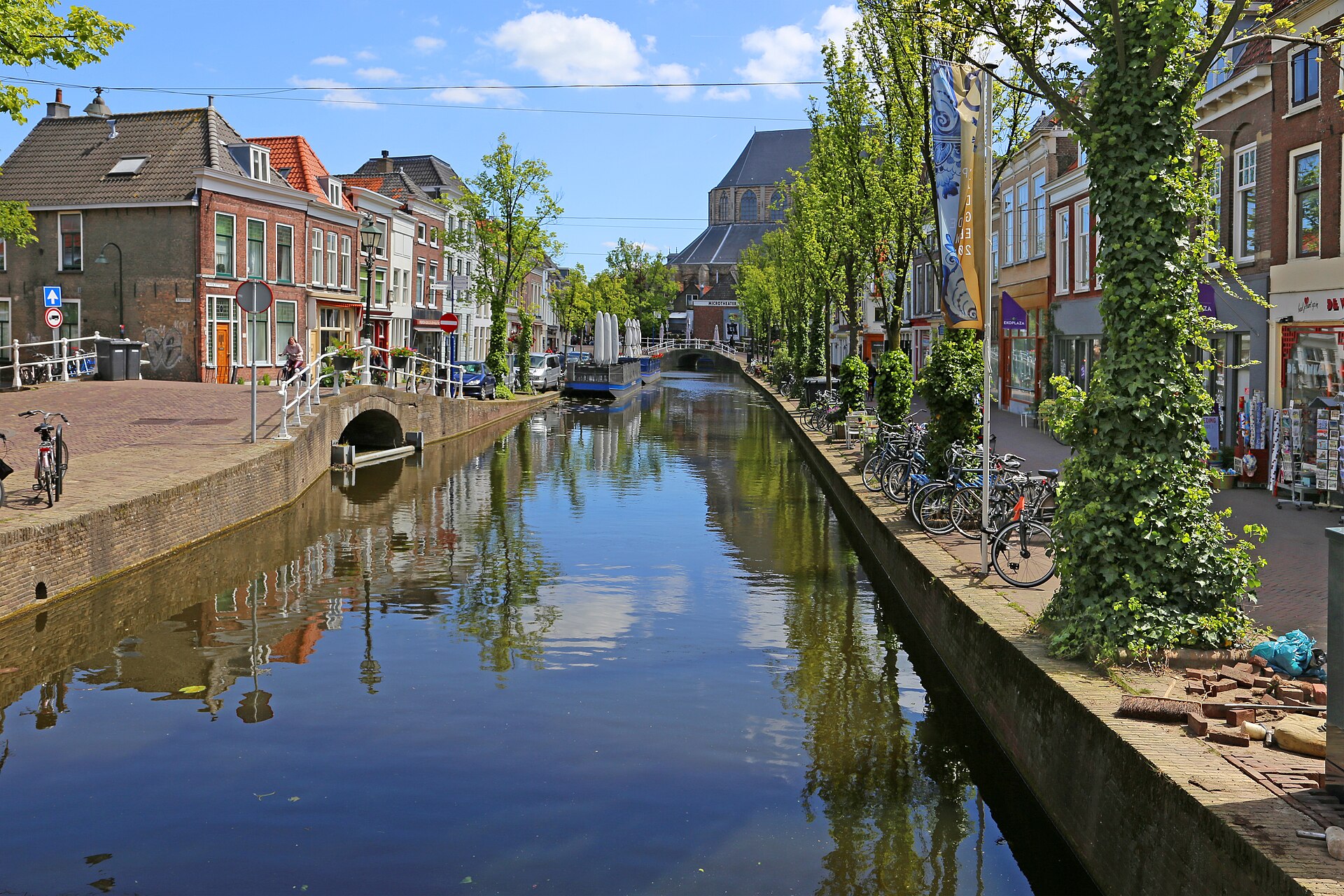
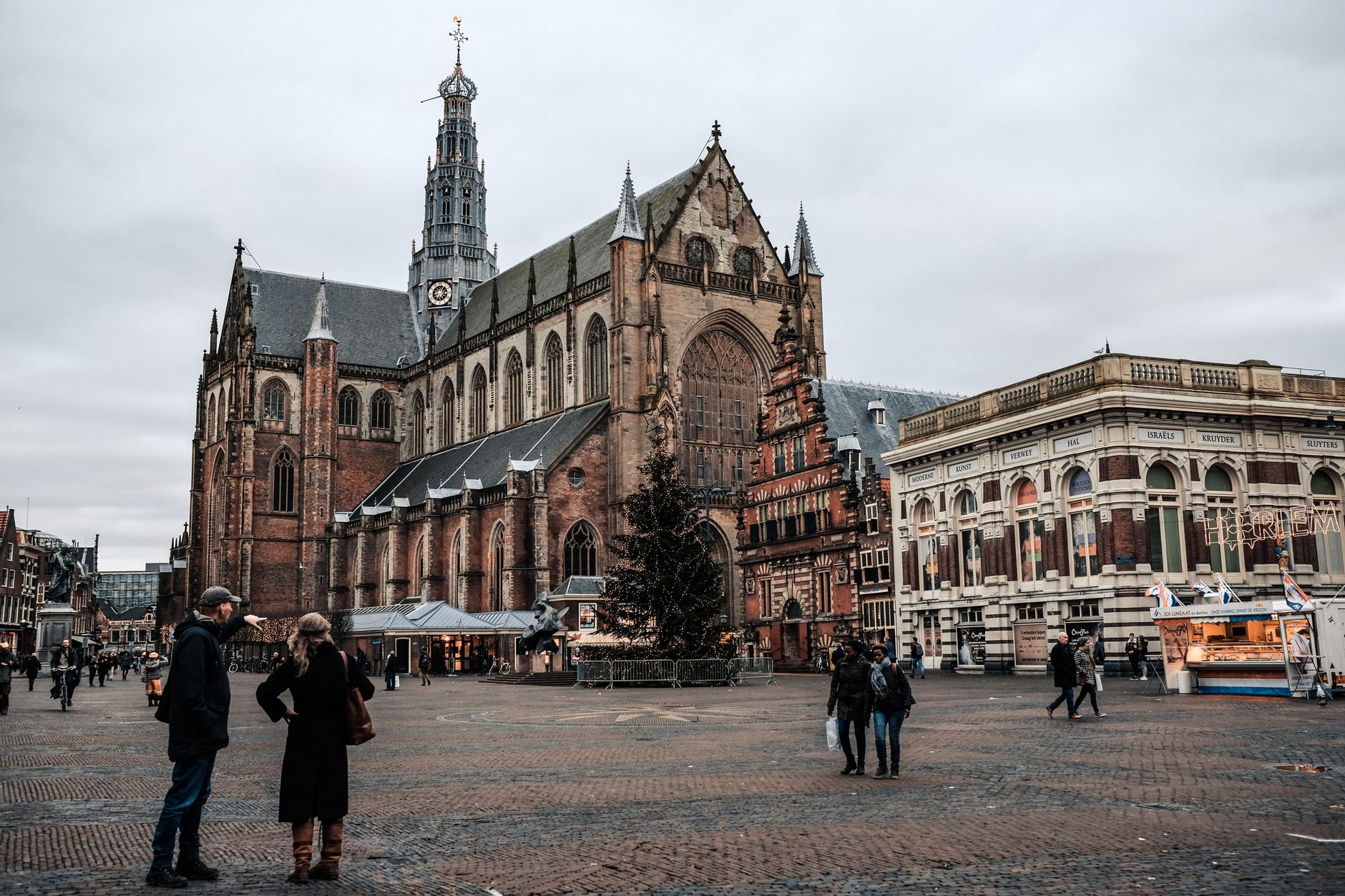
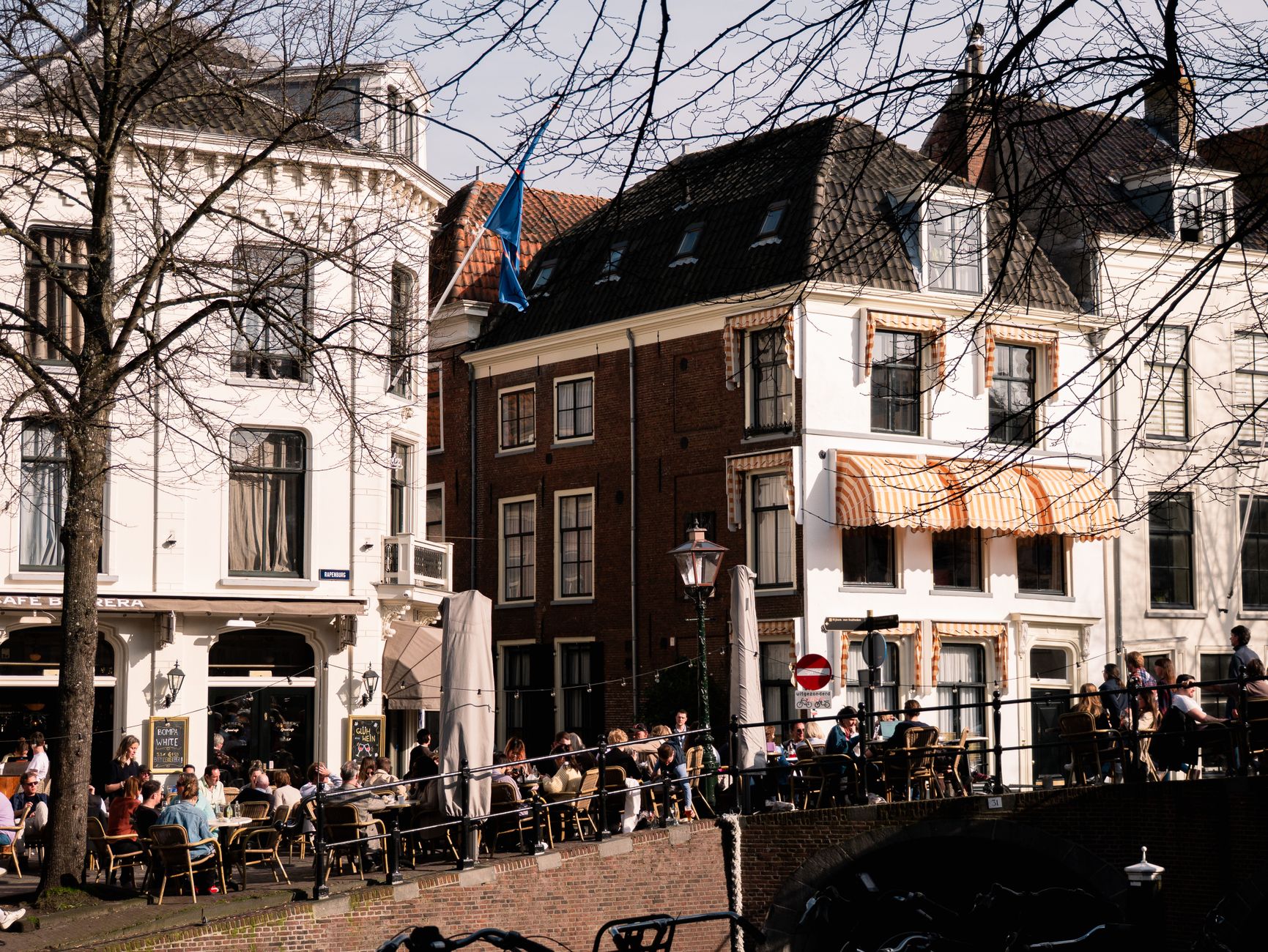
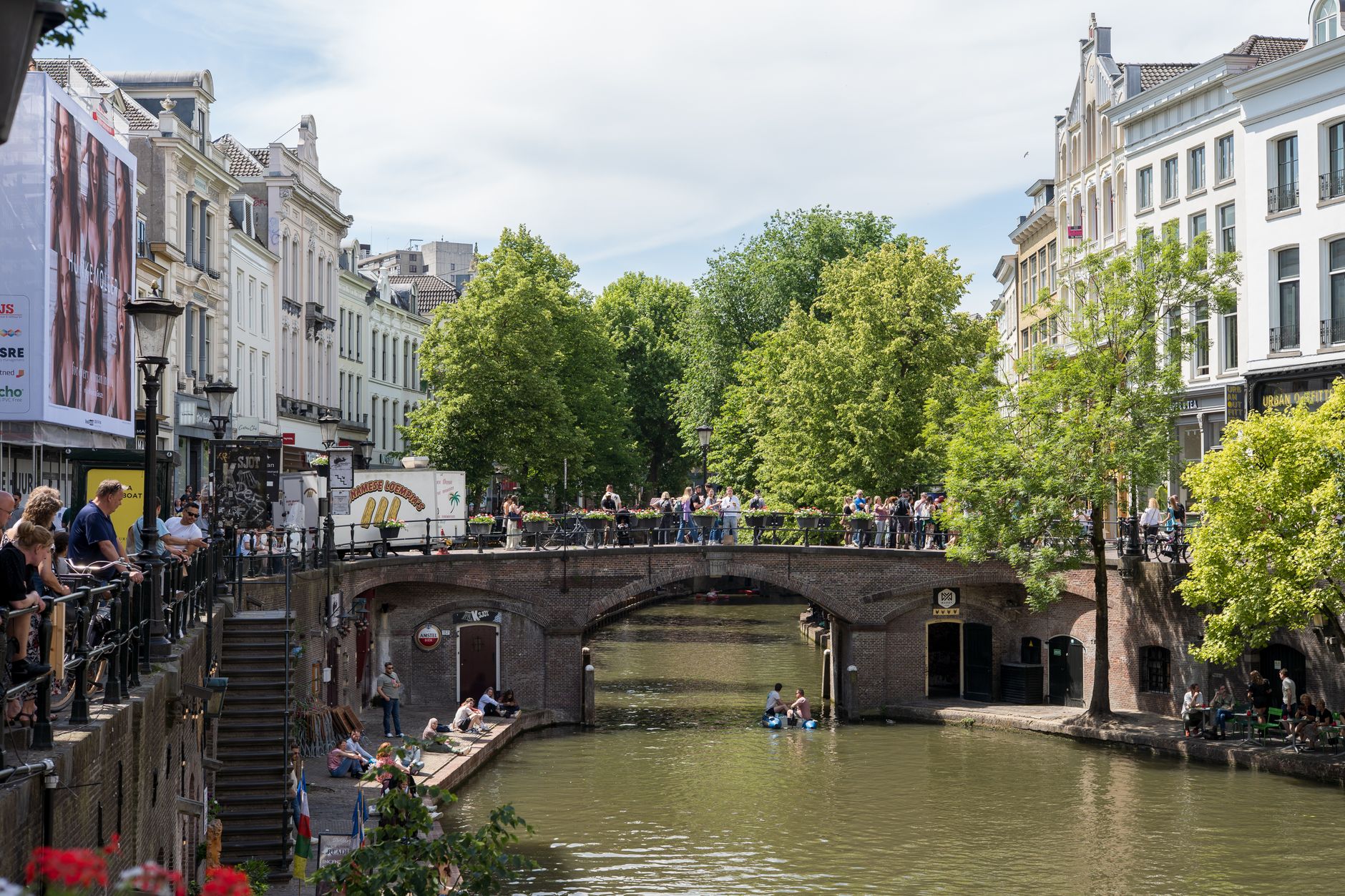
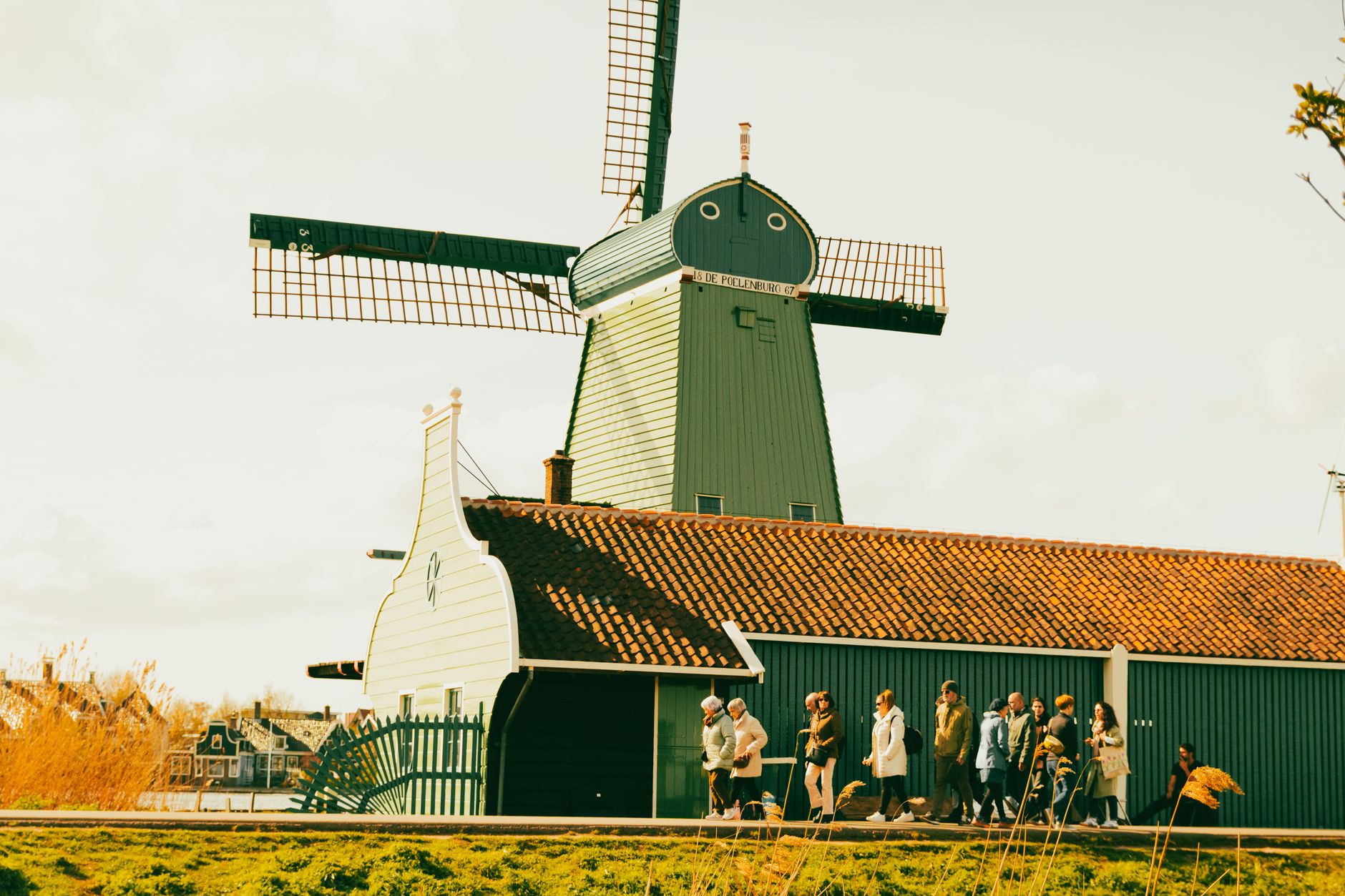
People who come back tend to leave Amsterdam earlier than planned. The consensus: rent a bike in a smaller city — Haarlem, Leiden, Delft — and use the train as your backbone. OV-chipkaart loaded at any station, cycling infrastructure that actually works, and canal-side café terraces that appear the moment March turns mild.
Deals in Netherlands
Book directly at the provider

How Netherlands came to be
The Low Countries were passed between Habsburg, Spanish and French control before the Dutch Republic emerged in the late sixteenth century as one of the world's first modern states — decentralised, merchant-driven and unusually tolerant by the standards of the age. The seventeenth century brought extraordinary wealth through the Dutch East India Company (VOC), funding the canal rings, the paintings and the civic architecture that still define the country's visual identity.
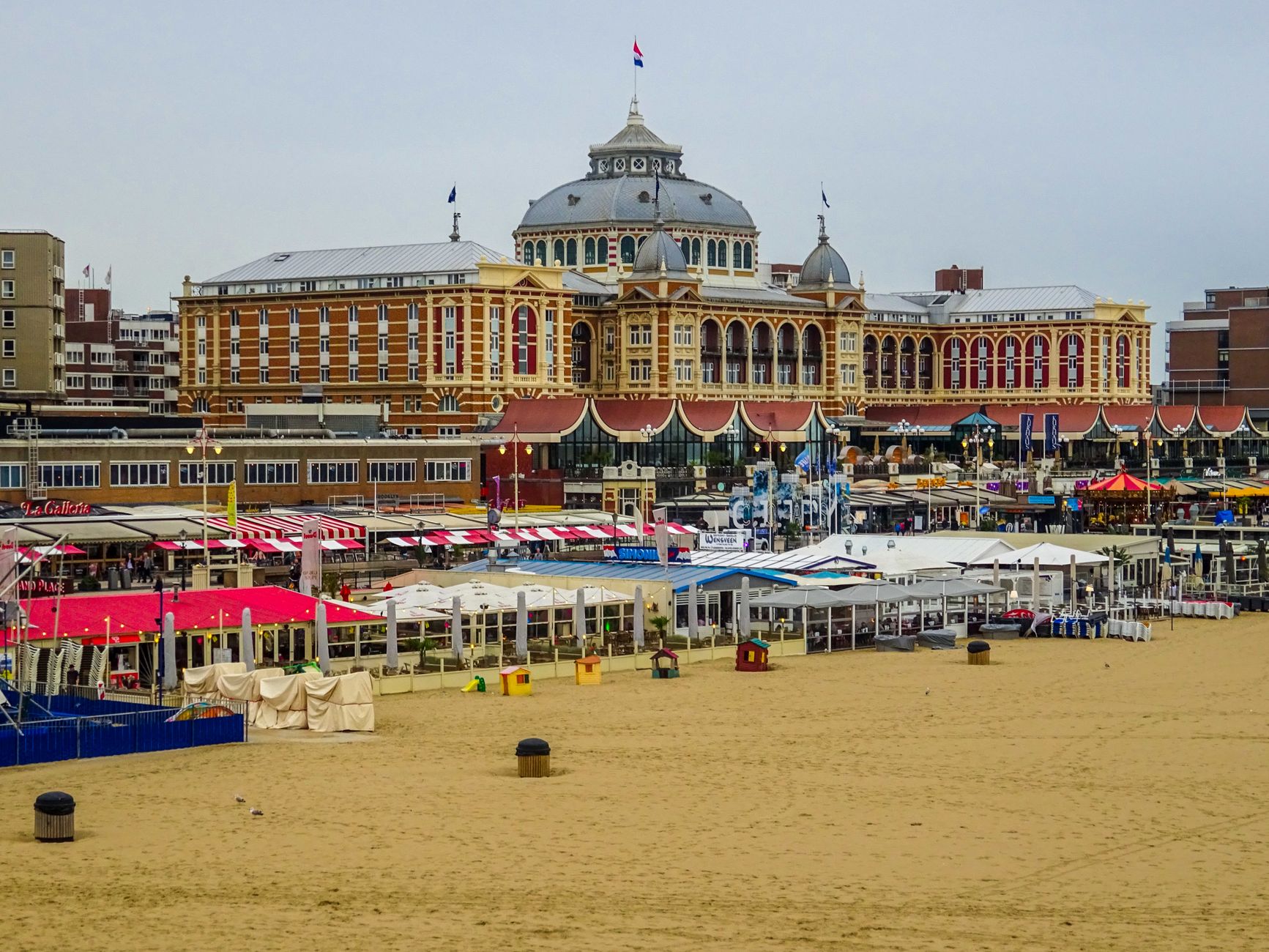
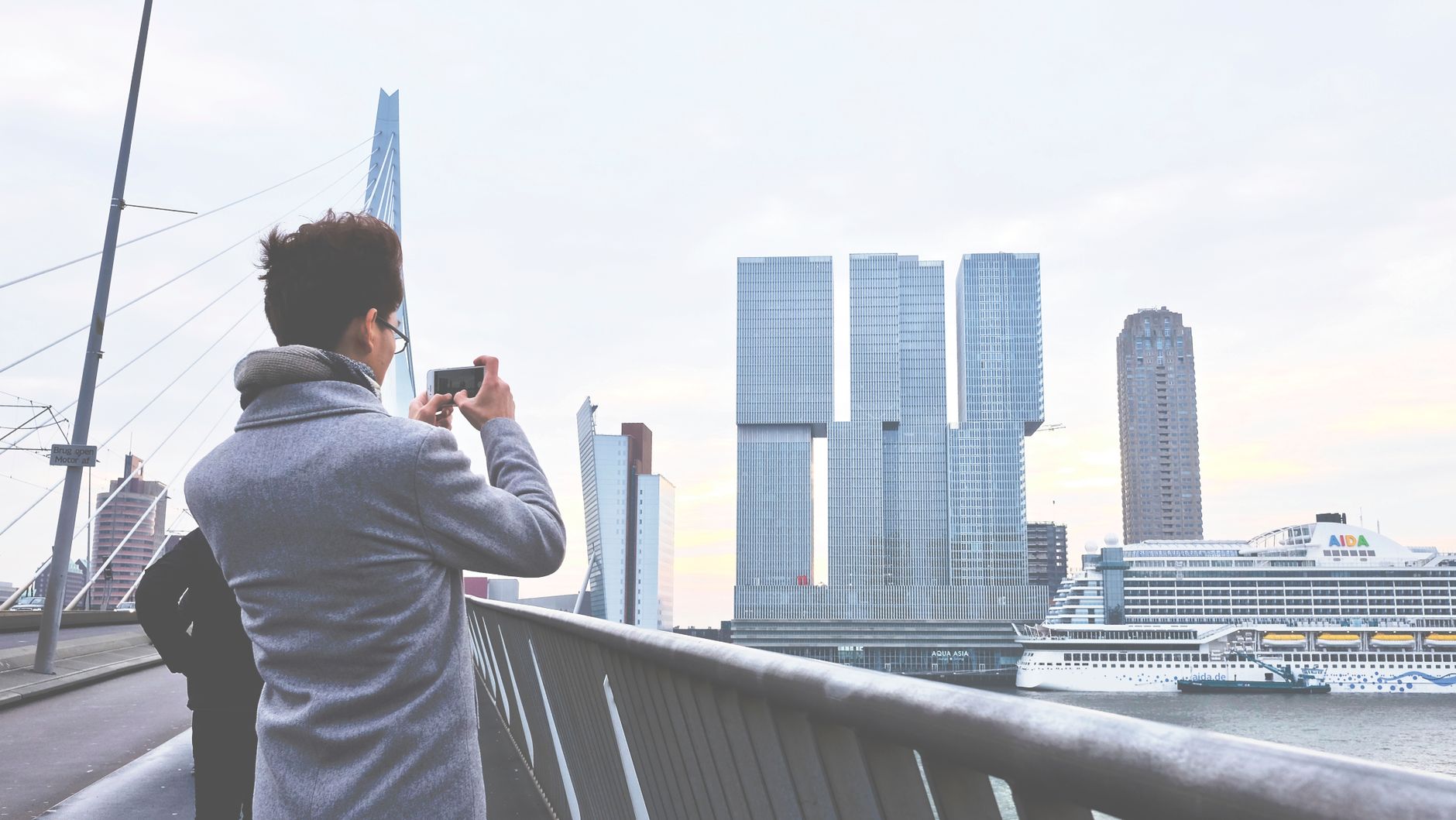
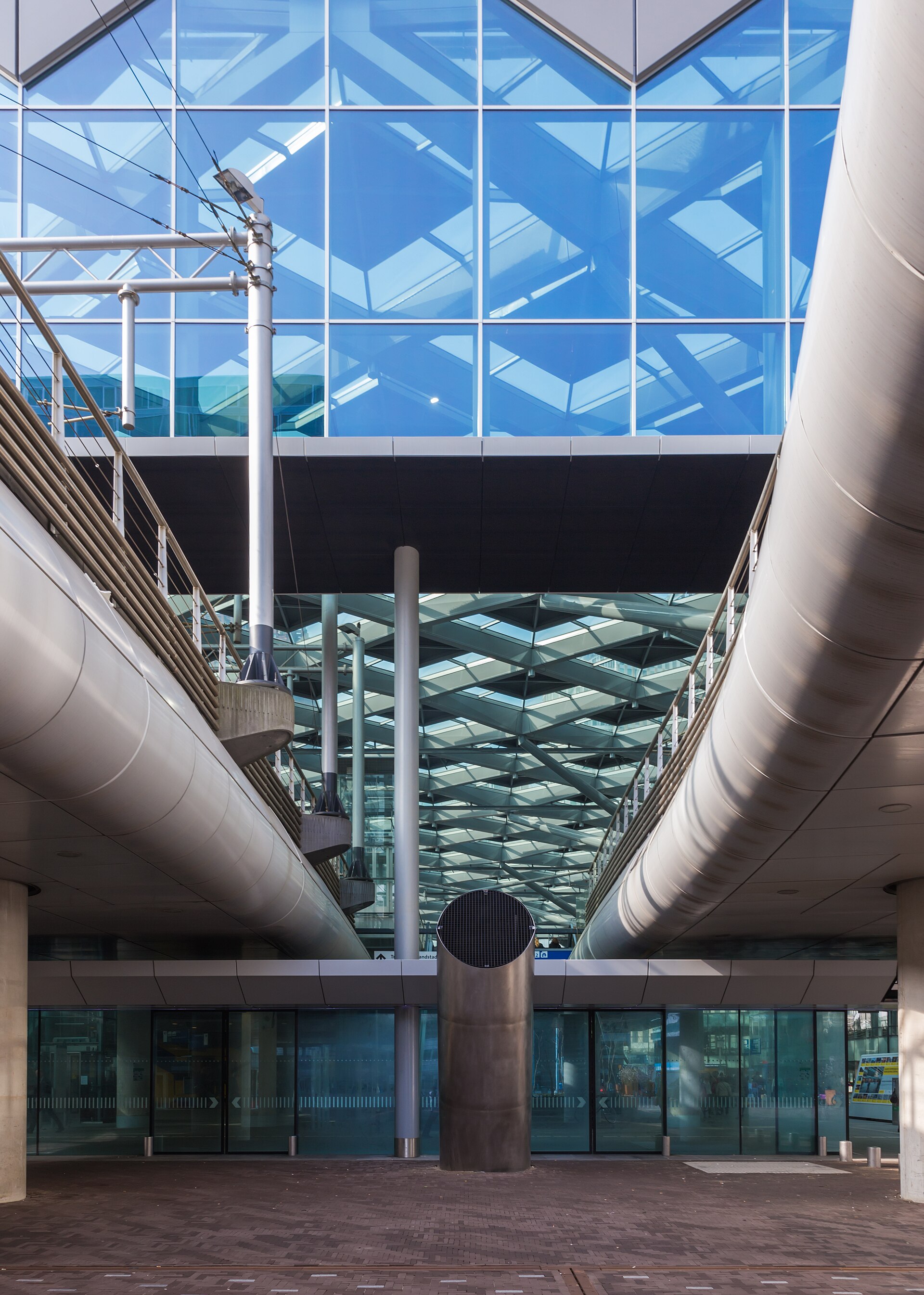
Napoleon folded the republic into France in 1810; after his defeat, the Kingdom of the Netherlands was established in 1815. The twentieth century brought German occupation from 1940 to 1945, a period whose weight is still felt in memorials, museums and public conversation. Post-war reconstruction — particularly in Rotterdam, bombed flat in 1940 — gave the country some of Europe's most ambitious modern architecture.
Who and what shaped it
Landmark buildings
See Netherlands in motion
Plan your visit
On the map
When to go
The Netherlands has a temperate maritime climate: mild, damp and changeable at any time of year. Summers rarely get hot, winters rarely get brutal, but grey skies and rain are a near-constant possibility — layers and a compact umbrella are useful in every season.
Right now
↡ Regions

No places match these filters.
Background & history adapted from Wikipedia (CC BY-SA) · specs from Wikidata (CC0) · weather from Open-Meteo · map data © OpenStreetMap contributors · photos from Wikimedia Commons / Unsplash with per-image credit. No third-party reviews or social posts reproduced.