
Keukenhof
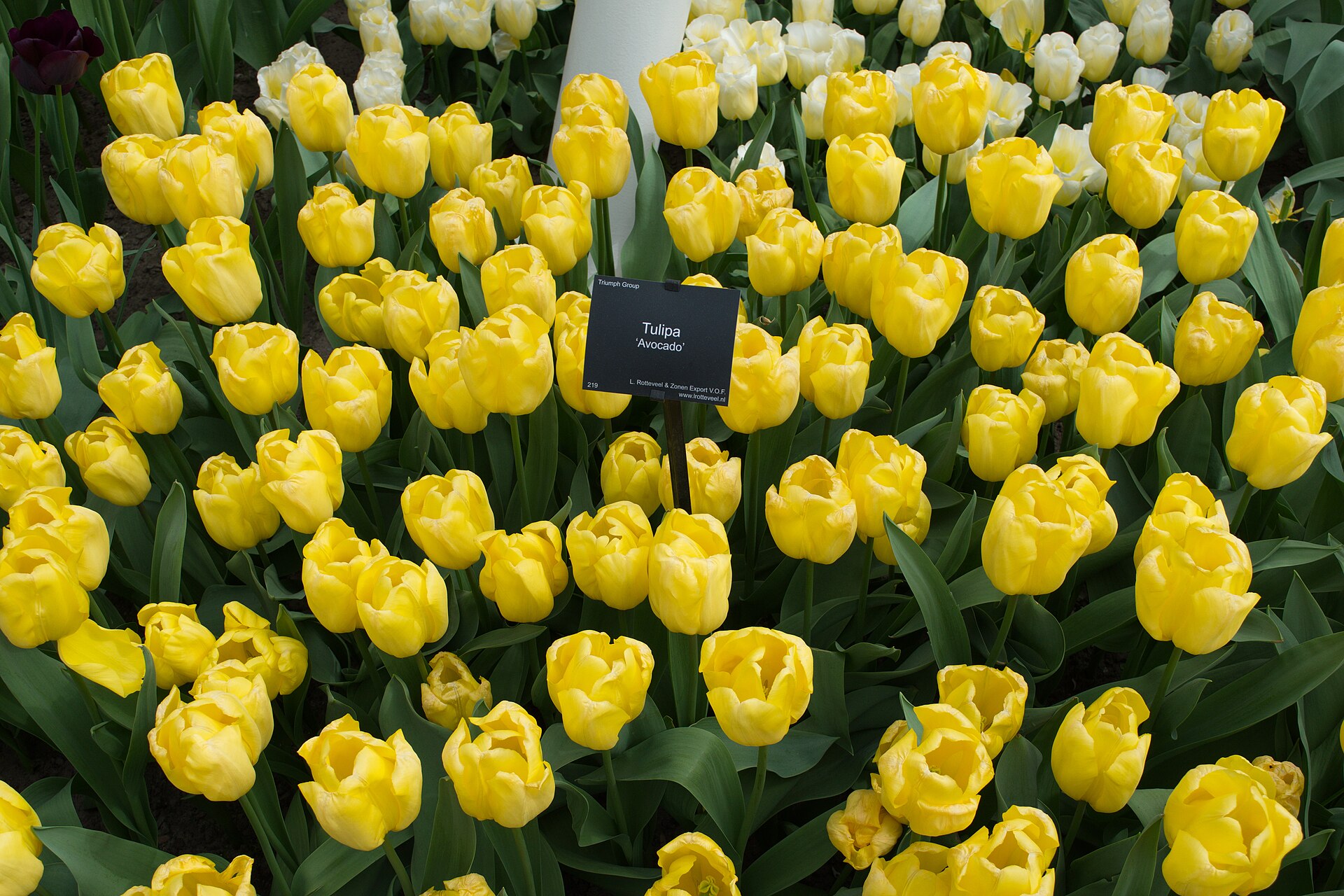
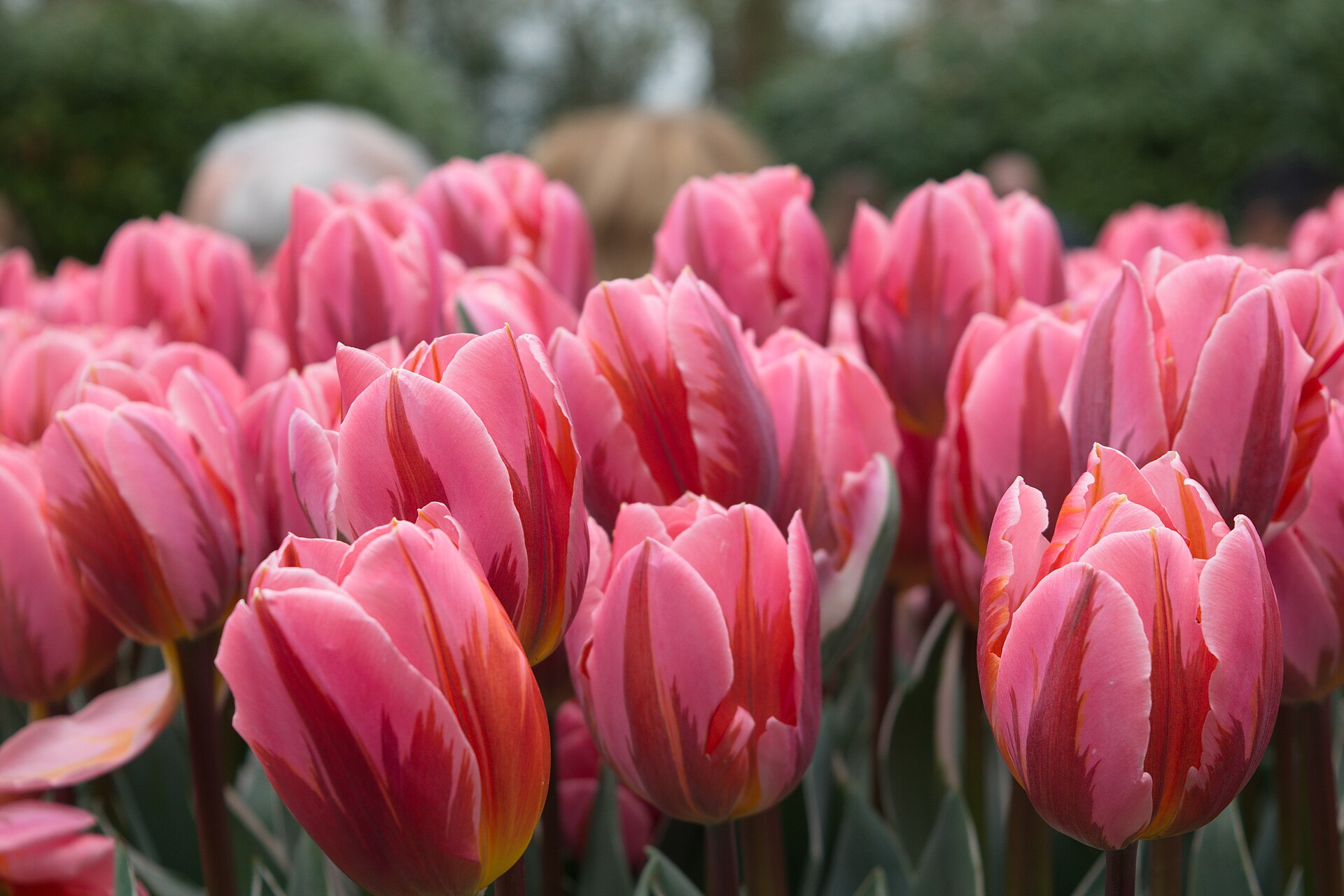
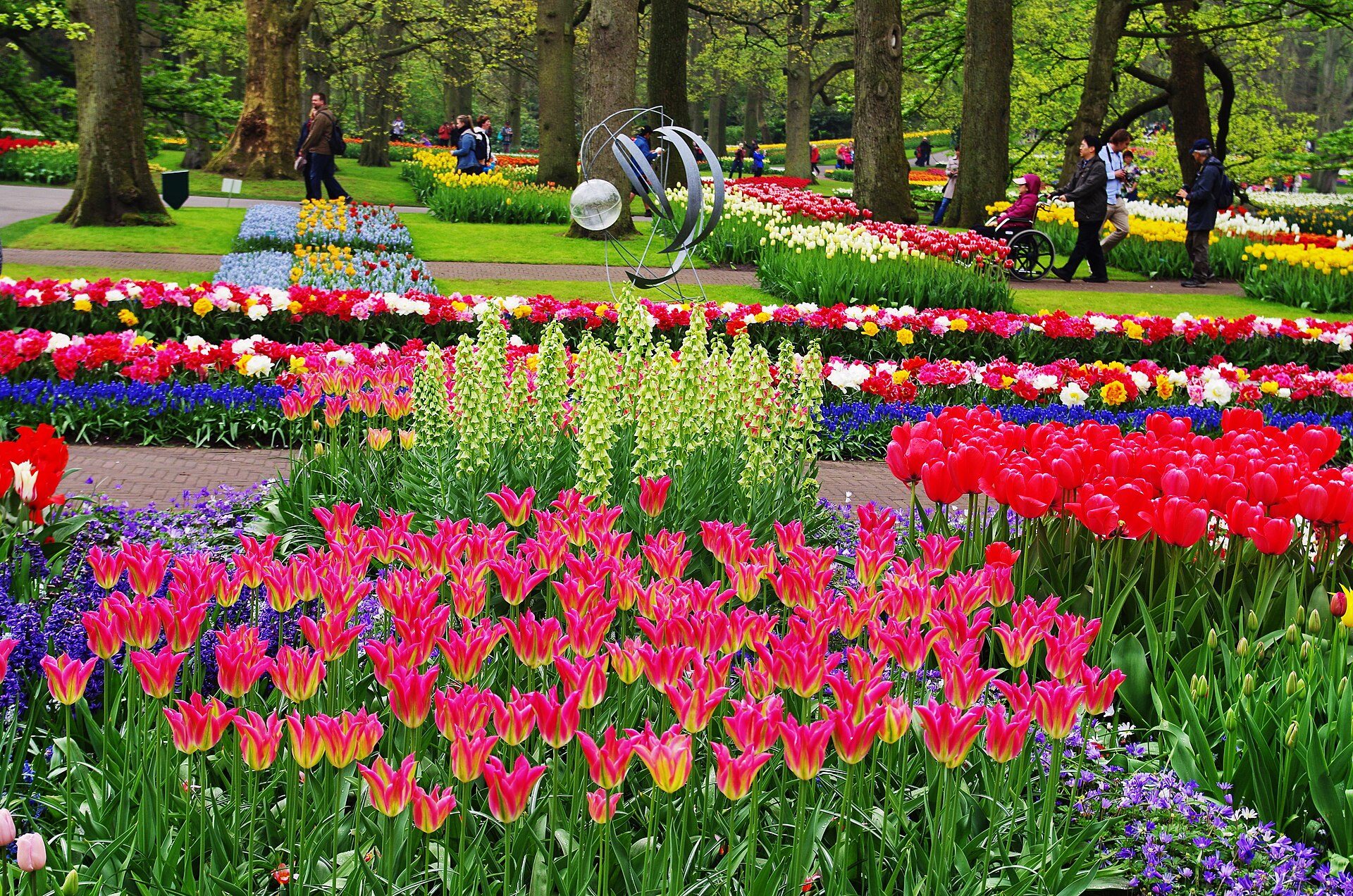
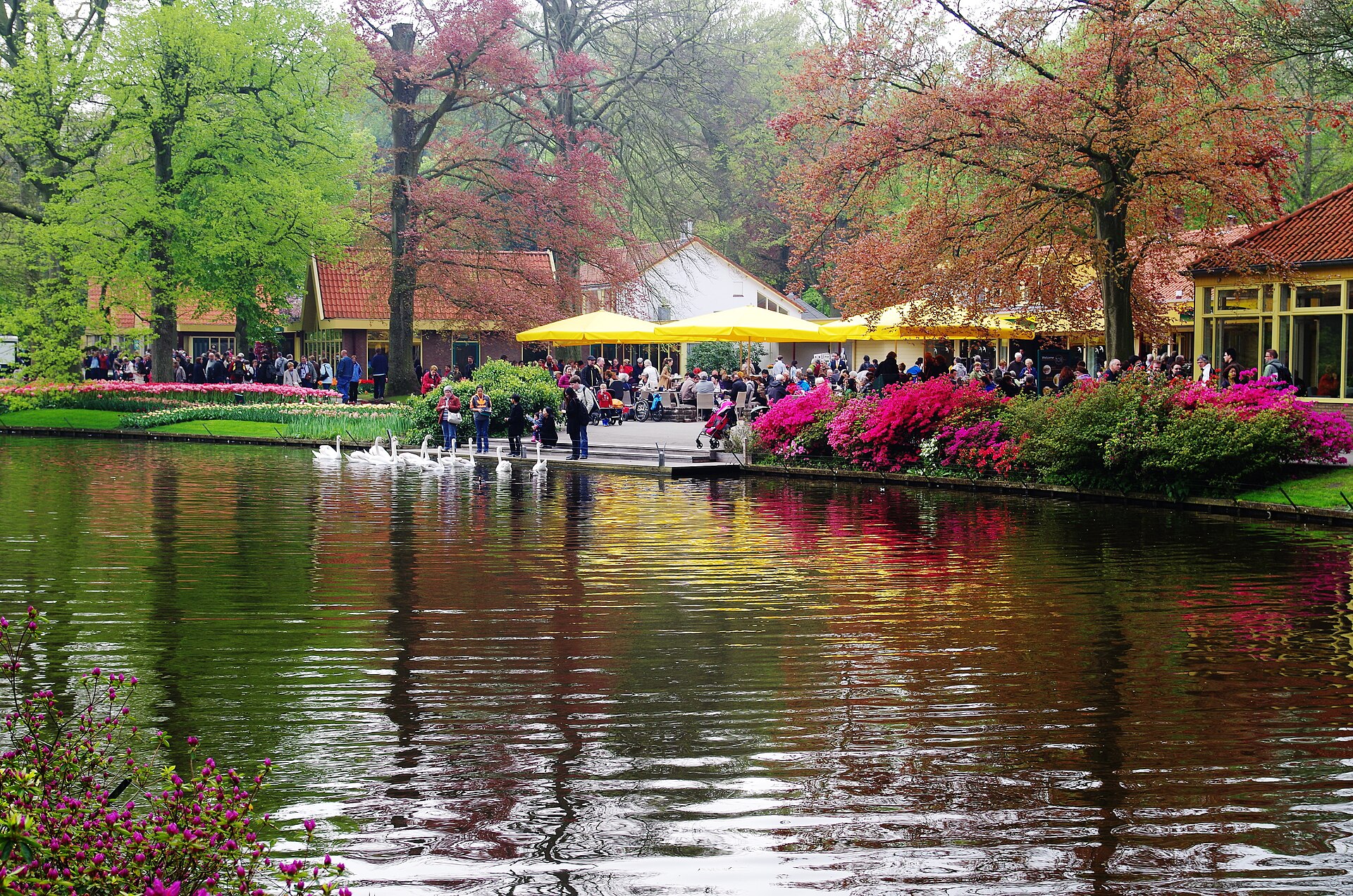
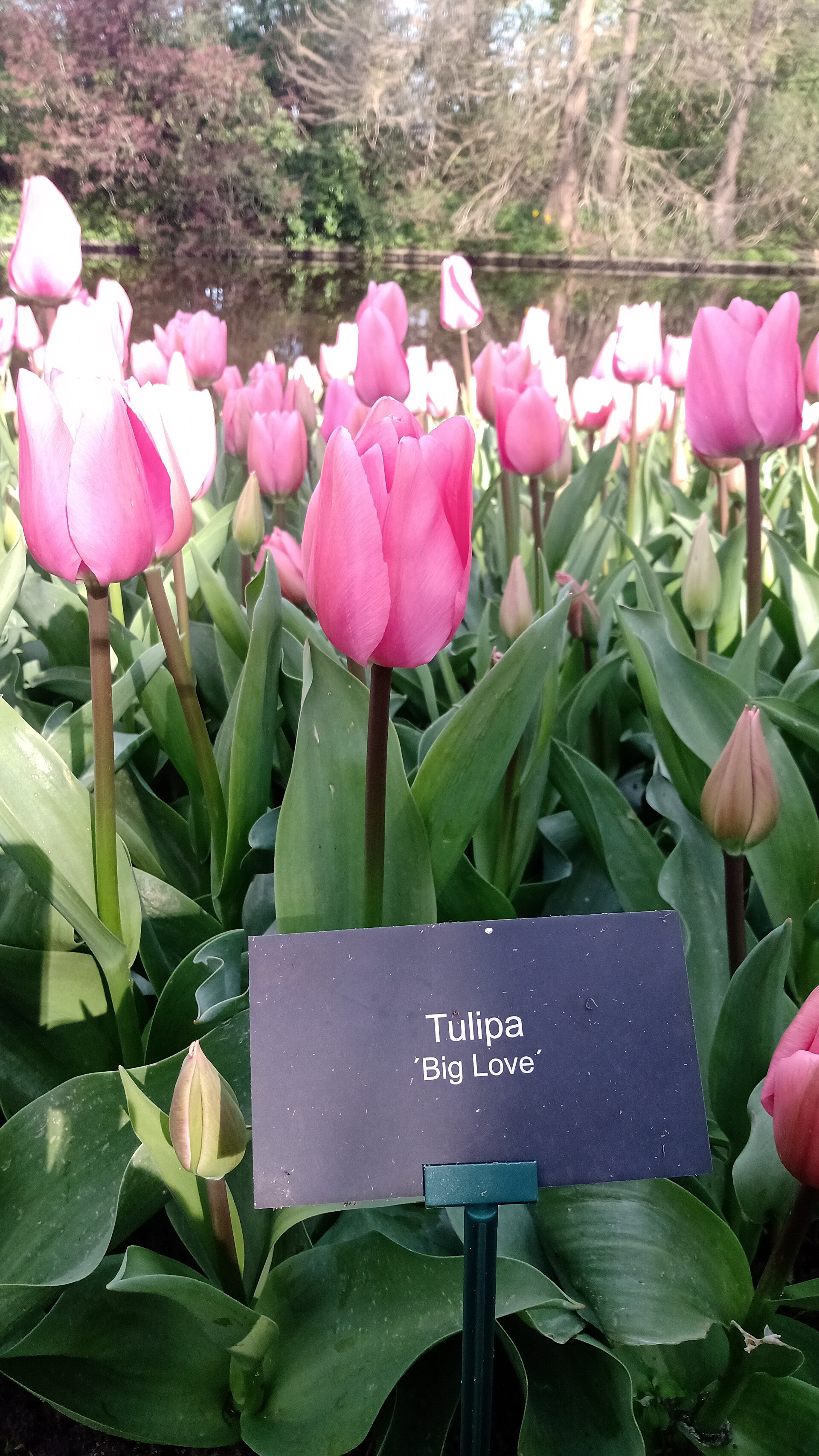
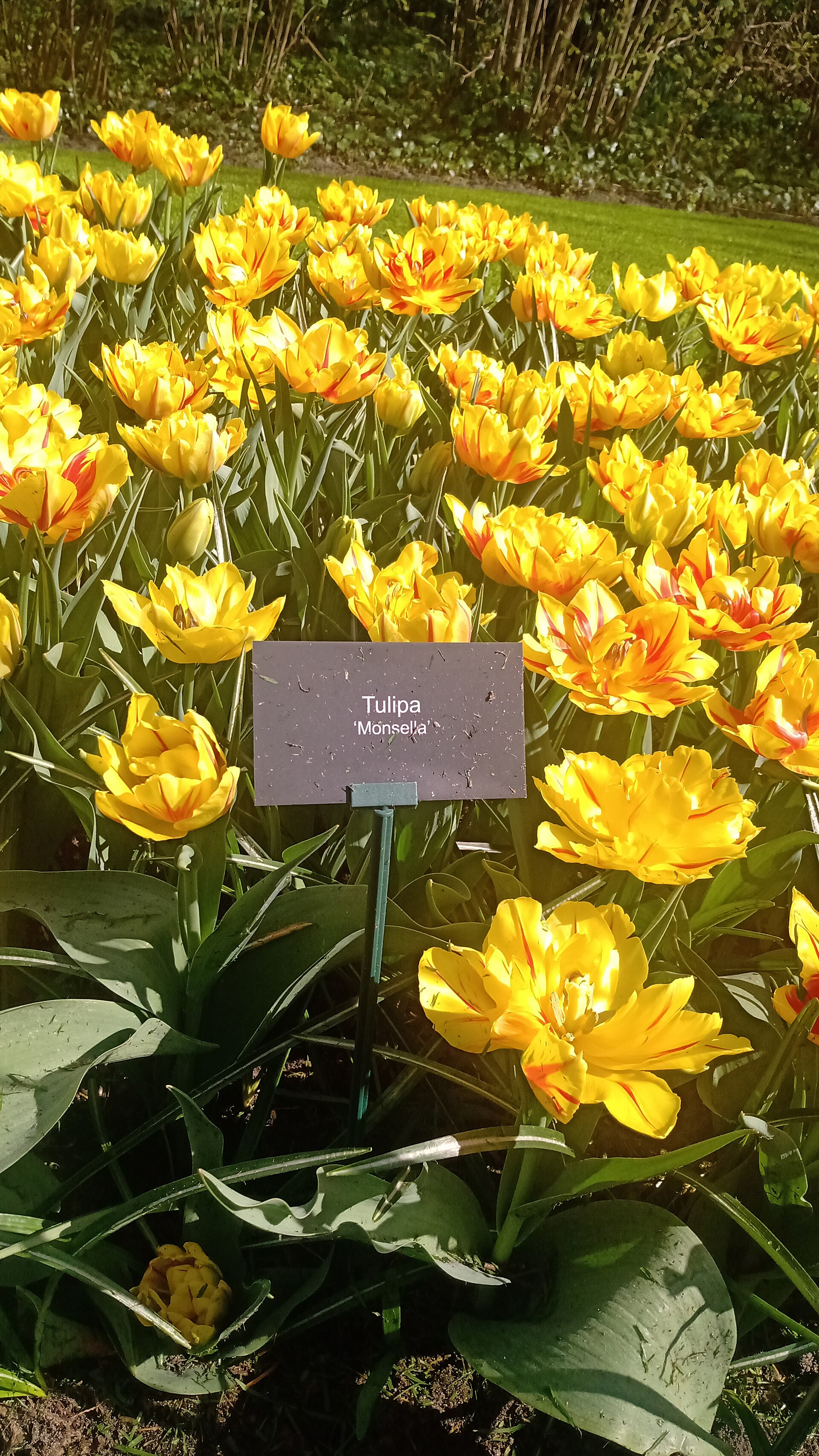
Every year, forty gardeners plant seven million bulbs across the Keukenhof grounds — starting in October, finishing around Sinterklaas in early December — so that by mid-March the fields are ready. You won't see the labor when you arrive, only the result: long drifts of tulips, hyacinths, and daffodils arranged across a landscape that Jan David Zocher and his son Louis Paul shaped in 1857 into the soft, curving lines of the English style.
Keukenhof opens for eight weeks each spring, roughly mid-March to mid-May, and then closes entirely. That strict season is the point. The park exists to show what South Holland's bulb-growing region actually produces — and the walled garden, with its 17th-century tulip varieties and a bust of botanist Carolus Clusius, gives that tradition some historical weight.
💛 What travellers fall for
People who return tend to arrive before 10:30 in the morning, when the paths are quiet enough to hear the gravel. They head for the Willem-Alexander Pavilion first, while the outdoor beds are still catching the early light. Late March draws a smaller crowd and a different palette — crocuses, hyacinths, the first tulips indoors — before the mid-April rush.
How Keukenhof came to be
The land has a long life before the tulips. In the 15th century it served as hunting grounds and a kitchen garden for Countess Jacoba van Beieren at nearby Slot Teylingen. In 1638 it was purchased by Adriaen Maertensz Block, a captain and governor of the Dutch East India Company, who built the manor house in 1641 and gave the estate its name — keukenhof, literally 'kitchen court.'
For two centuries it remained a private estate. In 1857, Baron and Baroness Van Pallandt brought in Jan David Zocher and his son Louis Paul — the pair who also designed Amsterdam's Vondelpark — to recast the grounds in the English landscape style still visible today. The public garden came later: in 1949, a group of twenty bulb growers and exporters proposed using the estate as a showcase. It opened in 1950, drew 236,000 visitors in its first year, and has operated on that same seasonal logic ever since.
Who and what shaped it
People who shaped it
Landmark buildings
See Keukenhof in motion
Plan your visit
On the map
When to go
Spring in the Dune and Bulb Region runs from crisp and unpredictable in late March to mild and occasionally warm by early May — pack light layers and a rain jacket regardless of the forecast. On sunny days the tulip colors read at their most saturated and the flowers open fully; overcast days have their own atmosphere, but sunshine completes the experience.
Right now
Background & history adapted from Wikipedia (CC BY-SA) · specs from Wikidata (CC0) · weather from Open-Meteo · map data © OpenStreetMap contributors · photos from Wikimedia Commons / Unsplash with per-image credit. No third-party reviews or social posts reproduced.