
Falkland Islands
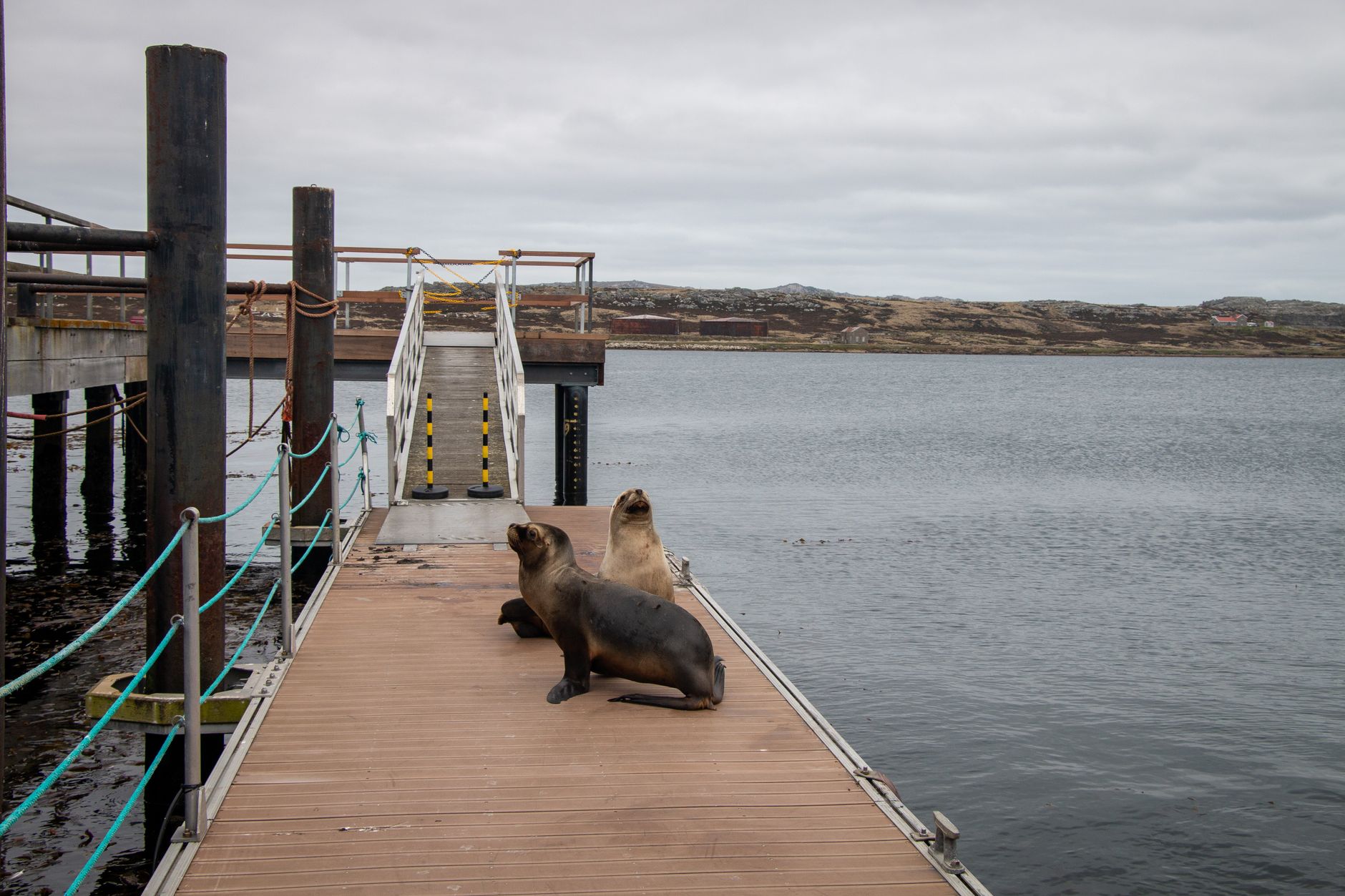
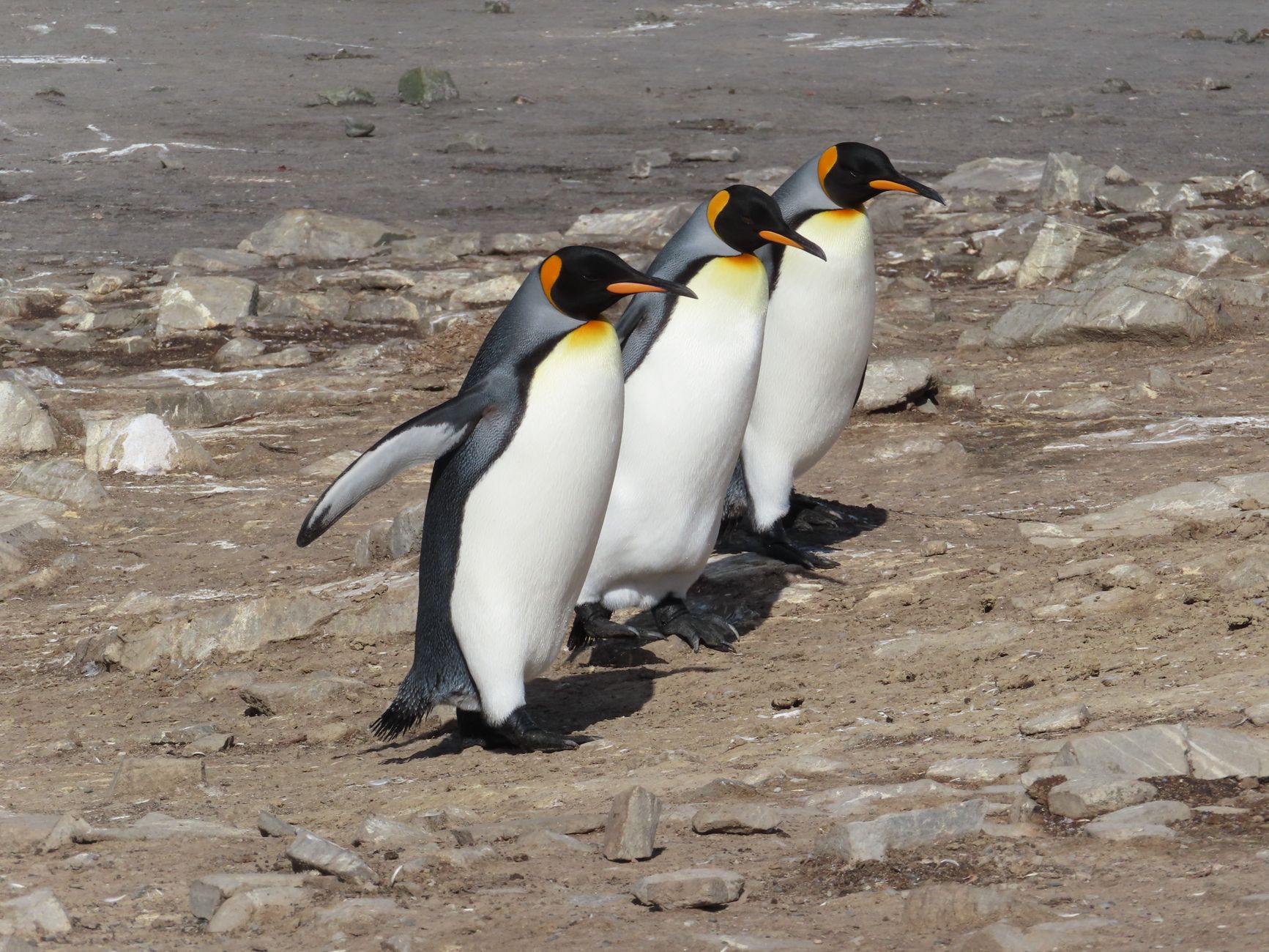
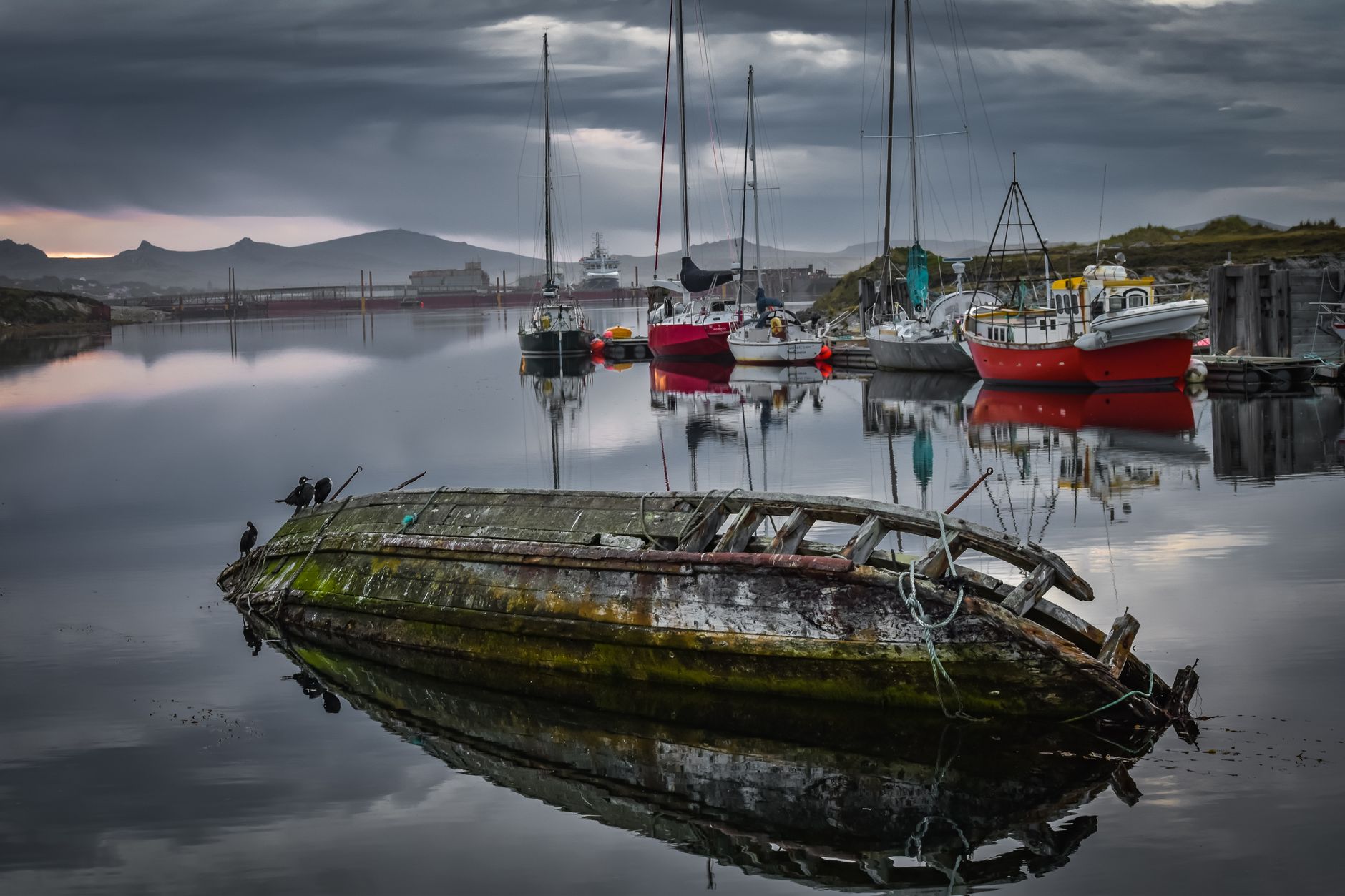
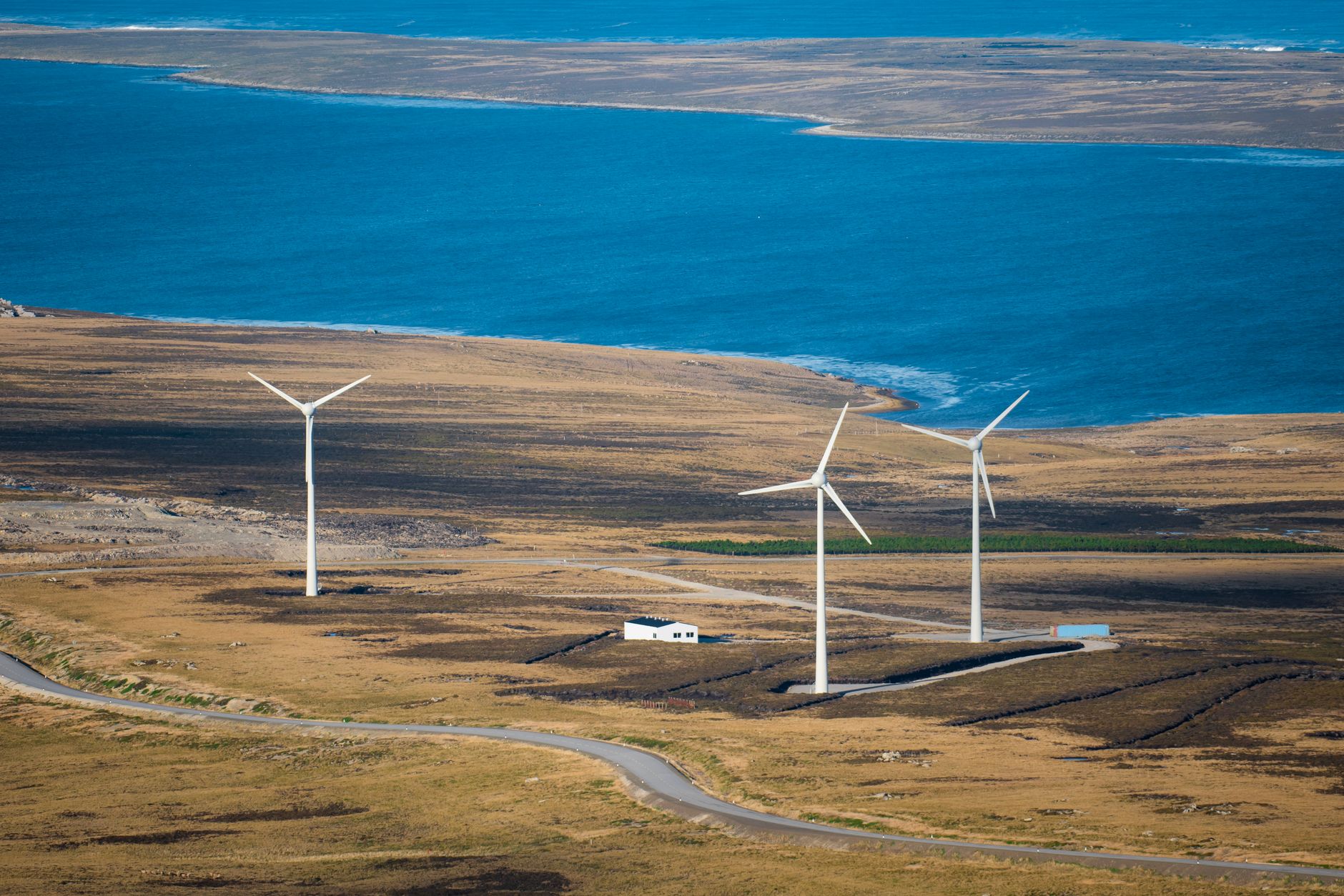
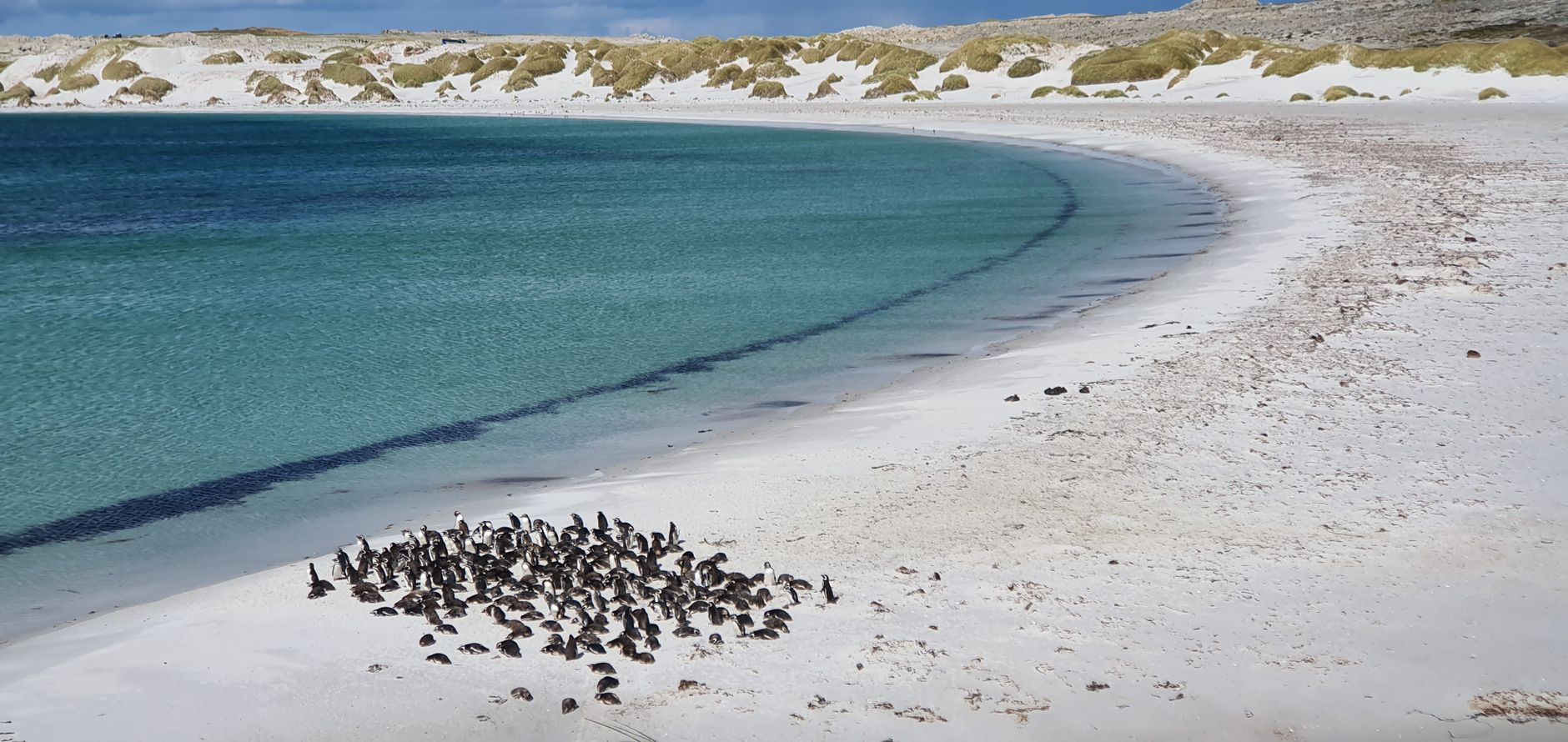
The Falkland Islands sit roughly 300 miles east of Patagonia in the South Atlantic, and the first thing you notice is the light — low, lateral, relentless, the kind that makes ordinary grass look like something painted. There are around 740 islands in the archipelago, though most life concentrates on East and West Falkland. Stanley, the capital, has a Victorian church, a whalebone arch, a shipwreck rusting in the harbour, and a population of just over 2,000 people.
This is not a destination you drift into by accident. You come because you want penguins within walking distance of a pub, or because the 1982 war is something you want to understand on the ground, or because the South Atlantic genuinely calls to you. Whatever the reason, the islands have a way of making the rest of the world feel very far away — which, of course, it is.
Experiences you don't want to miss


Deals in Falkland Islands
Book directly at the provider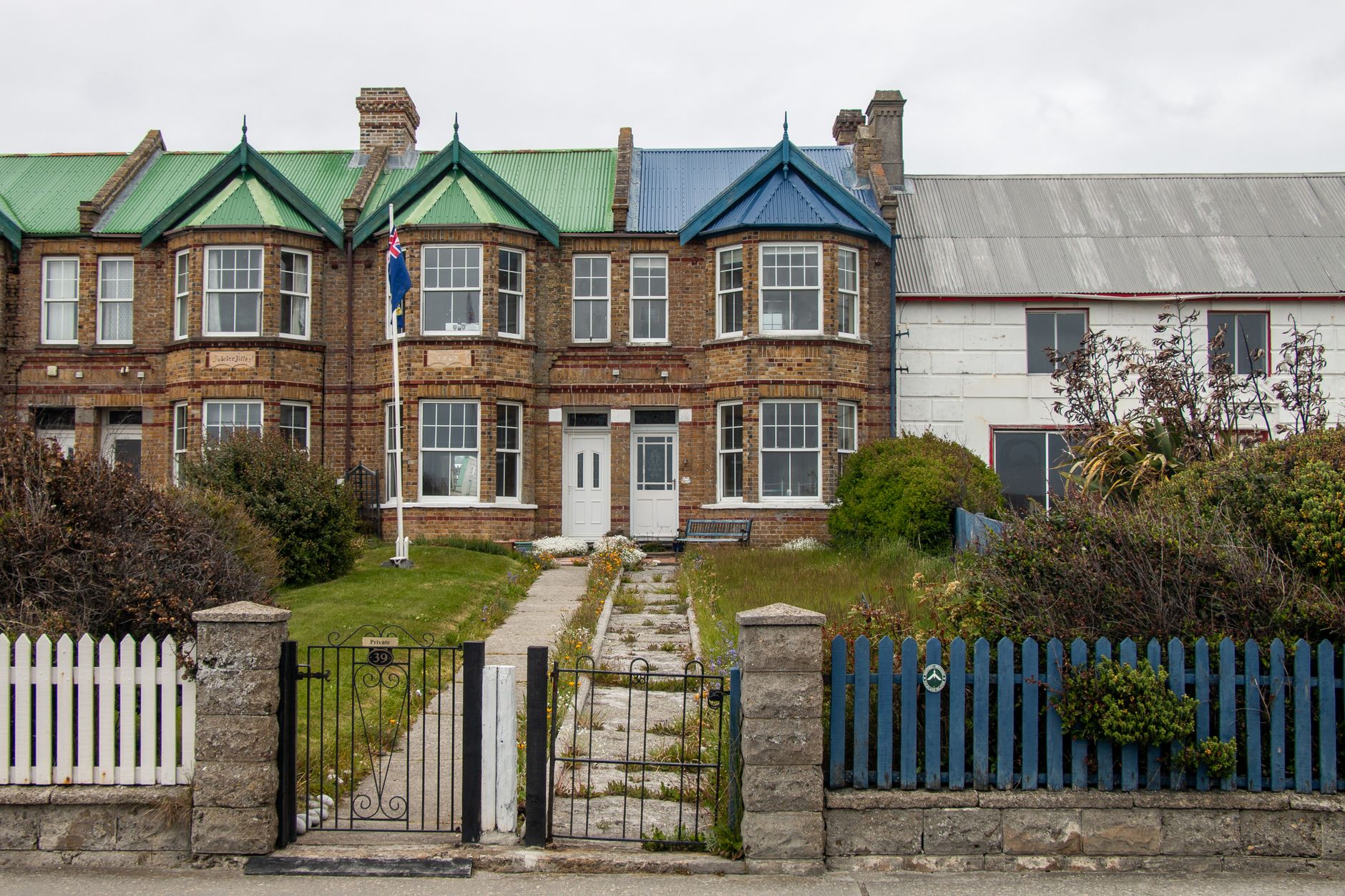

How Falkland Islands came to be
The first recorded landing came in 1690, when English captain John Strong sailed through the channel he named Falkland Sound. Permanent settlement arrived in 1764, when French captain Louis Antoine de Bougainville established Port Louis on East Falkland; the British followed a year later on Saunders Island. France ceded its claim to Spain in 1766; Britain and Spain sparred over the islands for years before Britain withdrew its garrison in 1774, leaving a sovereignty plaque behind. Argentina established a military garrison in 1832, which the Royal Navy removed without bloodshed on 2 January 1833.
The islands became a Crown colony in 1840, with Scottish settlers building a pastoral community around sheep farming. Stanley — officially the seat of government from 1845 — grew slowly and deliberately. Then, on 2 April 1982, Argentina invaded. Ten weeks later, Argentine forces surrendered to British troops in Stanley. The 1985 constitution established the islands as a parliamentary representative democracy. The Liberation Memorial, designed by Falklands-born architect Gerald Dixon, now stands at the junction of Ross Road and Reservoir Road.
Who and what shaped it
People who shaped it
Landmark buildings
See Falkland Islands in motion
Plan your visit
On the map
When to go
The Falklands are sub-Antarctic in character — cool, windy and changeable year-round, with average summer temperatures around 9–13°C (48–55°F). Wind is the constant; even clear days can turn sharp. Winter, June through August, brings short days and occasional snow, and some outer-island access becomes limited.
Right now
Background & history adapted from Wikipedia (CC BY-SA) · specs from Wikidata (CC0) · weather from Open-Meteo · map data © OpenStreetMap contributors · photos from Wikimedia Commons / Unsplash with per-image credit. No third-party reviews or social posts reproduced.