
Ecuador
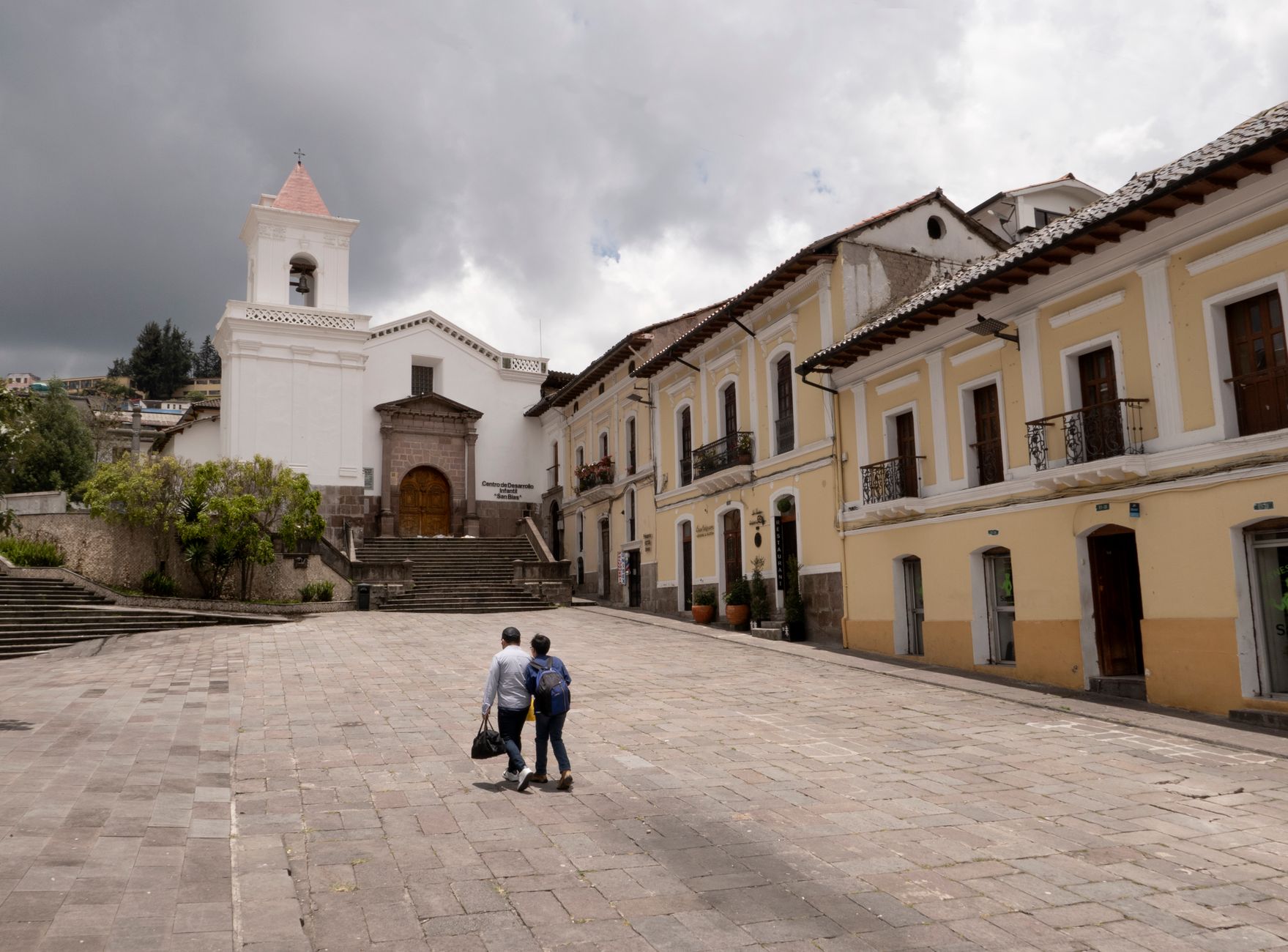
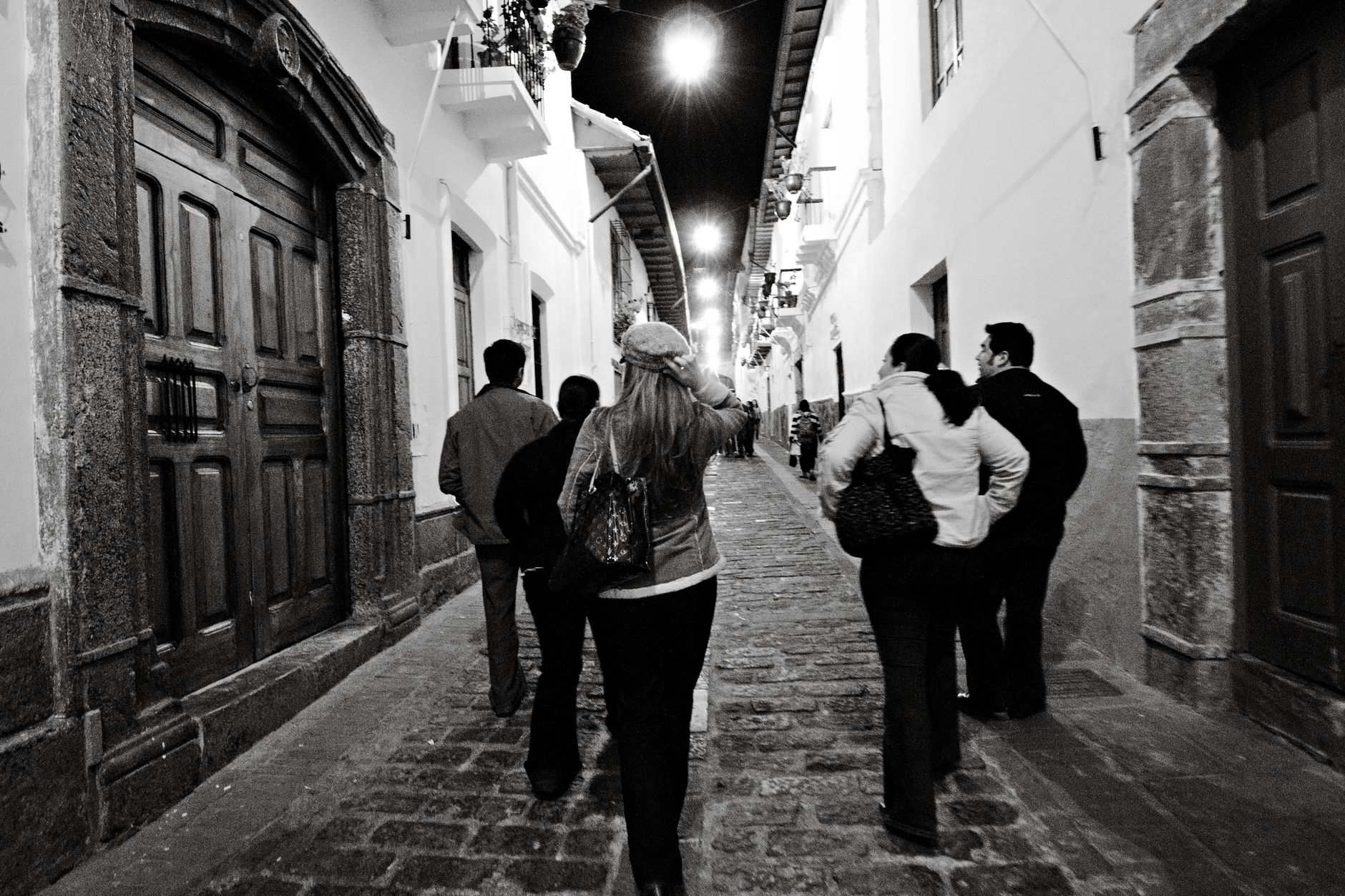
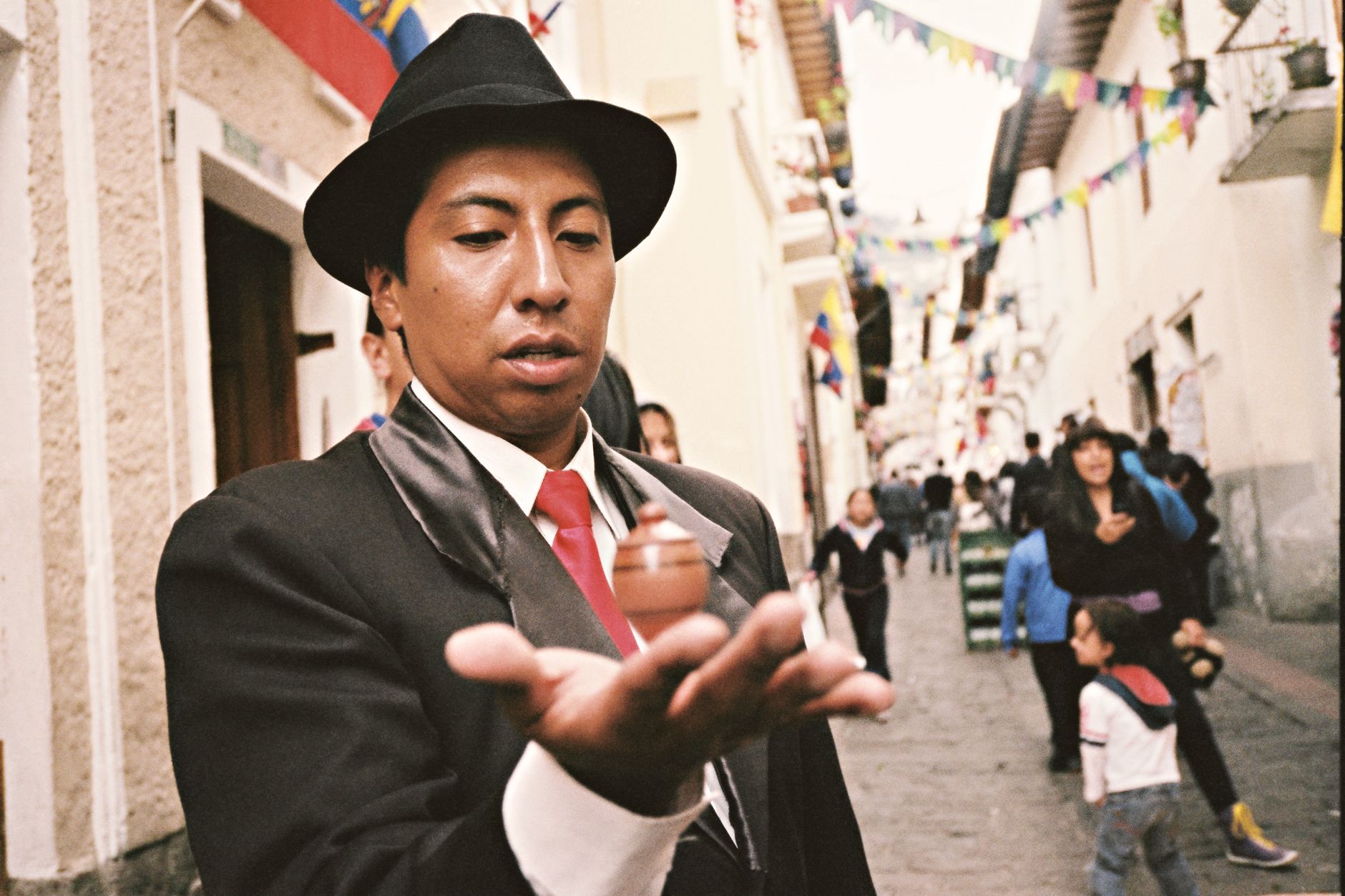
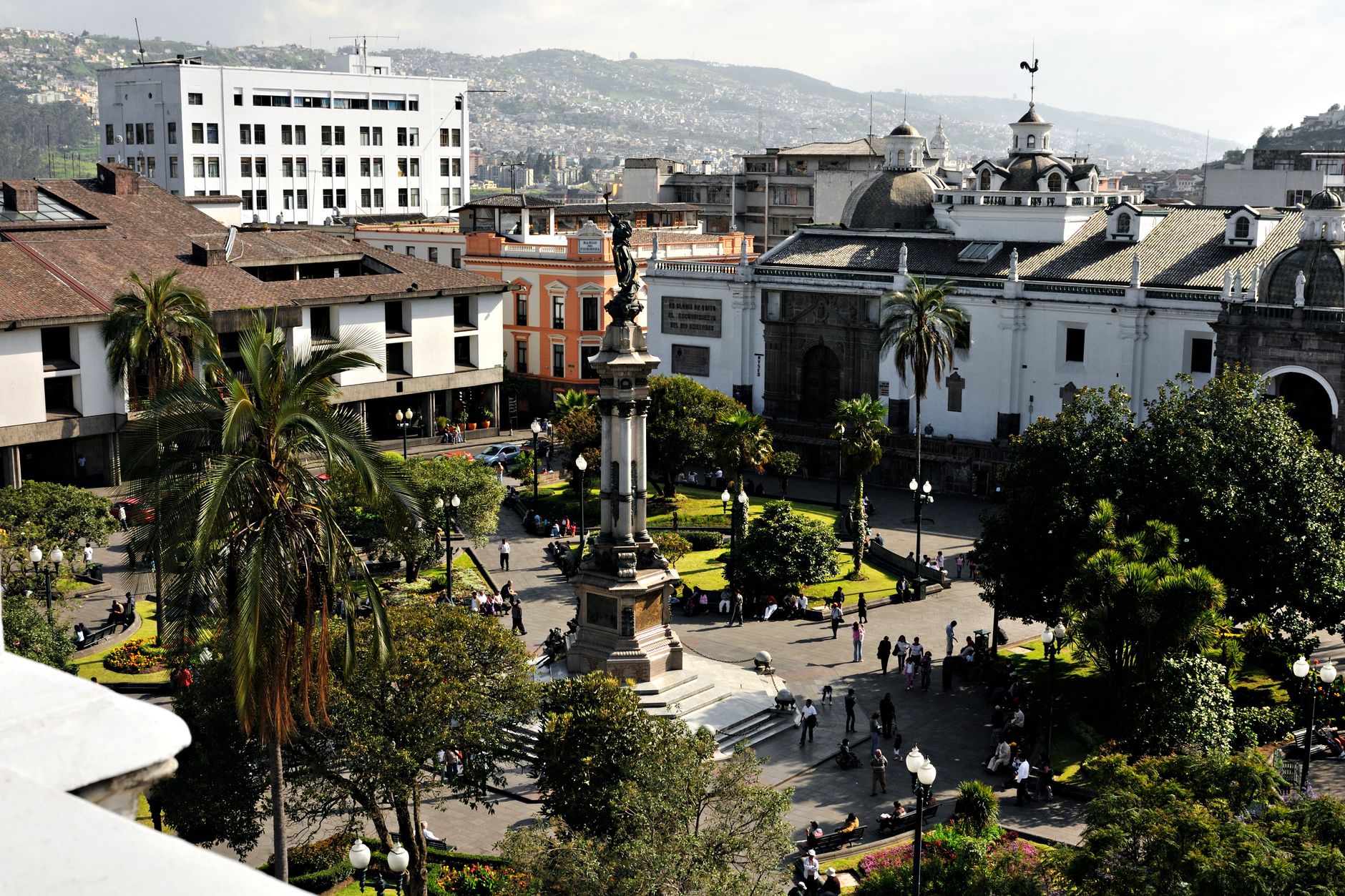
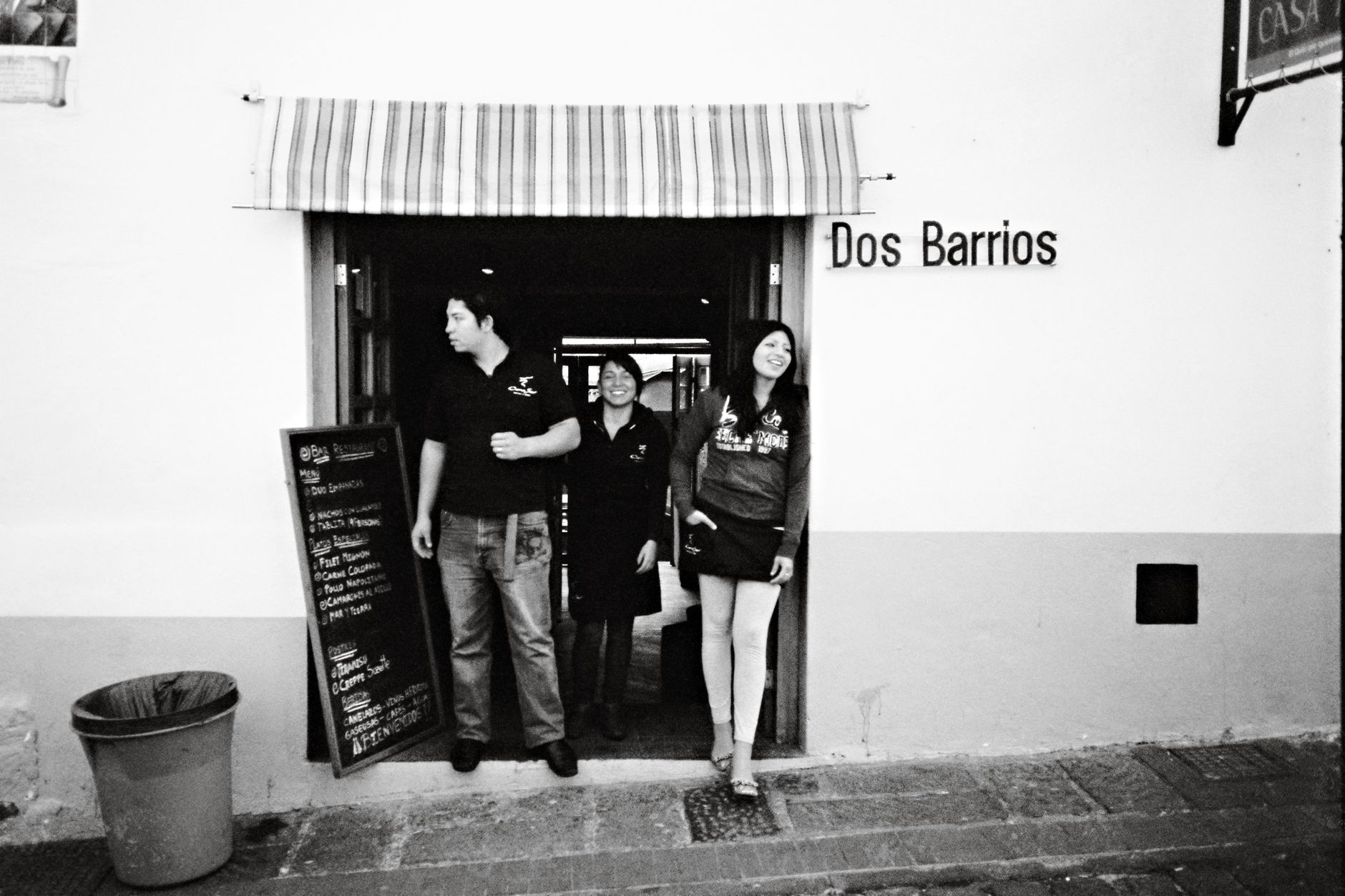
Ecuador sits directly on the equator — the country is named for it — yet its geography refuses to behave accordingly. Within a few hours of driving you move from Pacific shoreline through Andean highland cities at nearly 3,000 metres to the edge of the Amazon basin. Quito and Cuenca are both UNESCO-listed for their colonial centres, Ingapirca preserves the only Temple of the Sun in the entire Inca empire, and the Galápagos Islands sit roughly 1,000 kilometres offshore in the Pacific.
For its size, Ecuador carries an unusual density of distinct worlds. The coast, the sierra, and the Oriente each run on different weather, different food, different rhythms — which makes planning here less about choosing a destination than choosing which version of the country you want first.
Popular regions in Ecuador
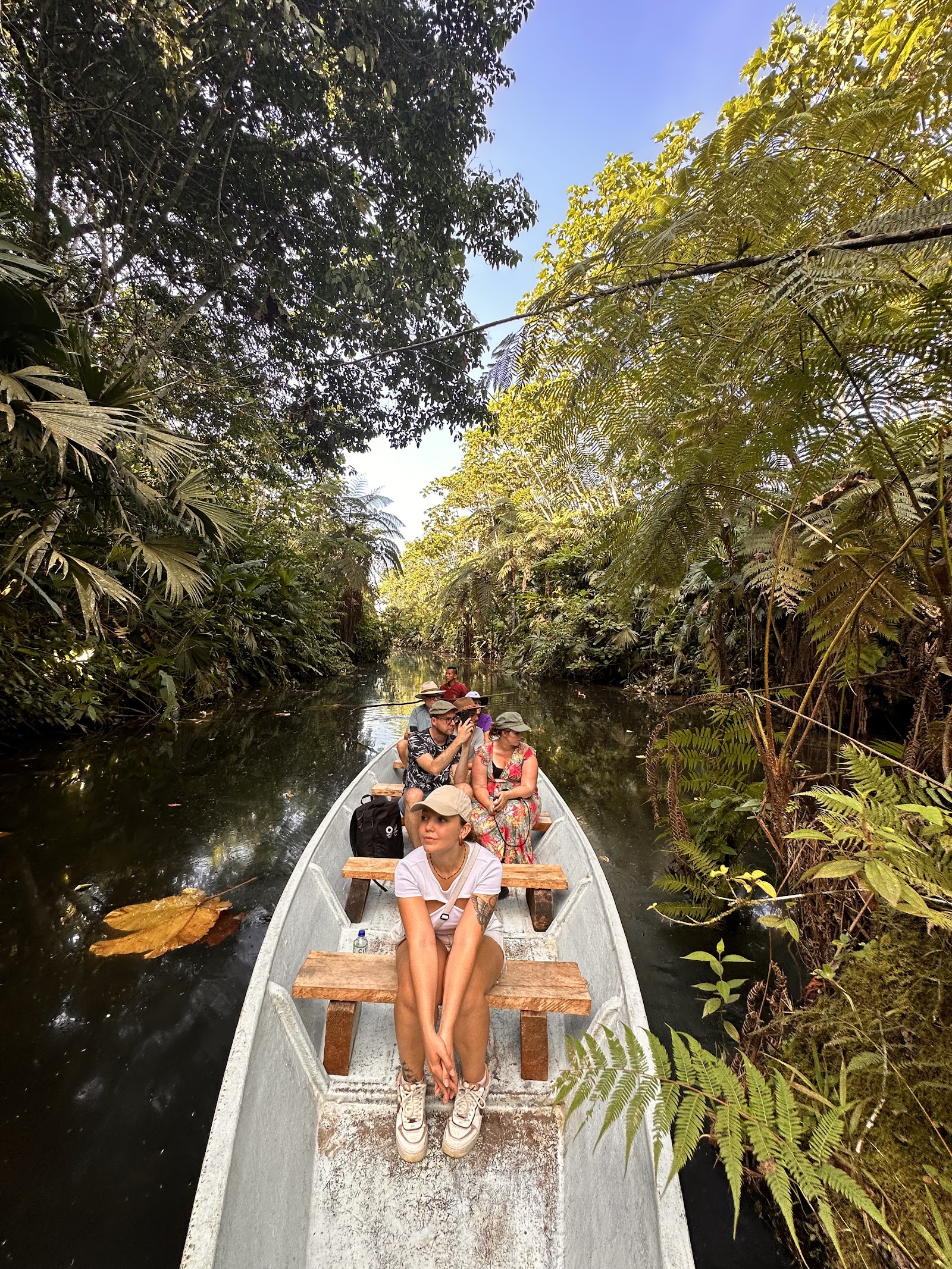 Amazon Jungle Lodge (Tena area)
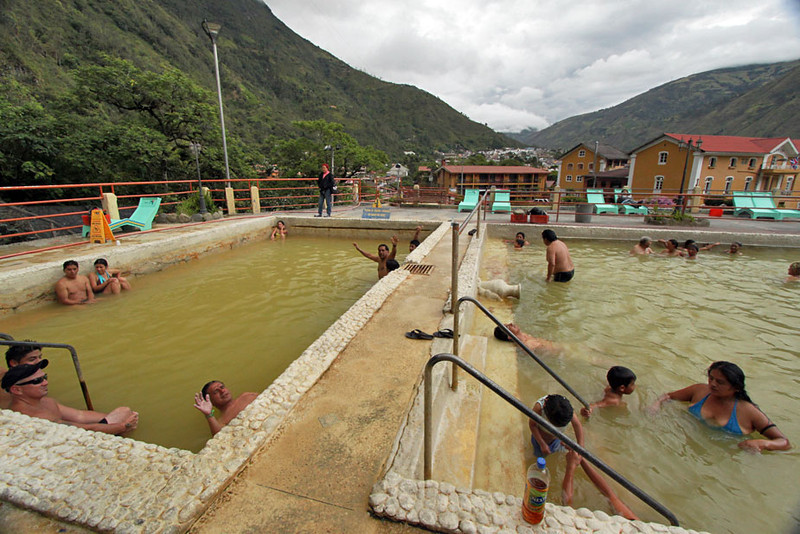 Baños de Agua Santa thermal pools
 Canoe trip on the Napo/Arajuno River
 Casa del Árbol swing (Swing at the End of the World)
 Centro Histórico de Quito (Historic Centre of Quito)
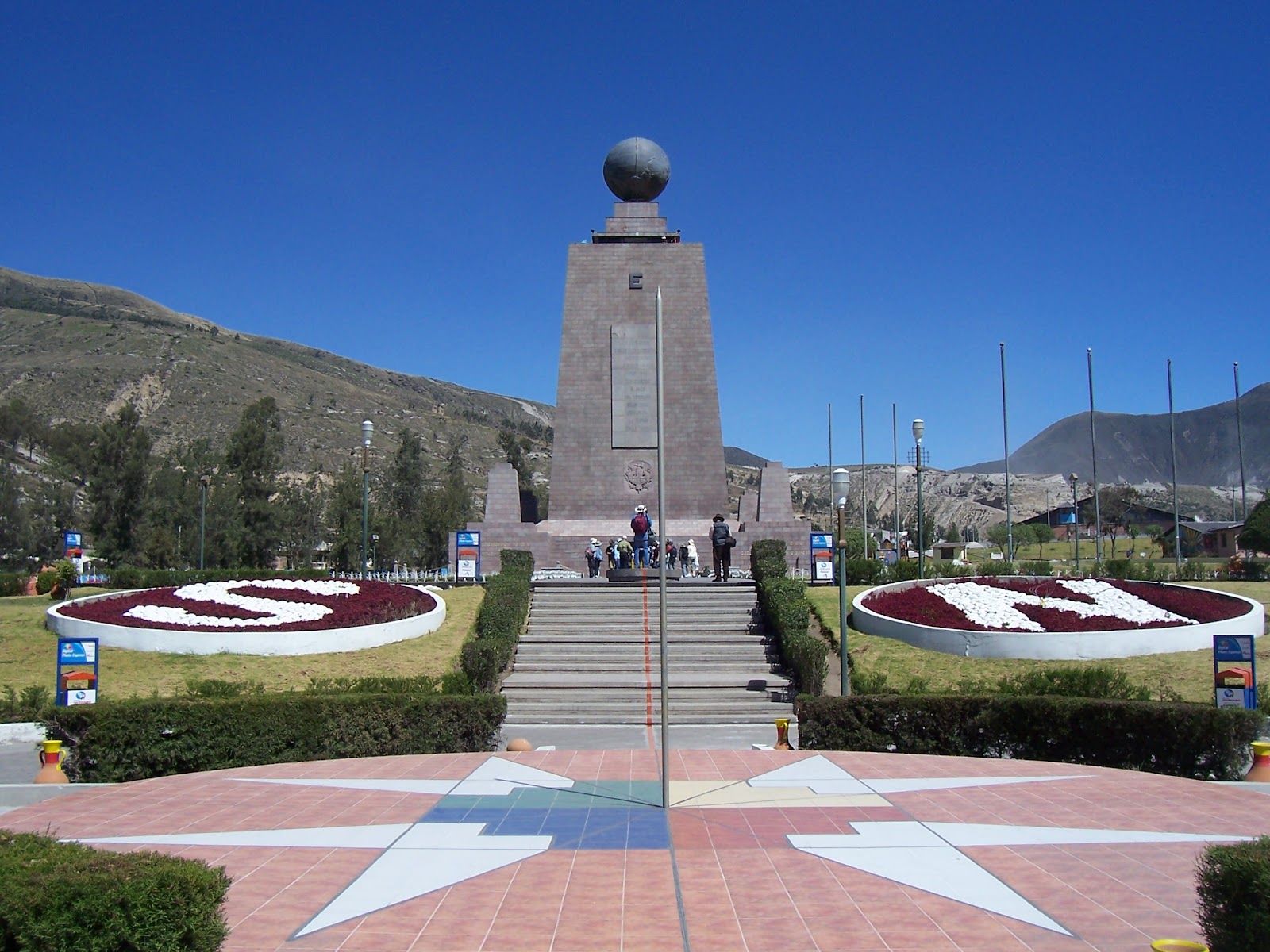 Ciudad Mitad del Mundo
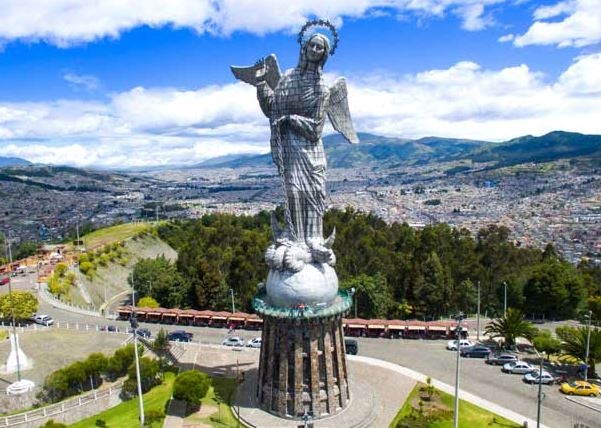 El Panecillo
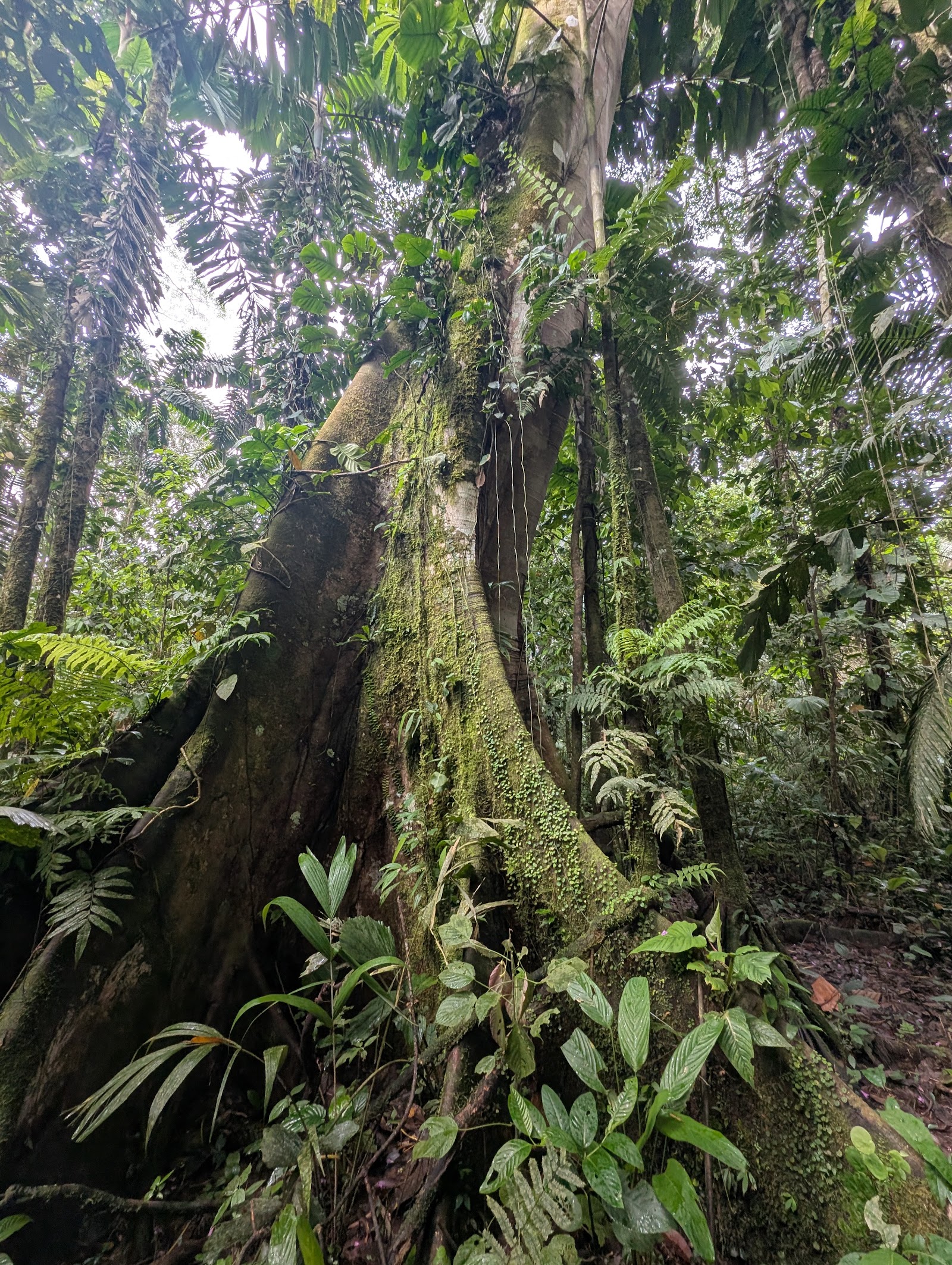 Guided rainforest wildlife walk
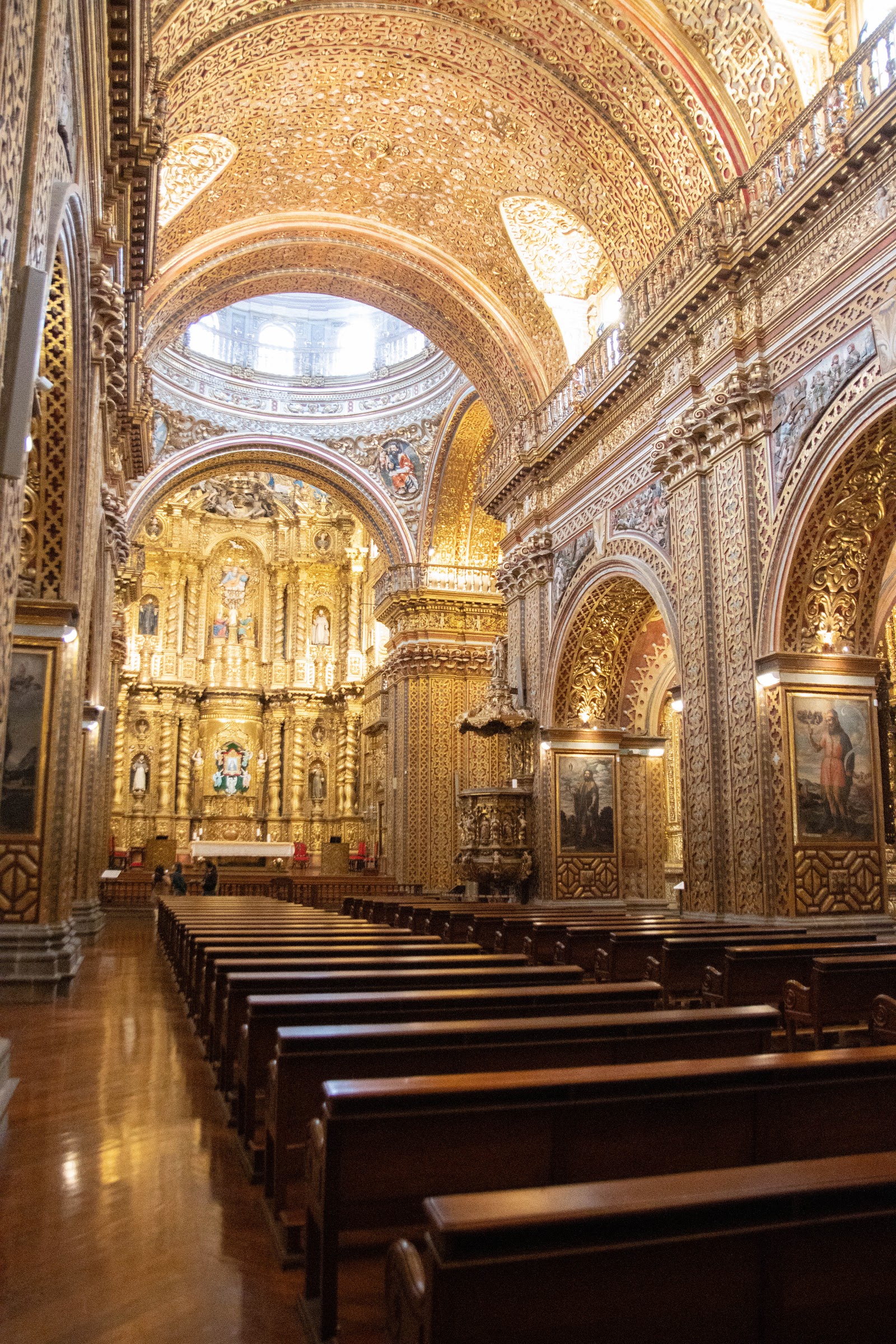 Iglesia de la Compañía de Jesús
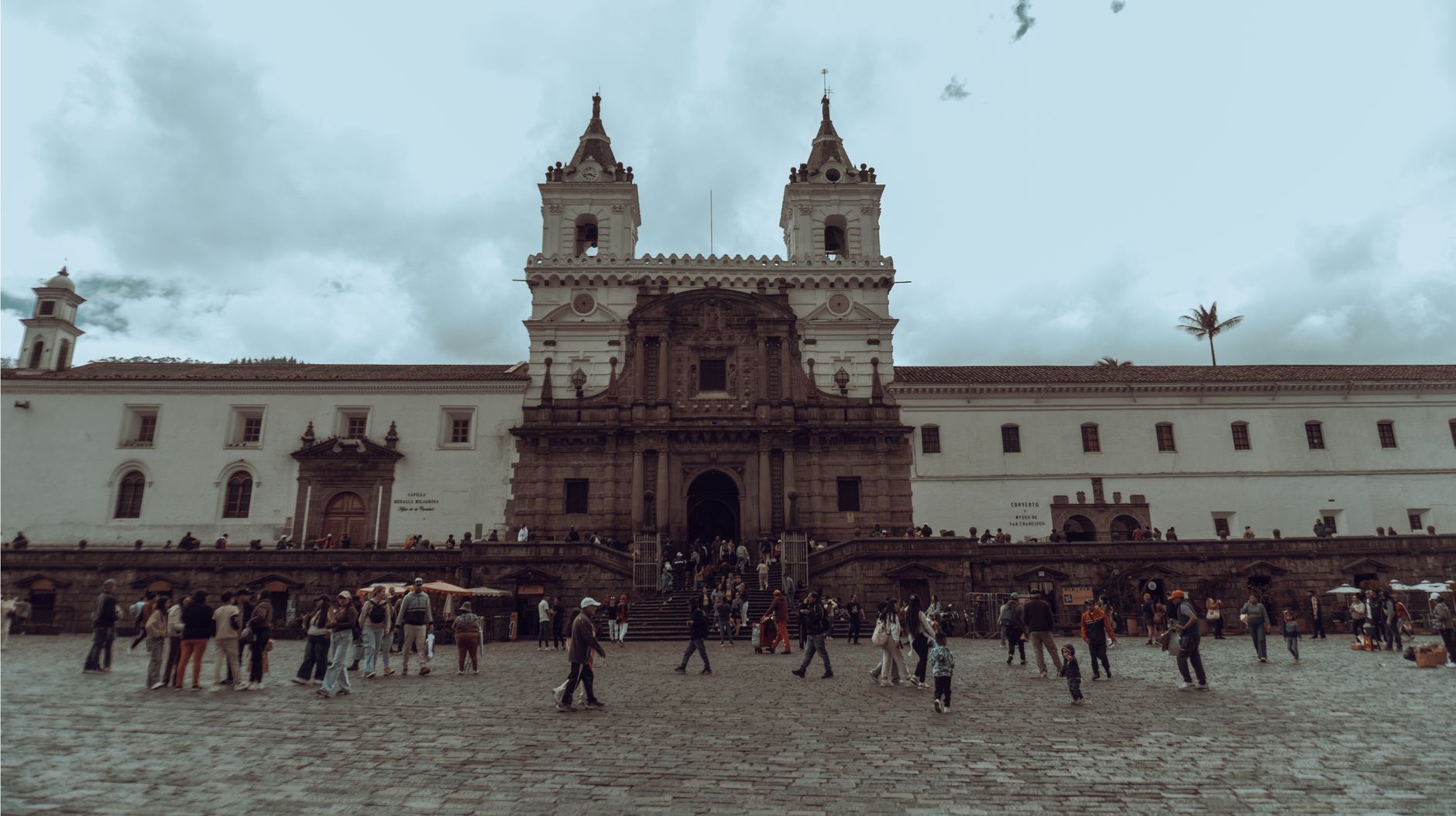
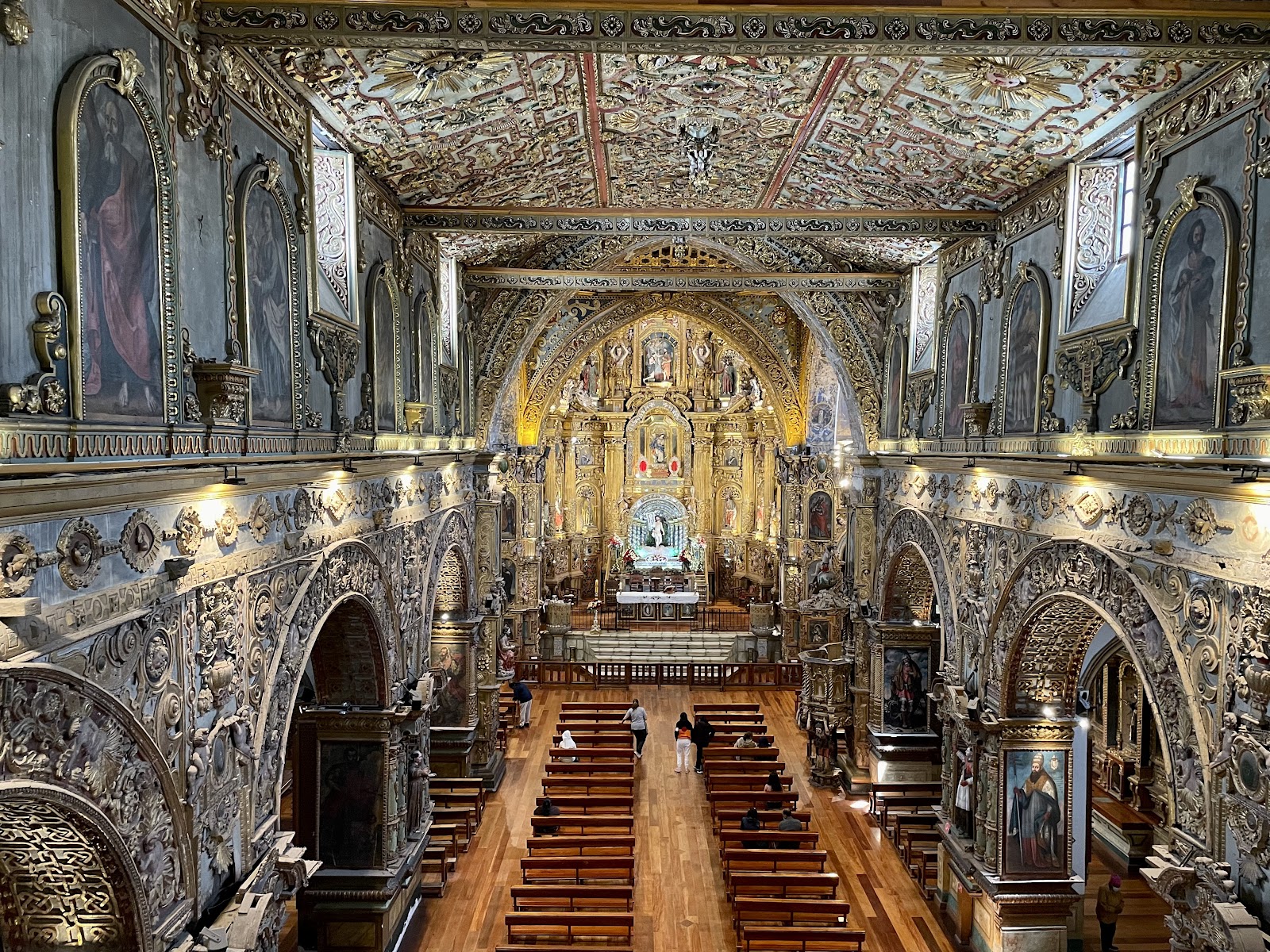 Iglesia y Convento de San Francisco
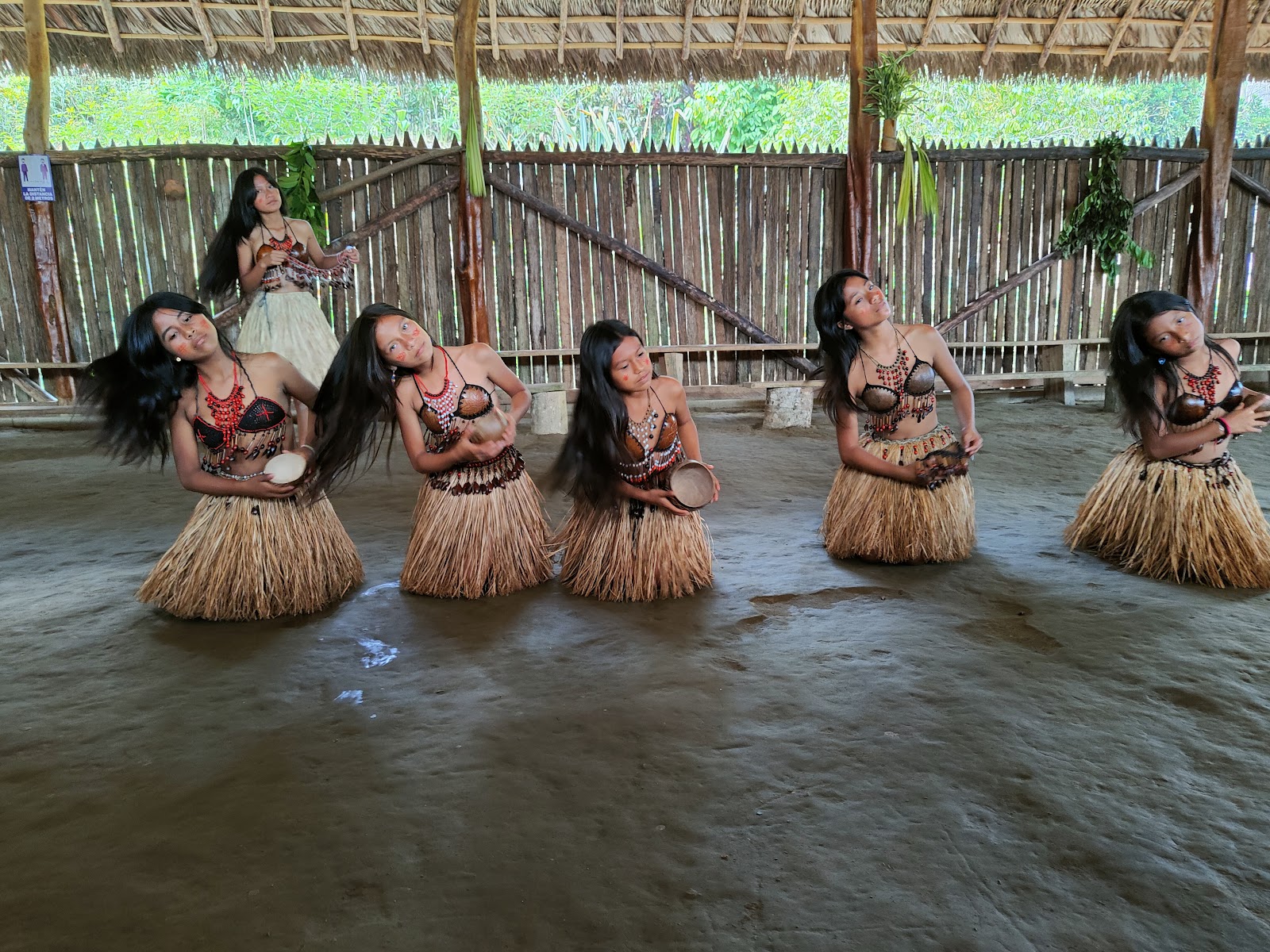 Kichwa indigenous community visit
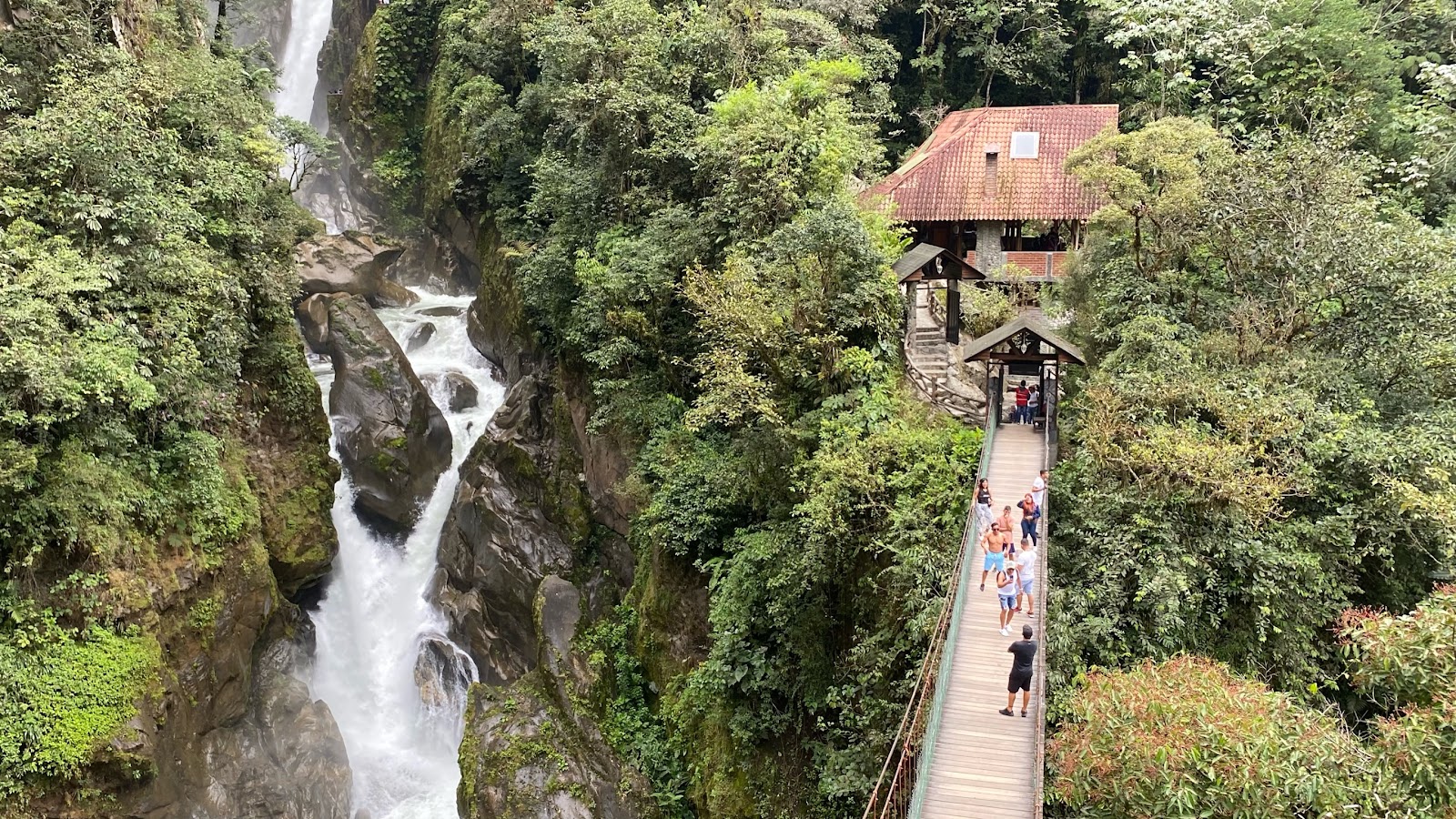 Pailón del Diablo
Roundtrips through Ecuador

Deals in Ecuador
Book directly at the provider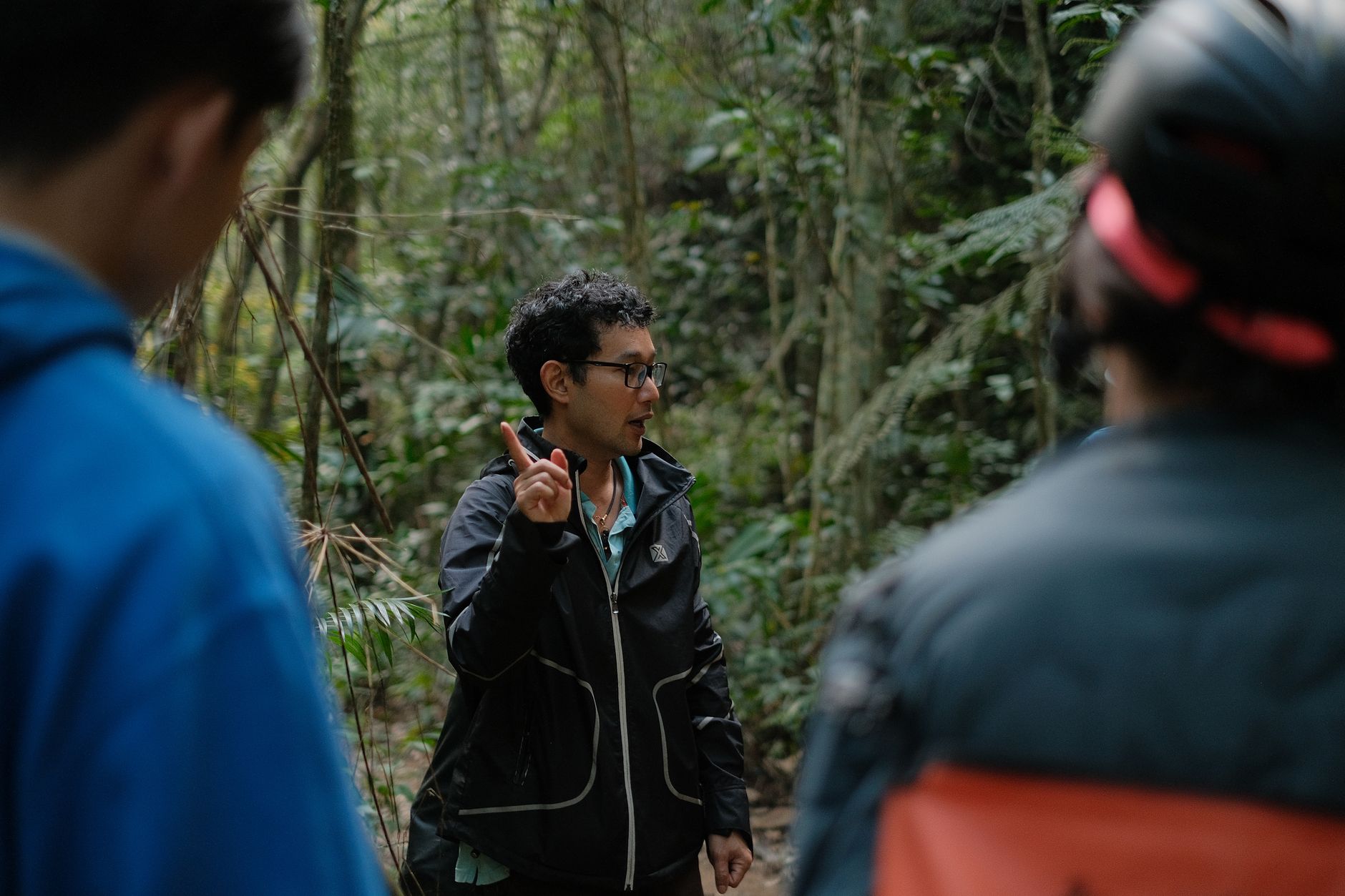

How Ecuador came to be
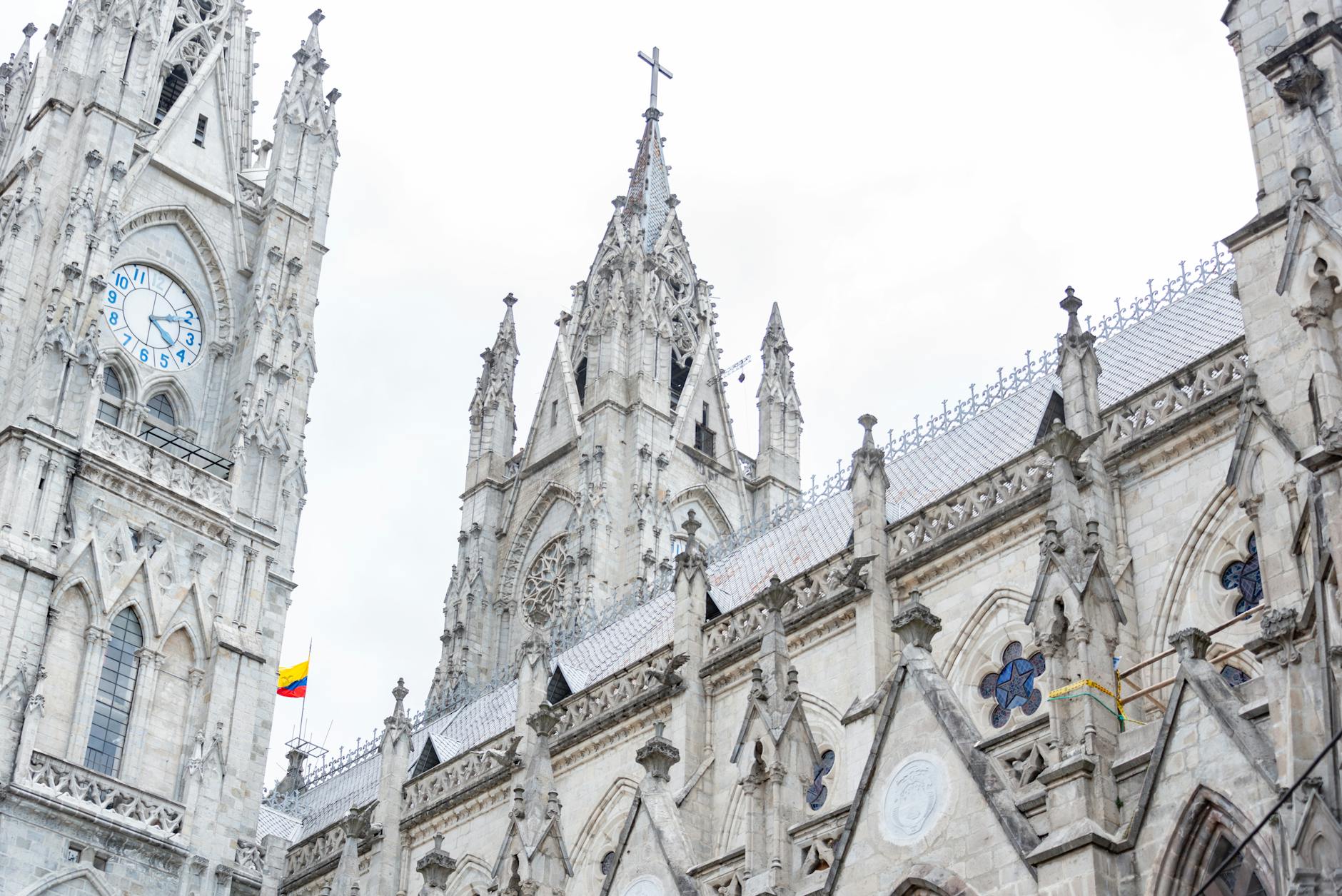
Spain established the Real Audiencia of Quito in August 1563, building a colonial capital on the ruins of an Inca city at 2,850 metres. The first organised push for independence came on August 10, 1809, when criollos including Carlos de Montúfar gathered in Quito — a date Ecuadorians still mark as the Primer Grito de Independencia. Guayaquil broke free from Spanish rule in October 1820, and the decisive blow came on May 24, 1822, when Antonio José de Sucre led a combined force to victory in the Battle of Pichincha, fought on the slopes of the volcano that overlooks Quito.
Ecuador briefly joined Simón Bolívar's Gran Colombia before seceding on May 13, 1830, as its own republic — young, mountainous, and already shaped by the layered legacy of Cañari, Inca, and Spanish rule that its archaeology and architecture still make visible today.
Who and what shaped it
People who shaped it
Landmark buildings
See Ecuador in motion
Plan your visit
On the map
When to go
The coast runs warm and wet from January through April, then drier and cooler the rest of the year; the Andean highlands are mild and sunny year-round with afternoon downpours common between November and March, while higher elevations above 3,500 metres stay cold enough for frost at night in any month. The Amazon region is humid and rainy throughout the year with no true dry season.
Right now
↡ Attractions


Background & history adapted from Wikipedia (CC BY-SA) · specs from Wikidata (CC0) · weather from Open-Meteo · map data © OpenStreetMap contributors · photos from Wikimedia Commons / Unsplash with per-image credit. No third-party reviews or social posts reproduced.