
Canada
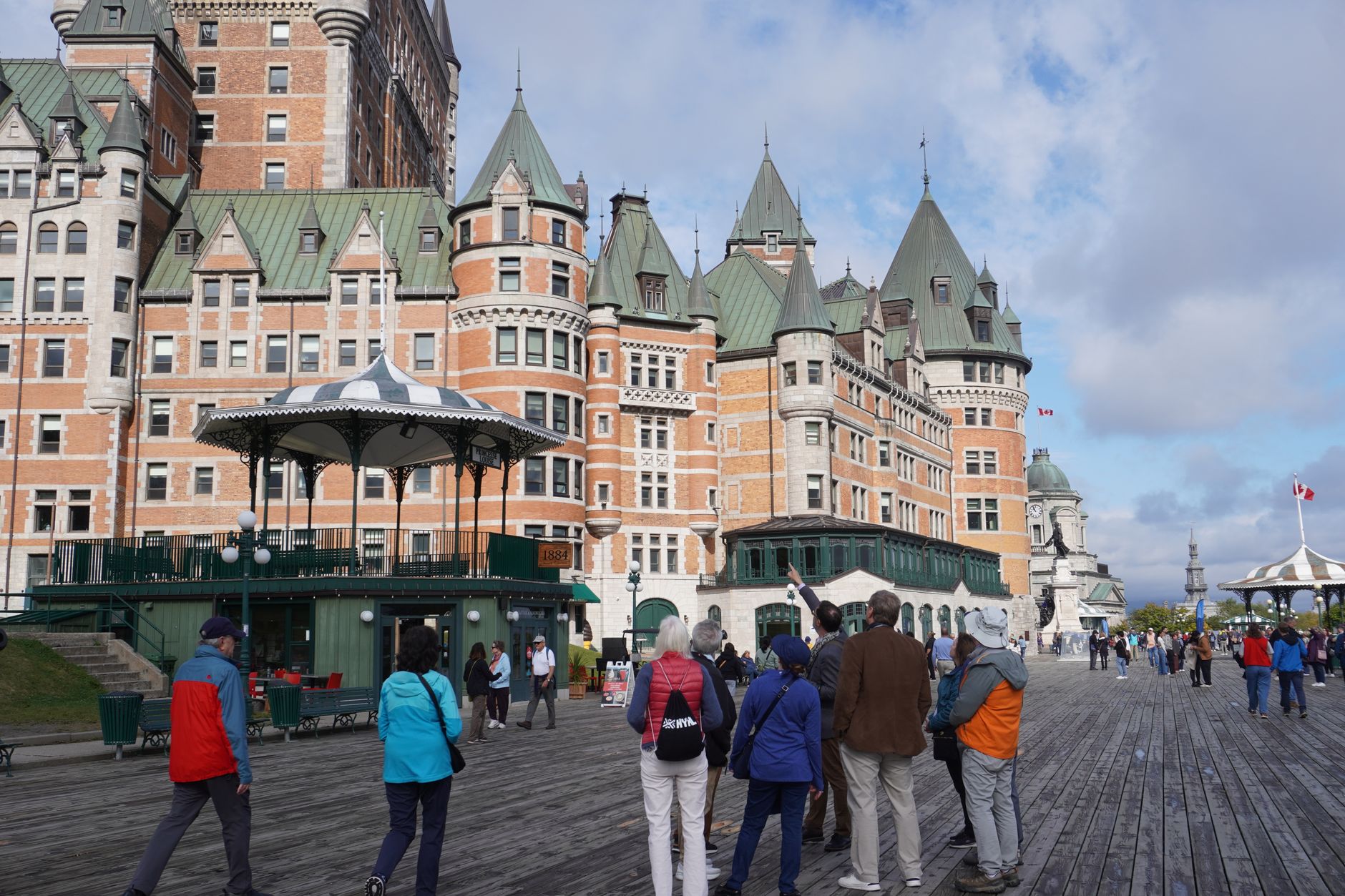
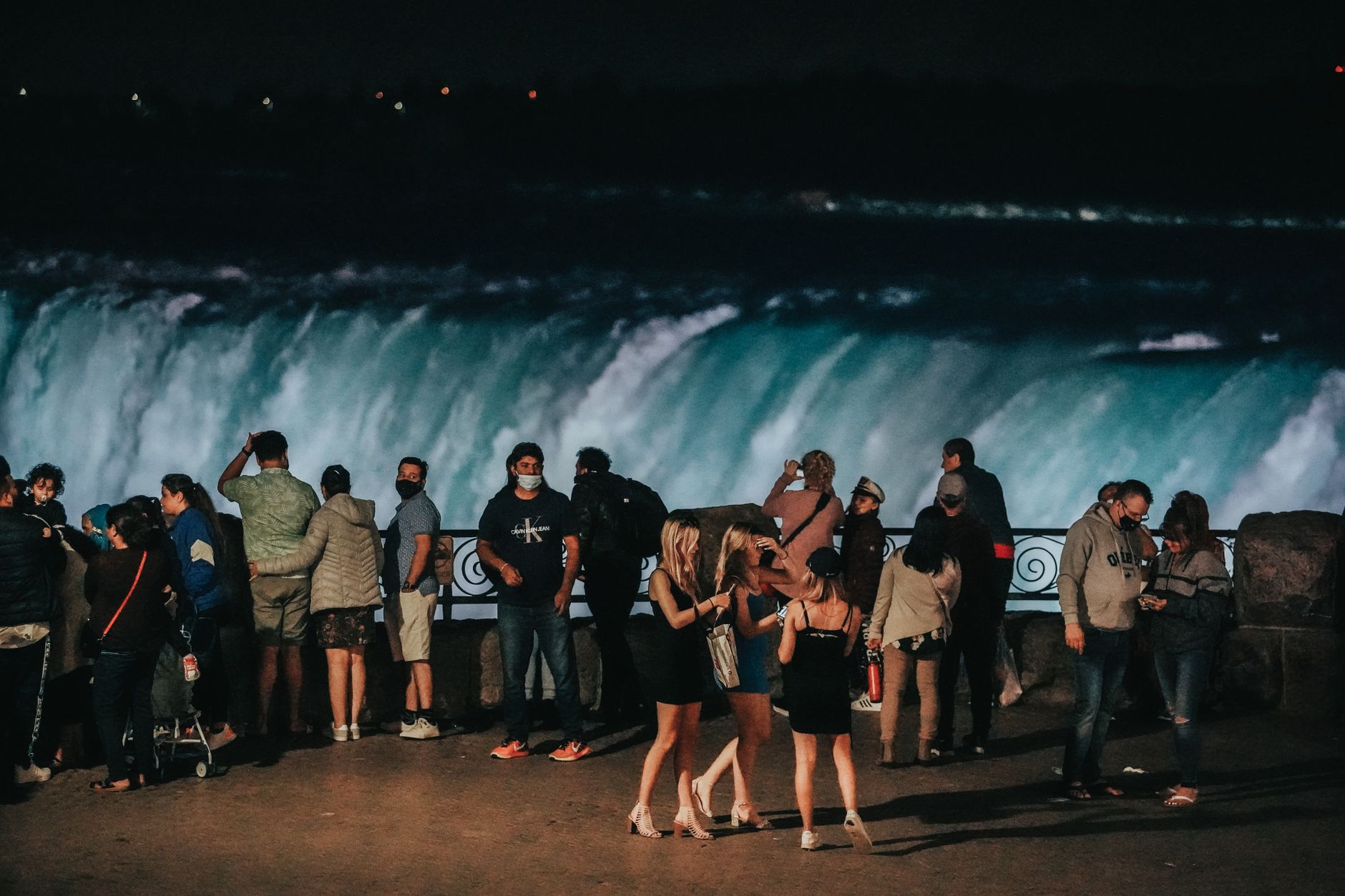

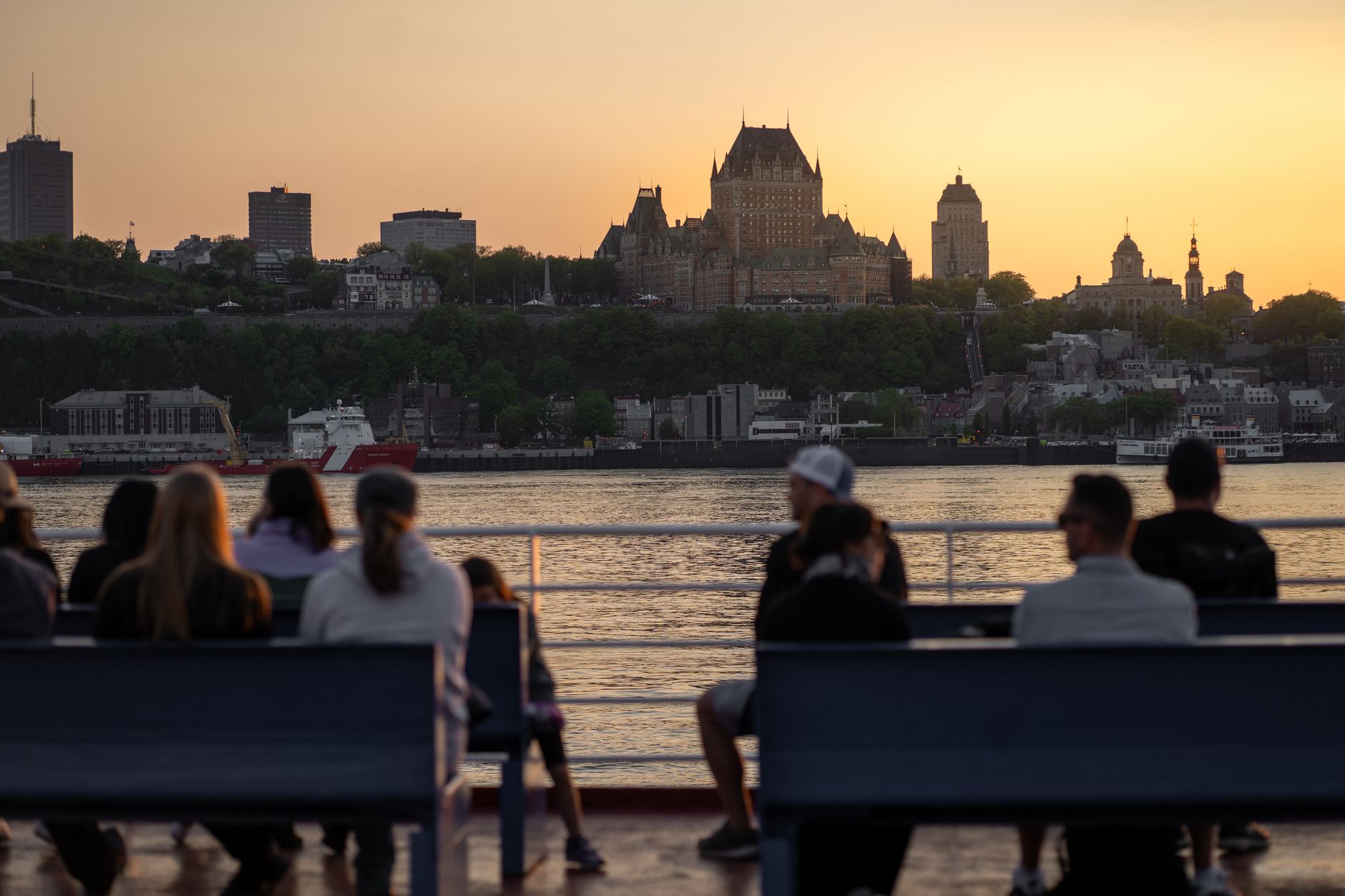
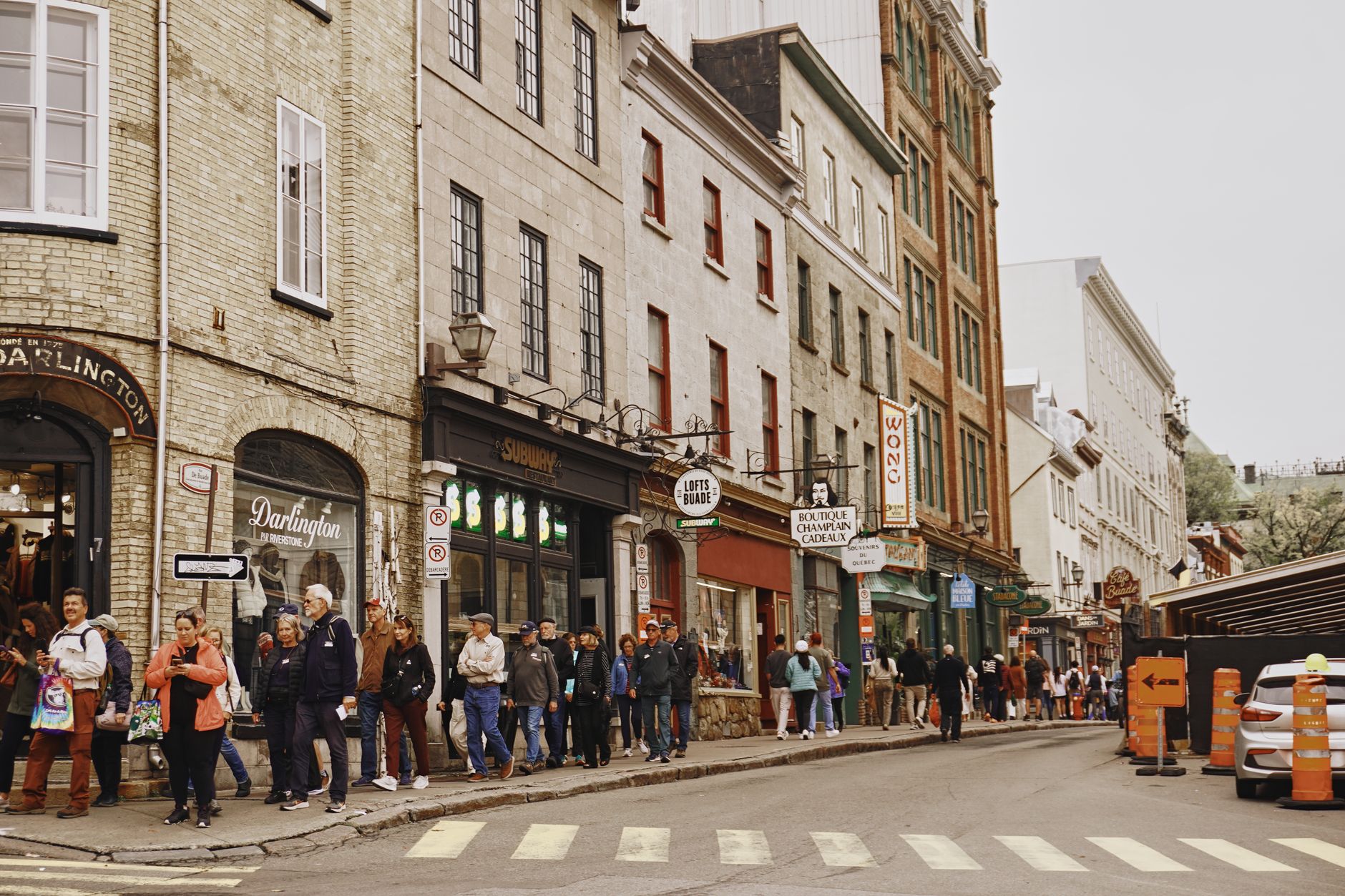
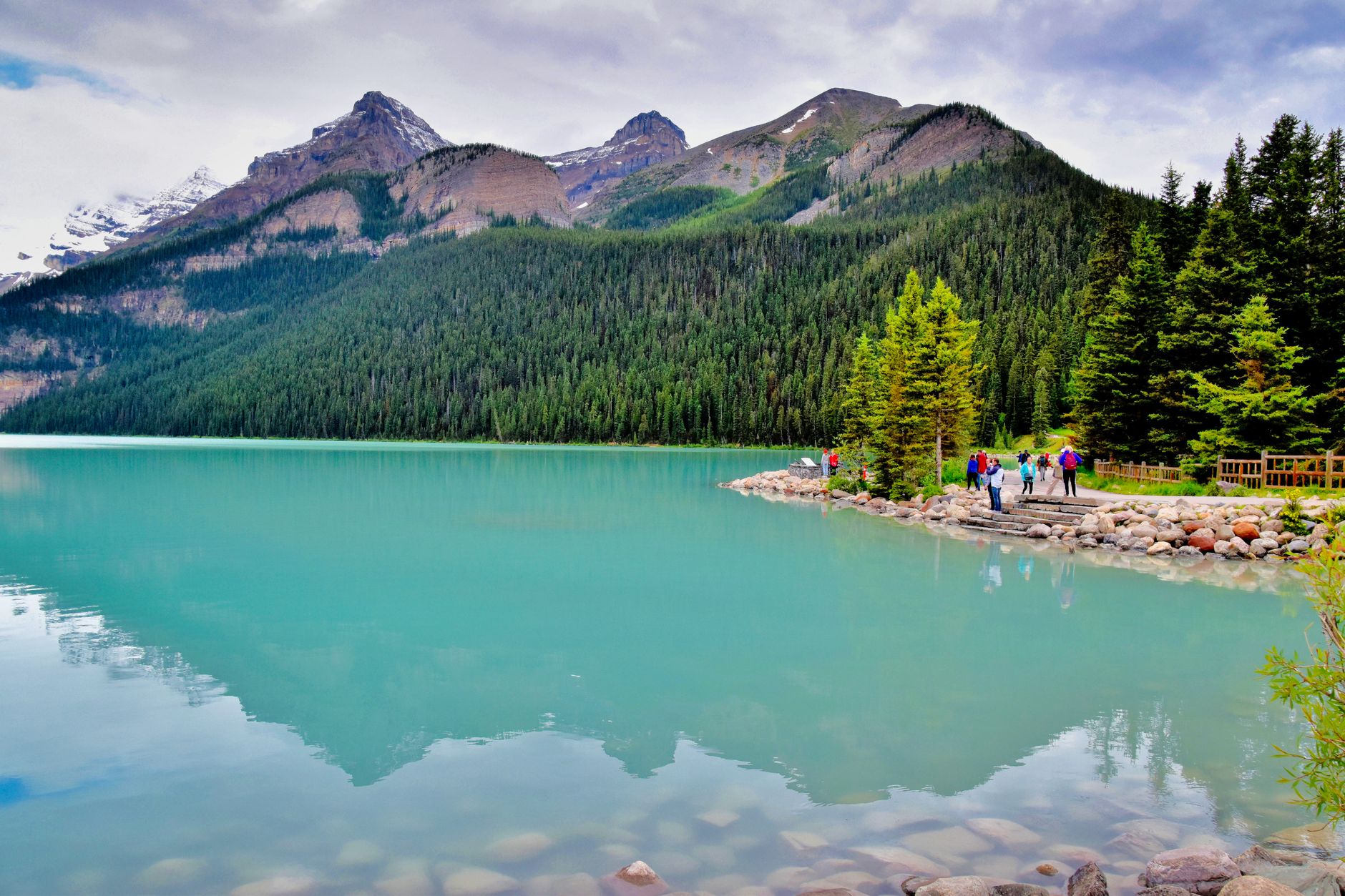
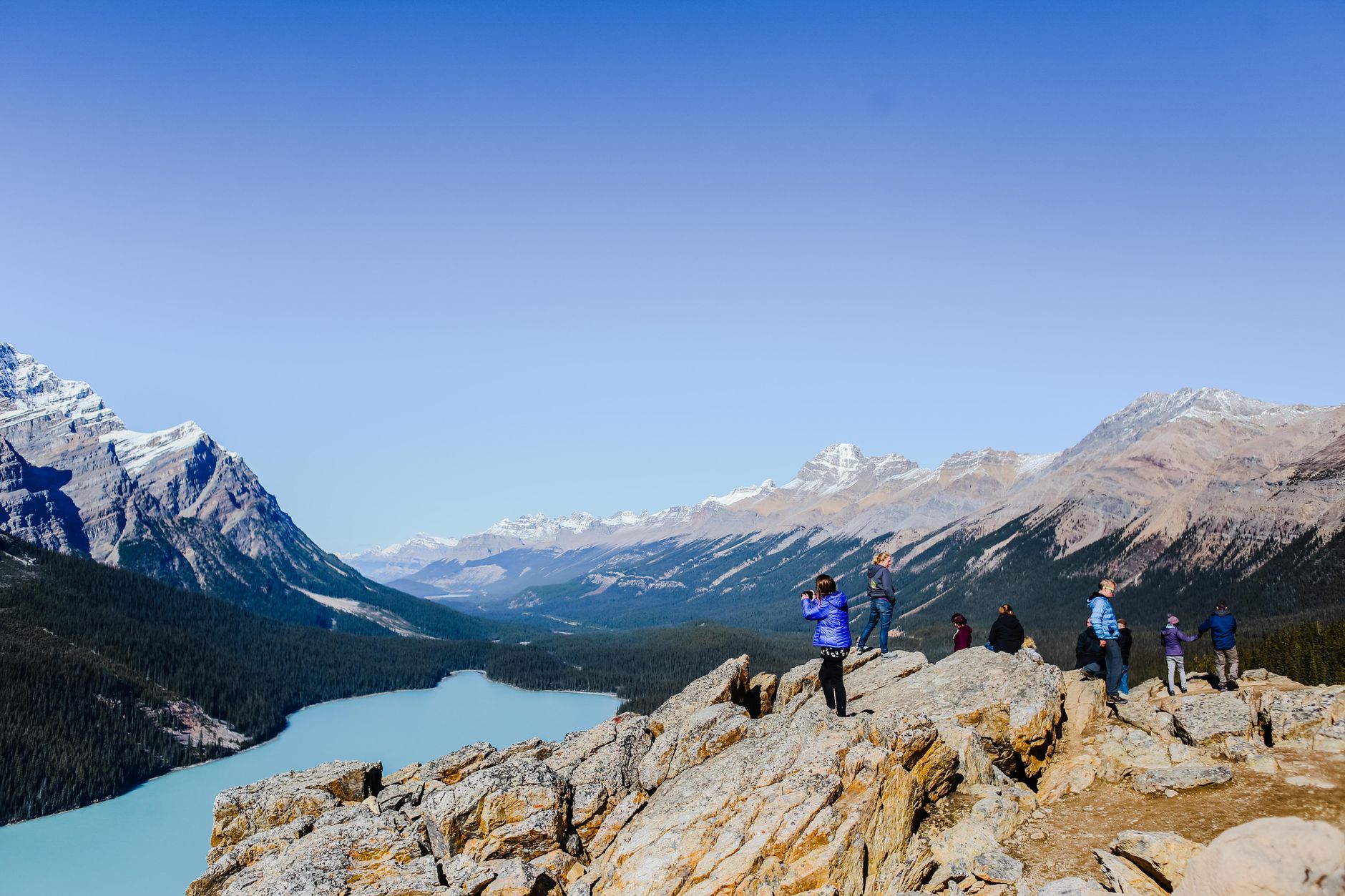
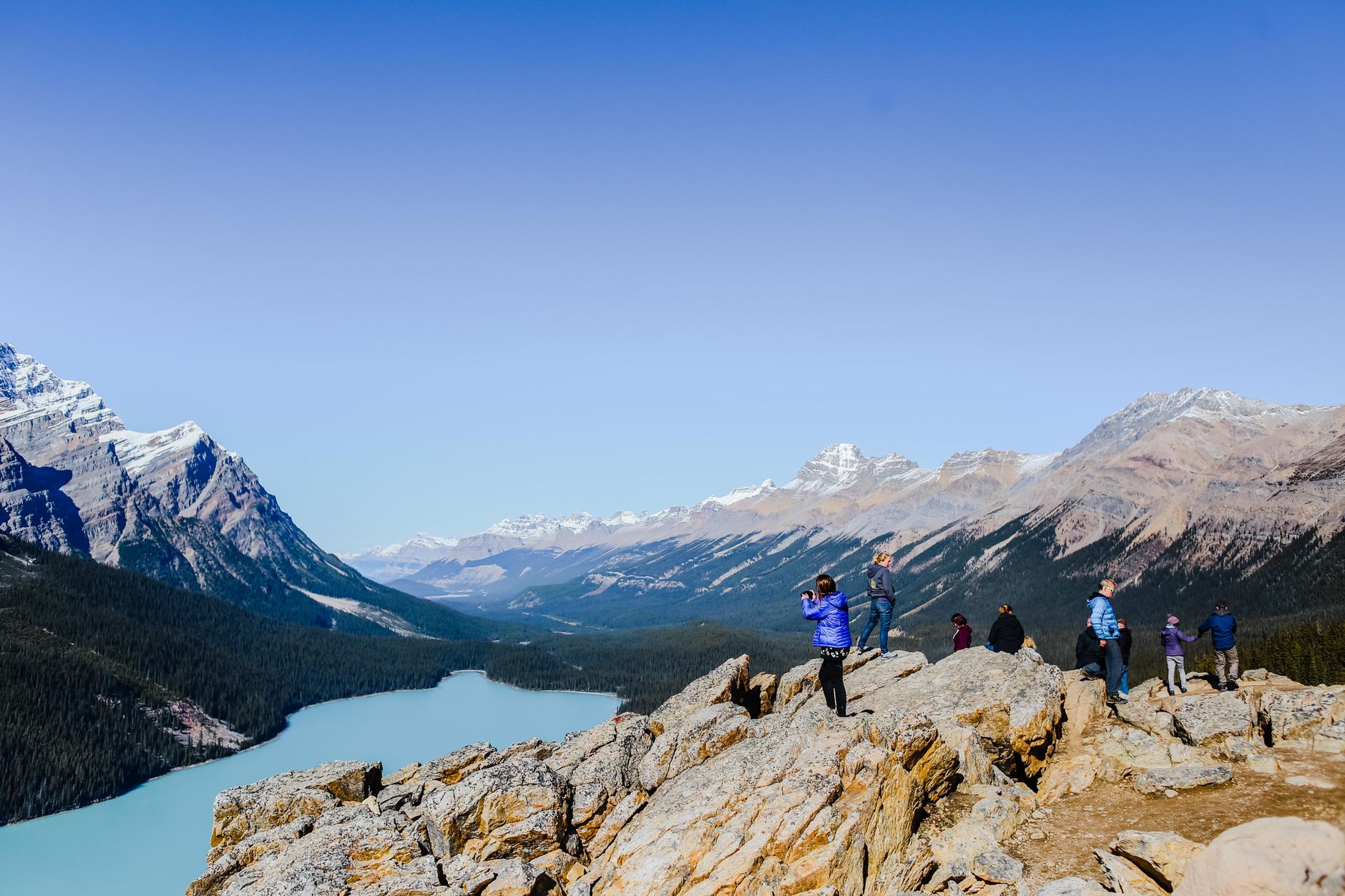
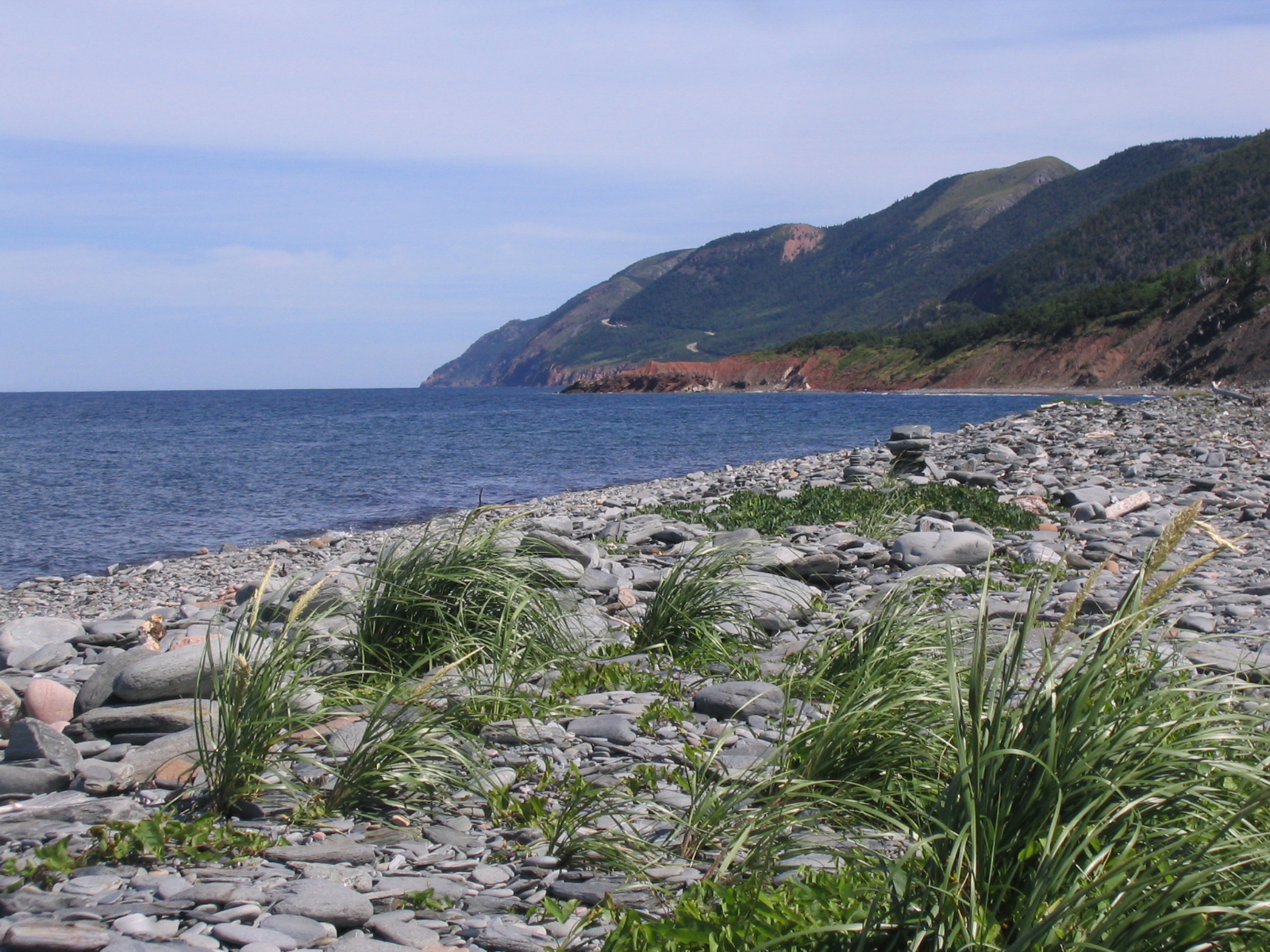
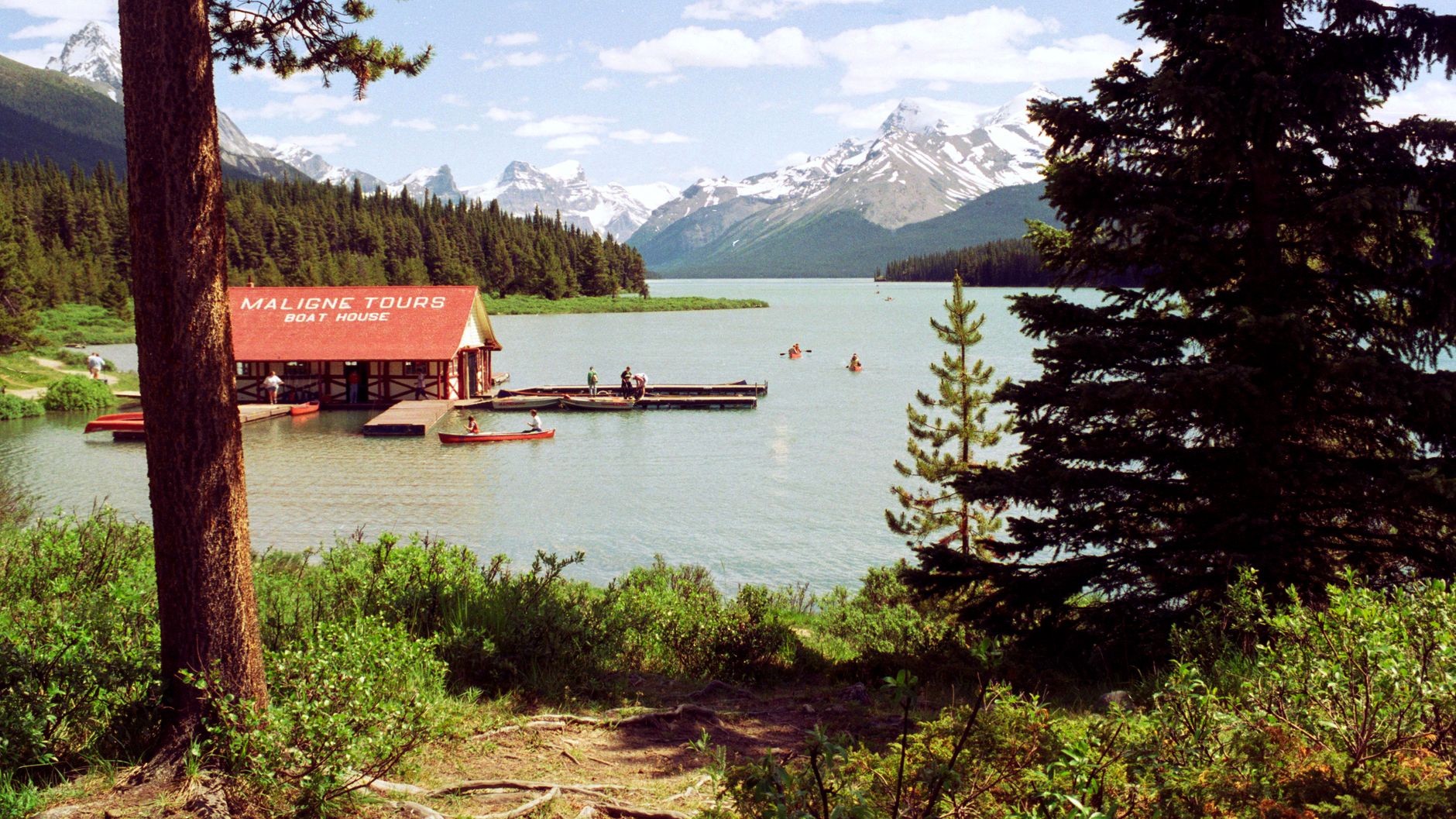
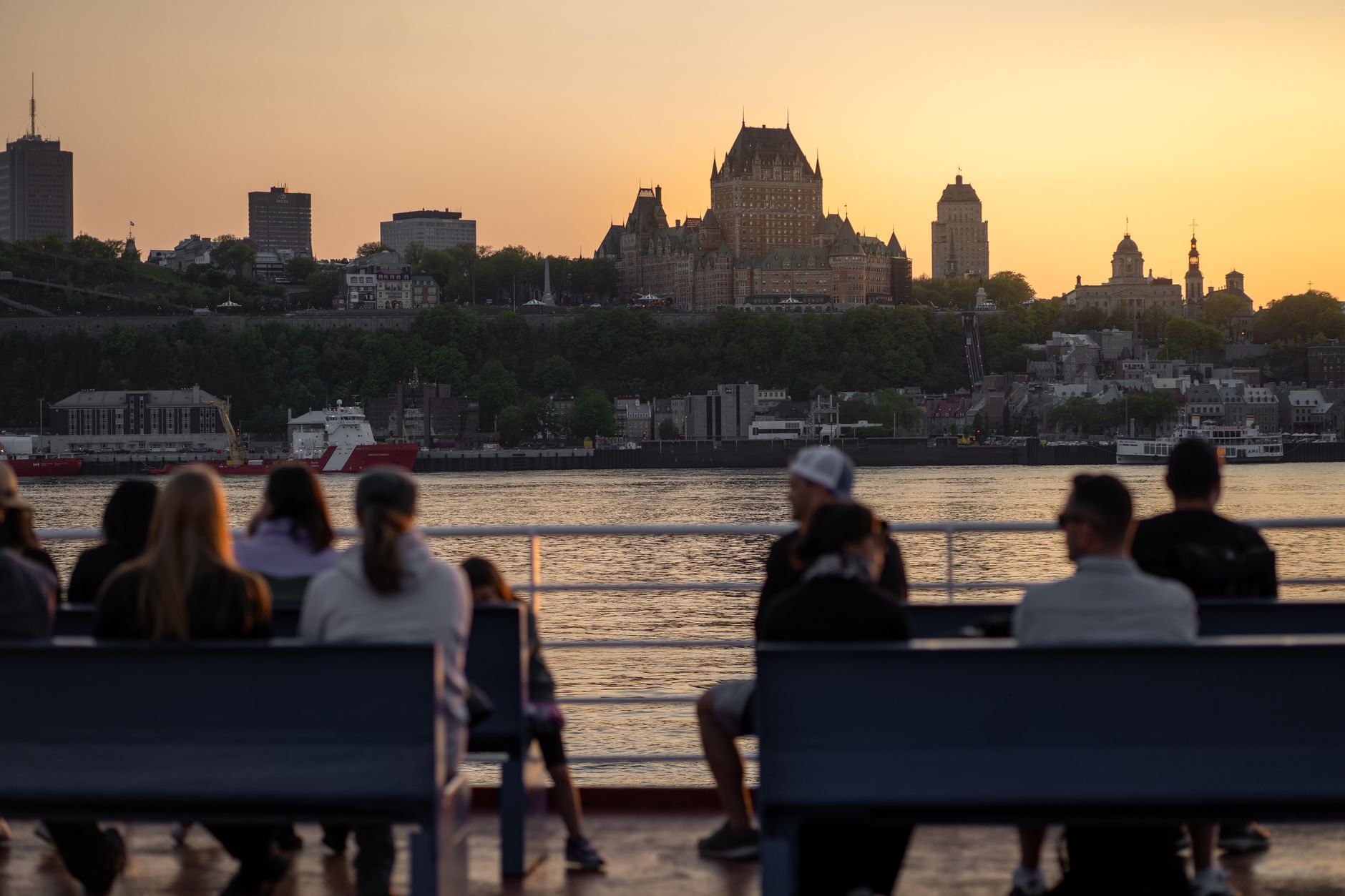
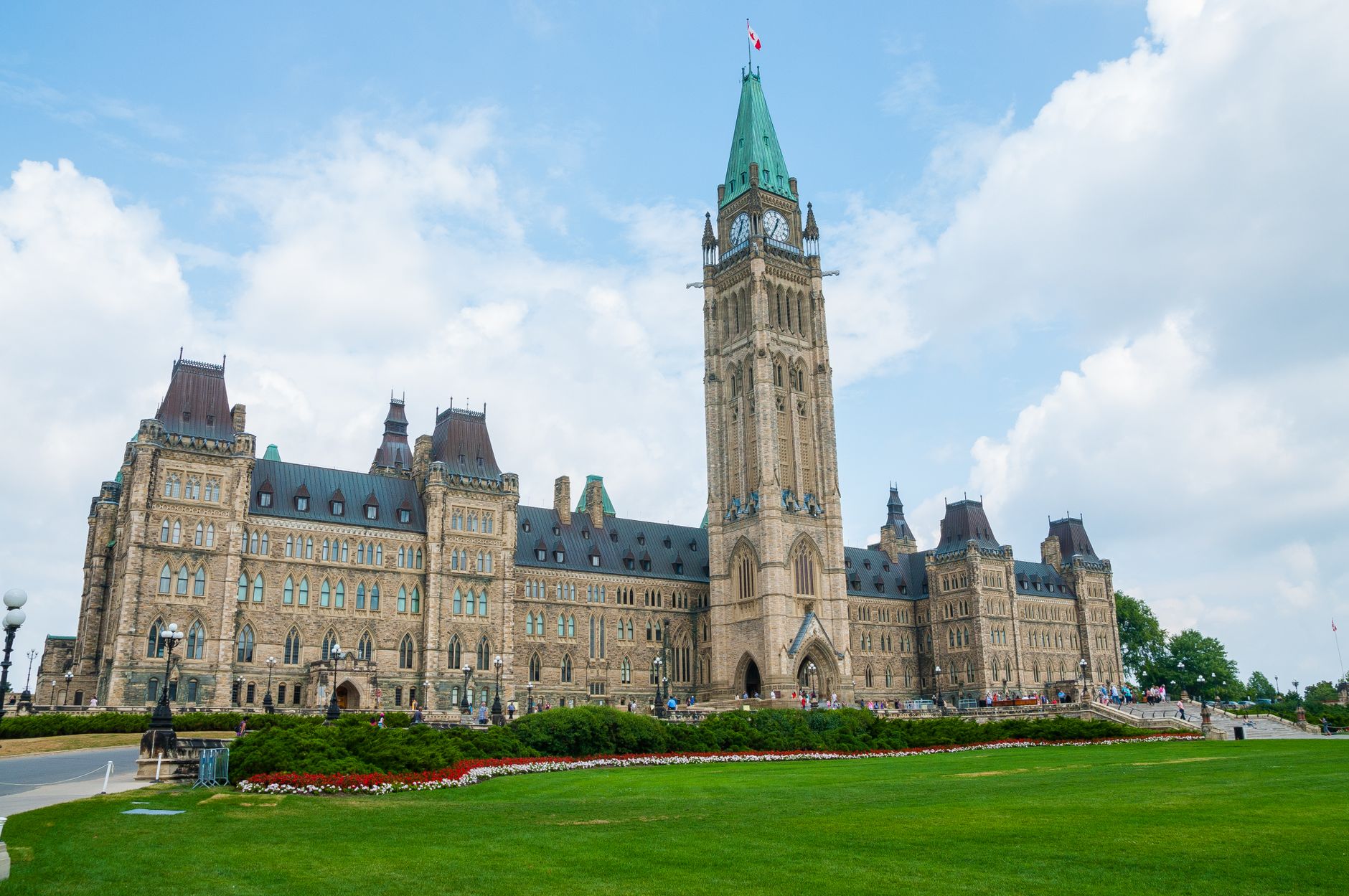
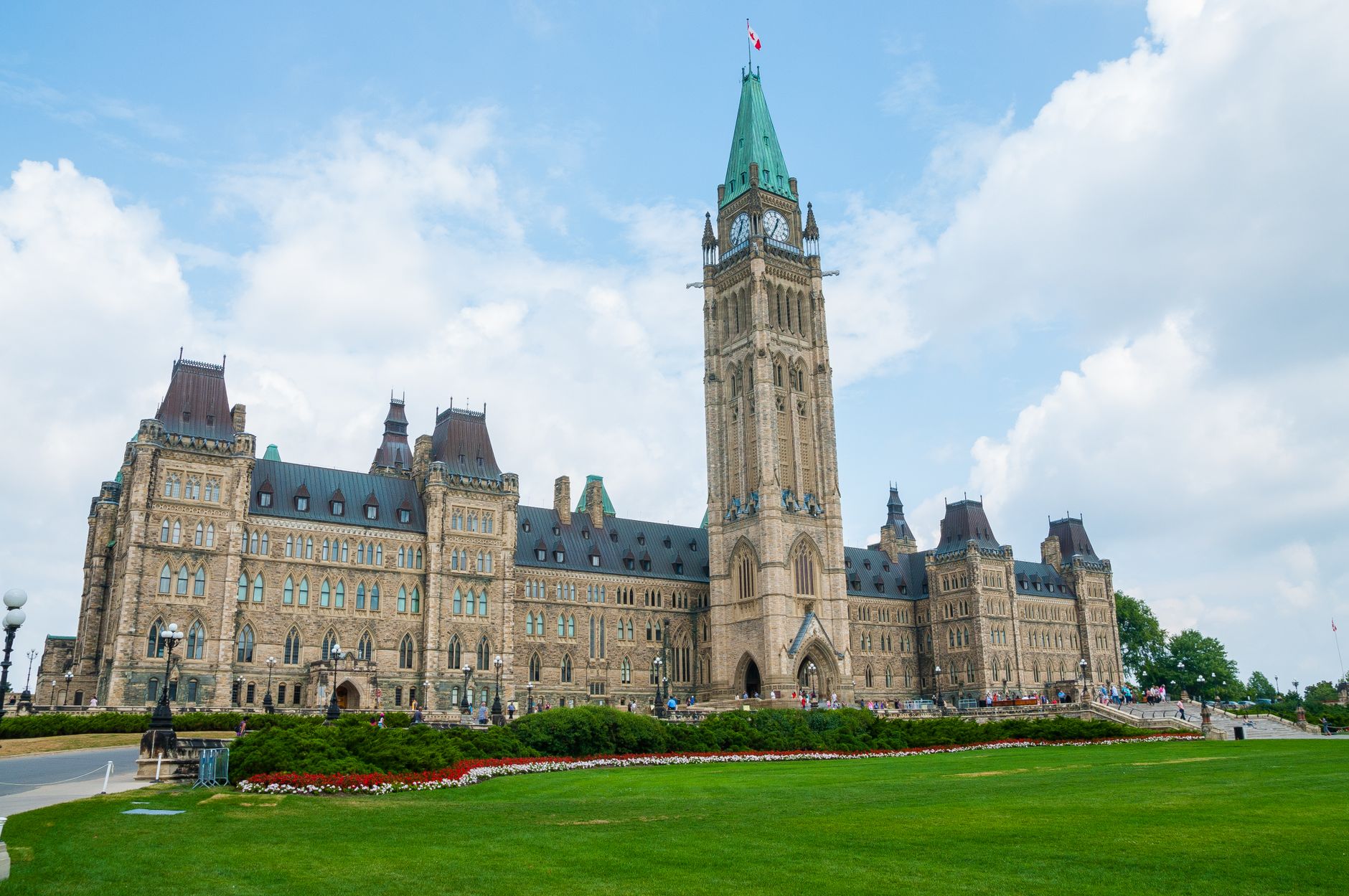
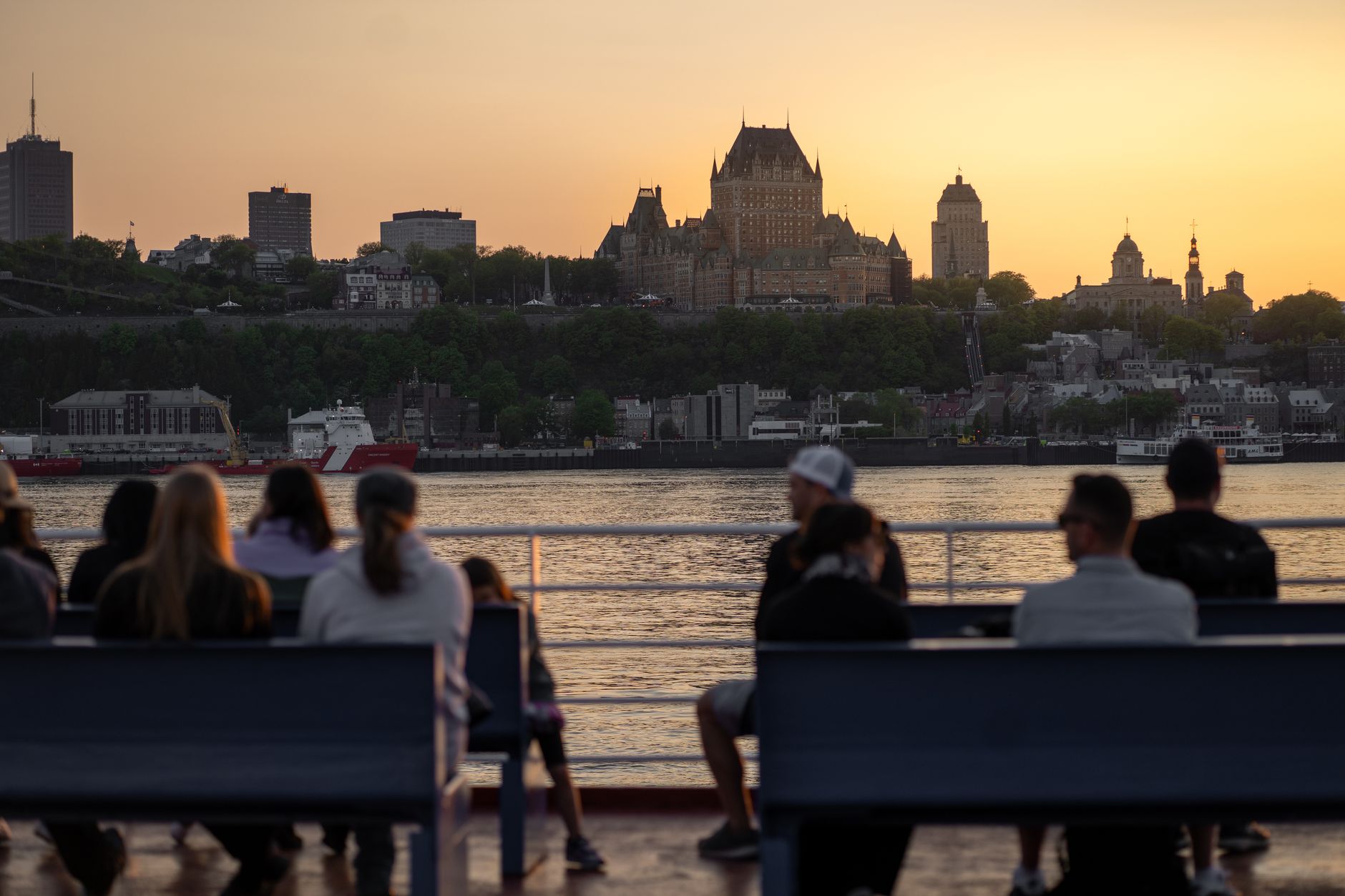
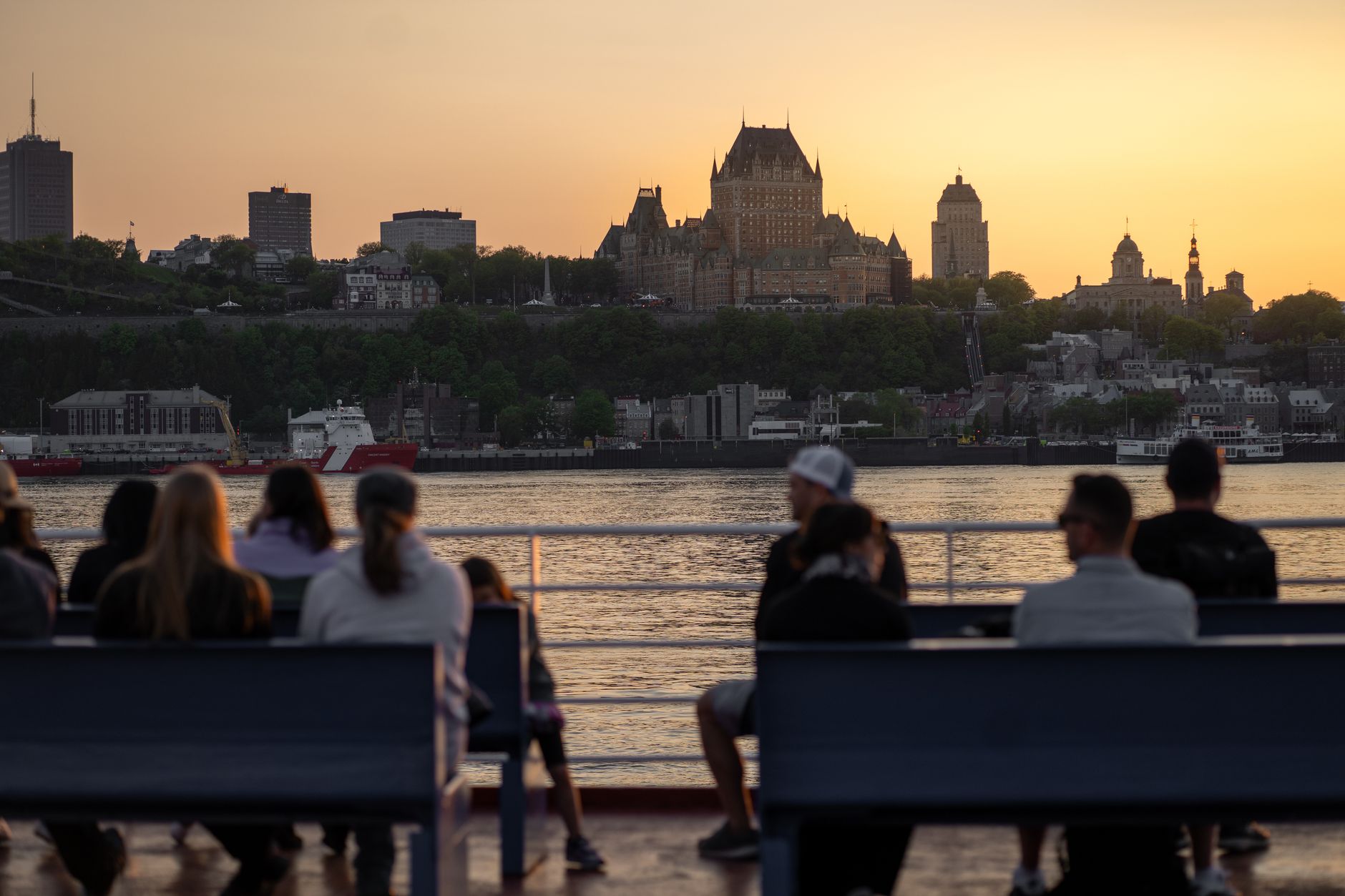
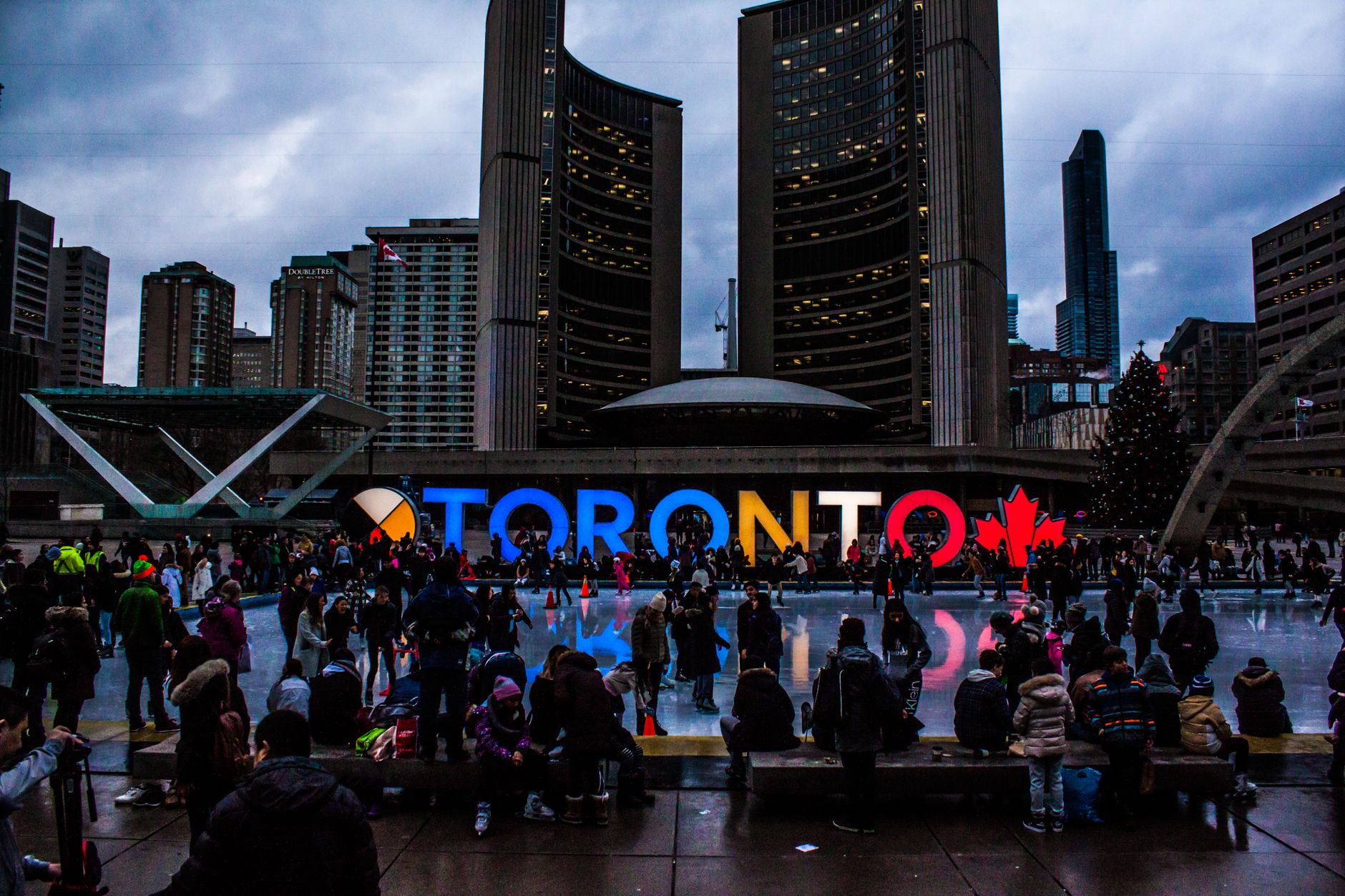
Canada is the second-largest country on earth by land area, which means the word 'Canada' covers an enormous range of experiences — Atlantic fishing villages, Prairie grain elevators, Rocky Mountain passes, Pacific rainforest, and Arctic tundra, all under one political roof. The CN Tower in Toronto stands 553 metres above Lake Ontario; the Château Frontenac in Quebec City looks down over the St. Lawrence from a clifftop; Parliament Hill in Ottawa is currently wrapped in scaffolding for a renovation that won't finish until at least 2030. Every region operates on its own logic and rewards a different kind of traveller.
What holds it together is a particular quality of space. Distances here are not metaphorical — they are genuinely vast, and planning around them is the first thing any trip to Canada requires.
Deals in Canada
Book directly at the provider

How Canada came to be
Three British North American provinces — the Province of Canada, Nova Scotia, and New Brunswick — united into the Dominion of Canada on July 1, 1867, the date the British North America Act came into force. From that union, Ontario and Quebec emerged as separate provinces, giving Confederation four founding members from the start; Prince Edward Island didn't join until 1873. The principal architects of the deal included Sir John A. Macdonald, who became the country's first Prime Minister, and Sir George-Étienne Cartier, who brought Quebec in and later helped negotiate the entry of Manitoba and British Columbia.
European contact predates all of this by centuries. John Cabot mapped the Atlantic shore in 1497, and Jacques Cartier made three voyages between 1534 and 1542, claiming the land for France — by the 1550s the name Canada was appearing on maps. Samuel de Champlain built a fortress at what is now Quebec City in 1608. Full constitutional independence from Britain came much later, proclaimed by Queen Elizabeth II on April 17, 1982.
Who and what shaped it
People who shaped it
Landmark buildings
See Canada in motion
Plan your visit
On the map
When to go
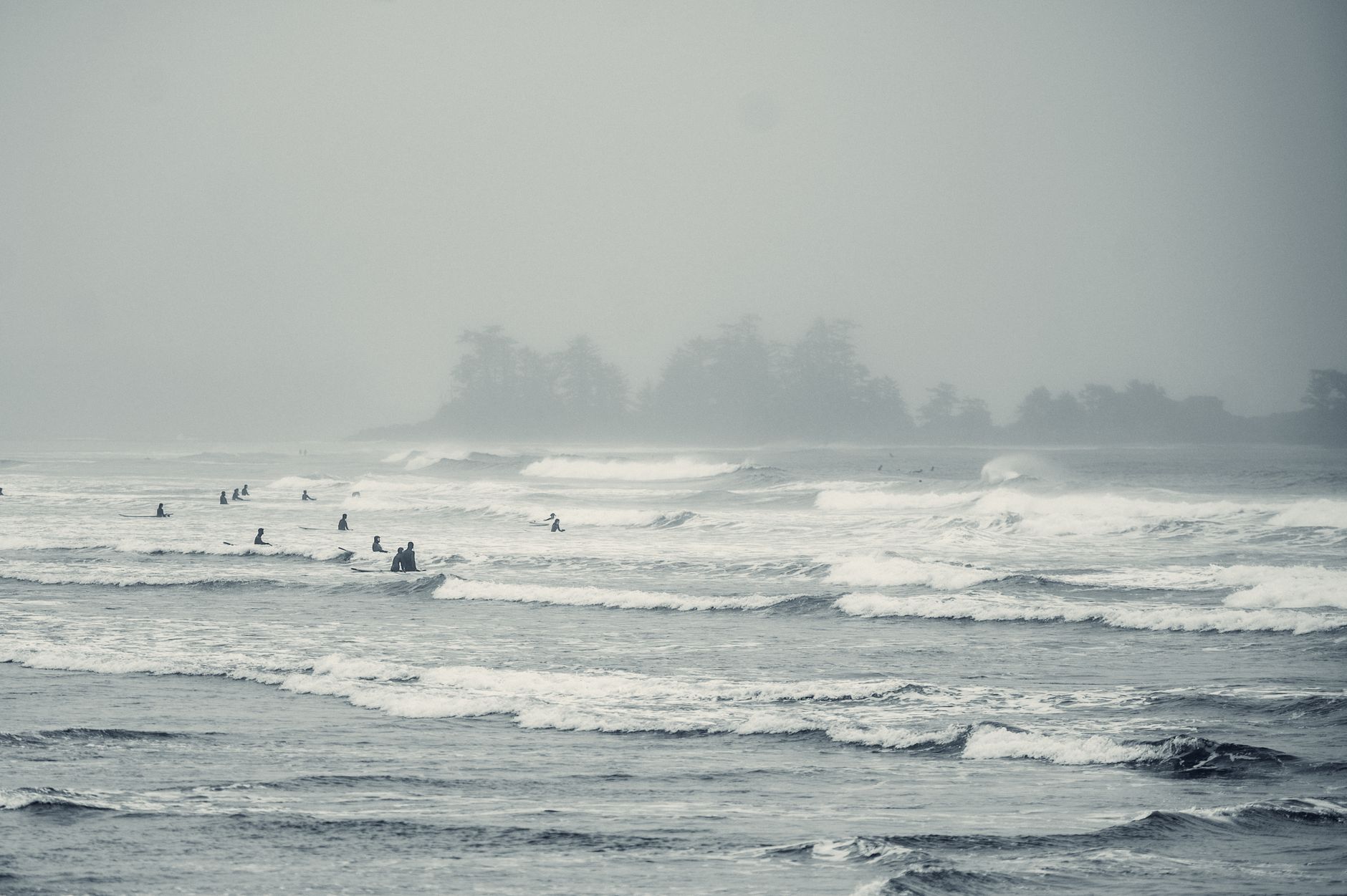
Winters across most of Canada are genuinely cold — Montreal's January average sits around -9°C, comparable to Moscow, and the interior and Prairie provinces see temperatures well below freezing for months at a time. The west coast is the exception, running milder and wetter year-round. Summers are warm to hot across the south, making June through August the most accessible window for first-time visitors, though spring and autumn offer fewer crowds and sharper light.
Right now
↡ Regions







No places match these filters.
Background & history adapted from Wikipedia (CC BY-SA) · specs from Wikidata (CC0) · weather from Open-Meteo · map data © OpenStreetMap contributors · photos from Wikimedia Commons / Unsplash with per-image credit. No third-party reviews or social posts reproduced.