
Banff National Park
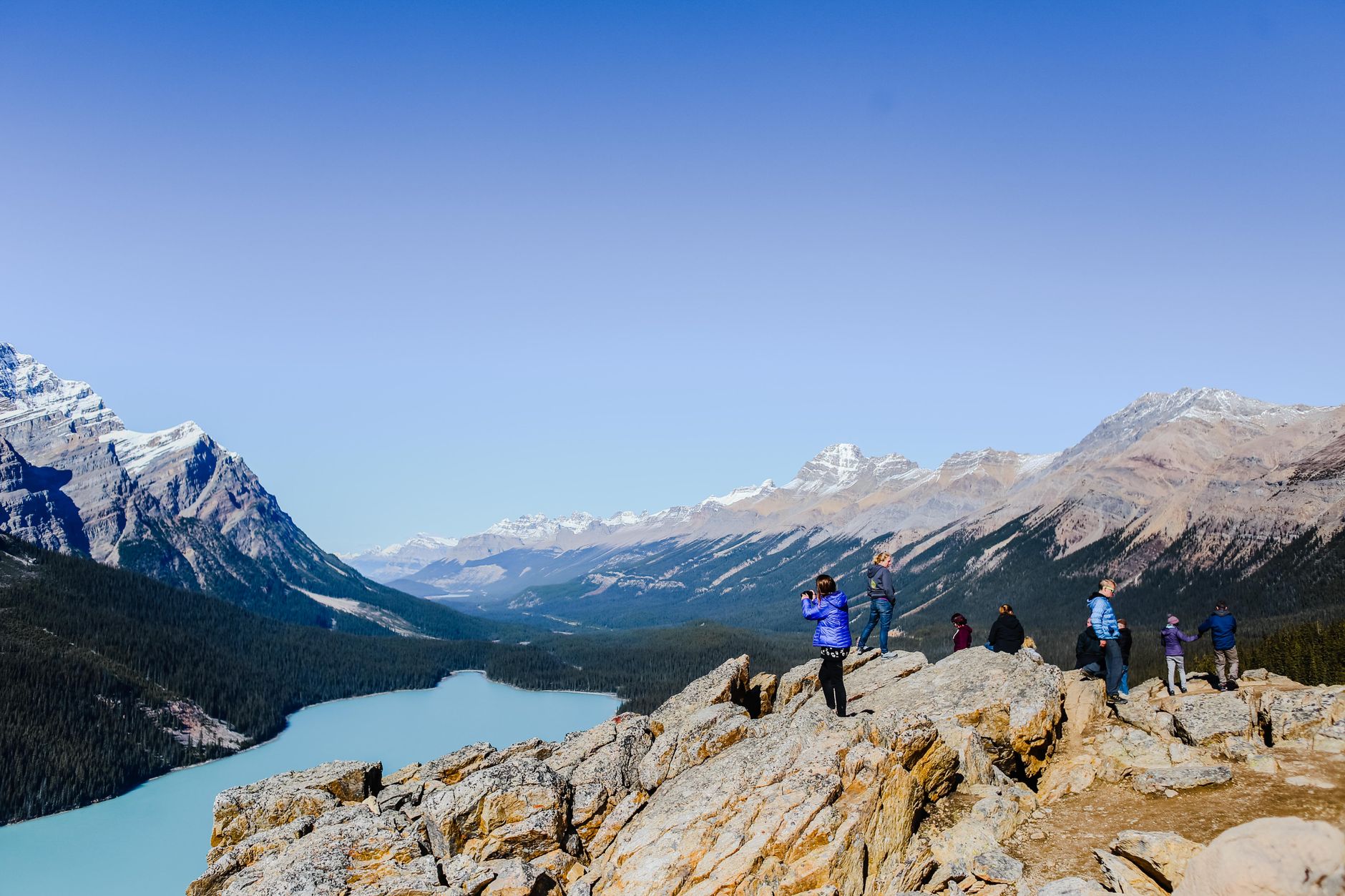
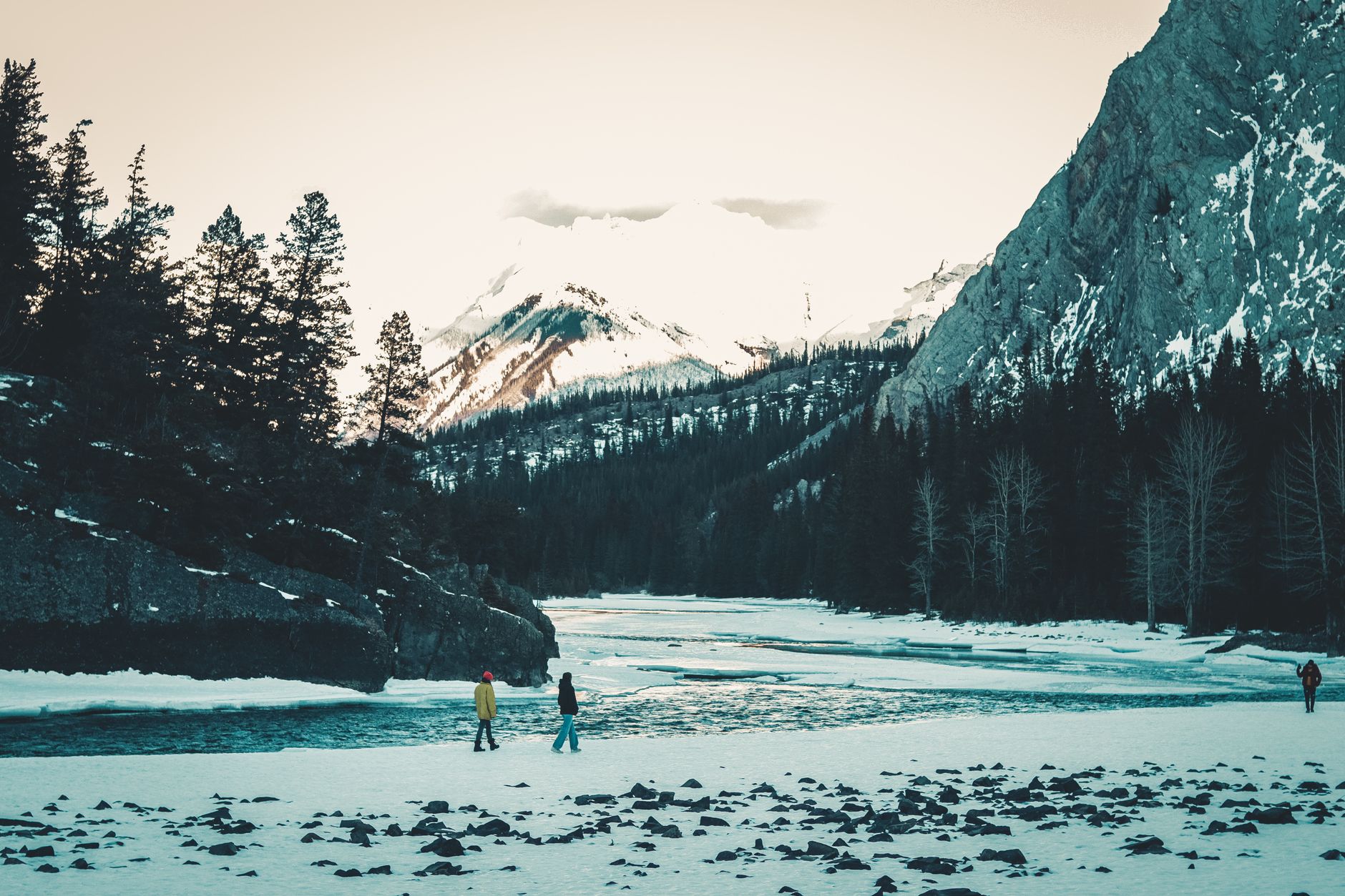
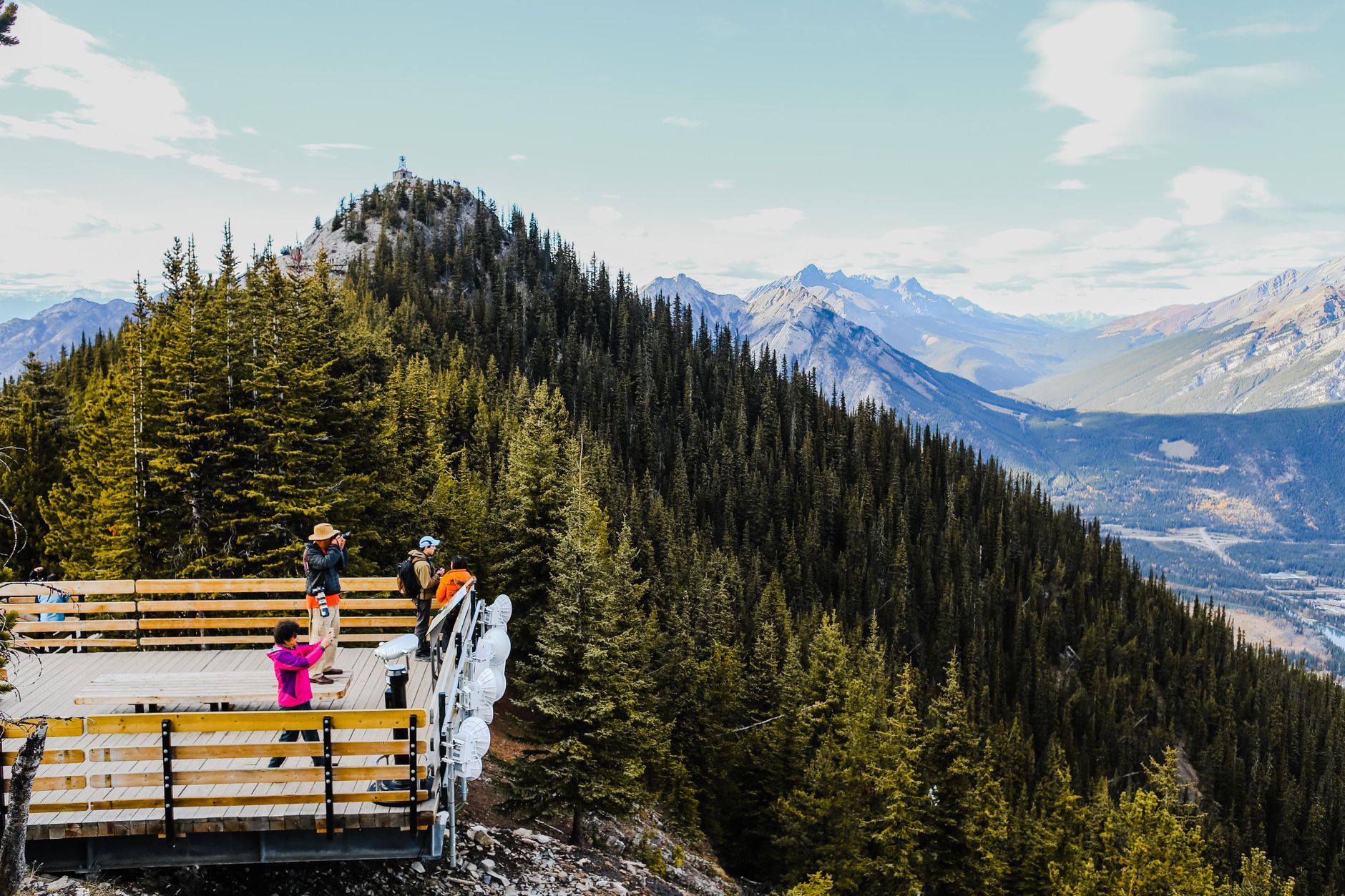
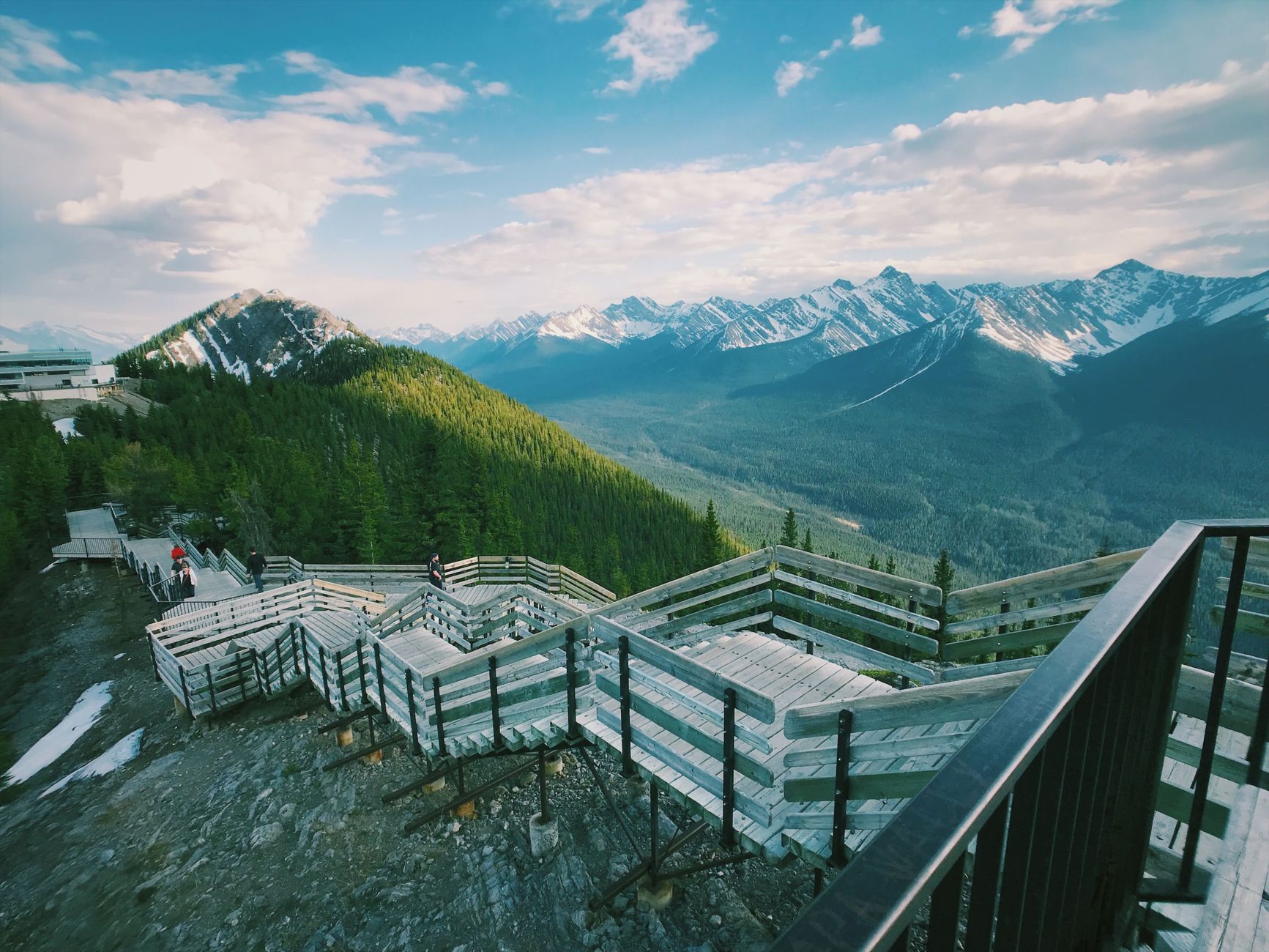
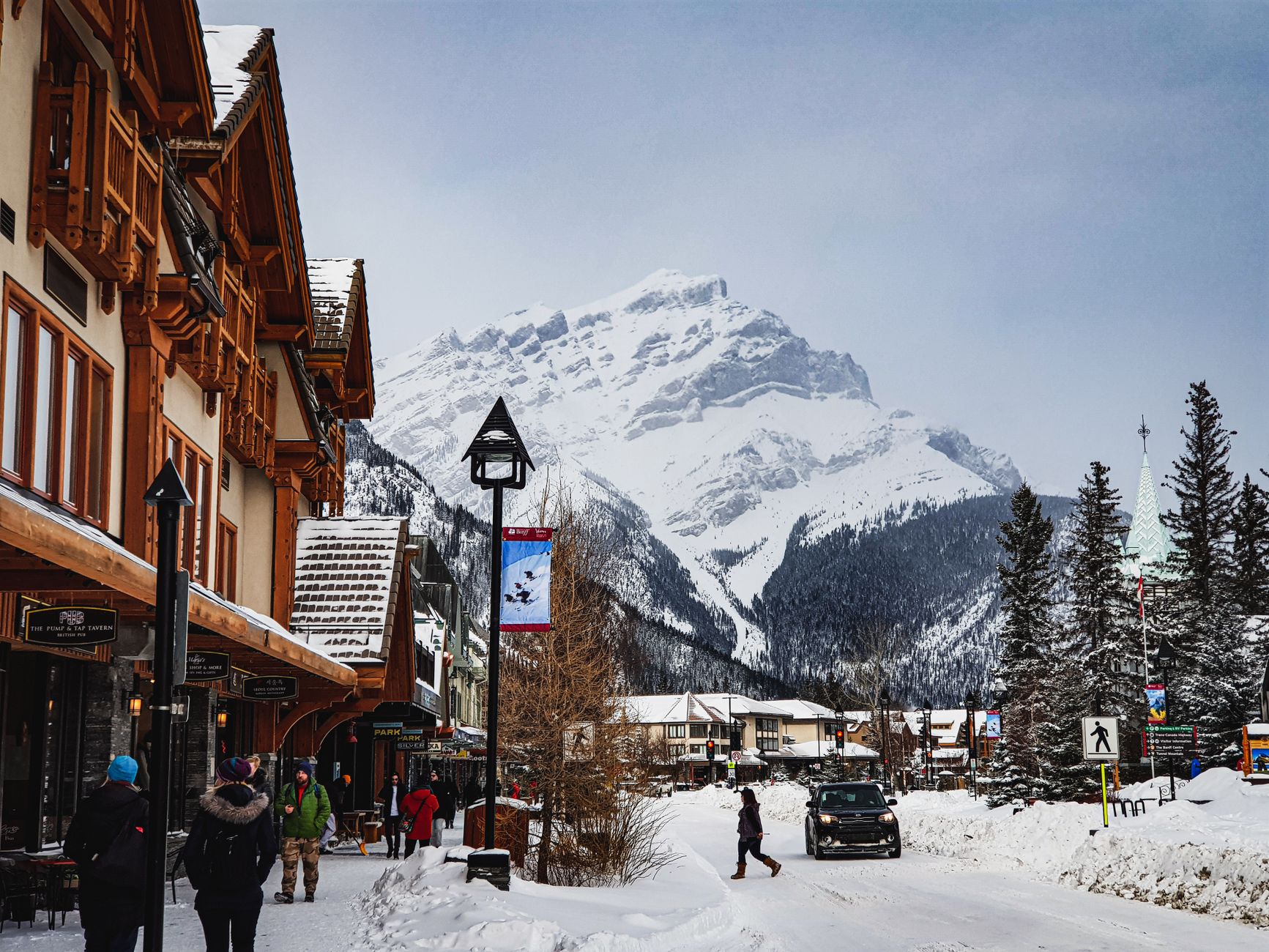
The number that keeps coming up when people talk about Banff is 6,641 — the square kilometres of Rocky Mountain terrain that Canada has held in trust since 1885. That figure only becomes real when you're standing at the edge of Lake Louise watching the water shift from grey to an improbable turquoise as the morning light finds it, or when a Trans-Canada highway sign reminds you that the next town is an hour away.
Banff is Canada's oldest national park, and it carries that age in layers: a Victorian railway hotel above the Bow River, a cave where hot springs bubble in near-darkness, and valleys whose Stoney Nakoda names predate every road in sight. The infrastructure is good and the crowds are real, but the scale of the place absorbs both.
💛 What travellers fall for
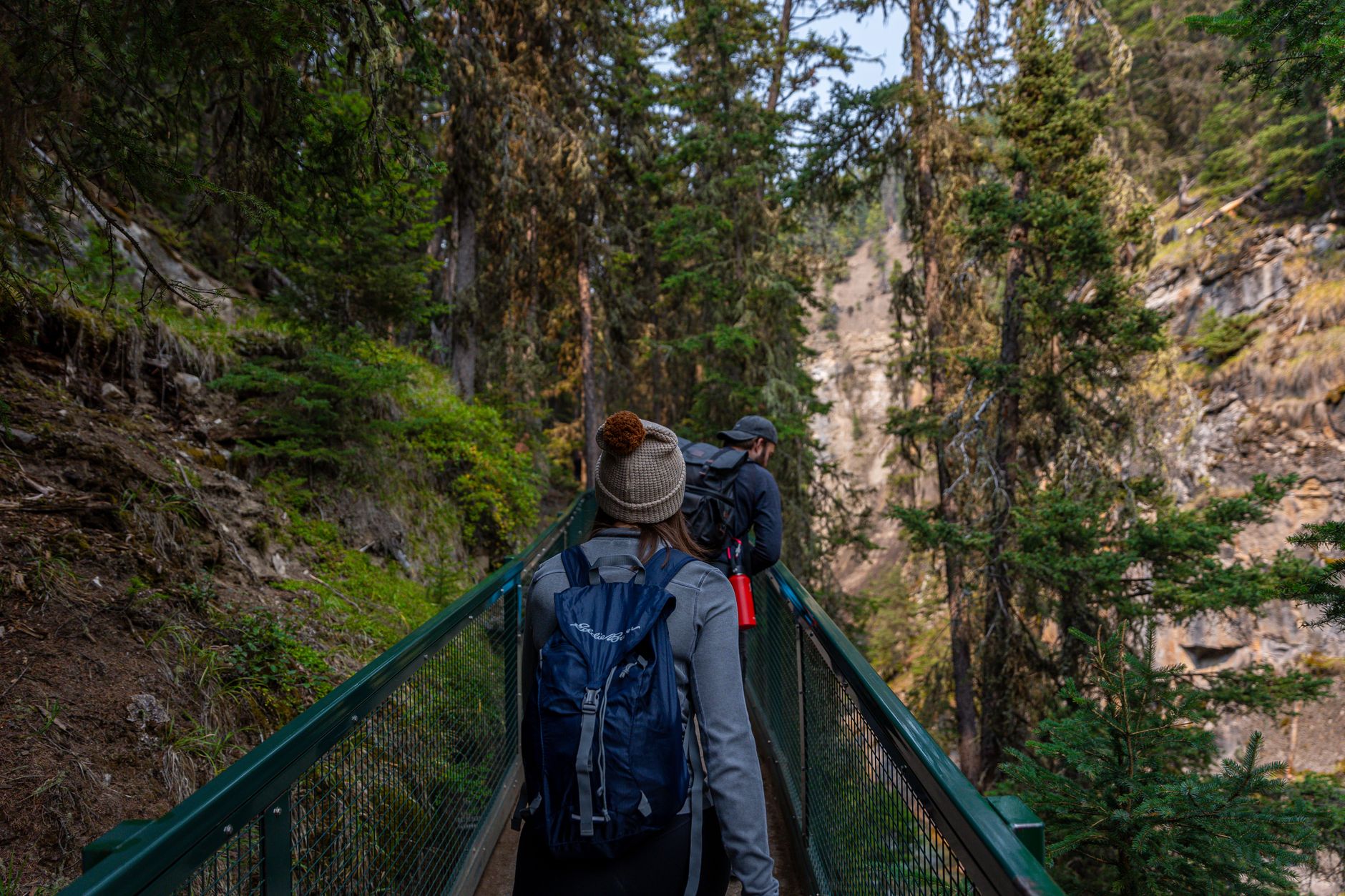
Regulars learn quickly that Moraine Lake's parking lot is a lost cause by 7 a.m. — book the Parks Canada shuttle or the Roam Transit 8X connector well ahead. The BanffNow app gives live parking data, which sounds mundane until you've wasted an hour circling. Johnston Canyon on a weekday morning, before the tour groups arrive, is a different place entirely.
How Banff National Park came to be
The park began not with wilderness idealism but with a property dispute. In 1883, Canadian Pacific Railway workers discovered hot springs above the Bow River valley and competing claims over their commercial potential prompted the federal government to act. On November 25, 1885, Ottawa set aside a 26-square-kilometre reserve around the Cave and Basin springs — Canada's first national park and the third in North America, after Yellowstone and Mackinac. Prime Minister John A. Macdonald wanted the springs protected from private monopolization; CPR general manager William Cornelius Van Horne saw a different opportunity and built the Banff Springs Hotel in 1888, anchoring a railway tourism business that still shapes the park's character.
The boundaries shifted repeatedly — expanding to 11,400 km² in 1902, then contracting sharply under grazing and logging pressure in 1911. The Rocky Mountains Park Act of 1887 gave the reserve its first formal footing; the National Parks Act of 1930 gave it the name Banff, drawn from Banffshire in Scotland. That tidied history obscures harder chapters: the Stoney Nakoda were removed from the park between 1890 and 1920, and during World War I, Austro-Hungarian, German, and Ukrainian immigrants were interned at camps at Castle Mountain and Cave and Basin.
Who and what shaped it
People who shaped it
Landmark buildings
See Banff National Park in motion
Plan your visit
On the map
When to go
Summer (June through August) is the warmest and most visited season, with July bringing the best conditions for hiking at all elevations; afternoon thunderstorms are common above the treeline. Winters are long and cold, with heavy snowfall making the park a serious destination for skiing and ice walks, while spring and autumn offer thinner crowds and rapidly changing mountain weather that can include snow at any elevation.
Background & history adapted from Wikipedia (CC BY-SA) · specs from Wikidata (CC0) · weather from Open-Meteo · map data © OpenStreetMap contributors · photos from Wikimedia Commons / Unsplash with per-image credit. No third-party reviews or social posts reproduced.