
India
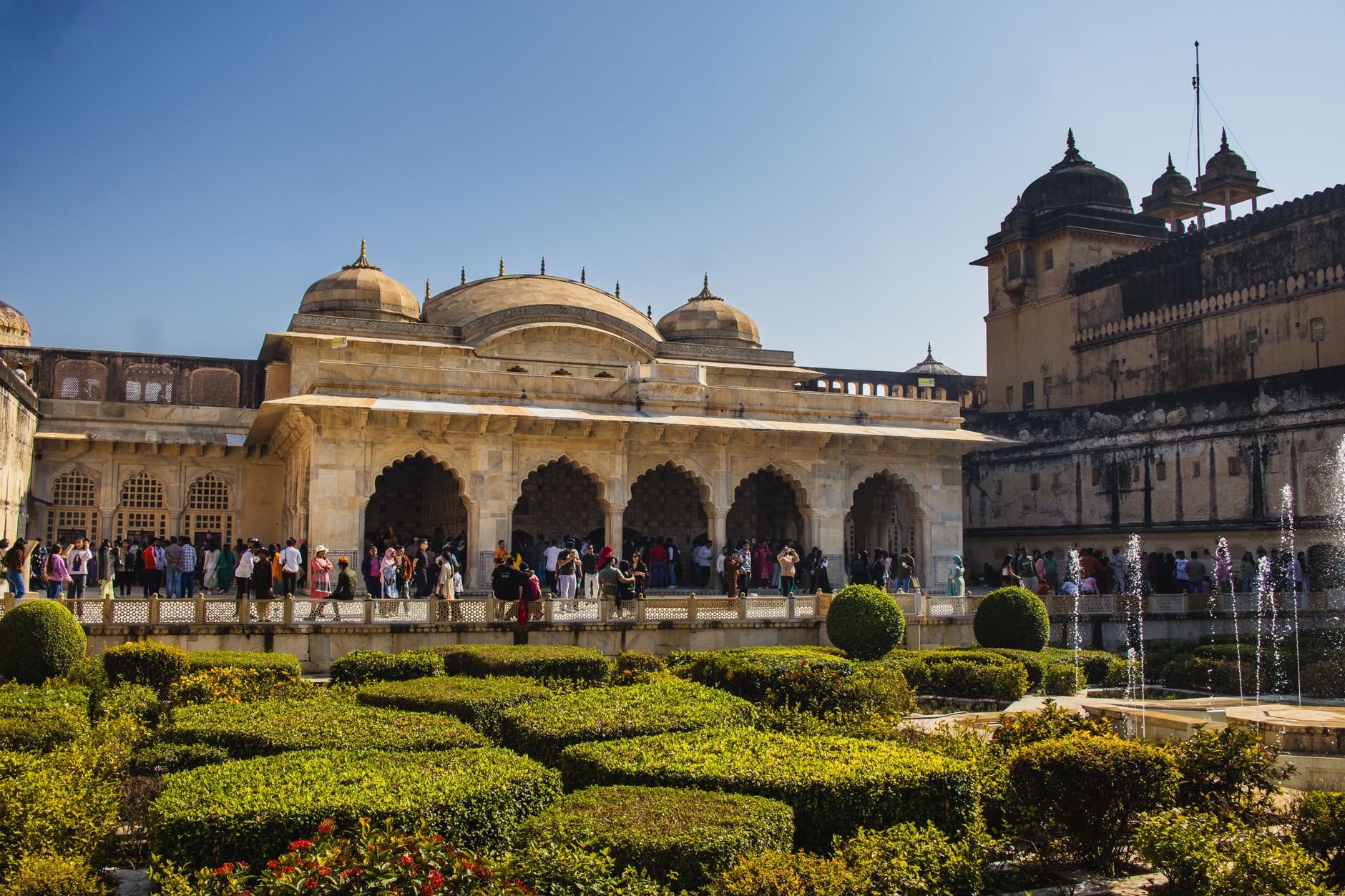
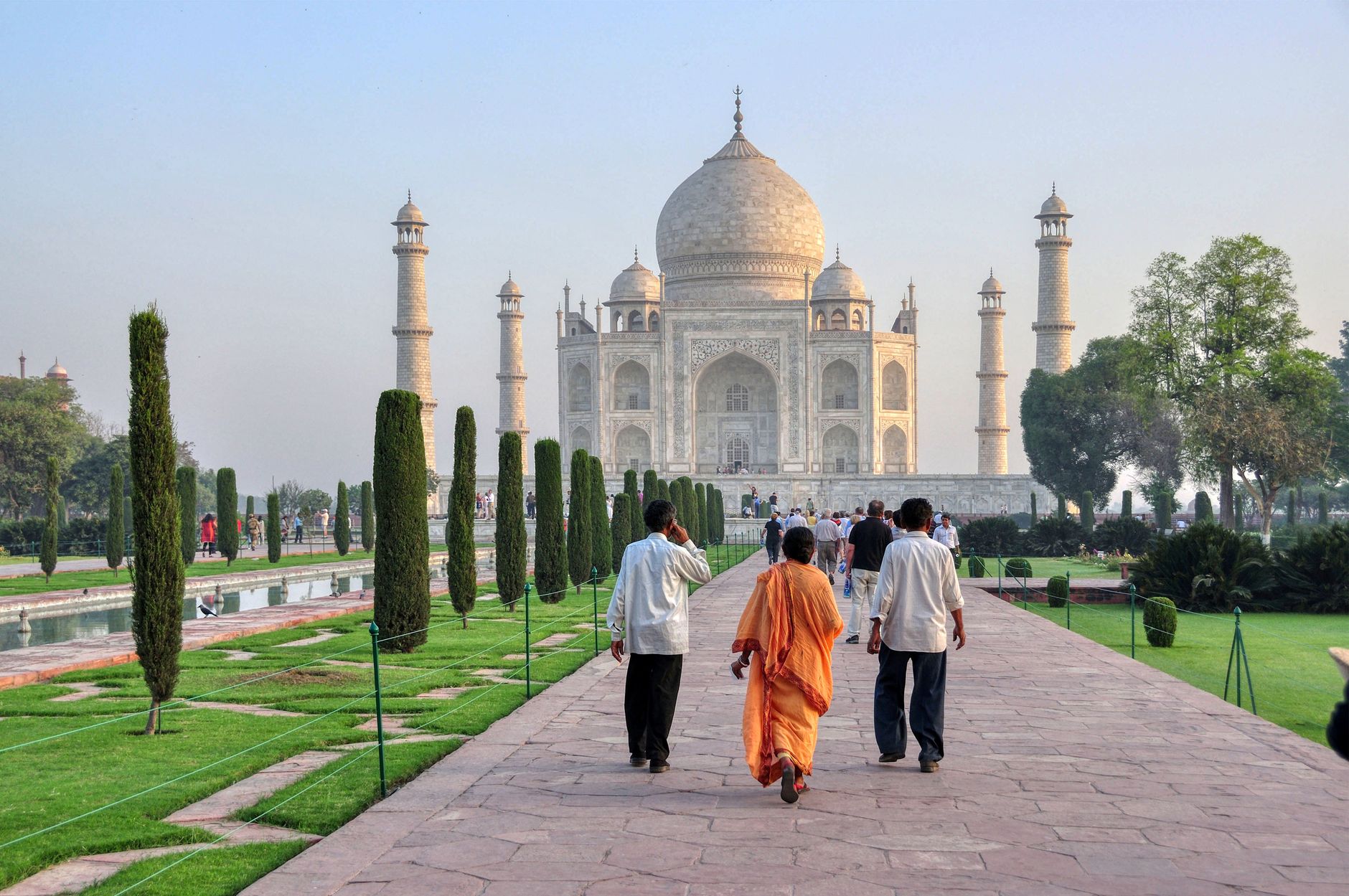
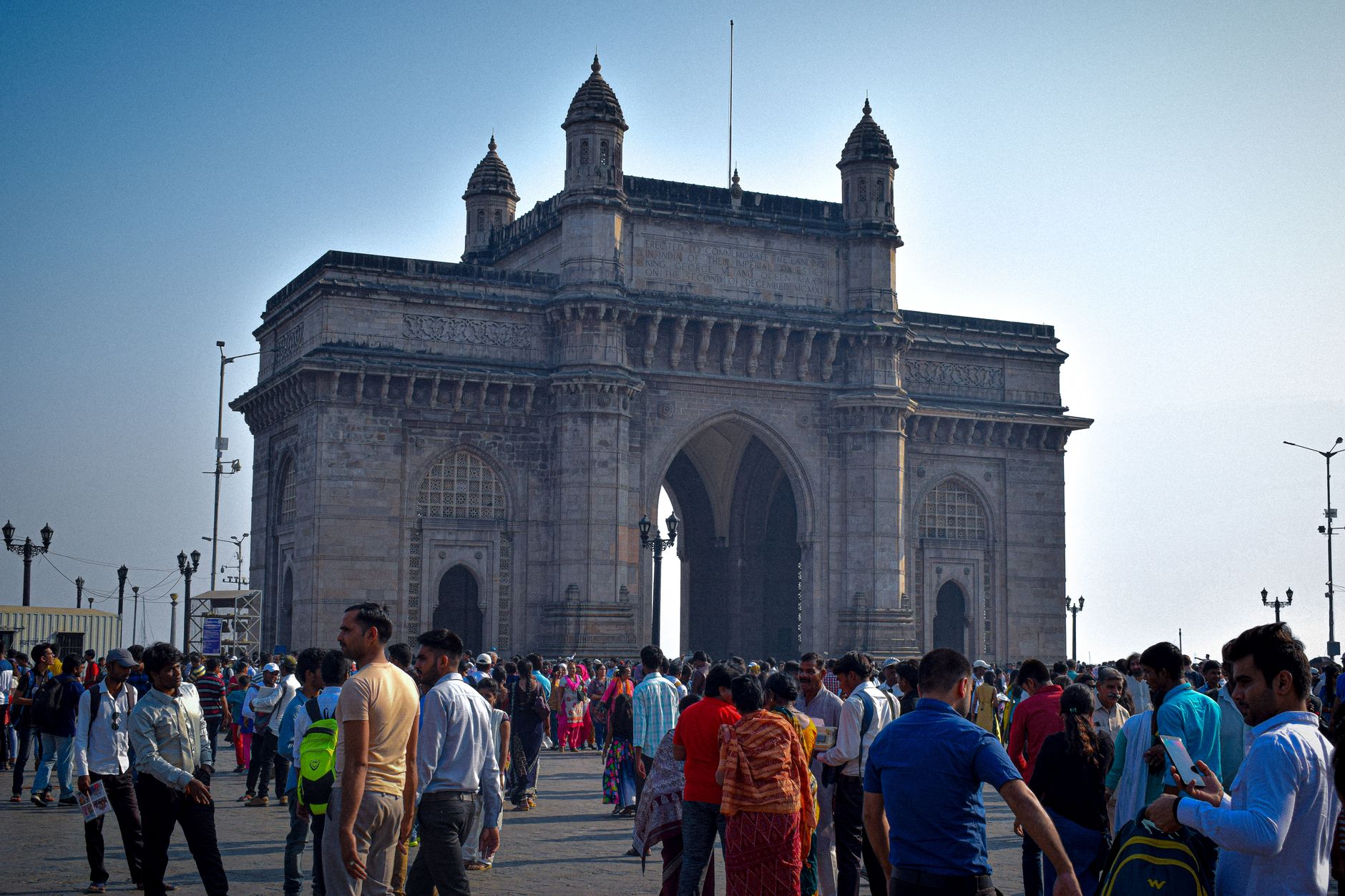
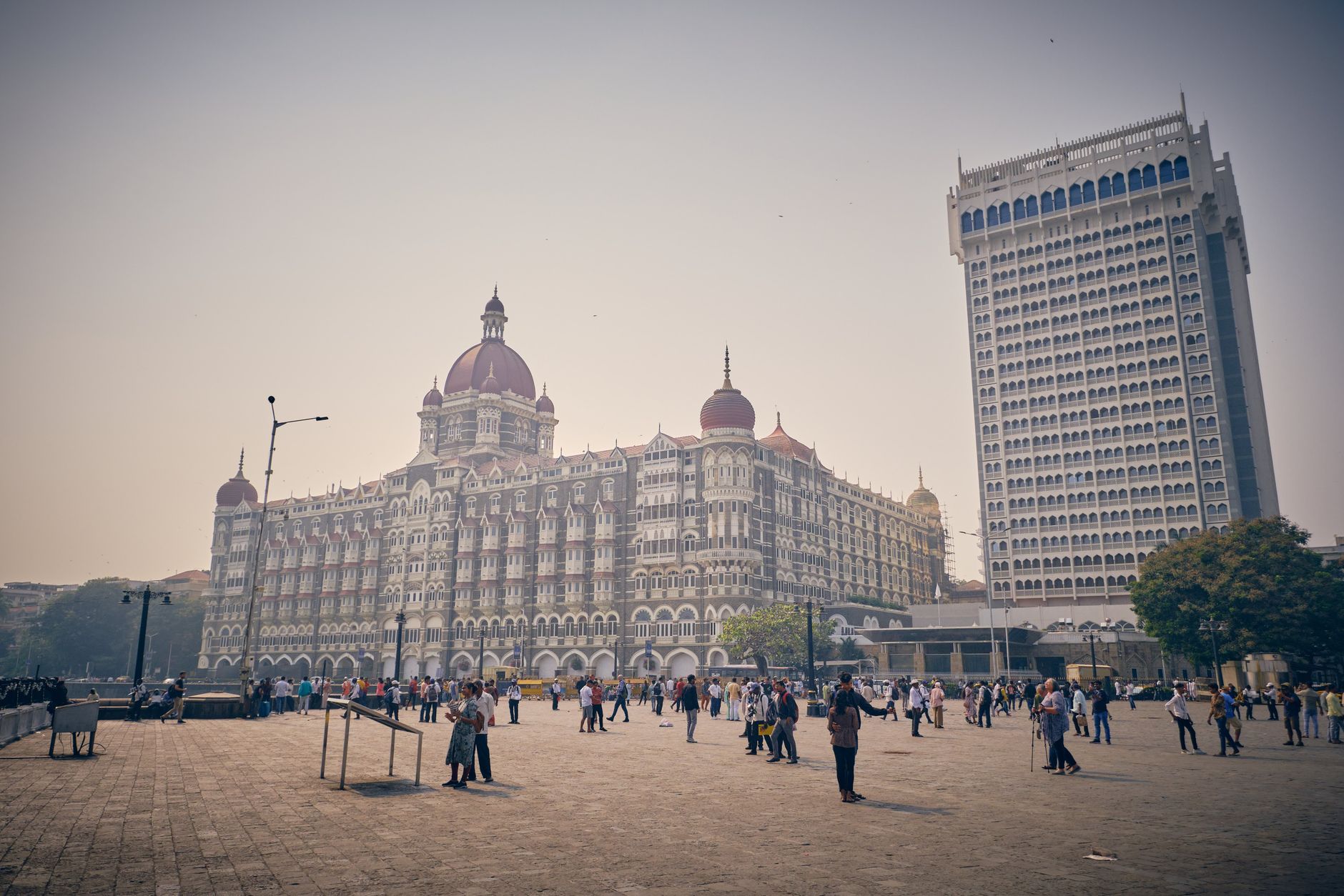
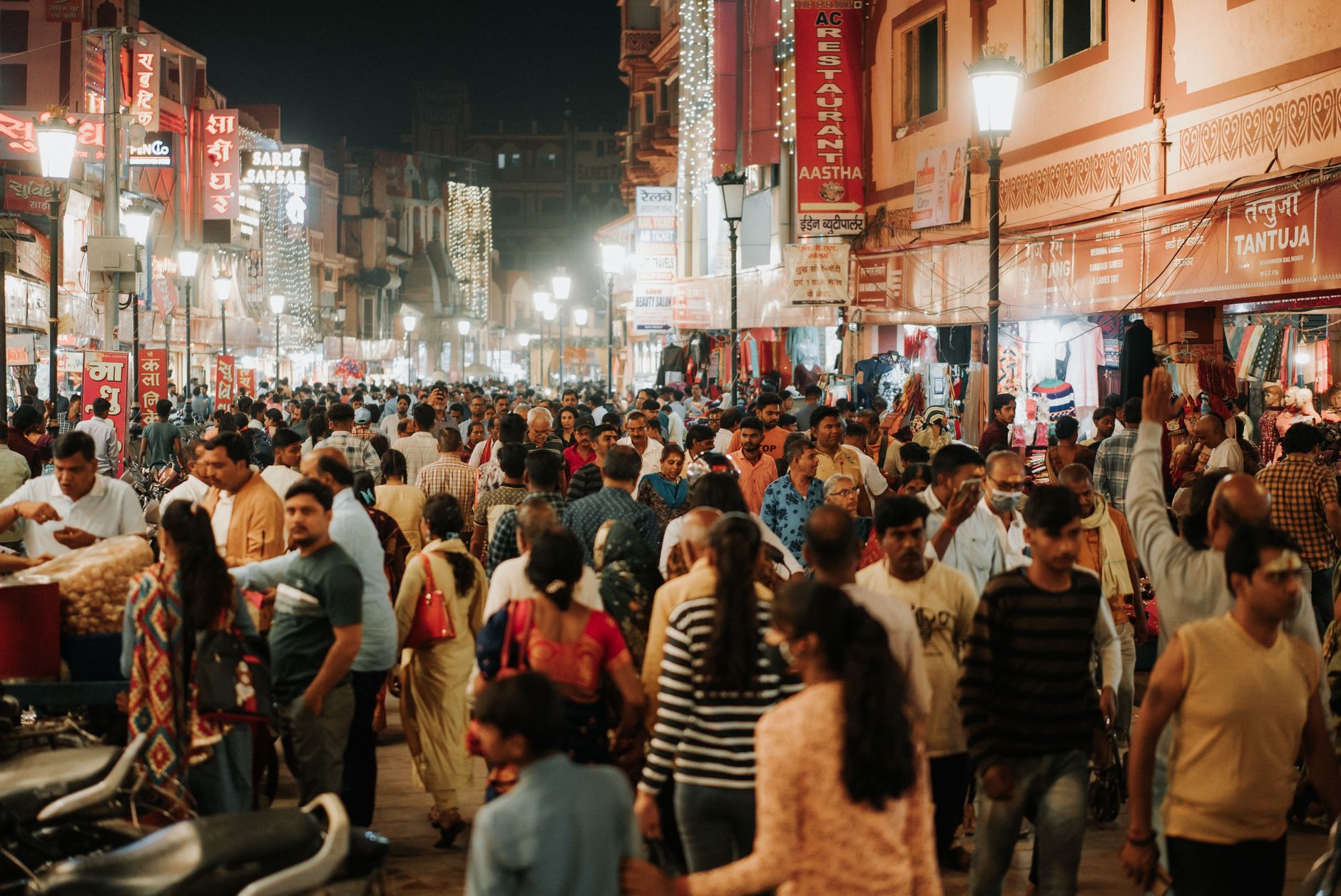
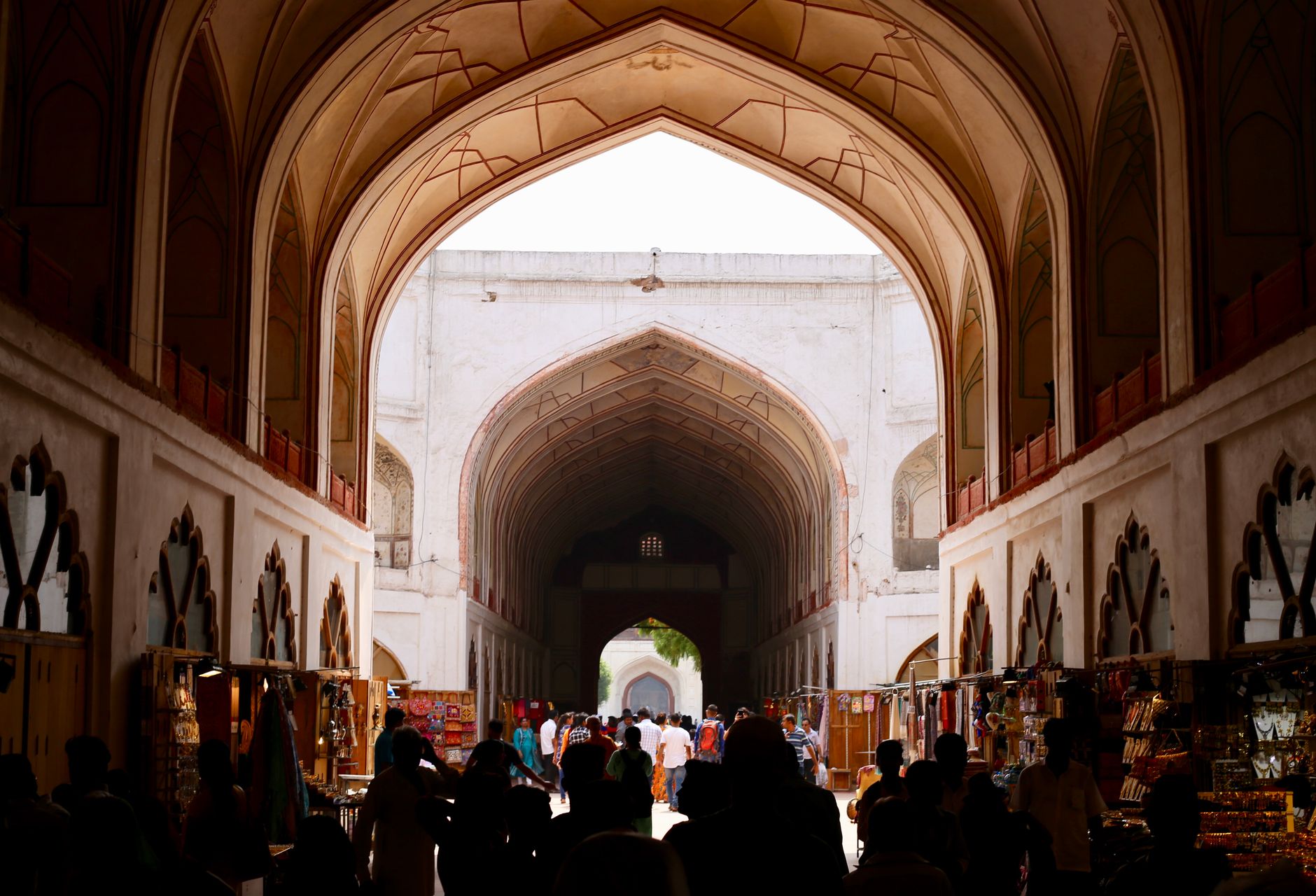
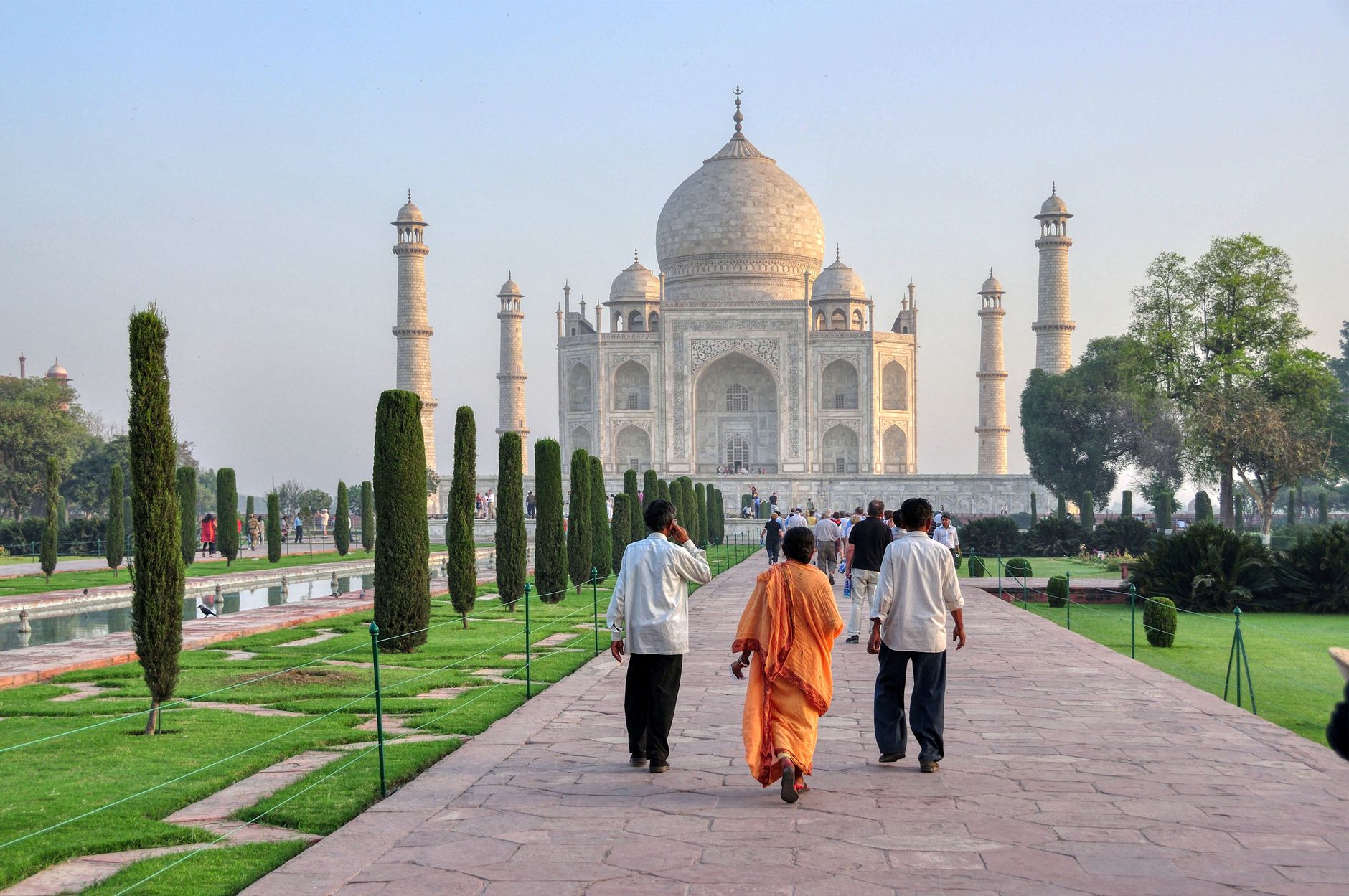
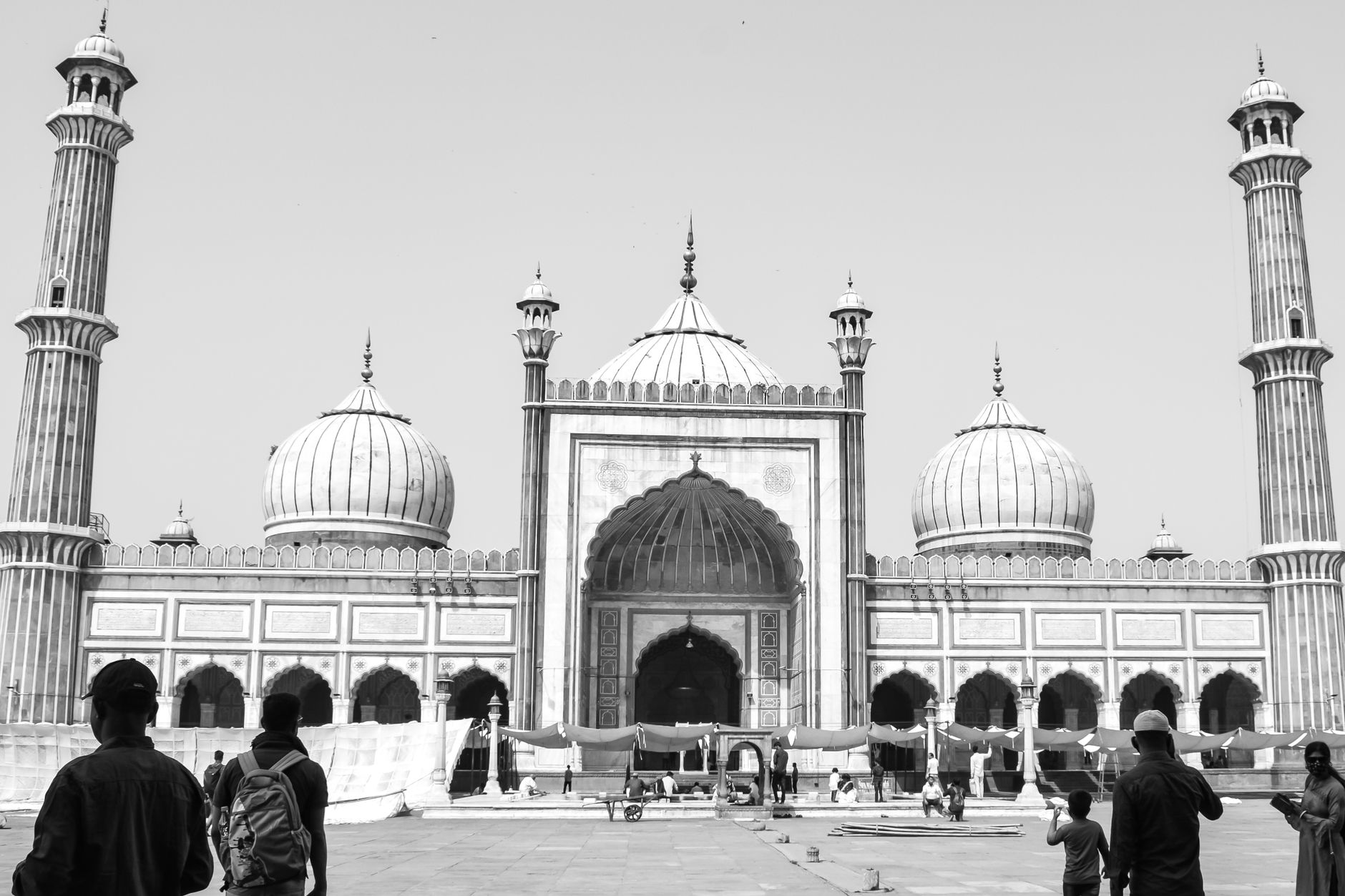
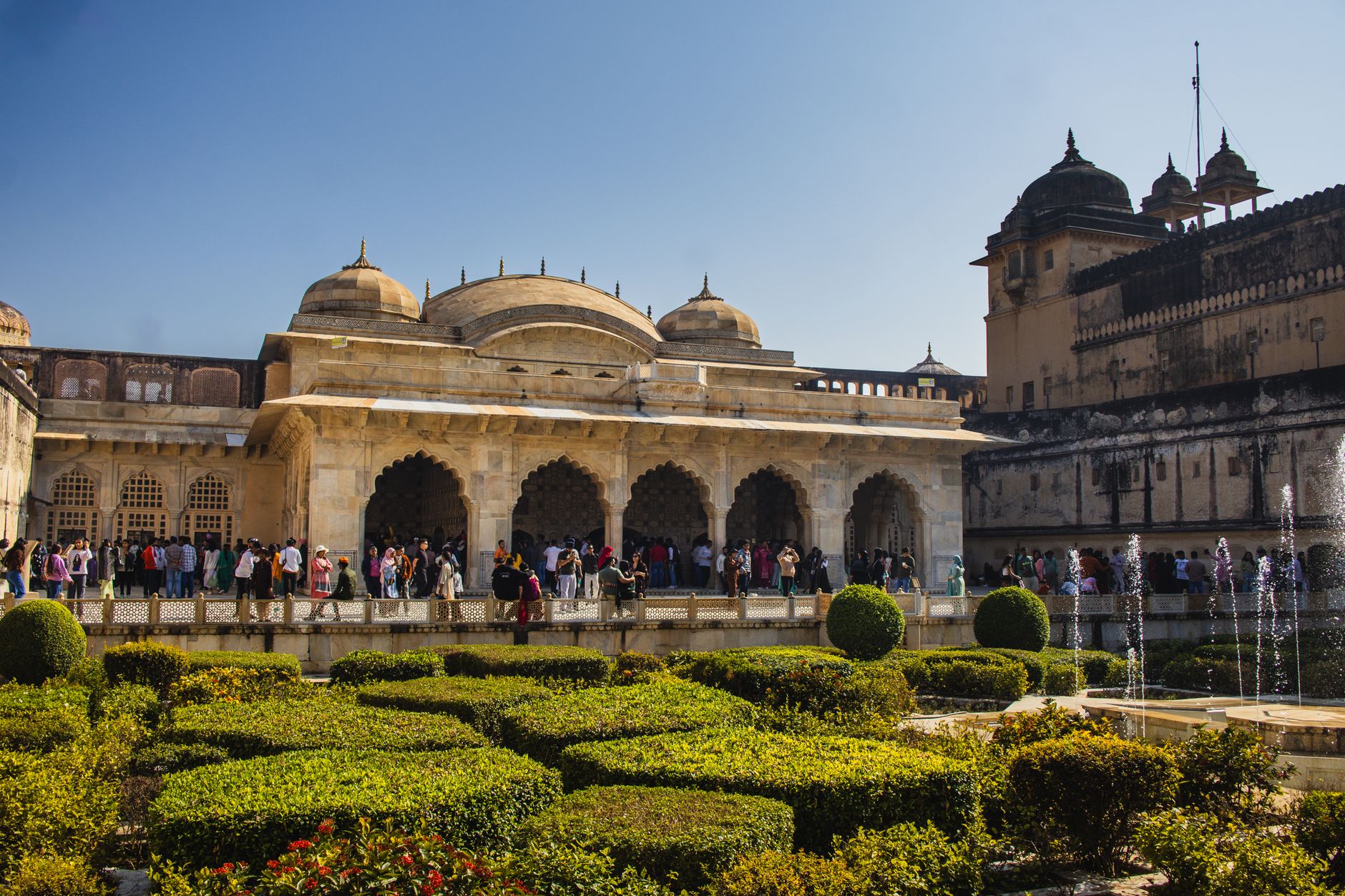
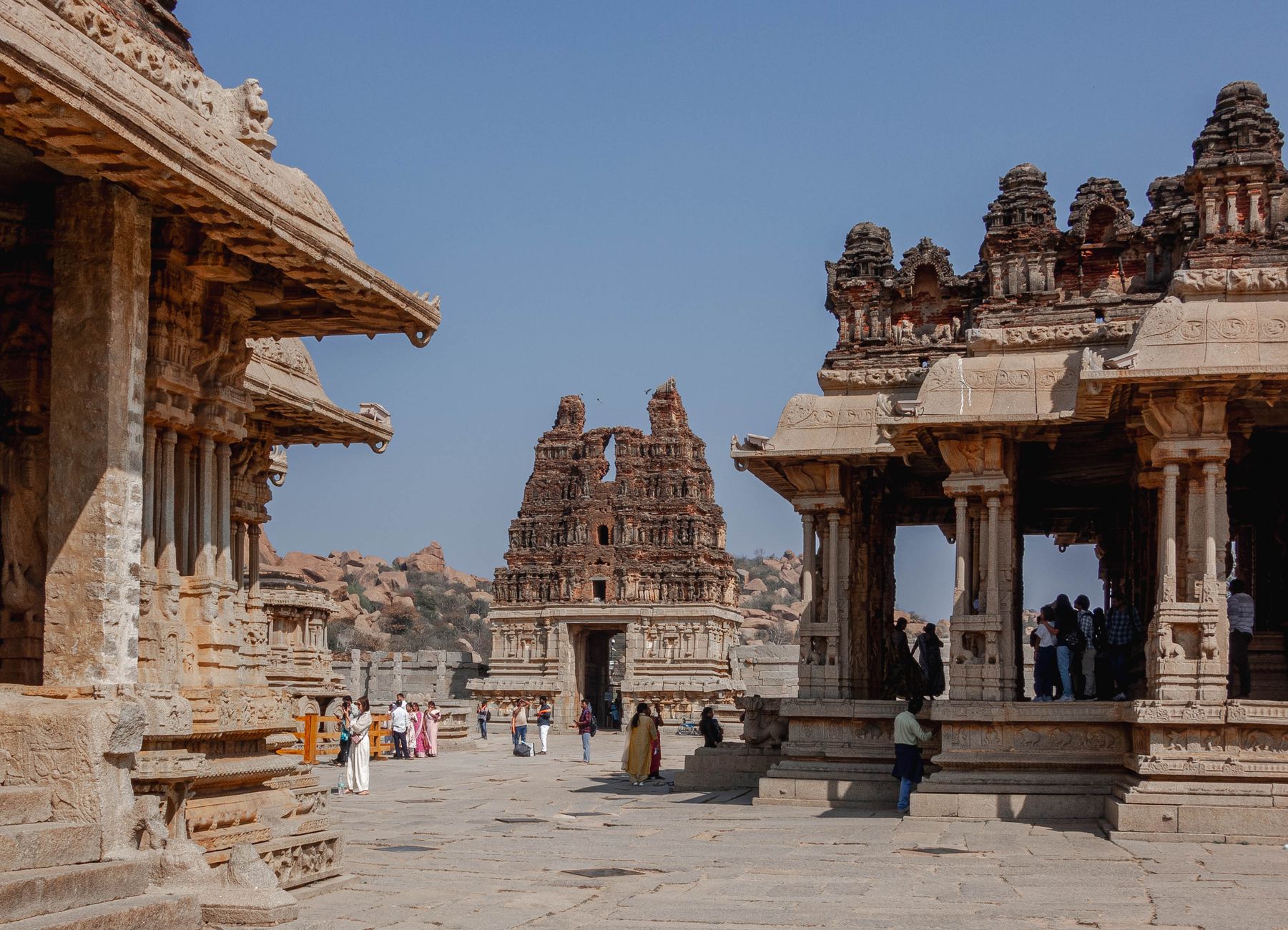
India is a country where a 13th-century temple built to resemble a stone chariot stands in the same land as a Le Corbusier–designed capital complex, where Buddhist stupas commissioned by Emperor Ashoka share the landscape with Mughal mausoleums and Sikh gurdwaras that feed thousands of pilgrims a day. The scale is not metaphorical — it is literal, geographic, and historical all at once.
To travel here is to move through layers of civilization that never quite replaced one another but instead accumulated. The subcontinent holds more than a billion people, dozens of languages, and climates ranging from Himalayan cold to coastal heat. Arriving with a loose plan and genuine curiosity tends to work better than a tight itinerary.
Popular regions in India
💛 What travellers fall for
People who return to India tend to say the same thing: go slower than you think you need to. The distance between cities looks manageable on a map and rarely is. Overnight trains are worth booking early. The south — Karnataka, Tamil Nadu, Kerala — rewards a second trip after the north has had its moment.
Deals in India
Book directly at the provider

How India came to be
The independence movement that shaped modern India spanned decades and generations. Ram Mohan Roy advocated for political freedom and social reform long before independence was a near prospect. Bal Gangadhar Tilak was among the first to call openly for Swaraj — self-rule — and Mahatma Gandhi built on that foundation through nonviolent mass protest, including the Salt March of 1930 and the Quit India Movement of 1942. Jawaharlal Nehru, who became India's first prime minister, stood alongside Gandhi through those years.
On the midnight of August 14–15, 1947, India and Pakistan were partitioned along religious lines under the British Parliament's India Independence Act. Independence came with enormous upheaval. Sardar Vallabhbhai Patel then undertook the formidable task of integrating more than 500 princely states into the new republic, which formally came into being on January 26, 1950.
Who and what shaped it
People who shaped it
Landmark buildings
See India in motion
Plan your visit
On the map
When to go
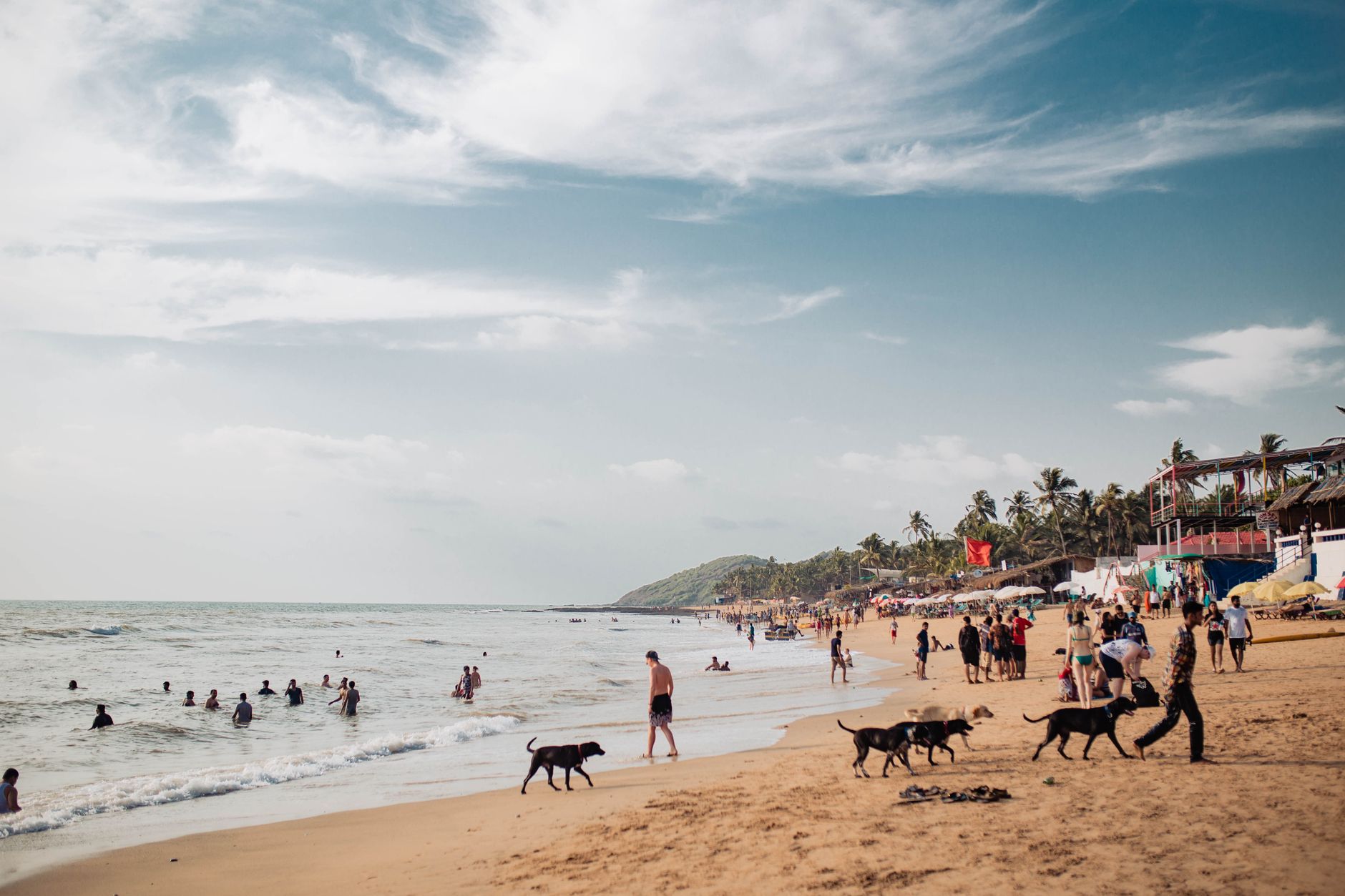
India broadly divides into three seasons: a hot, wet monsoon from mid-June through September; a cool, dry stretch from October to February; and a hot, dry period from March to mid-June. Winter nights in Delhi can drop to 2–4°C, while southern cities like Chennai stay warm year-round at 20–30°C — worth factoring in if you're moving across the country.
Right now
↡ Regions

No places match these filters.
Background & history adapted from Wikipedia (CC BY-SA) · specs from Wikidata (CC0) · weather from Open-Meteo · map data © OpenStreetMap contributors · photos from Wikimedia Commons / Unsplash with per-image credit. No third-party reviews or social posts reproduced.