
Khajuraho
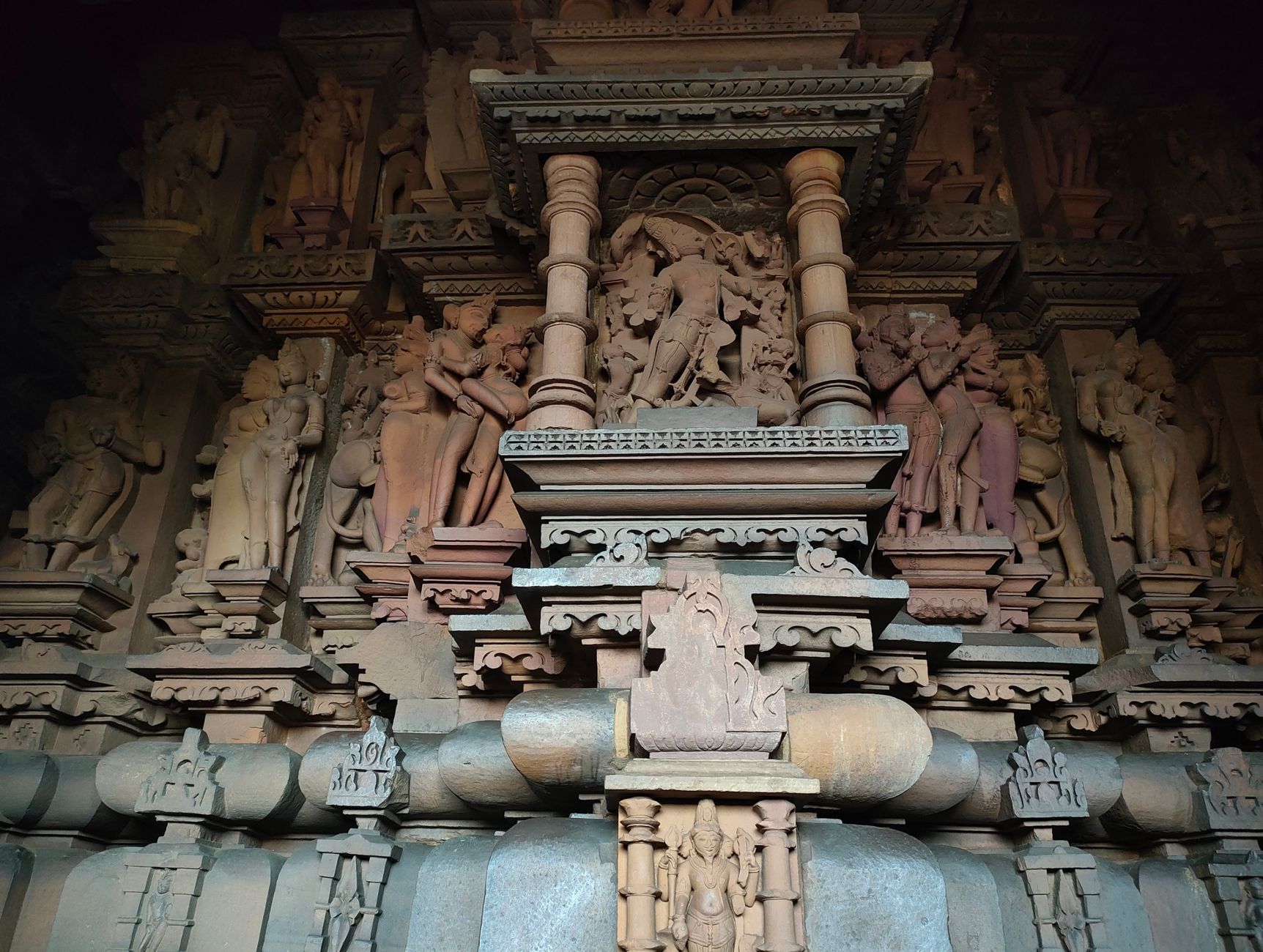
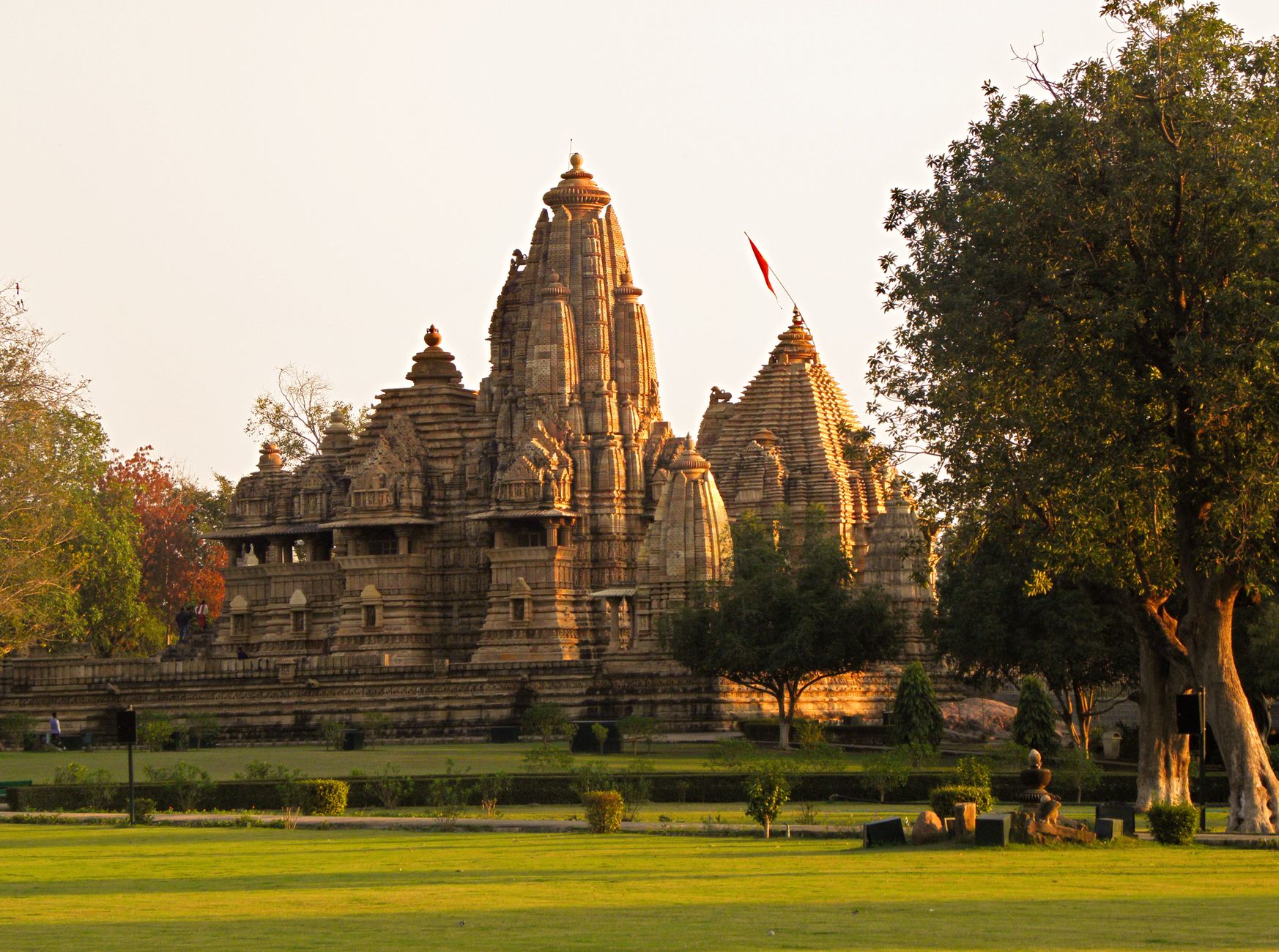
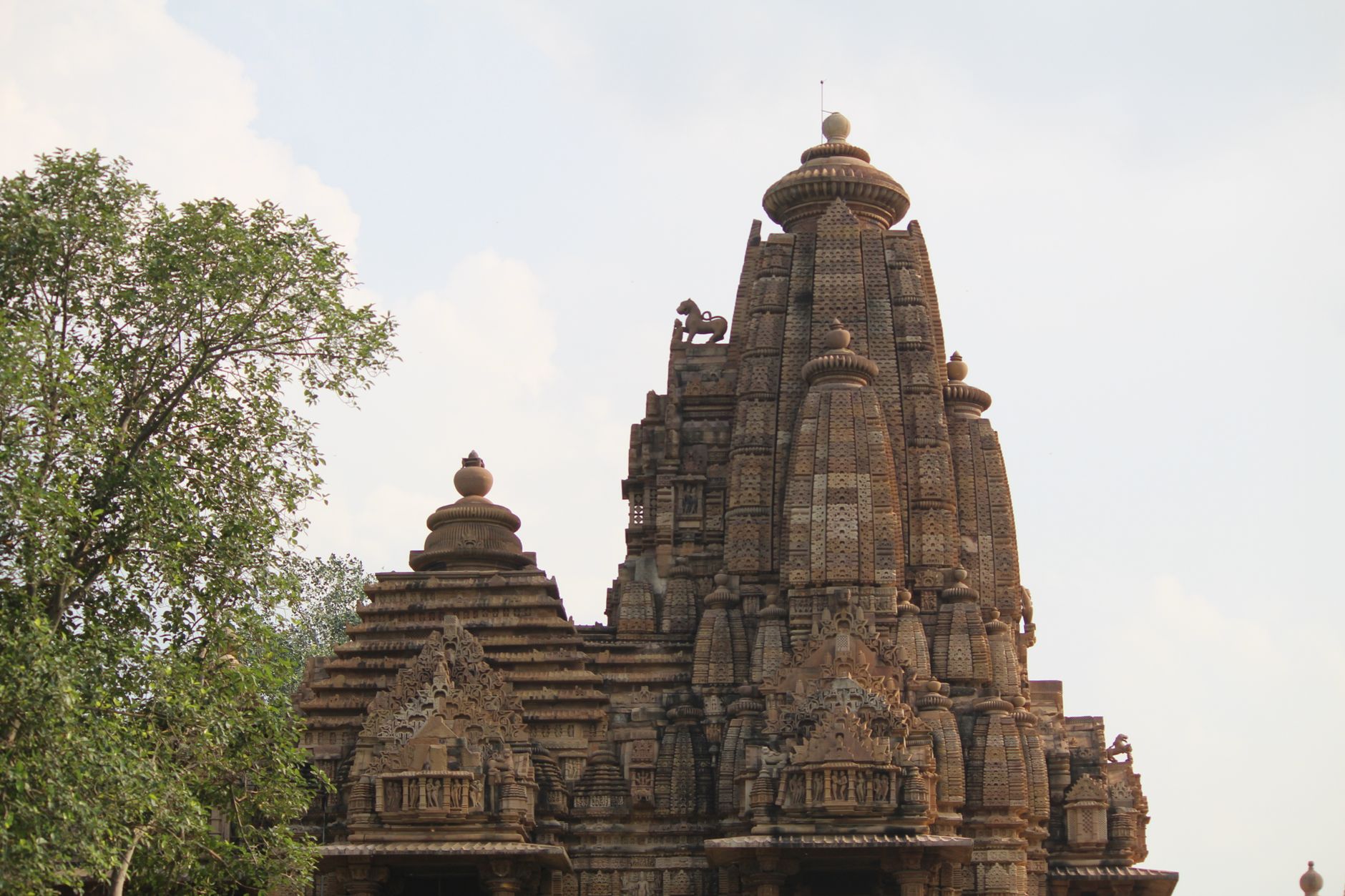
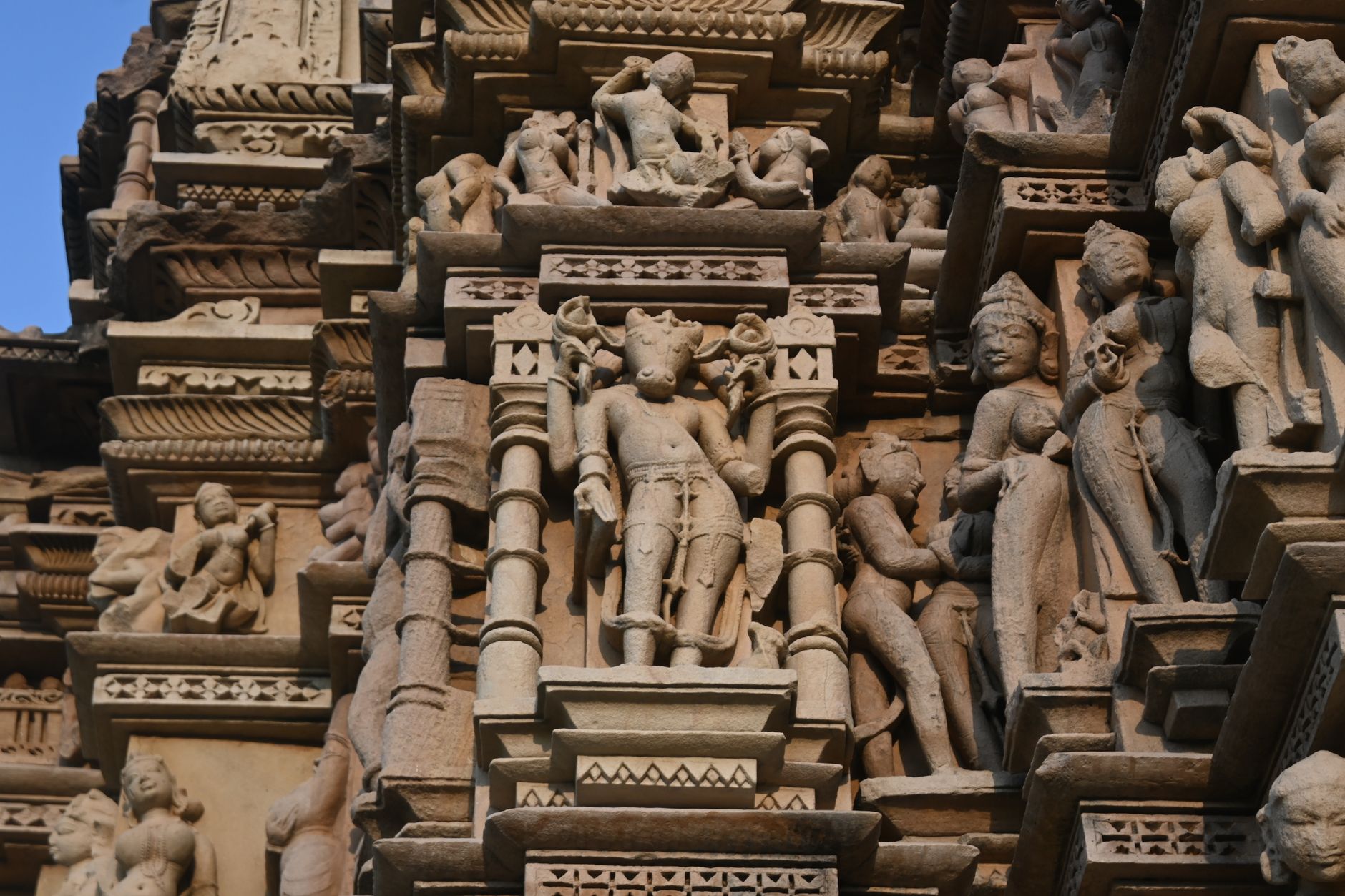
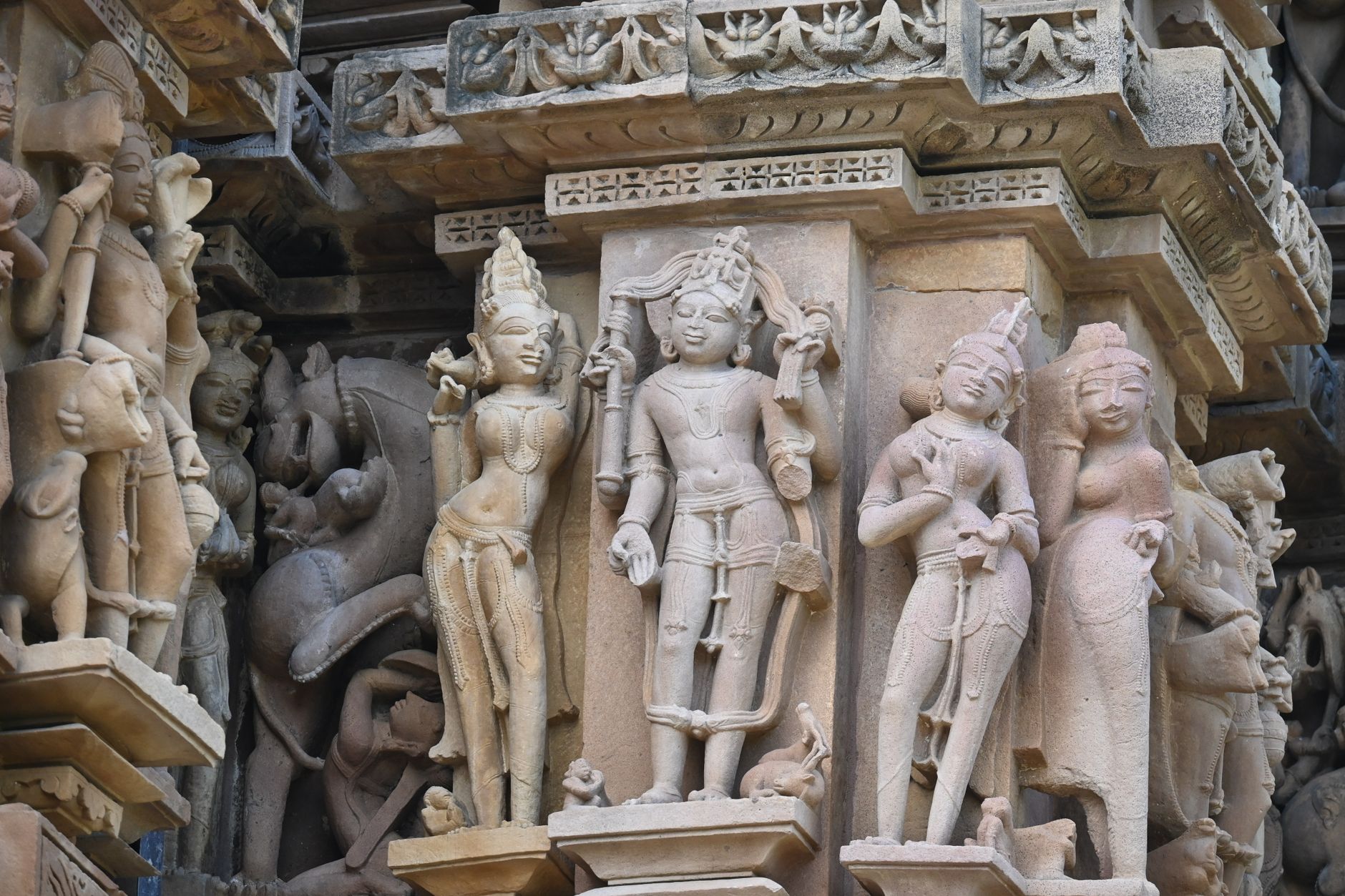
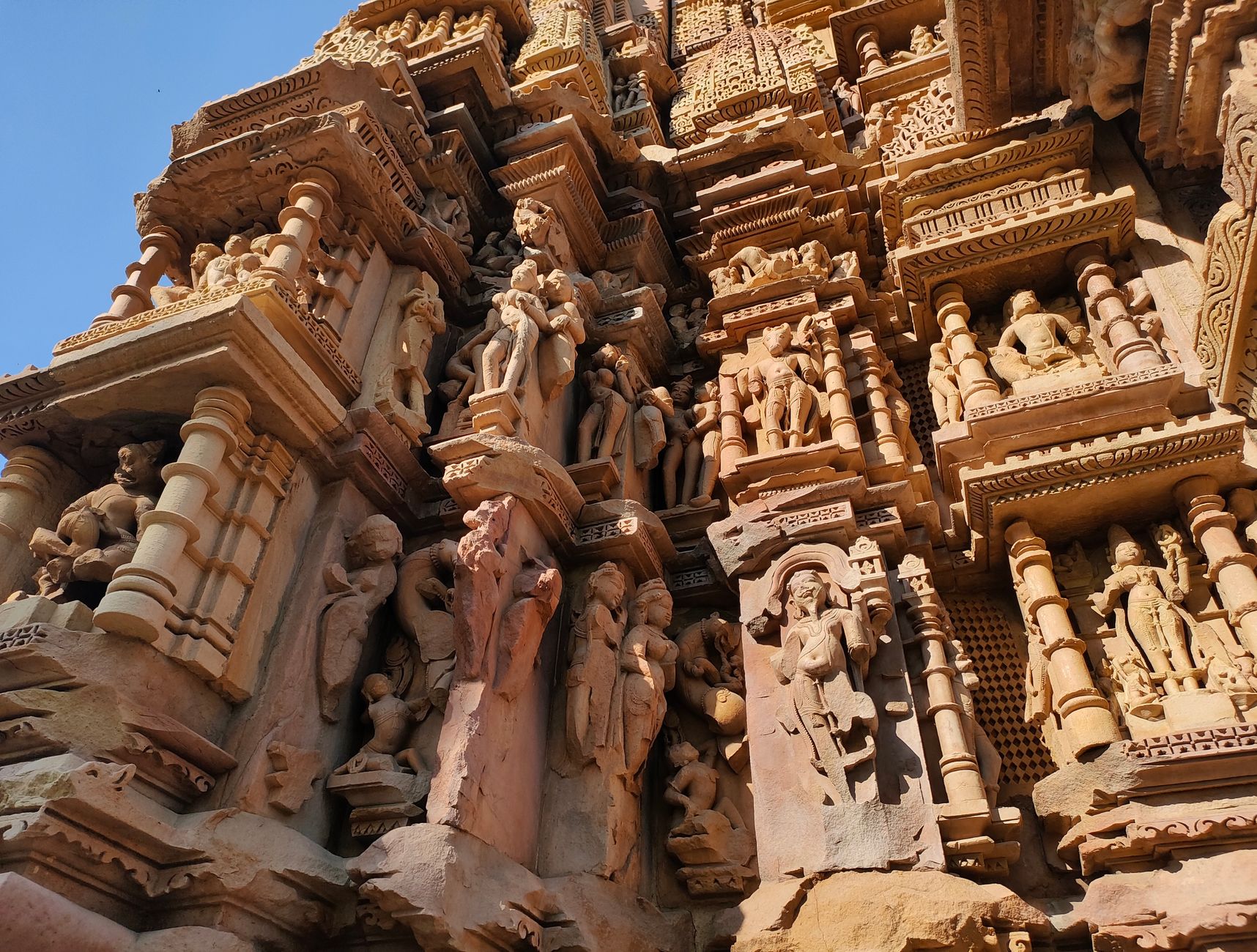
Somewhere in the middle of Madhya Pradesh, far from the usual India circuit, stand about two dozen sandstone temples that have been pulling people off the map since a British surveyor named T.S. Burt stumbled across them in 1838. The Khajuraho Group of Monuments was built during a roughly century-long flowering of the Chandella dynasty — stone cut from the quarries of Panna, buff and pink and pale yellow, stacked into towers that still catch the morning light the way their builders intended.
The temples are famous for their erotic carvings, but that reputation oversimplifies what's here. The sculpture covers cosmology, daily life, celestial beings, and yes, intimacy — all woven together across walls that rise to 31 metres at the tallest point. The UNESCO listing came in 1986, but the place has its own unhurried rhythm.
How Khajuraho came to be
The Chandella dynasty reached its peak between 950 and 1050 CE, and most of what survives here was built in that window. King Yasovarman raised the Lakshmana Temple in 954 CE to mark independence from the Gurjara-Pratiharas; his successor Dhanga commissioned the Visvanatha, Parsvanatha, and Vaidyanatha temples, with the Visvanatha designed by an architect named Sutradhara Chhichchha around 1002 CE. The largest temple, Kandariya Mahadeo — 31 metres high, its exterior carrying 646 carved figures — was built around 1025 CE during the reign of Vidyadhara.
The dynasty absorbed heavy blows in the late twelfth and early thirteenth centuries, first from the Chahamanas of Shakambhari in 1182, then from Qutb al-Din Aibak in 1202. Of an original 85 temples, roughly 23 survive across the Western, Eastern, and Southern clusters.
Who and what shaped it
People who shaped it
Landmark buildings
See Khajuraho in motion
Plan your visit
On the map
When to go
October through February is the most comfortable window — days reach around 24°C and nights can drop to 8°C, so bring a layer for early mornings. Avoid May if you can: temperatures regularly hit 42°C, which makes walking between temple clusters a serious commitment.
Background & history adapted from Wikipedia (CC BY-SA) · specs from Wikidata (CC0) · weather from Open-Meteo · map data © OpenStreetMap contributors · photos from Wikimedia Commons / Unsplash with per-image credit. No third-party reviews or social posts reproduced.