
Russia
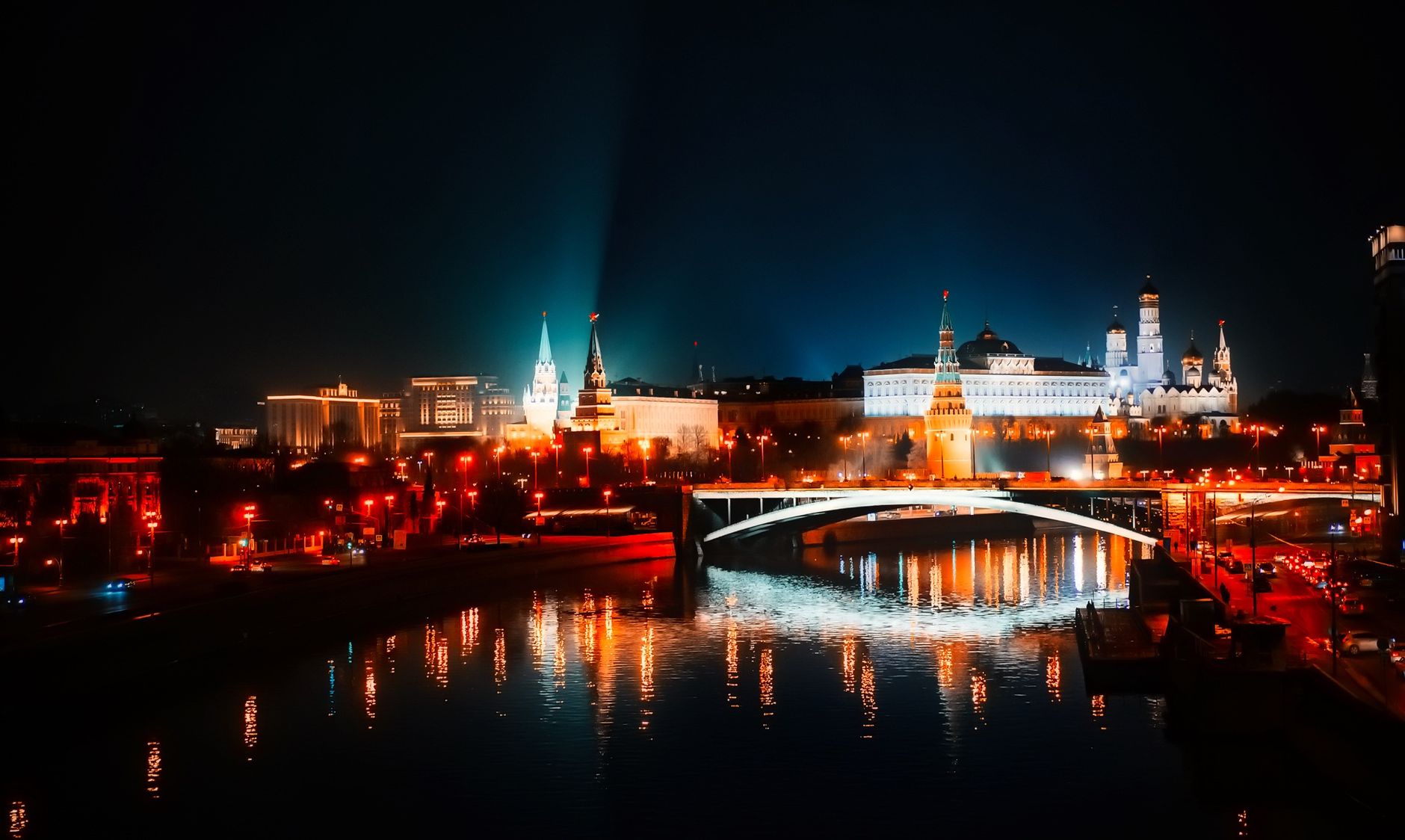
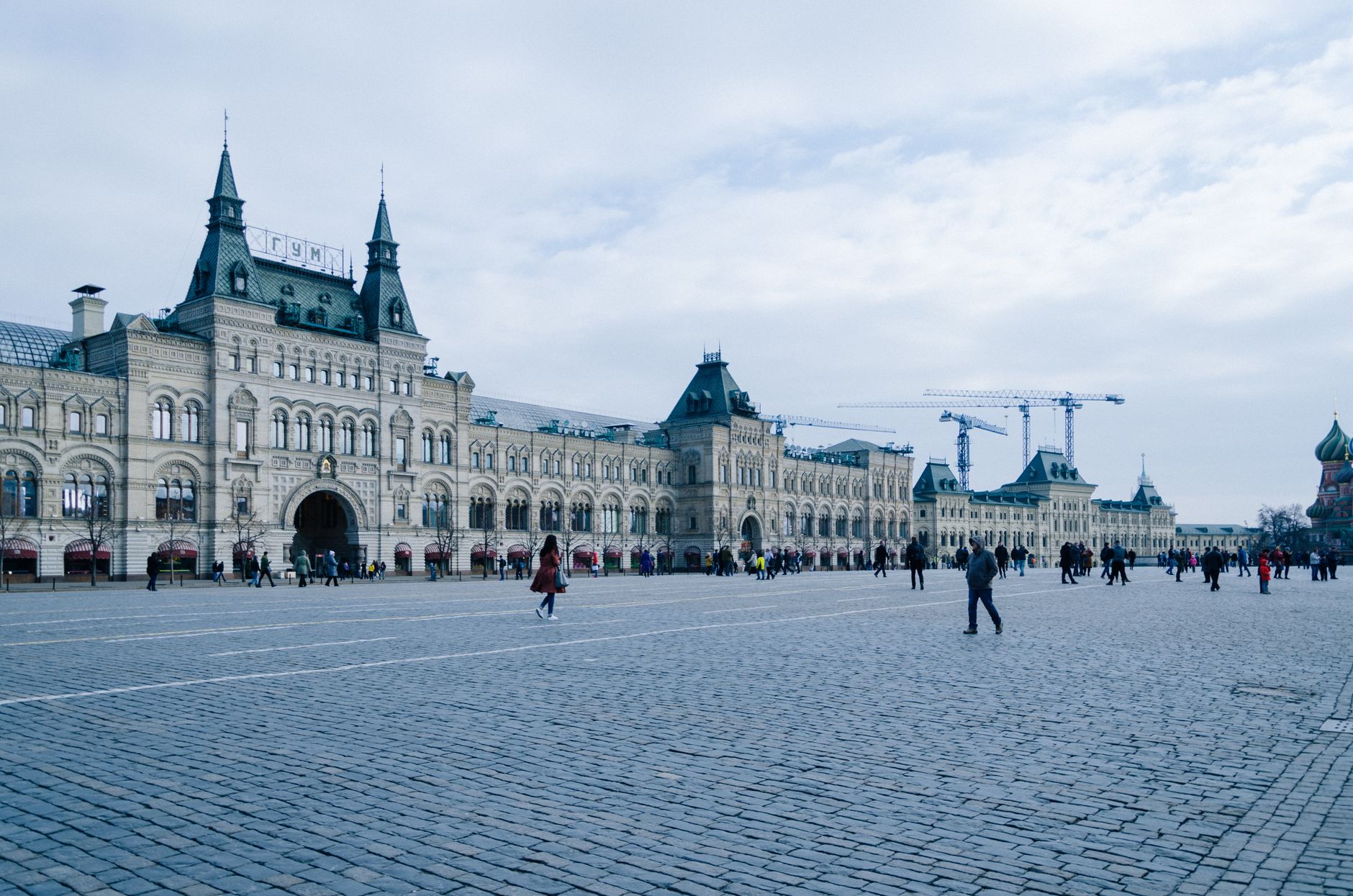
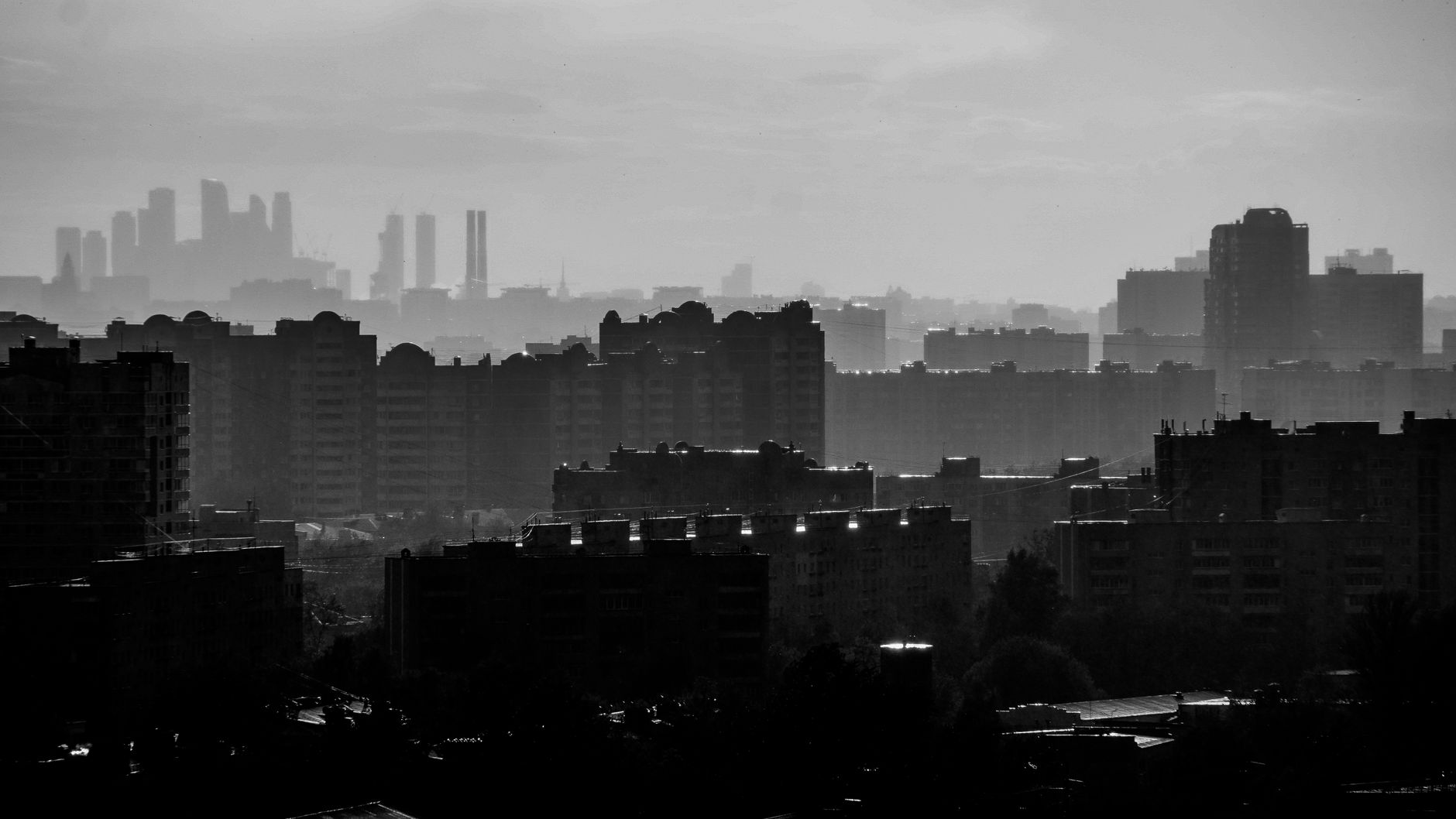
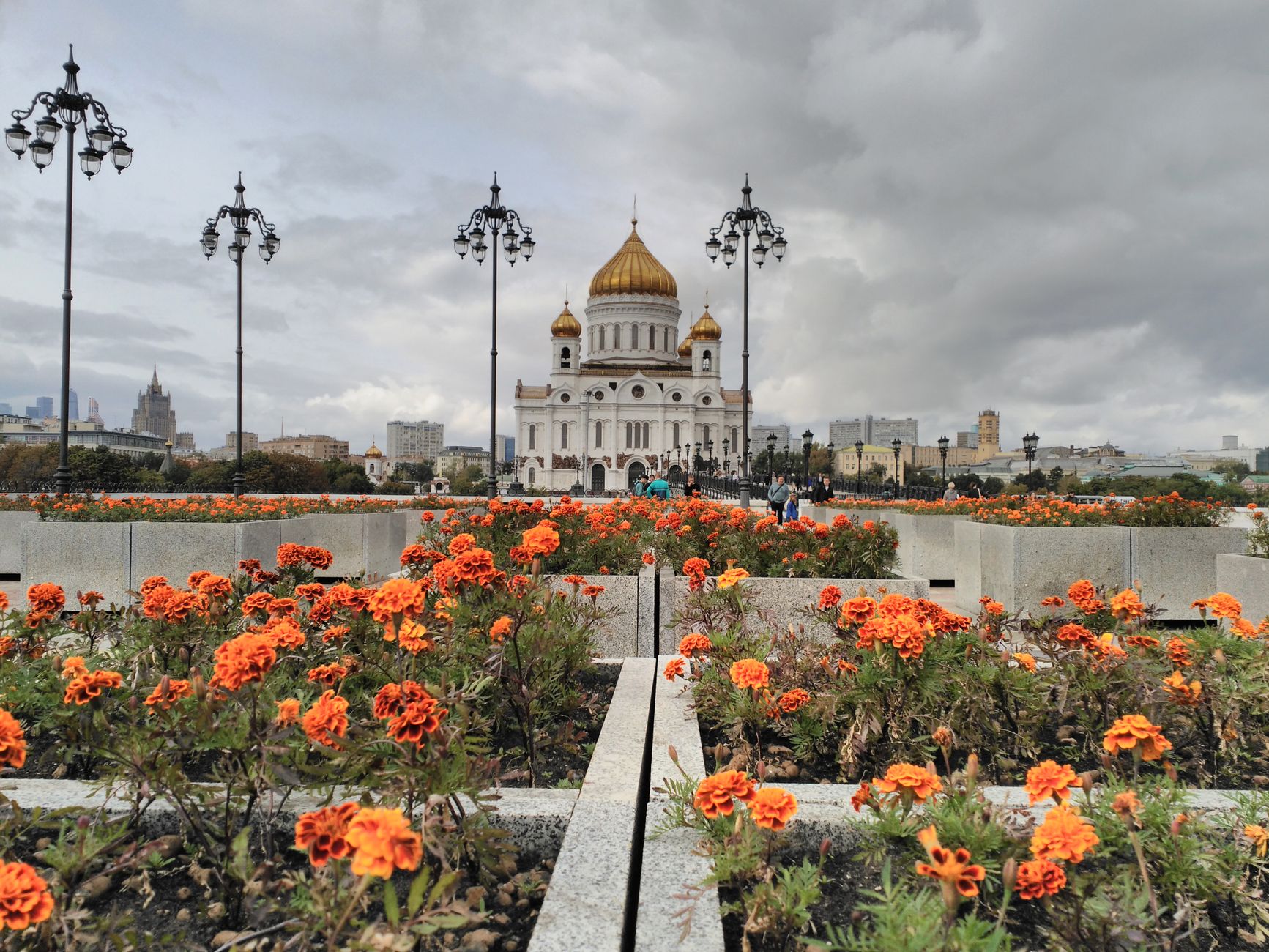
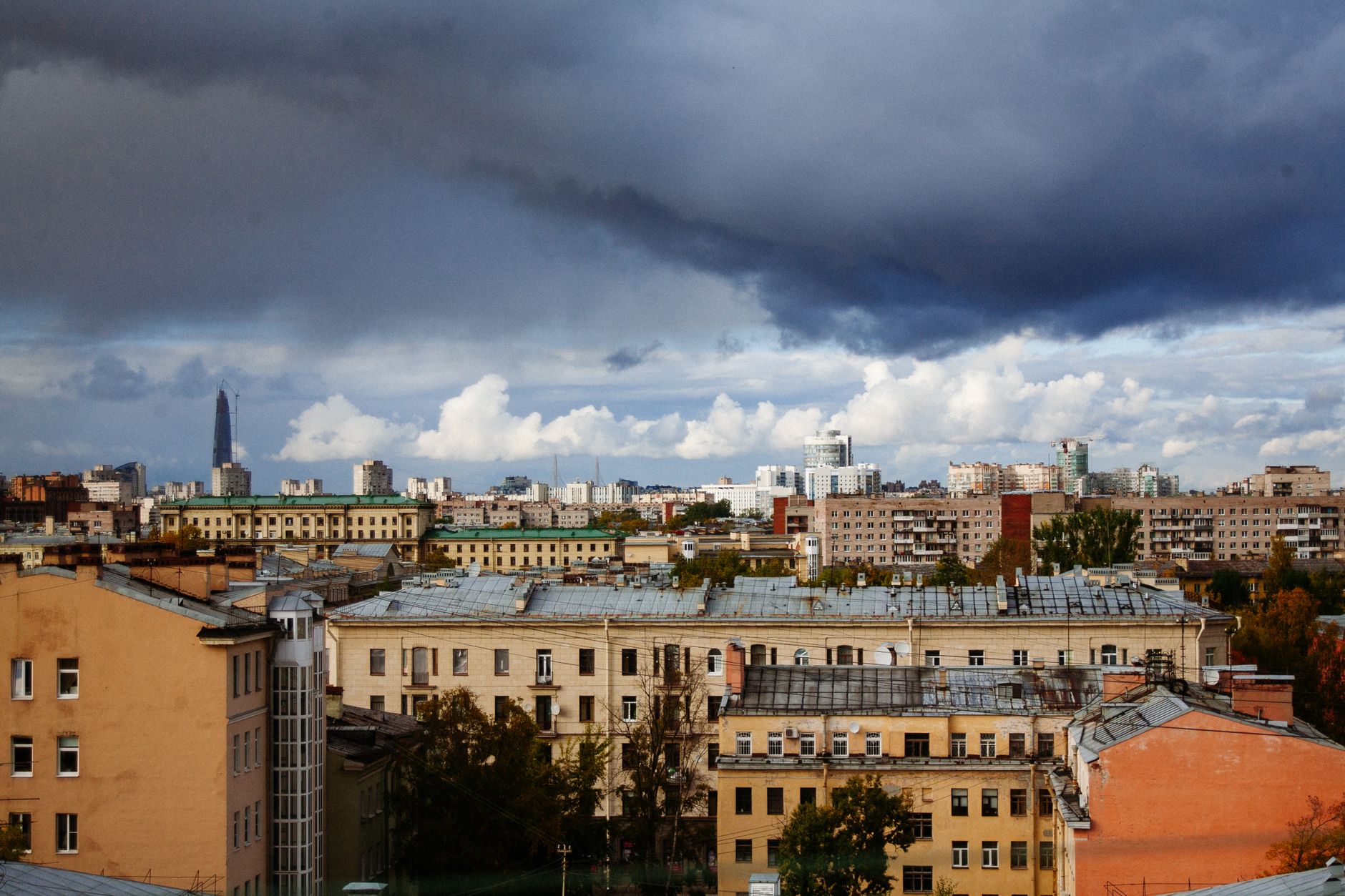
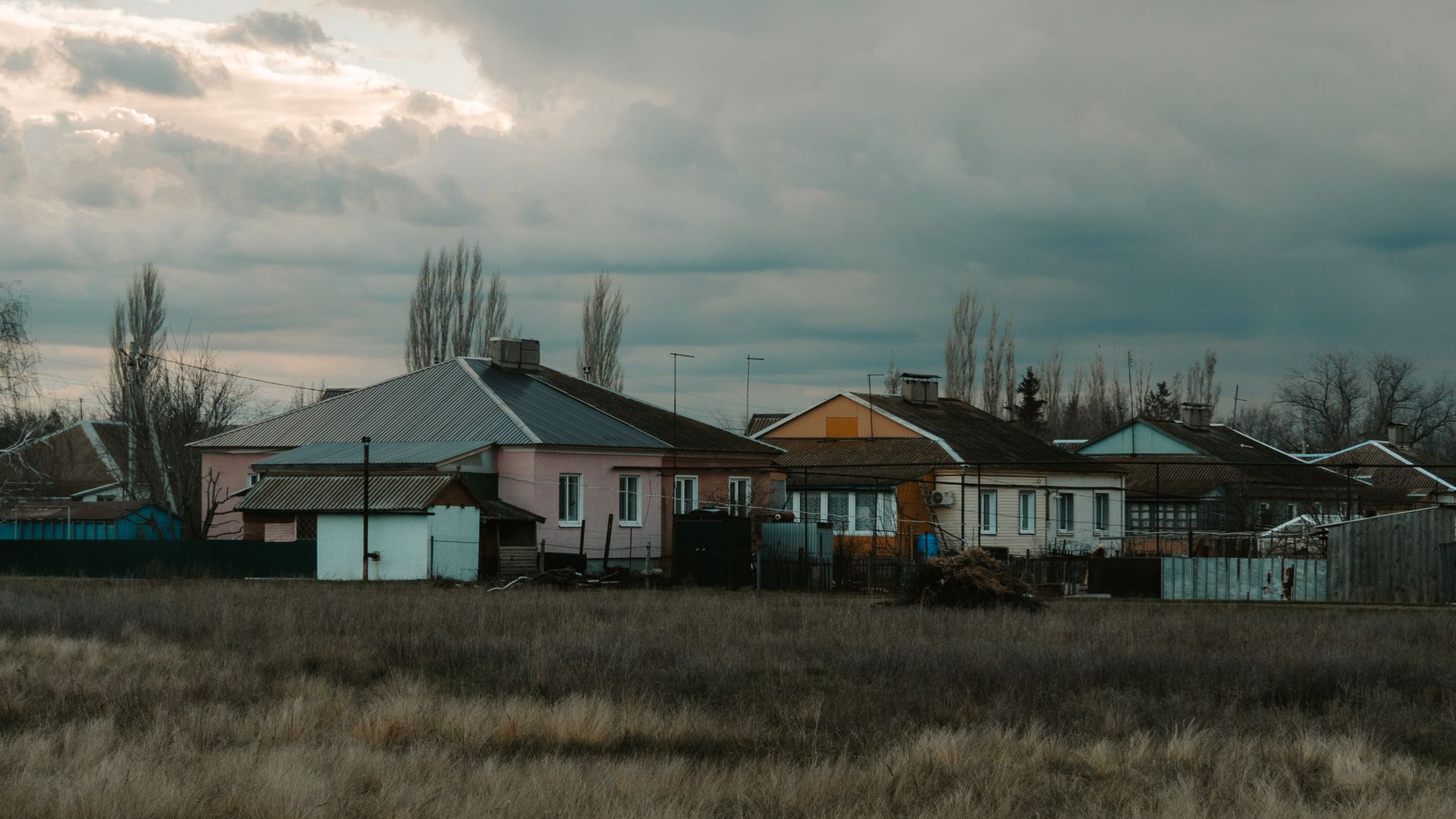
Russia is the largest country on earth by landmass, stretching across eleven time zones from the Baltic coast to the Pacific — a fact that stops being abstract the moment you board a Trans-Siberian train and watch the taiga unspool for days. It is a place where scale is the dominant sensation: vast forests, frozen rivers wide enough to lose a city in, and cities that feel like countries unto themselves.
Moscow and St Petersburg anchor most first visits, but Russia resists reduction to two capitals. The Ural Mountains mark the quiet seam between Europe and Asia. Kamchatka's volcanoes smoke at the edge of the Pacific. Each region carries its own climate, cuisine and cadence.
Deals in Russia
Book directly at the provider

How Russia came to be
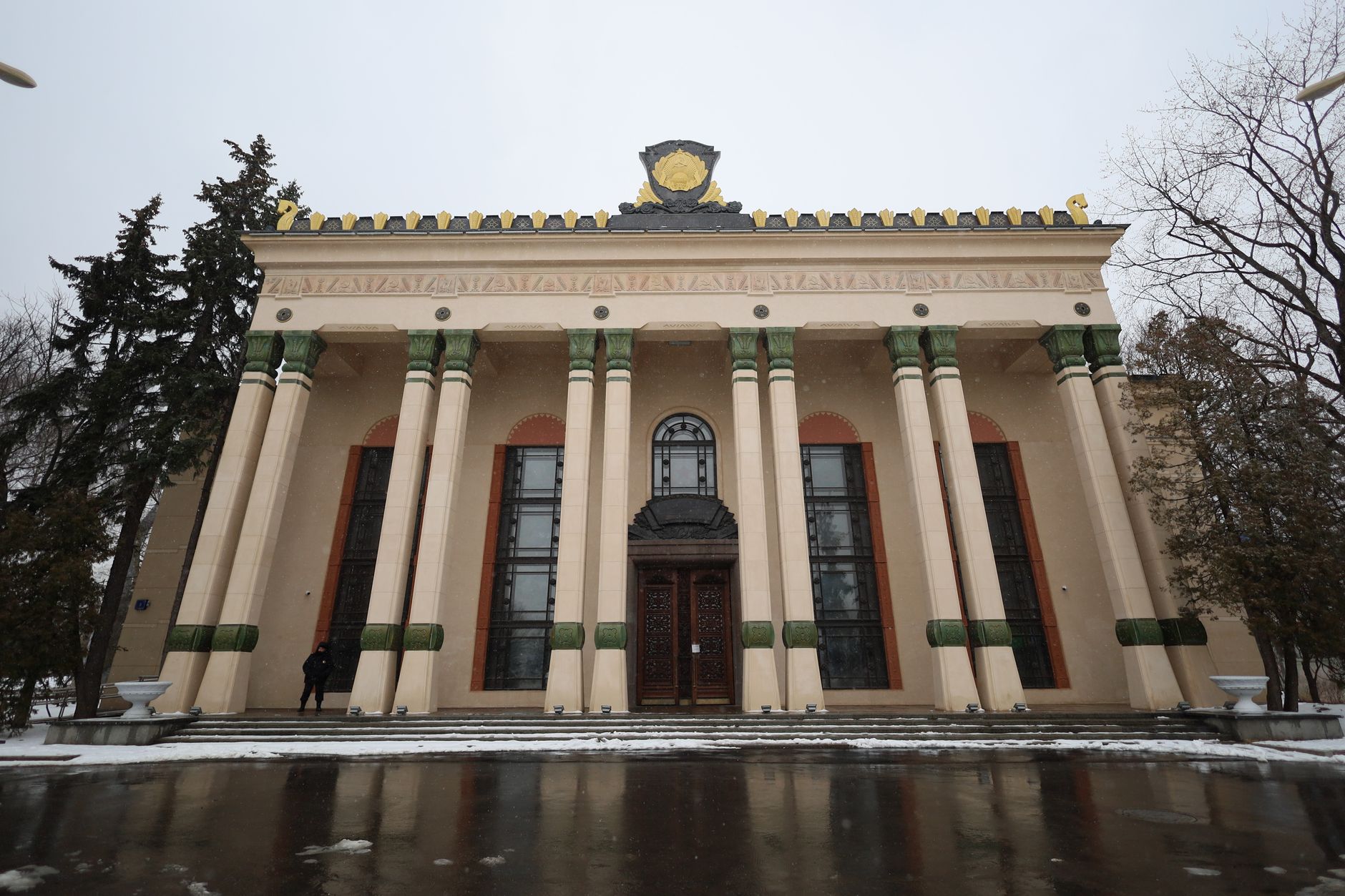
The story of Russia as a unified state is usually traced to the principality of Muscovy, which expanded steadily from the 13th century onward, absorbing neighbouring territories across centuries of often brutal consolidation. Peter the Great's reforms in the early 1700s reoriented the country toward Europe, founding St Petersburg as a new capital on reclaimed marshland. The Romanov dynasty ruled until 1917, when revolution swept it away and the Soviet Union took shape — a political experiment that lasted until 1991 and left its mark on every city, institution and landscape in the country.
The post-Soviet decades brought rapid and uneven change: new wealth concentrated in the cities, old industrial regions hollowed out, and a cultural life that remained quietly tenacious throughout.
See Russia in motion
Plan your visit
On the map
When to go
Russia's climate varies enormously by region, but winters are cold almost everywhere — genuinely so in Siberia and the far north, where temperatures can fall well below -30°C. Moscow and St Petersburg are most comfortable between May and September; the long summer evenings in St Petersburg, when darkness barely falls, are a phenomenon worth timing a trip around.
Right now
Background & history adapted from Wikipedia (CC BY-SA) · specs from Wikidata (CC0) · weather from Open-Meteo · map data © OpenStreetMap contributors · photos from Wikimedia Commons / Unsplash with per-image credit. No third-party reviews or social posts reproduced.