
Tuvalu
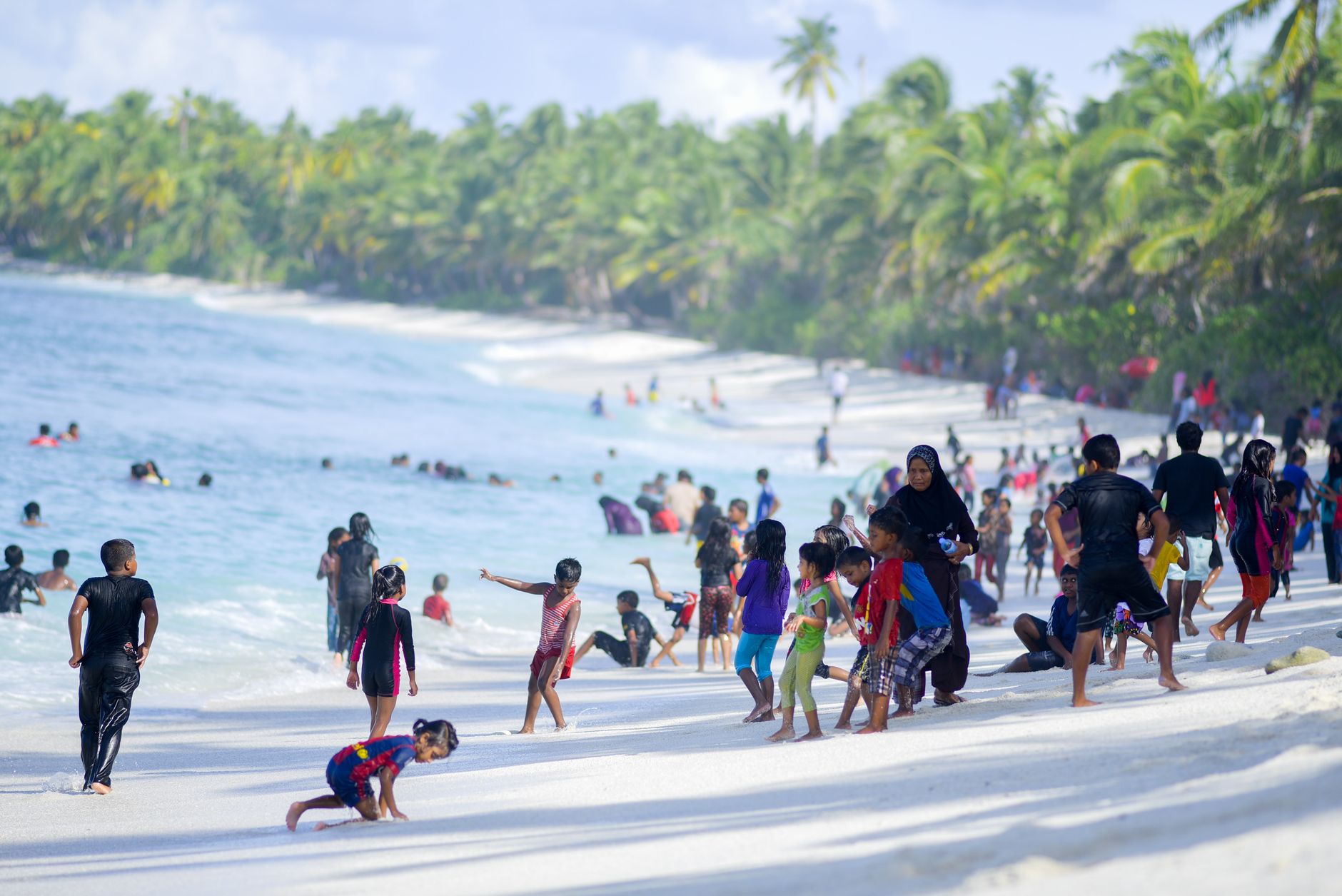

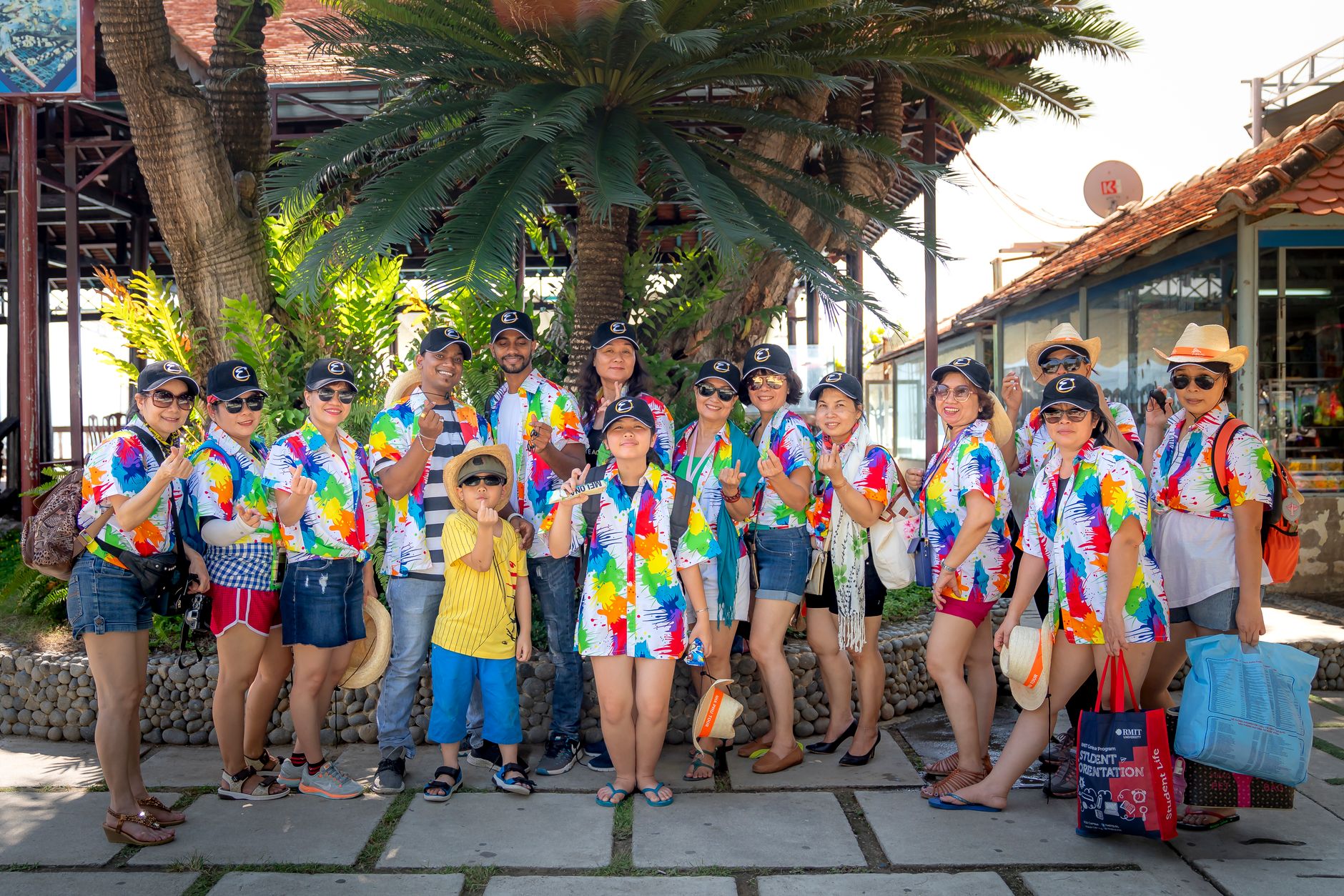

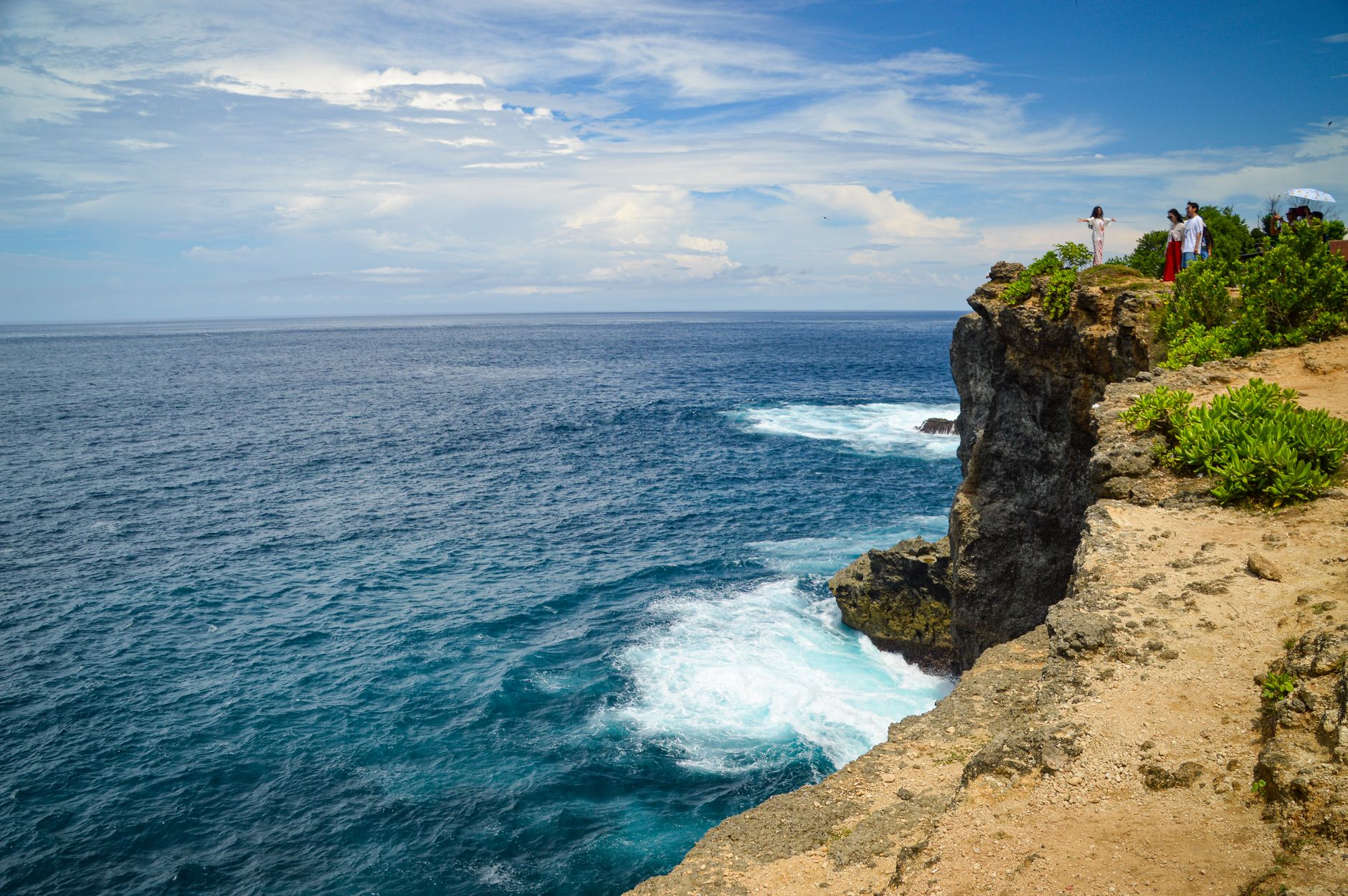

Tuvalu is nine coral atolls spread across roughly 900,000 square kilometres of the central Pacific — and all of them together are smaller than Washington D.C. The highest point on any island sits barely three metres above sea level. That fact hangs over everything here: the way locals talk about the future, the care taken over land, the particular weight of a place that knows it is finite.
Funafuti, the capital atoll, is where almost half the country's 11,000 people live, most of them on a strip of land so narrow you can sometimes see the lagoon and the ocean simultaneously from the same road. It is one of the most remote — and quietly affecting — places you can travel to in the Pacific.
Deals in Tuvalu
Book directly at the provider

How Tuvalu came to be
Polynesian settlers — most likely from Samoa, Tokelau, Tonga, or Uvea — reached these atolls roughly 2,000 years ago. Spanish explorer Álvaro de Mendaña de Neira made the first recorded European contact in the 16th century, and the islands drifted in and out of Western awareness until 1819, when Funafuti was logged as Ellice's Island — a name eventually applied to all nine. Britain folded them into the Gilbert and Ellice Islands Protectorate in 1892, later a colony in 1916.
The 20th century brought American military bases during World War II and, in 1974, a referendum in which the Ellice Islanders voted to separate from the Gilbertese. The Colony of Tuvalu was established on 1 October 1975; full independence within the Commonwealth followed on 1 October 1978, with Toaripi Lauti sworn in as the country's first Prime Minister. Tuvalu joined the United Nations in September 2000.
Who and what shaped it
People who shaped it
Landmark buildings
See Tuvalu in motion
Plan your visit
On the map
When to go
The wet season runs roughly November through April, bringing heavy rain and the occasional cyclone; March and April tend to see the worst of it. The drier months from May to October are the more comfortable time to visit, with lower humidity and calmer seas — important if you're planning to reach the outer islands by boat.
Right now
Background & history adapted from Wikipedia (CC BY-SA) · specs from Wikidata (CC0) · weather from Open-Meteo · map data © OpenStreetMap contributors · photos from Wikimedia Commons / Unsplash with per-image credit. No third-party reviews or social posts reproduced.