
Botswana
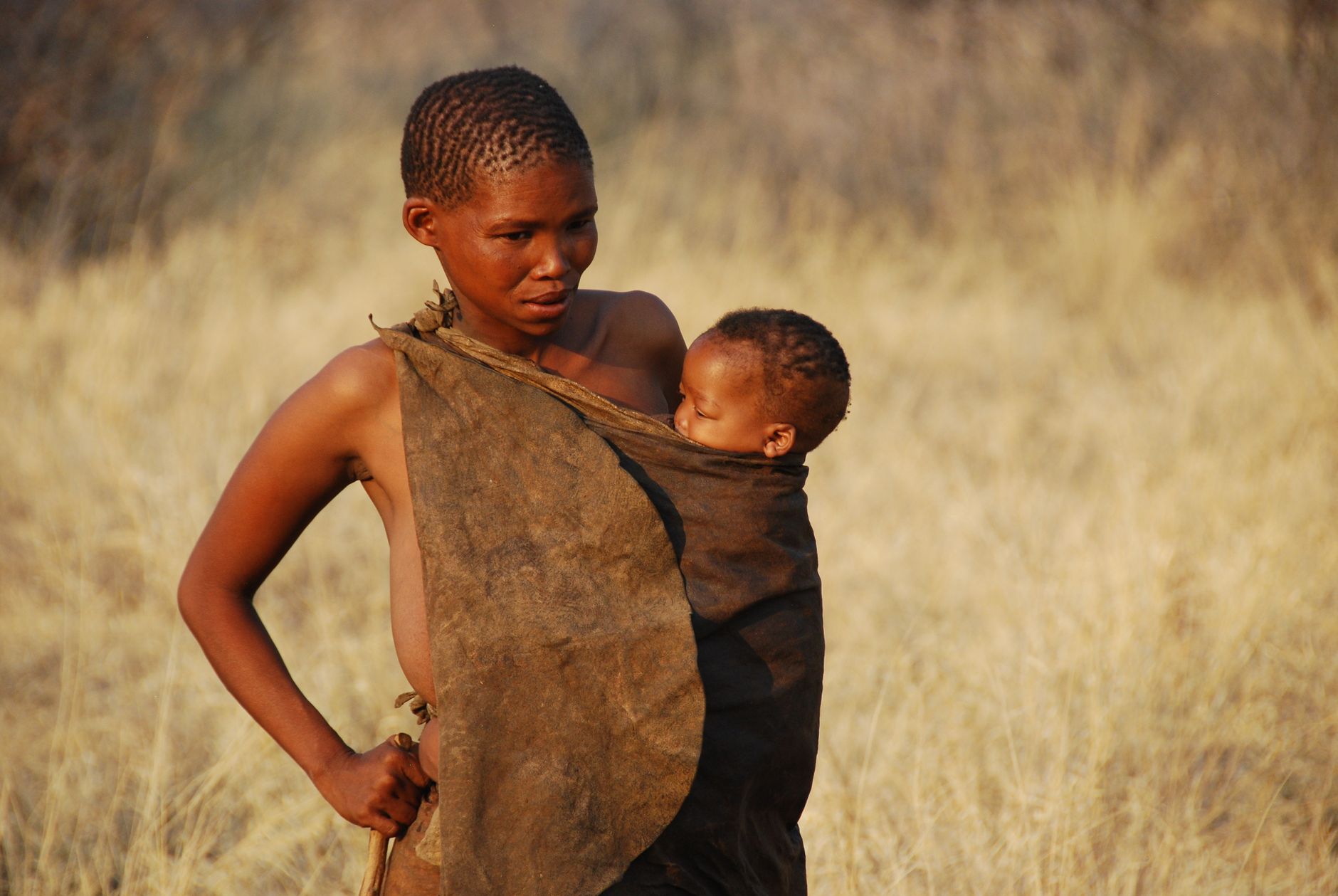
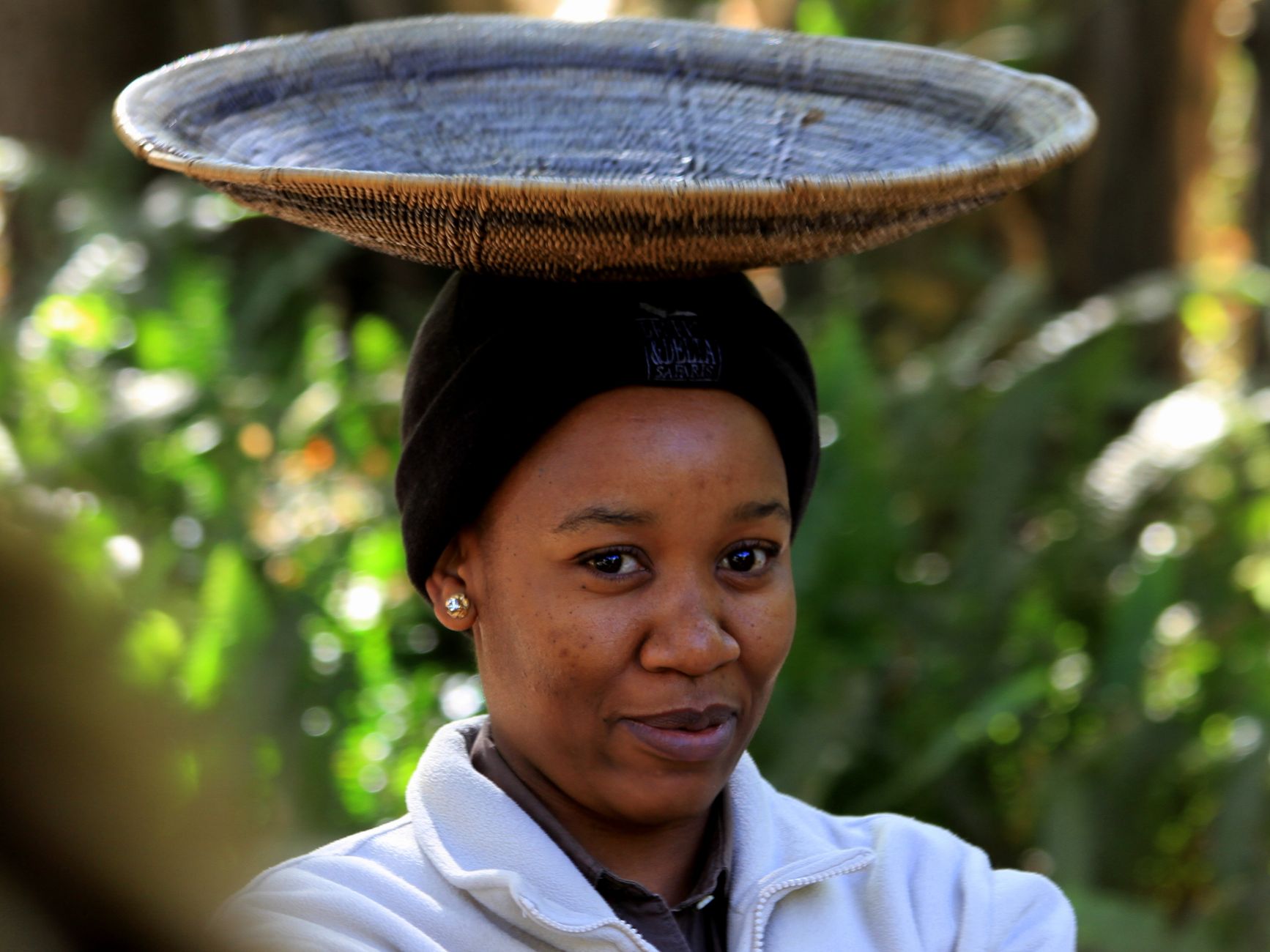
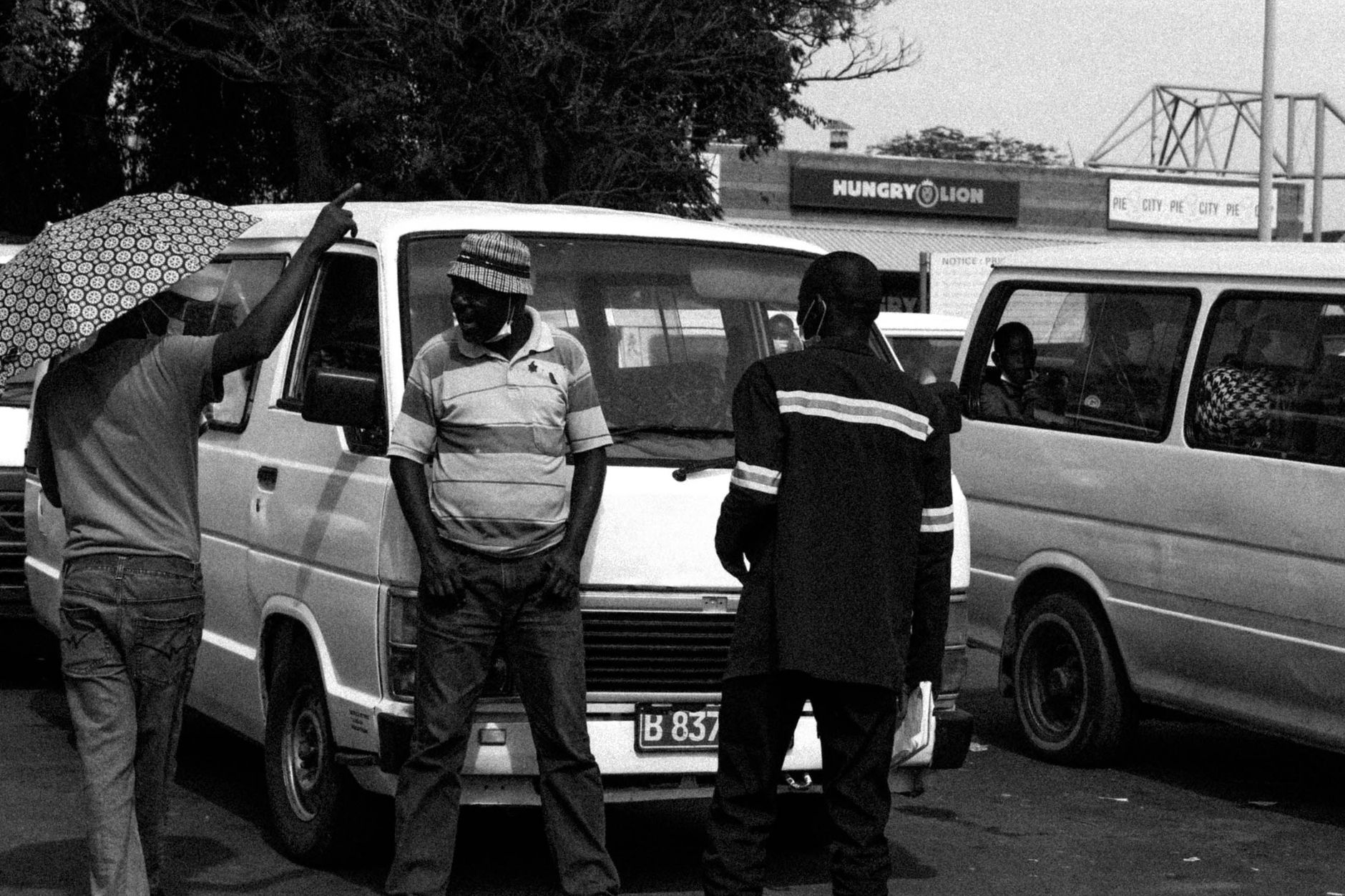
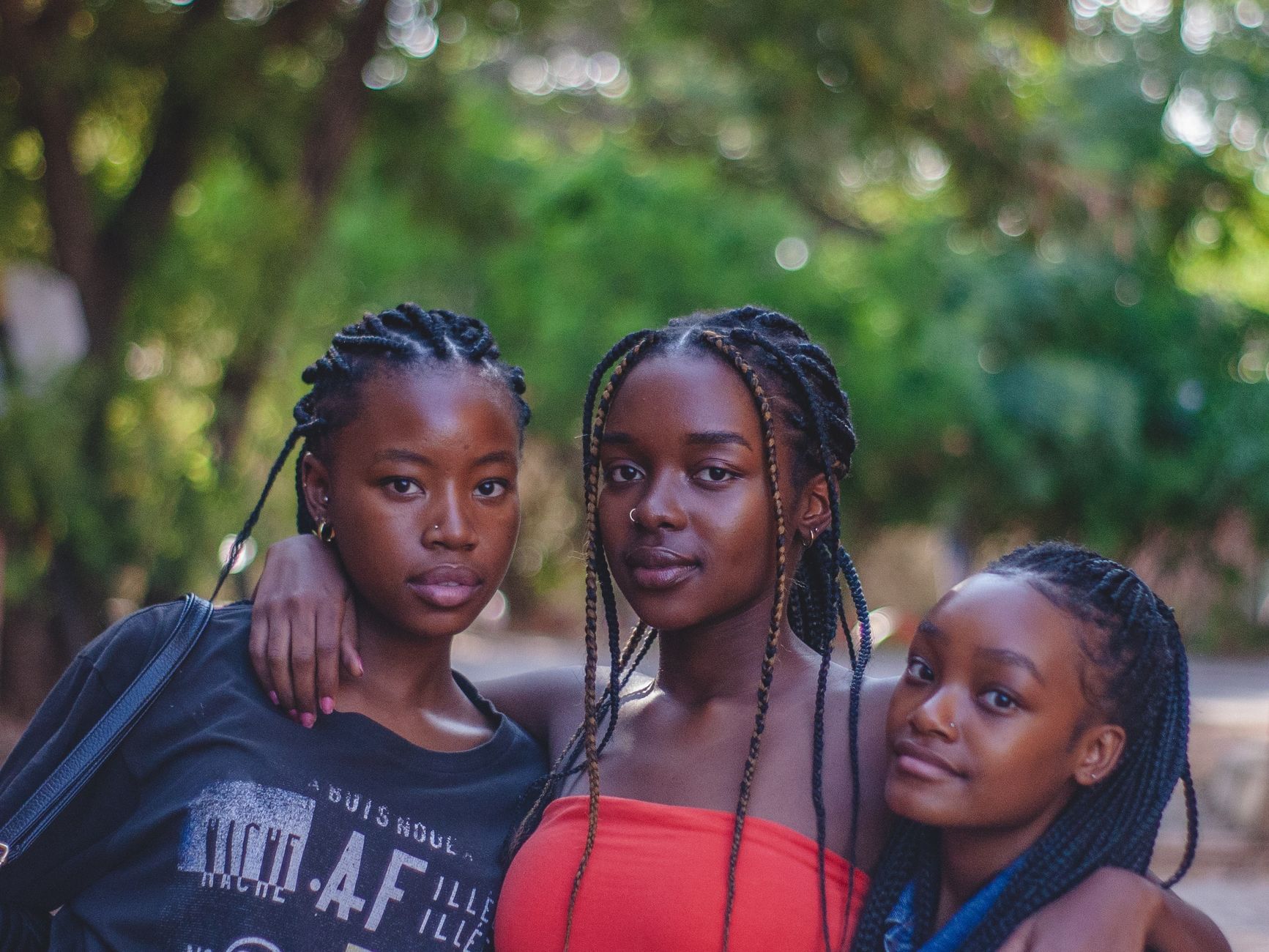
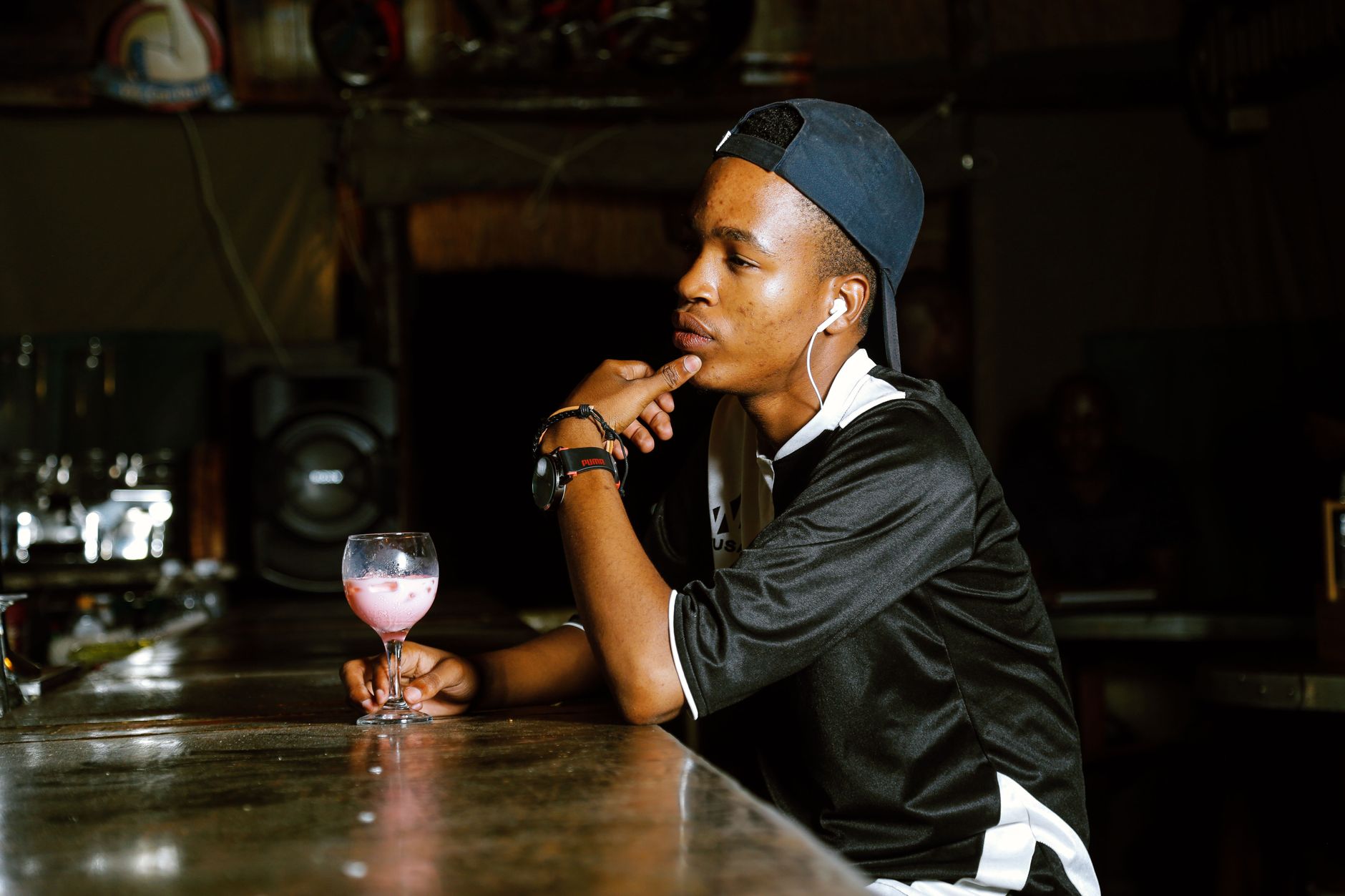
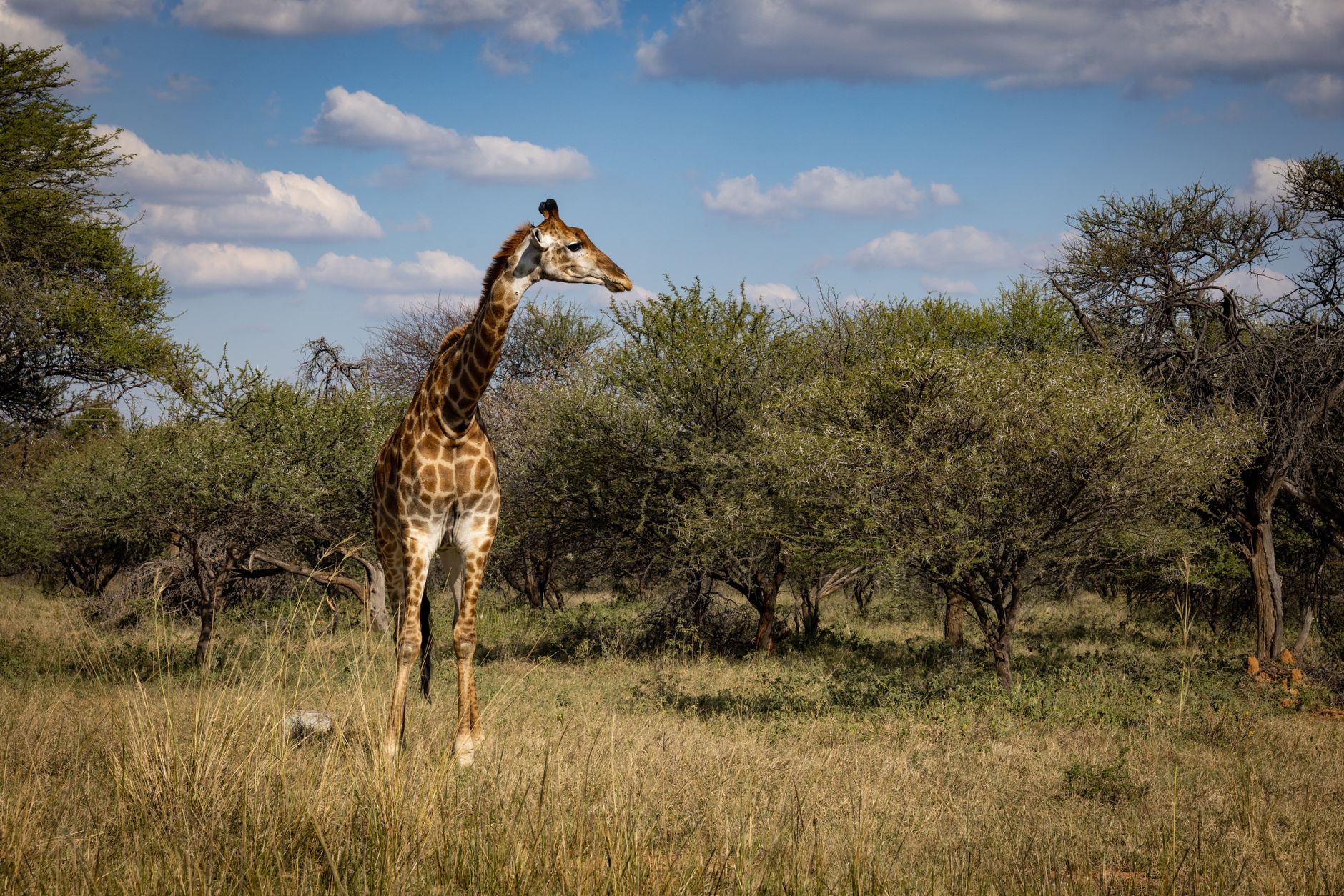
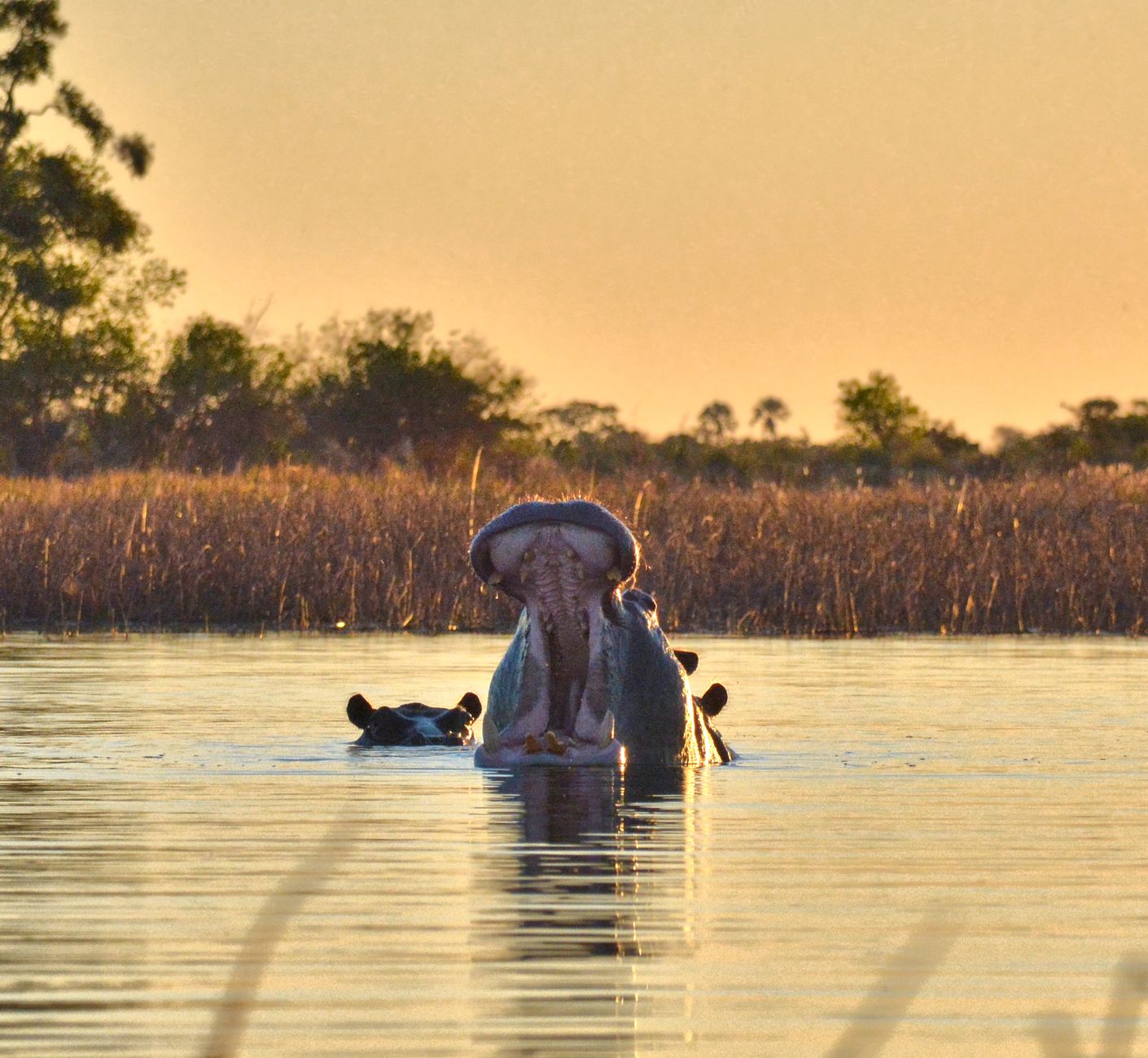
Botswana is a landlocked country in southern Africa where the land does most of the talking. In the north, the Okavango River spills out of Angola and dissolves into a 15,000-square-kilometre inland delta — channels, lagoons, papyrus islands — before it goes anywhere near the sea. You move through it by mokoro, a traditional canoe that sits so low you are practically at water level with the jacana birds and red lechwe. Elsewhere, the Kalahari stretches southwest into near-silence, and the Tsodilo Hills rise from the sand carrying more than 4,500 rock paintings made across millennia.
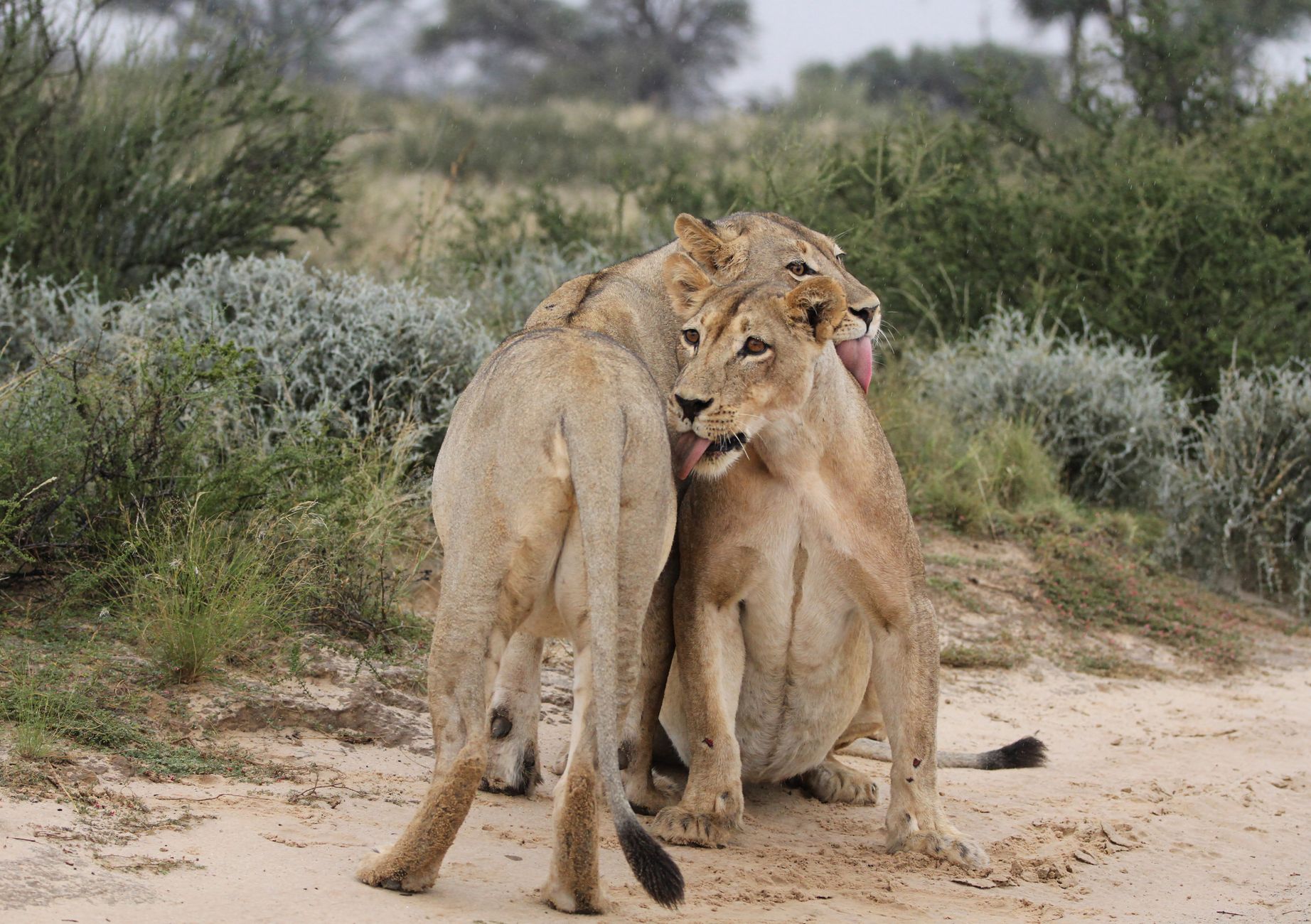
For a country of roughly two million people, Botswana holds an outsized amount of wild, intact landscape. The infrastructure around that landscape — camps, airstrips, guides — is serious and unhurried.
Popular regions in Botswana


💛 What travellers fall for
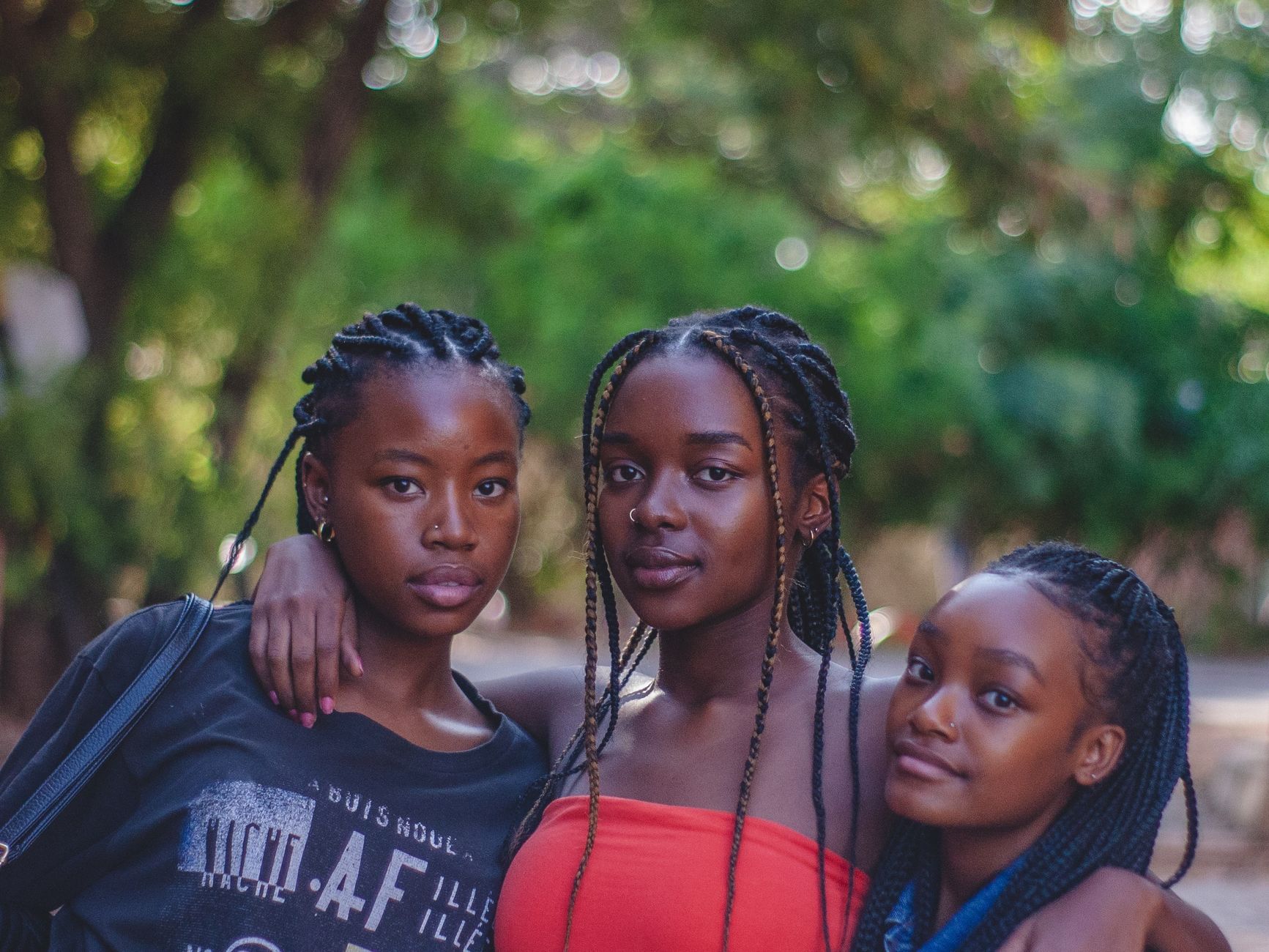
People who come back tend to stay longer each time. Fly into Maun — the Okavango's scrappy, donkey-loud gateway town — and give yourself at least a night before heading into the delta. The transition from tarmac to reed channel is part of the experience, and rushing it means missing the adjustment your eyes need.
Experiences you don't want to miss


Deals in Botswana
Book directly at the provider
How Botswana came to be
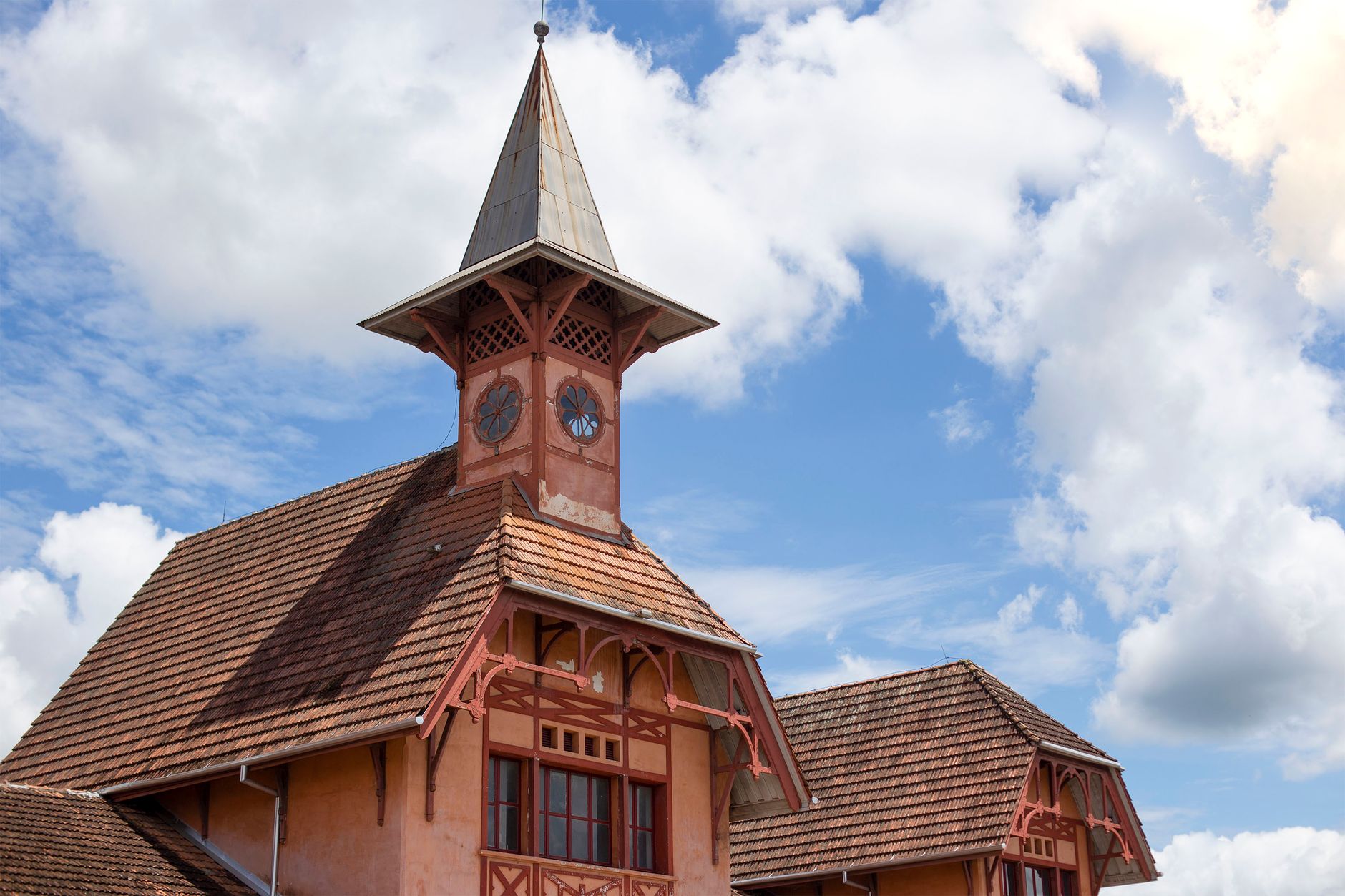
Three Tswana chiefs — Khama III, Sebele I, and Bathoen I — travelled to London in 1895 to lobby against incorporation into what would become South Africa, and their case held. Britain extended protectorate status in 1885, and that arrangement lasted until 30 September 1966, when Botswana became an independent republic with Seretse Khama as its first president. Khama had founded the Botswana Democratic Party in 1962 and negotiated the independence terms himself; his party won 28 of 31 seats in the first general election in 1965.
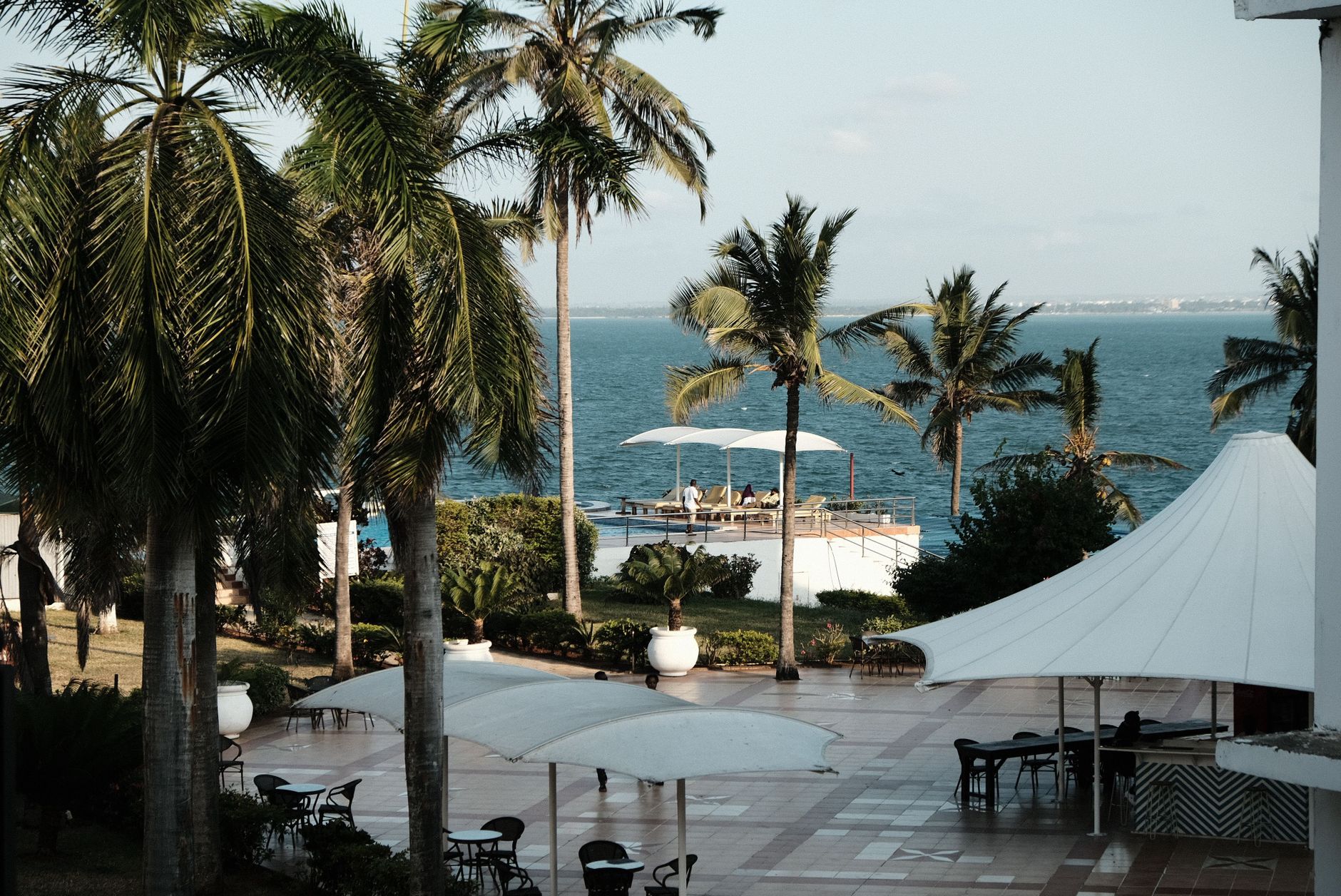
The capital, Gaborone, was built almost from scratch — the government seat moved there from Mafikeng, South Africa, in 1965, and the streets around the Main Mall still carry the geometry of that planned beginning. Then, in 1969, extensive diamond deposits were discovered. The Debswana mining company followed in 1978, and the revenues it generated funded one of the more remarkable economic transformations on the continent.
Who and what shaped it
People who shaped it
Landmark buildings
See Botswana in motion
Plan your visit
On the map
When to go
April through October brings dry, mostly clear days — June and July cool down to around 12°C in the south, with nights that can approach freezing in the Kalahari before warming fast under an open sky. November through March is hot and wet: December and January regularly hit 35°C in the centre-south, and January through February brings heavy afternoon downpours that can briefly flood roads but also turn the landscape green.
Right now
↡ Regions
↡ Cities
No places match these filters.
Background & history adapted from Wikipedia (CC BY-SA) · specs from Wikidata (CC0) · weather from Open-Meteo · map data © OpenStreetMap contributors · photos from Wikimedia Commons / Unsplash with per-image credit. No third-party reviews or social posts reproduced.