
Tanzania
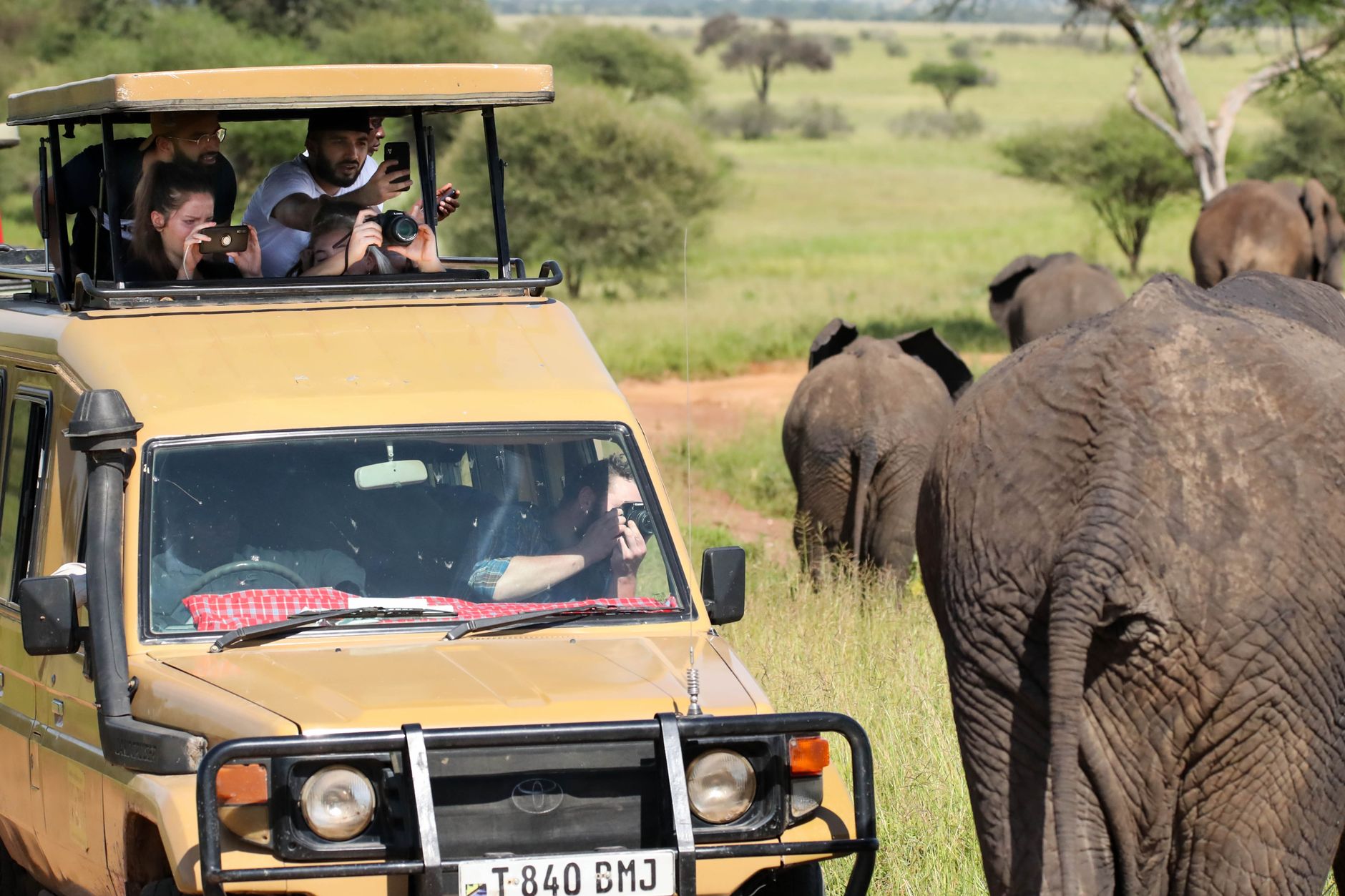
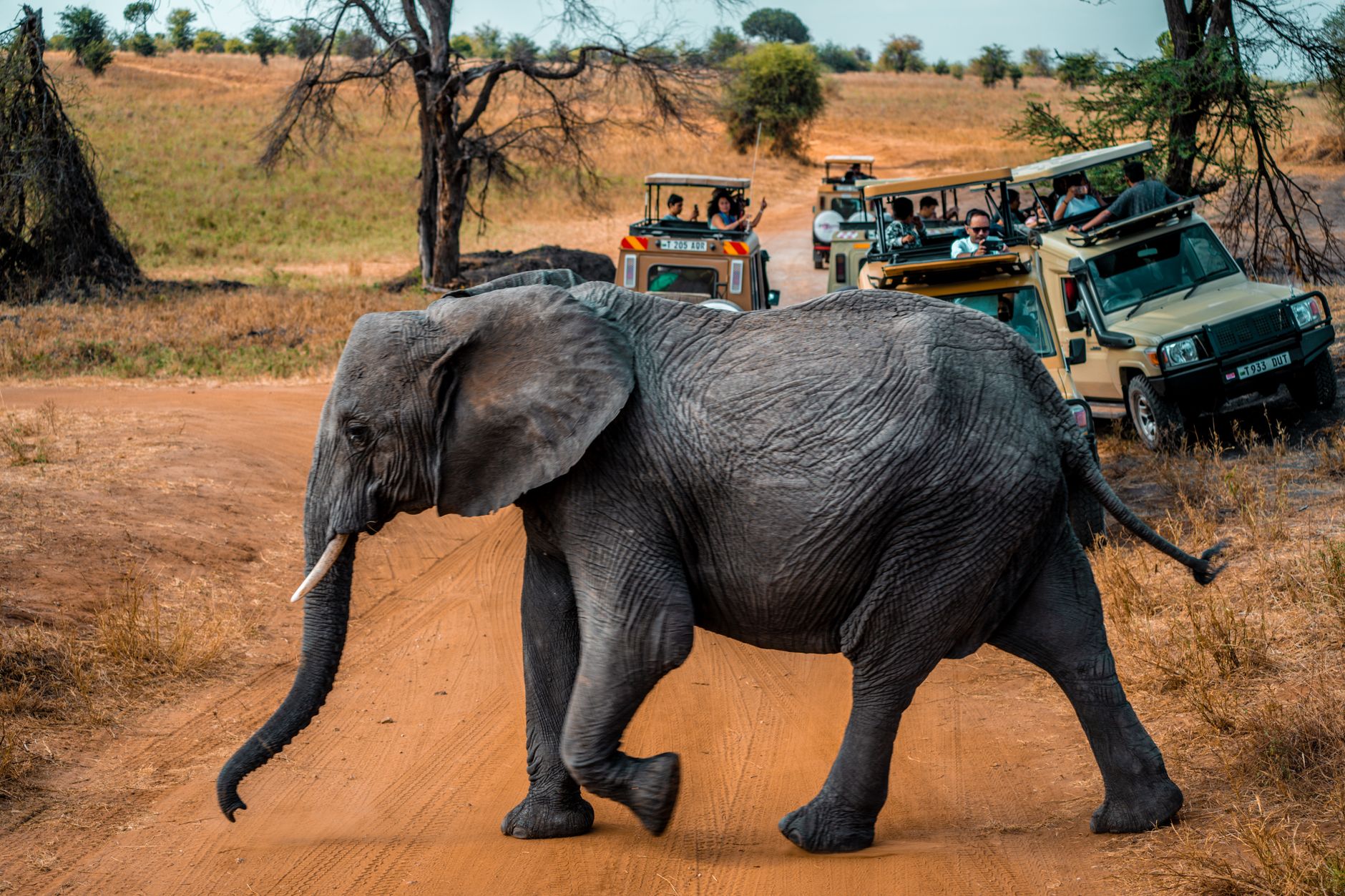
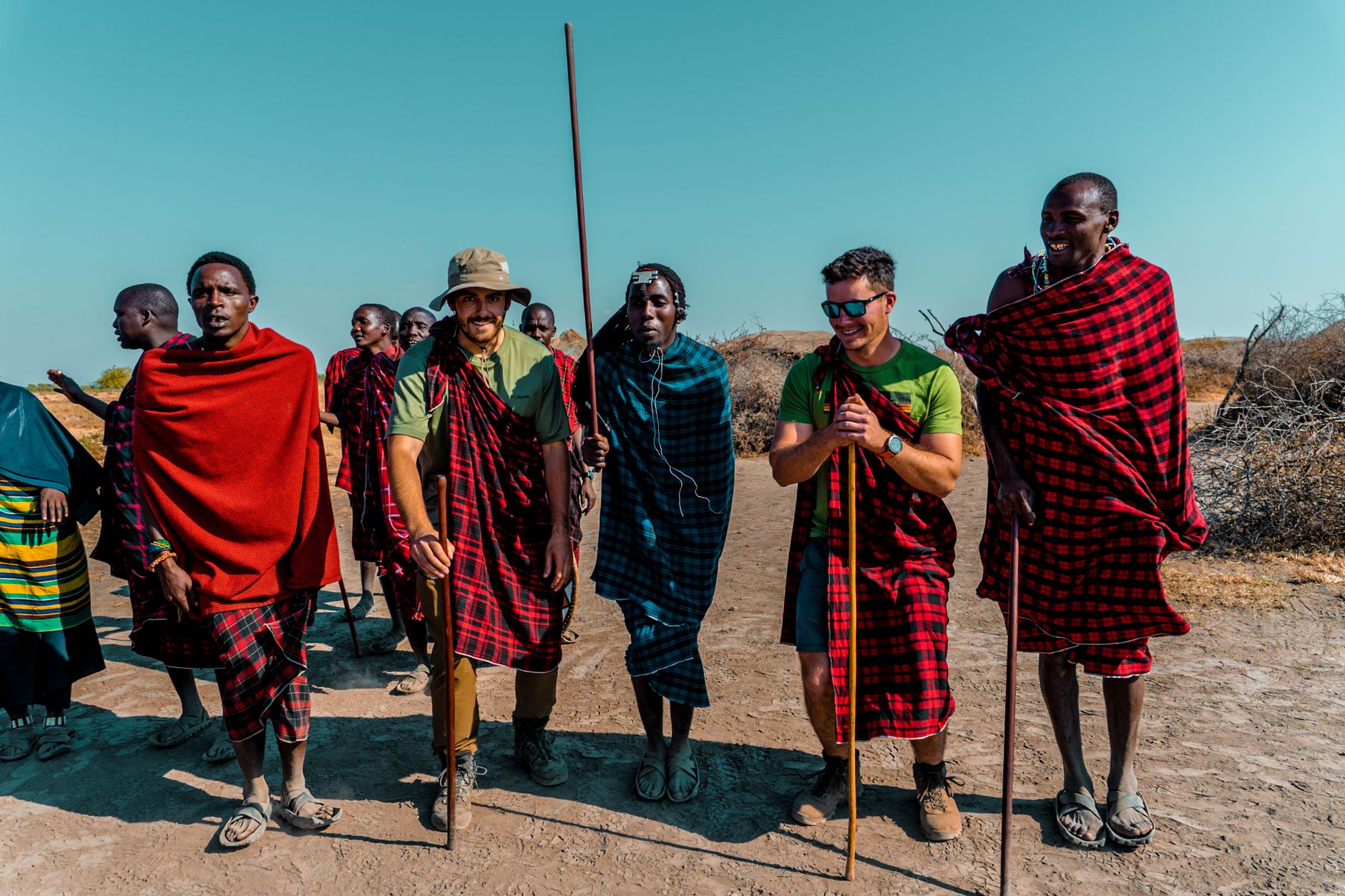
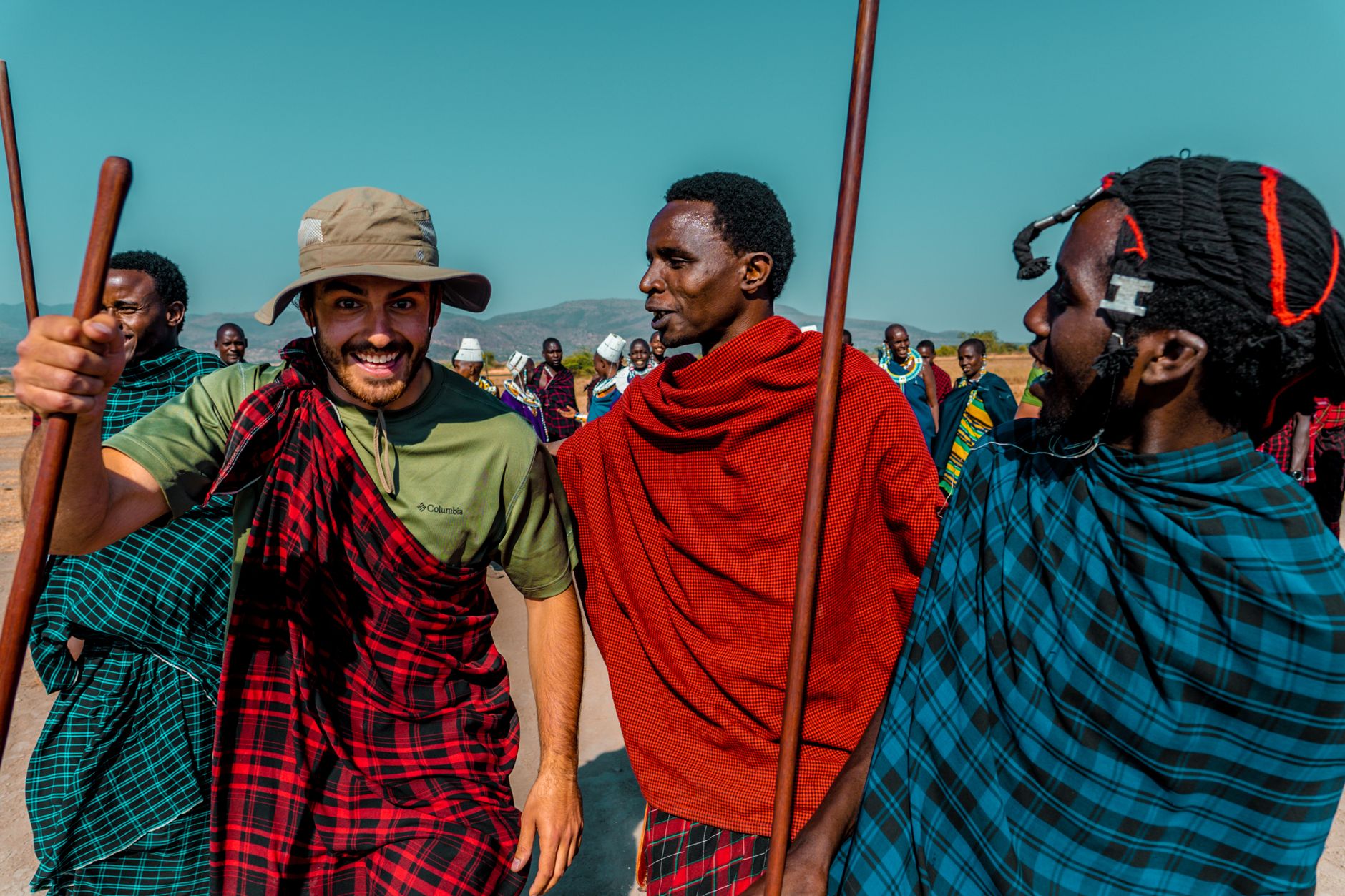
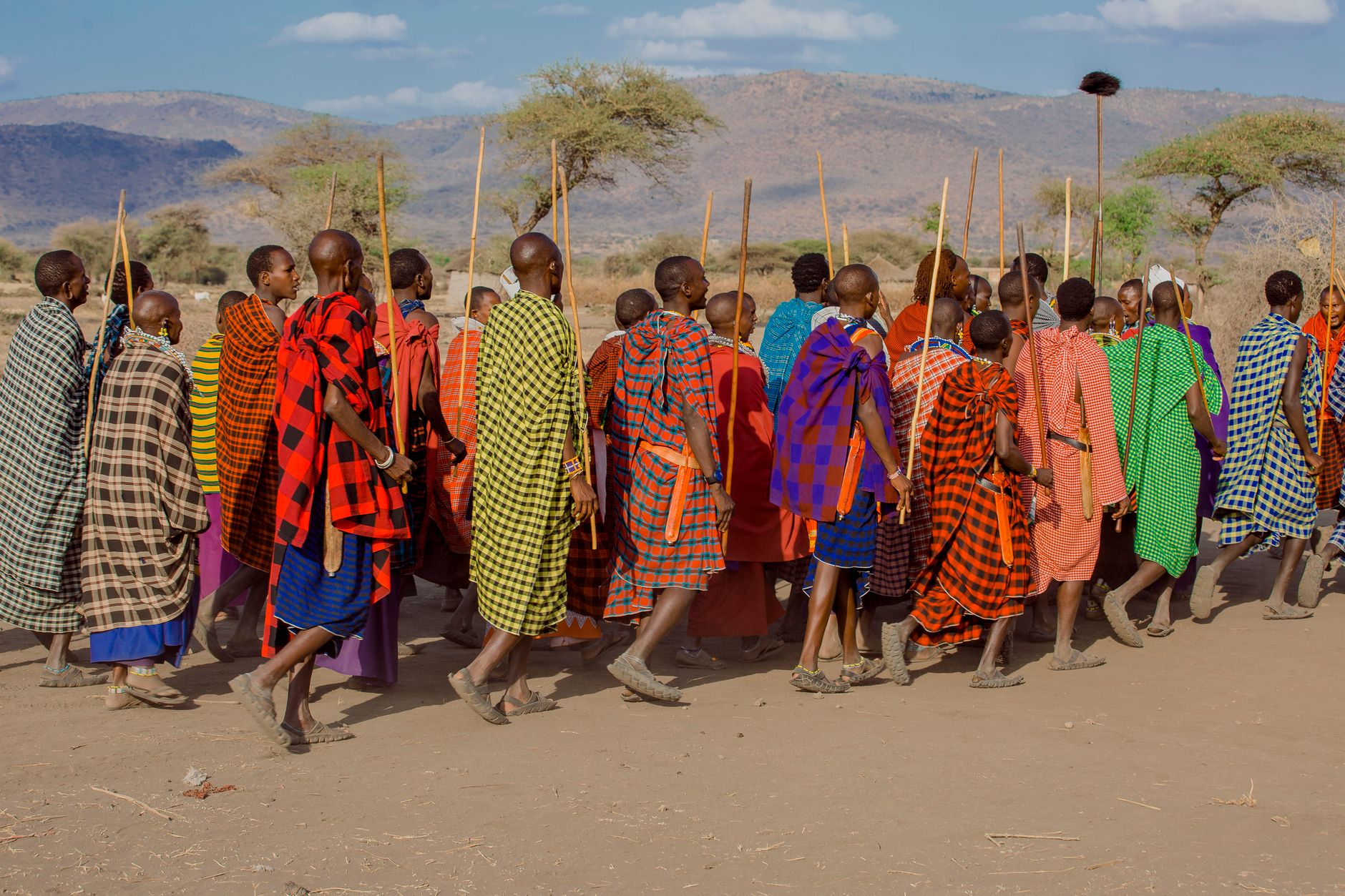
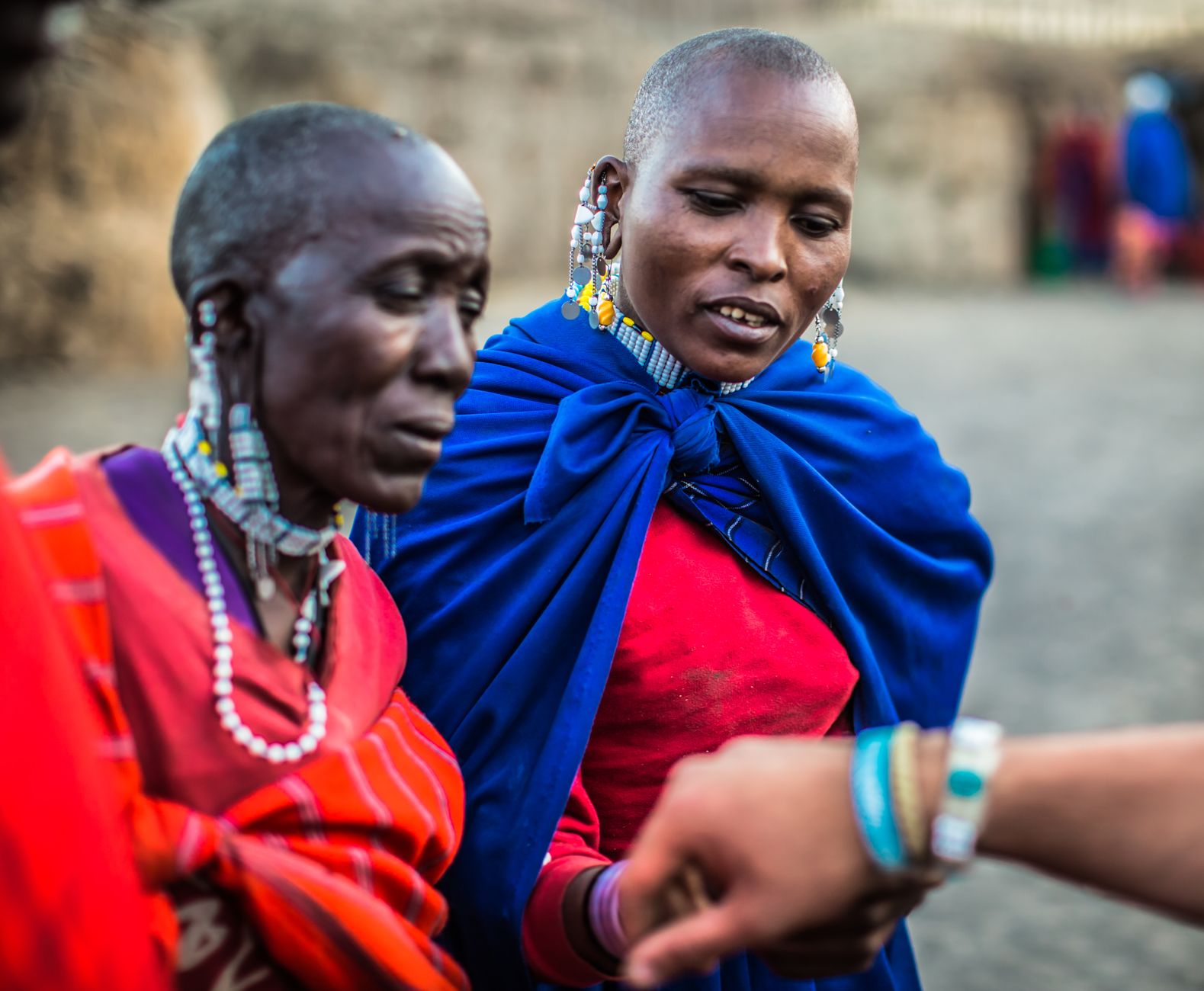
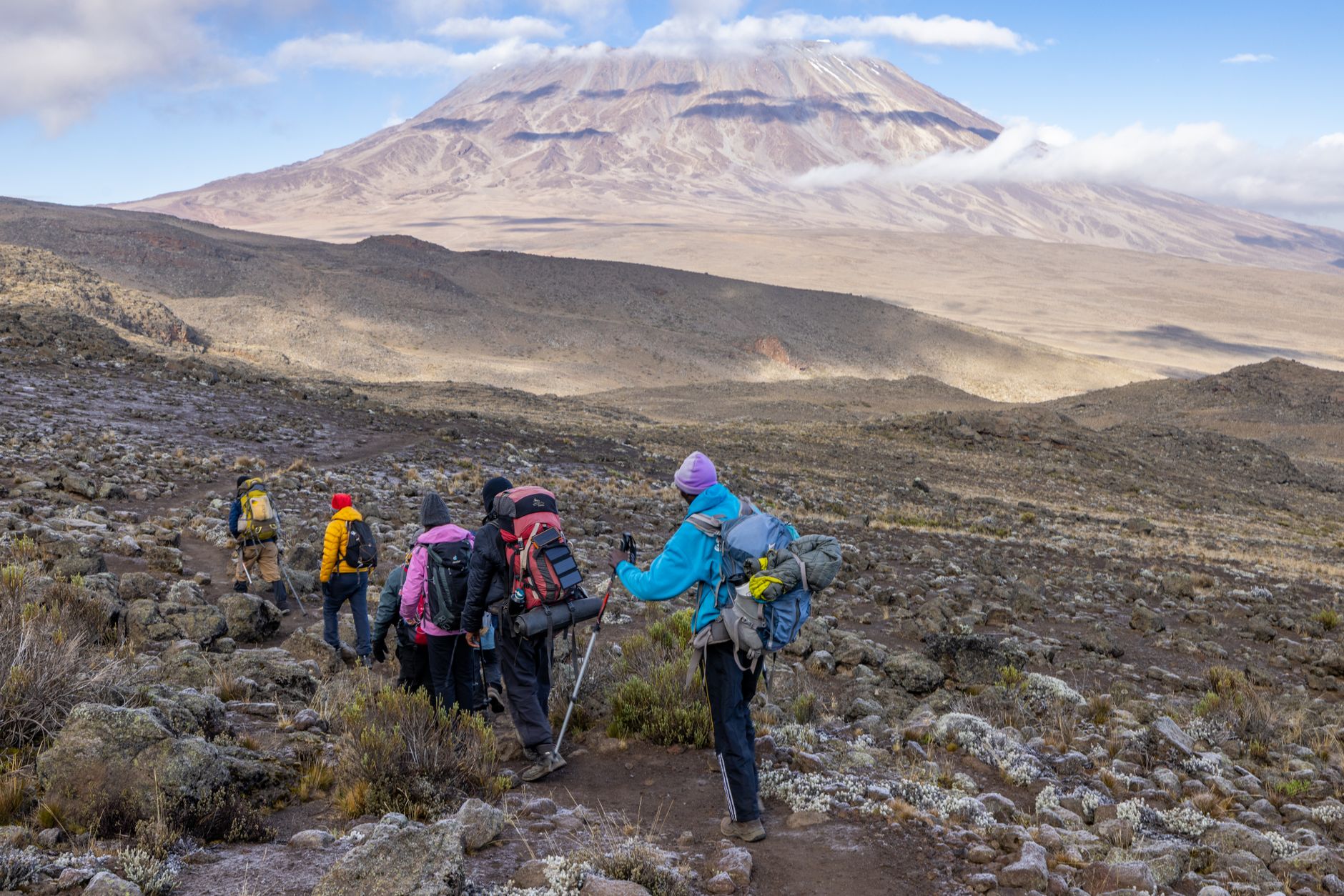
Tanzania asks something of you before it gives anything back. The Laetoli footprints pressed into volcanic ash some 3.6 million years ago in the north of the country are among the oldest evidence of upright human walking on earth — and standing near Olduvai Gorge, that fact lands differently than it does on a page. This is a country of serious scale: Africa's highest peak, one of the planet's largest calderas, an archipelago whose stone-lane capital carries centuries of Swahili, Arab and Portuguese history in its walls.
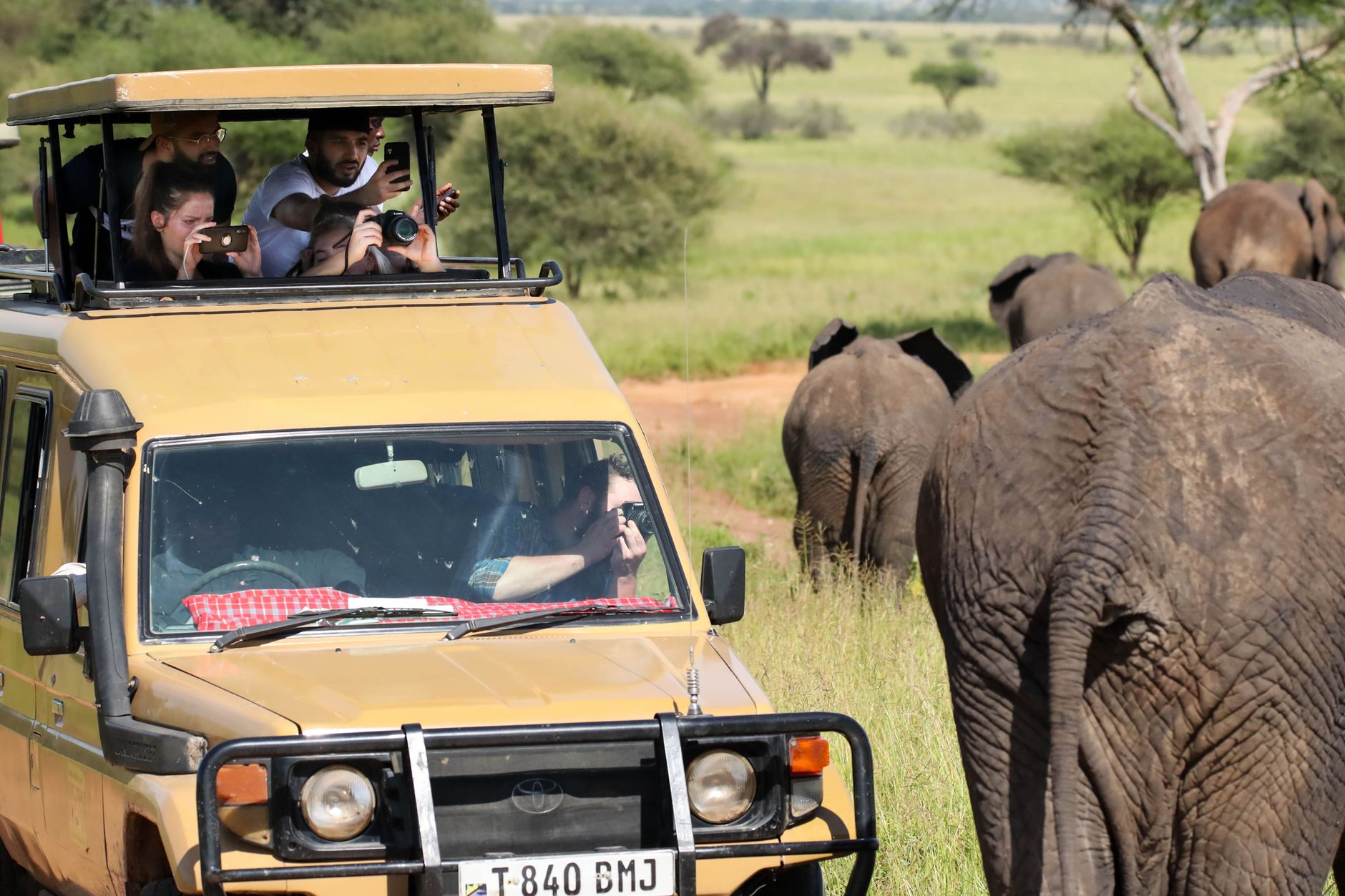
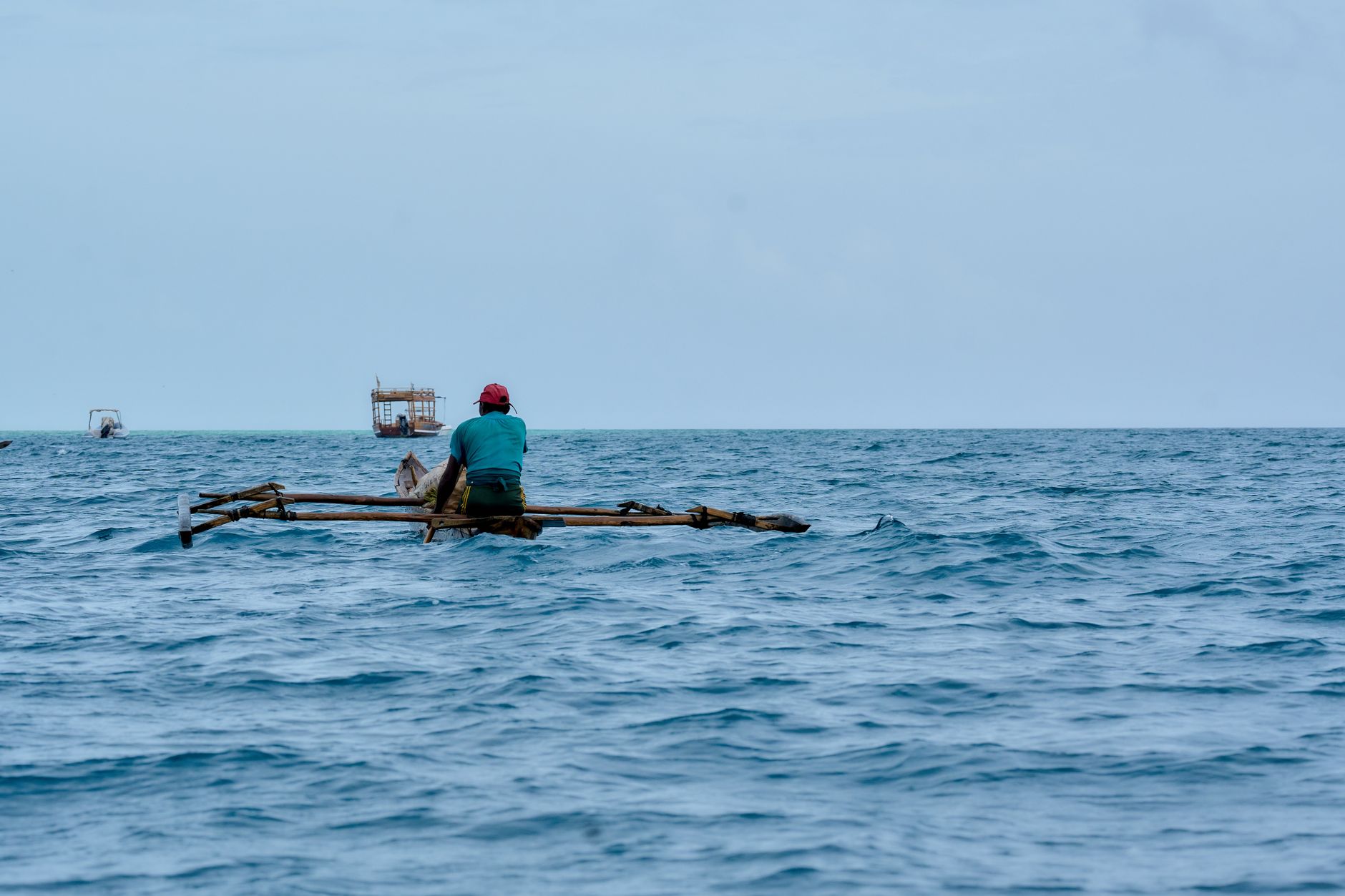
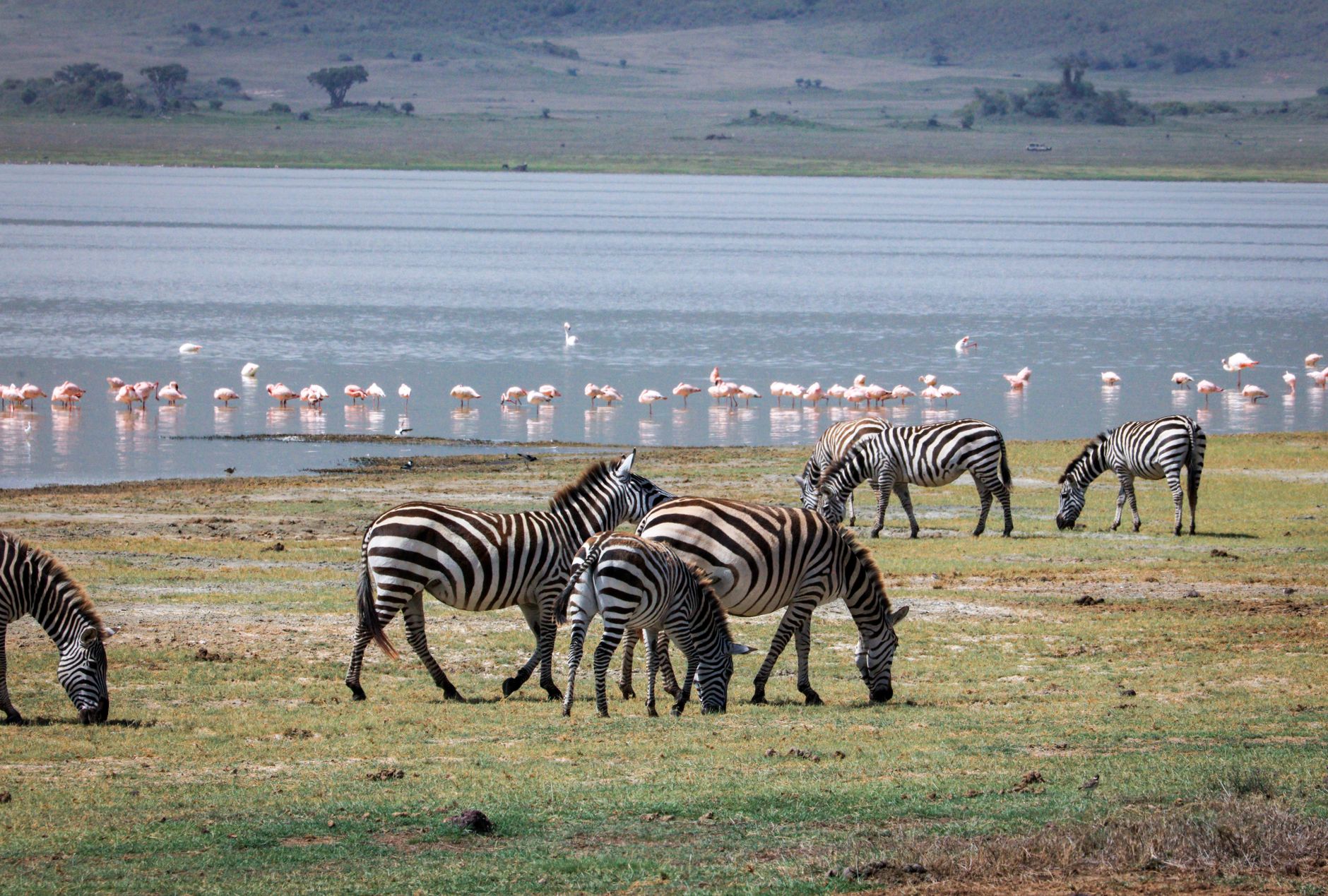
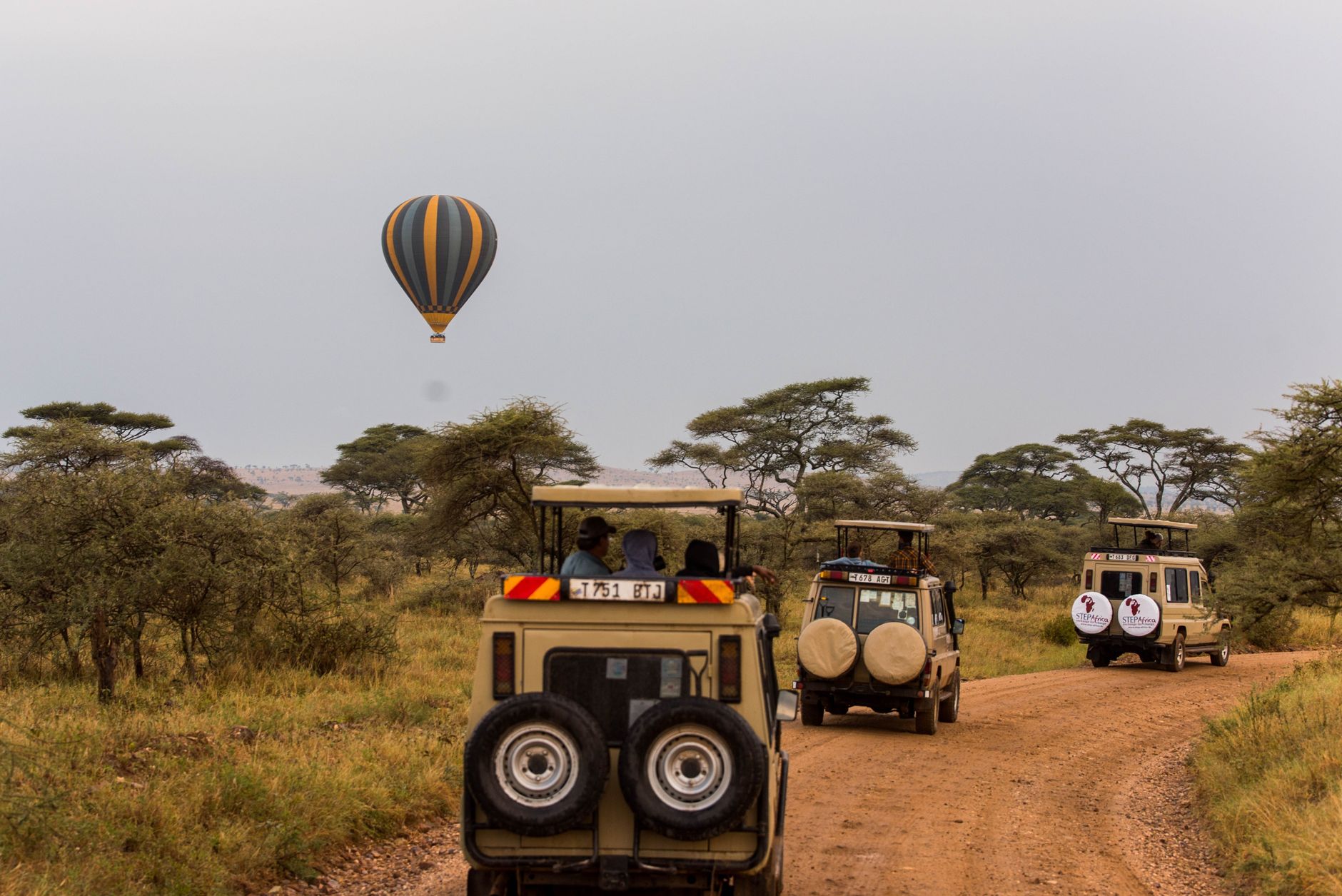
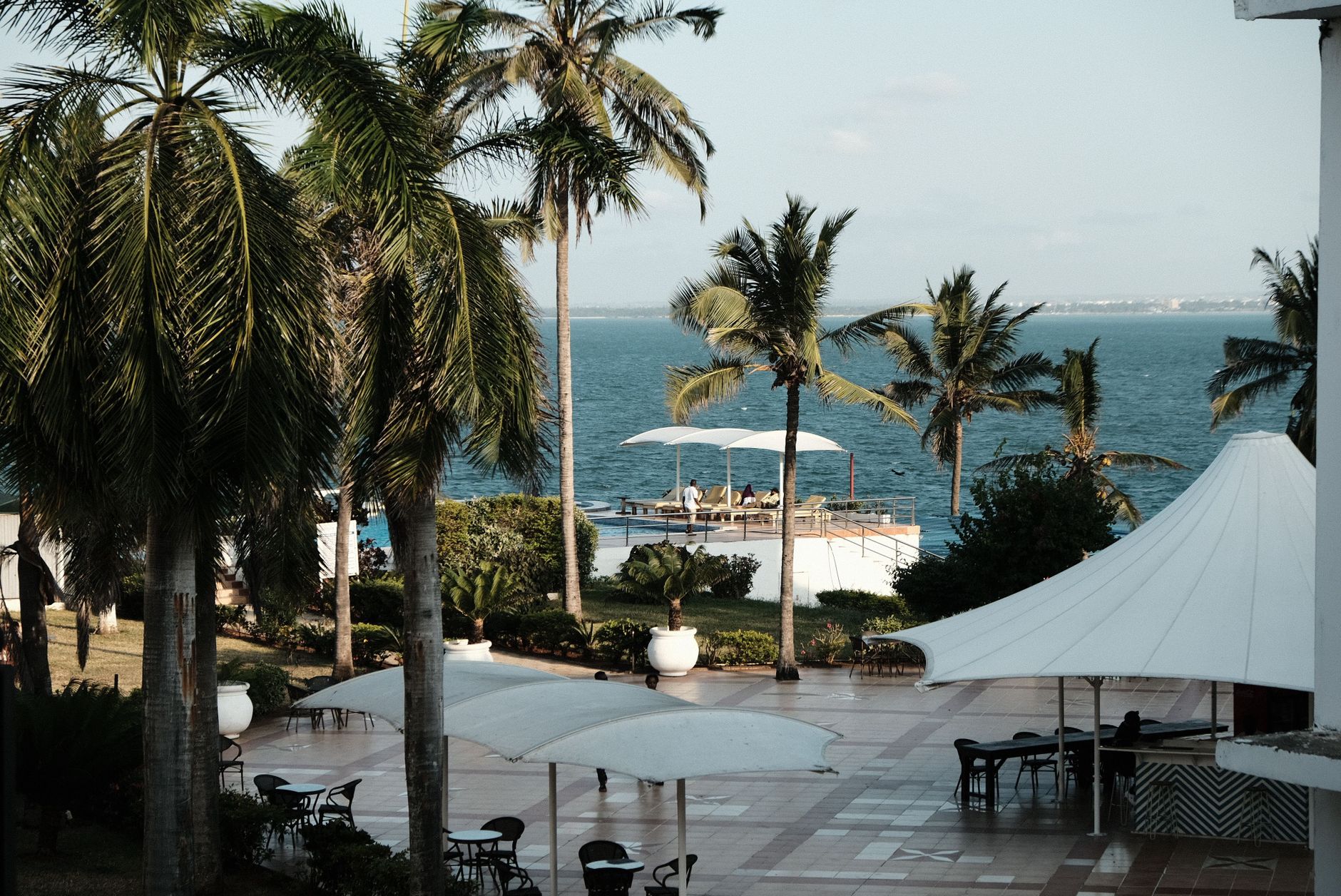
From the Serengeti's open plains to the coral reefs off Zanzibar, the distances between things are real, and that is part of the point. Tanzania rewards the traveller who builds in time rather than squeezes in stops.
Deals in Tanzania
Book directly at the provider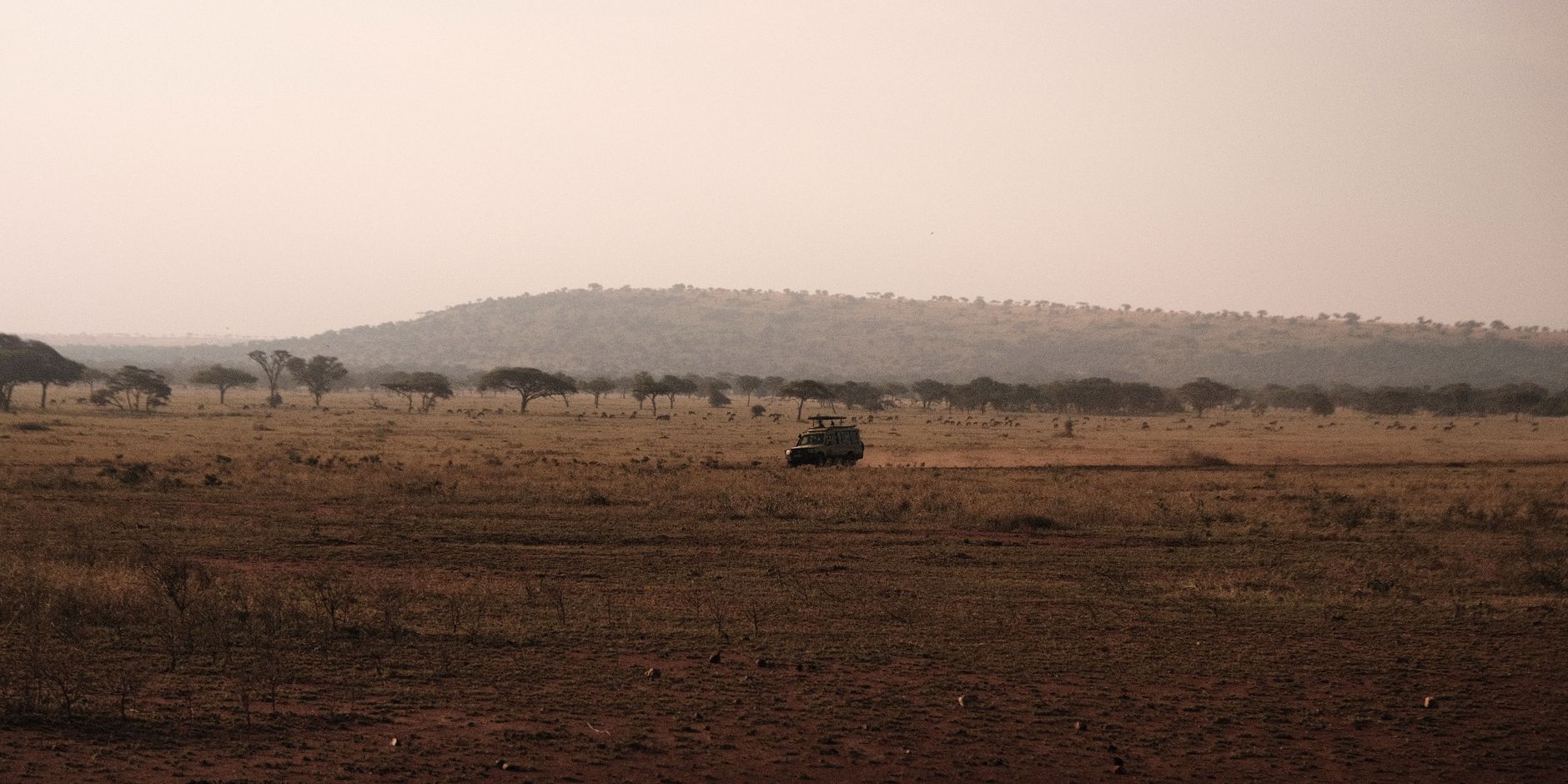

How Tanzania came to be
The land that became Tanzania carries two distinct colonial histories. The mainland — Tanganyika — was part of German East Africa until Britain took control under a League of Nations mandate in 1922, later a UN trust territory. Julius Nyerere, a schoolteacher and one of only two Tanganyikans educated to university level at independence, organised the Tanganyika African National Union in 1954 and became the country's first prime minister when independence came on 9 December 1961. Zanzibar followed on 10 December 1963.
The two merged on 26 April 1964, and the name Tanzania was adopted that October. Nyerere became the first president of the unified republic. In March 2021, Samia Suluhu Hassan became president following the death of her predecessor — the first woman to hold the office.
Who and what shaped it
People who shaped it
Landmark buildings
See Tanzania in motion
Plan your visit
On the map
When to go
Tanzania has two rainy seasons: the long rains (masika) run from mid-March through May, and a shorter season (vuli) falls from November to mid-January. The dry months of June through October are the most reliable for wildlife viewing and Kilimanjaro climbs, though the coast and Zanzibar carry warmth year-round.
Right now
↡ Regions
↡ Cities
No places match these filters.
Background & history adapted from Wikipedia (CC BY-SA) · specs from Wikidata (CC0) · weather from Open-Meteo · map data © OpenStreetMap contributors · photos from Wikimedia Commons / Unsplash with per-image credit. No third-party reviews or social posts reproduced.