
Moshi
The name gives it away: when the first railway trains rolled in during the German colonial era, locals watched the smoke rise and called the place Moshi — Kiswahili for smoke. That locomotive origin story still feels right for a town defined by arrival and departure, most of it pointed toward the white peak that fills the northern sky. Kilimanjaro is always there, cloud-permitting, above the market stalls and the mango trees and the red-dust roads.
Moshi sits at around 900 metres, which keeps the air cooler than the coast and gives the surrounding slopes their famous fertility. Coffee has grown here for generations, and the Kilimanjaro Native Cooperative Union — one of Africa's oldest — was built by the farmers who cultivated it.
💛 What travellers fall for
People who come back tend to mention the same ritual: an early morning at a café in the converted Old Railway Station, watching the mountain either reveal or conceal itself before the day's business begins. Sort out your Kilimanjaro trek payments before you arrive — ATM withdrawal limits in Tanzania are low and the sums involved are not.
Deals in Moshi
Book directly at the provider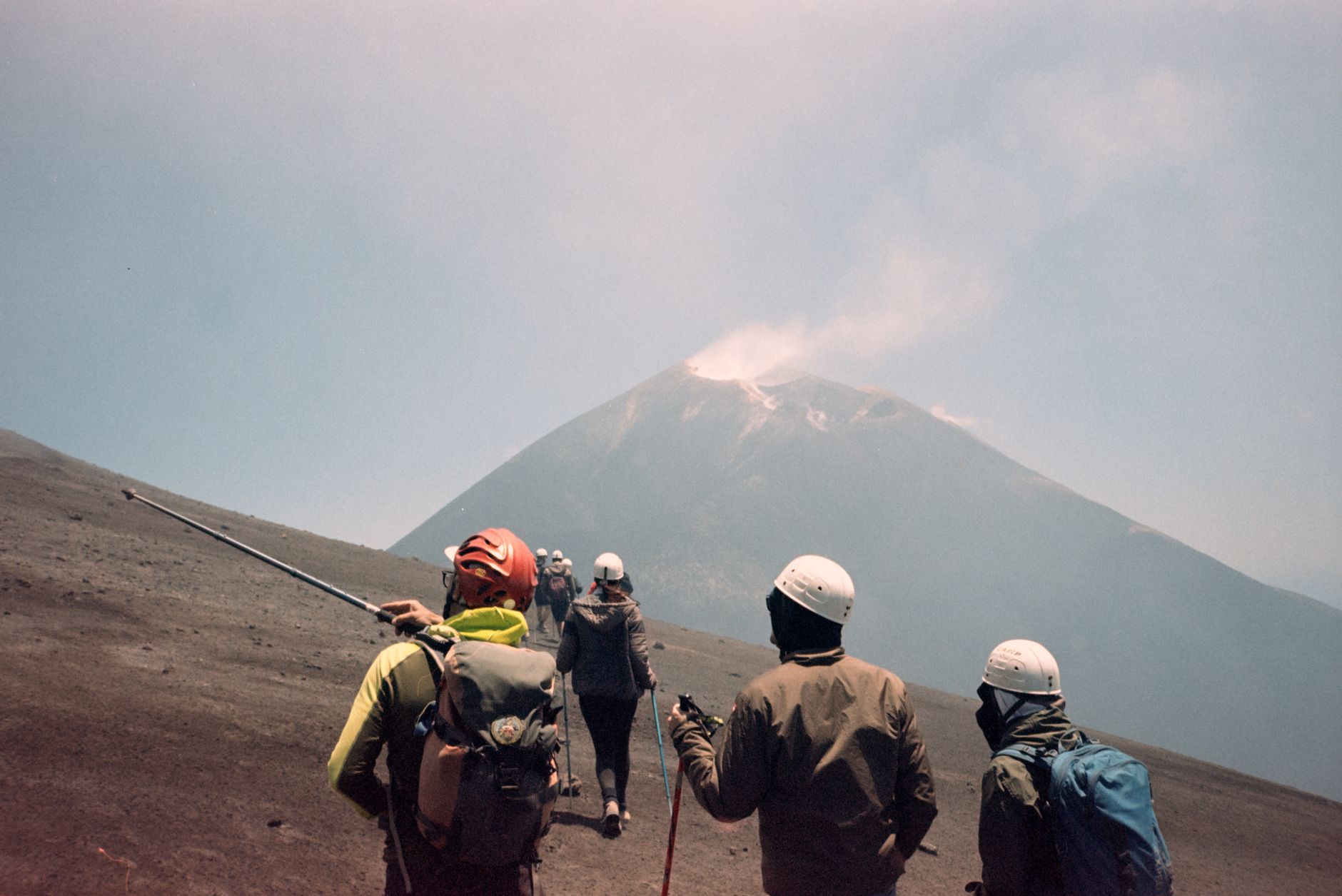

How Moshi came to be
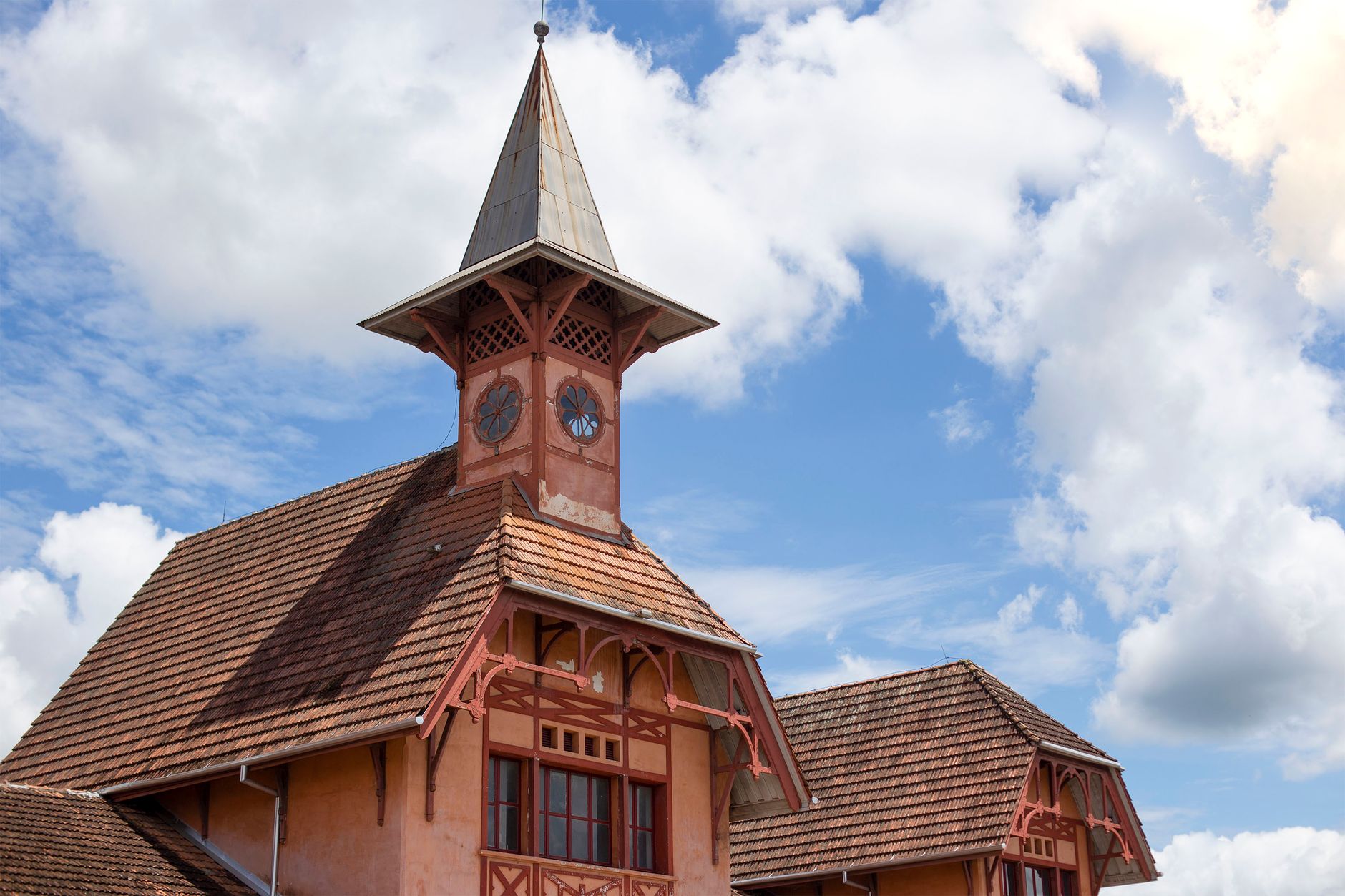
German forces established a military camp at lower Moshi in August 1892, naming it Neumoschi, and the original settlement — Old Moshi — was laid out about 10 km north of the current town in 1893. The extension of the railway line in 1912 shifted the centre of gravity south and turned the town into a trading post of real consequence. During this period, Chagga chiefs including Mangi Rindi and Mangi Meli navigated and at times resisted colonial authority; Meli in particular became a symbol of defiance against German rule.
Britain administered the territory after World War I until Tanzanian independence in 1961. In the decades that followed, Moshi grew into a quiet institutional hub: the Kilimanjaro Christian Medical Centre opened in 1971, Mweka College for wildlife management was founded in 1963, and the International School of Moshi — established as an IB World School in 1977, the first in Africa — became UWC East Africa in 2019.
Who and what shaped it
People who shaped it
Landmark buildings
See Moshi in motion
Plan your visit
On the map
When to go
June through October is the window most visitors choose: daytime temperatures sit between 23°C and 27°C and rainfall drops to as little as 10–30 mm a month. The long rains run from early March to late June, with March alone averaging 273 mm, so the mountain will likely stay behind cloud if you visit then.
Right now
Background & history adapted from Wikipedia (CC BY-SA) · specs from Wikidata (CC0) · weather from Open-Meteo · map data © OpenStreetMap contributors · photos from Wikimedia Commons / Unsplash with per-image credit. No third-party reviews or social posts reproduced.