
Tonga
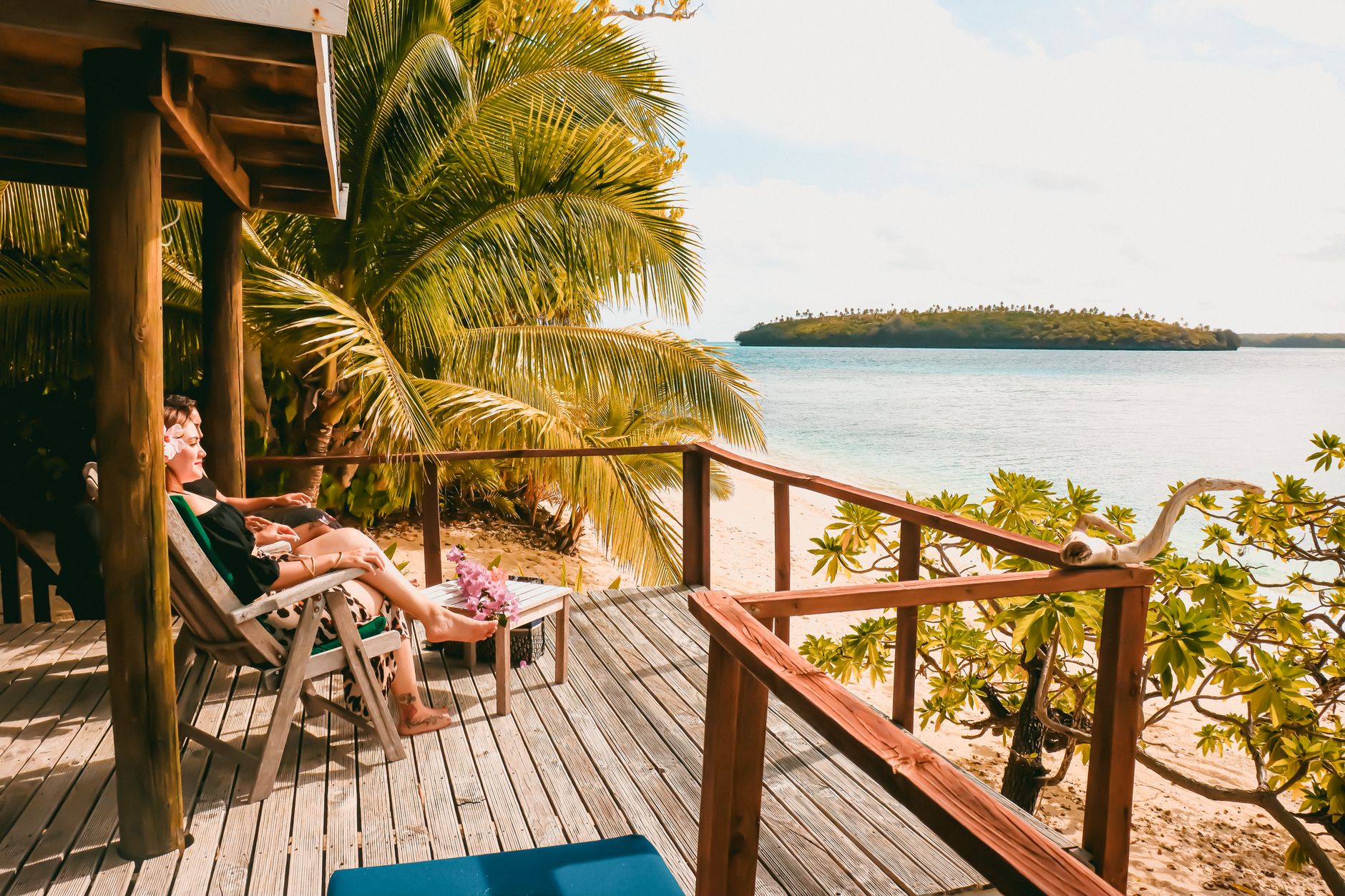
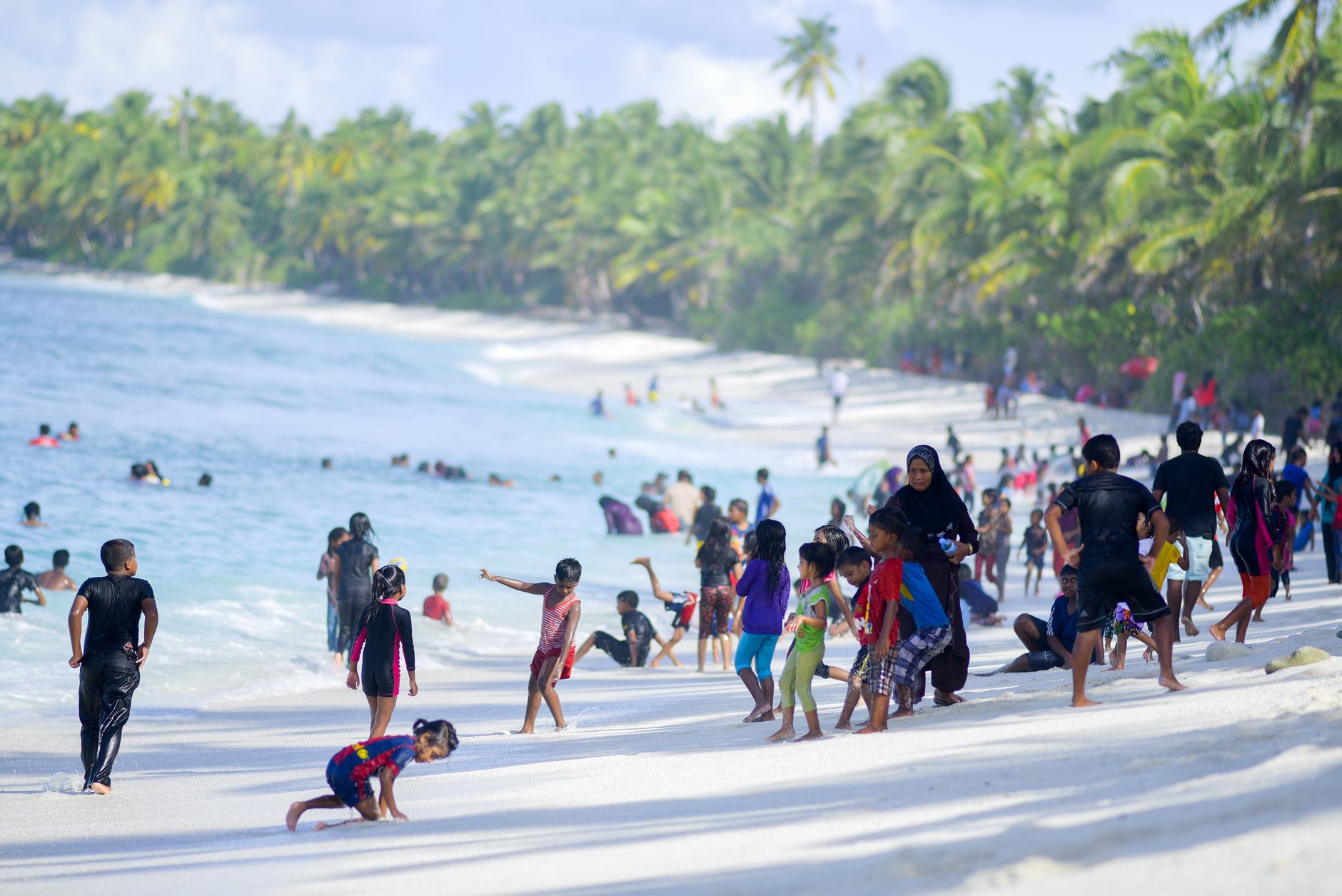
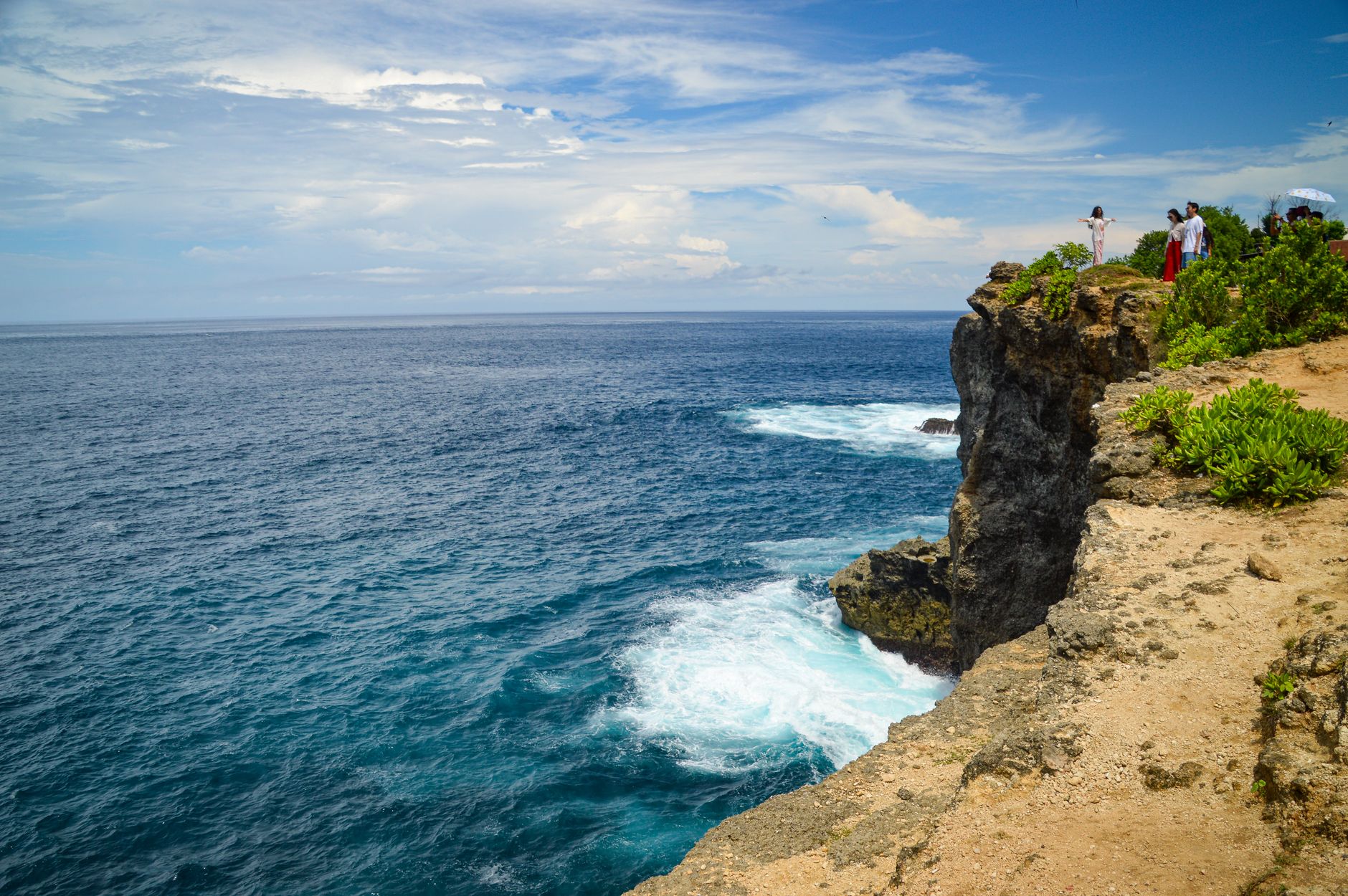

Tonga is the only Pacific island nation never to have been formally colonised, and that fact sits quietly behind everything here — the constitutional monarchy that has stood since 1875, the Sunday stillness so complete that no planes land and no ferries sail, the coral-lime trilithon called Haʻamonga ʻa Maui rising five metres from the grass of Tongatapu, older than most explanations of it.
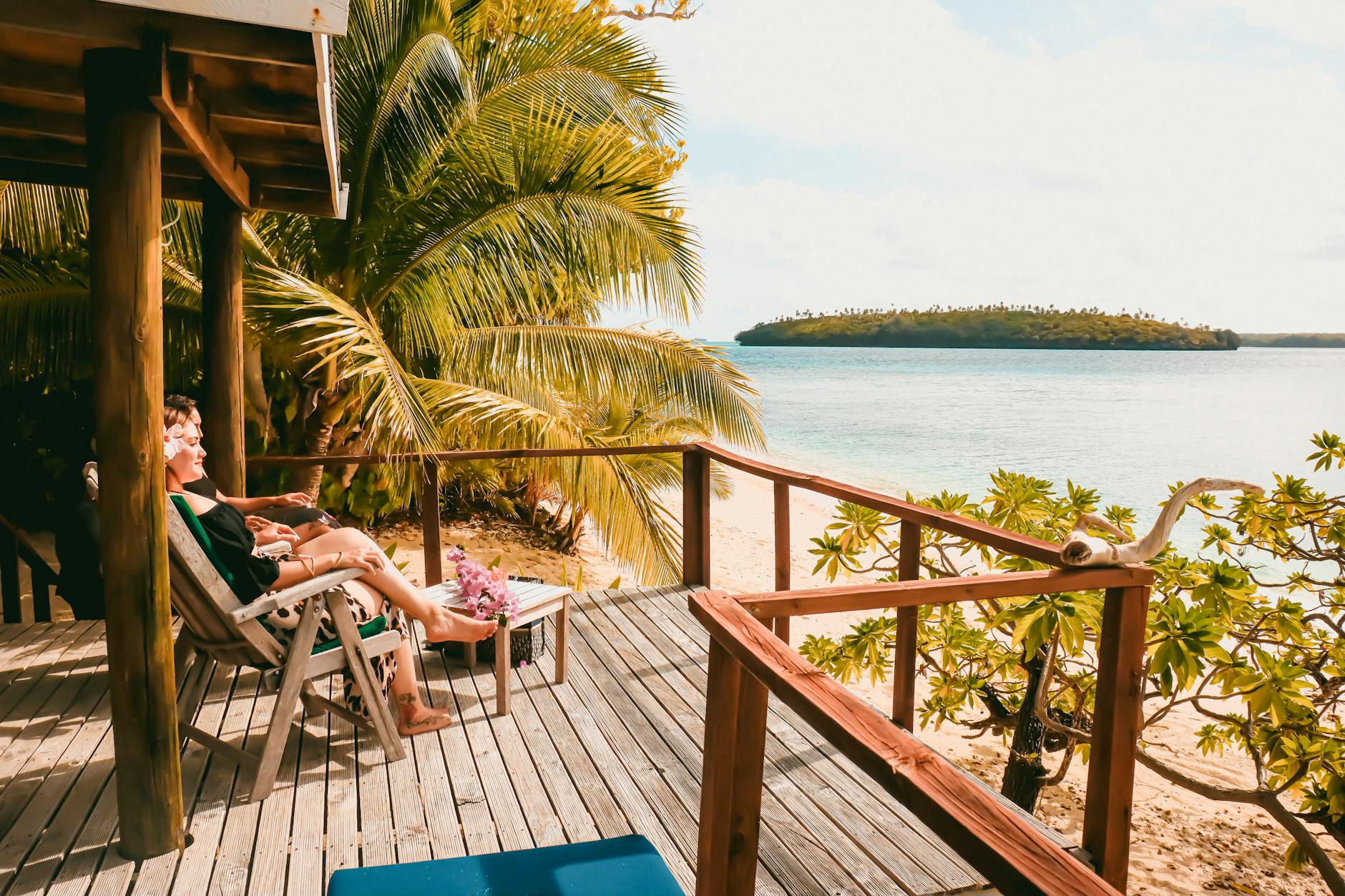
The archipelago runs to more than 170 islands across a long north-south scatter of the South Pacific. Most life centres on Tongatapu, where the Royal Palace has faced the seafront since 1867 and the royal tombs line Taufa'ahau Road like a quiet civic fact.
Deals in Tonga
Book directly at the provider
How Tonga came to be
Tongatapu was settled around 3,000 years ago by the Lapita people, making it among the earliest-settled islands in Polynesia. European contact came in earnest with Captain James Cook's visits between 1773 and 1777. The modern Tongan state took shape through one decisive figure: Taufa'ahau, who converted to Christianity in 1831 and by 1845 had consolidated power as King George Tupou I.
During his long reign he gave Tonga a constitution (1875), a legal code and a unified administrative structure — the foundations that allowed the kingdom to enter a British protectorate in 1900 without losing its sovereignty, and to emerge as a fully independent nation within the Commonwealth on 4 June 1970.
Who and what shaped it
People who shaped it
Landmark buildings
See Tonga in motion
Plan your visit
On the map
When to go
The dry season from June to October brings temperatures around 22°C and trade winds that cool the late afternoons reliably. December through April is hotter and wetter — March is the rainiest month — and cyclone risk runs from November to mid-May, with the highest probability between late December and early April.
Right now
Background & history adapted from Wikipedia (CC BY-SA) · specs from Wikidata (CC0) · weather from Open-Meteo · map data © OpenStreetMap contributors · photos from Wikimedia Commons / Unsplash with per-image credit. No third-party reviews or social posts reproduced.