Country

Cuba

Cuba
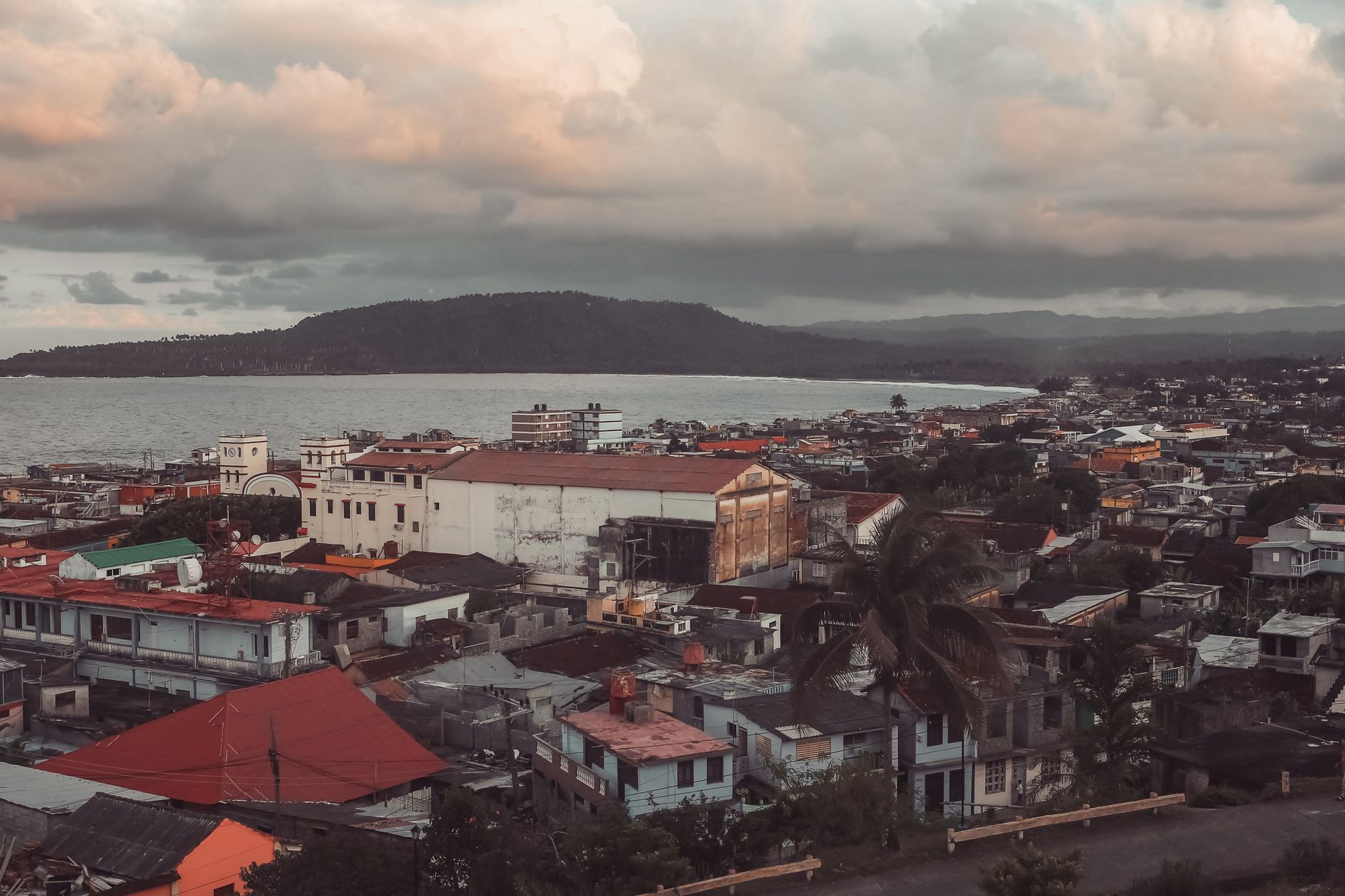
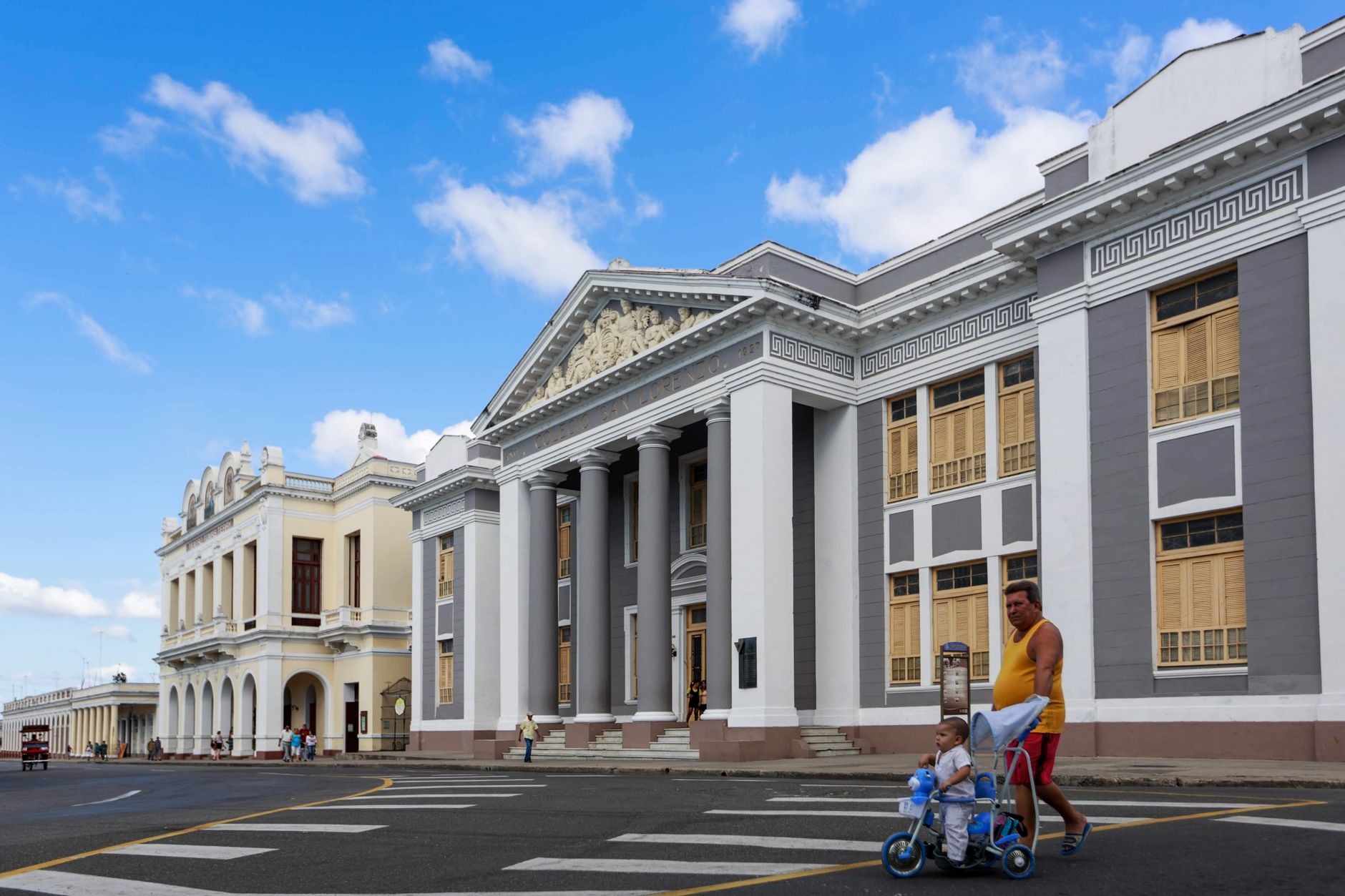
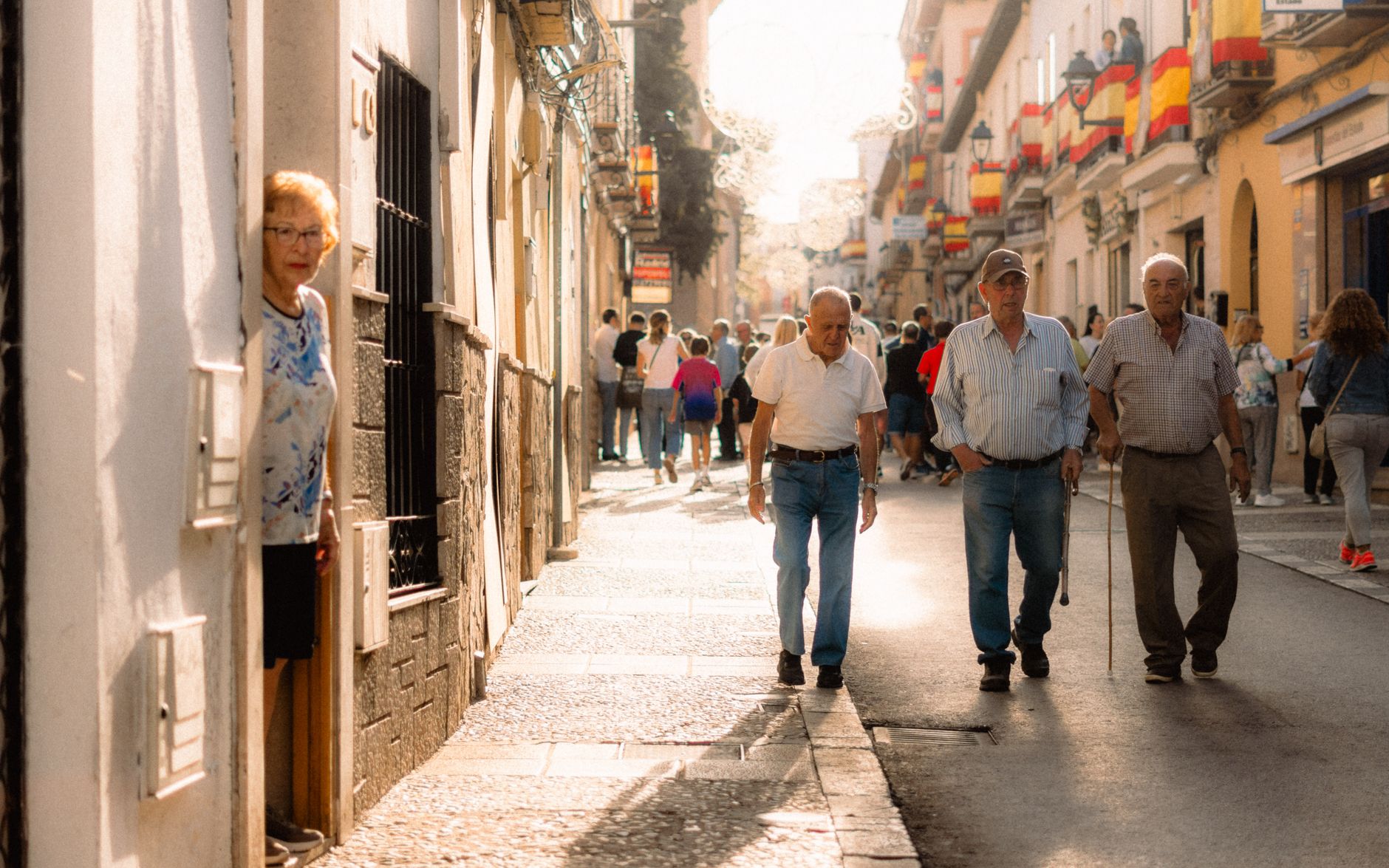
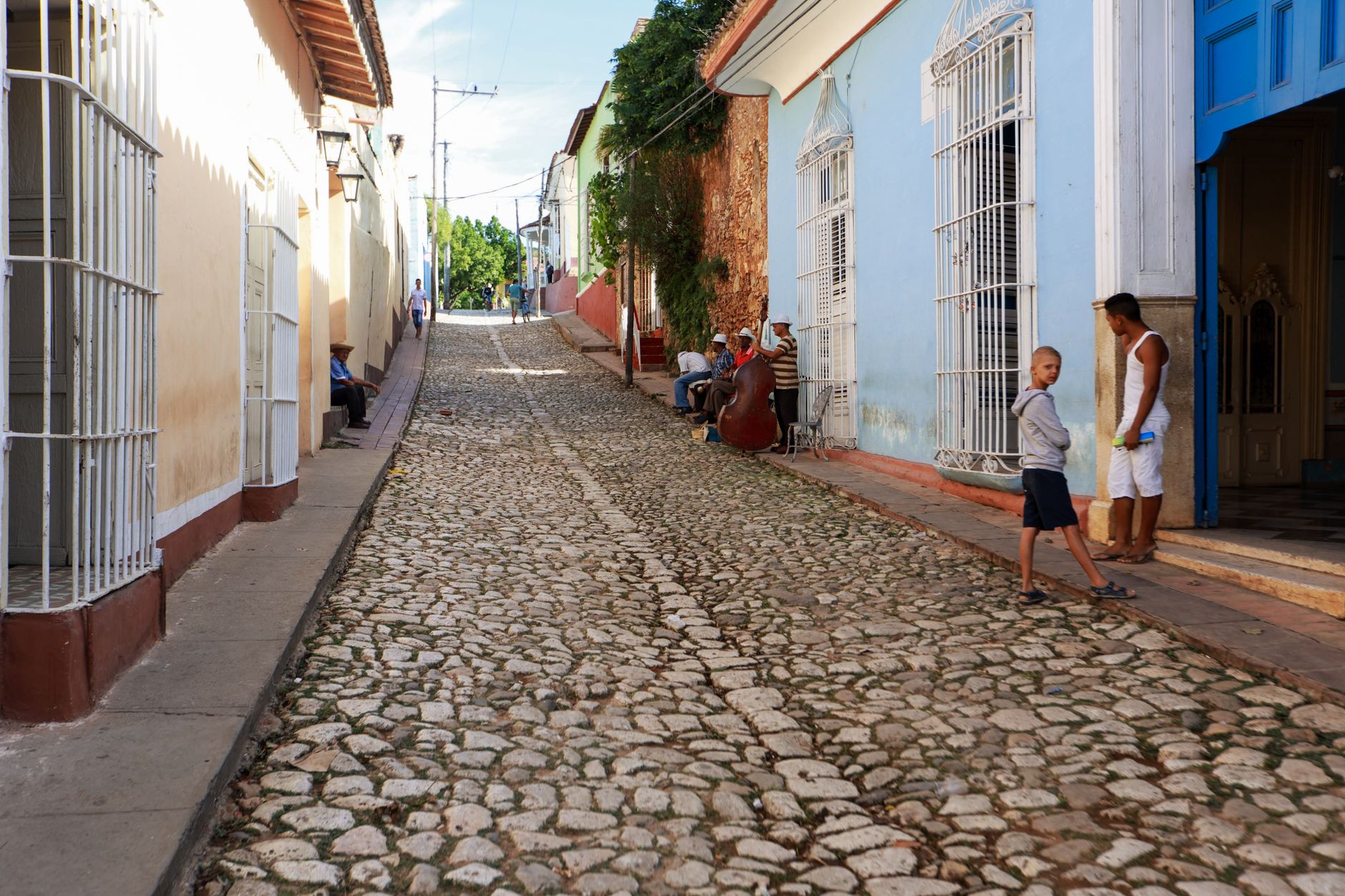
Photo by STOUTfilmsHavana on Pexels
Cuba
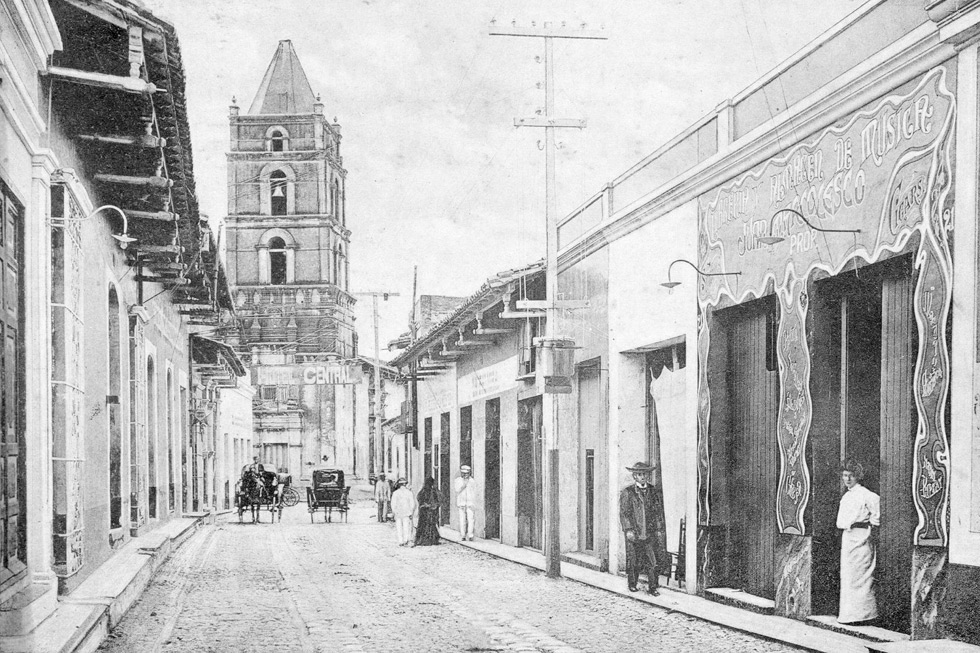
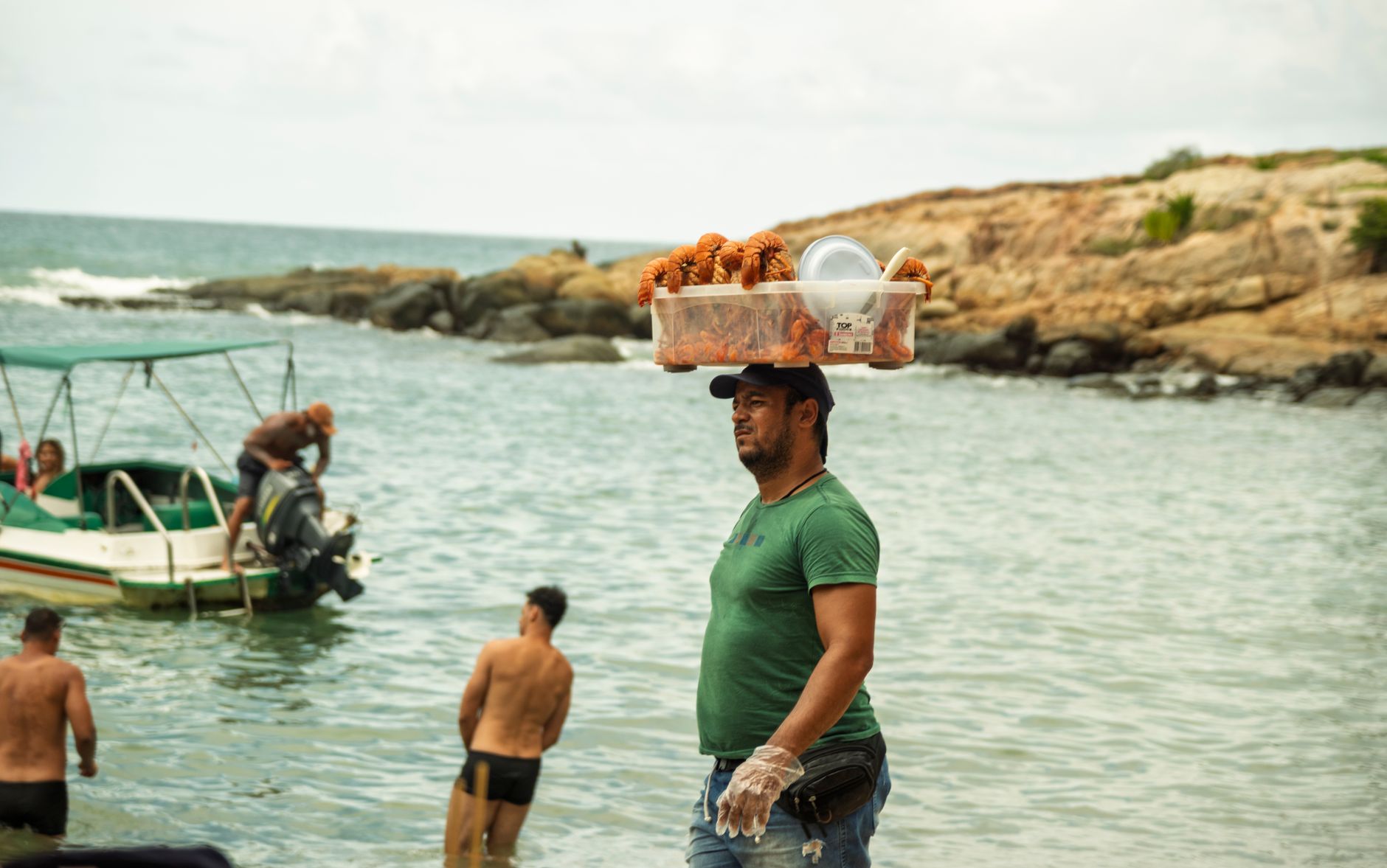
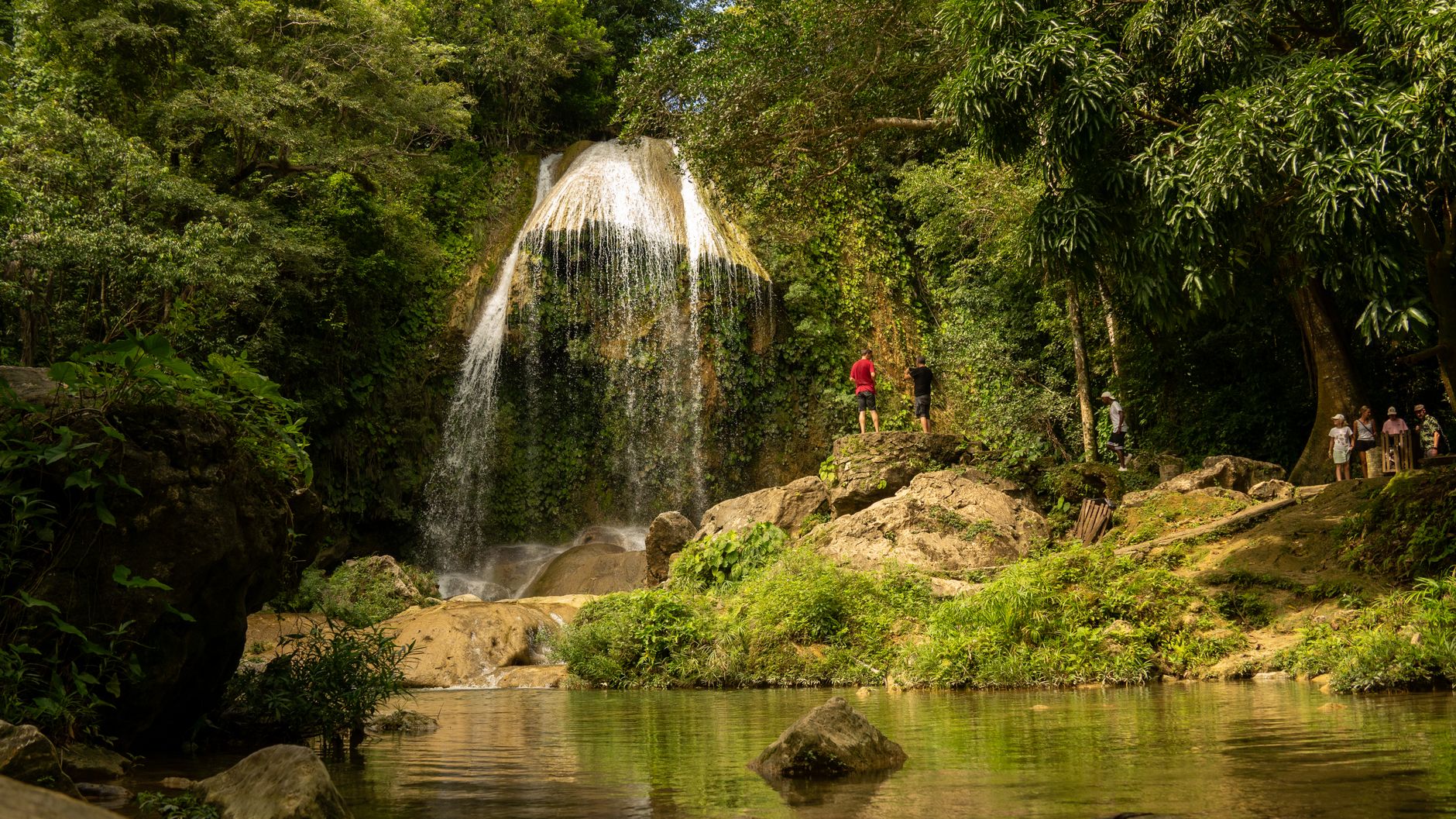
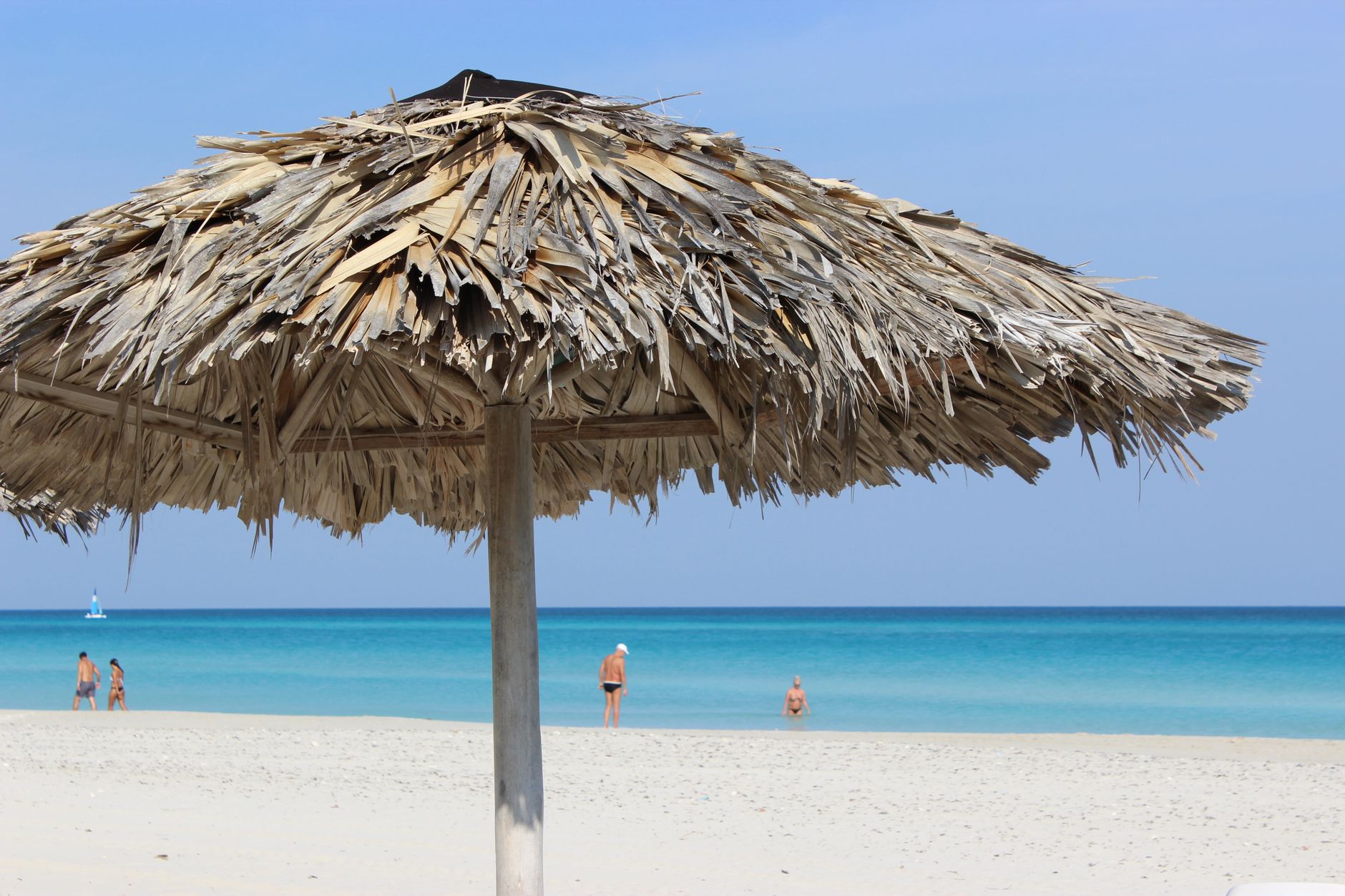
Photo by Mehmet Turgut Kirkgoz on Pexels
Cuba
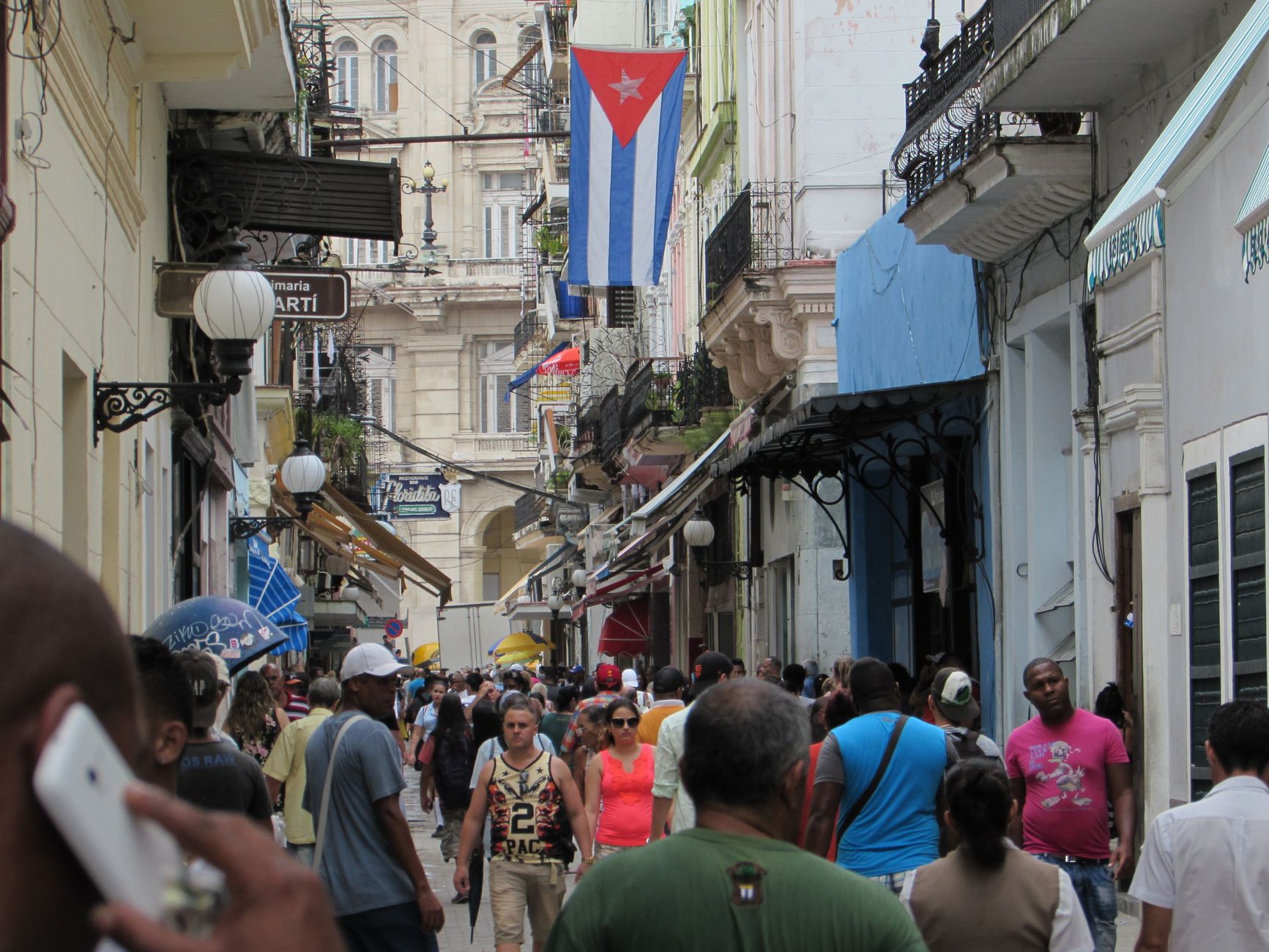
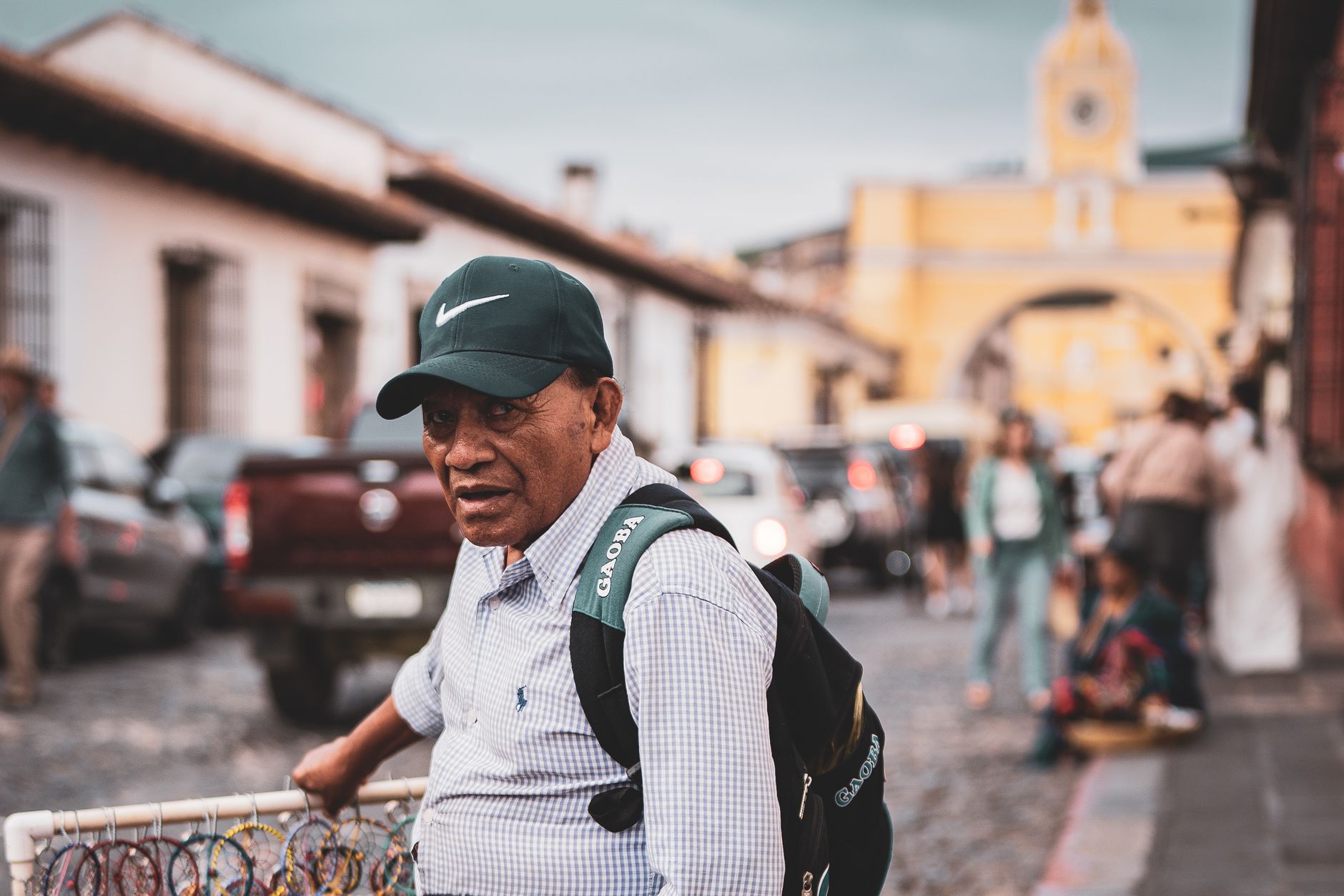
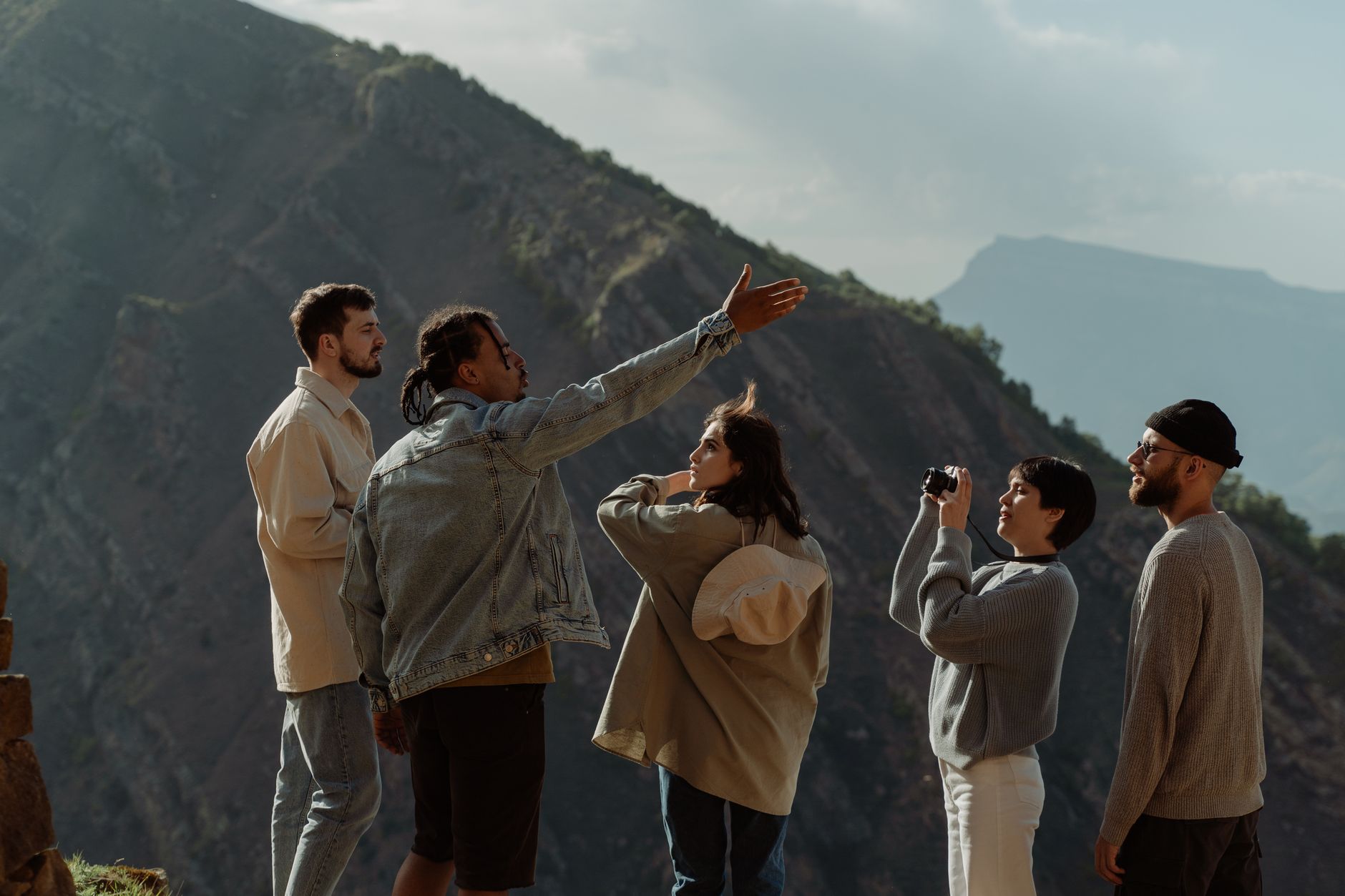
Photo by Mehmet Turgut Kirkgoz on Pexels
Cuba
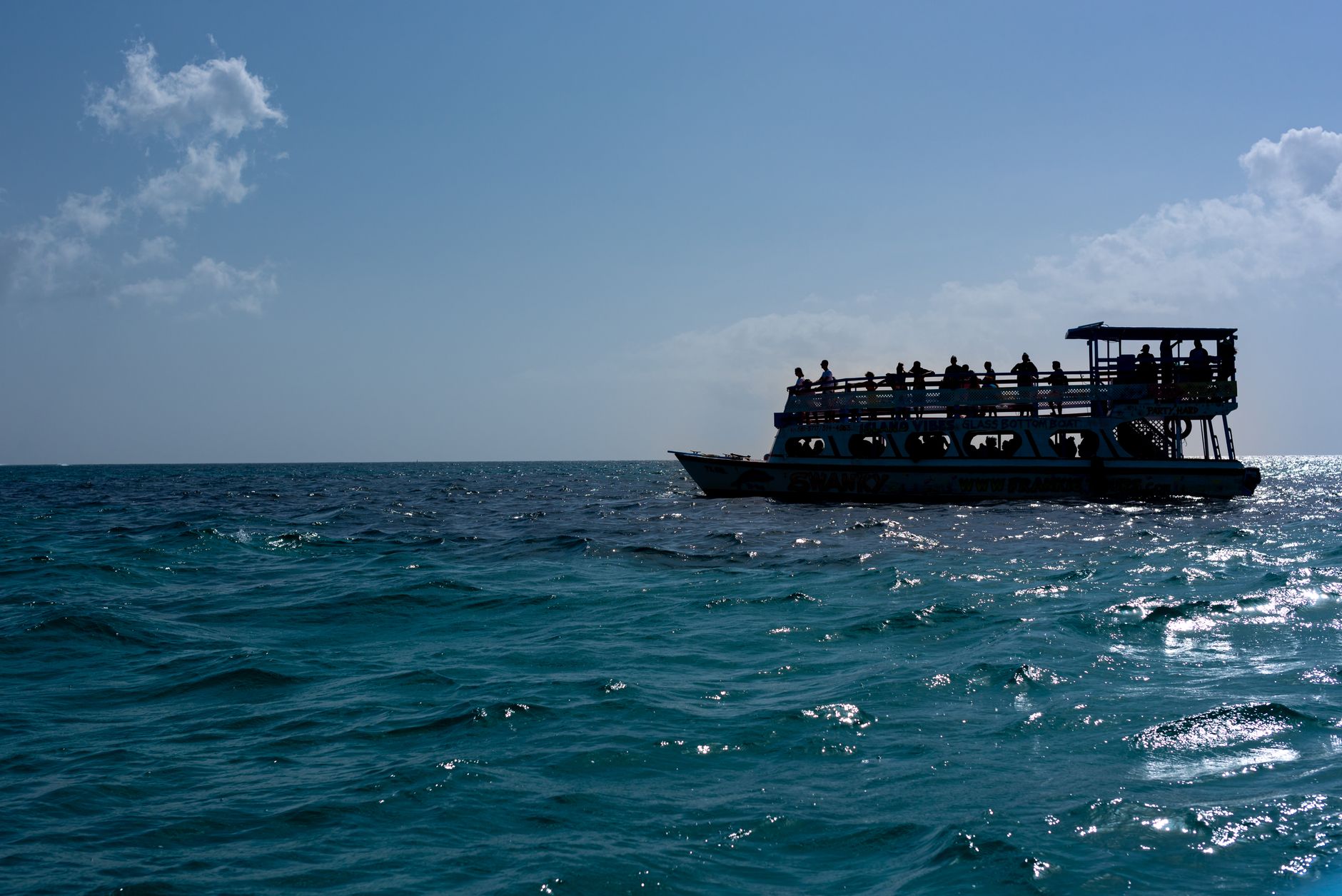
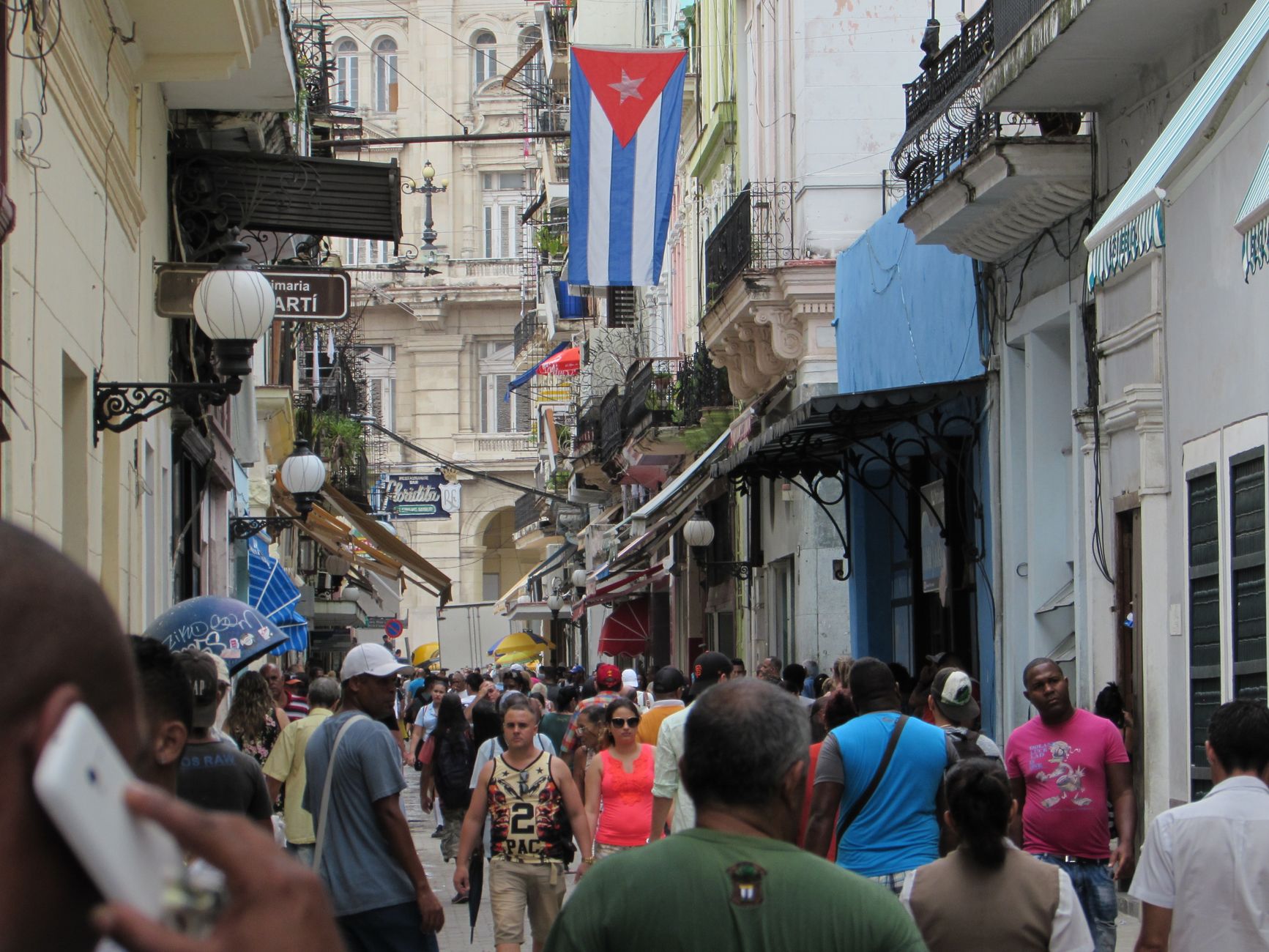
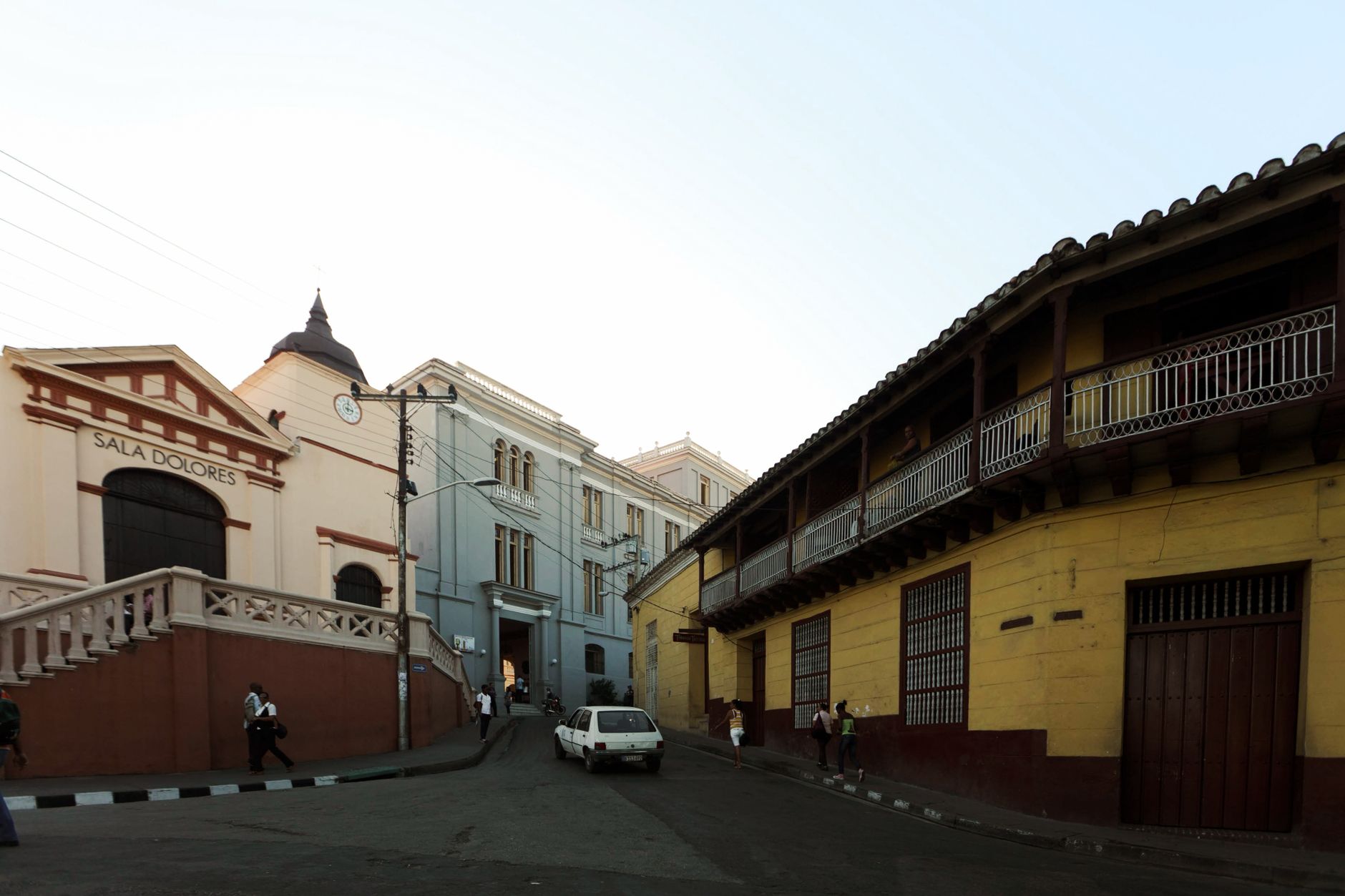
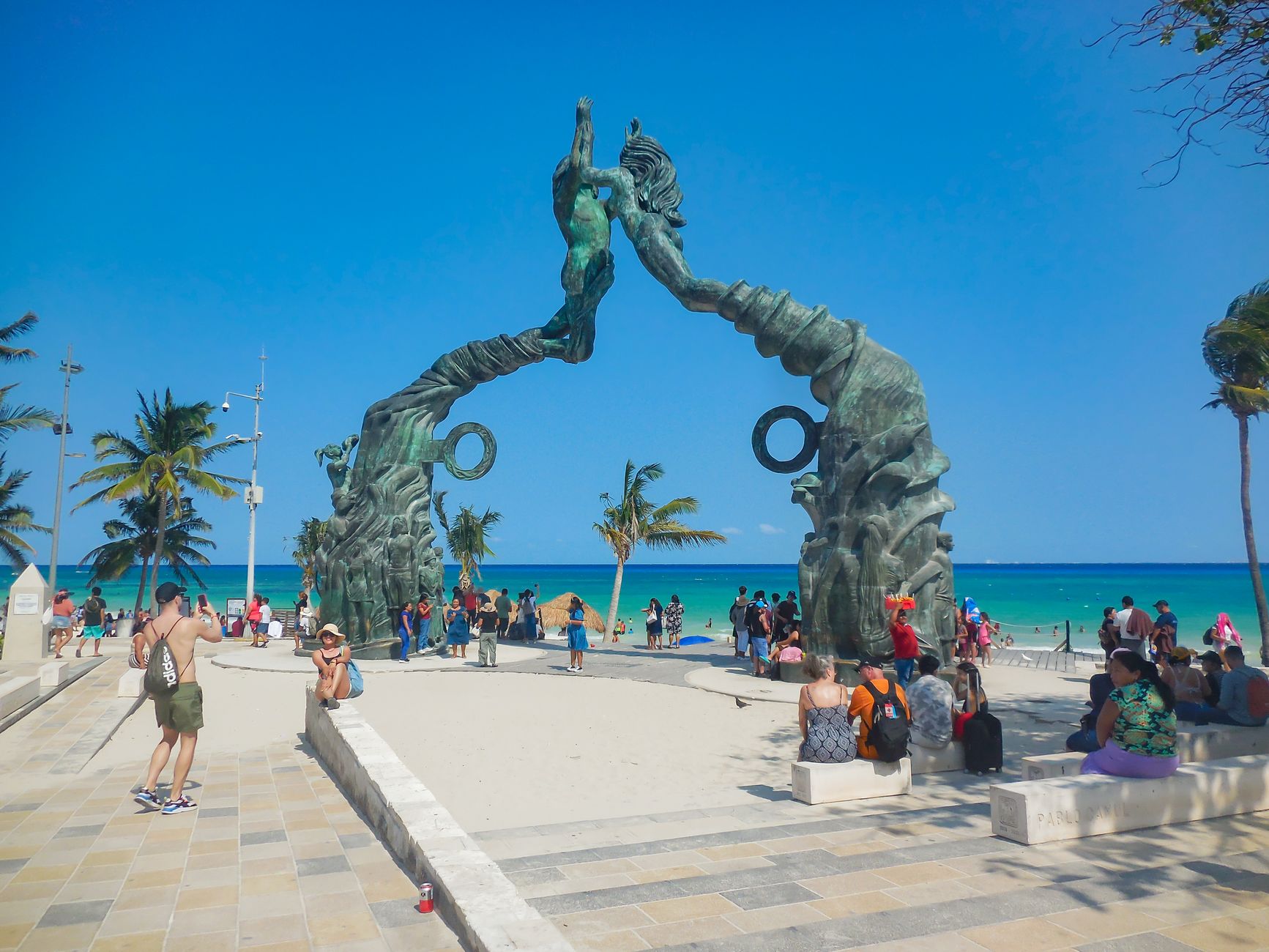
Photo by Victor Crespo on Pexels
Cuba
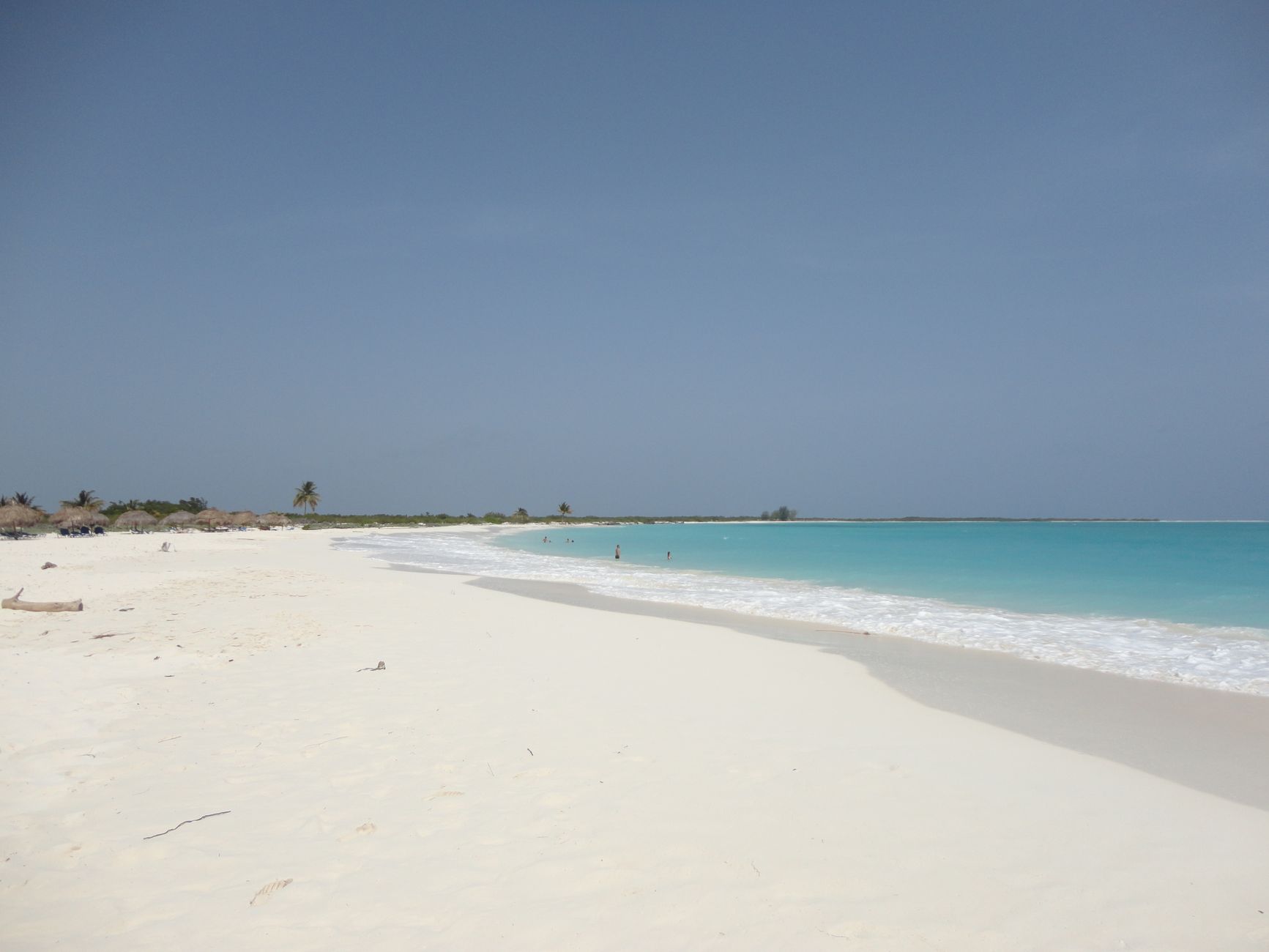
Photo by Mehmet Turgut Kirkgoz on Pexels
Cuba
Photo by Yuting Gao on Pexels
Culture & history Romantic getaway Beach & sun

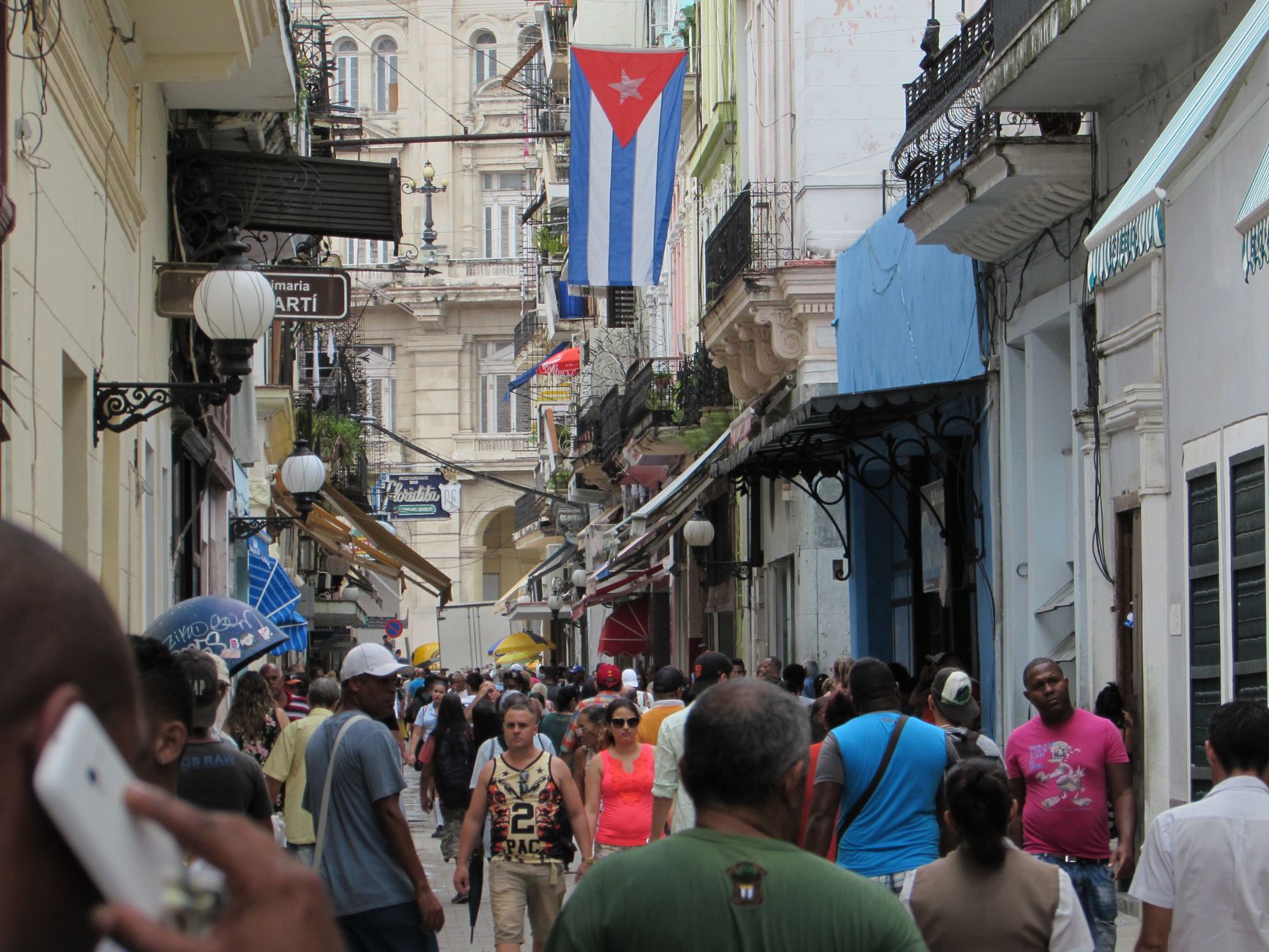
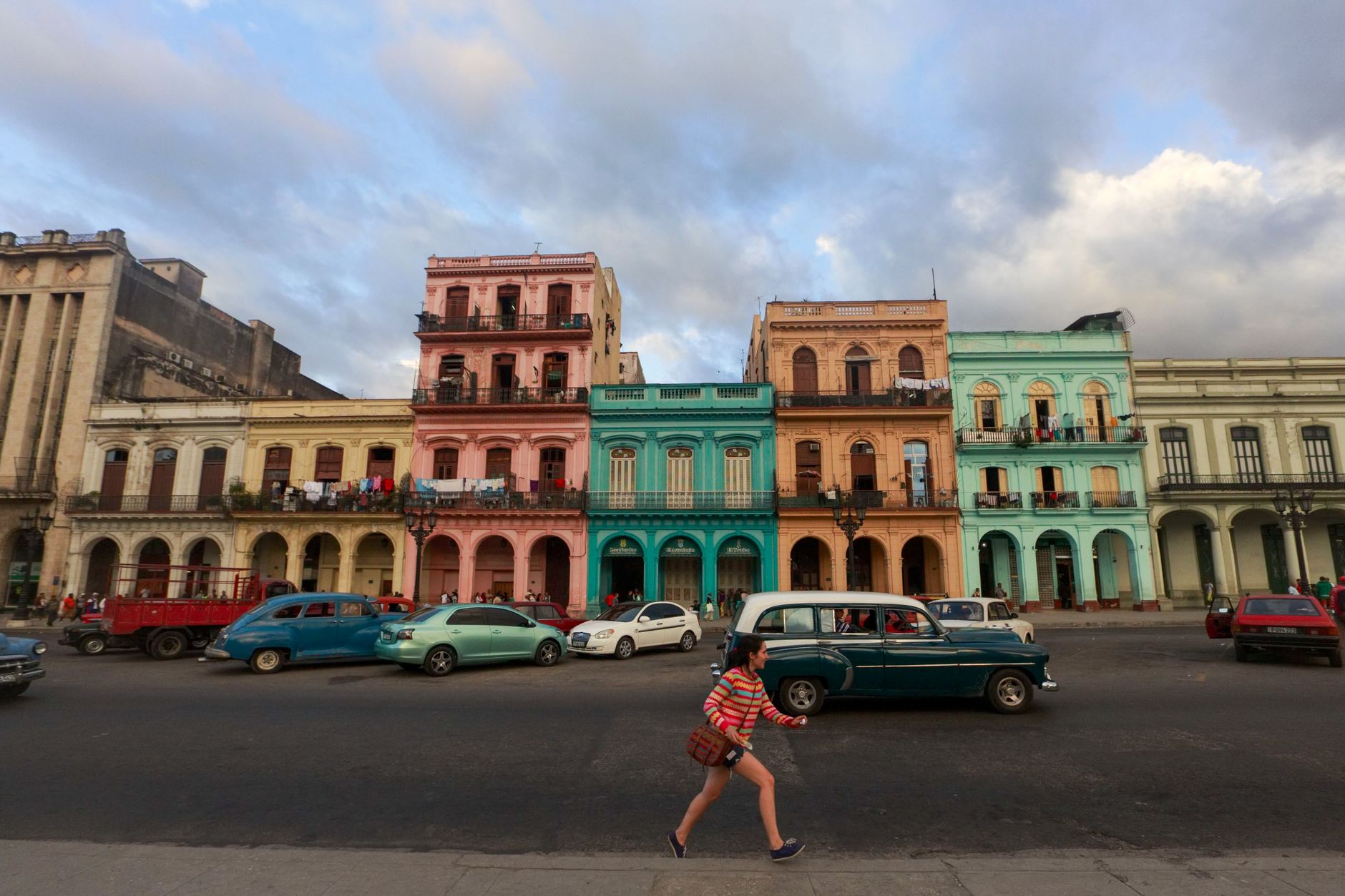
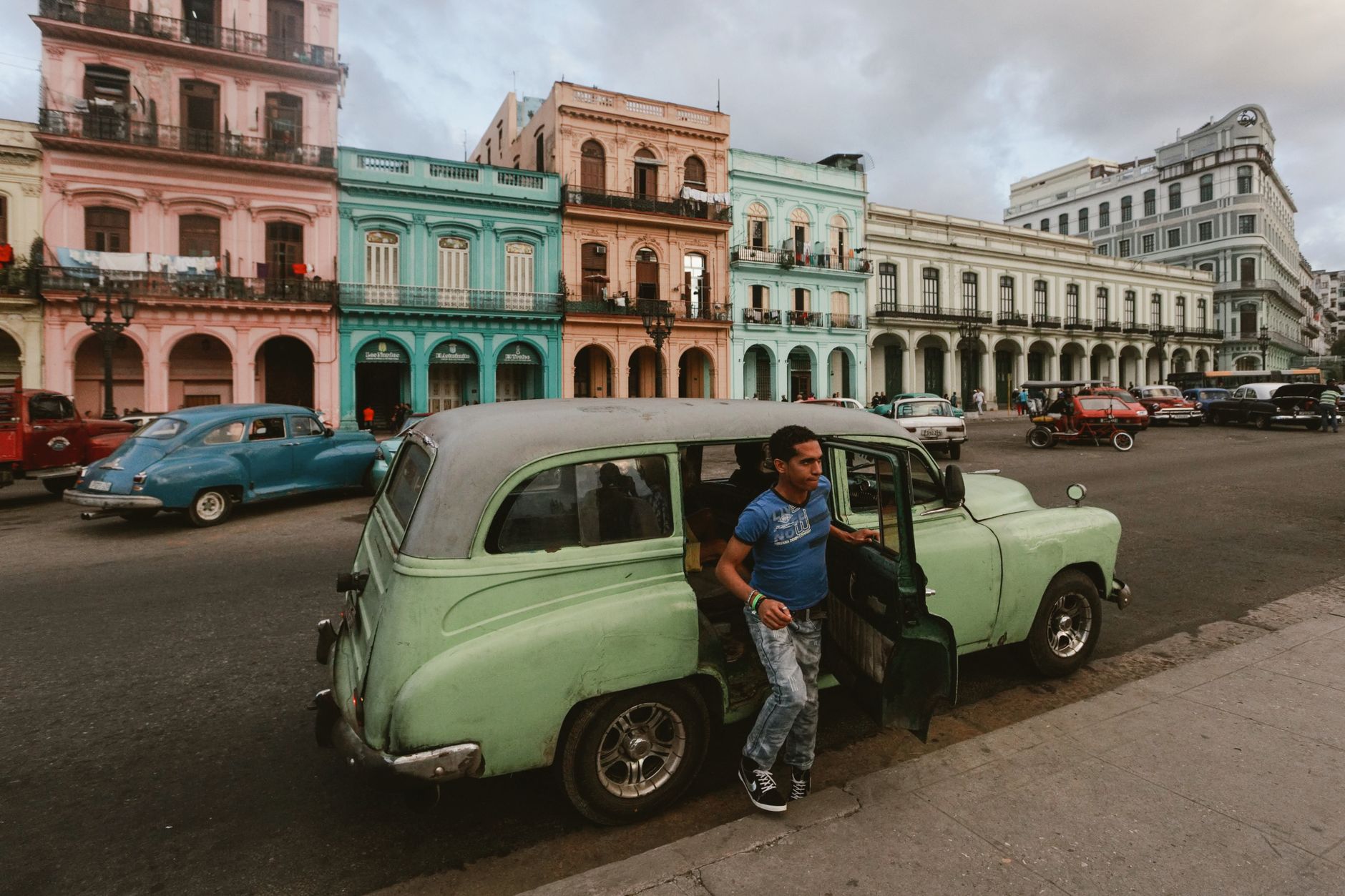
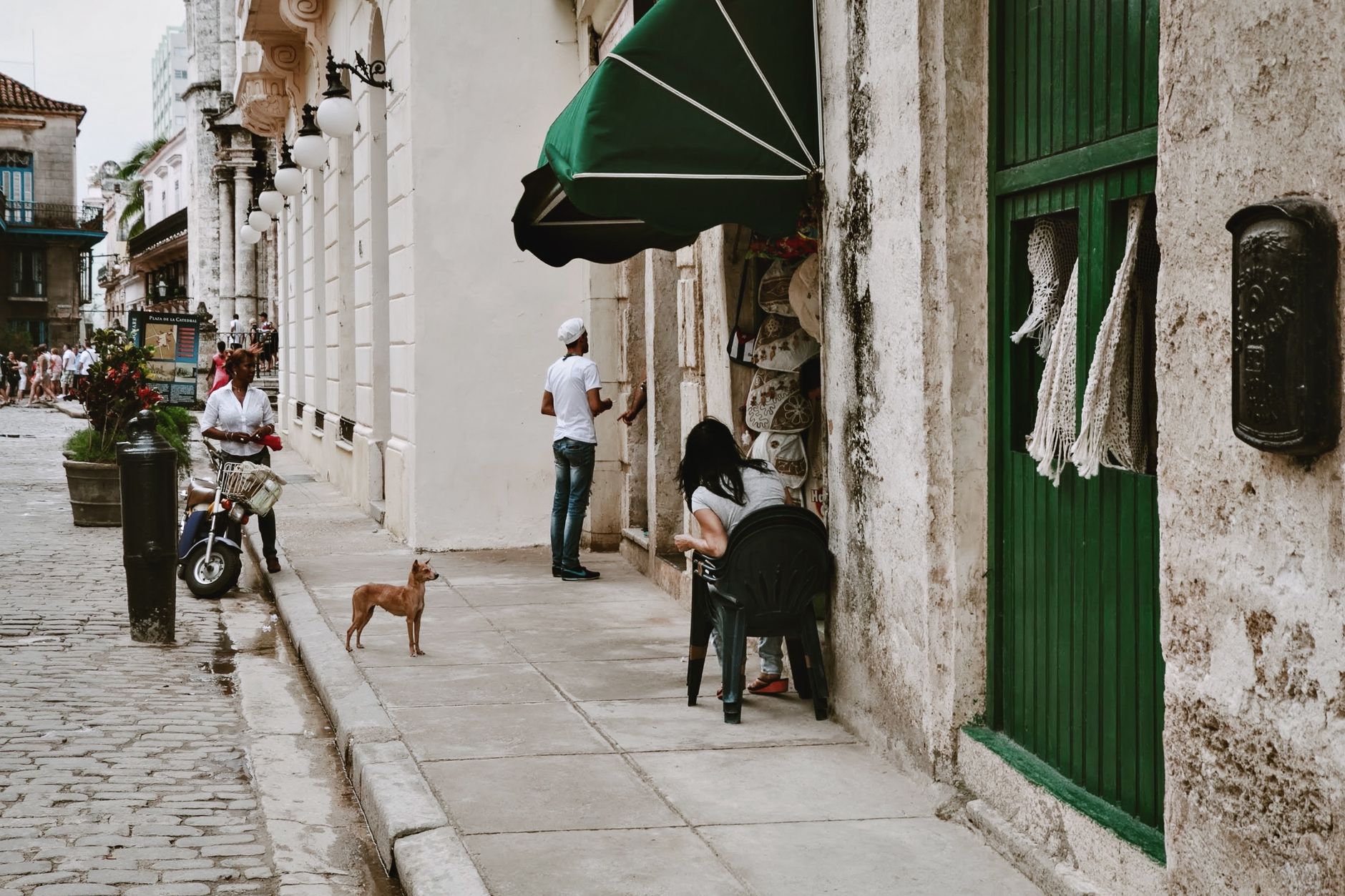
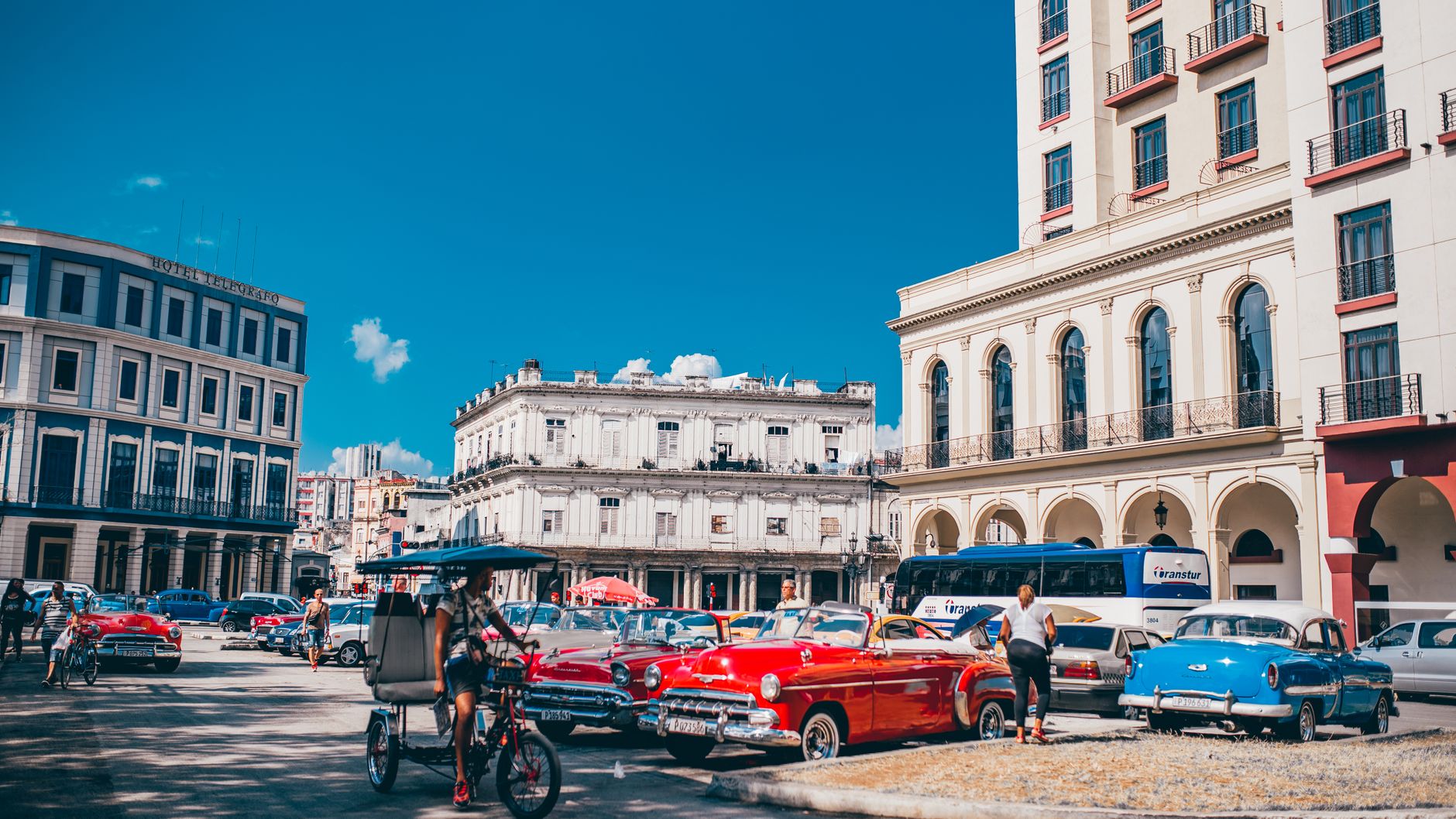
Cuba is the largest island in the Caribbean, and the first thing that recalibrates your expectations is the light — wide and flat over the Malecón at dusk, cutting hard shadows between colonial colonnades in Old Havana. The country has been largely sealed off from global consumer culture for decades, which means the architecture hasn't been renovated into blandness, the streets aren't lined with international chains, and the pace of daily life runs on a different clock entirely.

Come prepared for contradictions. Power cuts lasting up to twelve hours are a daily reality since late 2024, Wi-Fi is slow and patchy, and the gap between what exists on paper and what works in practice is wide. None of that is a reason to stay away — it's simply the texture of being here.

Good to know
Most visitors fly into José Martí International Airport, about 15 km southwest of central Havana; an official taxi to the centre runs 25–30 USD. Viazul buses connect major cities reliably and cheaply. Carry cash — card infrastructure is inconsistent. November through April is the driest window and the most comfortable for travel.
Tips

Experiences you don't want to miss

All tips →

Deals in Cuba

Book directly at the provider
The story

How Cuba came to be

The Taíno and Guanahatabey peoples lived on the island long before Columbus arrived in 1492. Spain moved quickly: Diego Velázquez de Cuéllar founded Baracoa in 1511, and the settlement that became Havana was established in 1514. Morro Castle went up in 1589 to guard the harbour; the British still managed to occupy the city briefly in 1762, returning it to Spain the following year in exchange for Florida.

The push for independence came in waves. Carlos Manuel de Céspedes declared it in 1868, igniting the Ten Years' War. José Martí founded the Cuban Revolutionary Party and led the 1895 uprising, dying in battle that April. Spain abolished slavery in 1886, and after the USS Maine exploded in Havana Harbor in 1898 and the U.S. entered the Spanish-American War, Cuba gained formal independence on May 20, 1902. Fidel Castro's forces entered Havana on January 8, 1959, after Batista fled — a moment that shaped everything that followed.

People & landmarks

Who and what shaped it

People who shaped it

José Martí
Founded Cuban Revolutionary Party, led 1895 War of Independence; died in battle April 11, 1895.
Carlos Manuel de Céspedes
Wealthy planter who declared independence October 10, 1868 (Grito de Yara), initiating the Ten Years' War.
Máximo Gómez y Báez
Commanded rebel troops during Ten Years' War; employed guerrilla tactics after Martí's death in 1895.
Tomás Estrada Palma
First president of independent Cuba, took office May 20, 1902.
Fidel Castro
Led guerrillas into Havana January 8, 1959, following Batista's flight.
Miguel Díaz-Canel
Selected as president by National Assembly in April 2018.

Landmark buildings

Morro Castle
Built 1589 to guard entrance to Havana Bay; one of the oldest fortifications in the Caribbean.
Castillo de la Real Fuerza
Dates from 1558; one of the oldest buildings in the Americas.
La Casa de la Obra Pía
Completed circa 1648; one of Havana's largest colonial houses.
Palace of the Captains General
Construction began 1776; Captain General Luis de las Casas moved in 1791; seat of Spanish colonial authority.
Cathedral of Havana
Built between 1748 and 1777; central religious landmark in Old Havana.
Gran Teatro de La Habana Alicia Alonso
Neo-Baroque theatre integrating Teatro Tacón (opera house opened 1838); underwent major renovation, re-opened 2016.
El Capitolio
Built 1929, inspired by Pantheon in Paris; Cuba's National Capitol building.
Hotel Nacional de Cuba
Built 1930; 483-room Art Deco building, iconic landmark overlooking the Malecón.
Bacardi Building
Constructed 1930, 12 stories, Art Deco facade; once Cuba's tallest building.
Monumental Cemetery (Cementerio de Cristóbal Colón)
Established 1876; one of the most important cemeteries in Latin America.
Old Havana district
Designated UNESCO World Heritage Site 1982; contains colonial architecture and Spanish colonial fortifications.
Trinidad
Founded 1514 in honor of Holy Trinity; colonial town on southern coast, UNESCO World Heritage Site.
Manaca Iznaga Tower
Remains in Valle de los Ingenios outside Trinidad; relic of Cuba's sugar production era.
Watch

See Cuba in motion

Practical

Plan your visit

On the map

When to go

Cuba has a tropical climate with a dry season roughly November through April and a wet, humid season from May through October, when hurricanes are also possible. The dry months bring cooler evenings and clearer skies, making them the most comfortable time to move around the island.

Right now

31°C
Partly cloudy
Fri
32°
24°
Sat
33°
25°
Sun
🌧️
34°
25°
Mon
33°
24°
Weather data: Open-Meteo
Theme

↡ Regions

No places match these filters.


Background & history adapted from Wikipedia (CC BY-SA) · specs from Wikidata (CC0) · weather from Open-Meteo · map data © OpenStreetMap contributors · photos from Wikimedia Commons / Unsplash with per-image credit. No third-party reviews or social posts reproduced.

Top