
Guardalavaca
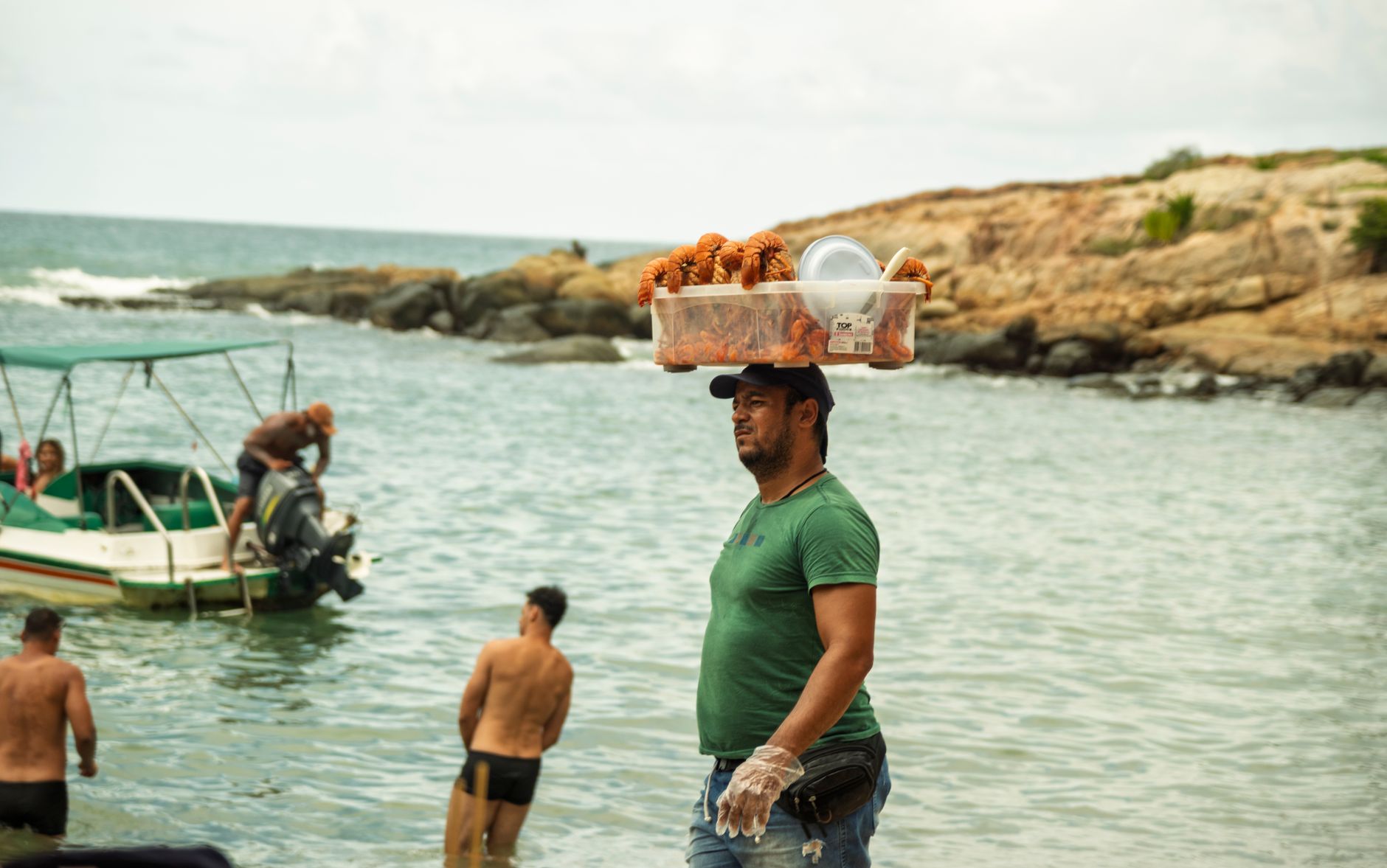
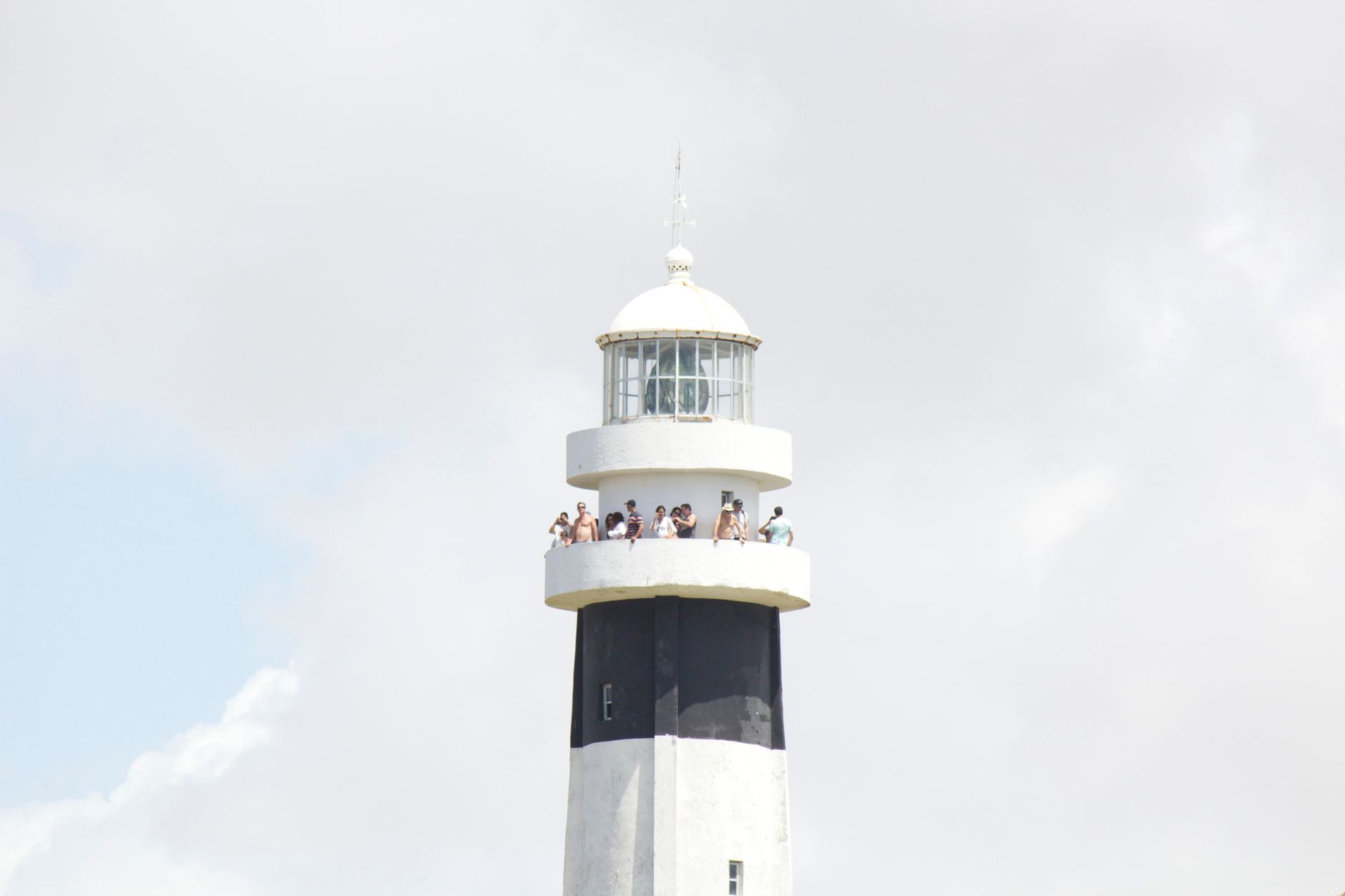
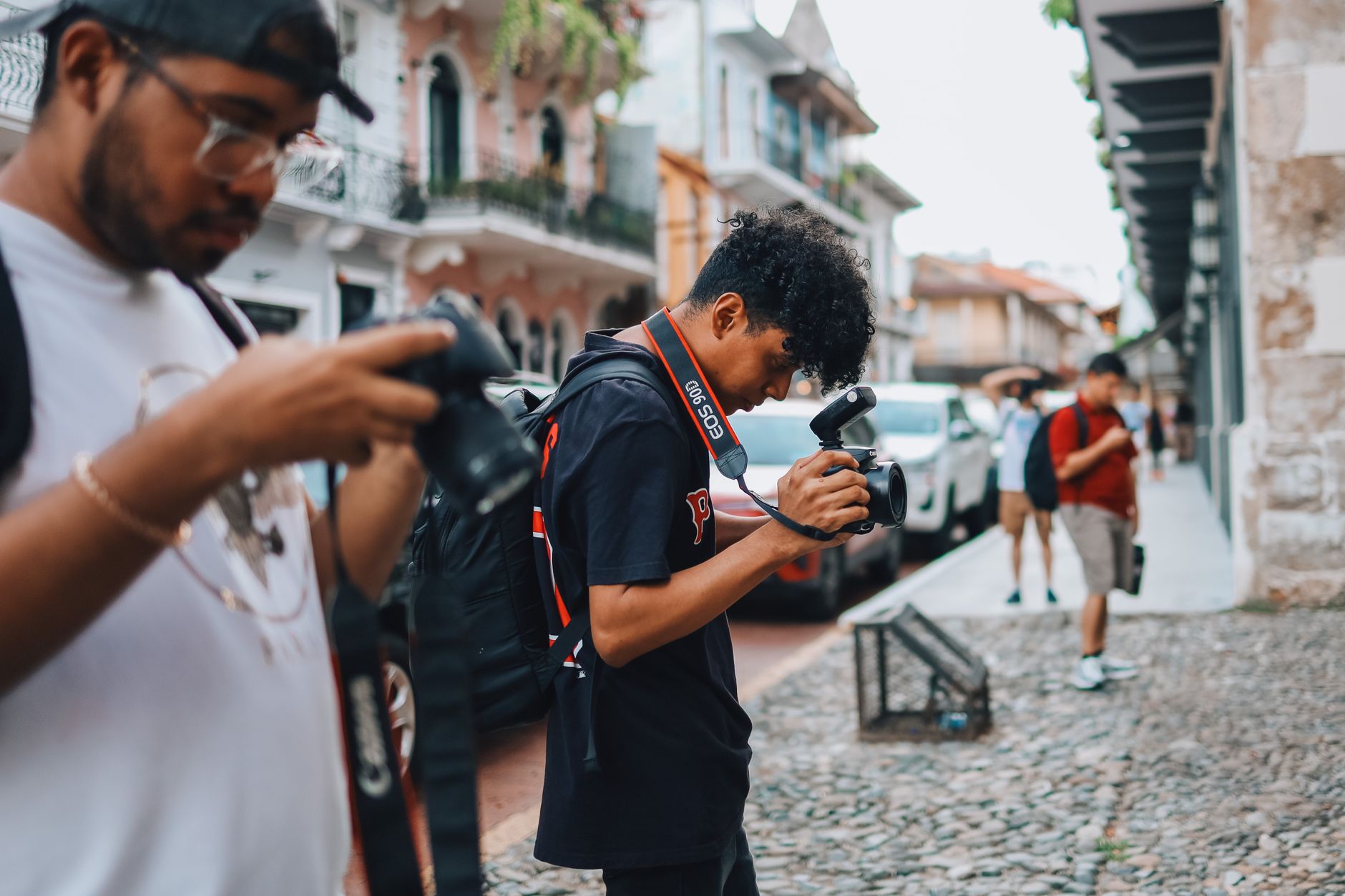
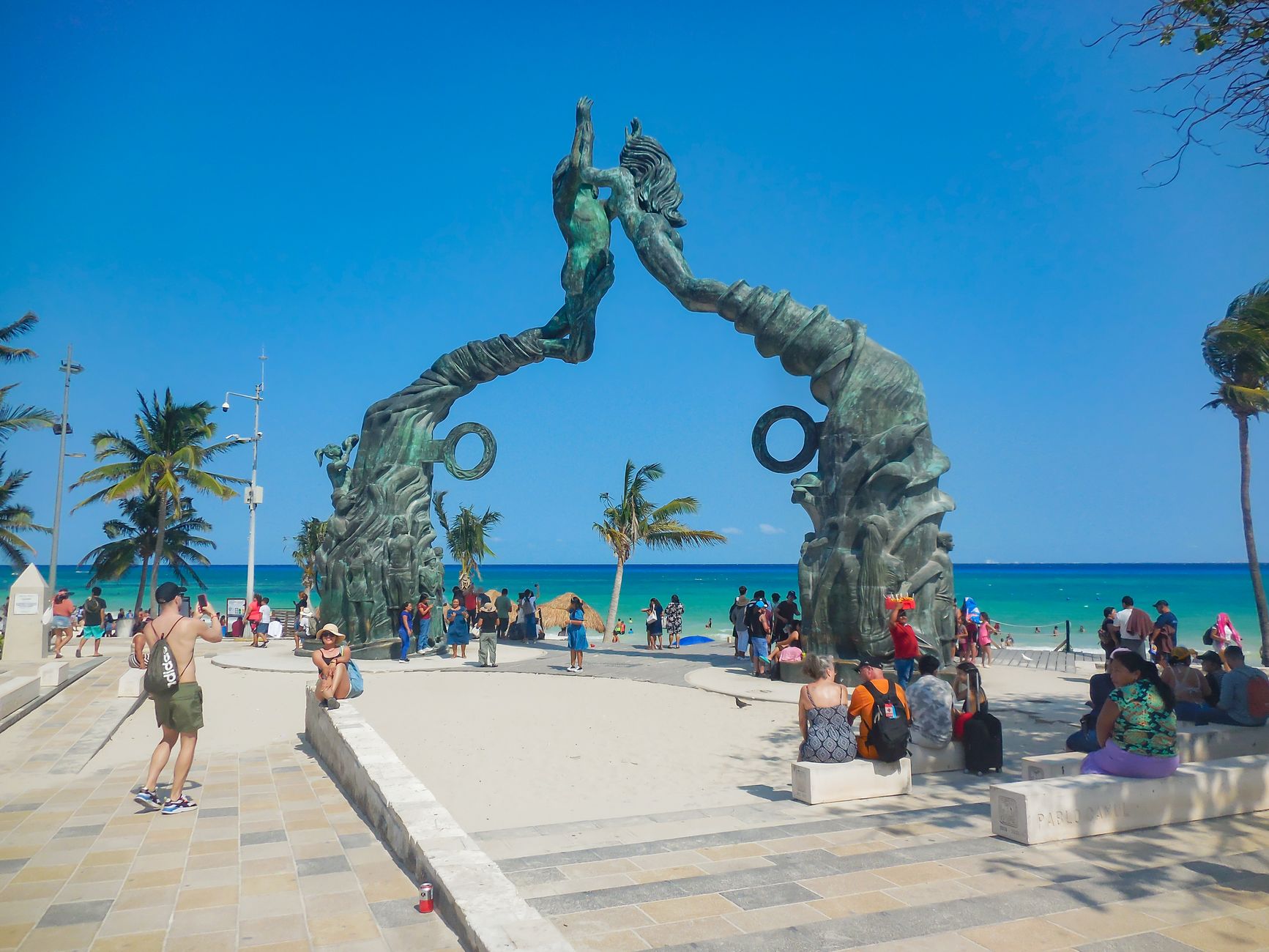

The name Guardalavaca — 'guard the cow' in Spanish, though likely a corruption of 'guard the boat' — gives you a clue that this stretch of Holguín Province coast has always meant something to people arriving by sea. The beach itself runs over 1,300 metres, shaded along its centre by a boulevard of palms, tamarind and sea grape trees, and protected offshore by a coral reef that keeps the water clear and calm.
What sets it apart from Cuba's other resort coasts is the mix on the sand. Canadians and Europeans share shade umbrellas and cold beers with Cubans who come here simply to swim, making Playa Mayor feel less like a sealed resort bubble and more like an actual place.
💛 What travellers fall for
People who come back tend to build a day around the Chorro de Maíta site — arrive early before tour buses, then follow it with a slow lunch of grilled fish on the beach. The dry tropical forest between Guardalavaca and Playa Esmeralda rewards anyone who walks it at dawn: Cuban emerald hummingbirds move through the trees quickly and without ceremony.
How Guardalavaca came to be
Pirates once made the waters around Bahía de Naranjo dangerous enough that the bay's narrow inlet became a refuge for boats sheltering from raids — which is likely how the place got its name, however the spelling eventually drifted. For most of the early 20th century it was a small cattle community, its coastline largely unvisited.
The shift came in the late 1970s when resort development began in earnest. Fidel Castro inaugurated the first hotel himself — reportedly swimming laps in its pool — and the Club Amigo Atlántico Guardalavaca opened in 1976. Even so, Guardalavaca remained a quiet coastal town well into the 1990s before fuller tourist infrastructure took hold.
Who and what shaped it
Landmark buildings
See Guardalavaca in motion
Plan your visit
On the map
When to go
The dry season, November through April, brings the most reliable beach weather, with temperatures between 22°C and 28°C and rainfall rarely above 38mm a month. May through October is wetter and hotter — sea temperatures peak around 29°C, but August and early September carry real humidity that can make afternoons feel heavy.
Right now
Background & history adapted from Wikipedia (CC BY-SA) · specs from Wikidata (CC0) · weather from Open-Meteo · map data © OpenStreetMap contributors · photos from Wikimedia Commons / Unsplash with per-image credit. No third-party reviews or social posts reproduced.