
Uganda
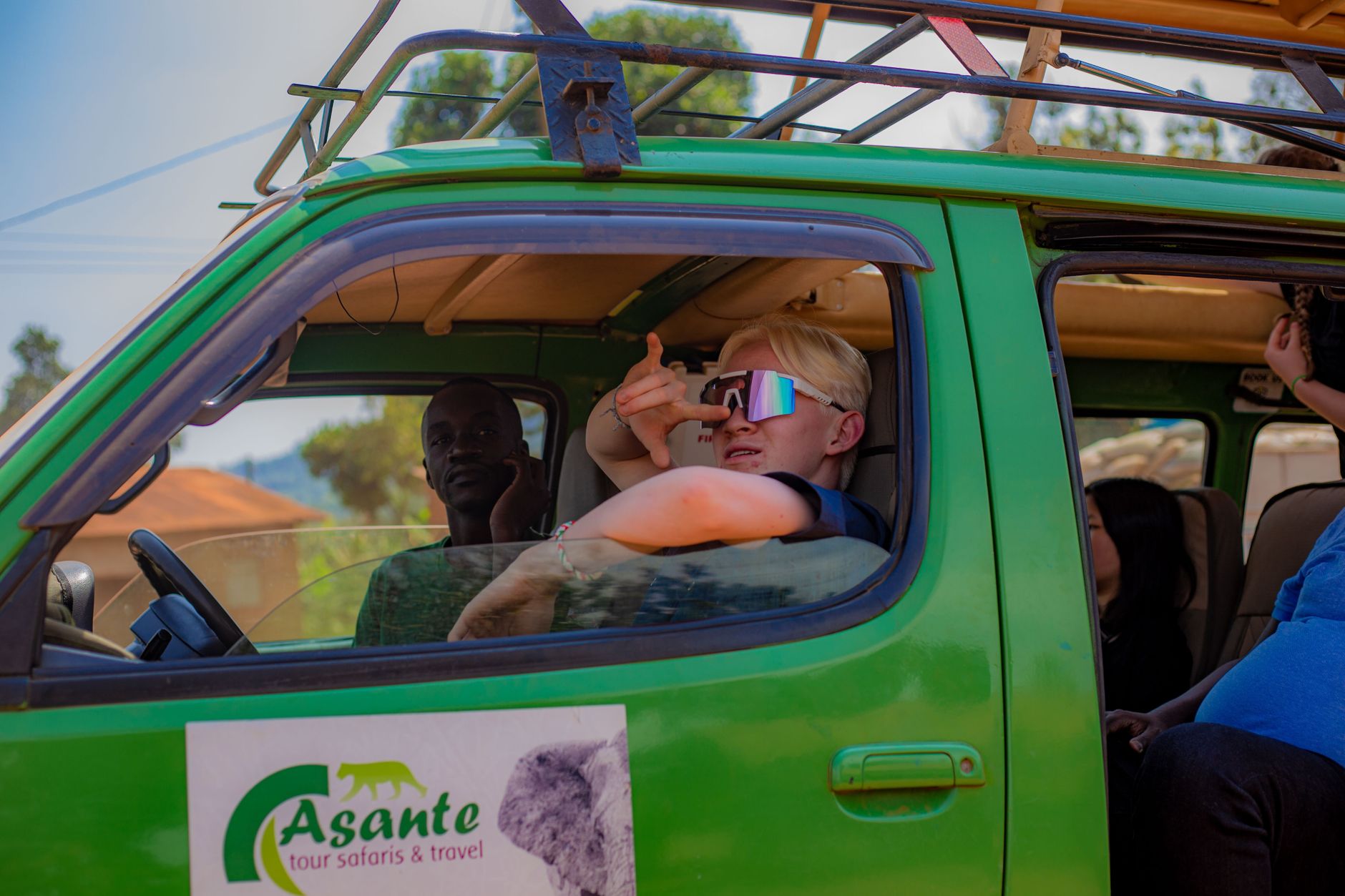
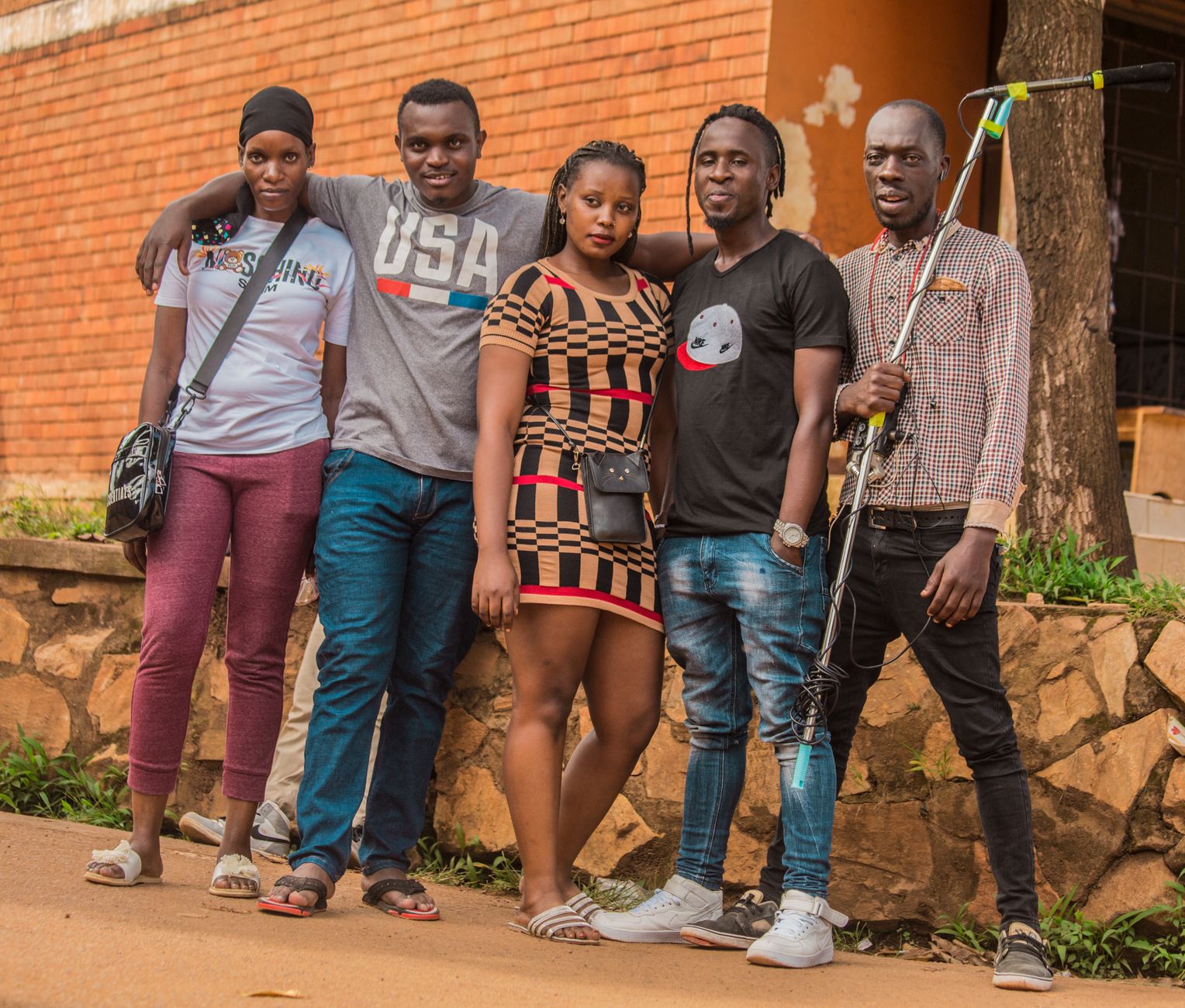
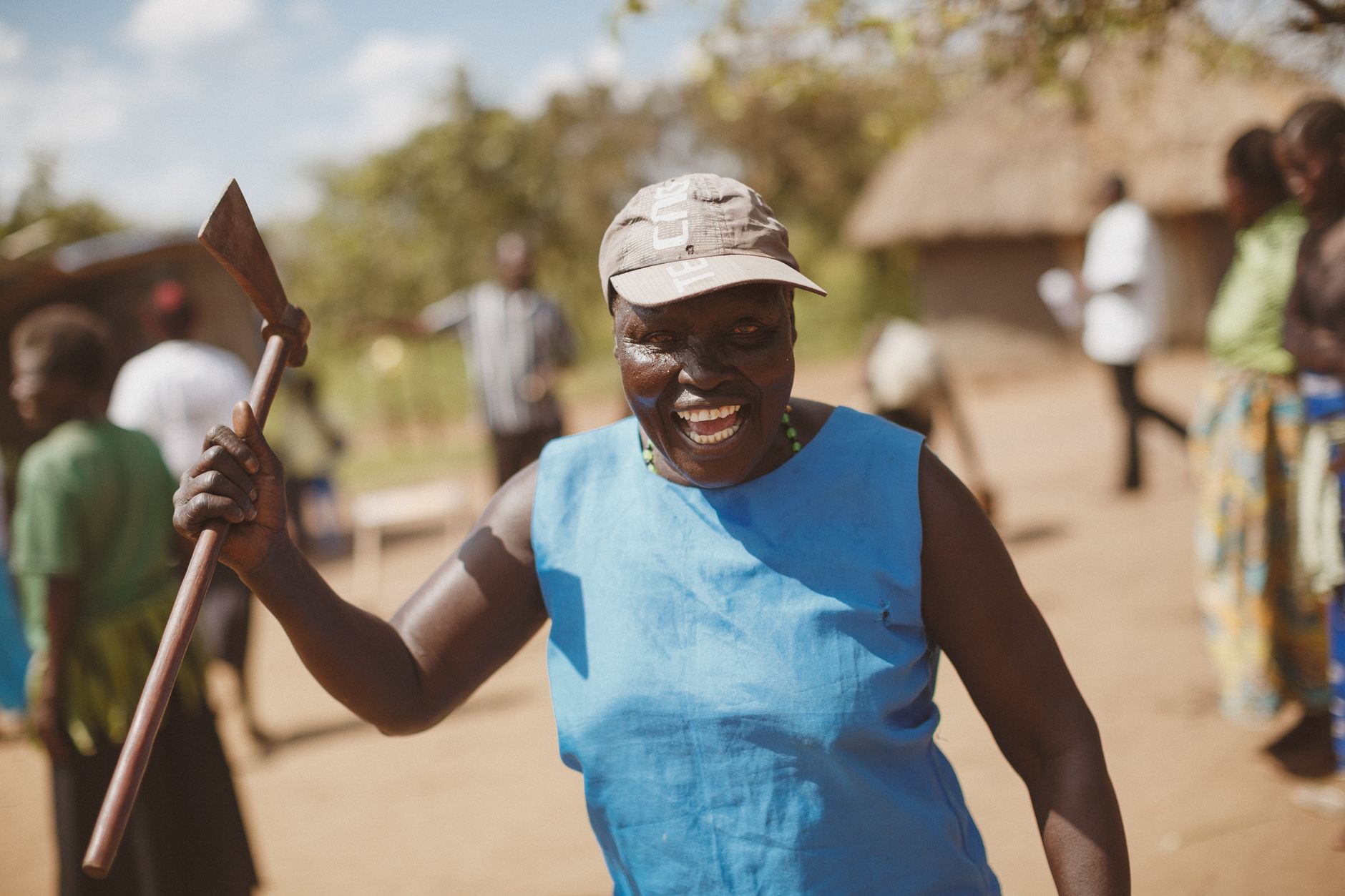
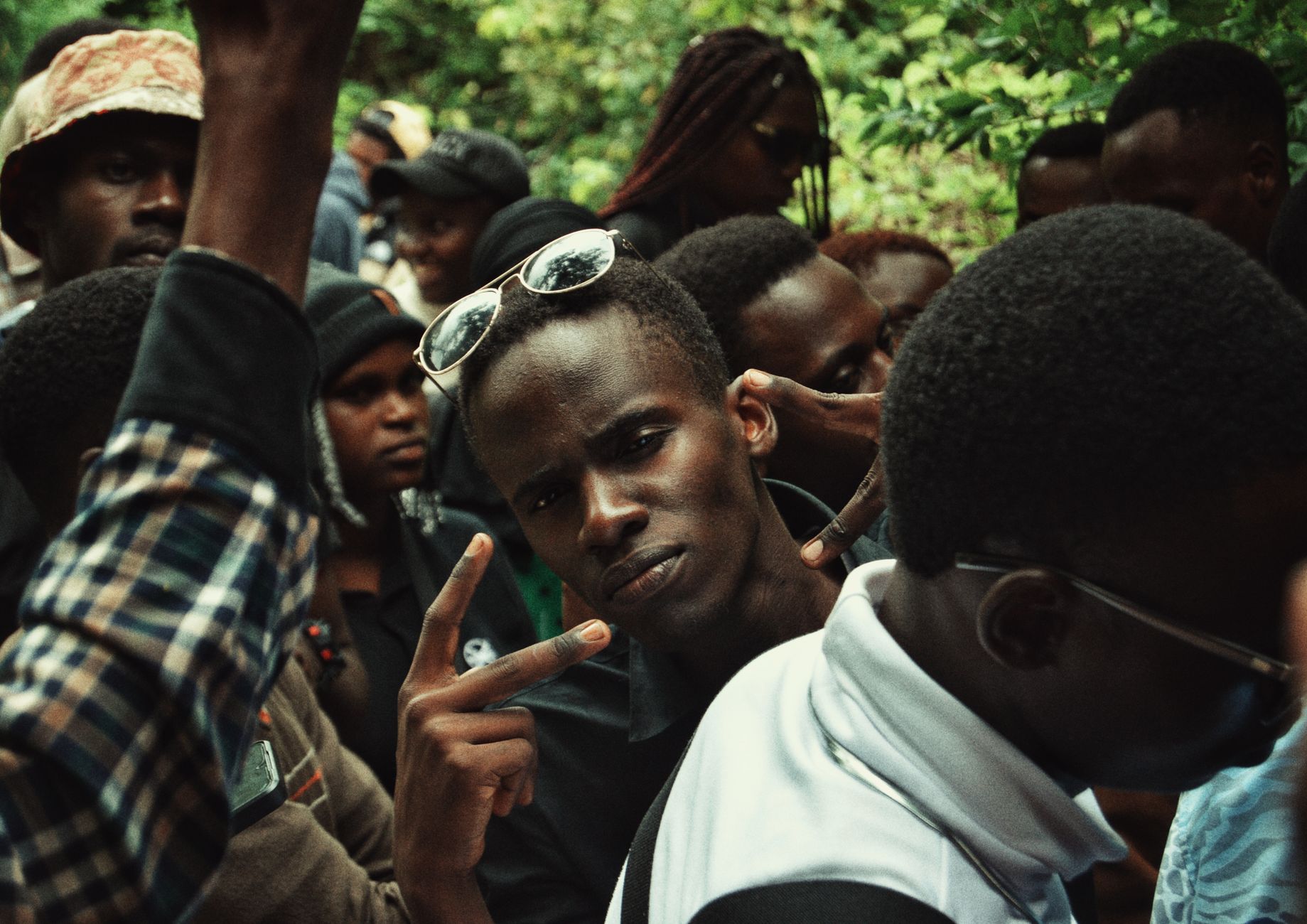
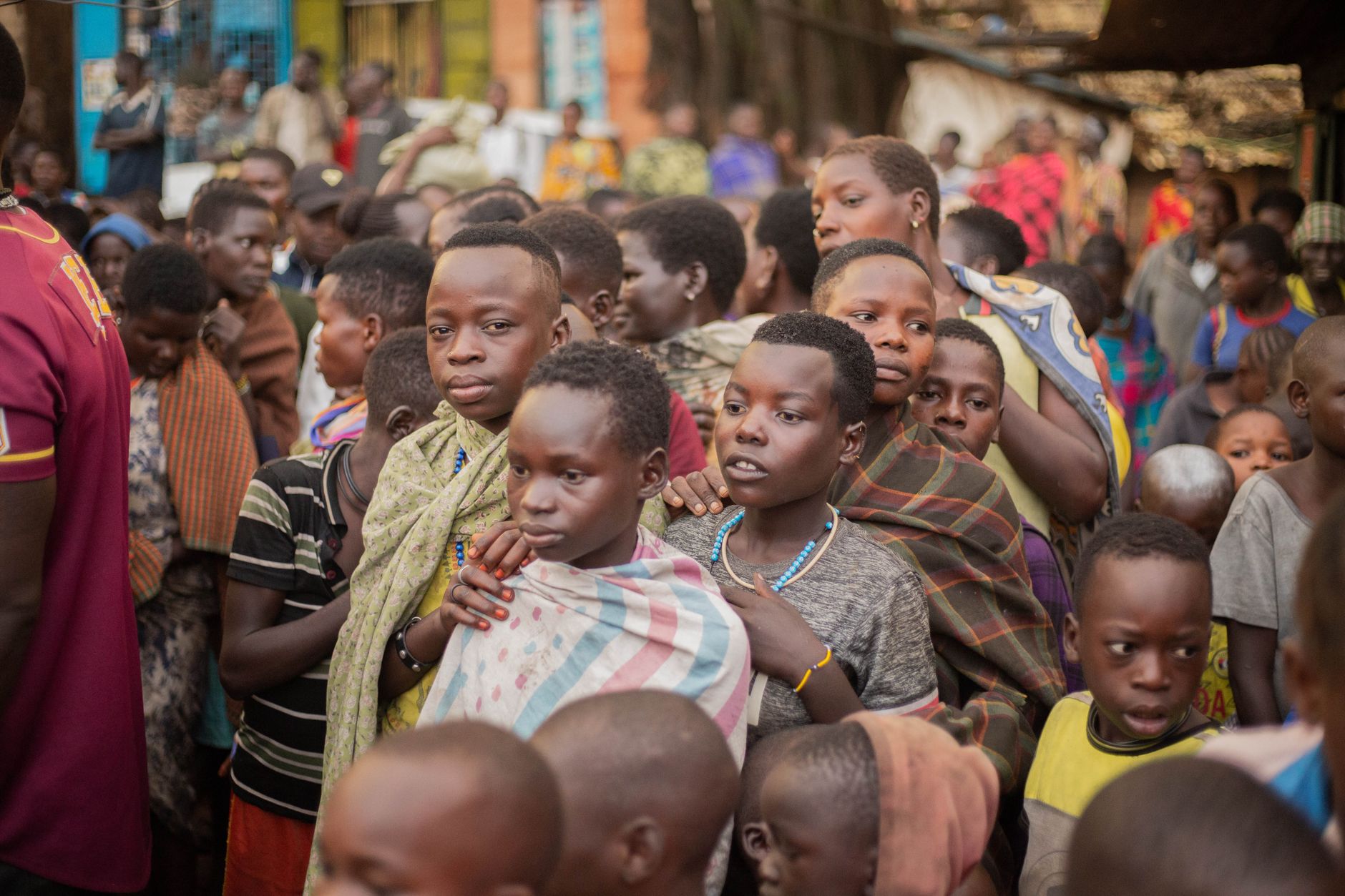
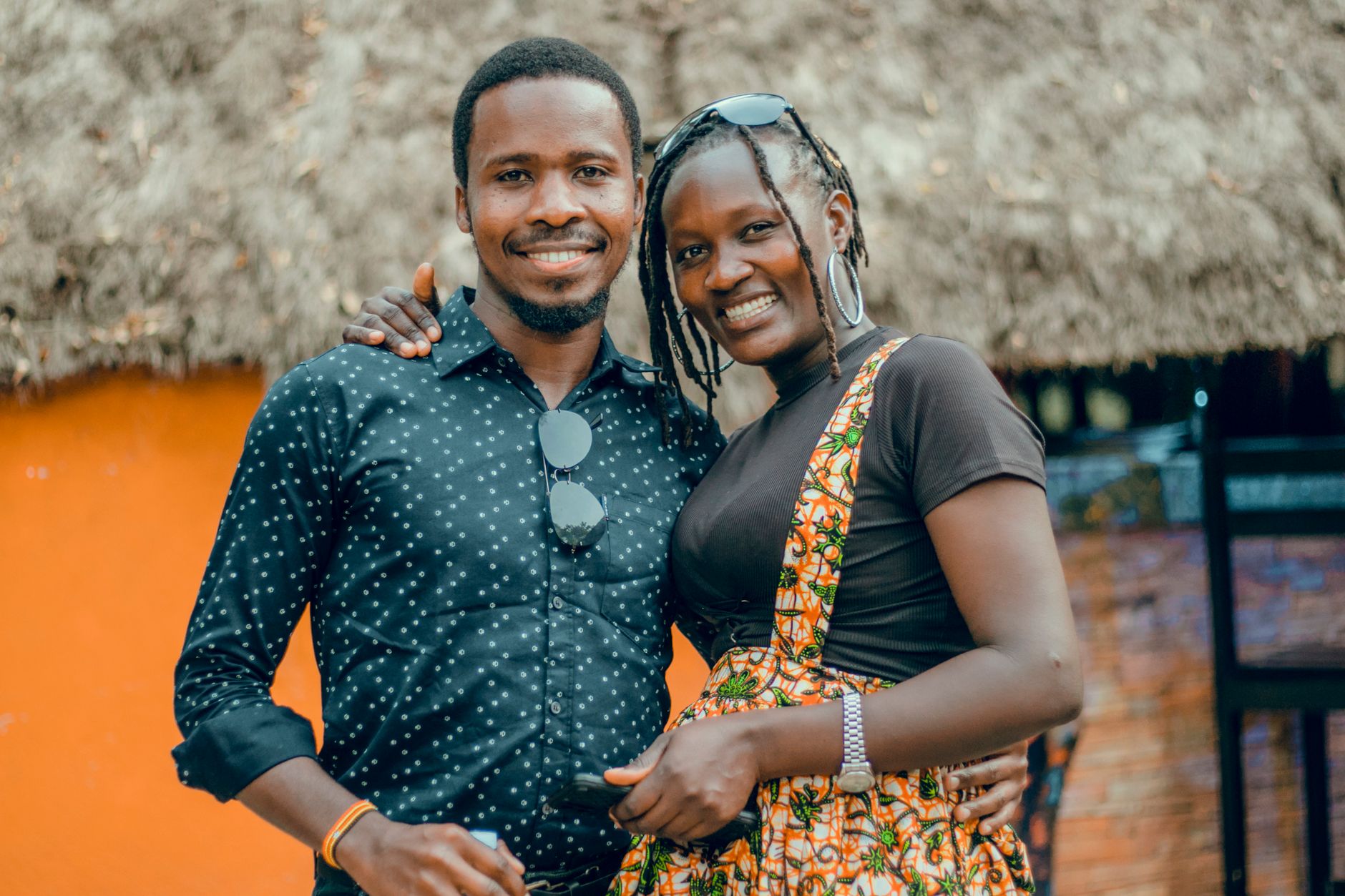
Uganda sits on the equator with a lake the size of a small sea on its southern edge and mountains that hold snow year-round on its western border. It is the country where you can stand at the source of the Nile in Jinja, watch mist lift off Bwindi's forest canopy at dawn, and be in Kampala — a city that records rain on 242 days of the year — by nightfall.
More than half the world's remaining mountain gorillas live here, in Bwindi's dense highland forest. The Rwenzori range rises to 5,119 metres at Margherita Peak, Africa's third-highest point. Uganda rewards the traveller who moves slowly and pays attention to the specific.
💛 What travellers fall for
People who come back tend to say the same thing: budget more time in the southwest. The drive from Kampala to Kabale takes eight or nine hours by coach, and Bwindi alone justifies two or three nights. Gorilla permits — $600, capped at eight visitors per group per day — sell out months ahead, so book before anything else.
Deals in Uganda
Book directly at the provider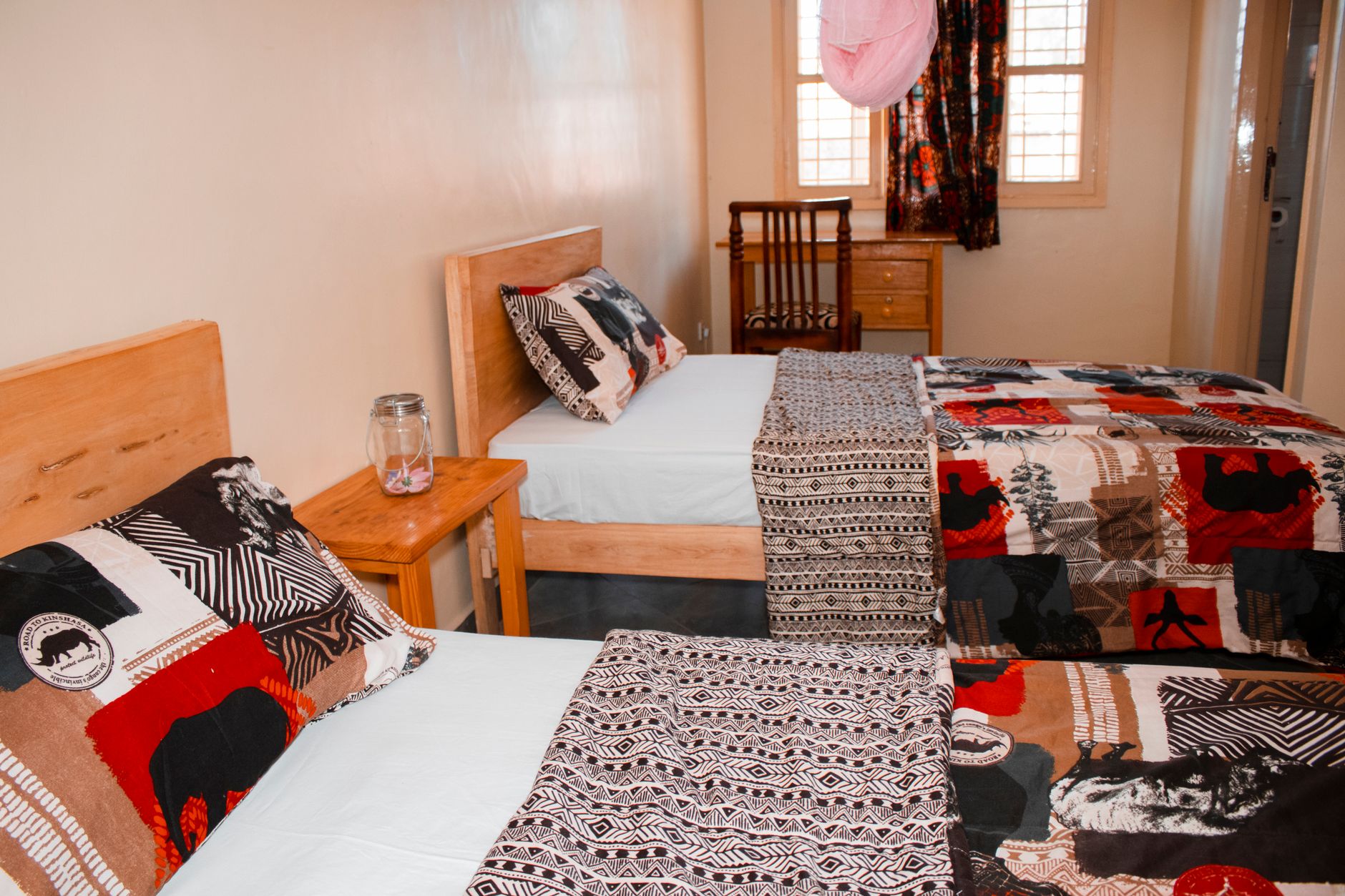

How Uganda came to be
People have lived in what is now Uganda for at least 50,000 years. The Empire of Kitara emerged from the Urewe culture around the 10th century, and by the 19th century the Buganda kingdom was one of the most organised states in the Great Lakes region. Britain declared a protectorate in 1894, and the colonial period shaped the country's borders and infrastructure until independence on 9 October 1962, when Milton Obote became the first Prime Minister.
The decades that followed were turbulent. Obote suspended the constitution in 1966 and assumed direct power; Idi Amin seized control in a military coup on 25 January 1971 and held it until Kampala fell on 11 April 1979. The National Resistance Army took control in February 1986, beginning a longer period of stability that has allowed the country to develop the infrastructure visitors rely on today.
Who and what shaped it
People who shaped it
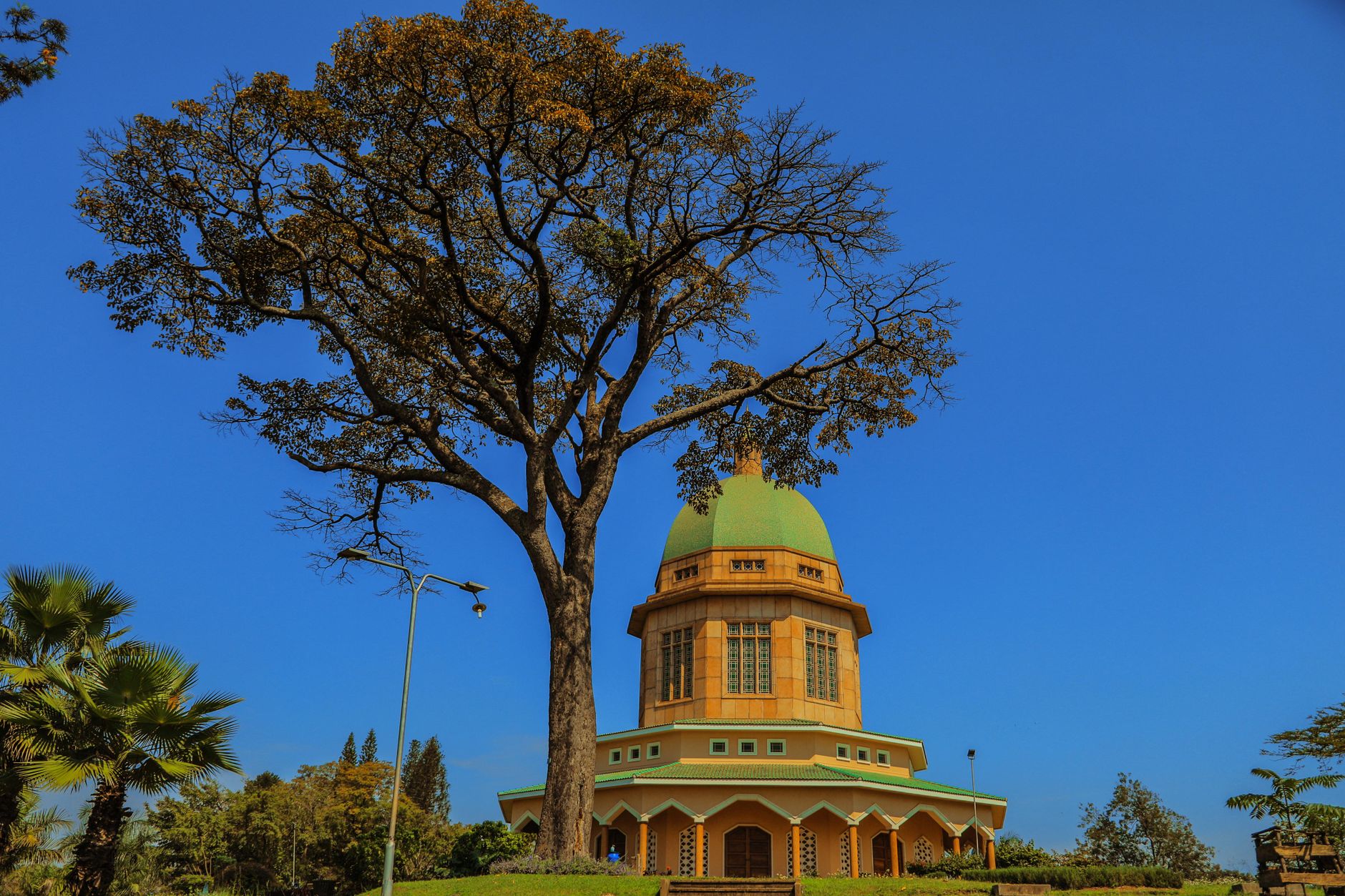
Landmark buildings
See Uganda in motion
Plan your visit
On the map
When to go
Uganda is warm year-round — 20°C to 25°C on average, though Kampala's days push closer to 29°C in the early months and the northern parks regularly hit 32°C. The southwest highlands around Bwindi are noticeably cooler and wetter. Two rainy seasons run March to May and October to November; if you want dry trails and clear mountain views, aim for June through August or December through February.
Right now
Background & history adapted from Wikipedia (CC BY-SA) · specs from Wikidata (CC0) · weather from Open-Meteo · map data © OpenStreetMap contributors · photos from Wikimedia Commons / Unsplash with per-image credit. No third-party reviews or social posts reproduced.