
Maldives
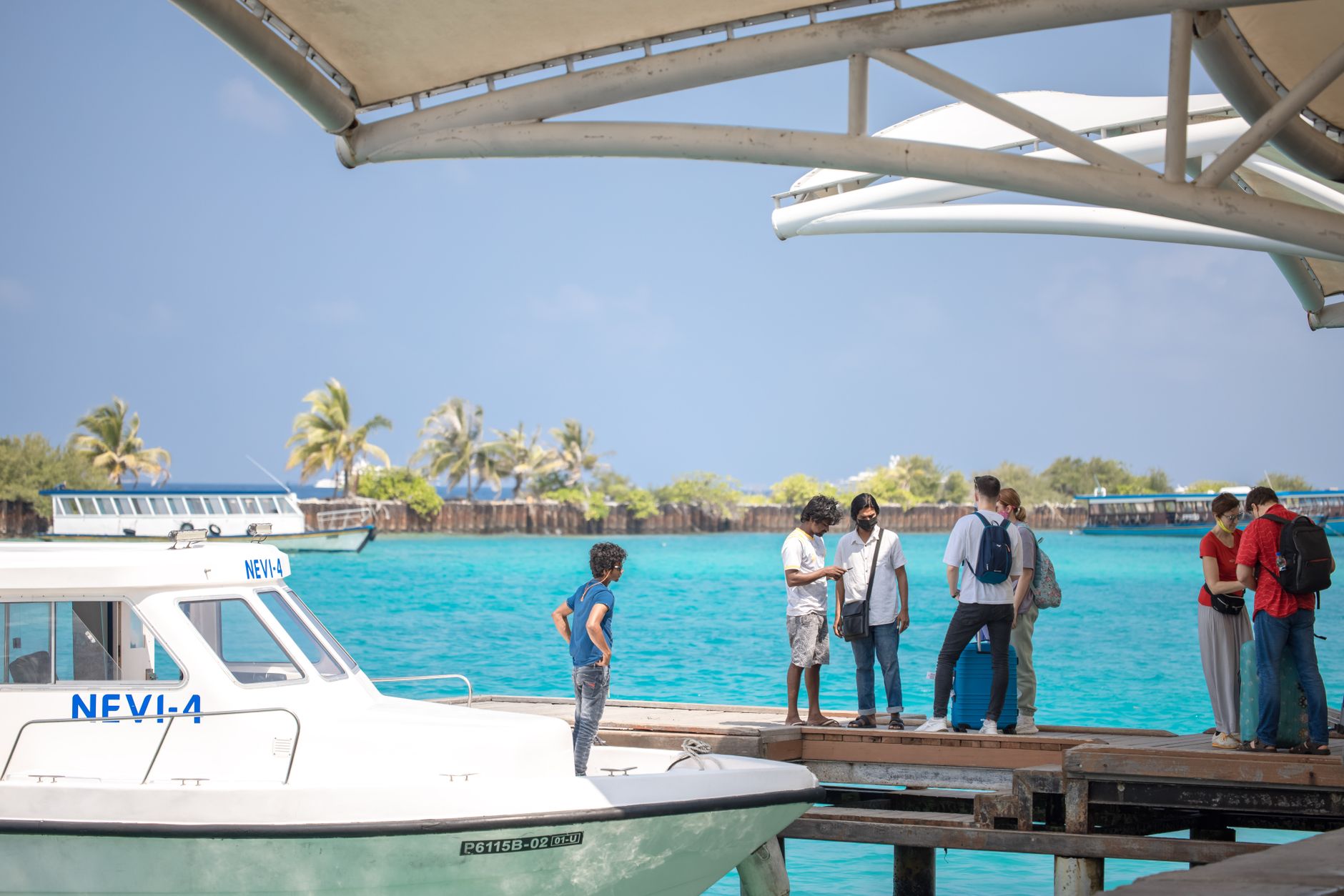
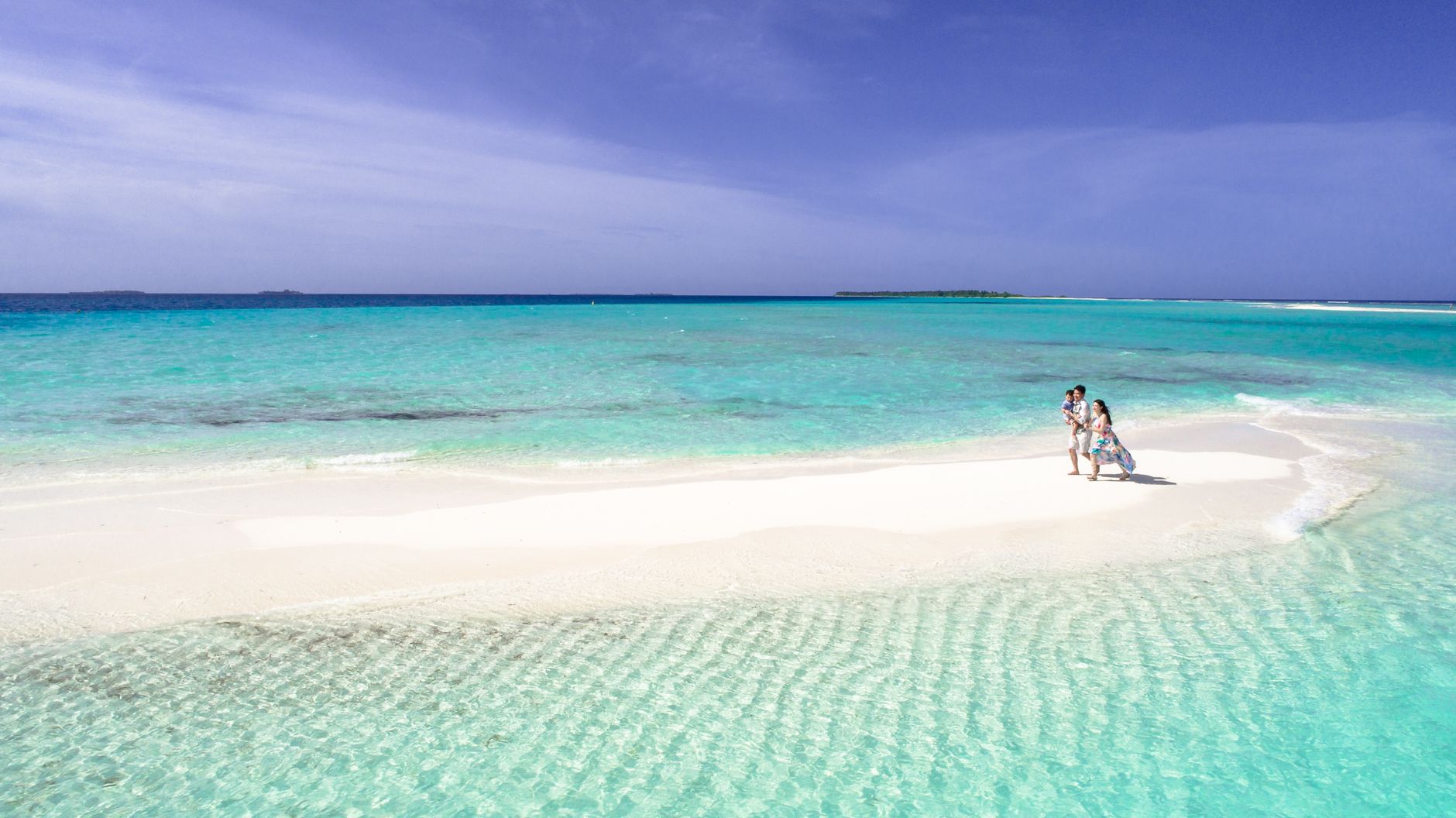
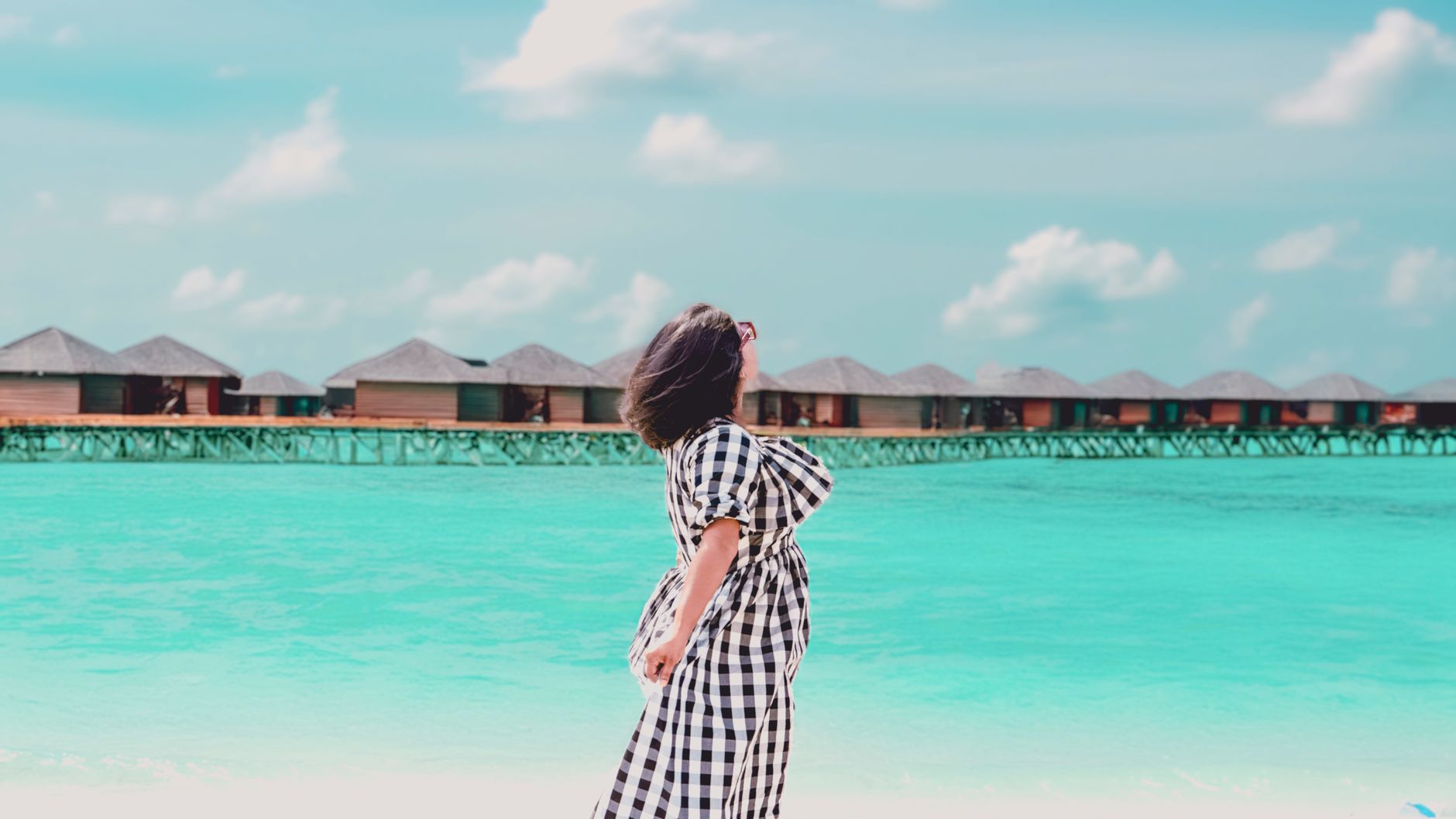
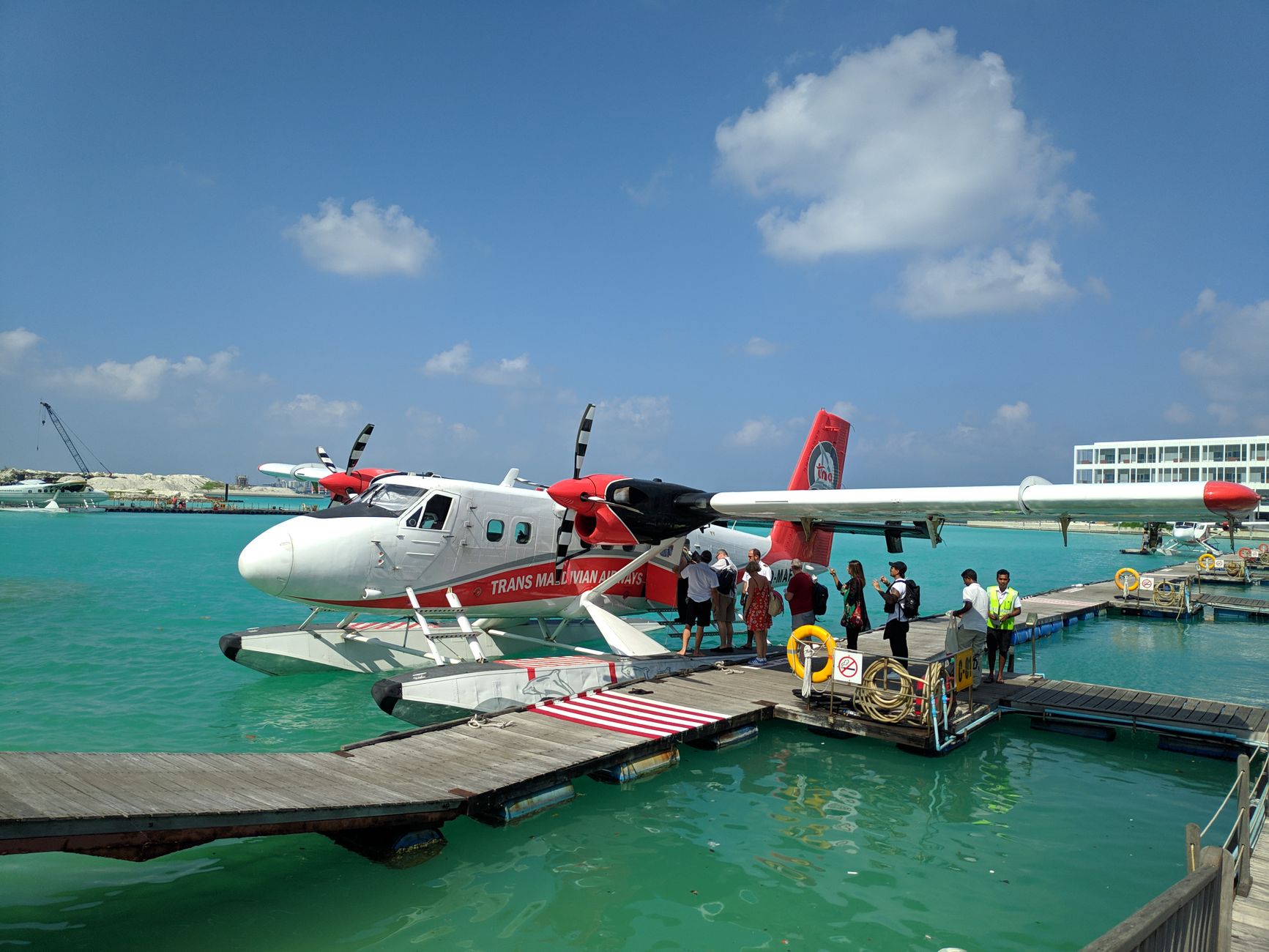
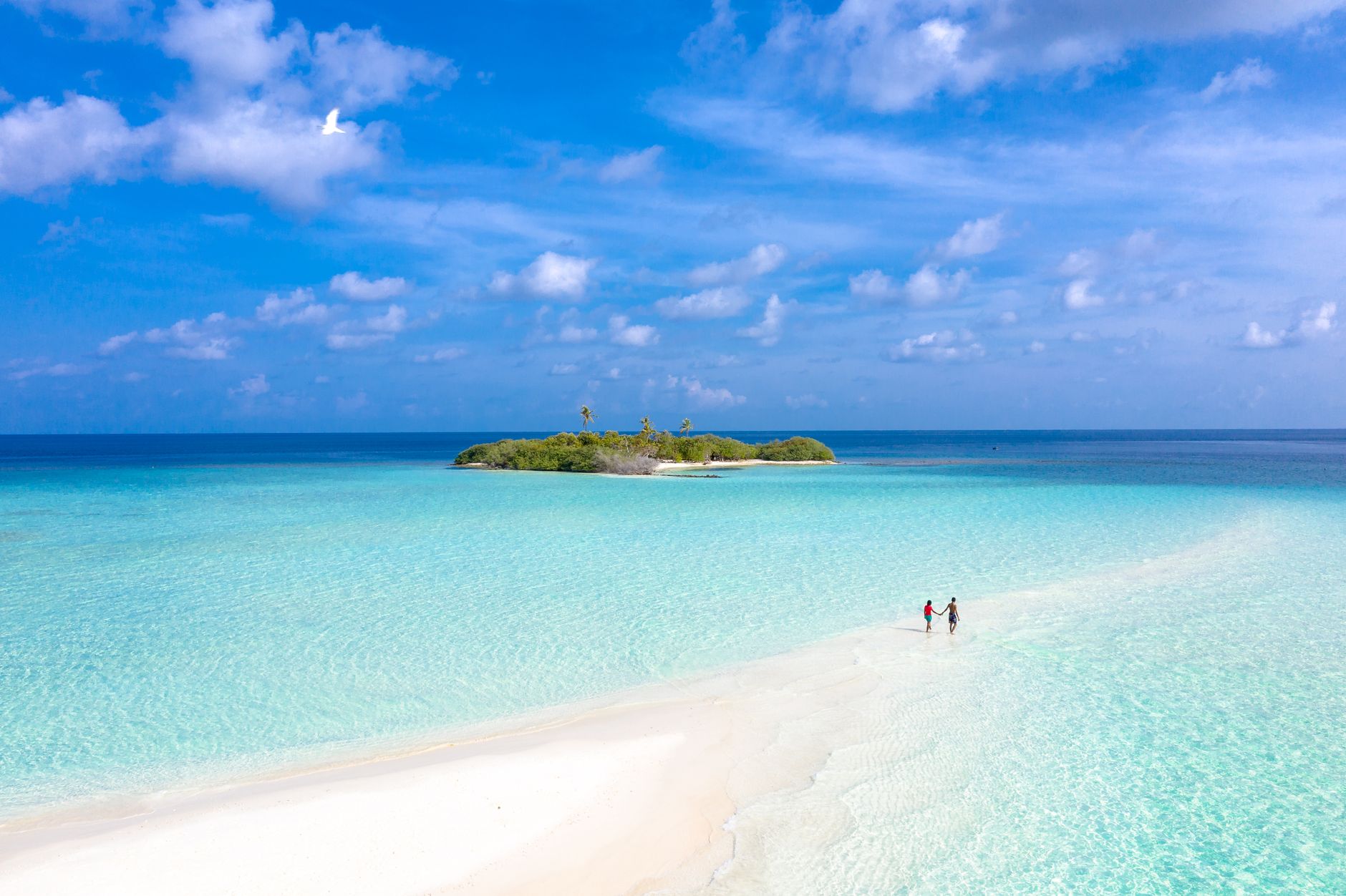
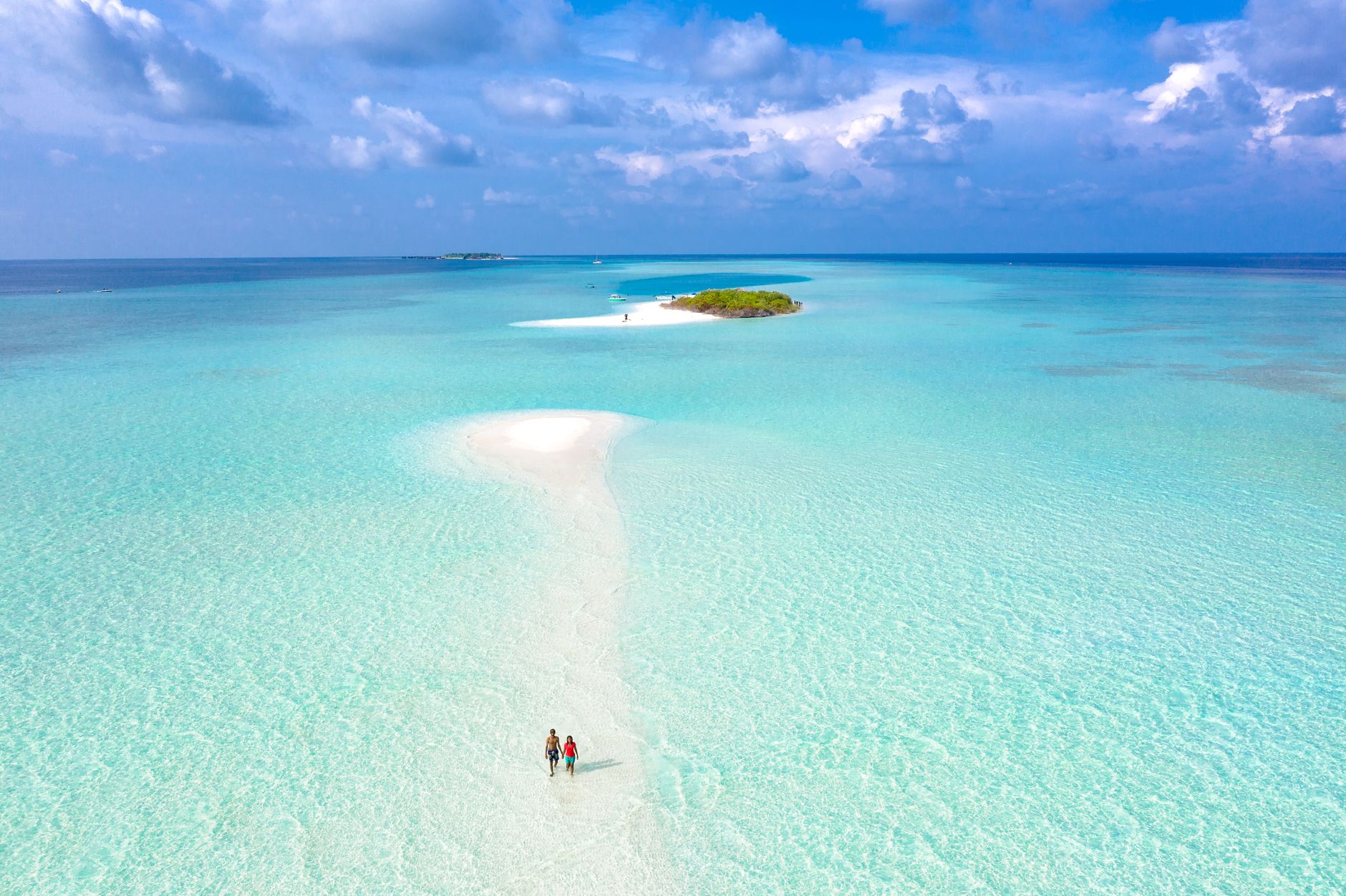
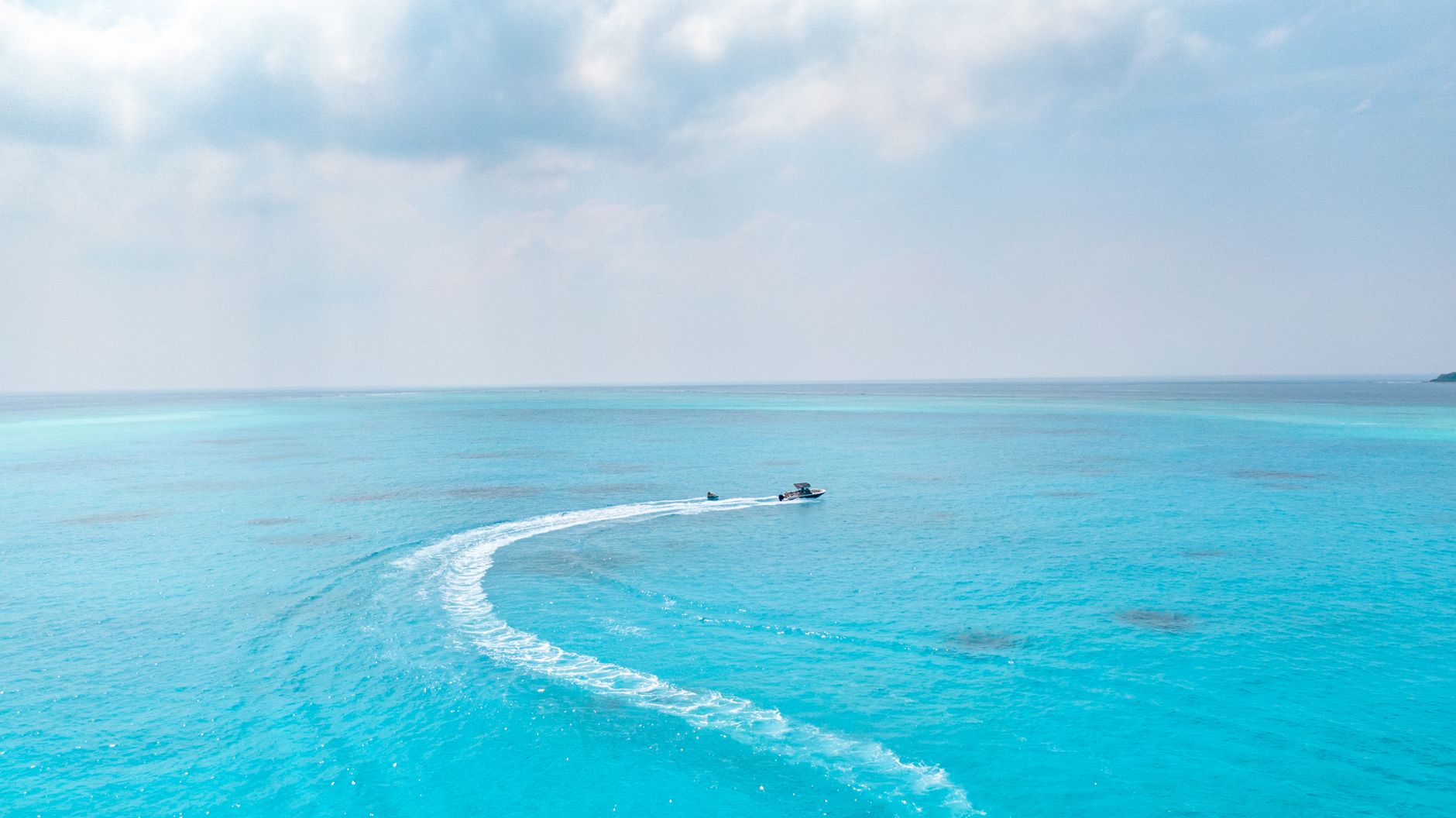
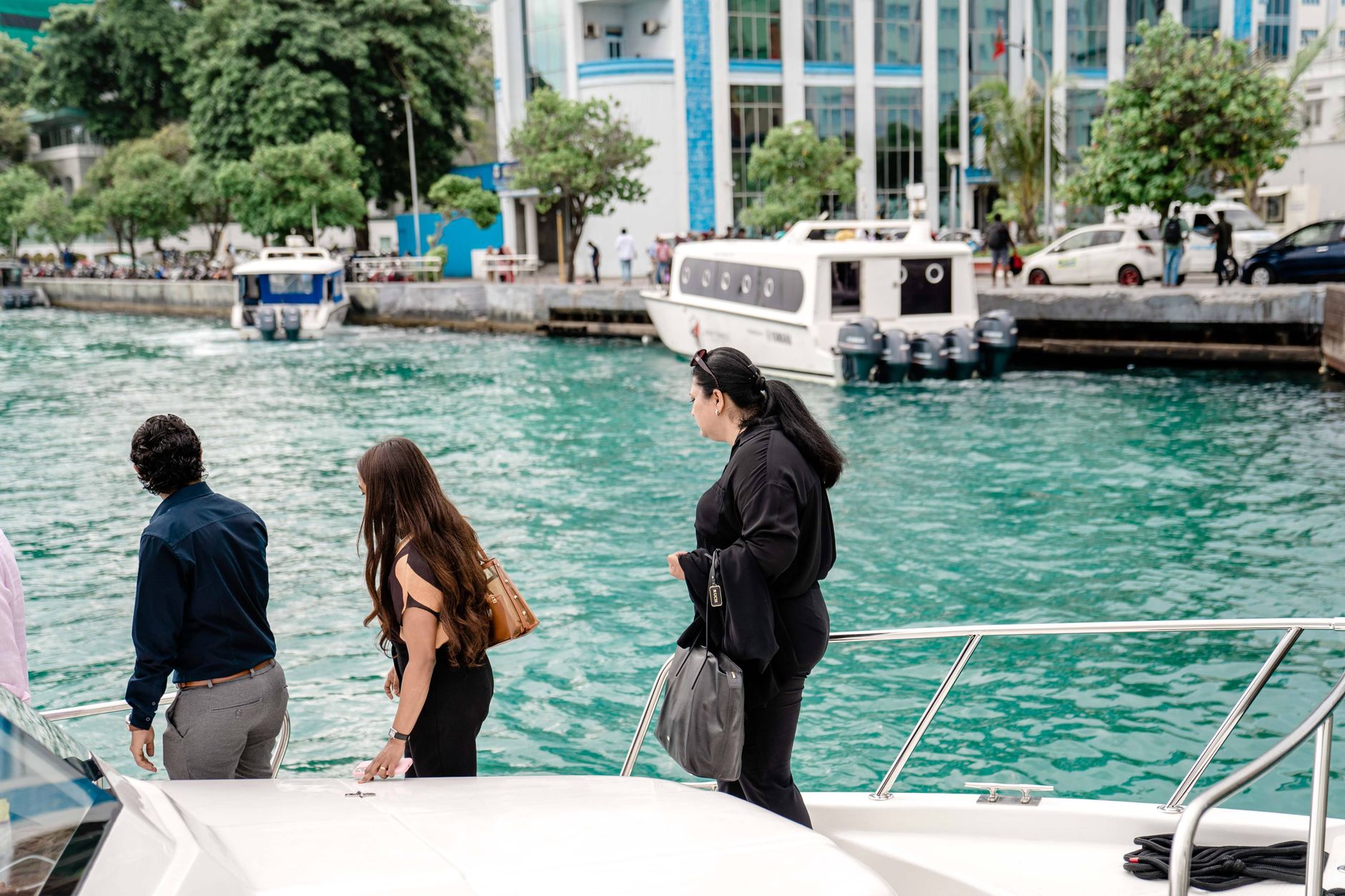
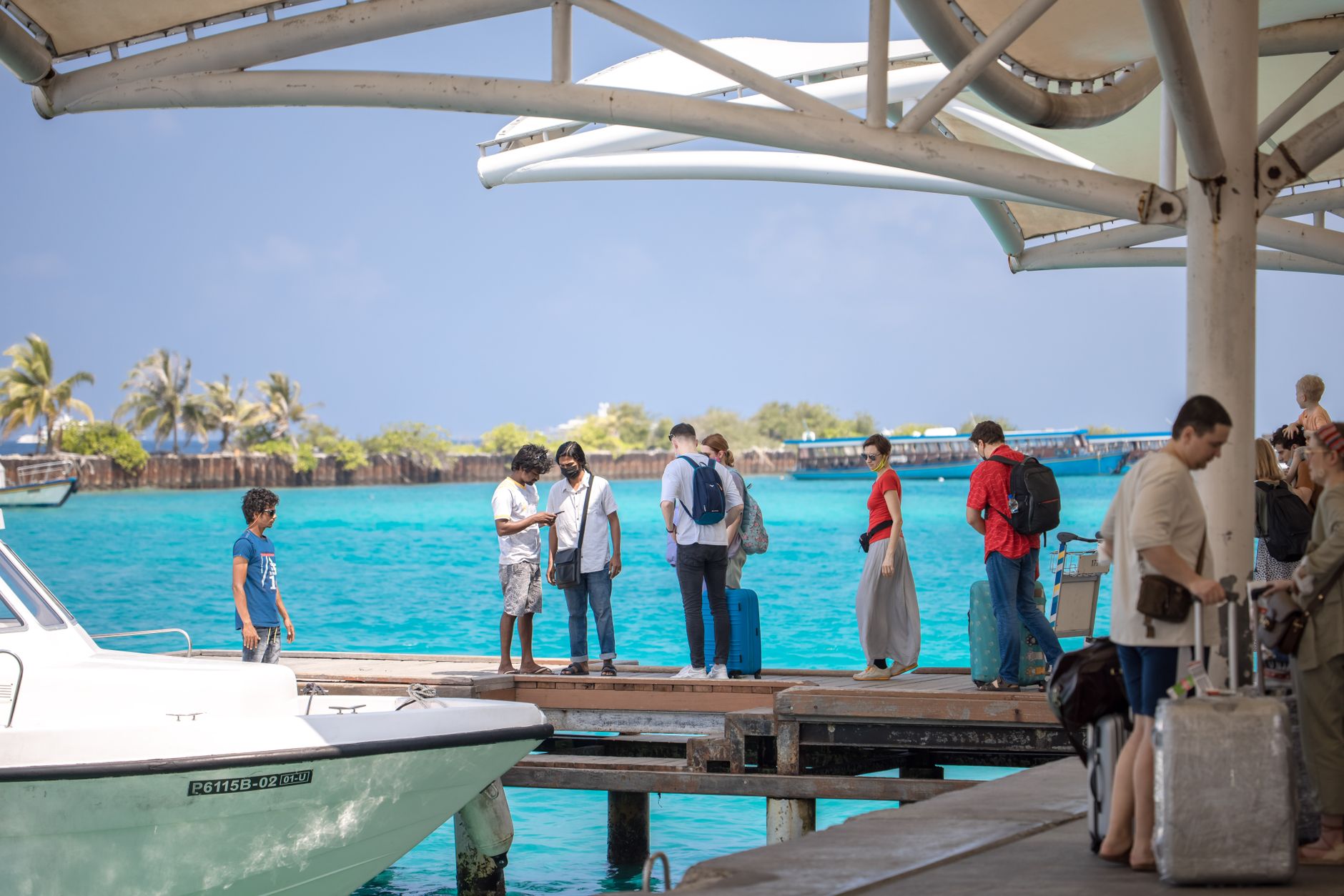
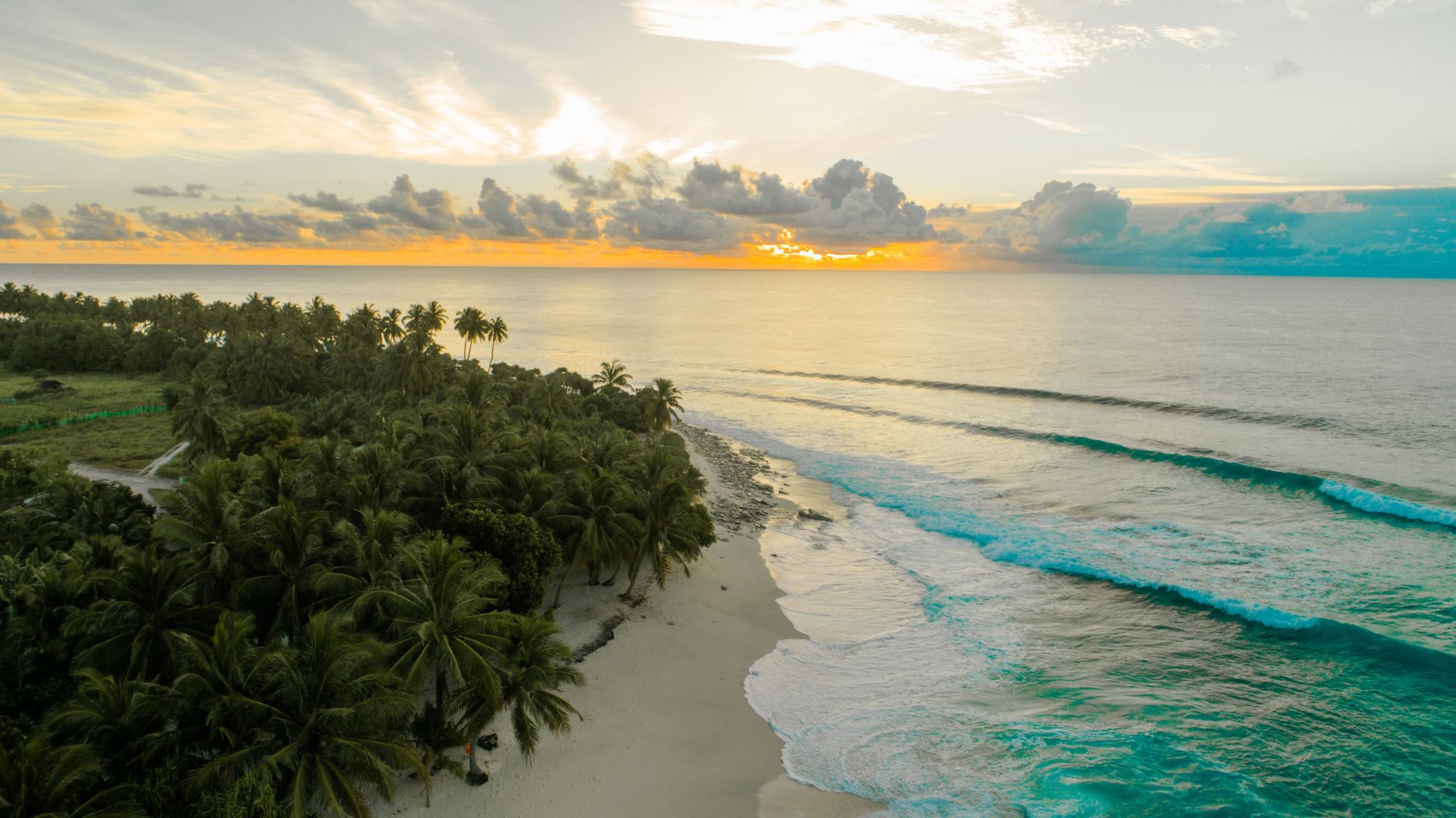
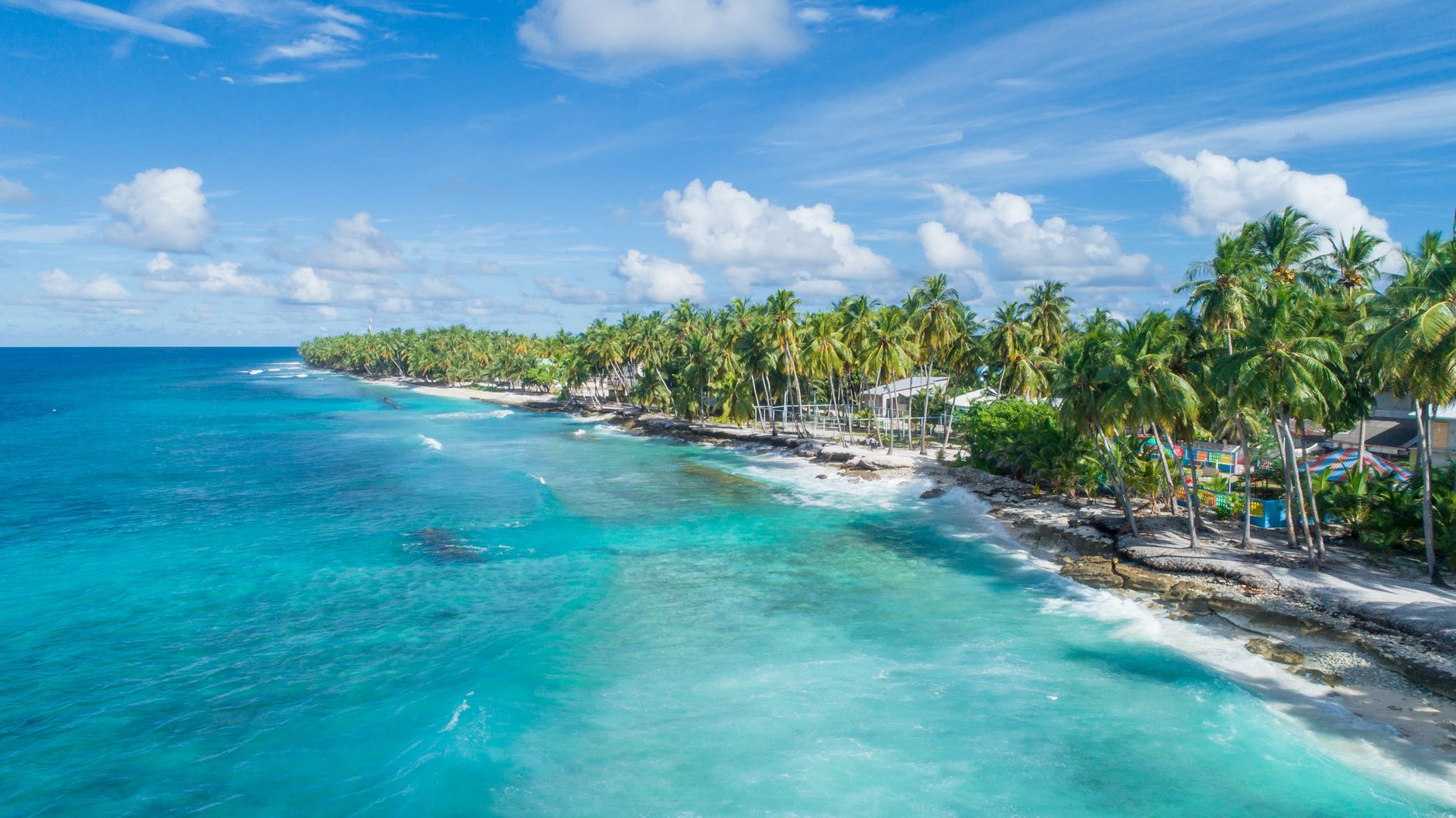
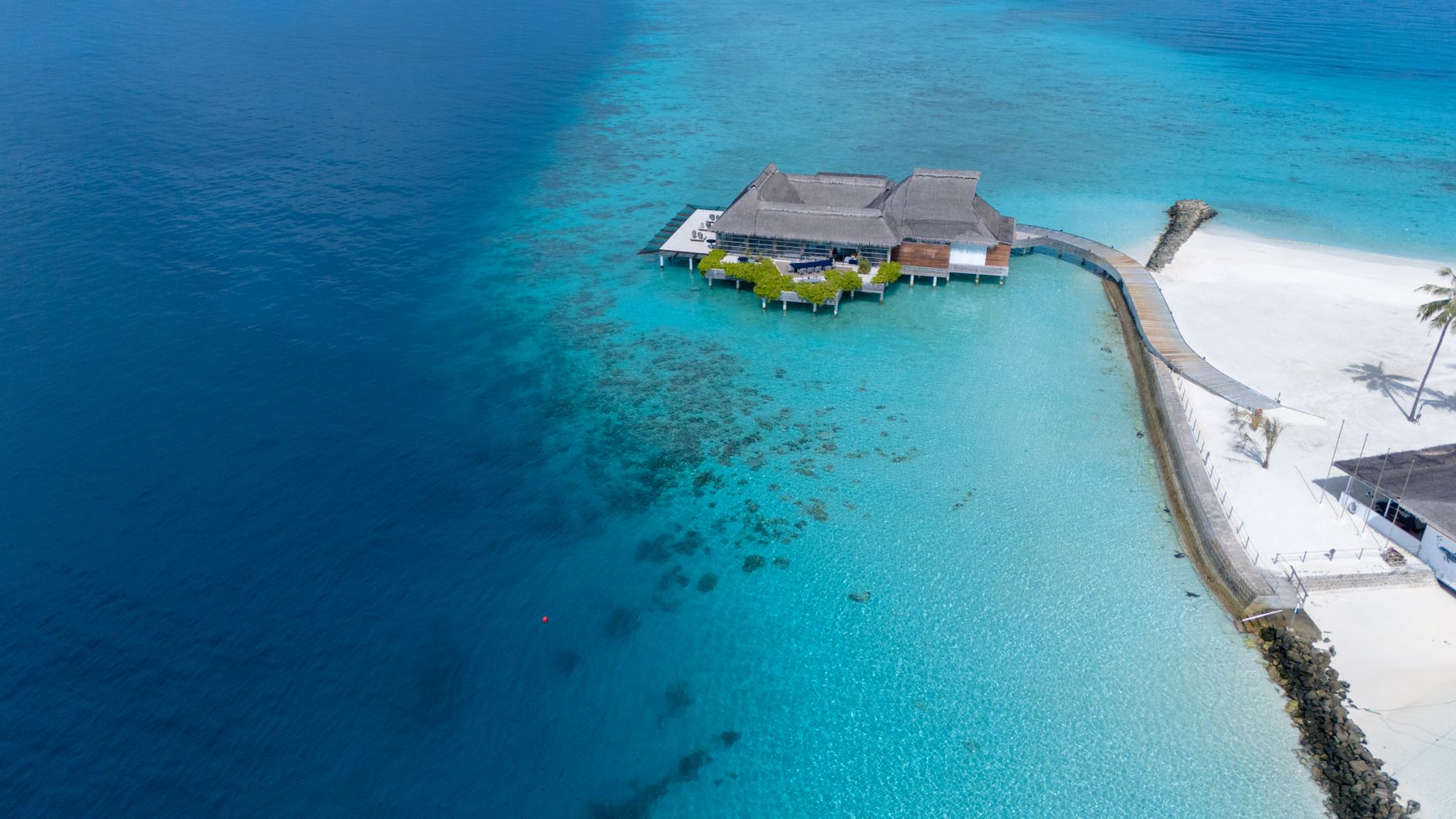
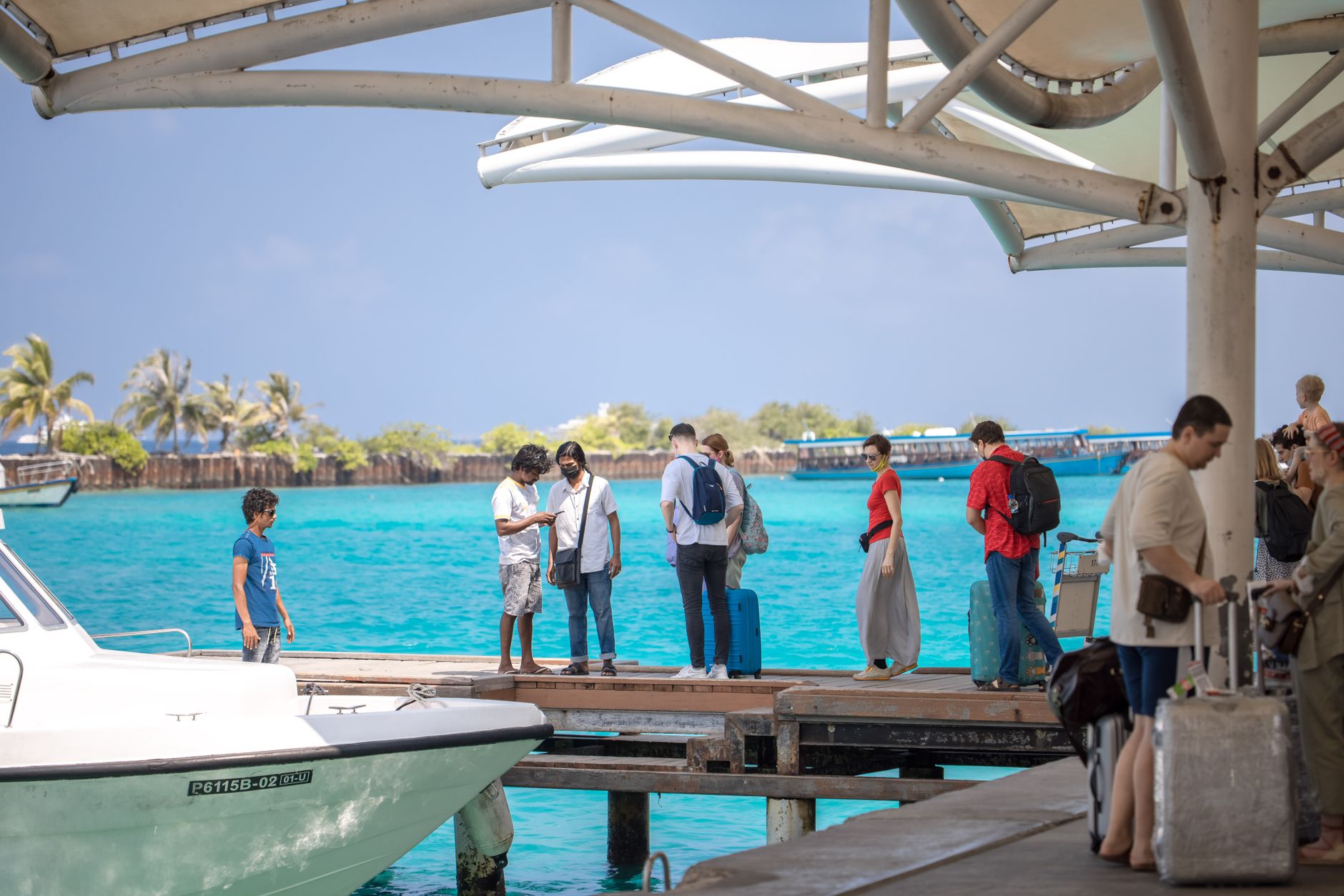
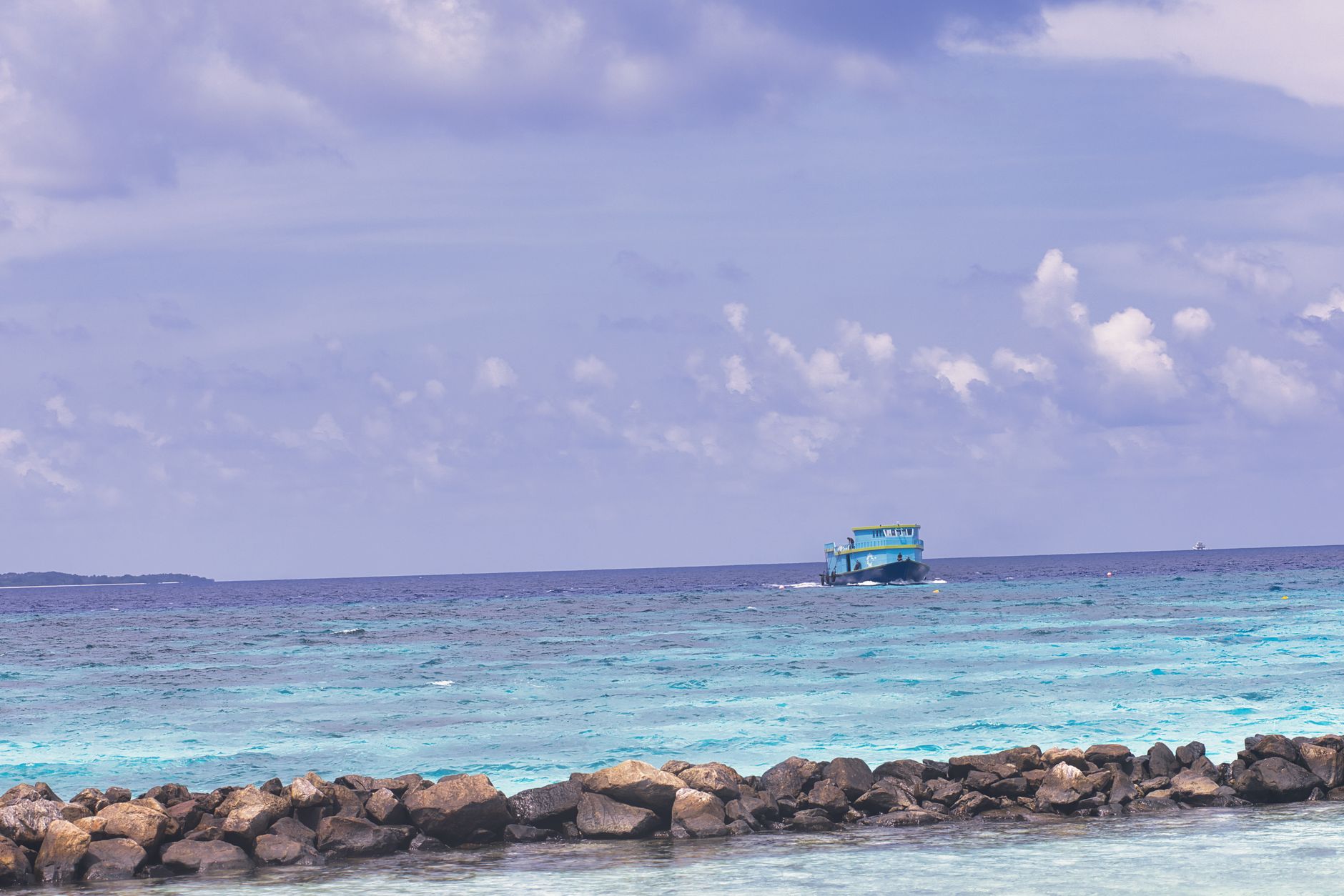
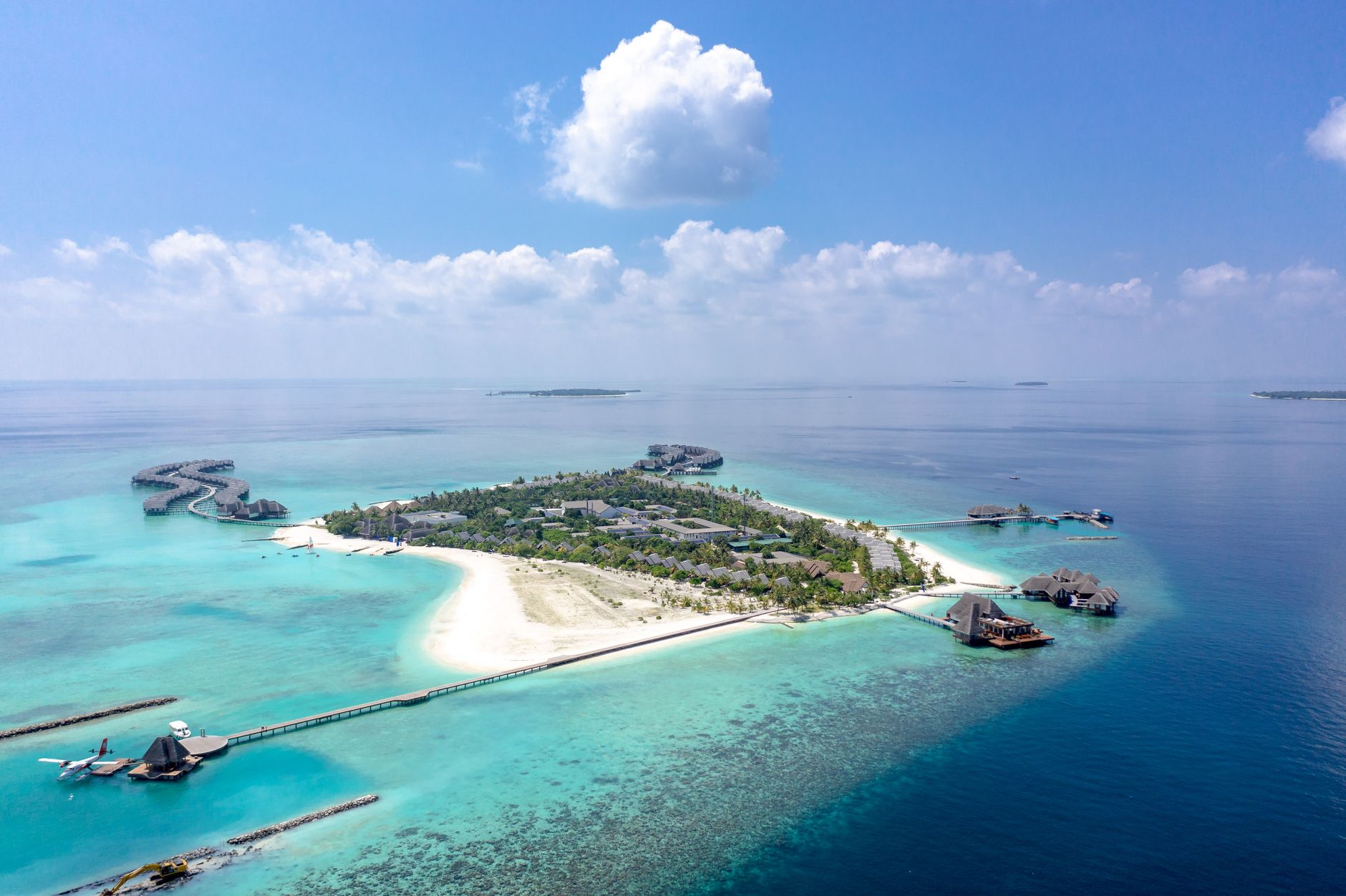
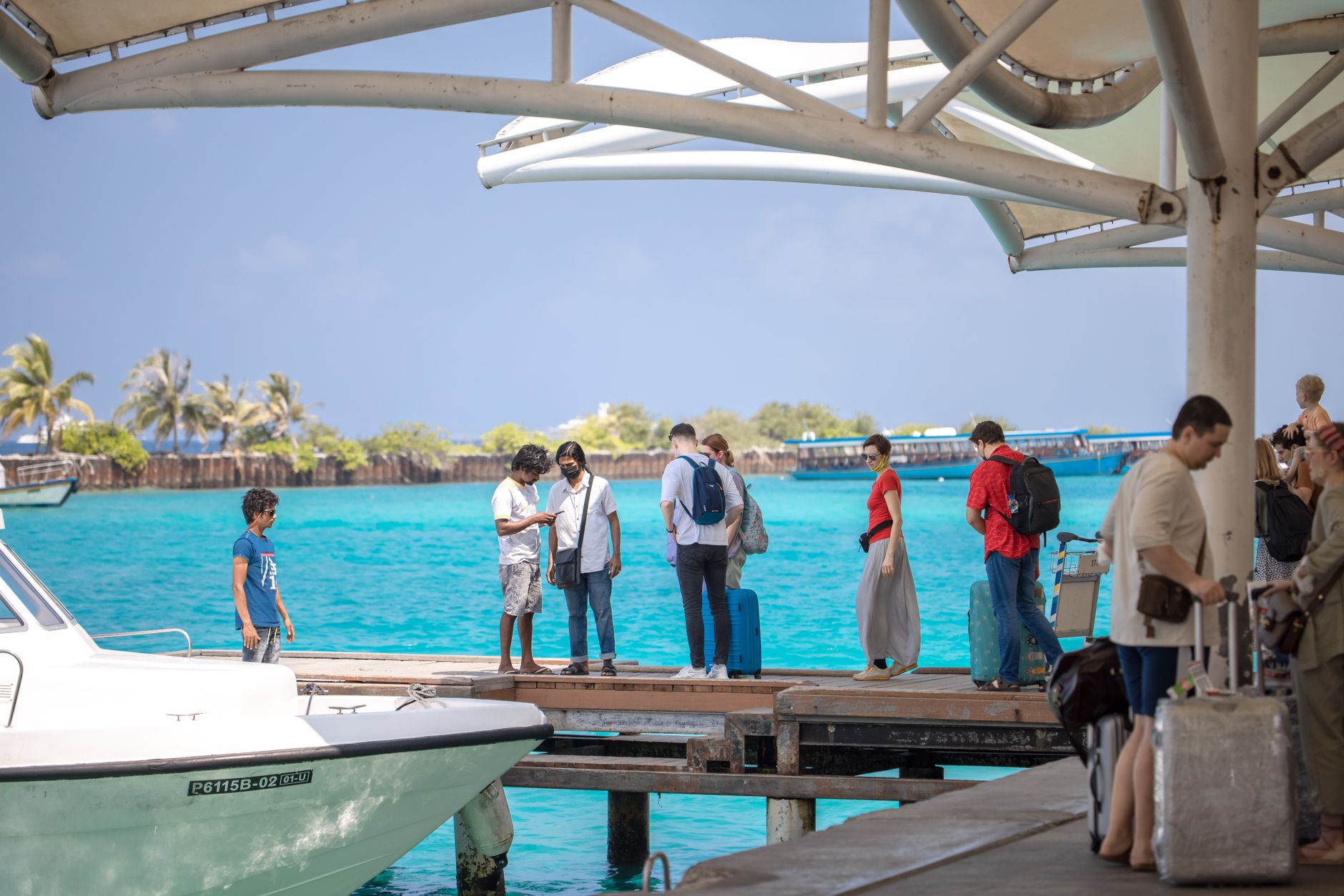
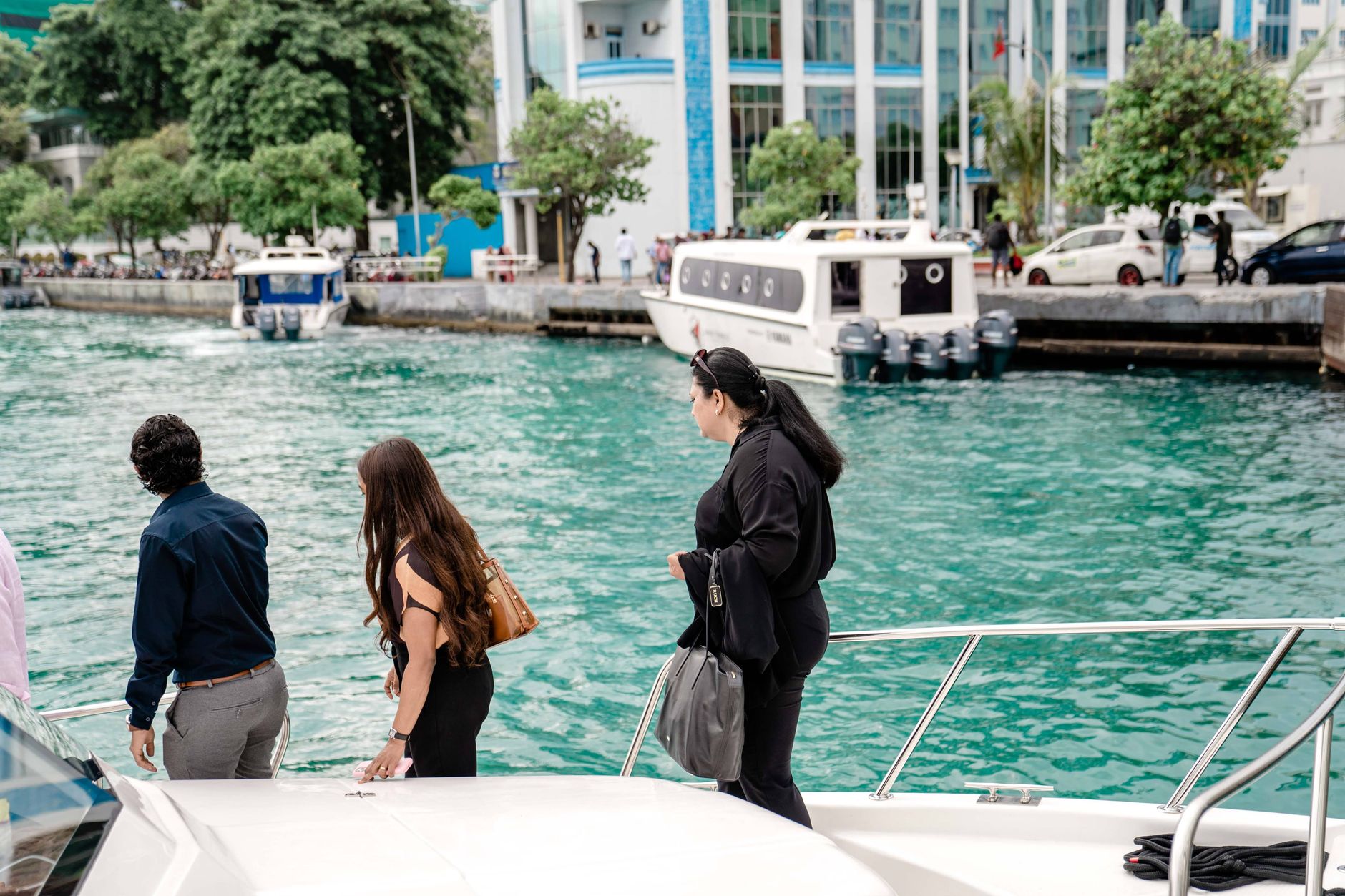
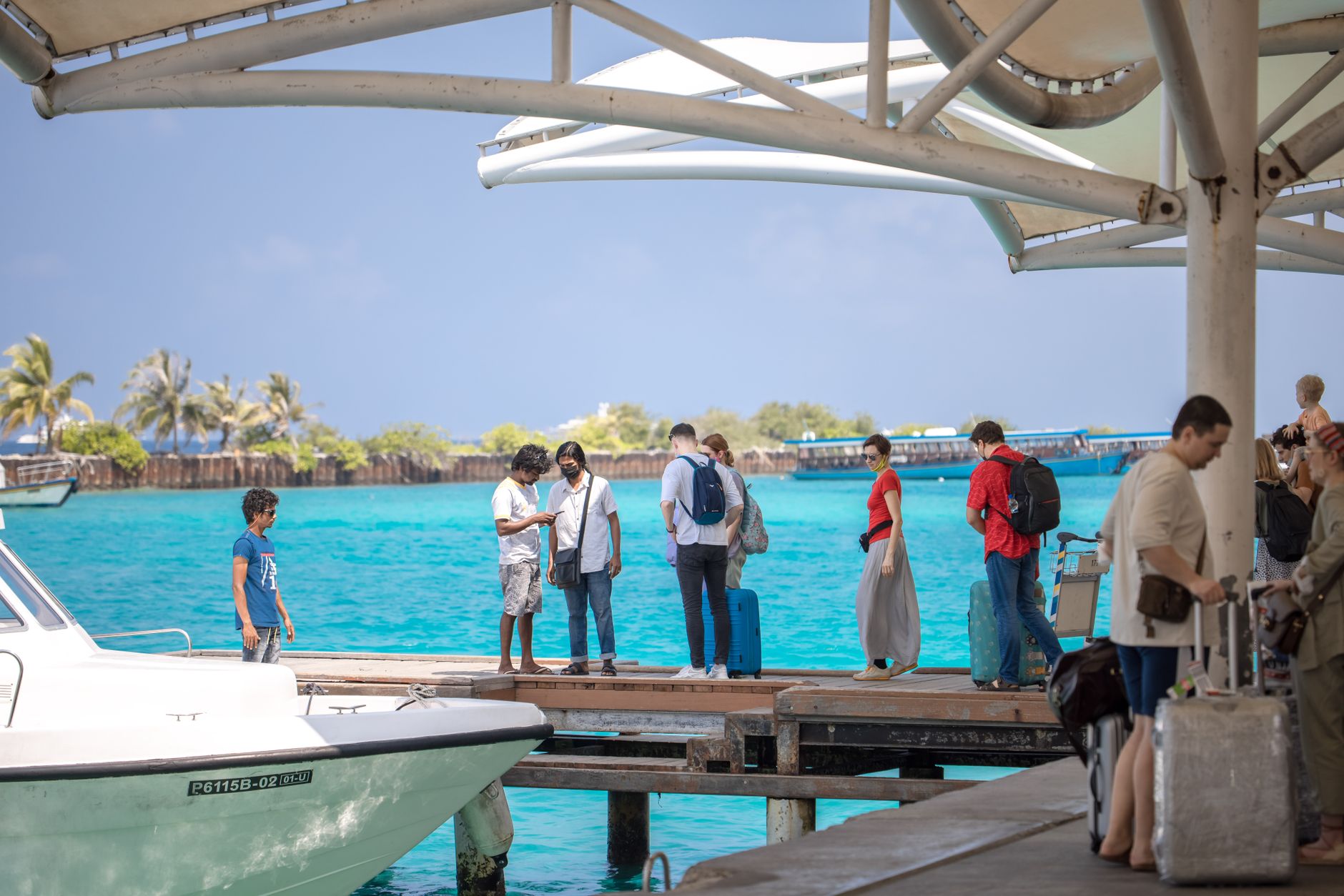
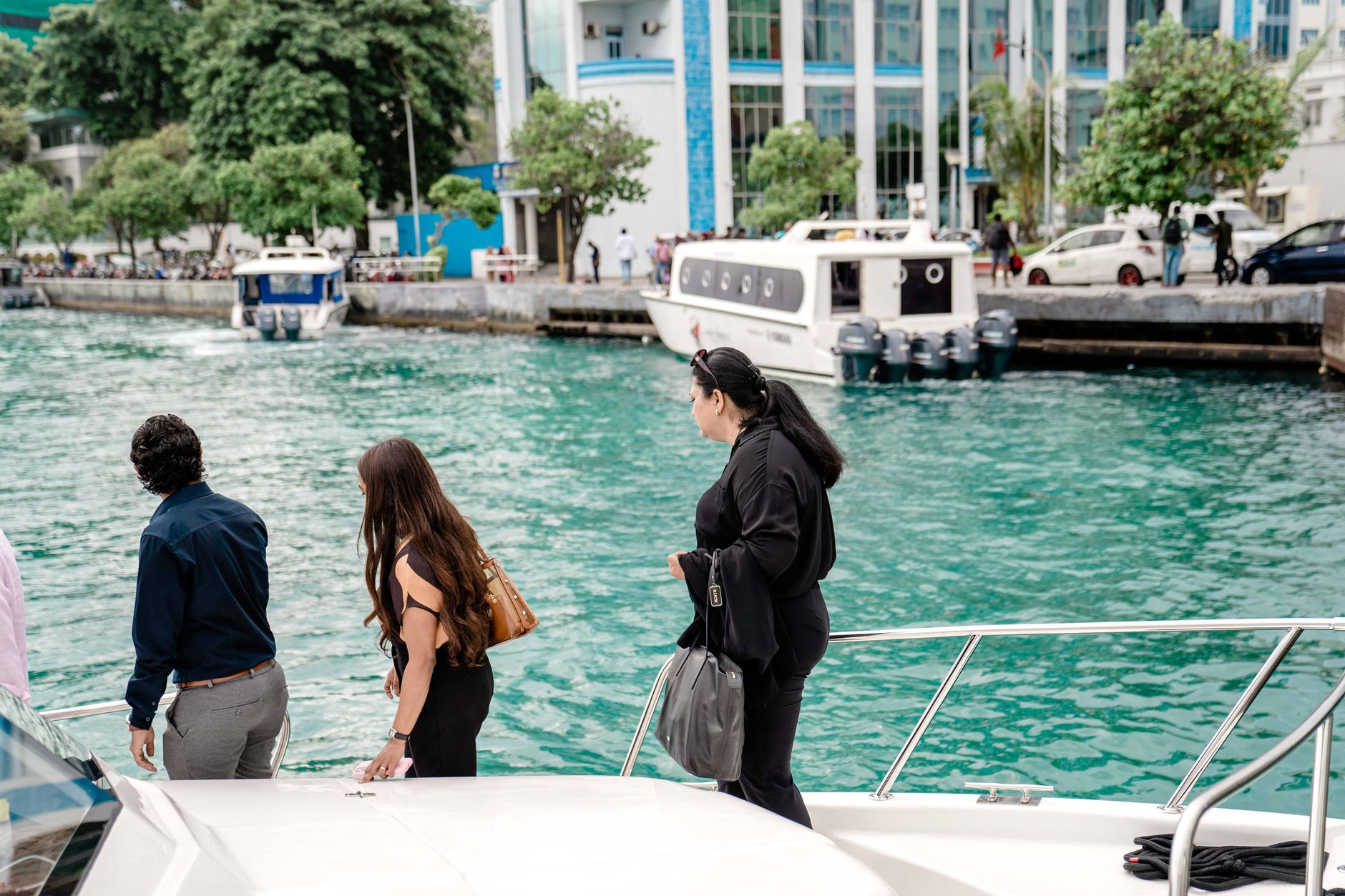
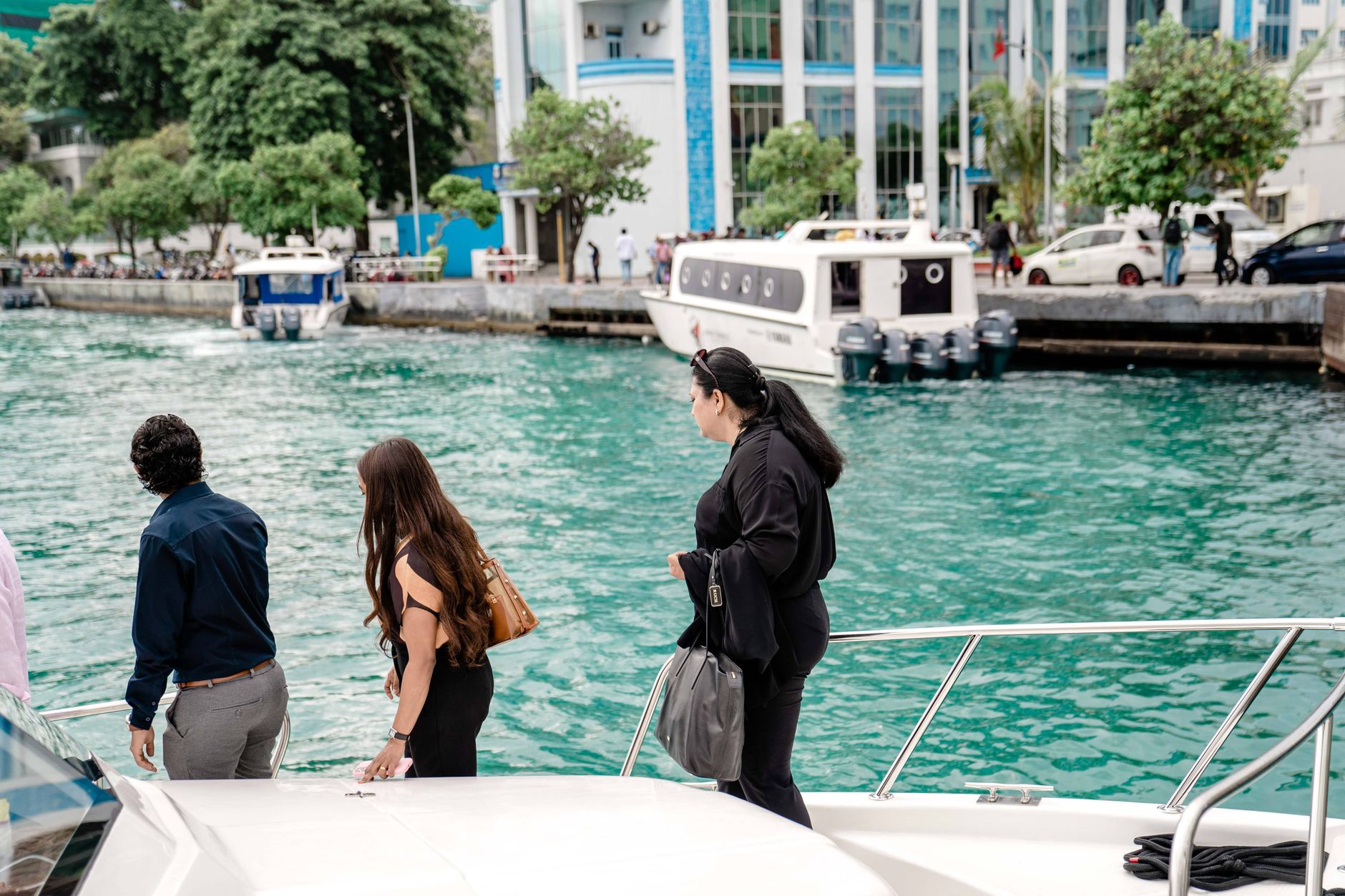
The Maldives is 26 coral atolls and roughly 1,200 islands spread across the Indian Ocean — an archipelago so low-lying that most of it sits less than a metre above sea level. That geography shapes everything: how you get from one place to another (speedboat, seaplane, or domestic flight), how long you can stay, and how differently each island feels from the last.
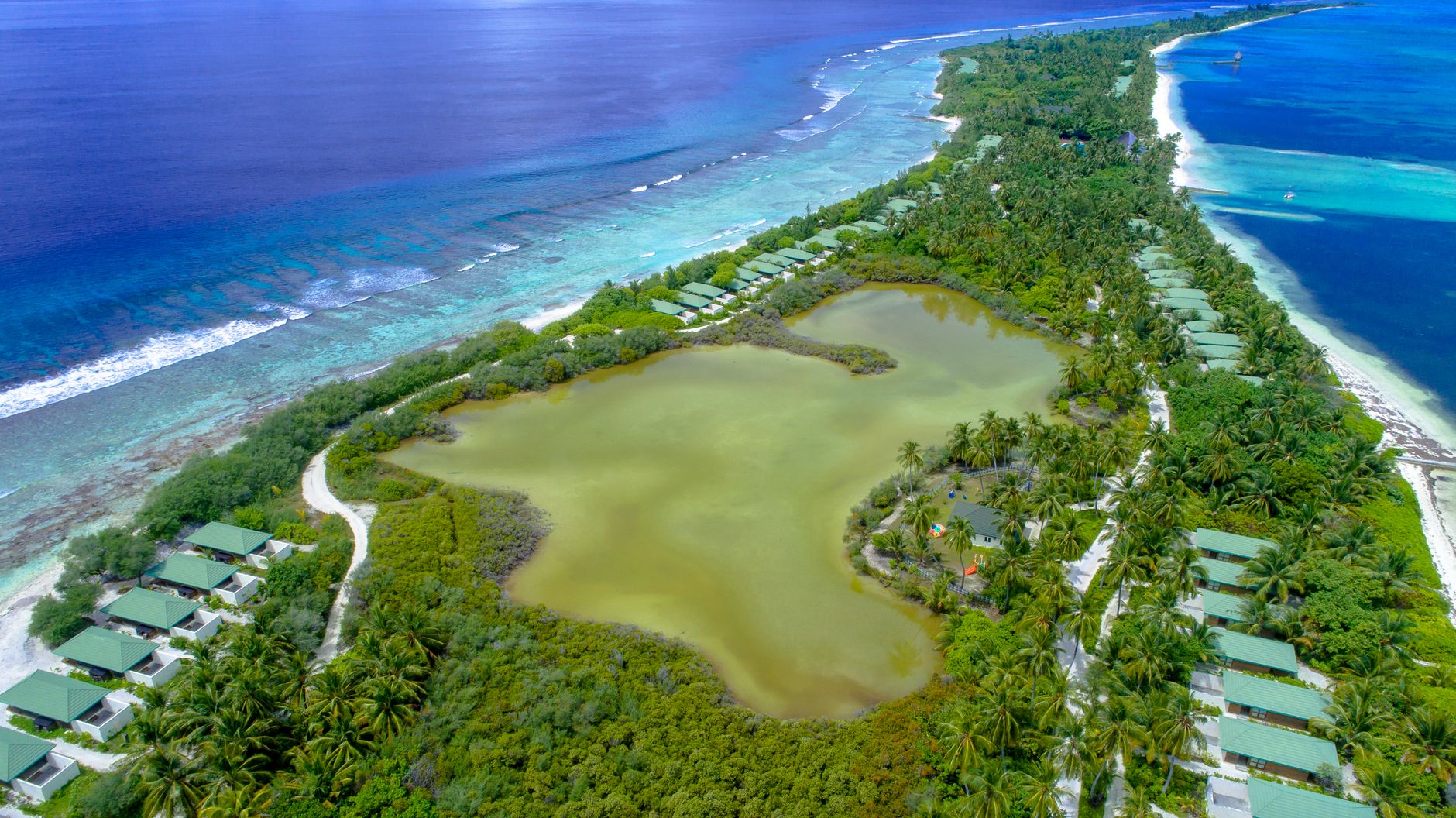
Malé, the capital, packs over 200,000 people into 8.3 square kilometres, making it one of the densest cities on earth. Beyond it, the islands range from a few hundred metres to less than a kilometre wide. The Indian Ocean is the constant — warm, clear, and present in every direction.
Popular regions in Maldives


💛 What travellers fall for
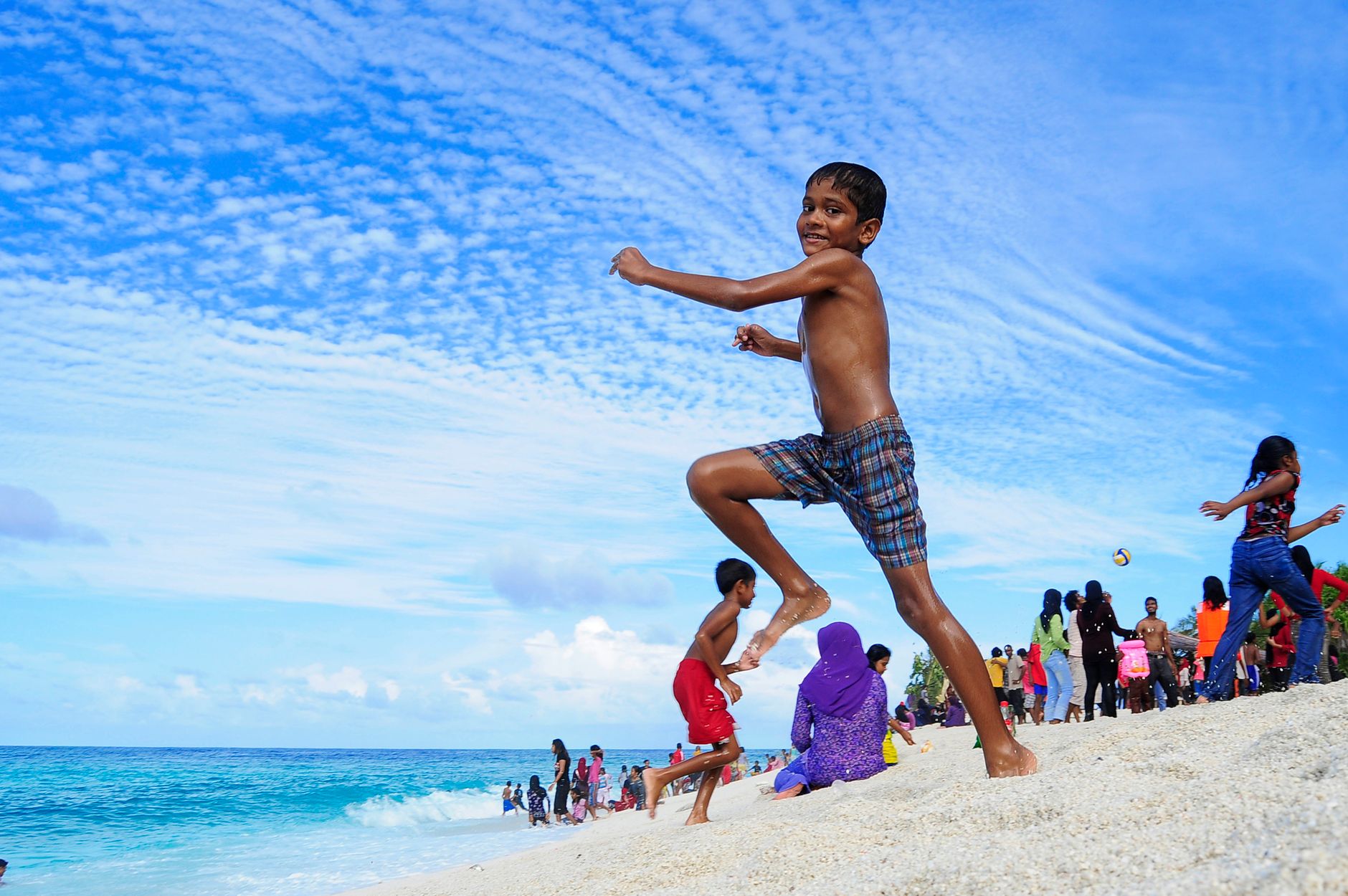
People who return tend to say the same thing: plan your transfers before anything else. Seaplanes stop running at dusk, and a missed connection means a night in Malé you didn't budget for. Book the boat or flight leg first, then build everything else around it. Those who know also spend at least an afternoon walking Malé — the Old Friday Mosque alone is worth the detour.
Deals in Maldives
Book directly at the provider

How Maldives came to be
People have lived on these islands for around 2,500 years. Buddhism arrived in the 3rd century BCE and held for well over a millennium, leaving traces still visible in sites like the Kaashidhoo monastery, radiocarbon-dated to between 205 and 560 AD. In 1153, according to tradition, the scholar Abu al-Barakat Yusuf al-Barbari brought Islam to the islands — a conversion that has shaped Maldivian culture ever since.
The Portuguese occupied the archipelago from 1558 until 1573, when Muhammad Thakurufaanu al-Auzam led the uprising that expelled them. The British made the Maldives a protectorate in 1887. Ibrahim Nasir negotiated independence, signed on July 26, 1965 — a date marked at Jumhooree Maidhaan in Malé. A presidential republic followed in 1968, with Nasir as its first president.
Who and what shaped it
People who shaped it
Landmark buildings
See Maldives in motion
Plan your visit
On the map
When to go
Temperatures hold between 25°C and 32°C year-round, with ocean water rarely dropping below 28°C. The dry northeast monsoon (January to March) brings the most reliable sun; the southwest monsoon (mid-May to November) delivers heavier rainfall and choppier crossings between islands.
Right now
↡ Regions



↡ Cities
No places match these filters.
Background & history adapted from Wikipedia (CC BY-SA) · specs from Wikidata (CC0) · weather from Open-Meteo · map data © OpenStreetMap contributors · photos from Wikimedia Commons / Unsplash with per-image credit. No third-party reviews or social posts reproduced.